Finelo Blog
Learn investing and trading, one article at a time. Practical guides, beginner-friendly explainers, and learning tips from the Finelo team.

Best Dividend Trackers in 2026: Features, Fees, and How to Compare
The best dividend tracker is the one that matches your goals: automated portfolio-level planning and consolidated payout monitoring if you want planning and forecasting; simple mobile reminders if you want low-friction income awareness; or tax/reporting–focused tools if you need exportable records. Snowball positions itself as a planning-focused dividend…
Anchored VWAP: How It Works and How Traders Use It
Anchored VWAP (A‑VWAP) is the volume‑weighted average price calculated from a user‑selected start point, showing the average price paid (weighted by volume) since that event and acting as a dynamic support/resistance reference for decisions. TradingView ChartSchool
AI Stock Screeners: Features, Risks, and How to Compare
An AI stock screener is software that uses machine learning and automated analysis to filter, rank, or surface stocks by combining fundamentals, technical indicators, news, and analyst data — helping you find candidates faster than manual searches. Stocks represent ownership in a company, and they are the core…
The 4% Retirement Rule: How It Works, Limits, and Alternatives
The 4% rule is a planning shortcut: withdraw 4% of your retirement portfolio in year one, then raise that dollar amount each year by inflation to preserve purchasing power. Use it as a baseline budgeting tool—not a guarantee—and add protections (cash cushions, guardrails, or temporary cuts) to guard…
Annualized Return: Formula, Example & Annualization
Annualized return is an investment’s gain or loss expressed as a yearly compounded rate.
Stock Borrow Fee: What It Costs to Short a Stock
Learn what a stock borrow fee is, how it is calculated and charged, what makes a stock hard to borrow, and how borrow costs change a short-selling plan.
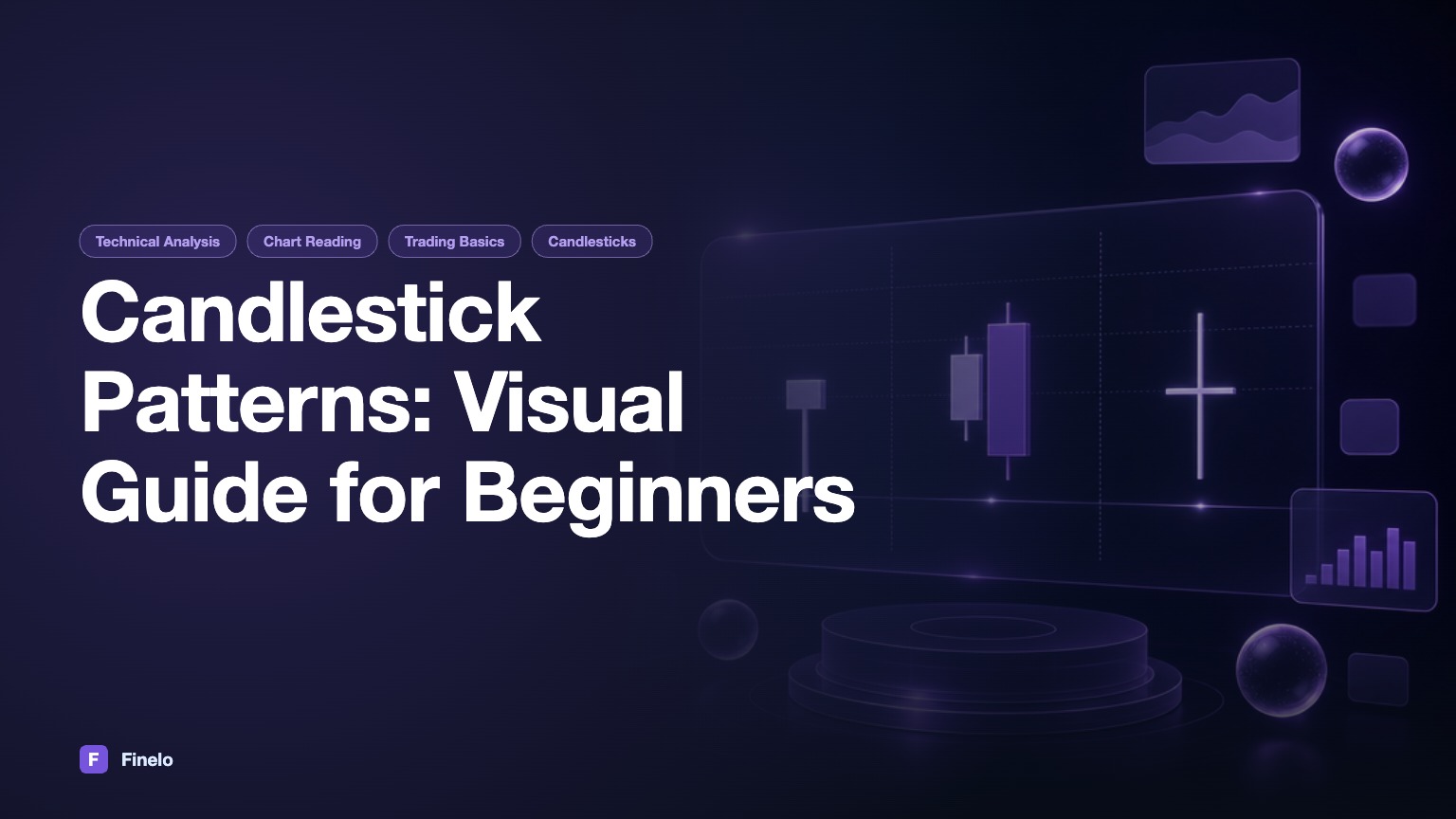
Candlestick Patterns Cheat Sheet: A Visual Guide to the Most Common Patterns
A beginner-friendly candlestick patterns cheat sheet grouping the most common formations by bullish, bearish, and neutral bias — with candle counts, plain-English meanings, and links to full explainers.
Explore the Best Free Paper Trading Apps for Beginners
A paper trading app lets you place simulated stock, options, or futures trades with virtual money. You get real-time market data and the same order types you'd use in a live account. Zero real cash is at risk. Several…

New in Finelo: AI Trading Bots That Find Setups for You
Finelo's newest feature — AI bots that scan real market data around the clock, explain every setup in plain language, and wait for your approval. Here's what's new and how to try it.
How Do AI Trading Bots Work? A Beginner’s Guide
Follow an AI trading bot from incoming data to a proposed action, approval and execution. Learn what to check about testing, permissions and costs.

The 10 Best Investing Education Platforms for Beginners in 2025
A breakdown of the top platforms for learning to invest in 2025, including what makes each one stand out and where they fall short.
Browse by category
AI Trading
Articles, guides, and explainers about ai trading.
9 articlesChart Analysis
Articles, guides, and explainers about chart analysis.
6 articlesFinancial Literacy
Core money concepts explained simply for everyday financial confidence.
38 articlesInvesting
Long-term investing guides, portfolio basics, and wealth-building fundamentals.
53 articlesTrading
Active trading concepts, market mechanics, and disciplined practice strategies.