For U.S. readers: This article discusses U.S. rules and financial products. State rules and individual eligibility may differ.
Subsidized or Unsubsidized Loans: Which Should Get Extra Payments First?
Loan type alone does not determine the best payoff order.
7 min read
Practice trading with Finelo
Practice in a simulator, learn with bite-sized lessons, and build confidence before risking real money.
Want to learn more?
Practice in a simulator, learn with bite-sized lessons, and build confidence before risking real money.
Explore FineloExplore Finelo's 28-day challenges
Turn learning into a daily habit with guided challenge paths.
Quick answer
Loan type alone does not determine the best payoff order. After making every required payment, a borrower focused on reducing interest generally directs extra money to the loan with the highest interest rate that is currently accruing interest.
An unsubsidized loan often deserves priority while the borrower is in school, in the grace period, or in a qualifying deferment because interest continues to accrue on it while the U.S. Department of Education generally pays interest on a Direct Subsidized Loan during those protected periods. Once both loans are in ordinary repayment and accruing interest, compare their actual rates rather than assuming the unsubsidized loan is always more expensive.
Finelo provides general financial education, not tax, legal, investment, or individualized financial advice. Federal repayment and forgiveness rules can change.
The key difference between the two loan types
Direct Subsidized and Direct Unsubsidized Loans are federal student loans, but their interest treatment differs.
For a Direct Subsidized Loan, the U.S. Department of Education generally pays the interest:
- while the borrower is enrolled at least half-time;
- during the six-month grace period after leaving school; and
- during qualifying deferment periods.
For a Direct Unsubsidized Loan, the borrower is responsible for interest during all periods, including school, grace, deferment, and forbearance.
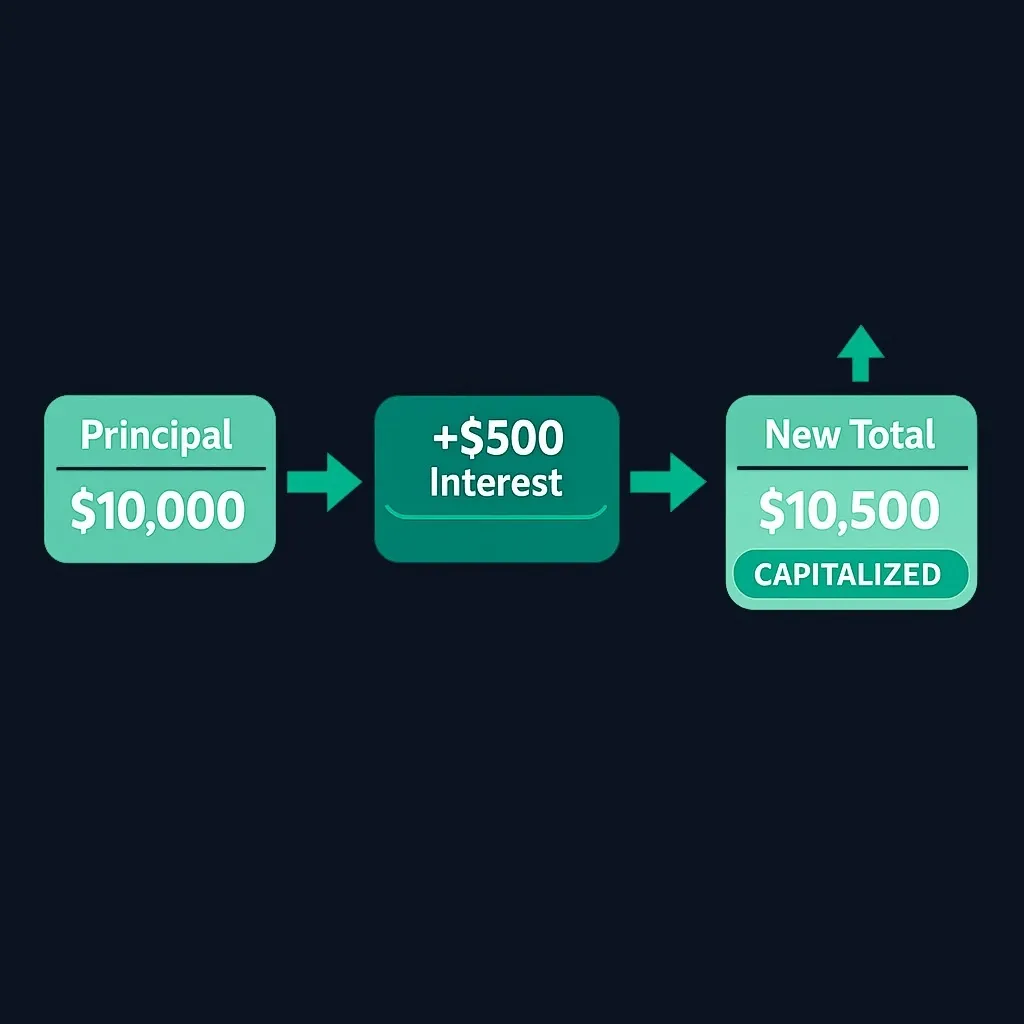
Federal Student Aid notes that unpaid interest on an unsubsidized loan accumulates and may be capitalized in certain circumstances. Capitalization means unpaid interest is added to principal, after which interest is calculated on the higher principal balance.
Official reference: Direct Subsidized and Direct Unsubsidized Loans — Federal Student Aid.
When unsubsidized loans often come first
If a subsidized loan is still receiving the federal interest subsidy and an unsubsidized loan is accruing interest, an extra dollar generally prevents more near-term interest when applied to the unsubsidized loan.
Example: suppose both loans have the same interest rate and the subsidized loan is still in a protected in-school period. The unsubsidized loan is accruing daily interest while the subsidized loan is not charging the borrower interest during that period. Directing an extra payment to the unsubsidized balance would normally reduce current interest cost more.
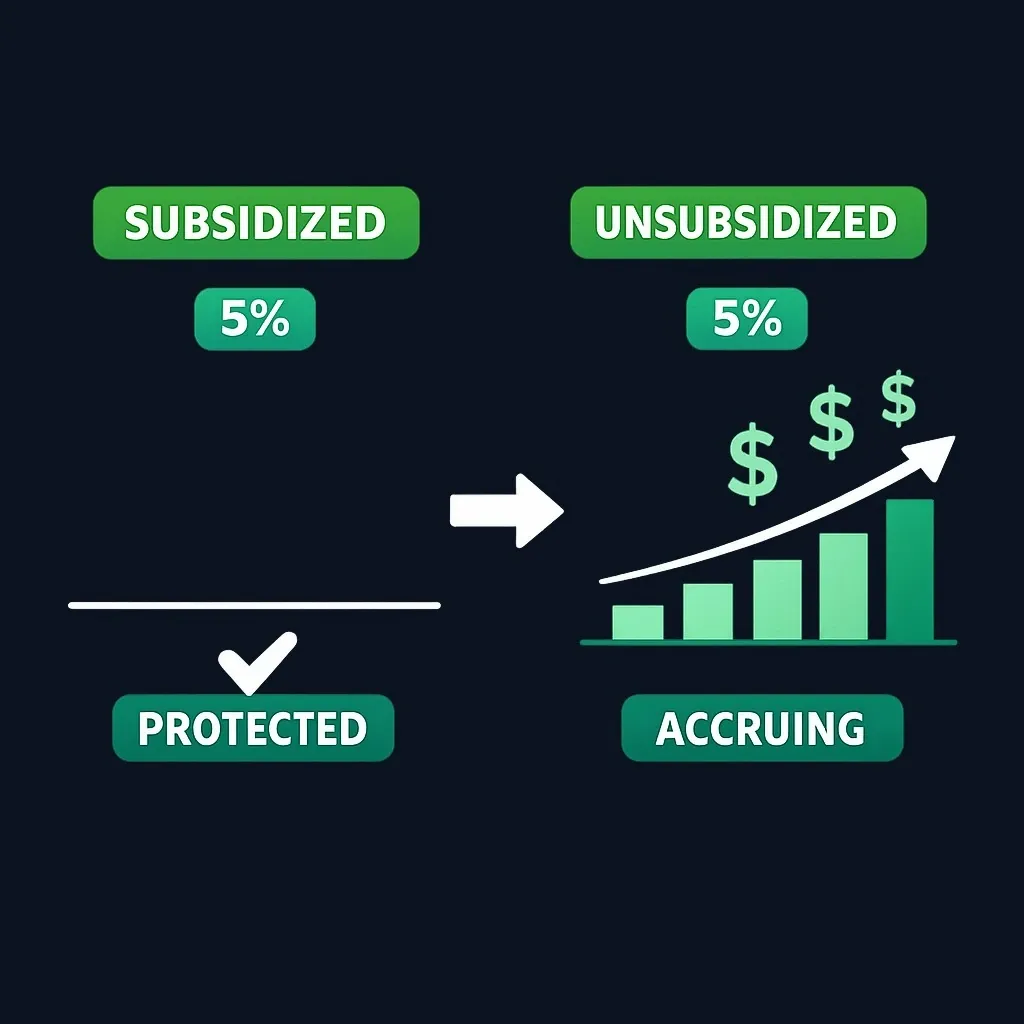
This is a hypothetical illustration. Confirm each loan’s status and accrued interest in the StudentAid.gov account and with the servicer.
When a subsidized loan may come first
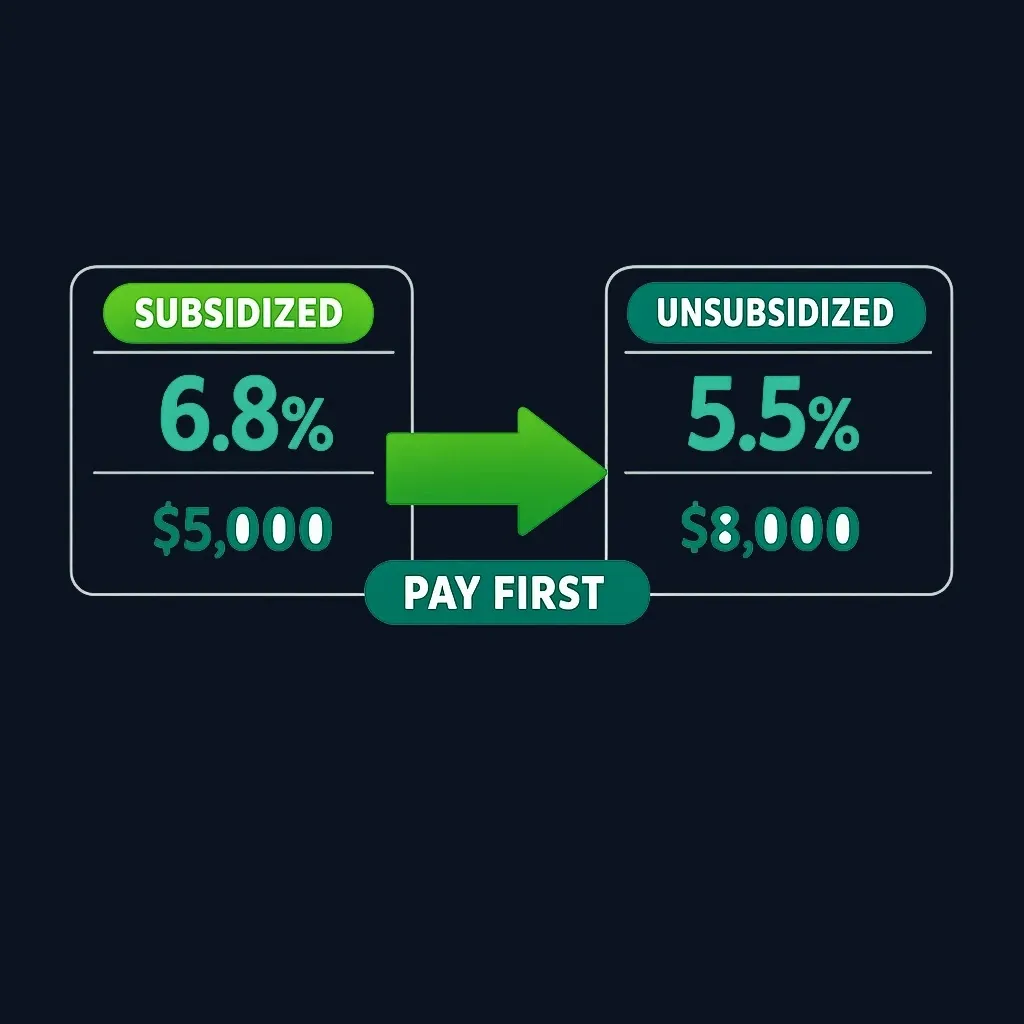
Once the subsidy no longer applies and both loans accrue interest, the higher-rate loan generally costs more per dollar of principal.
For example:
| Loan | Balance | Rate | Current interest status |
|---|---|---|---|
| Direct Subsidized | $4,000 | 6.8% | Accruing |
| Direct Unsubsidized | $7,000 | 4.9% | Accruing |
If all other considerations are equal, the 6.8% subsidized loan would usually be the cost-minimizing target for extra principal because it has the higher rate. The “unsubsidized” label does not outweigh the rate once both loans are accruing.
A five-step payment-order check
Step 1: keep every loan current
Extra payments should not replace required payments. Delinquency and default can create collection costs, credit consequences, and loss of repayment benefits.
Step 2: confirm current interest status
For each loan, record whether interest is accruing now. A subsidized loan can lose its temporary interest advantage when the protected period ends.
Step 3: compare fixed interest rates
Among loans currently accruing interest, a highest-rate-first approach generally minimizes interest cost when balances and payment timing are otherwise comparable.
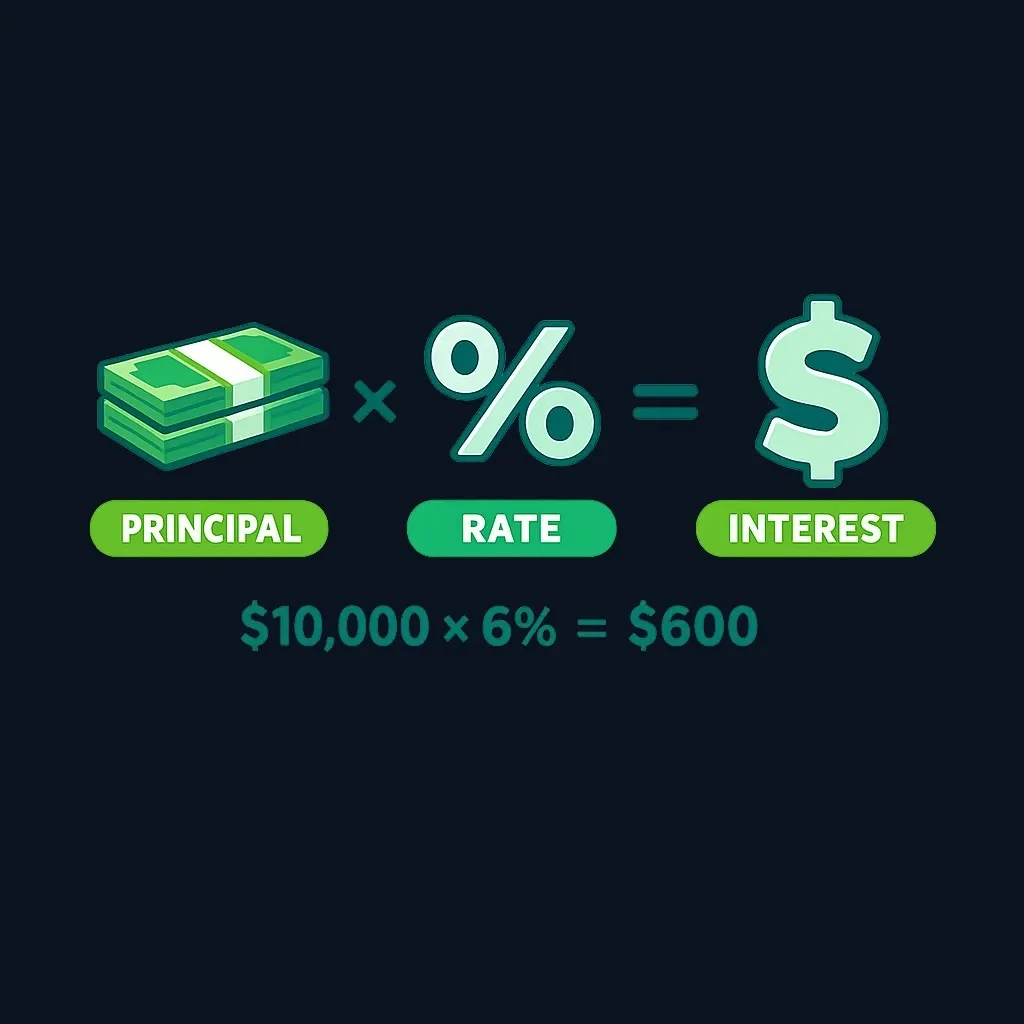
A simple estimate is:
annual simple interest ≈ outstanding principal × annual interest rate
Federal Direct Loans use daily interest calculations, so this formula is only a planning approximation.
Step 4: check forgiveness and repayment-plan strategy
A borrower reasonably expecting Public Service Loan Forgiveness or another discharge may not benefit from aggressively prepaying amounts that could otherwise be forgiven. The borrower should verify current eligibility, qualifying-payment rules, and employment documentation on StudentAid.gov before making a large optional payment.
Use the official Federal Student Aid Repayment Calculator to compare eligible plans, estimated total paid, payoff timing, and potential discharge.
Step 5: give the servicer allocation instructions
Federal Student Aid advises borrowers making extra payments to ask the servicer to allocate additional amounts to higher-interest loans first. Review the next statement to confirm the payment was applied as intended.
Official reference: 5 Ways to Pay Off Student Loans Faster — Federal Student Aid.
Practice trading with Finelo
Practice in a simulator, learn with bite-sized lessons, and build confidence before risking real money.
Interest accrual is not the same as continuous compounding
Federal student-loan interest generally accrues daily on outstanding principal. Unpaid interest may capitalize only at specified events under applicable rules; it should not be described as automatically compounding every day.
That distinction matters. Paying accrued interest can prevent a later capitalization event from increasing principal, while paying principal reduces the base on which future daily interest is calculated. Check the servicer’s transaction history to see how a payment was allocated.
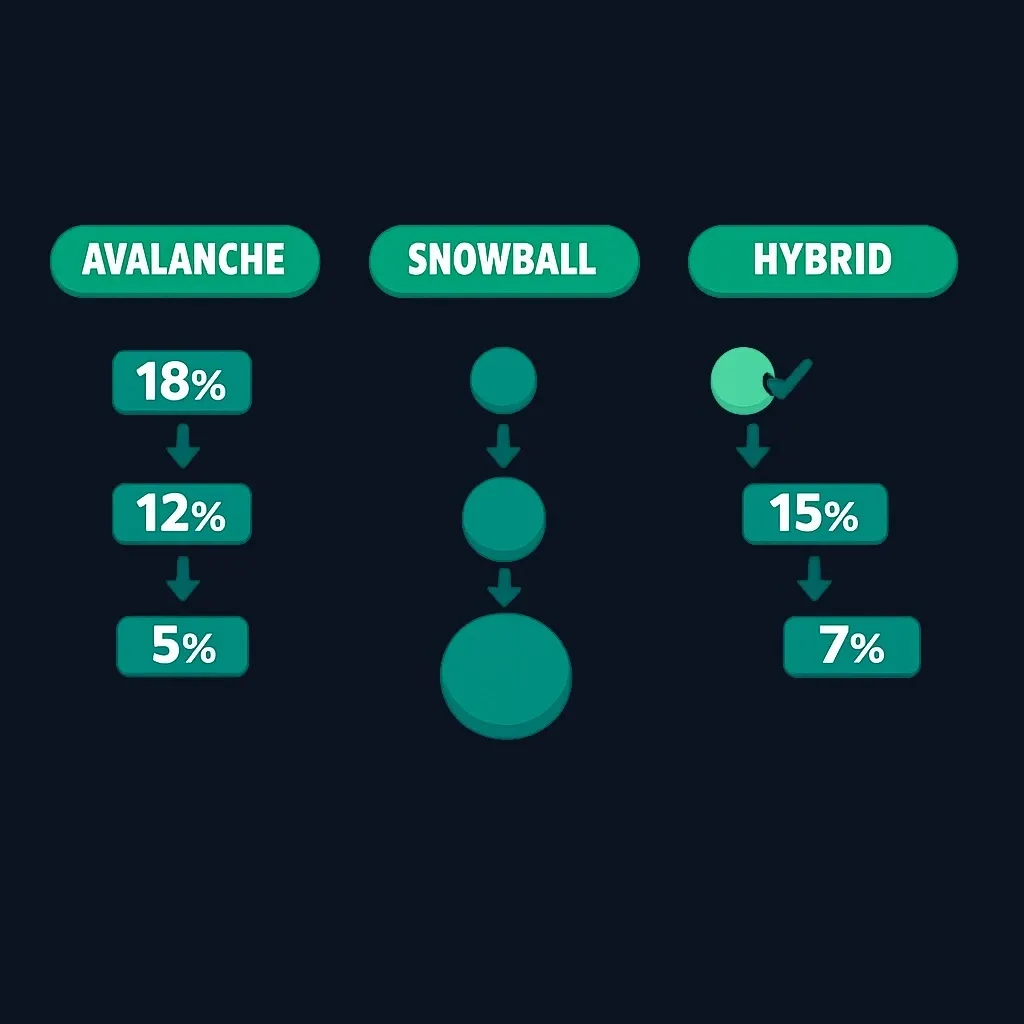
Avalanche, snowball, and hybrid methods
Highest-rate-first, or avalanche
After required payments, direct the extra amount to the currently accruing loan with the highest interest rate. This usually minimizes interest mathematically.
Smallest-balance-first, or snowball
Direct extra money to the smallest balance. This may simplify the account sooner, but it can cost more if a larger loan has a higher rate.
Hybrid
A borrower may eliminate one very small balance for administrative simplicity and then switch to the highest-rate-first approach. The choice is behavioral rather than a change in the interest math.
Situations that require a separate analysis
Public Service Loan Forgiveness
Optional prepayment may reduce the balance available for forgiveness without improving the qualifying-payment count. Confirm the current PSLF rules and progress through StudentAid.gov. See Manage Your PSLF Progress.
Income-driven repayment
A lower required payment may extend repayment or leave a balance for future discharge. Compare estimated total paid and discharge, not only the next monthly payment.
Consolidation
Federal consolidation creates a new loan and can change repayment administration. It does not generally create a lower rate through rate shopping; review the official calculator and current consolidation rules before acting.
Private refinancing
Refinancing federal loans with a private lender permanently replaces federal loans and can remove federal repayment, deferment, discharge, and forgiveness protections. A quoted lower rate should be compared with the value of benefits being surrendered.
Emergency cash needs
Making an optional loan payment is difficult to reverse. A borrower may choose to preserve cash for immediate obligations rather than accelerate repayment. That is a household liquidity decision, not an interest-rate calculation.
Frequently asked questions
Should unsubsidized loans always be paid first?
No. They often come first while subsidized loans are in a protected period, but once both types accrue interest, compare their actual interest rates and any forgiveness strategy.
Does interest accrue on a subsidized loan after graduation?
Federal Student Aid generally covers interest during the six-month grace period, after which the borrower becomes responsible for interest in ordinary repayment. Verify the loan’s current status because exceptions and historical loan terms may differ.
Can a borrower make payments while still in school?
Yes. Federal Student Aid permits voluntary payments before required repayment begins. An optional payment to an unsubsidized loan can reduce accrued interest or principal, depending on the amount and payment allocation.
Are there prepayment penalties on federal student loans?
Federal student loans can generally be prepaid without penalty. Confirm how the servicer will apply an extra payment and verify the account afterward.
Does the student-loan interest deduction change which loan should be paid first?
The deduction may reduce taxable income for an eligible taxpayer, but it does not eliminate the interest cost and should not be treated as a dollar-for-dollar reimbursement. Eligibility and income limits apply, and married-filing-separately taxpayers are ineligible. See IRS Topic No. 456.
Bottom line
During a period when a Direct Subsidized Loan receives the federal interest subsidy, an accruing unsubsidized loan often deserves the first extra payment. When both loans accrue interest, the higher interest rate—not the subsidized or unsubsidized label—is usually the key cost factor.
Before prepaying, confirm loan status, rates, payment allocation, and any realistic forgiveness path using current Federal Student Aid information.
For more plain-language financial education, visit the Finelo Blog.
BudgetingFinancial Education
Practice trading with Finelo
Practice in a simulator, learn with bite-sized lessons, and build confidence before risking real money.
About the author
Finelo Team
The Finelo Team creates practical investing and trading education designed to help beginners learn faster with structured challenges, simulator practice, and bite-sized lessons.
Keep reading — Related articles

Budgeting
Does Debt Consolidation Affect Buying a Home?
Debt consolidation can affect a mortgage application in both directions.
Finelo Team
Budgeting
The 52-Week Savings Challenge: A Guide With a Printable Tracker
After you pick a structure, set rules: how to handle missed weeks, where funds go, and a simple weekly routine to follow.
Finelo Team