You don't get better at trading by reading about it. You get better by making a decision, watching it play out, and reviewing what you did.
Paper Trading for Beginners: How to Practice Before You Risk Real Money

A five-step practice plan and a 7-day routine for building real trading habits with virtual funds, before any real money is on the line.
7 min read
Practice trading with Finelo
Practice in a simulator, learn with bite-sized lessons, and build confidence before risking real money.
Want to learn more?
Practice in a simulator, learn with bite-sized lessons, and build confidence before risking real money.
Explore FineloExplore Finelo's 28-day challenges
Turn learning into a daily habit with guided challenge paths.
Paper trading for beginners is how you do that without risking a cent: a way to practice trading without real money while the habits form.
Treat the next few minutes like a coach handing you a practice plan. Five steps, one short practice routine, and a list of mistakes to avoid. Work the plan, and the simulator stops being a toy and starts being a place you learn.
Before you start: know what paper trading is and is not
Quick recap, then we get to the routine.
Paper trading is practice with virtual funds: simulated trades against real market conditions, with no deposits, no withdrawals, and no broker connection. It's a closed practice loop. If you want the full breakdown, start with What Is Paper Trading? A Beginner's Guide to Practicing Without Real Money and come back.
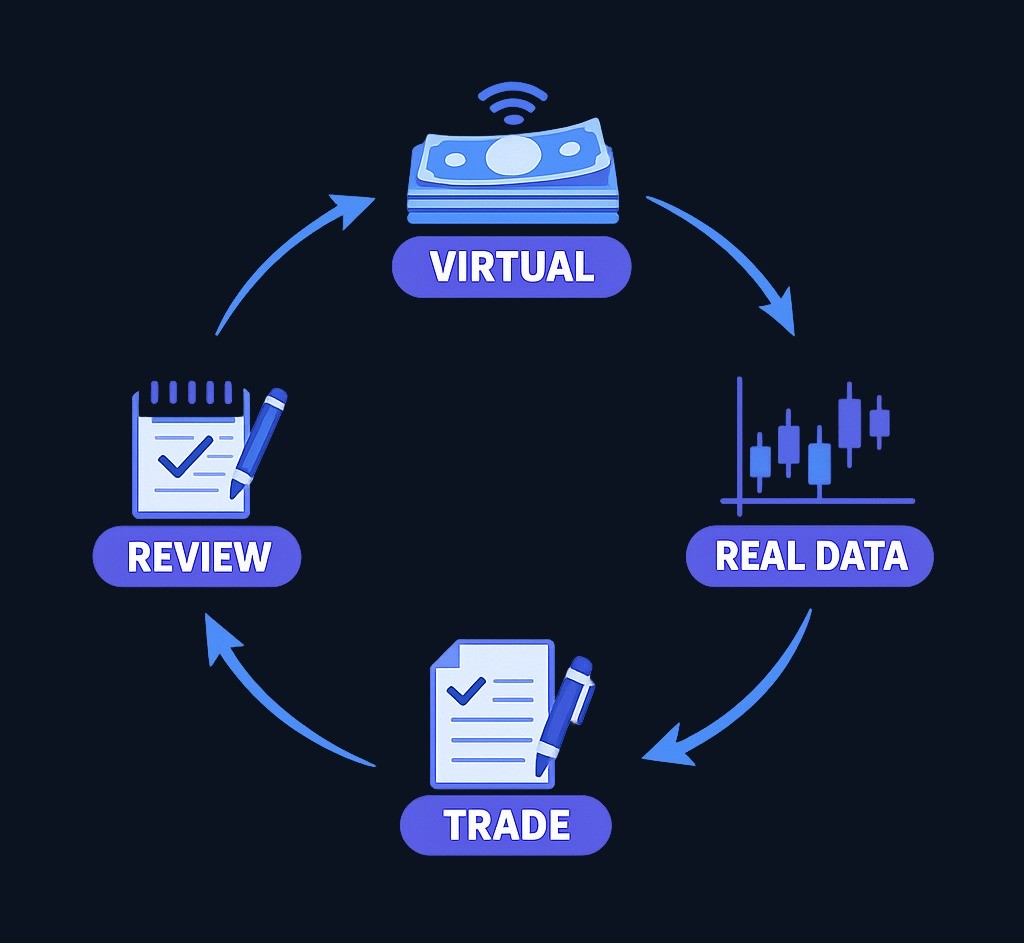
It is a low-pressure place to rehearse decisions and build habits. It is not a copy of real-money emotion, and not a predictor of real results. A strong simulated run means you practiced, not that you've arrived. Keep that framing and everything below works better.
Step 1: Choose one skill to practice
Don't try to learn everything at once. Pick one skill and make it the point of the week.
Good starting choices:
- Order types. Learn how a market order and a limit order behave before anything else.
- Reading a trend. Practice spotting whether price is moving up, down, or sideways, and waiting for your level.
- Building an exit plan. Decide where you'd get out before you get in.
- Journaling. Treat the writing itself as the skill, because it is.
Set one or two learning goals for the week ("I want entries and exits to feel automatic"), not a profit target. In paper trading practice, the goal is reps and review, not a virtual scoreboard.
Step 2: Set virtual funds and realistic rules
Your simulator hands you a virtual account balance. Whatever the number, treat it as if it were real. That single habit separates useful virtual trading for beginners from clicking around.
Set realistic rules before your first trade and write them down:
- Position size concept. Risk only a small slice of the virtual balance on any one idea. If your simulator starts you at a hypothetical $10,000 in virtual funds, risking a few hundred per trade keeps things realistic. (These figures are illustrative examples, not recommendations.)
- Trade frequency. Cap how many trades you place per day. A beginner who places twenty simulated trades before lunch is practicing overtrading, not skill.
- No random all-in clicking. Never put the whole virtual balance into one position to "see what happens." That teaches the wrong reflex.
- Know your data feed. Some simulators run on real-time data, so your fills track current prices. Others use delayed data, which can make a fast-moving market feel calmer than it really is. Check which one you're practicing on, because it changes how your decisions play out.
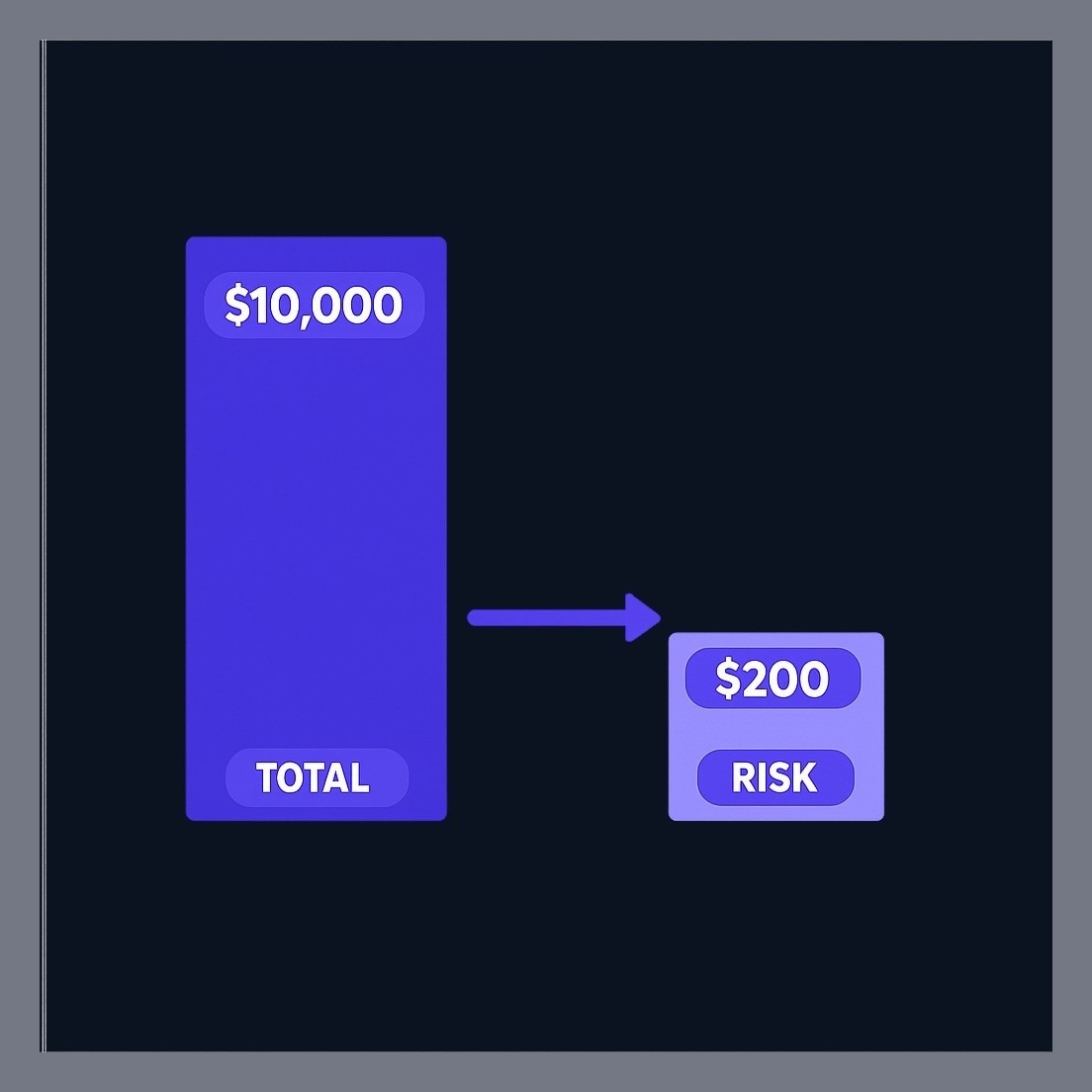
Rules you can keep are better than ambitious rules you'll break. Start strict, loosen later.
Step 3: Build a simple watchlist
You can't practice decisions on five hundred tickers. Build a small watchlist instead, just a handful of names you'll actually follow.
The point isn't picking winners. It's narrowing your attention so you can notice how the same few markets behave day to day. Pick a short list across a couple of categories you find interesting, then watch them long enough to spot patterns. (This is an educational exercise in observation, not a list of assets to buy.)
As you watch, note plain observations, not predictions: where a market tends to stall, how much it typically moves on a normal day, whether it jumps around at the open. You're building familiarity, the same way you'd learn a new city by walking the same few blocks before tackling the whole map. Five to ten markets is plenty for a beginner. Track more than that and you'll watch everything but learn nothing.
A tight watchlist also makes journaling easier, because you're comparing decisions on markets you already know.
Practice trading with Finelo
Practice in a simulator, learn with bite-sized lessons, and build confidence before risking real money.
Step 4: Practice buy, sell, and hold decisions
Here's the part most beginners rush. Every time you act, you're making one of three calls: buy, sell, or hold. "Hold" and "no trade" are real decisions, not the absence of one.
For each simulated decision, say the reasoning out loud before you click:
- Entry plan. Why now? What level or signal triggered this?
- Exit plan. Where do you get out if you're right, and where if you're wrong? This is where the stop-loss concept lives, your pre-decided line for cutting a losing idea.
- The hold. If nothing meets your rules, the correct move is often to do nothing. Sitting on your hands is a skill.
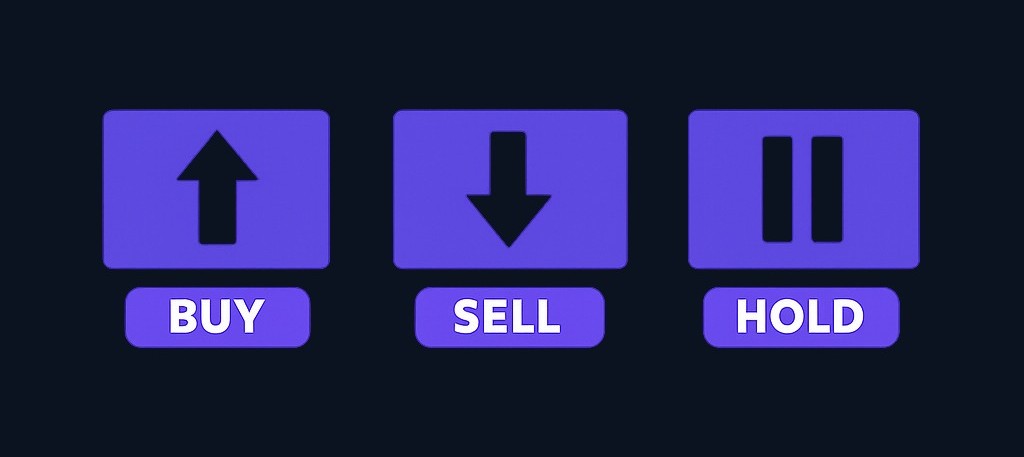
Judge each decision on whether it followed your plan, not on whether it happened to win. That's the whole game: decision quality over outcome.
A quick example of the "hold." Say a market on your watchlist is drifting sideways and nothing has hit your entry level. The tempting move is to trade anyway, because you opened the simulator to do something. The disciplined move is to log "no trade, no signal" and move on. In a journal, that non-trade is worth as much as a winning one, because it's a rule you kept.
Step 5: Track your reasoning, not only your result
A trade journal is what turns practice into progress. Without it, you're just clicking. With it, every simulated trade becomes a lesson you can actually revisit.
Keep a simple trade journal with these fields:
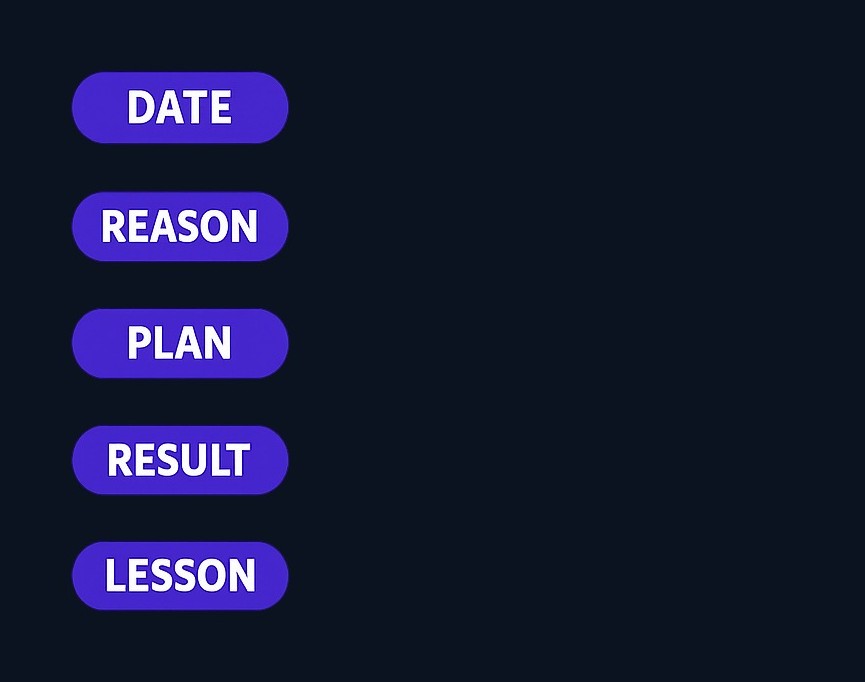
| Field | What to write |
|---|---|
| Date / skill | The concept you were practicing |
| Why I entered | Your entry plan in one line |
| Planned exit | Your exit plan, decided before the trade |
| What happened | The actual result, good or bad |
| What I felt | Calm, anxious, tempted to break a rule? |
| What I'd improve | One change for next time |
That last column is your mistake log. Over a week, patterns show up: you exit winners too early, you ignore your own stop, you trade when bored. The review process is where the real learning happens, not the trade itself.
A simple 7-day paper trading routine
Here's a 7-day routine that runs the whole loop: learn, watch, simulate, journal, review. It's a habit-builder, not a countdown to real money. Nobody is "ready" on day eight.
| Day | Focus | What you do |
|---|---|---|
| 1 | Learn | Pick one concept (say, how a limit order fills). Read it. Place no trades. |
| 2 | Watch | Build your watchlist and observe. Notice how prices move. Still no trades. |
| 3 | Simulate | Place one paper trade with a written entry plan and exit plan. |
| 4 | Journal | Review day 3 in your trade journal: reasoning, result, and how you felt. |
| 5 | Repeat | Add one new concept. Make one more simulated decision under your rules. |
| 6 | Review | Read your journal back. Find one repeating mistake to fix. |
| 7 | Reset | Write down what you'll practice next. No live-trading deadline. |
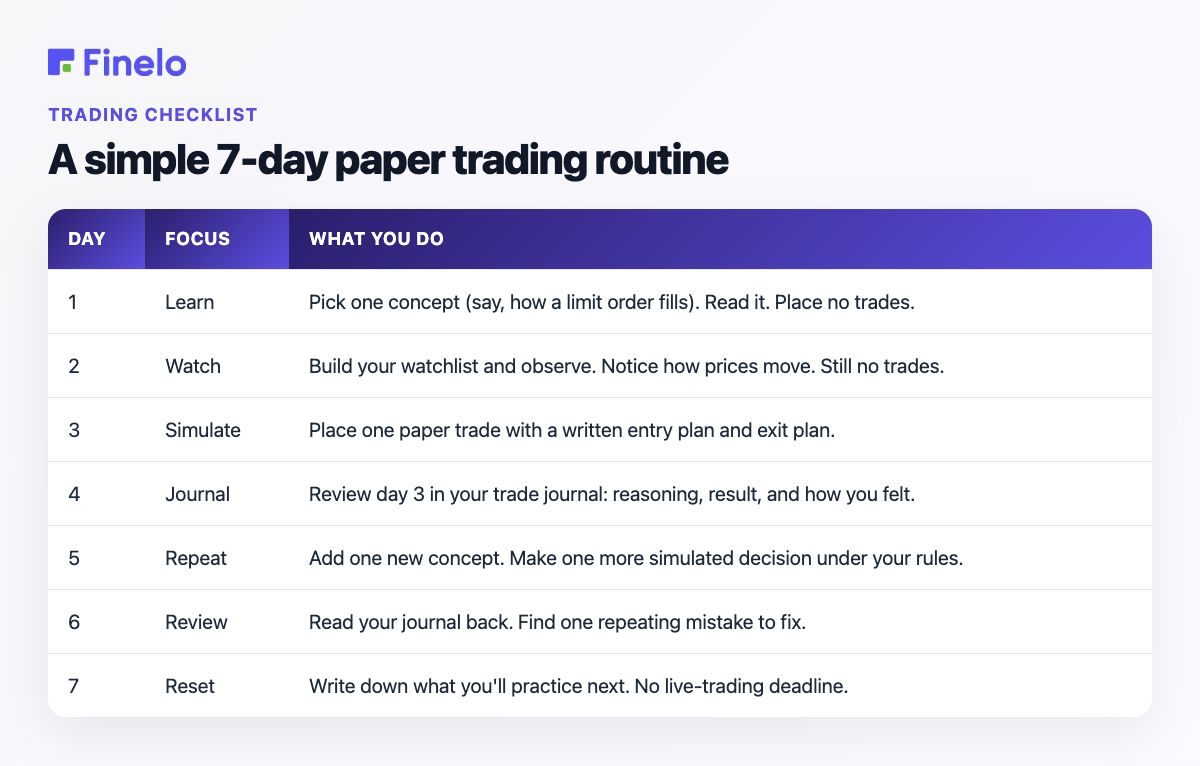
This is paper trading for beginners step by step: small, repeatable, and honest about its limits. If a week feels too short to make it stick, run it again as a 14-day routine, same loop, double the reps.
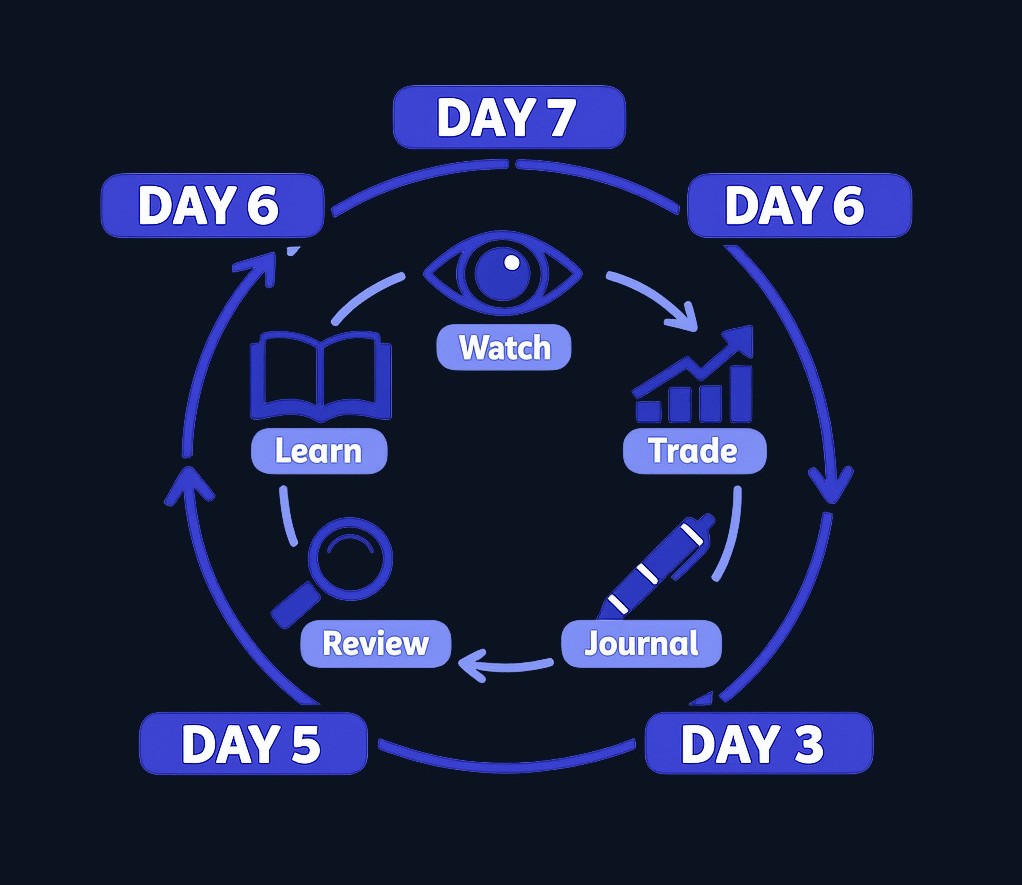
Want a guided place to practice this routine instead of building it from scratch? A good paper trading app for beginners pairs the practice with structure. The Finelo trading simulator puts short lessons alongside virtual-funds practice and a built-in review habit, and the Trading Challenge wraps the same loop in a day-by-day path.
Common paper trading mistakes beginners make
Most wasted practice comes down to a short list of habits. Watch for these:
- Overtrading. Placing trades out of boredom instead of waiting for your setup. Volume isn't progress.
- Oversized virtual bets. Going all-in because it's "only" virtual money. You're training a reflex you don't want.
- Ignoring your own rules. Rules you set and then override are just decorations. Keep them or change them on purpose, not mid-trade.
- Changing the plan mid-trade. Moving your stop because the position went against you is revenge trading in slow motion. Decide before, not during.
- Chasing simulated wins. Optimizing for a high score teaches the wrong lesson. Practice emotional discipline by judging decisions, not the scoreboard.
A simulator only teaches what you let it teach. Skip the journal and break your rules, and a paper trading account just rehearses bad habits faster.
Finelo is an educational product, not a brokerage. Brokerage connection availability depends on your region. The simulator uses virtual funds and real market data, and final trading and investing decisions are yours, made through your own brokerage account when you choose to act. This article is for education and is not financial advice.
Frequently asked questions
How do beginners start paper trading?
Start small and structured. Learn a few basic terms, choose one skill to practice, set realistic virtual rules, and journal every simulated decision. The fastest way to learn how to do paper trading is to make one decision at a time and review it, rather than placing dozens of random trades and hoping something sticks.
How much virtual money should a beginner use?
Use a realistic hypothetical balance, not a giant fantasy account. A virtual account balance that resembles what you might actually trade keeps your decisions grounded. Any specific number is only an educational example, not a recommendation, and the figure matters far less than the rules and position sizing you practice around it.
Is paper trading enough to learn trading?
No. Paper trading practice is strong for mechanics and habits, building order-type fluency, entry and exit planning, and journaling. But it can't fully reproduce real-money emotion, execution differences, or the pressure of consequences. Treat it as the first layer of learning, not the whole of it.
What should I write in a trading journal?
Capture your reason for the trade, your entry plan and exit plan, what actually happened, what you felt, and one thing you'd improve. The emotional note matters more than beginners expect, because it surfaces patterns like breaking rules under pressure.
How to start paper trading without real money?
Open a simulator or demo trading account that uses virtual funds, then run a structured plan around it. The tool is only half of it; the routine of choosing one skill, setting rules, and reviewing every decision is what makes a trading practice app actually teach you something.
TradingBeginner Guide
Practice trading with Finelo
Practice in a simulator, learn with bite-sized lessons, and build confidence before risking real money.
About the author
Mark
The Finelo Team creates practical investing and trading education designed to help beginners learn faster with structured challenges, simulator practice, and bite-sized lessons.
Keep reading — Related articles

Trading
Understanding Walk Forward Analysis in Trading
Brief educational note: this article is educational — not investment advice — and trading involves the risk of loss.
Finelo Team

Trading
VWAP vs Moving Average: Formulas, Uses, and Limits
VWAP weights price by recorded volume over a defined period, while a moving average summarizes a sequence of prices over a rolling lookback.
Finelo Team

Trading
Volume Profile vs Market Profile: What Each Chart Measures
Volume Profile groups traded volume by price level.
Finelo Team


