The main advantage of starting to invest at a young age is time. When you begin early, your money has more years to compound, meaning potential earnings can generate additional earnings over time. Early investing can also help you build disciplined money habits, learn through experience, and give long-term investments more time to recover from normal market ups and downs. In simple terms: starting young may let you build toward future goals with smaller, steadier contributions than if you wait until later, though all investing involves risk and results are never guaranteed. Early investing is best viewed as an educational, long-term habit—not a shortcut to quick wealth.
What is the Advantage of Starting to Invest at a Young Age?
The main advantage of starting to invest at a young age is time. When you begin early, your money has more years to compound, meaning potential earnings can generate additional earnings over time.
12 min read
Practice investing with Finelo
Build practical investing skills with guided lessons, simulator practice, and structured challenges.
Want to learn more?
Build practical investing skills with guided lessons, simulator practice, and structured challenges.
Explore FineloExplore Finelo's 28-day challenges
Turn learning into a daily habit with guided challenge paths.
Why time matters so much
Time is the one investing advantage you cannot get back later. The longer your money stays invested, the longer it has to participate in compounding growth. Compounding happens when your investment earnings begin to generate their own earnings, which can make early contributions especially powerful over long periods. The biggest advantage of investing early is that “earnings generate even more earnings” over time, according to the supplied investing education source on early investing and compounding early investing and compounding.
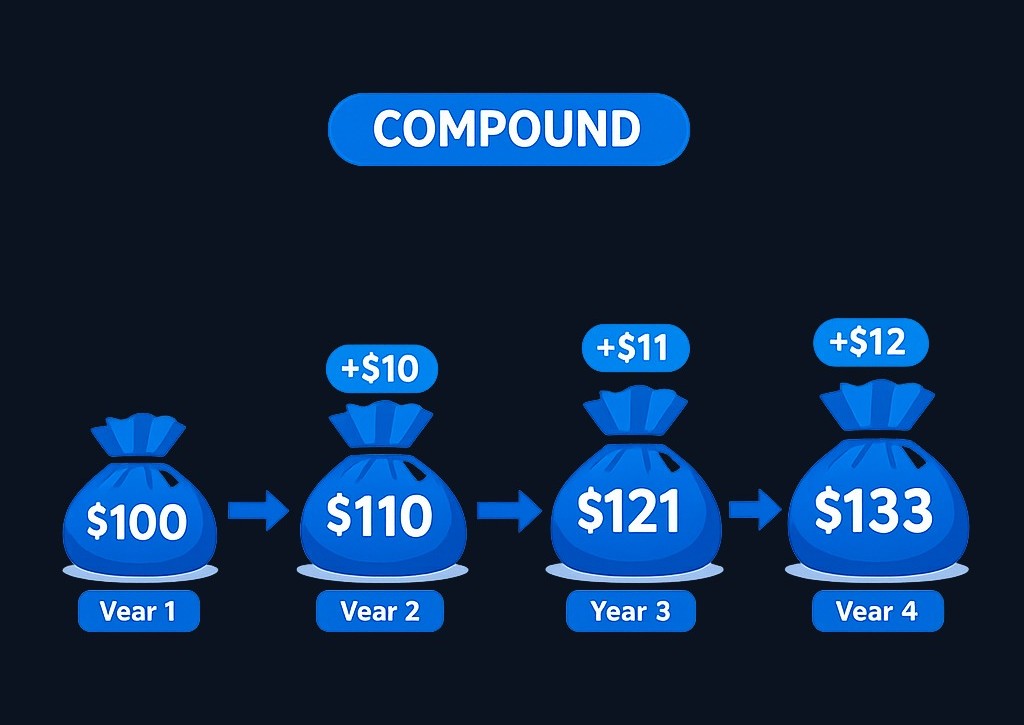
A useful way to think about this is not “How much can I invest right now?” but “How many years can each dollar stay invested?” A small amount invested in your early twenties may have decades to grow. The same amount invested much later has less time to compound, even if the investment choice is similar.
Here is a simple framework:
| Starting earlier gives you... | Why it matters |
|---|---|
| More compounding periods | Your invested money has more time for potential earnings to build on earlier earnings. |
| More room for mistakes and learning | You can learn how markets feel during ups and downs before your financial life becomes more complex. |
| More flexibility | You may not need to rely as heavily on large future contributions to pursue long-term goals. |
| More habit formation | Investing becomes part of your normal financial routine rather than a stressful catch-up task. |
This does not mean young investors should ignore risk. It means time can make a thoughtful, consistent approach more powerful.
Understanding compounding growth
Compounding is often explained as “money making money,” but the practical version is more specific: your original investment may earn a return, and then that return remains invested and may earn more in the future. Over many years, this can create a snowball effect.
Imagine two people who both invest the same amount each month and earn the same long-term return. One starts at age 22, and the other starts at age 35. The earlier investor gives each contribution more years to compound. Even if the later investor contributes consistently, they may need to save more each month to pursue the same long-term goal because they have fewer compounding years. The supplied source makes this same point: starting early may allow someone to invest less while building more over time, because the earlier money has more time to grow starting early and contribution timing.
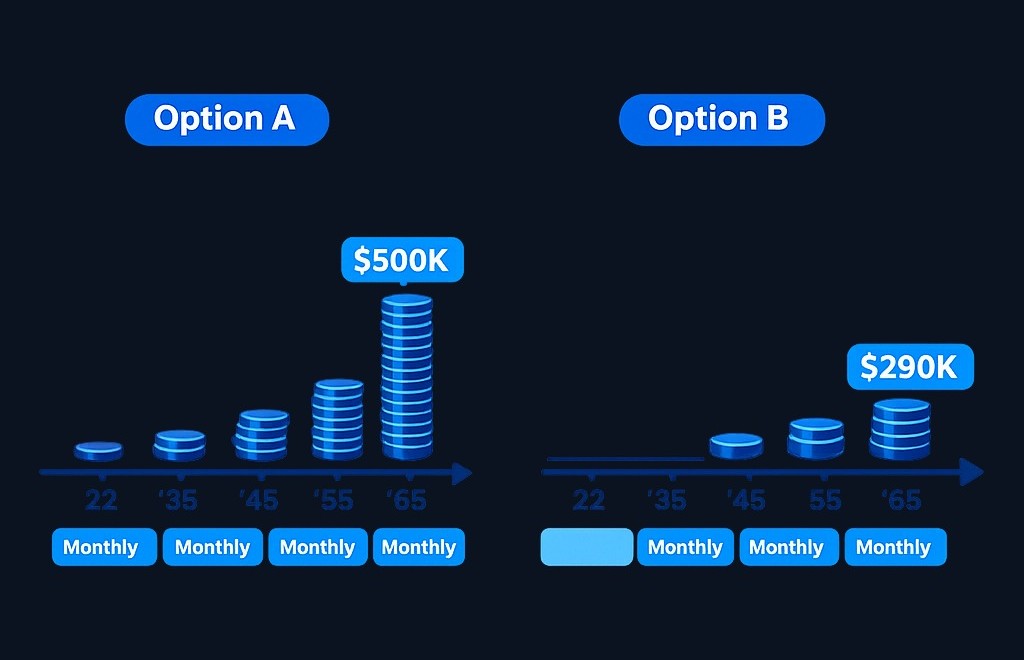
A helpful compounding habit is to focus on consistency before complexity. You do not need to understand every investment product before you begin learning. You do need to understand the basics: what you own, why you own it, what it costs, how risky it is, and how long you can leave the money invested.
Building financial habits early
Starting young is not only about potential returns. It also teaches you how to handle money intentionally. Early investing can help you practice budgeting, setting goals, delaying gratification, and making decisions based on a plan rather than emotion. The supplied source notes that investing early can build discipline, confidence, and lifelong financial habits building financial habits.
Good financial habits are especially important because investing is rarely a one-time decision. You may need to keep contributing during busy life stages, resist chasing trends, avoid panic during downturns, and rebalance your priorities as your income and responsibilities change.
A practical habit checklist for young investors:
- Start with a clear goal. Are you investing for retirement, a future home, education, financial independence, or general long-term wealth?
- Separate short-term and long-term money. Money needed soon usually should not be exposed to major market swings.
- Automate when possible. A recurring contribution can make investing feel like a normal bill you pay your future self.
- Increase gradually. If your income rises, consider raising your contribution rate instead of only increasing spending.
- Keep learning. Understand risk, diversification, fees, taxes, and how your investment choices fit your timeline.
- Review without obsessing. Checking too often can encourage emotional decisions; ignoring your plan completely can also be risky.
The habit itself is part of the advantage. A person who learns to invest calmly at 22 may be better prepared to make larger financial decisions at 32, 42, and beyond.
Risk tolerance and investment choices for young investors
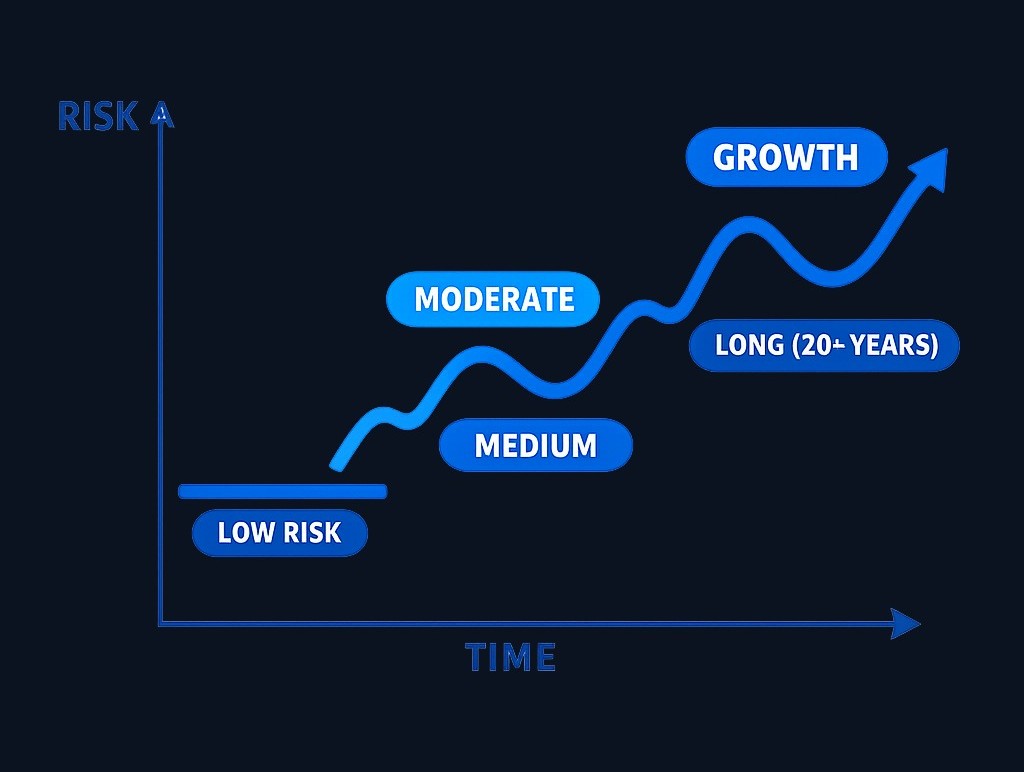
Young investors often have a longer time horizon, which can affect risk tolerance. A longer time horizon may give investors more time to recover from market fluctuations, and the supplied source notes that younger investors can sometimes take calculated risks because they have decades to ride out market ups and downs risk tolerance and time horizon.
That does not mean “take as much risk as possible.” It means risk should match your goals, timeline, and ability to stay invested during volatility. A risky investment that causes you to panic and sell at the wrong time may not be suitable, even if you are young.
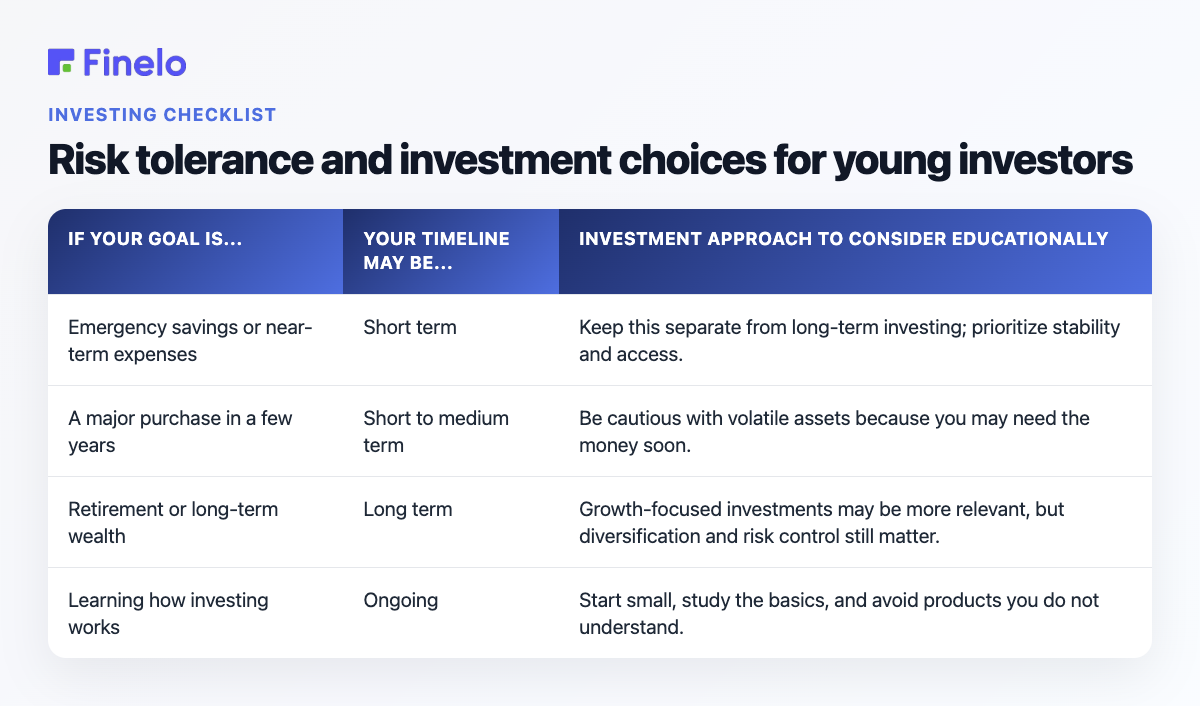
Use this decision framework:
| If your goal is... | Your timeline may be... | Investment approach to consider educationally |
|---|---|---|
| Emergency savings or near-term expenses | Short term | Keep this separate from long-term investing; prioritize stability and access. |
| A major purchase in a few years | Short to medium term | Be cautious with volatile assets because you may need the money soon. |
| Retirement or long-term wealth | Long term | Growth-focused investments may be more relevant, but diversification and risk control still matter. |
| Learning how investing works | Ongoing | Start small, study the basics, and avoid products you do not understand. |
For long-term goals, young investors often learn about growth-oriented assets such as stocks, because these can offer long-term growth potential but may move sharply in the short term. The supplied source specifically notes that growth-focused assets may swing widely over shorter periods and are better suited to investors who can tolerate volatility growth-focused assets and volatility.
Retirement accounts can also matter because they may combine tax advantages with long-term compounding, depending on the account type and local rules. The supplied source describes the combination of tax benefits and compounding growth as a key reason retirement accounts can be powerful when started early retirement accounts and compounding. Before choosing an account, check the rules, costs, contribution limits, withdrawal restrictions, and suitability for your situation.
Practice investing with Finelo
Build practical investing skills with guided lessons, simulator practice, and structured challenges.
Long-term financial security and flexibility
The deeper advantage of early investing is not only having a larger account balance. It is having more options. Time, compounding, and consistent habits can support future flexibility: changing careers, reducing financial stress, preparing for retirement, helping family, or making choices that are less driven by immediate money pressure.
The supplied source frames early investing as a way to build options, freedom, and long-term security, not just wealth time and long-term security. That distinction matters. Investing is not about predicting every market move. It is about building a system that gives your future self more choices.
A young investor who starts small but stays consistent may gain three forms of security:
- Financial security: more assets set aside for future needs.
- Behavioral security: confidence from having practiced financial decision-making.
- Planning security: more time to adjust if income, goals, or markets change.
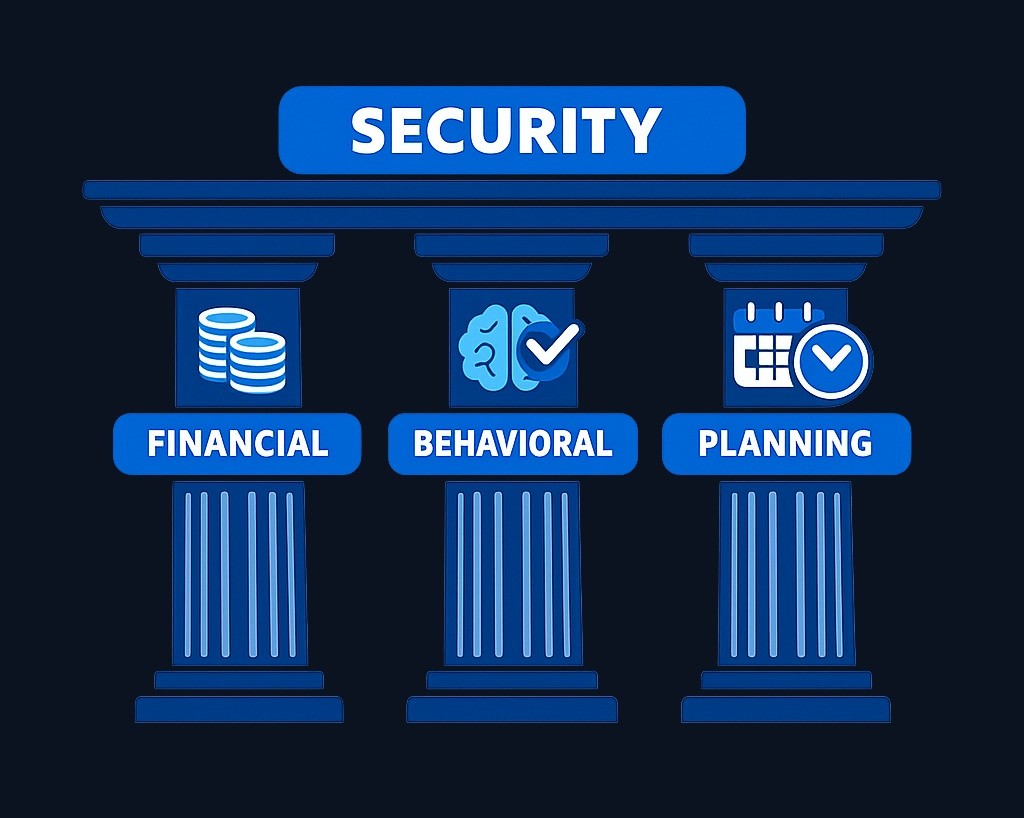
None of these guarantees success. But they can reduce the pressure to make dramatic decisions later.
Common misconceptions about investing young
Many people delay investing because they believe they need to be rich, perfectly informed, or debt-free first. Those beliefs are understandable, but they can become obstacles.
Misconception 1: “I do not earn enough to invest.” You do not need to begin with a large amount to build the habit. The key is choosing an amount that does not damage your ability to pay bills, manage debt, and maintain basic savings.
Misconception 2: “I should wait until I understand everything.” You should understand what you are investing in before committing money, but waiting for perfect knowledge can lead to years of inaction. Start by learning core concepts: compounding, diversification, risk, fees, and time horizon.
Misconception 3: “Investing is only for retirement.” Retirement is a major reason to invest, but long-term investing can also support broader goals. The important distinction is timeline: money needed soon should be treated differently from money intended for decades in the future.
Misconception 4: “Because I am young, risk does not matter.” Age can affect risk tolerance, but it does not eliminate risk. Investments can fluctuate, and growth-focused assets can be volatile in the short term market ups and downs. A young investor still needs diversification, realistic expectations, and a plan.
How to start investing young: a practical path
The best first step is not picking the “perfect” investment. It is building a simple financial foundation and then investing in a way you can sustain.
1. Clarify your financial priorities
Before investing, list your current obligations: rent, food, transportation, debt payments, insurance, and emergency savings. Investing should fit around real-life responsibilities. If you have high-interest debt or no cash buffer, you may need to balance investing with stabilizing your finances first.
2. Define your time horizon
Ask: “When might I need this money?” If the answer is soon, be cautious about market exposure. If the answer is decades from now, you may have more room to consider long-term investments.
3. Learn the basic investment types
At a beginner level, focus on understanding categories rather than chasing specific products:
- Stocks or stock funds: often used for long-term growth, but they can be volatile.
- Bonds or bond funds: often used to reduce overall volatility, though they still carry risk.
- Cash or cash-like savings: useful for short-term needs and emergency funds.
- Retirement accounts: may offer tax advantages and long compounding periods, depending on the rules that apply to you retirement accounts and tax benefits.
4. Choose a contribution you can repeat
Consistency usually matters more than intensity. A contribution that is too large may force you to stop when life gets expensive. A smaller amount that you can maintain may help build confidence and discipline.
5. Avoid emotional investing
Young investors are often exposed to social media hype, trending assets, and stories of quick gains. A better approach is to write down why you are investing, what you will do during market declines, and how often you will review your plan.
6. Keep education ongoing
Investing is easier to stick with when you understand the reasons behind your choices. If you want structured investing education, you can explore learning tools such as Finelo as part of your broader research. This article is educational only and should not be treated as personalized financial advice.
FAQs about starting to invest young
What are the biggest benefits of starting to invest early?
The biggest benefits are more time for compounding, more time to recover from market fluctuations, and more opportunity to build disciplined financial habits. The supplied source summarizes early investing as a way to build wealth, develop healthy habits, and use a longer time horizon for calculated risk-taking benefits of investing early.
What are the best investment options for someone in their 20s?
There is no single best option for everyone. A young investor’s choices should depend on goals, timeline, risk tolerance, income stability, debt, and account rules. For long-term goals, many beginners learn about diversified growth-oriented investments and retirement accounts, while keeping short-term money separate from volatile assets. Always review costs, risks, and suitability before investing.
How much should I invest if I have student loans or other debt?
There is no universal number. A practical approach is to balance three priorities: required debt payments, basic emergency savings, and a sustainable investing habit. If debt is expensive or creating financial stress, it may deserve priority. If your budget allows, even a small recurring investment can help you begin learning and building consistency.
What happens if I start investing late?
Starting late does not mean you have failed. It simply means you have less time for compounding, so you may need to rely more on contribution size, careful planning, and realistic goals. Starting now is usually more useful than waiting for a perfect moment.
The bottom line
The advantage of starting to invest at a young age is that time works in your favor. Early investing gives compounding more years to operate, helps you build strong financial habits, and may allow you to take a long-term view through market ups and downs. It can also support future flexibility and financial security.
A sensible next step is to choose one small action: learn the basics of compounding, review your budget, separate short-term savings from long-term money, or set a modest investing goal. Start with education, understand the risks, and build a process you can sustain.
what is the advantage of starting to invest at a young age?investingtrading education
Practice investing with Finelo
Build practical investing skills with guided lessons, simulator practice, and structured challenges.
About the author
Finelo Team
The Finelo Team creates practical investing and trading education designed to help beginners learn faster with structured challenges, simulator practice, and bite-sized lessons.
Keep reading — Related articles

Investing
Stock Scanner vs Screener: Key Differences Explained
A stock scanner watches the market continuously for live events and unusual activity; a stock screener filters a static universe of stocks by written criteria (ratios, indicators, timeframes) so you can evaluate candidates. For example, Benzinga describes its product as a "full‑blown, real‑time scanner" for saved scans and…
Finelo Team
Investing
Stock Alert Apps: Features, Costs, and How to Compare
Stock alert apps watch prices, indicators, or news and notify you when pre-set conditions happen — letting you act without constant screen time. Many traders use alerting tools to monitor breakouts and time entries, for example Benzinga Pro’s alerting is relied on by day traders Benzinga Pro. This…
Finelo Team
Investing
Social Investing Apps: Features, Risks, and How to Compare
Finelo is an investment-learning and financial-education product. This page helps readers evaluate a social investing app without treating crowd activity as a trade instruction.
Finelo Team