For U.S. readers: This article discusses U.S. rules and financial products. State rules and individual eligibility may differ.
What Medical Expenses Qualify for a 401(k) Hardship Withdrawal?
Before you decide, confirm three things with your plan administrator:
9 min read
Practice investing with Finelo
Build practical investing skills with guided lessons, simulator practice, and structured challenges.
Want to learn more?
Build practical investing skills with guided lessons, simulator practice, and structured challenges.
Explore FineloExplore Finelo's 28-day challenges
Turn learning into a daily habit with guided challenge paths.
Quick answer
You can request a 401(k) hardship withdrawal to pay certain medical expenses if the cost creates an “immediate and heavy” financial need and the withdrawal amount is limited to the amount necessary to meet that need; plan sponsors decide whether a plan allows hardship distributions and what documentation is required Internal Revenue Service. Finelo provides financial education, not financial or investment advice. This article is educational and investing can involve loss.
What to know before deciding
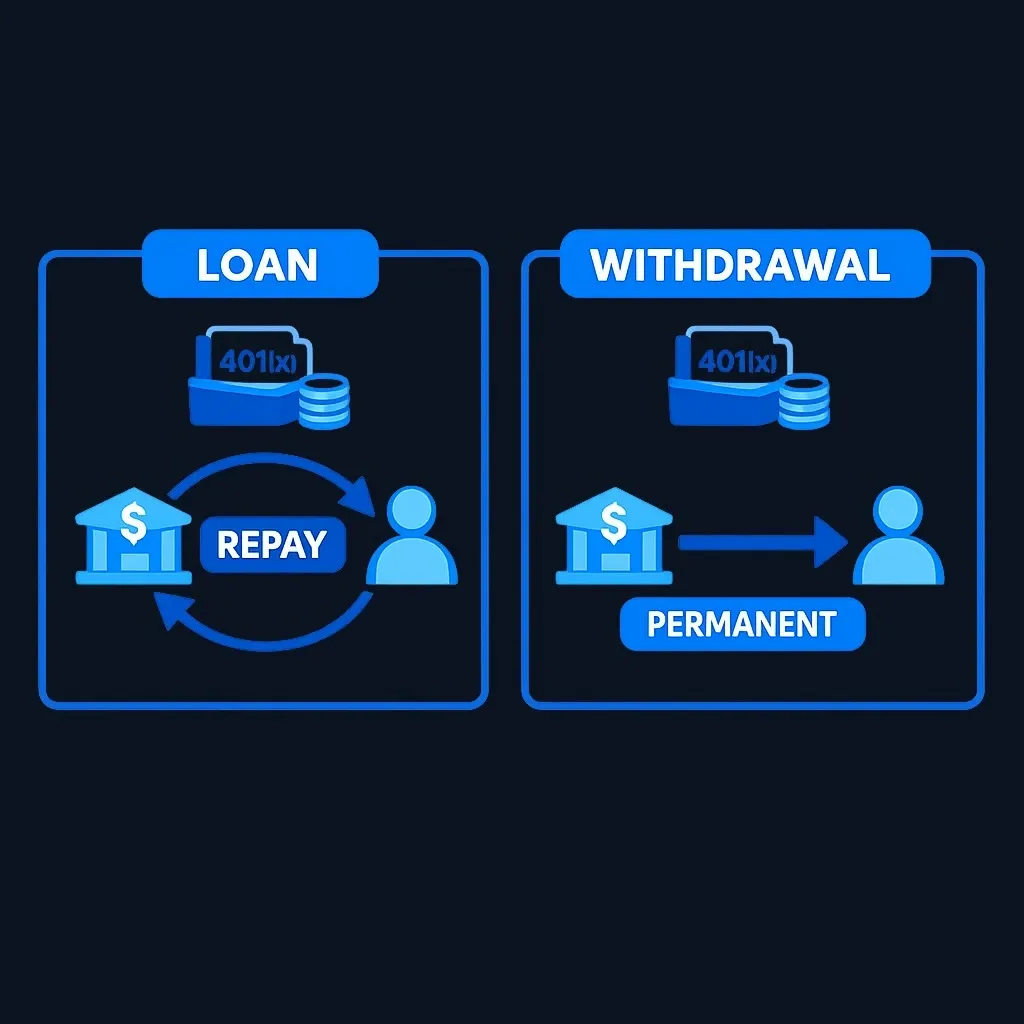
A hardship withdrawal is different from a loan. A hardship distribution is a permanent withdrawal from your retirement account and is governed by your plan’s rules and federal requirements. The IRS says qualified retirement plans must follow distribution restrictions and that plan sponsors are responsible for tracking loans and hardship distributions.
Before you decide, confirm three things with your plan administrator:
- Whether your plan permits hardship withdrawals at all.
- Whether medical expenses are accepted as a qualifying reason under your plan.
- What documentation and approval process the plan requires.
Practical risks to weigh: a hardship withdrawal reduces retirement savings and may create tax consequences and penalties (see Tax Implications and Penalties). Because plans differ, confirm every material detail with your plan administrator and your Summary Plan Description.
Criteria for Qualifying Medical Expenses
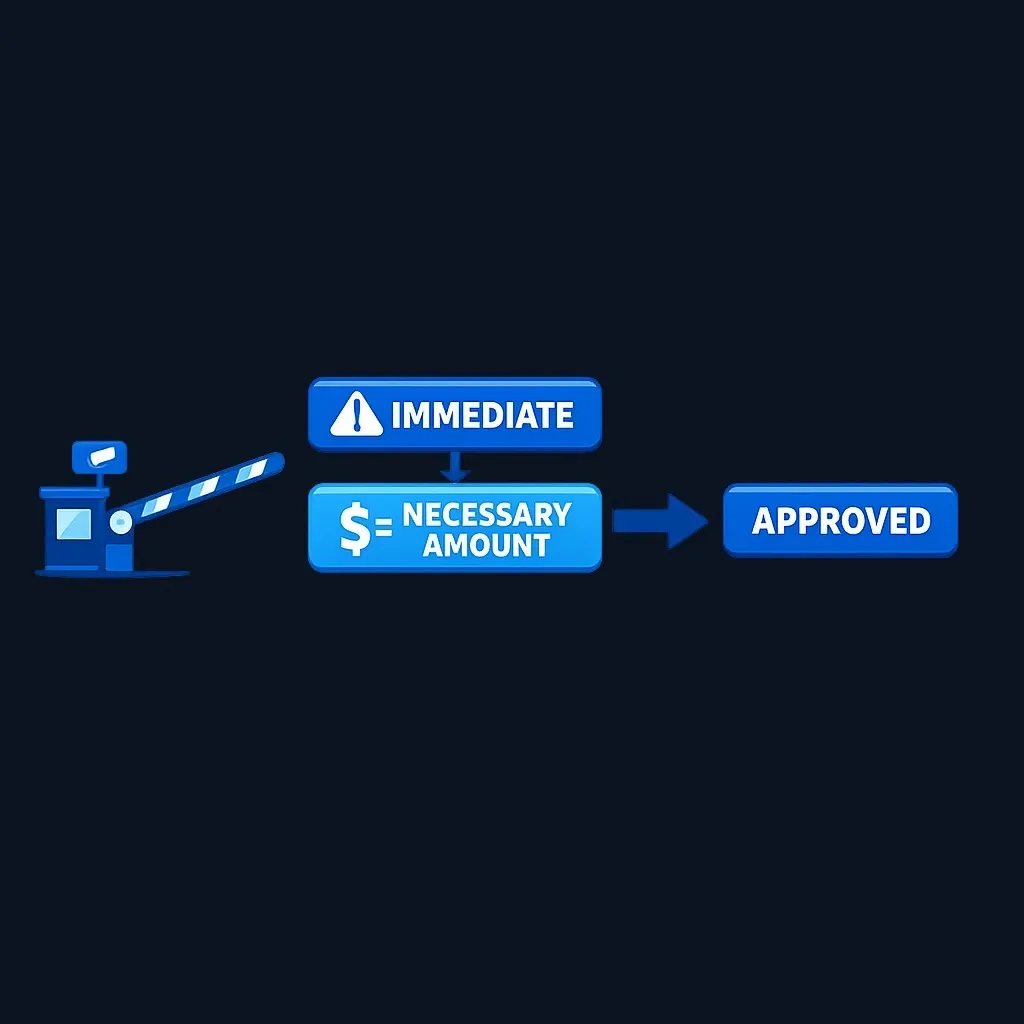
What matters for medical hardship eligibility is the nature of the expense and the rules in your plan. The IRS framework requires that a hardship withdrawal only cover an immediate and heavy financial need and that the amount withdrawn not exceed what is necessary to meet that need; plan sponsors determine which specific expenses meet that standard for their plan.
How to read that standard into medical expenses
- Under the regulatory safe harbor, medical expenses described in Internal Revenue Code Section 213(d) for the employee, spouse, dependents, or primary beneficiary under the plan can be treated as an immediate and heavy need without applying the medical-expense deduction's adjusted-gross-income floor. The plan must include the category and apply its written procedure.
- The withdrawal amount must be limited to the dollars required to meet the need, including any taxes or penalties the distribution will create.
- Because plans differ, the same medical bill accepted by one plan may be rejected by another; the plan sponsor’s rules control.
Examples (illustrative scenarios) Below are realistic example scenarios to help you evaluate whether a specific medical situation might meet the IRS requirement when judged under a typical plan. These are examples for decision-making, not guarantees that any plan will approve the request.
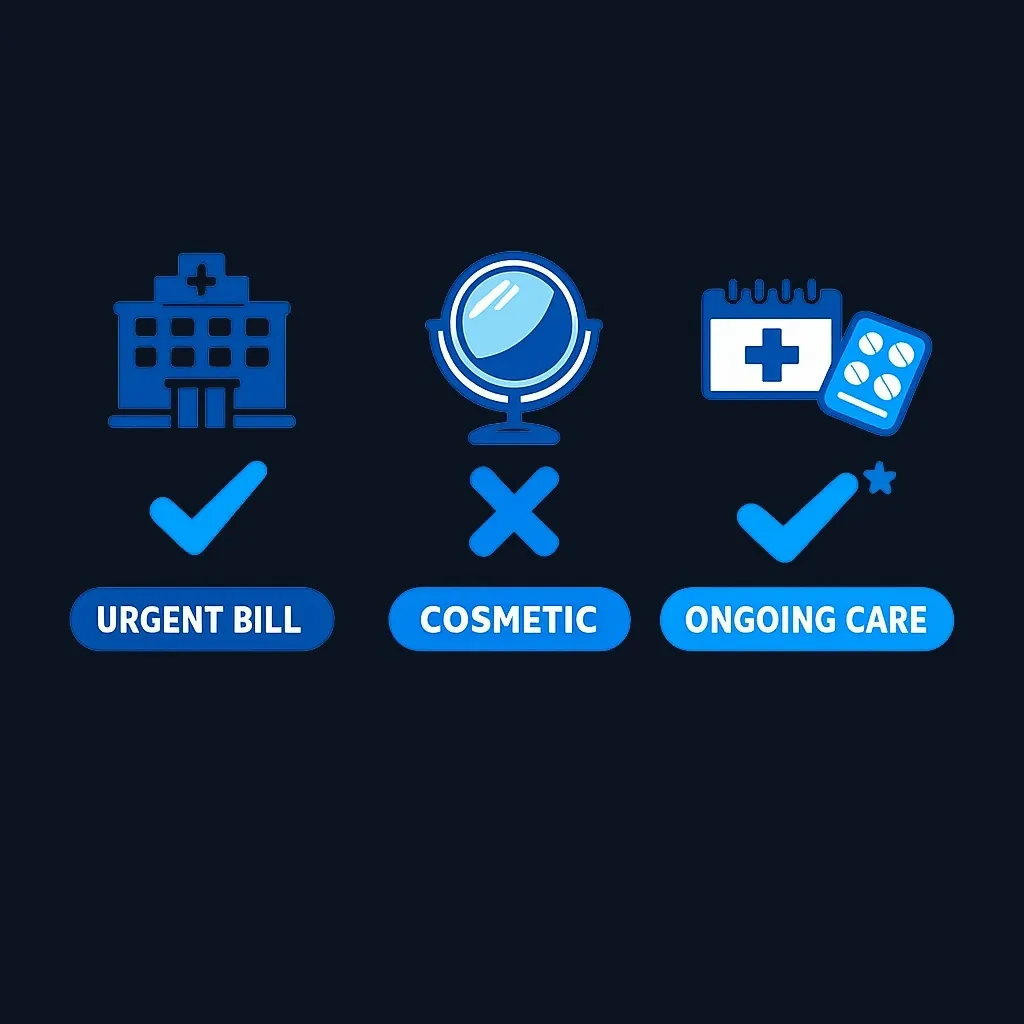
- Scenario A — Urgent hospital bill: A large, uncovered hospital bill due immediately with no feasible short-term credit or other funds available. This often meets the “immediate and heavy” test if the plan allows medical expenses.
- Scenario B — Cosmetic procedure: Section 213(d) generally excludes cosmetic surgery unless it is necessary to improve a deformity arising from a congenital abnormality, injury, trauma, or disfiguring disease. The plan must evaluate the documented facts.
- Scenario C — Ongoing long‑term care with no other coverage: Persistent, essential care costs that create a sustained burden may meet the standard if they are not covered elsewhere.
Understanding the Application Process
Steps to apply for a medical hardship withdrawal vary by plan, but the typical workflow is: confirm plan allowance → document the financial need → submit forms to the plan administrator → await review and decision. The IRS emphasizes that plan sponsors must track hardship distributions and enforce the plan’s rules.
Checklist — what to gather before you submit
| Document or item | Why it helps |
|---|---|
| Itemized medical bills or invoices | Shows the amount you must pay and the immediacy of the need |
| Explanation of benefits (EOB) from insurer | Demonstrates what costs are unpaid or denied |
| Employee representation about cash or liquid assets | Supports the current necessity requirement; use the plan's required wording |
| Letters from providers (if treatment is ongoing) | Supports that care is required and timing is immediate |
| Completed plan hardship withdrawal form | Most plans require their form and signatures |
Note: The table lists commonly requested items to streamline your application. Confirm the exact documents your plan requires with your plan administrator.
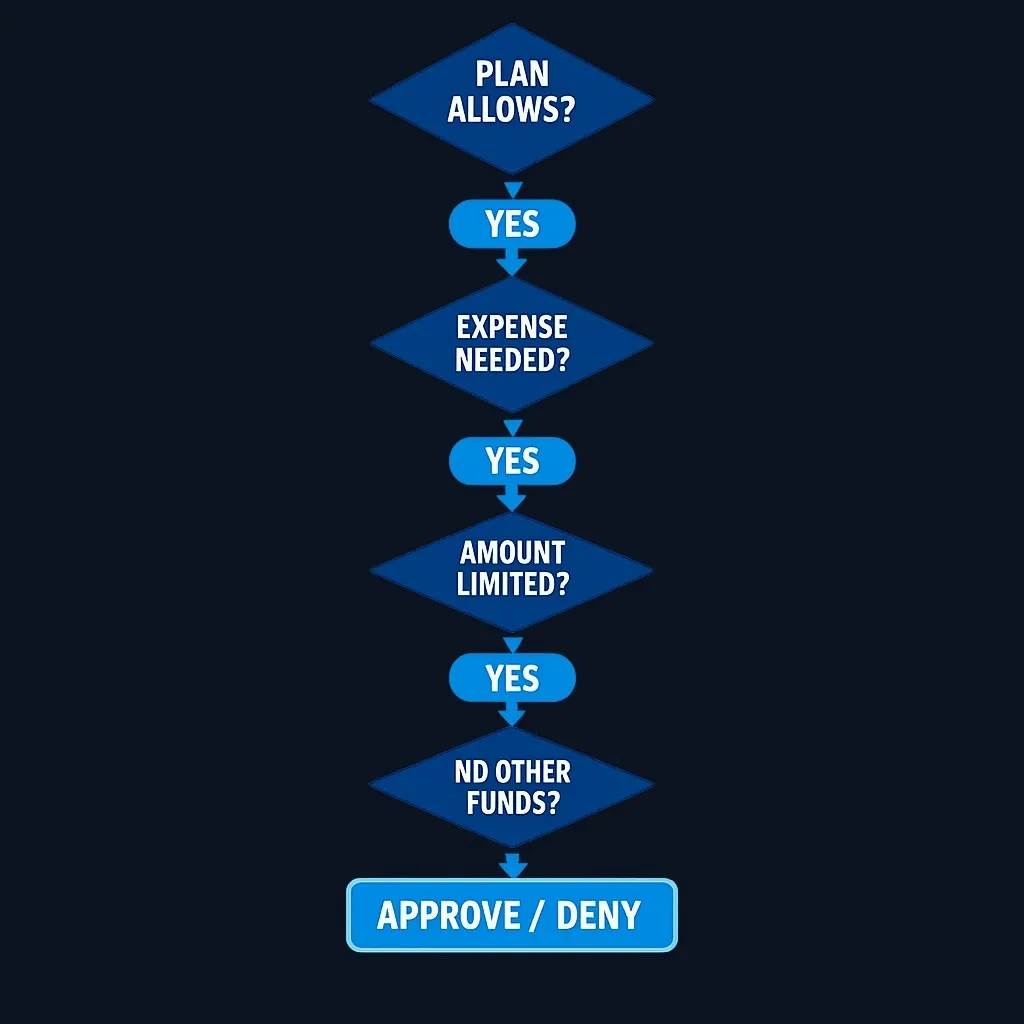
A short practical flow (what plan administrators typically check)
- Does the plan permit hardship distributions for medical expenses?
- Is the expense for the employee, spouse, or dependent and is it necessary now?
- Is the requested amount reasonable and limited to the need (including taxes/penalties)?
- Has the employee made the required representation about insufficient reasonably available cash or liquid assets, and does the administrator lack contrary actual knowledge?
- Approve or deny and document the decision.
If your request is denied, ask the plan administrator for the written reason and what additional documentation (if any) would have led to approval. If you still disagree, your plan’s claim-review procedures and ERISA appeal rights (if applicable) will specify next steps — start with the Summary Plan Description and your HR or benefits contact.
Practice investing with Finelo
Build practical investing skills with guided lessons, simulator practice, and structured challenges.
Tax Implications and Penalties
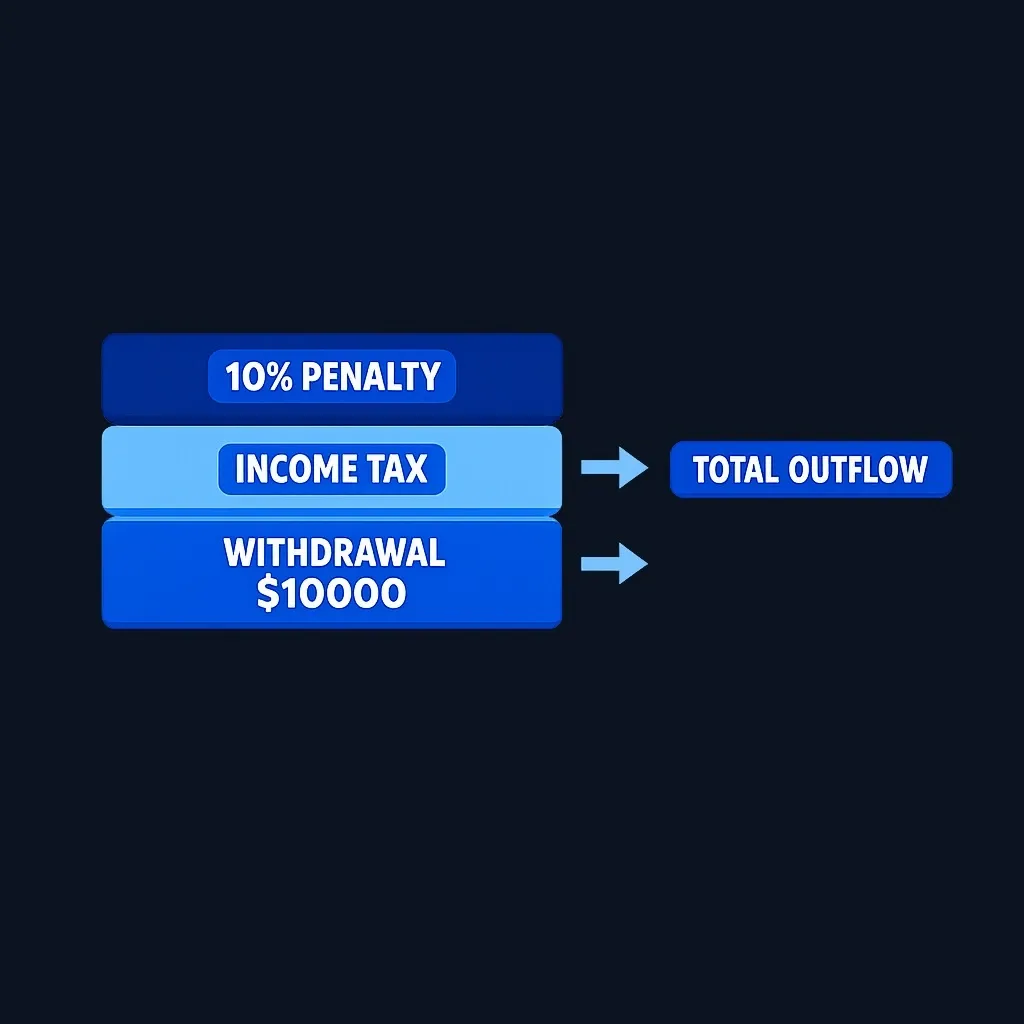
Hardship distributions can create taxable income and may be subject to early-distribution penalties depending on your age and the distribution type. The IRS requires plans to observe distribution rules and plan sponsors to track distributions; whether taxes or penalties apply to your specific hardship withdrawal depends on tax law and the nature of the distribution.
How taxes and penalties generally enter the picture
- Taxable income: Hardship distributions are usually taxable as ordinary income in the year received unless some part is nontaxable. Confirm tax treatment with a tax professional and when filing your return.
- Early-distribution additional tax: A hardship category under the plan is not automatically an exception to the 10% additional tax. A separate medical-expense exception may apply only to the extent permitted by current tax law, which uses its own unreimbursed-medical-expense and adjusted-gross-income calculation.
Educational note: this content is educational, not individualized tax advice. Speak with a tax advisor about withholding choices, reporting, and whether exceptions to penalties might apply for your medical situation.
Common Misconceptions About Hardship Withdrawals
Several misconceptions lead people to choose a hardship withdrawal without fully weighing alternatives. Clearing these up can avoid unnecessary taxes or lost retirement growth.
Misconception — “If my plan offers hardship withdrawals, the IRS automatically approves medical expenses.” Reality — The IRS sets the framework, but plan sponsors decide what qualifies under their plan. Approval depends on plan rules and documentation.
Misconception — “A hardship withdrawal is always penalty-free if for medical reasons.” Reality — Penalty exemptions depend on tax law and the nature of the expense; not all medical-related distributions escape early-distribution penalties. Check current tax rules and your plan’s interpretation.
Misconception — “You can always take only what you need with no long-term effects.” Reality — Even a correctly authorized hardship withdrawal permanently reduces retirement savings and potential compound growth; weigh the present need against long-term goals.
Decision framework
Use this step-by-step framework to decide whether to pursue a hardship withdrawal for medical expenses.
- Confirm plan allowance and read the Summary Plan Description.
- If the plan does not permit hardship distributions, you cannot take one. The plan sponsor controls plan terms.
- Estimate the immediate and heavy financial need.
- Total the uncovered medical costs that must be paid now and compare to accessible resources (emergency savings, credit, family support).
- Evaluate alternatives without applying an outdated loan requirement.
- Current law does not make an available plan loan a mandatory prerequisite. Still compare provider payment plans, financial assistance, and insurance appeals because a hardship distribution generally cannot be repaid.
- Gather documentation and calculate the minimum withdrawal.
- Assemble bills, EOBs, provider letters, and account statements. Plan rules often require the amount requested to be limited to the need, including taxes/penalties.
- Apply and prepare to appeal if denied.
- If denied, request the denial in writing, gather additional documentation, and follow the plan’s claim-review or appeal process.

A simple decision rule: if the expense is truly immediate, no other reasonable resources exist, and the plan permits medical hardship distributions, proceed with a carefully documented application; otherwise pursue alternatives that preserve retirement assets.
Practical tips to simplify approval
- Start the process early and be proactive with providers to secure itemized bills and payment deadlines.
- Ask HR or the plan administrator which documents they find most persuasive.
- Keep copies of everything and a timeline of patient-provider-insurer interactions.
FAQ
What is a 401(k) hardship withdrawal?
A hardship withdrawal is a distribution from a qualified retirement plan taken because of an immediate and heavy financial need. The IRS requires that plans limit distributions to the amount necessary to meet that need, and plan sponsors are responsible for administering those rules.
How do I apply for a hardship withdrawal for medical expenses?
Begin by confirming your plan permits hardship distributions for medical reasons, gather supporting documentation (bills, EOBs, account statements), complete your plan’s hardship form, and submit it to the plan administrator. The IRS places responsibility for tracking and approval with the plan sponsor.
What documentation is commonly required for medical hardship requests?
Plans typically ask for itemized medical bills or invoices, insurance EOBs showing uncovered amounts, and statements proving other resources are unavailable. Exact requirements vary by plan; check your Summary Plan Description and with your plan administrator.
What happens if my hardship withdrawal is denied?
Ask for the written reason, provide any missing documentation, and follow the plan’s internal appeal process. If the denial implicates ERISA rights or procedural errors, the Summary Plan Description and plan documents describe the formal claim and appeal steps; start with the plan administrator.
Conclusion and Next Steps
If you’re weighing a hardship withdrawal for medical expenses, start by confirming plan rules and assembling clear documentation. Use the decision framework: confirm plan allowance → estimate immediate need → explore alternatives → document and apply. Because plan sponsors enforce plan-specific rules and the IRS requires that distributions be limited to the necessary amount, verification with your plan administrator is essential.
Next practical step: contact your plan administrator or HR to request the Summary Plan Description and the hardship-distribution form. That paperwork tells you whether your specific medical expense is eligible and exactly what documentation you must supply.
InvestingFinancial Education
Practice investing with Finelo
Build practical investing skills with guided lessons, simulator practice, and structured challenges.
About the author
Finelo Team
The Finelo Team creates practical investing and trading education designed to help beginners learn faster with structured challenges, simulator practice, and bite-sized lessons.
Keep reading — Related articles

Investing
Yield to Call vs Yield to Maturity: Assumptions and Bond Risks
Yield to call (YTC) estimates a bond's yield if the issuer redeems it on an eligible call date; yield to maturity (YTM) estimates yield if it remains outstanding to final maturity.
Finelo Team

Investing
Will My Employer Know If I Take a 401(k) Loan?
Who this page is for: readers new to 401(k) loans who want a practical, privacy‑focused explanation — what your employer can see, how to limit visibility, and the financial tradeoffs to weigh.
Finelo Team
Investing
Treasury Bills vs CDs: Rates, Taxes, Liquidity, and Risk
T‑bills are short‑term U.S. government securities sold at a discount and redeemed at face value; CDs are bank or credit‑union time deposits that pay a stated interest rate for a set term TreasuryDirect — FDIC.
Finelo Team