For U.S. readers: This article discusses U.S. rules and financial products. State rules and individual eligibility may differ.
Why is My FICO Score Lower Than My Credit Score?
Example takeaway: seeing a higher score in a bank app doesn’t guarantee lenders will see the same FICO number at application time; lenders often pull a specific FICO version from a specific bureau.
8 min read
Practice trading with Finelo
Practice in a simulator, learn with bite-sized lessons, and build confidence before risking real money.
Want to learn more?
Practice in a simulator, learn with bite-sized lessons, and build confidence before risking real money.
Explore FineloExplore Finelo's 28-day challenges
Turn learning into a daily habit with guided challenge paths.
Quick answer
If your FICO score is lower than another credit score you see, it’s usually because different scoring models use different data, weigh factors differently, or read different credit reports. The FICO model is the scoring system most lenders use, so its result can diverge from consumer-facing scores or alternate models you see online FTC. Finelo provides financial education, not financial or investment advice.
Introduction: Understanding Credit scores
A "credit score" is the numeric output of a scoring model that summarizes how a person has managed credit; a credit report is the underlying record of accounts and activity that scorers read CFPB. FICO scores are one widely used family of credit scores; many lenders rely on FICO scores when making lending decisions. This section explains the two concepts you’ll see most often and why having multiple scores is normal.
- What a credit report is: the account history, balances, public records and inquiries collected by the bureaus.
- What a credit score is: a number produced by a scoring model that converts that report into a single measure a lender can use CFPB.
- Why FICO matters: the FICO family is the scoring system most lenders use, so differences between a FICO score and another consumer score matter for credit offers.
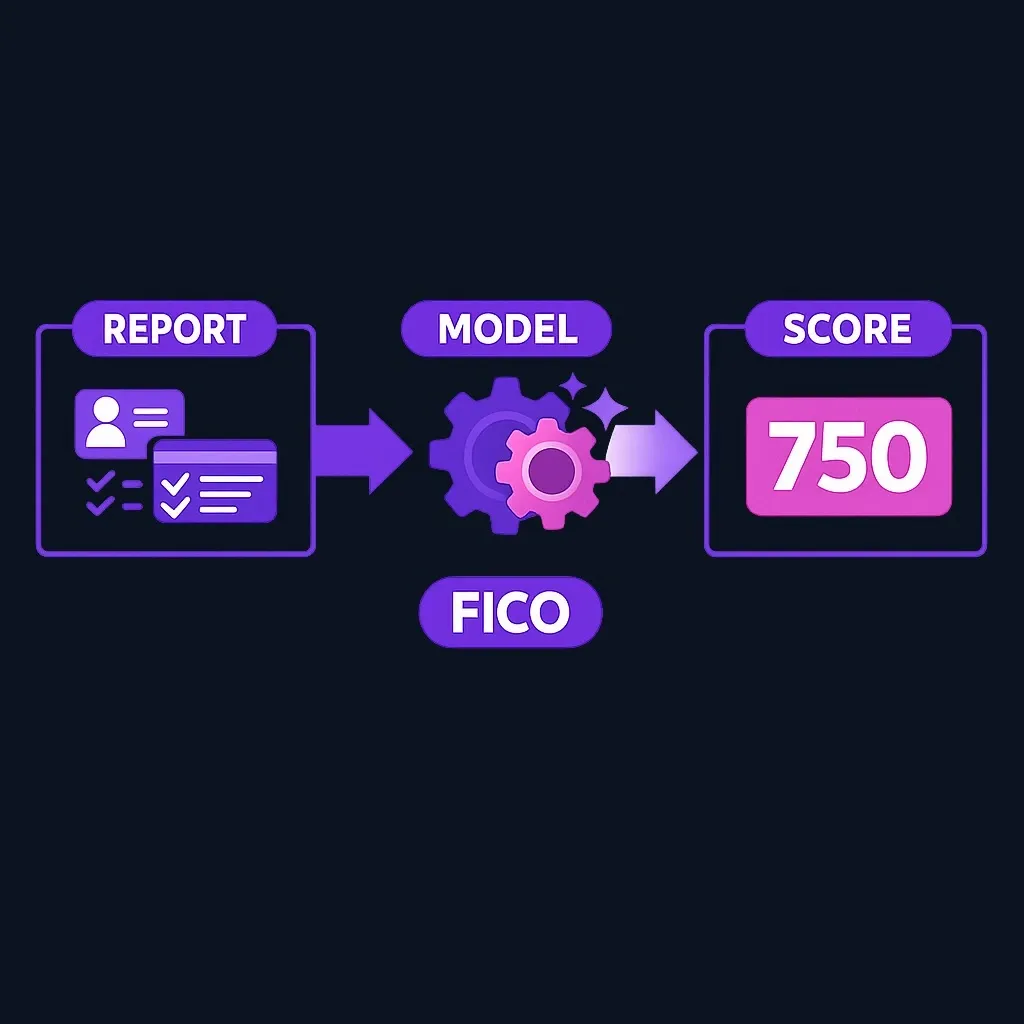
Example takeaway: seeing a higher score in a bank app doesn’t guarantee lenders will see the same FICO number at application time; lenders often pull a specific FICO version from a specific bureau.
Reasons for score discrepancies
Different scores can differ for three broad, evidence-backed reasons: model differences, data/reporting differences, and timing.
-
Model differences (how scores are calculated)
- Scoring systems use different algorithms and weight the same pieces of credit data differently; that’s why two scores from the same report can diverge.
- Practical takeaway: a score optimized for predicting a particular lender’s risk can look different from a consumer-facing score built for general use.
-
Data/reporting differences (what the model reads)
- Different scores can be generated from different credit reports (Equifax, Experian, TransUnion). If one bureau’s report is missing an account or shows a different balance, the derived scores can differ.
- Practical takeaway: check all three reports if a FICO score is unexpectedly low; errors or late updates at one bureau can change a lender’s view.
-
Timing and versions (when and which version)
- Scoring models are updated over time, and lenders may use models developed for different types of credit. Different models applied to the same report can produce different numbers CFPB.
- Practical takeaway: you may see a higher consumer score based on a newer or alternative model while a lender pulls an older FICO version at application time.
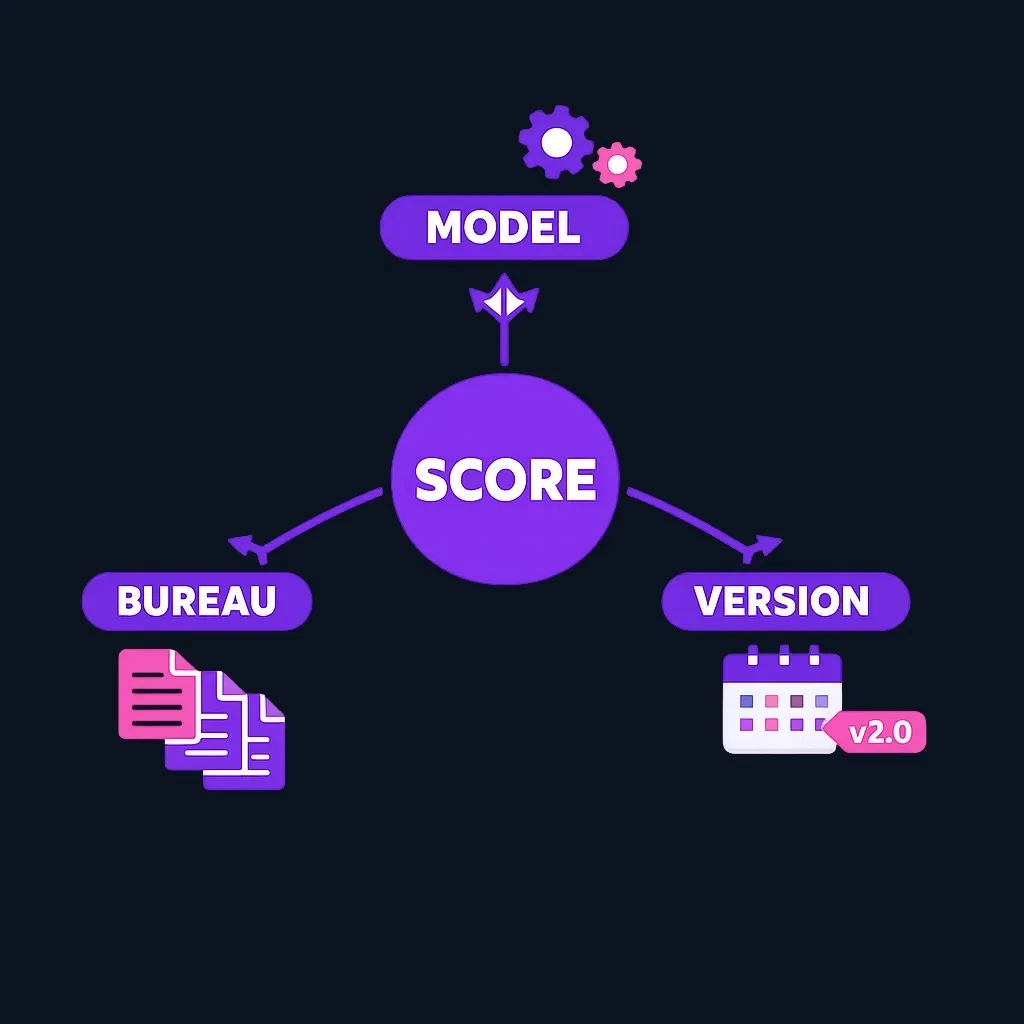
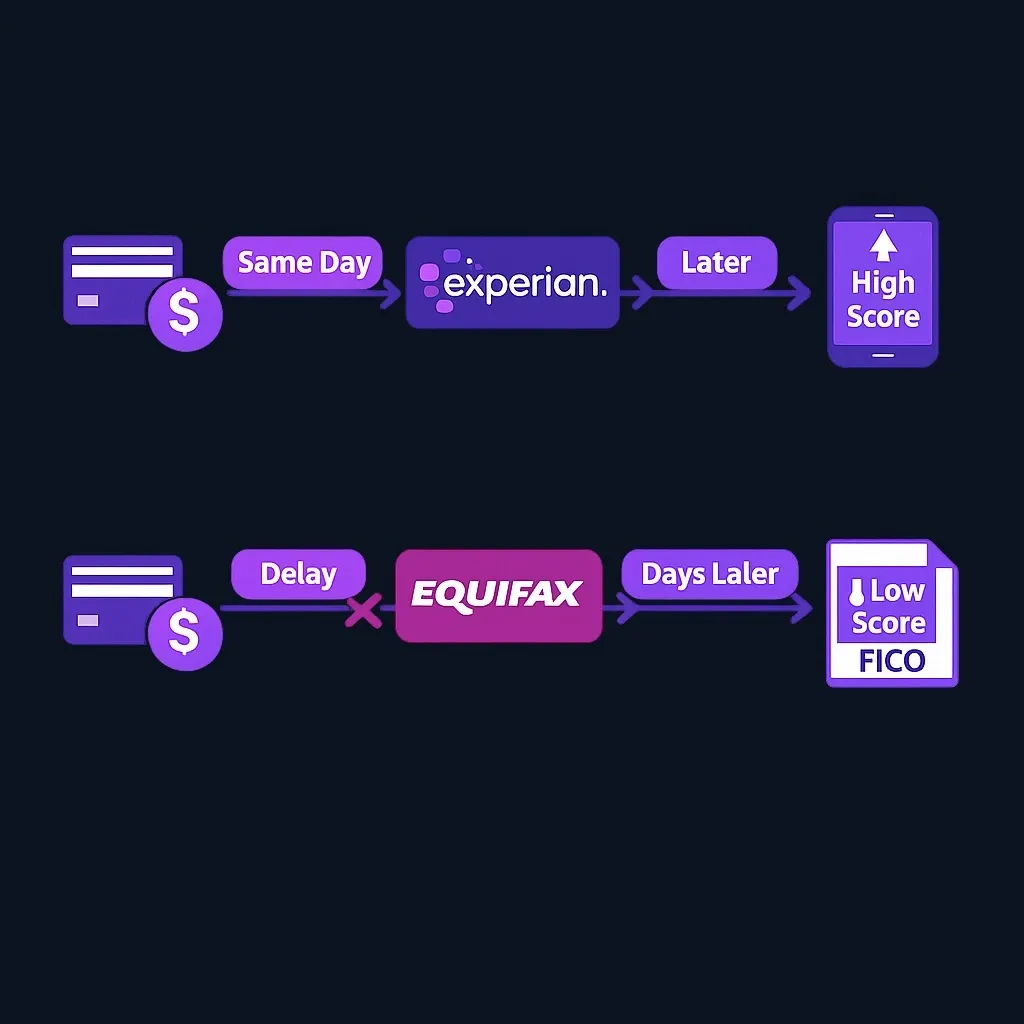
Worked example (illustrative): you check a free score in a banking app that uses a consumer model built from Experian data. A lender, during mortgage underwriting, requests a FICO score from Equifax. If your latest payment posted to Experian but not Equifax yet, the lender’s FICO may be lower — even though both scores are based on the same recent behavior.
Quick comparison: FICO vs other credit-score models
The table below compresses the practical differences you’ll see; each claim is supported by official sources describing scoring use and model differences.
| Topic | FICO (typical lender view) | Other credit-score models (consumer or bureau models) |
|---|---|---|
| Typical use by lenders | Widely used by lenders for underwriting and pricing | Many consumer services and some lenders use alternative or bureau-created models |
| Algorithm & updates | A lender may use a particular model or version for a particular type of credit | Other models can use different formulas or versions |
| Why scores differ | The model, bureau, and report date can all affect the result | Alternative scores can provide a different snapshot because they use different formulas or report data |
The practical question is not which number is universally “correct.” Each score reflects a particular model, report, and date. For a lending decision, ask which score actually informed the lender's evaluation.
Check and improve your FICO score
This section combines how to find the relevant score and practical steps to raise it, anchored to official guidance about what scoring systems consider and how reports matter.
What to look for when you check:
- Verify the credit report entries (accounts, balances, payment history) because scores come from reports.
- Remember that different models and bureaus can show different numbers; ask the lender which model and bureau it expects to use when that information is available.
Checklist to improve a FICO score (practical, evidence-aligned)
- Pay on time: payment history is a primary driver of scores across models.
- Lower high balances where possible: how much of your available credit you use matters to scoring systems.
- Check reports and dispute errors: incorrect items on a report can lower whatever score a lender sees; disputing mistakes corrects the record.
- Avoid unnecessary hard inquiries when rate-shopping is done outside allowable windows — scoring models and lenders treat inquiries differently.
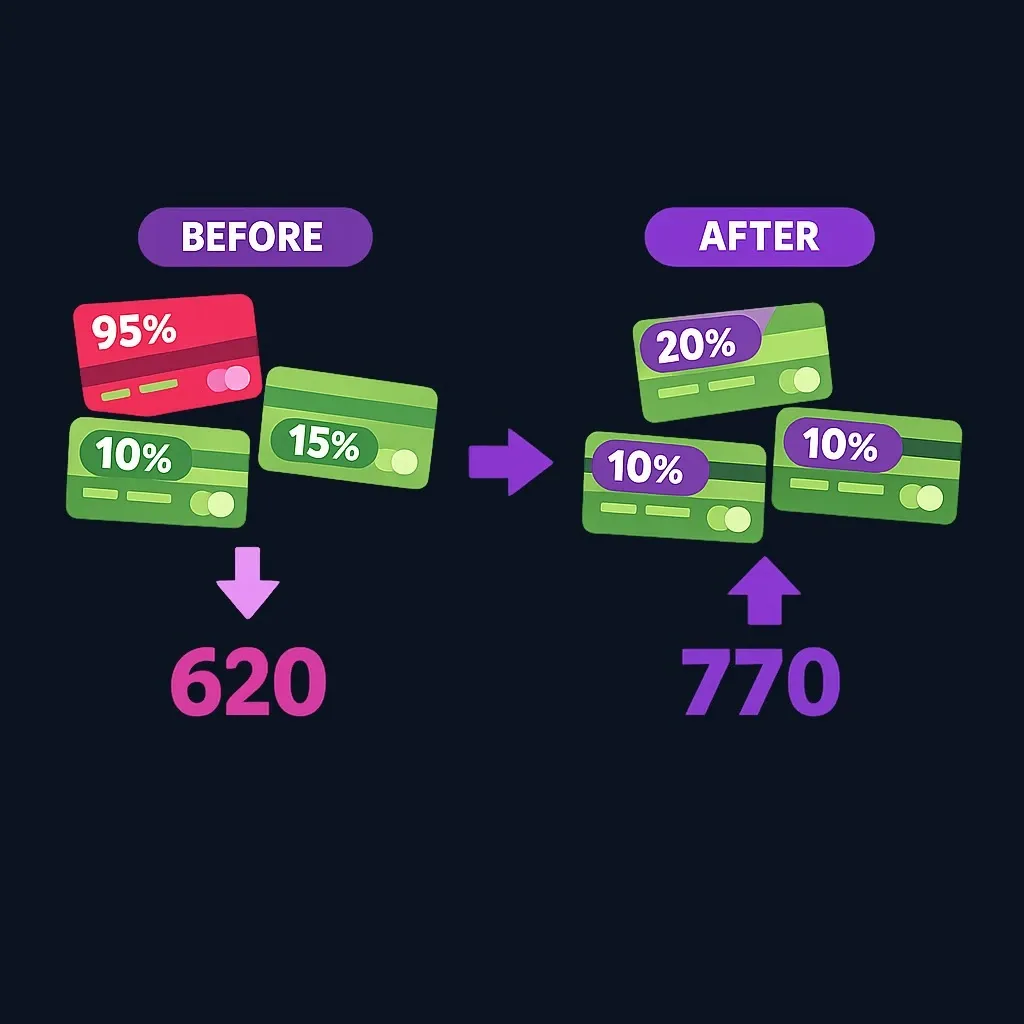
Practical example: if a single card shows 95% utilization but other cards are low, pay down that large balance before applying for new credit; reducing that one high utilization account often has an outsized effect on how scoring models view short-term risk. Note about financial guidance: this article is educational and not financial or investment advice. Use verification and professional guidance for major credit decisions.
Practice trading with Finelo
Practice in a simulator, learn with bite-sized lessons, and build confidence before risking real money.
Decision framework
Use this short framework to decide which score to monitor and what action to take.
- Identify the lender and loan type you plan to apply for. Because many lenders prefer FICO, prioritize the FICO version commonly used in that market segment.
- Pull your credit reports from the three bureaus to confirm consistent data; errors or missing updates at one bureau can explain a lower FICO.
- If the score used by a lender is lower than a consumer score you watch, use the lender's disclosed score and risk-factor information to understand that specific decision; do not assume the app score predicts the lender's result.
- If you find reporting errors, start disputes with the bureau that shows the error; correcting the report is the concrete step that can change any score a lender sees.
Practical tip: when shopping for a mortgage or auto loan, ask lenders which score and bureau they use; that lets you take targeted action on the exact report that matters.
What to know before deciding
Who this page is for: readers comparing scores they see online or in apps and wondering which number matters for a loan decision.
What you can evaluate after reading:
- Why scores differ (models, data, timing) and which differences matter for lending decisions FTC.
- Practical fixes (report checks, payment timing, balancing utilization) that affect most scoring models.
Assumptions, limitations and risks:
- Scores reflect a model and report data at a point in time; later updates can change the result. Ask which score informed a lending decision rather than assuming a consumer score is identical.
- This article is educational; for major borrowing or dispute actions, validate procedures and timelines with the credit bureaus or a qualified advisor.
FAQ
What is the difference between a FICO score and a credit score?
A "credit score" is the general term for any numeric result produced by a scoring model from your credit report; FICO is a specific family of scoring models commonly used by lenders CFPB.
How can I check my FICO score?
Lenders and consumer services can provide different scores. Ask which score informed a decision, and check the underlying reports for accuracy. A score shown in an app is educational unless the provider states that it is the same model and report used for the lending decision.
Why do I have multiple credit scores?
Multiple scores exist because credit bureaus and scoring companies use different algorithms and datasets to assess the same underlying credit-report data; those differences naturally produce different numeric scores.
What should I do if my FICO score is lower than expected?
First, check your credit reports across the three bureaus for errors or recently reported negatives and dispute any mistakes. Then prioritize on-time payments and lowering high balances, since payment history and utilization are primary drivers across scoring systems.
Conclusion: Next steps
If your FICO score is lower than another credit score you track, start by identifying the bureau/version a lender would use, review that bureau’s credit report for errors, and focus on the single largest negative driver (late payments or very high utilization) CFPB. For a practical next step, review Finelo’s educational resources to learn more about credit reports and how lenders use scores: Finelo Blog.
Financial LiteracyFinancial Education
Practice trading with Finelo
Practice in a simulator, learn with bite-sized lessons, and build confidence before risking real money.
About the author
Finelo Team
The Finelo Team creates practical investing and trading education designed to help beginners learn faster with structured challenges, simulator practice, and bite-sized lessons.
Keep reading — Related articles

Financial Literacy
Mercury Books Review 2026: Is It Worth It for Startups?
Mercury Books brings double-entry accounting into Mercury. Review its $35 pricing, reports, AI features, integrations, and migration limits.
Finelo Team
Financial Literacy
Why Is My FICO Score Higher Than My Credit Score?
Brief educational note: this article is educational, not financial or investment advice; investing and credit decisions involve risk and possible loss.
Finelo Team
Financial Literacy
Which States Have Inheritance Tax? A Detailed Overview
Key practical distinctions to note:
Finelo Team