For U.S. readers: This article discusses U.S. rules and financial products. State rules and individual eligibility may differ.
Which States Have Inheritance Tax? A Detailed Overview
Key practical distinctions to note:
7 min read
Practice trading with Finelo
Practice in a simulator, learn with bite-sized lessons, and build confidence before risking real money.
Want to learn more?
Practice in a simulator, learn with bite-sized lessons, and build confidence before risking real money.
Explore FineloExplore Finelo's 28-day challenges
Turn learning into a daily habit with guided challenge paths.
Quick answer
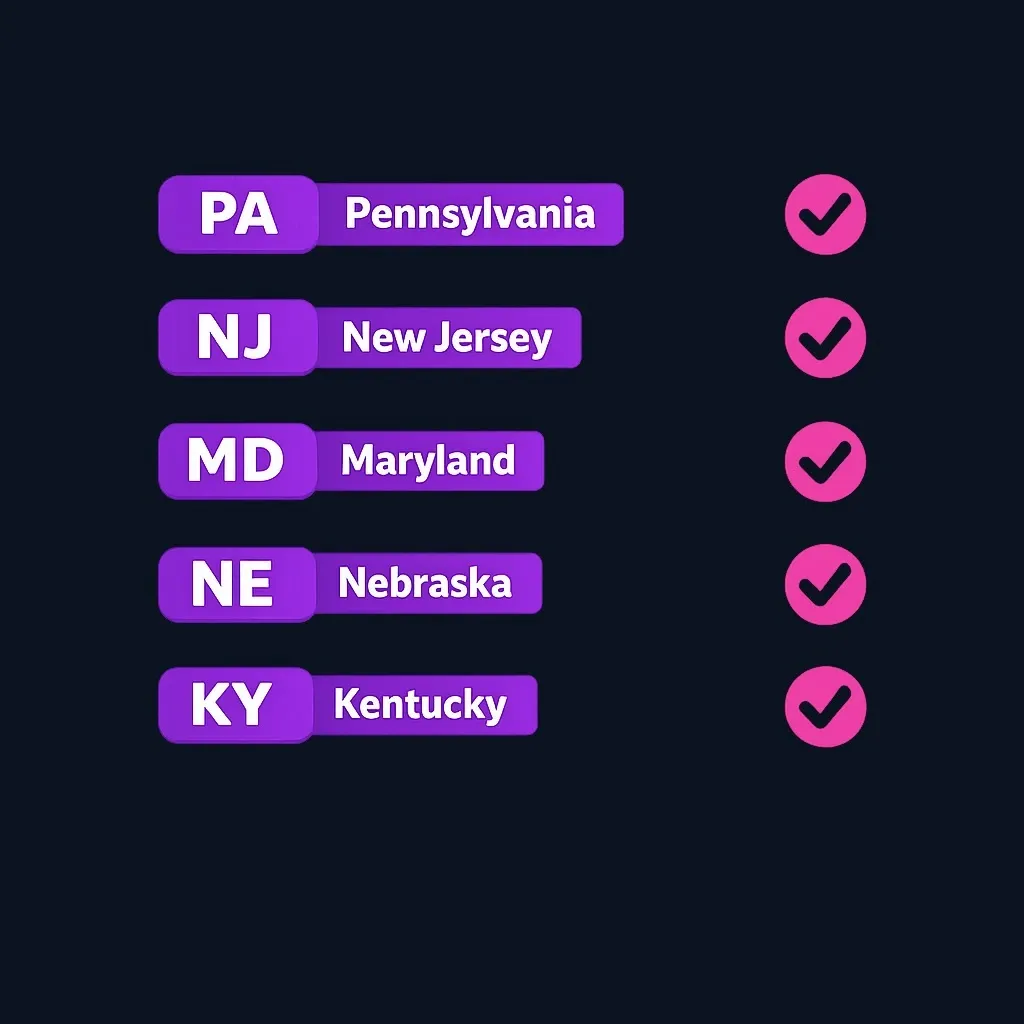
Five U.S. states currently impose an inheritance tax: Pennsylvania, New Jersey, Maryland, Nebraska, and Kentucky — see each state revenue or tax office below for details (Pennsylvania, New Jersey, Maryland, Nebraska, Kentucky.) Finelo provides financial education, not financial or investment advice.
What to know before deciding
Inheritance tax is a state-level tax on beneficiaries who receive property or money from a decedent; it is distinct from a state or federal estate tax, which is levied on the decedent’s estate before distribution. Pennsylvania’s official guidance describes inheritance tax as “imposed as a percentage of the value of a decedent's estate transferred to beneficiaries” (Pennsylvania Department of Revenue).
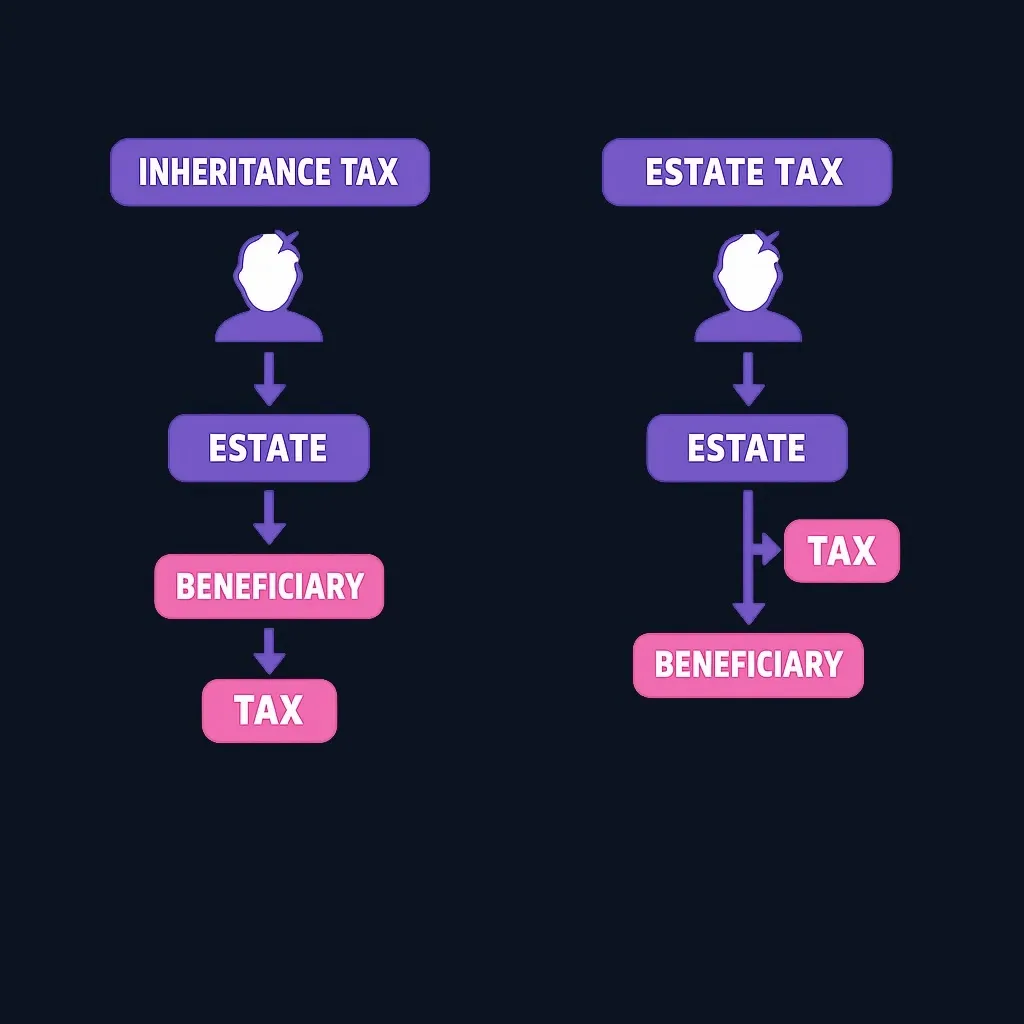
Key practical distinctions to note:
- Who files and who pays can differ: some states require the personal representative (executor) to file a return and pay tax from estate assets; beneficiaries may also have reporting obligations. Confirm the procedural rules with the state revenue or probate office cited below.
- Residency and property location matter: whether the decedent was a resident of the state or owned real property there can change which state’s rules apply (for example, Kentucky notes rules about real estate located in other states) (Kentucky Department of Revenue).
- Laws and exemptions vary significantly by state; always check the official source for current forms, deadlines, and filing instructions.
This article explains which states impose inheritance tax, how to find state-specific rules, and practical next steps beneficiaries should take.
States with Inheritance Tax
The table below compresses official state sources and a short note about any directly supported exemption or procedural point found in the cited state page. Use the linked official pages for current forms, rates, and filing instructions.
| State | Official source | Notable note from official source |
|---|---|---|
| Pennsylvania | https://www.pa.gov/agencies/revenue/resources/tax-types-and-information/inheritance-tax | States that impose tax as a percentage of value; see site for filing details (PA Dept. of Revenue). |
| New Jersey | https://www.nj.gov/treasury/taxation/inheritance-estate/inheritance.shtml | State Division of Taxation page covers inheritance and estate tax rules (NJ Division of Taxation). |
| Maryland | https://registers.maryland.gov/main/taxes.html | Official Register of Wills notes specific exemptions; state, county, and municipal corporations are exempt (Maryland Register of Wills). |
| Nebraska | https://revenue.nebraska.gov/PAD/inheritance-tax | Nebraska revenue page includes inheritance tax reports and legal information (Nebraska Dept. of Revenue). |
| Kentucky | https://revenue.ky.gov/Individual/Inheritance-Estate-Tax/Pages/default.aspx | Kentucky guidance notes that real estate located in another state is not taxable for Kentucky inheritance tax purposes (KY Department of Revenue). |
If the decedent lived in one of these states or owned real property there, plan to consult that state’s official page early in the probate process.
Practice trading with Finelo
Practice in a simulator, learn with bite-sized lessons, and build confidence before risking real money.
Understanding Exemptions and Rates
Exemptions and how rates apply differ by state and often by the beneficiary’s relationship to the decedent. Official state pages are the authoritative source for those details; below are documented examples and general patterns to help you research further.
- Maryland’s official guidance explicitly lists certain entities that are exempt (for example, state, county, and municipal corporations) — see the Register of Wills tax page for details (Maryland Register of Wills).
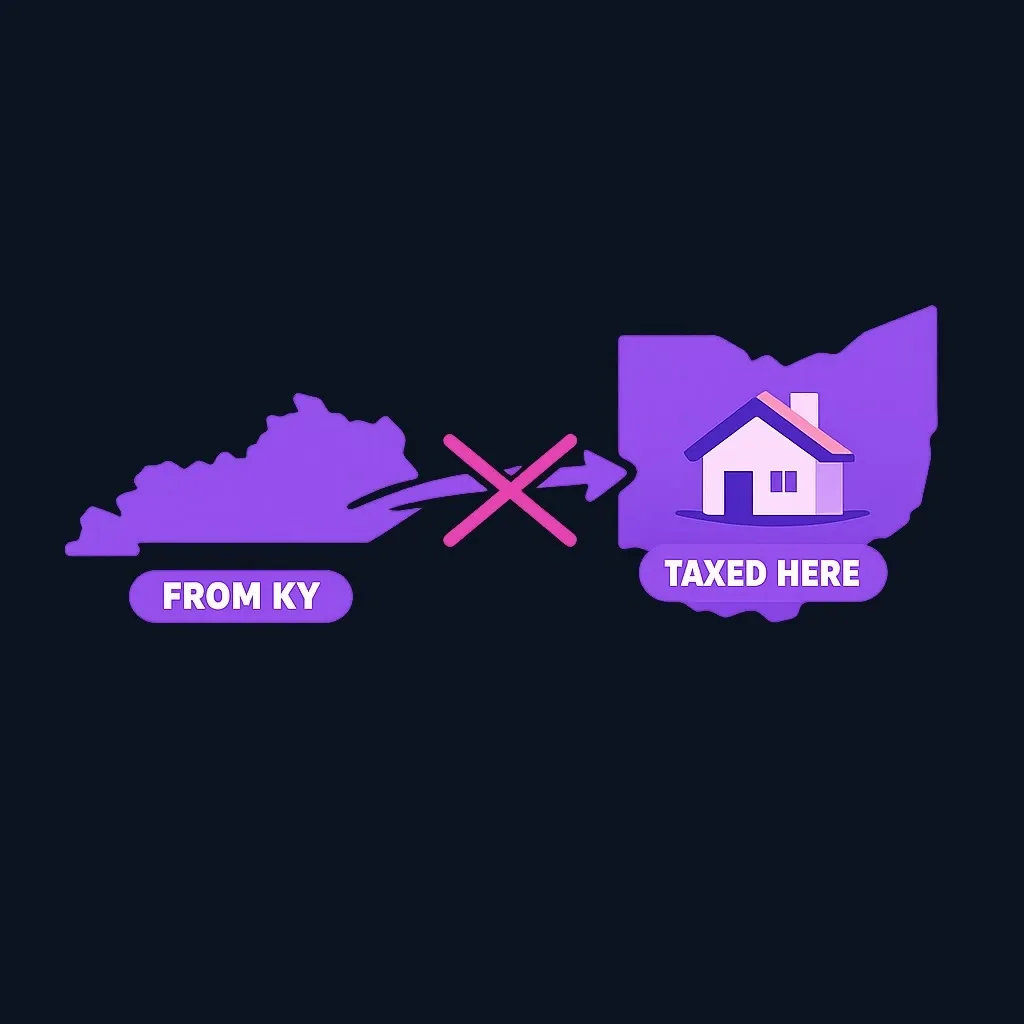
- Kentucky’s site clarifies treatment of real property located outside Kentucky — that property is not taxable for Kentucky inheritance tax purposes (KY Department of Revenue).
- Pennsylvania’s page confirms inheritance tax is imposed as a percentage of the transfer value; consult their tables for how that percentage is applied to different classes of beneficiaries (PA Dept. of Revenue).
Common research steps for finding exemptions and rates:
- Open the state’s inheritance tax page (links above).
- Look for “rates,” “exemptions,” or “schedules” on that page or linked forms.
- Check how the state classifies beneficiaries (spouse, child, sibling, unrelated) — classification often determines the rate or exemption level.
- If rates or exemptions are unclear, contact the state revenue or county probate office listed on the official page.
Because rules change and many details depend on relationship and asset type, verify current exemptions and rate tables on the state website before relying on a specific calculation.

Decision framework (practical checklist and examples)
Use the checklist below to evaluate whether a given inheritance will trigger a state inheritance tax and what action to take. After the checklist, two short, state-specific examples show how an official rule can affect outcomes.
Checklist for beneficiaries and executors
- Identify decedent’s state(s) of residence and any states where real property was owned. If property is in one of the five states above, expect state rules to apply (see the state links in “States with Inheritance Tax”).
- Determine beneficiary class (spouse, child, other relative, non-relative). Classification often affects exemptions and rates—confirm on the state page.
- Locate the state’s inheritance tax return and filing instructions; examine who must file (executor or beneficiary) and what deadlines apply.
- Inventory assets subject to state law (cash, securities, real estate located in-state, certain transfers by operation of law).
- If unclear, contact the state revenue office or a probate attorney before distributing assets.
Two short, sourced examples
- Kentucky real-estate example: If a Kentucky resident owned real property in another state, Kentucky states that the out-of-state real estate is not taxable for Kentucky inheritance tax purposes — this affects which state’s rules to follow when that property transfers (KY Department of Revenue).
- Maryland entity exemption example: Maryland’s Register of Wills notes that state, county, and municipal corporations are exempt from inheritance tax — useful to know if a municipal entity is a named beneficiary (Maryland Register of Wills).
Decision notes and common mistakes
- Mistake: assuming the federal estate tax is the only “death tax.” Action: check state law — five states levy an inheritance tax (linked above).
- Mistake: missing an in-state asset because the decedent was an out-of-state resident. Action: identify property location early and consult the relevant state page.
- When in doubt about filing or payment responsibility, follow the executor’s duties and the state’s guidance; official state pages above are the primary reference.

FAQ
What states have an inheritance tax?
Pennsylvania, New Jersey, Maryland, Nebraska, and Kentucky currently have inheritance tax rules; see each state’s official tax or revenue page for details (,,,, KY).
Who is exempt from paying inheritance tax?
Exemptions depend on state law and beneficiary class. For example, Maryland’s official guidance lists state, county, and municipal corporations as exempt (Maryland Register of Wills). For personal exemptions (spouses, children), check the specific state page linked above.
How is inheritance tax calculated?
Calculation methods vary by state. Pennsylvania’s official page states inheritance tax is imposed as a percentage of the value transferred to beneficiaries; consult the state’s rate schedules and worksheets for the exact computation (PA Dept. of Revenue).
What should I do if I inherit property from a state with an inheritance tax?
First, confirm the decedent’s residency and where property is located, then review that state’s official inheritance tax page for forms and instructions (links above). If questions remain, contact the state revenue office or consult a probate attorney before distributing assets.
Conclusion and Next Steps
Key takeaways: five states impose inheritance tax (Pennsylvania, New Jersey, Maryland, Nebraska, Kentucky); rules, exemptions, and who must file vary by state; official state revenue or probate pages are the authoritative source for rates and forms. Start by checking the specific state page linked earlier and assemble the decedent’s asset list and beneficiary classifications.
Next step (one action): If you’re dealing with an inheritance now, gather the decedent’s residence and asset-location details, then consult the relevant state page from the table above. For a quick primer on estate and inheritance terminology, visit the Finelo Blog for related educational resources: Finelo Blog
Finelo provides financial education, not financial or investment advice.
Financial LiteracyFinancial Education
Practice trading with Finelo
Practice in a simulator, learn with bite-sized lessons, and build confidence before risking real money.
About the author
Finelo Team
The Finelo Team creates practical investing and trading education designed to help beginners learn faster with structured challenges, simulator practice, and bite-sized lessons.
Keep reading — Related articles

Financial Literacy
Mercury Books Review 2026: Is It Worth It for Startups?
Mercury Books brings double-entry accounting into Mercury. Review its $35 pricing, reports, AI features, integrations, and migration limits.
Finelo Team

Financial Literacy
Why is My FICO Score Lower Than My Credit Score?
Example takeaway: seeing a higher score in a bank app doesn’t guarantee lenders will see the same FICO number at application time; lenders often pull a specific FICO version from a specific bureau.
Finelo Team

Financial Literacy
Why Is My FICO Score Higher Than My Credit Score?
Brief educational note: this article is educational, not financial or investment advice; investing and credit decisions involve risk and possible loss.
Finelo Team