For U.S. readers: This article discusses U.S. rules and financial products. State rules and individual eligibility may differ.
What Is a Good Credit Score to Buy a House?
There is no single credit score that guarantees mortgage approval or the lowest rate.
6 min read
Practice trading with Finelo
Practice in a simulator, learn with bite-sized lessons, and build confidence before risking real money.
Want to learn more?
Practice in a simulator, learn with bite-sized lessons, and build confidence before risking real money.
Explore FineloExplore Finelo's 28-day challenges
Turn learning into a daily habit with guided challenge paths.
Quick answer
There is no single credit score that guarantees mortgage approval or the lowest rate. Requirements and pricing vary by loan program, lender, score model, down payment, debt-to-income ratio, property, and market conditions. HUD publishes specific credit-score and down-payment rules for FHA-insured loans, while conventional lenders may apply their own underwriting standards and additional requirements. Treat any score threshold as a screening point—not a promise of approval or pricing—and compare written Loan Estimates from multiple lenders. Finelo provides financial education, not financial or investment advice.
What a mortgage credit score can—and cannot—tell you
A credit report contains account and payment information. A credit score is a number calculated from information in a credit report; lenders may use different models or versions, so the score shown in a consumer app may not match the one used in underwriting. The Consumer Financial Protection Bureau explains the distinction between credit reports and credit scores.
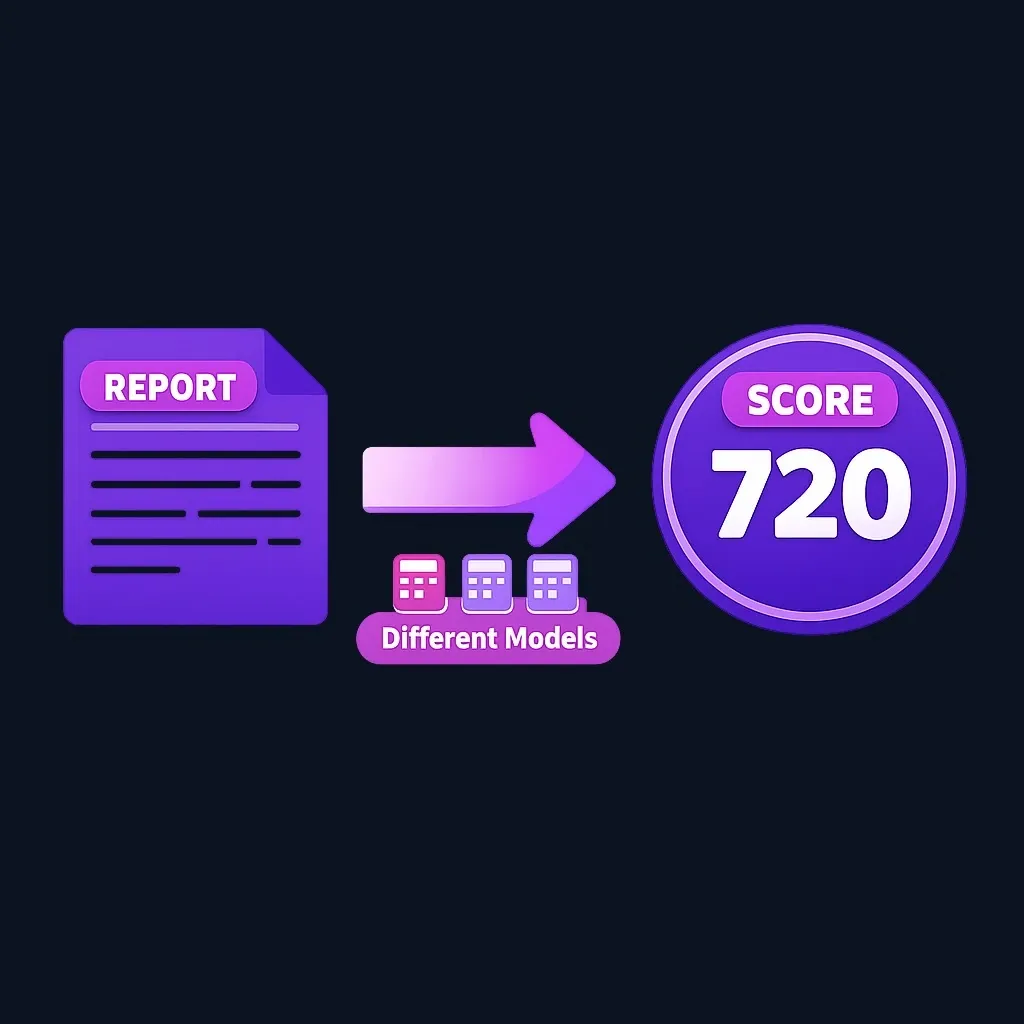
A higher score may improve eligibility or pricing, but it is only one part of the application. Lenders also review income, existing debts, assets, down payment, loan-to-value ratio, property type, and documentation. A borrower with a higher score can still receive an expensive offer, while a borrower with a lower score may qualify under a program with different rules.
How loan programs treat credit scores
FHA-insured loans
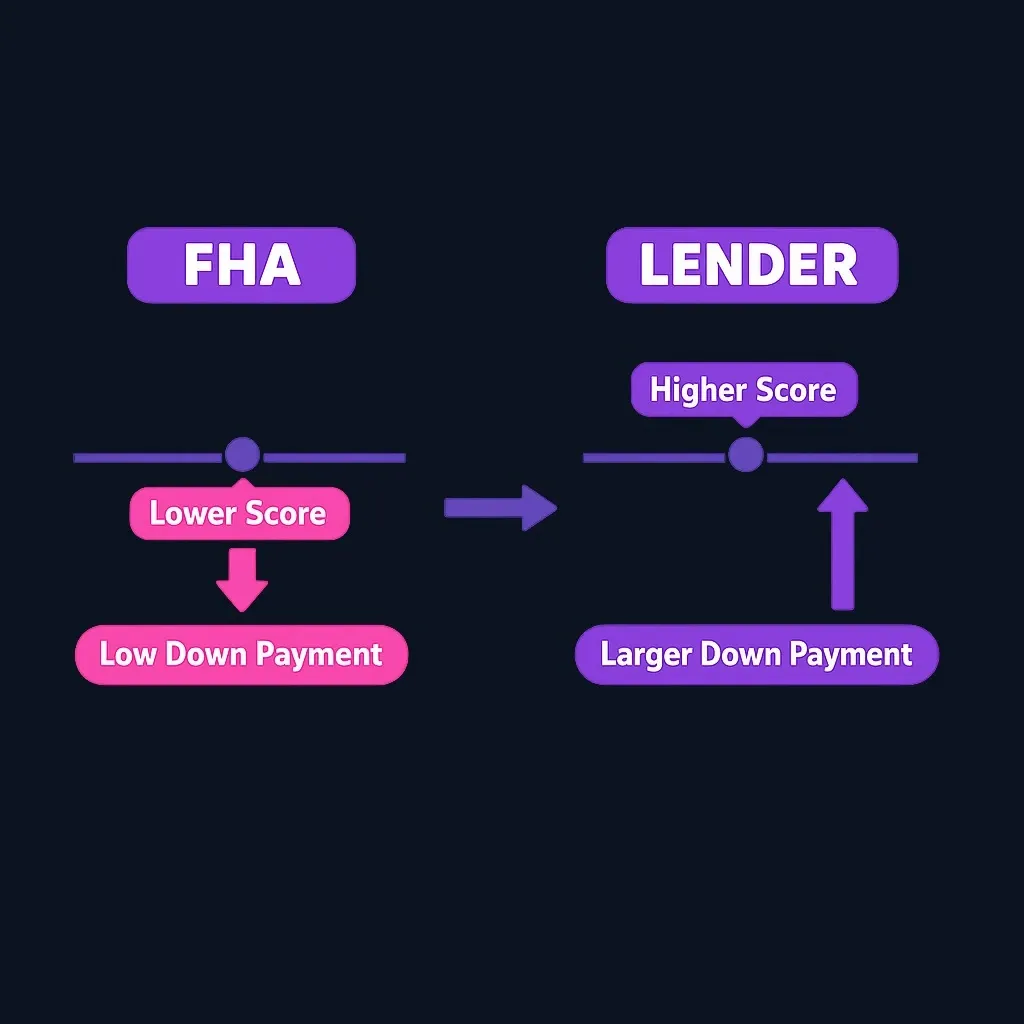
HUD states that FHA eligibility depends on the applicant's credit score and required down payment, subject to the complete program rules and lender underwriting. Review HUD's current answer on FHA minimum credit scores rather than relying on an undated summary. An individual lender may also impose standards beyond the FHA baseline.
Conventional loans
Conventional mortgage standards are product- and lender-specific. A commonly repeated score number should not be treated as a universal approval threshold. Ask each lender which program it is quoting, which score model it uses, whether it applies additional minimums, and how the quoted score affects the rate, points, mortgage insurance, and fees.
VA, USDA, and other programs
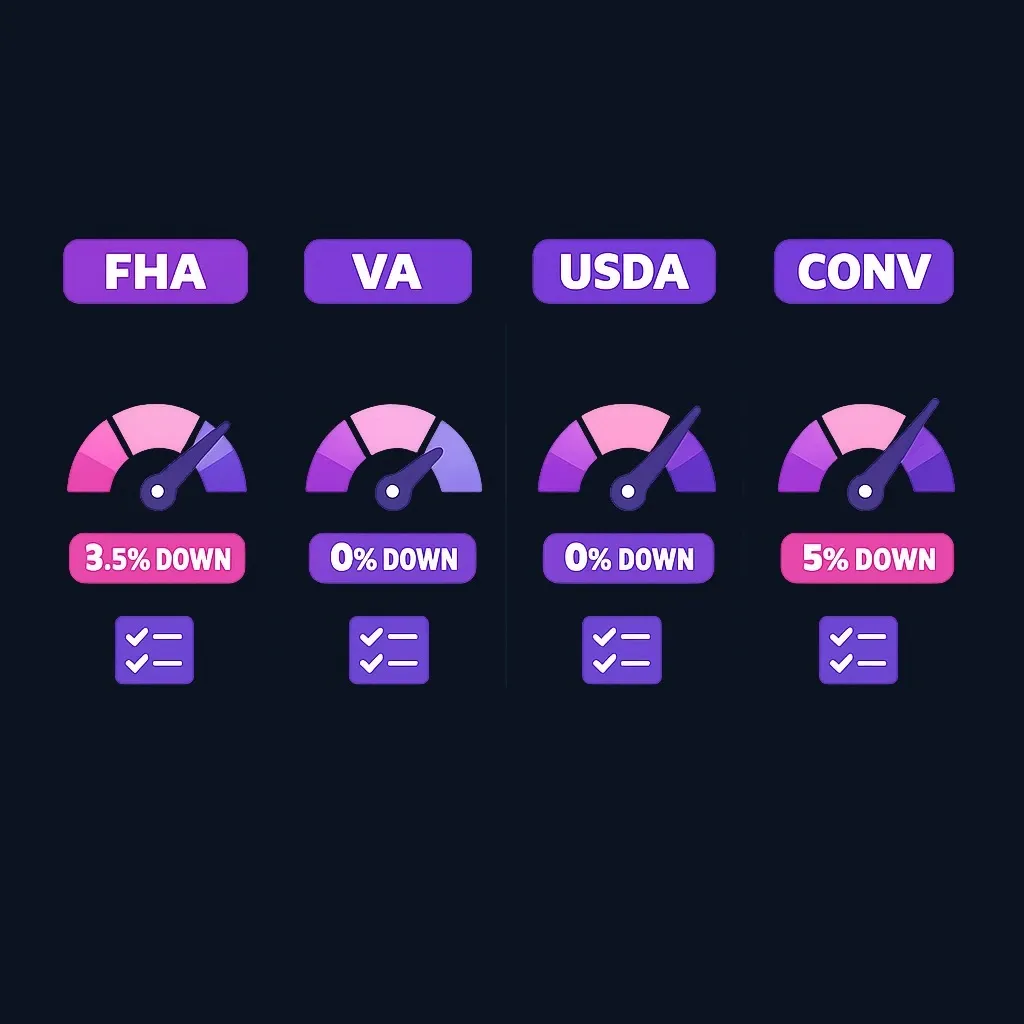
Government-backed programs have separate eligibility and underwriting rules. Agency rules, lender overlays, occupancy requirements, income limits, service history, or property-location criteria may matter more than a headline score. Verify the current program rules with the relevant agency and the lender handling the application.
A practical comparison framework
Use the same facts for every lender quote so the offers are comparable:
- Confirm the score and report used. Ask which credit bureau, score model, and score version informed the quote.
- Identify the exact loan program. Record whether the quote is conventional, FHA, VA, USDA, or another product.
- Compare total terms—not only the rate. Review the annual percentage rate, points, lender fees, mortgage insurance, cash to close, and estimated monthly payment.
- Check the assumptions. A quote may assume a specific down payment, occupancy type, lock period, or purchase price.
- Use official disclosures. Compare Loan Estimates issued for the same loan amount and terms. The CFPB provides a guide to reviewing a Loan Estimate.
| Question | Why it matters |
|---|---|
| Which score model and bureau were used? | Different models and reports can produce different scores. |
| Is the quoted rate locked? | An unlocked rate can change before closing. |
| Are points included? | A lower rate may require a larger upfront payment. |
| Is mortgage insurance required? | Insurance can materially change the monthly and lifetime cost. |
| What is the total cash to close? | Down payment is only one part of the upfront cost. |
Practice trading with Finelo
Practice in a simulator, learn with bite-sized lessons, and build confidence before risking real money.
Steps that may strengthen a mortgage application
- Review credit reports for inaccurate information and use the bureau's dispute process when an item is wrong. The official source for free reports is AnnualCreditReport.com.
- Pay every account on time and avoid missing payments while preparing to apply.
- Consider whether reducing revolving balances would improve the application, but do not drain emergency reserves merely to target a score change.
- Avoid opening unnecessary accounts shortly before underwriting, because new debt can affect both the report and the debt-to-income calculation.
- Preserve records supporting income, assets, large deposits, and the source of down-payment funds.
- Compare multiple written offers instead of assuming one score band always receives the best available price.
Credit-score changes are not guaranteed, and the timing or size of a change depends on the underlying report, reporting cycle, and model used.
Hypothetical scenarios
A borrower comparing FHA and conventional quotes
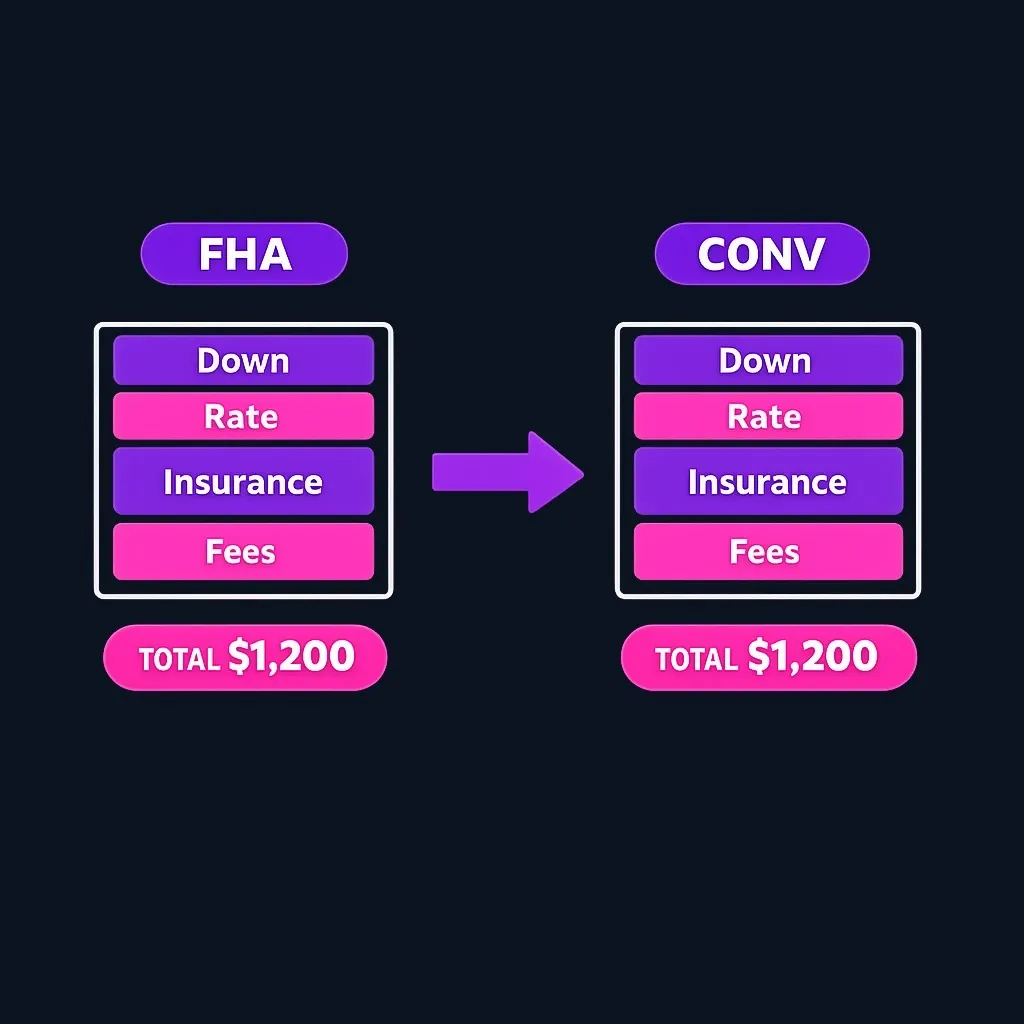
A borrower with a lower score may receive an FHA quote and a conventional quote with different down-payment, mortgage-insurance, and fee structures. The useful comparison is not simply which program accepts the score. It is the total upfront and ongoing cost shown in current written estimates, together with the borrower's eligibility and cash-reserve needs.
A borrower deciding whether to wait
A borrower who finds a material reporting error may choose to complete the dispute process before requesting final quotes. Another borrower whose reports are accurate may decide that waiting for an uncertain score change is less useful than comparing available programs now. Neither result is universal; the decision depends on timeline, housing needs, cash position, and actual lender offers.
FAQ
What credit score is considered good for buying a house?
No score guarantees a good mortgage offer. Score labels such as “good” are general categories, while mortgage eligibility and pricing are determined under a specific program and lender's underwriting rules. Request written quotes that show the full cost.
What is the minimum credit score for a mortgage?
There is no universal minimum across all mortgages. HUD publishes FHA rules, other government programs have their own requirements, and conventional lenders may use product-specific standards or overlays. Check the current official program guidance and the lender's written criteria.
Why is the score a lender uses different from the score in my app?
The lender may use a different bureau, scoring model, model version, or report date. The CFPB notes that consumers can have multiple credit scores because scores are calculated in different ways from credit-report data.
Can someone qualify with a lower score?
Possibly, depending on the program and the rest of the application. A lower score can also affect price, down payment, or mortgage-insurance requirements. Only a lender evaluating the full application can determine eligibility.
Conclusion
A useful mortgage target is not a single score. It is an application that meets the chosen program's rules and a written offer whose total cost fits the borrower's budget and risk tolerance. Verify current requirements, correct genuine report errors, and compare like-for-like Loan Estimates before making a decision.
For more educational material on credit, borrowing, and household finance, visit the Finelo Blog.
Financial LiteracyFinancial Education
Practice trading with Finelo
Practice in a simulator, learn with bite-sized lessons, and build confidence before risking real money.
About the author
Finelo Team
The Finelo Team creates practical investing and trading education designed to help beginners learn faster with structured challenges, simulator practice, and bite-sized lessons.
Keep reading — Related articles

Financial Literacy
Mercury Books Review 2026: Is It Worth It for Startups?
Mercury Books brings double-entry accounting into Mercury. Review its $35 pricing, reports, AI features, integrations, and migration limits.
Finelo Team

Financial Literacy
Why is My FICO Score Lower Than My Credit Score?
Example takeaway: seeing a higher score in a bank app doesn’t guarantee lenders will see the same FICO number at application time; lenders often pull a specific FICO version from a specific bureau.
Finelo Team
Financial Literacy
Why Is My FICO Score Higher Than My Credit Score?
Brief educational note: this article is educational, not financial or investment advice; investing and credit decisions involve risk and possible loss.
Finelo Team


