For U.S. readers: This article discusses U.S. rules and financial products. State rules and individual eligibility may differ.
Can You Switch From Medicare Advantage to Medigap Without Underwriting?
Sometimes, but not merely because a person leaves Medicare Advantage.
8 min read
Practice trading with Finelo
Practice in a simulator, learn with bite-sized lessons, and build confidence before risking real money.
Want to learn more?
Practice in a simulator, learn with bite-sized lessons, and build confidence before risking real money.
Explore FineloExplore Finelo's 28-day challenges
Turn learning into a daily habit with guided challenge paths.
Quick answer
Sometimes, but not merely because a person leaves Medicare Advantage. A person can buy Medigap without medical underwriting during the one-time six-month Medigap Open Enrollment Period or when a federal or state guaranteed-issue right applies. Certain first-time Medicare Advantage users also have a 12-month “trial right.”
Outside a protected right, a Medigap insurer may be allowed to ask health questions, charge more, delay coverage of a pre-existing condition in limited circumstances, or deny the application, depending on federal and state law.
Finelo provides general U.S. Medicare education, not insurance, medical, legal, tax, investment, or individualized financial advice. Enrollment periods, state protections, policy availability, and premiums vary. Verify the exact dates before changing coverage.
Two separate actions are involved
Switching from Medicare Advantage to Medigap is not one transaction.
- The person must have a valid opportunity to leave Medicare Advantage and return to Original Medicare.
- The person must separately qualify to buy a Medigap policy.
An opportunity to return to Original Medicare does not automatically create a guaranteed right to buy Medigap. A person could leave Medicare Advantage yet discover that an insurer can medically underwrite the Medigap application.
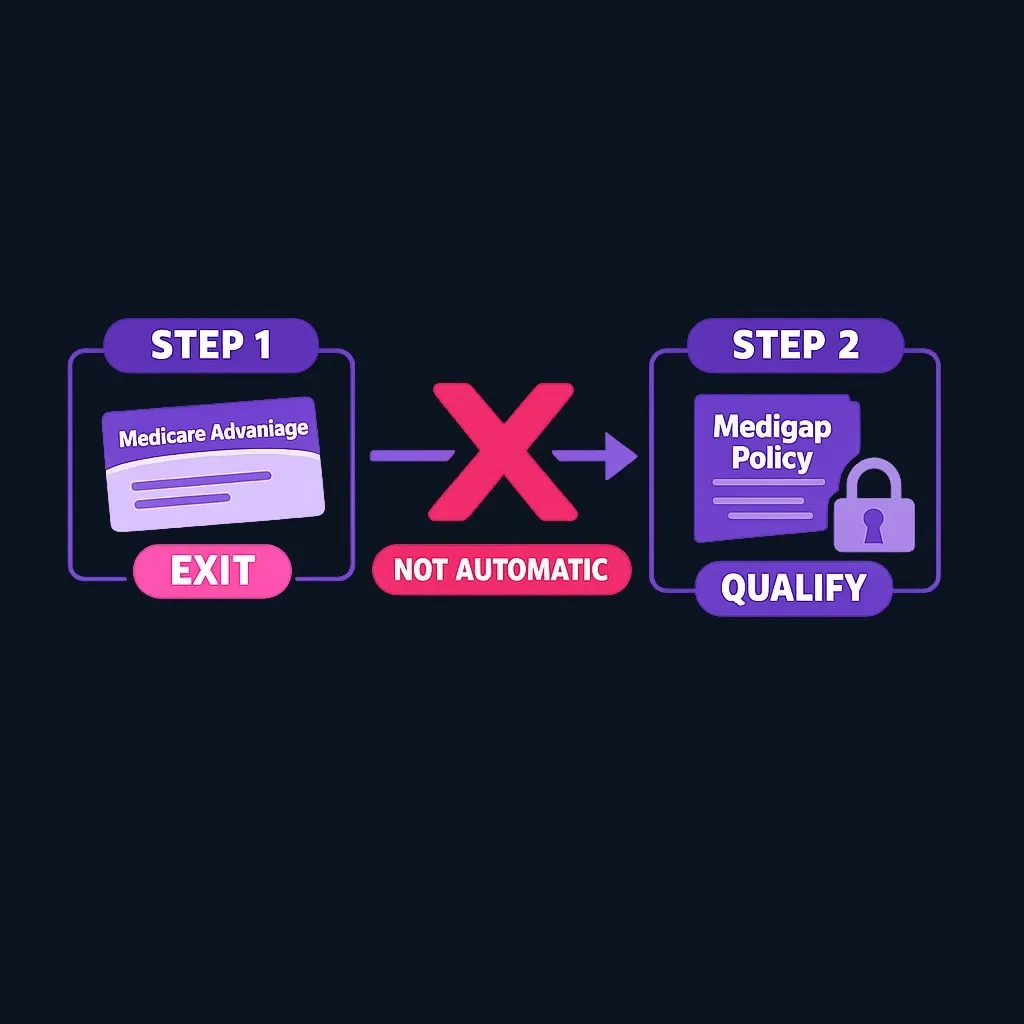
Medigap also cannot begin while the person remains enrolled in Medicare Advantage. Medicare states that it is illegal to sell Medigap to someone who has Medicare Advantage unless the person is switching back to Original Medicare.
When underwriting generally does not apply
Medigap Open Enrollment Period
The one-time federal Medigap Open Enrollment Period generally lasts six months, starting the first month a person has Medicare Part B and is age 65 or older. During this period, insurers generally cannot use medical underwriting to deny a policy or change the price because of health.

This period is different from the annual Medicare Open Enrollment Period.
First Medicare Advantage trial right
A person who joined Medicare Advantage when first eligible for Medicare Part A at age 65 may have a trial right to switch to Original Medicare within the first year and buy certain Medigap policies without underwriting.
Returning to a former Medigap policy
A person who dropped a Medigap policy to join Medicare Advantage for the first time may have one 12-month trial-right period to return to the former Medigap policy if the same insurer still sells it. If that policy is unavailable, federal or state rules determine which alternatives may be guaranteed.
Other guaranteed-issue events
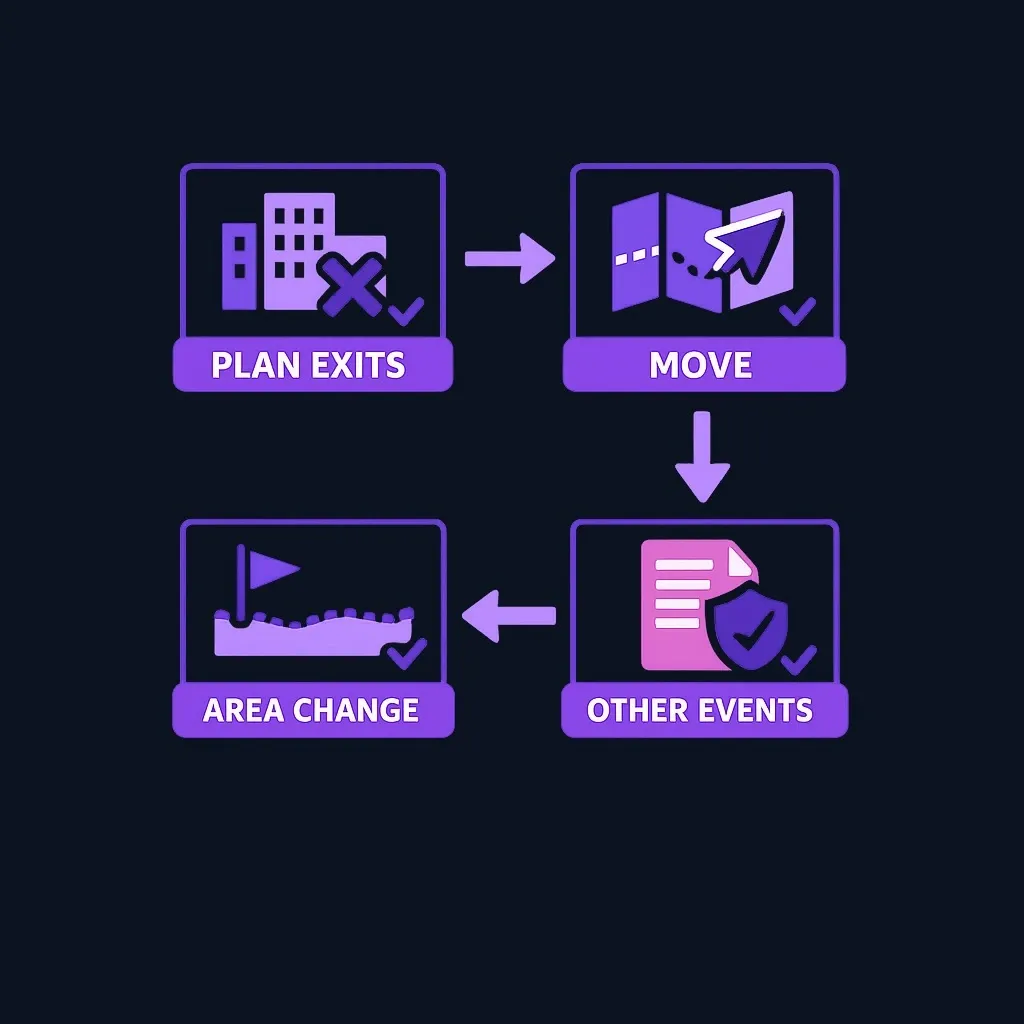
Federal rights may apply when, for example:
- a Medicare Advantage plan leaves Medicare;
- the plan stops serving the person’s area;
- the person moves out of the plan’s service area; or
- another event listed in Medicare’s current Medigap guide occurs.
The exact right determines which standardized Medigap plans can be purchased and the application deadline. Do not assume every loss of coverage permits every Medigap letter plan.
Official references:
- When can I buy a Medigap policy? — Medicare
- How Medigap works — Medicare
- Choosing a Medigap Policy — official Medicare guide
Timing rules need exact dates
Many federal guaranteed-issue situations allow an application beginning 60 days before existing coverage ends and ending no more than 63 days afterward. A trial right may have its own 12-month condition.
Because the rule depends on the event, confirm:
- the date the Medicare Advantage coverage ends;
- the event that creates the claimed right;
- the first and last date the Medigap application may be submitted;
- which Medigap plans the right covers; and
- the Medigap effective date.
Keep termination notices, plan letters, emails, proof of a move, and application records. Medicare notes that insurers may require evidence of the guaranteed-issue event.
State law may provide broader rights
Federal rules are the minimum. Some states provide additional Medigap enrollment opportunities, birthday rules, continuous or periodic guaranteed issue, or protections for people under 65 with Medicare due to disability or end-stage renal disease.
The State Insurance Department can confirm:
- whether additional guaranteed-issue rights exist;
- whether insurers may use age, tobacco, location, or other rating factors;
- which companies sell policies in the state; and
- how to challenge a denial.
Free, noncommercial counseling is available through the State Health Insurance Assistance Program.
Practice trading with Finelo
Practice in a simulator, learn with bite-sized lessons, and build confidence before risking real money.
What guaranteed issue does and does not mean
When a guaranteed-issue right applies, the insurer generally cannot:
- deny the eligible Medigap policy because of health;
- use medical answers to change the price; or
- impose a pre-existing-condition waiting period for that guaranteed purchase.
Guaranteed issue does not mean every applicant pays the same premium. Prices can differ by insurer, plan letter, location, age-rating method, tobacco status where permitted, household discounts, and state rules.
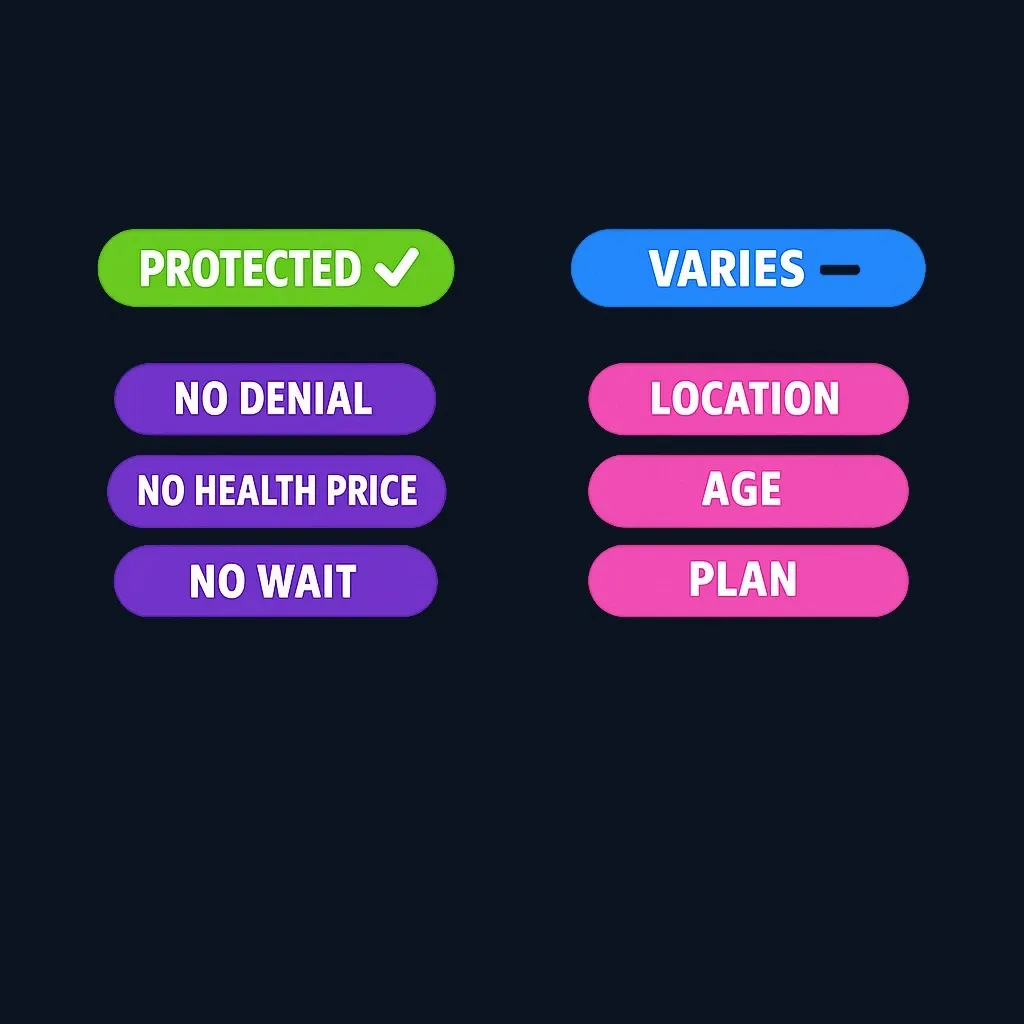
It also does not mean every Medigap plan letter is available. The protected set depends on the specific right and, in some cases, Medicare eligibility dates.
A safer sequence for evaluating a switch
1. Identify the Medicare Advantage disenrollment opportunity
Annual Medicare Open Enrollment runs from October 15 through December 7. The Medicare Advantage Open Enrollment Period runs from January 1 through March 31 for people already in a Medicare Advantage plan. Special Enrollment Periods may apply after specified events.
2. Check Medigap rights before dropping coverage
Use Medicare’s eligibility questionnaire and official Medigap guide. Contact the State Insurance Department or SHIP for state-specific confirmation.
3. Apply within the protected window
Provide proof of the guaranteed-issue event and ask the insurer to confirm in writing which right it applied.
4. Coordinate coverage dates
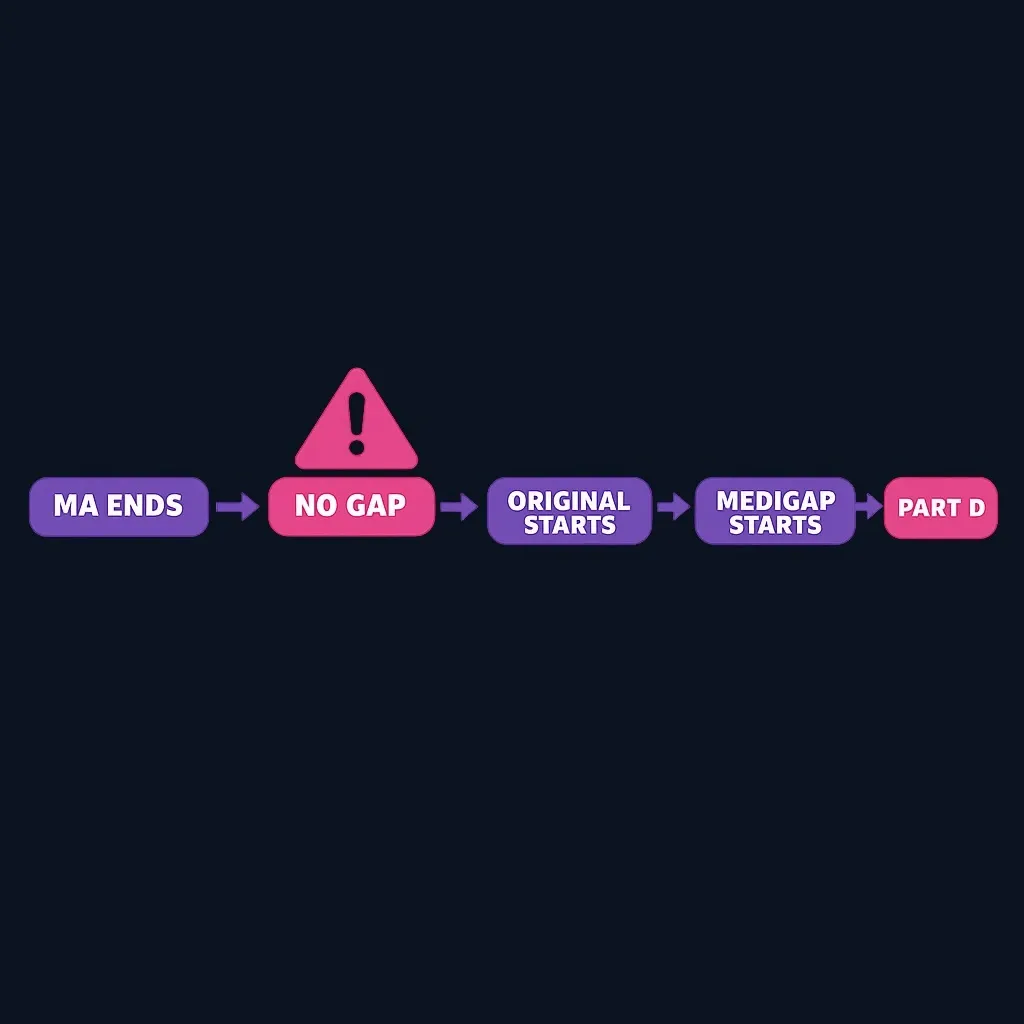
Medigap works with Original Medicare, not Medicare Advantage. Verify the end date of the Advantage plan, the start date of Original Medicare coverage, the Medigap effective date, and any Part D drug-plan enrollment.
5. Compare premiums and rating methods
Benefits in the same standardized Medigap letter plan are generally standardized, but premiums can vary widely. Ask how the policy is rated and how premiums may change.
Common mistakes
Confusing annual Medicare Open Enrollment with Medigap Open Enrollment
The annual period can permit a change in Medicare coverage, but it does not by itself guarantee acceptance into Medigap.
Canceling Medicare Advantage before checking Medigap eligibility
Confirm the coverage sequence and protected right before making an irreversible change.
Assuming a move creates unlimited Medigap choice
A move may create a Medicare Advantage Special Enrollment Period and, in some situations, a Medigap guaranteed-issue right. The available Medigap plans and dates still depend on the rule.
Missing the 63-day application window
Many federal rights end 63 days after prior coverage ends. Determine the deadline from the official guide and submit documentation promptly.
Ignoring prescription-drug coverage
Modern Medigap policies do not include Part D drug coverage. A person returning to Original Medicare may need a separate Part D plan and should check for late-enrollment consequences.
Frequently asked questions
Can everyone leaving Medicare Advantage buy Medigap without underwriting?
No. A protected Medigap enrollment period or guaranteed-issue right must apply under federal or state law.
What is the one-year trial right?
It can protect certain people who try Medicare Advantage for the first time and switch back to Original Medicare within 12 months. The available Medigap policy depends on whether the person had Medigap before and on the specific federal and state rules.
Can an insurer charge more during guaranteed issue because of cancer or another condition?
Medicare states that when a person applies during Medigap Open Enrollment or proves a guaranteed-issue right, the insurer cannot use medical answers to deny the policy or change the price. Non-health rating factors permitted by law can still affect premiums.
What if an insurer denies a protected application?
Keep the denial and supporting documents, then contact the State Insurance Department, SHIP, and 1-800-MEDICARE. The applicable agency can review whether the right and deadline were satisfied.
Can a person under 65 buy Medigap?
Federal law generally does not require insurers to sell Medigap to people under 65 who have Medicare because of disability or end-stage renal disease. Some states provide additional rights.
Bottom line
A person can move from Medicare Advantage to Medigap without underwriting only when Medigap Open Enrollment, a trial right, another guaranteed-issue event, or broader state protection applies. The Medicare Advantage disenrollment period and the Medigap purchase right must be checked separately.
Verify the exact event, application deadline, eligible plan letters, and coverage effective dates through Medicare and the State Insurance Department before changing coverage.
For more plain-language insurance education, visit the Finelo Blog.
Financial LiteracyFinancial Education
Practice trading with Finelo
Practice in a simulator, learn with bite-sized lessons, and build confidence before risking real money.
About the author
Finelo Team
The Finelo Team creates practical investing and trading education designed to help beginners learn faster with structured challenges, simulator practice, and bite-sized lessons.
Keep reading — Related articles

Financial Literacy
Mercury Books Review 2026: Is It Worth It for Startups?
Mercury Books brings double-entry accounting into Mercury. Review its $35 pricing, reports, AI features, integrations, and migration limits.
Finelo Team

Financial Literacy
Why is My FICO Score Lower Than My Credit Score?
Example takeaway: seeing a higher score in a bank app doesn’t guarantee lenders will see the same FICO number at application time; lenders often pull a specific FICO version from a specific bureau.
Finelo Team

Financial Literacy
Why Is My FICO Score Higher Than My Credit Score?
Brief educational note: this article is educational, not financial or investment advice; investing and credit decisions involve risk and possible loss.
Finelo Team


