For U.S. readers: This article discusses U.S. rules and financial products. State rules and individual eligibility may differ.
Can You Have a Savings Account Without a Checking Account?
This article explains whether you need both, how to decide, and practical ways to manage money if you keep only a savings account.
9 min read
Practice trading with Finelo
Practice in a simulator, learn with bite-sized lessons, and build confidence before risking real money.
Want to learn more?
Practice in a simulator, learn with bite-sized lessons, and build confidence before risking real money.
Explore FineloExplore Finelo's 28-day challenges
Turn learning into a daily habit with guided challenge paths.
Quick answer
Yes — you can hold a savings account on its own. Savings accounts are a type of deposit product separate from checking accounts, so banks and credit unions commonly offer them independently FDIC: Deposit Accounts. Finelo provides financial education, not financial or investment advice.
Introduction: The Basics of Savings and Checking Accounts
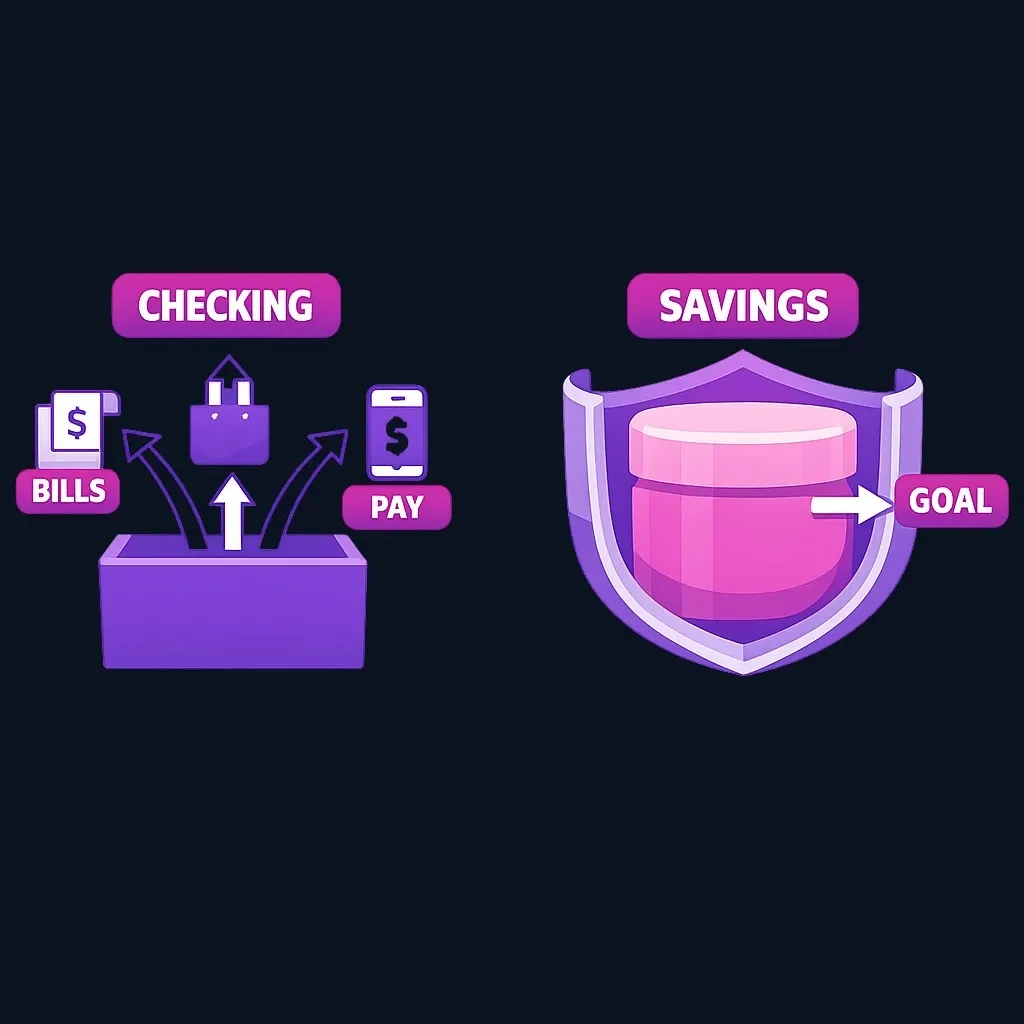
Savings and checking are both deposit accounts, but they serve different purposes. The U.S. federal resource on deposit accounts groups savings, checking, certificates of deposit (CDs) and money market accounts as distinct deposit products, each with different typical uses and features.
- Checking accounts: built for frequent payments and everyday spending.
- Savings accounts: designed to hold money you want to keep separate from day-to-day cash flow.
This article explains whether you need both, how to decide, and practical ways to manage money if you keep only a savings account.
Can You Open a Savings Account Without a Checking Account?
Short answer: yes — a savings account can be opened and maintained without also having a checking account. The FDIC describes savings and checking as separate deposit product types, which supports their availability as standalone accounts.
What that looks like in practice
- Many banks offer savings accounts as single, standalone products you can open online or in-branch. Policies and required documentation vary by institution.
- Some savings accounts are sold as part of a bundle or package that includes checking, special features, or linked accounts; other banks let you open just savings.
- A few accounts require a linked account for specific features (for example, to fund transfers or set up overdraft protection). Because policies differ, confirm terms before opening.
Concrete example (typical scenario)
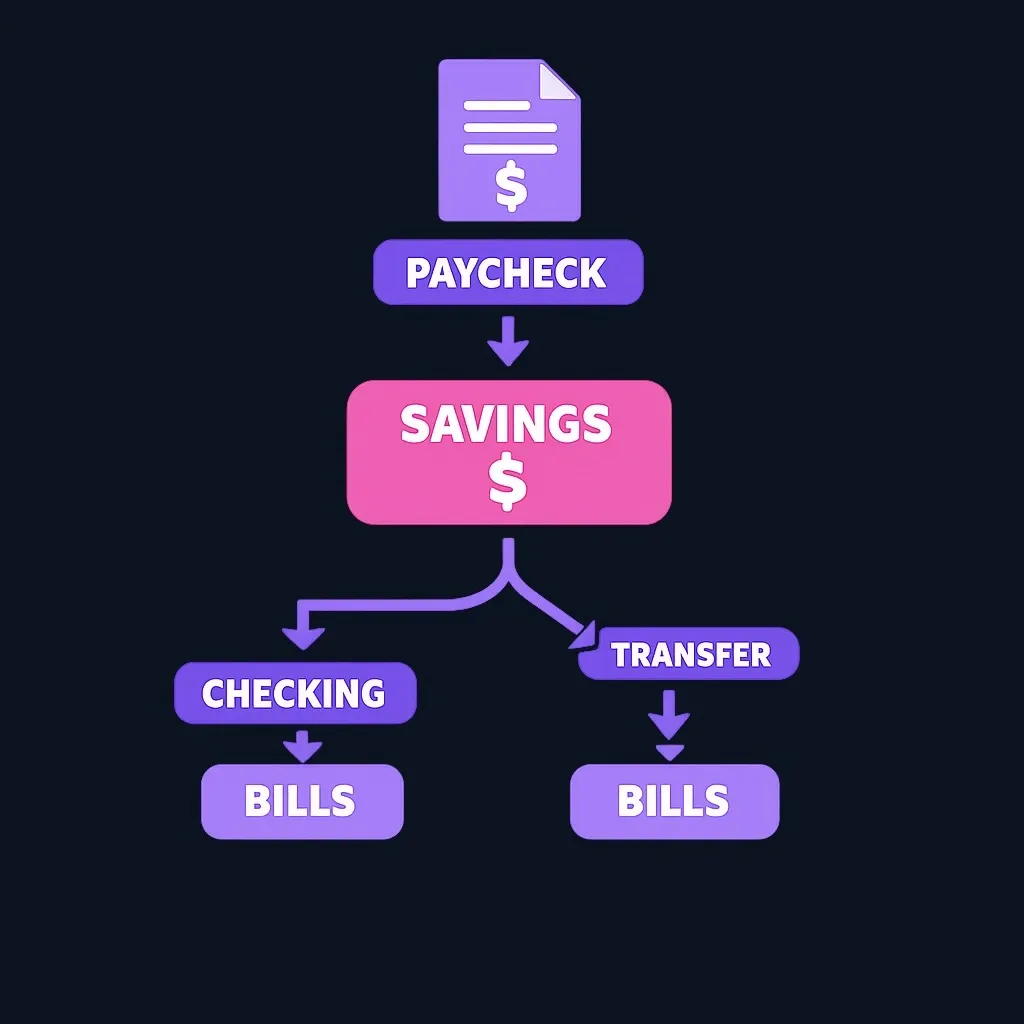
- If you want a secure place to park an emergency fund, you can open a savings account alone and deposit paychecks or transfers into it. If you later need to pay bills, you can either add a checking account, use bill-pay services that allow payment from savings, or transfer funds from savings to a spending account.
Decision points to check with any bank or credit union before you open:
- Do they allow electronic transfers into and out of a savings account without a checking account?
- Are there minimum opening deposits or minimum balances?
- Does the bank require a linked account for certain services?
(For official definitions and descriptions of deposit products, see the FDIC’s deposit accounts overview.)
Benefits of Having a Savings Account
A savings account can help you meet specific financial goals and add simplicity to your cash management. Below are common benefits readers evaluate when considering a savings-only approach.
Separation and focus
- Keeping a savings account separate from spending helps you avoid accidental spending and makes goals—like an emergency fund or a short-term purchase—easier to track.
Safety and protections
- Deposit accounts are covered in federal guidance on deposit products and consumer protections; using an insured deposit product reduces operational risk compared with keeping large sums in cash.
Liquidity and access
- Savings accounts generally offer quick access to funds (via transfers or withdrawals) while keeping them distinct from everyday transaction balances.
Automatic saving options
- Many banks let you schedule transfers into savings so you build reserves without active effort. Whether your bank offers this and any limits on transfers depends on the account terms.
Interest and growth (qualitative)
- Some savings accounts pay interest, which helps your balance grow modestly over time. Compare annual percentage yields (APYs) and fee structures when choosing an account.
How this helps different goals
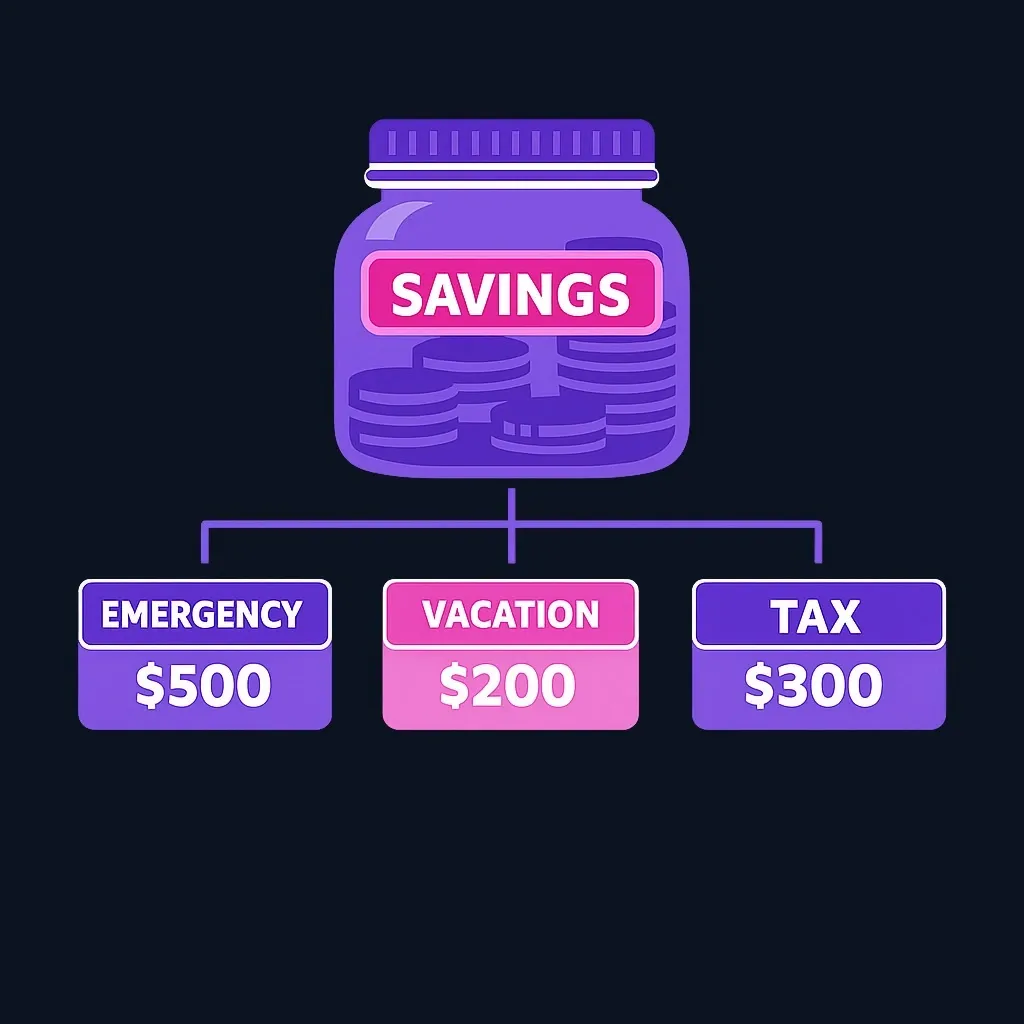
- Emergency fund: Savings-only can work well when you want to minimize friction between saving and spending.
- Goal-based saving: Use separate savings accounts (or sub-accounts) to tag funds for vacations, taxes, or big purchases.
- Simplicity: If you rarely need frequent withdrawals, a savings-only setup reduces the number of accounts to monitor.
Considerations When Opening a Savings Account
Before you open a savings account without a checking account, weigh these practical factors. This section is educational and not financial advice.
Fees and minimums
- Banks set their own monthly maintenance fees, minimum-balance rules, and ATM fees. Review the fee schedule and minimums for the specific account you’re considering.
Transaction access and limits
- Check how you’ll pay bills or make regular payments from a savings-only arrangement. Some institutions impose limits on certain outbound transfers or require a linked account for external transfers.
Rate transparency
- If the account pays interest, compare APYs and how interest is calculated and posted. Verify current rates and terms on the bank’s official product page before opening.
Account linking and transfers
- If you need to move money between accounts, confirm how many external accounts can be linked, the transfer methods offered, and any processing times.
Customer support and access channels
- Evaluate mobile/online banking features, ATM access, and branch availability if that matters for your budget and comfort.
Risk and fallback planning
- If you’ll rely only on a savings account for both short- and long-term needs, plan for cash flow spikes (large bills) and ensure you have a method to pay promptly.
Educational note: Finelo provides financial education, not financial or investment advice. When you make choices that affect your cash, check the account disclosures and consider how fees, access, and liquidity match your goals.
Practice trading with Finelo
Practice in a simulator, learn with bite-sized lessons, and build confidence before risking real money.
How to Manage Your Finances Without a Checking Account
If you choose to use only a savings account, the following practical tips and workflows help you replace typical checking functions.
A compact management checklist
- Confirm transfer and withdrawal methods for paying recurring bills.
- Set up automatic deposits/transfers to keep savings consistent.
- Keep a small spending buffer (in a separate account or as a sub-account) to avoid delays when bills come due.
- Monitor balances frequently and enable alerts for low balance or large transactions.
Practical workflows
- Bill payment: Use your bank’s online bill-pay feature that draws from savings, or schedule transfers to a spending account when needed.
- Payroll and direct deposits: Some employers accept routing/account numbers for savings; others require checking. Confirm with your payroll office.
- One-account simplicity: If you want minimal accounts, maintain a single savings account for goals and use debit or prepaid options carefully for spending.
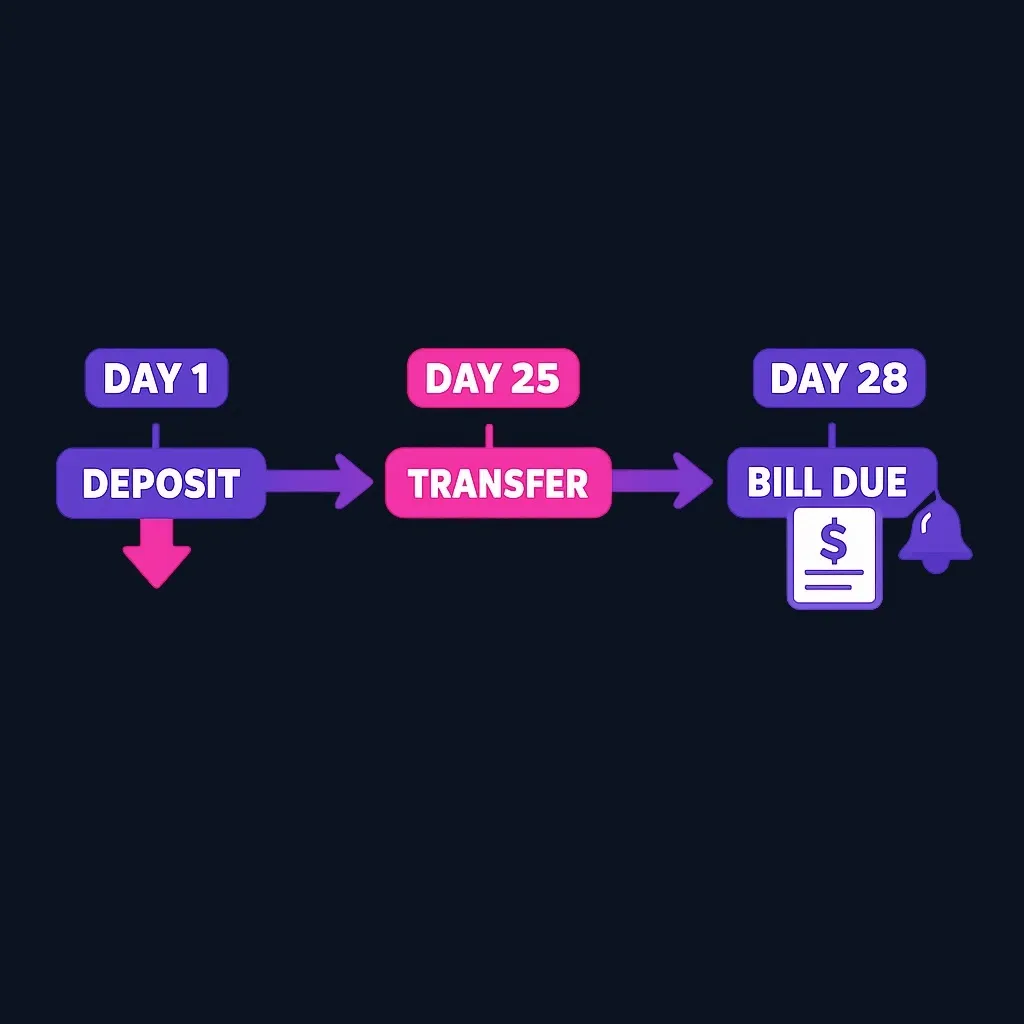
Example scenario — monthly bills without checking
- Set up automatic paycheck deposits (if possible) to your savings.
- Create scheduled transfers timed a few days before bill due dates to an external payment method or to a short-term spending buffer.
- Keep a calendar of transfer lead times and monitor pending transactions to avoid missed payments.
Common mistakes and how to avoid them
- Mistake: Assuming instant transfers. Fix: Check transfer clearing times and allow extra days.
- Mistake: Not tracking fees. Fix: Review monthly statements and fee schedules.
- Mistake: Using savings for daily spending. Fix: Keep a small separate buffer for frequent transactions.
Decision framework
Use this short framework to decide whether to keep only a savings account or both savings and checking.
Step 1 — Identify primary needs (pick one or more)
- Frequent payments and everyday spending?
- Goal-driven saving and emergency reserves?
- Both?
Step 2 — Map needs to account capabilities
- Frequent payments → checking or a spending-capable account is usually more convenient.
- Goal-driven saving → savings-only can enforce discipline and separation.
Step 3 — Evaluate bank terms
- Compare fees, transfer limits, ATM access and whether the bank lets you link external accounts.
Step 4 — Prototype for 1–3 months
- Try a savings-only setup with clear rules: scheduled transfers for bills, a small buffer for daily spending, and regular balance checks.
- Reassess after one cycle: did you miss payments, pay extra fees, or experience delays? If so, add a checking account.
Quick checklist to decide now
- If you need fast day-to-day spending and billpay, consider adding checking.
- If your goal is to accumulate emergency savings and you can arrange transfers for payments, a savings-only model can work.
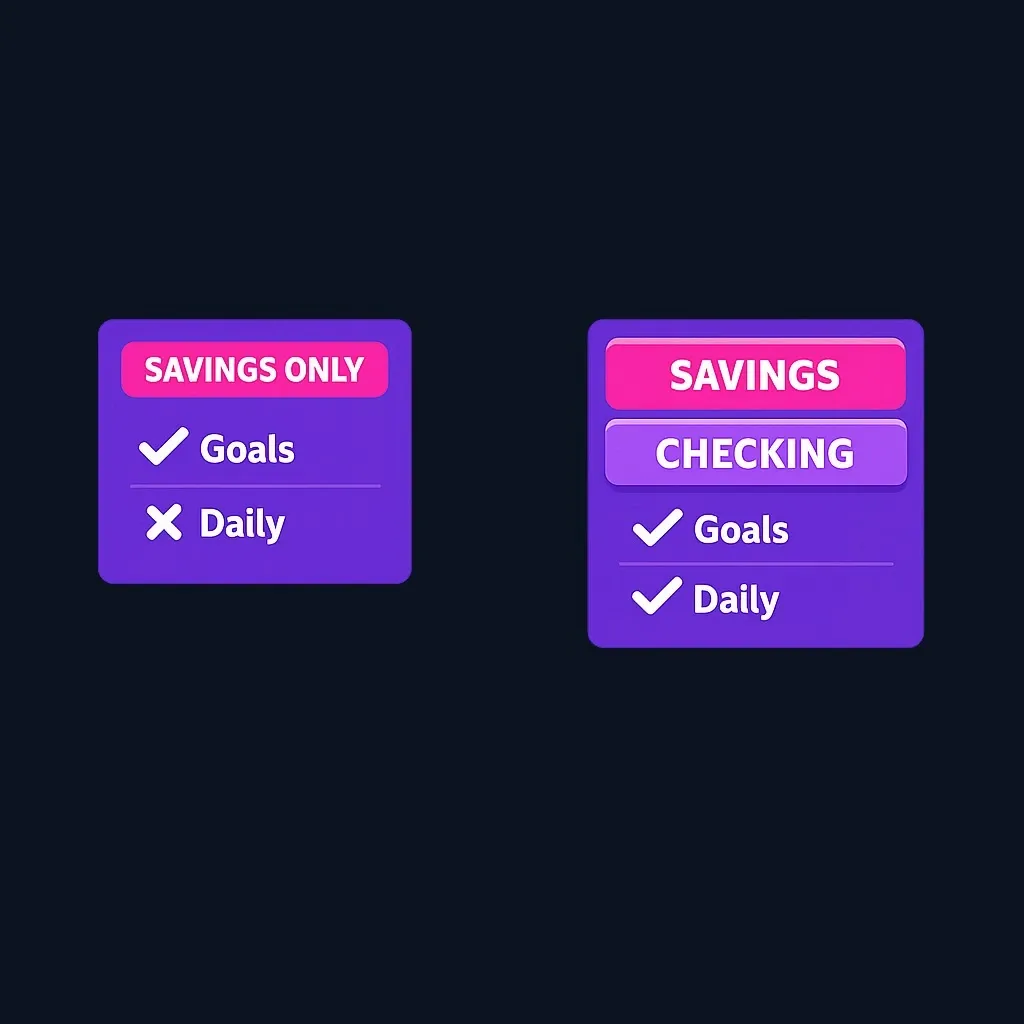
Comparison: Savings vs Checking (qualitative)
| Feature | Savings account | Checking account |
|---|---|---|
| Primary purpose | Store and grow funds for goals | Daily spending and bill payment |
| Typical access frequency | Lower — periodic transfers/withdrawals | High — debit card, checks, frequent transactions |
| Good for | Emergency fund, goal saving | Everyday payments, direct debit bills |
| Typical consideration points | Minimums, transfer limits, account linking | Overdraft features, debit access, bill pay convenience |
(Note: The FDIC groups savings and checking as distinct deposit products; check specific account disclosures for the exact features of any product you consider.)
FAQs About Savings Accounts
Can I open a savings account without a checking account?
Yes — savings accounts are distinct deposit products and can be opened independently, though bank-specific requirements vary. See the FDIC overview of deposit accounts for general context.
Can I link my savings account to multiple checking accounts?
Often you can link a savings account to other accounts for transfers, but the number and type of links allowed depend on the bank’s policies. Confirm linking rules and transfer limits with the bank you plan to use.
Are savings accounts insured?
Deposit accounts fall under federal guidance about deposit products and consumer protections. For official information about deposit account protections, consult the FDIC’s deposit accounts resource.
How do I avoid fees on a savings account?
Fee avoidance strategies vary by bank. Common approaches include maintaining a required minimum balance, enrolling in automatic deposit or transfer plans, and choosing accounts with no monthly maintenance fee. Review the account’s fee schedule before opening.
Conclusion: Making Informed Financial Decisions
You can have a savings account without a checking account; whether you should depends on how you pay bills, how often you need access to funds, and the account terms from your chosen bank. Use the decision framework above to match account features to your needs. Verify specific fees, transfer rules, and protections in each bank’s account disclosures before opening.
Learn more about basic financial accounts and planning in the Finelo Blog: Finelo Blog.
Financial LiteracyFinancial Education
Practice trading with Finelo
Practice in a simulator, learn with bite-sized lessons, and build confidence before risking real money.
About the author
Finelo Team
The Finelo Team creates practical investing and trading education designed to help beginners learn faster with structured challenges, simulator practice, and bite-sized lessons.
Keep reading — Related articles
Financial Literacy
Mercury Books Review 2026: Is It Worth It for Startups?
Mercury Books brings double-entry accounting into Mercury. Review its $35 pricing, reports, AI features, integrations, and migration limits.
Finelo Team
Financial Literacy
Why is My FICO Score Lower Than My Credit Score?
Example takeaway: seeing a higher score in a bank app doesn’t guarantee lenders will see the same FICO number at application time; lenders often pull a specific FICO version from a specific bureau.
Finelo Team
Financial Literacy
Why Is My FICO Score Higher Than My Credit Score?
Brief educational note: this article is educational, not financial or investment advice; investing and credit decisions involve risk and possible loss.
Finelo Team


