For U.S. readers: This article discusses U.S. rules and financial products. State rules and individual eligibility may differ.
Can You Get an FHA Loan Twice? A Comprehensive Guide

Educational note: taking a second mortgage changes cash flow, debt ratios, and long‑term plans.
10 min read
Practice trading with Finelo
Practice in a simulator, learn with bite-sized lessons, and build confidence before risking real money.
Want to learn more?
Practice in a simulator, learn with bite-sized lessons, and build confidence before risking real money.
Explore FineloExplore Finelo's 28-day challenges
Turn learning into a daily habit with guided challenge paths.
Quick answer
Yes — you can obtain more than one FHA‑insured mortgage over your lifetime, but HUD and most lenders generally allow only one active FHA loan at a time unless you qualify for a permitted exception (for example, relocation or inability to sell) and the lender verifies it in underwriting HUD FHA FAQ on multiple FHA loans. Finelo provides financial education, not financial or investment advice.
Educational note: taking a second mortgage changes cash flow, debt ratios, and long‑term plans. Evaluate costs, liquidity, and risks before applying.
What to know before deciding
This page is written for people who currently have (or recently had) an FHA loan and want to know whether they can use FHA financing again. After reading you should be able to:
- State HUD’s basic rule: FHA insurance targets owner‑occupants, so borrowers can usually hold only one FHA‑insured mortgage at a time unless a permitted exception applies.
- Identify the common exception categories HUD recognizes and the types of documents lenders will expect to verify an exception.
- Prepare a lender‑ready packet of dated, signed evidence so an FHA‑approved lender can review and underwrite your request efficiently.
HUD’s program insures mortgages on primary residences. That owner‑occupancy focus explains both the one‑active‑loan general rule and why lenders demand documentary proof when a borrower asks for a second FHA loan.
Understanding FHA loans
An FHA loan is a mortgage insured by the Federal Housing Administration to encourage lenders to make loans to owner‑occupant borrowers who might not qualify for stricter conventional financing. Because the FHA insures lenders against loss, underwriting can be more flexible on some borrower attributes, but FHA rules require the loan secure a primary residence.
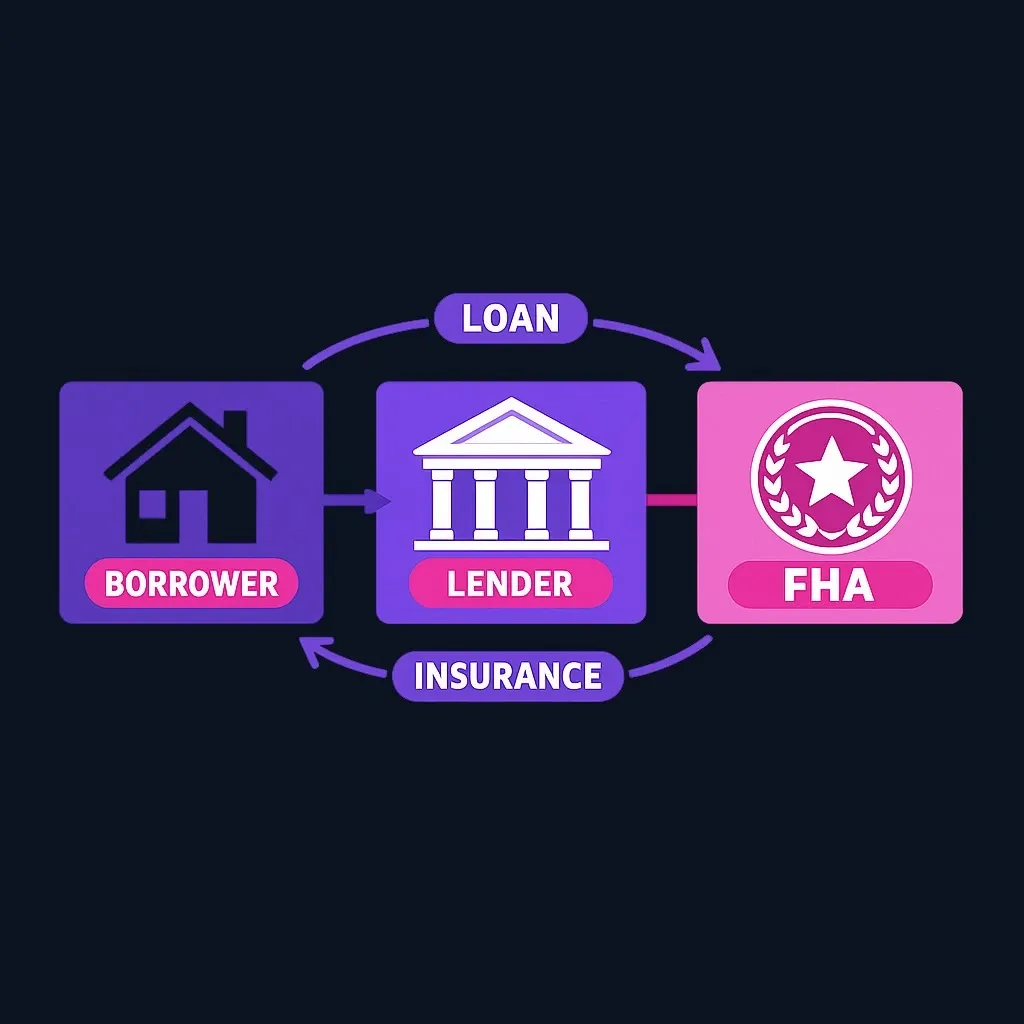
What that means in practice:
- FHA insurance exists to support primary‑residence homeownership, not to subsidize multiple investment purchases with simultaneous FHA loans.
- You may use FHA financing more than once during your life; the restriction typically prevents holding more than one FHA‑insured mortgage at the same time without an approved reason.
- FHA‑approved lenders must confirm that your circumstances fit an FHA‑recognized exception before issuing a second FHA loan, and they still perform full underwriting on income, credit, and debt ratios.
Practical implication: if you cannot document an approved exception, you’ll usually need to remove FHA financing on the current primary residence (for example, by selling) before getting another FHA loan.
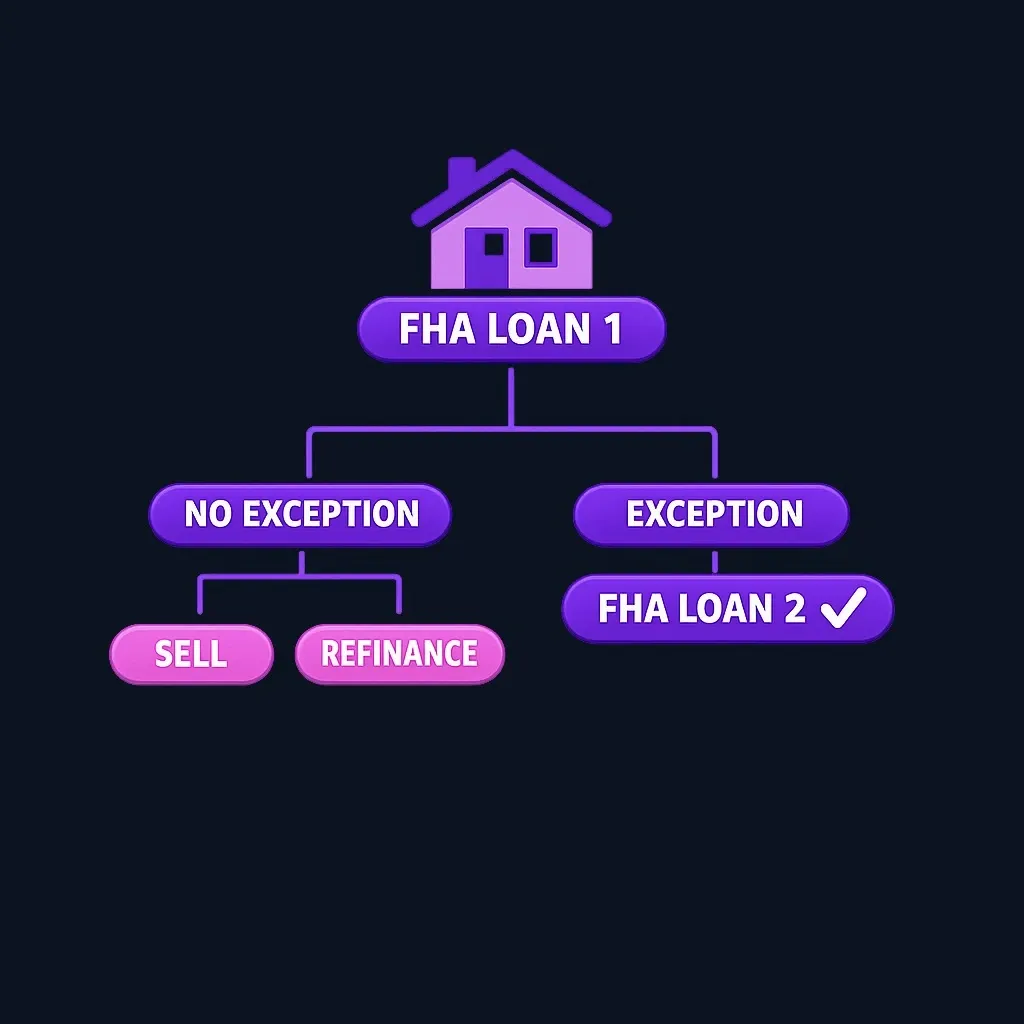
Exceptions to the One FHA Loan Rule
HUD defines specific exception categories that may permit a borrower to hold two FHA‑insured mortgages at once. Lenders must verify the exception with clear, dated documentation before underwriting a second FHA loan.
Common HUD exceptions and why they qualify:
- Relocation for employment — lenders accept a signed employer transfer letter or job offer that shows the new work location and start date as evidence you must establish a new primary residence.
- Change in household composition or caregiving needs — birth, adoption, guardianship paperwork, or a physician’s letter on official letterhead can document a genuine need for a larger or separate dwelling.
- Inability to sell despite reasonable marketing — a signed listing agreement, dated MLS screenshots or broker correspondence, and showing logs show you made a good‑faith effort to sell the current home.
- Change in occupancy or non‑occupying co‑borrower arrangements — leases, utility statements, or sworn occupancy affidavits can show you no longer occupy the FHA‑financed home while intending to occupy the new property.
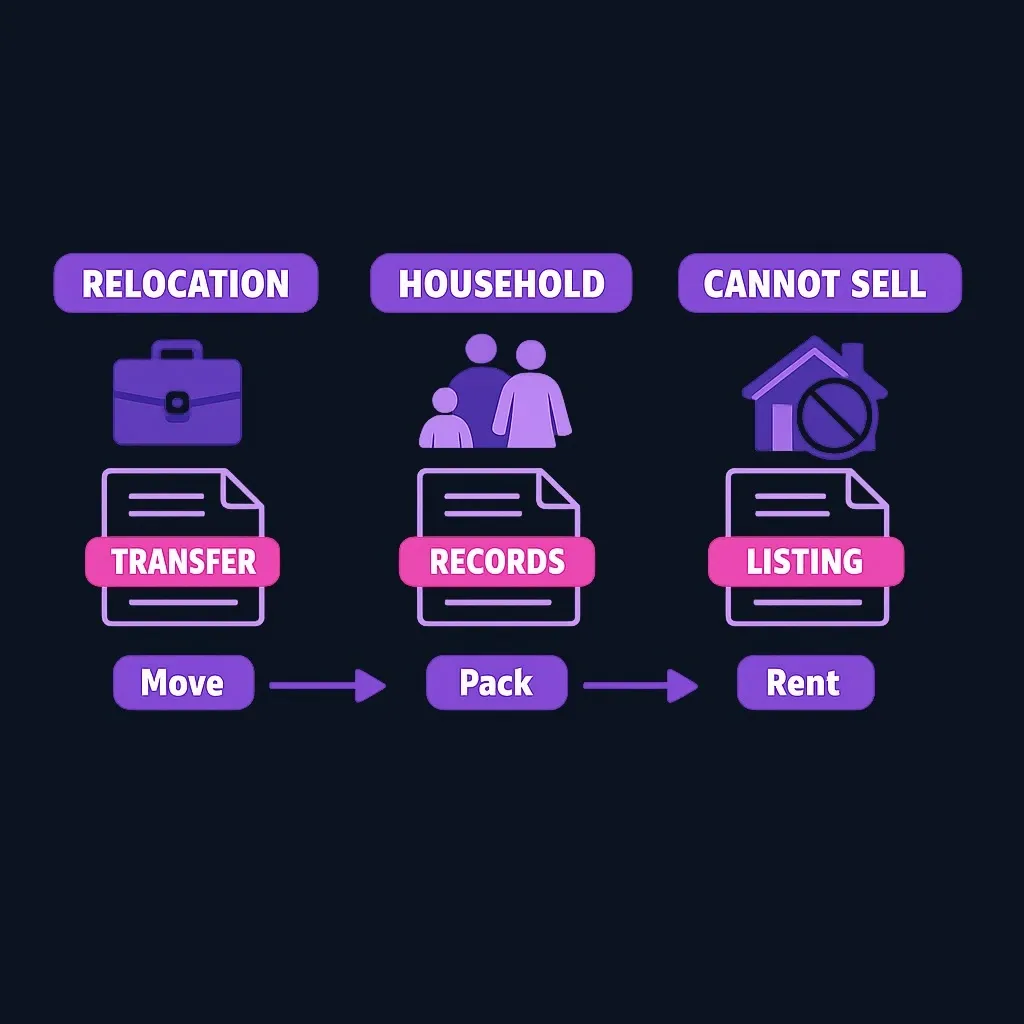
How lenders treat exceptions
- HUD specifies the exception categories, but FHA‑approved lenders must validate the documentation and may impose additional underwriting overlays. Meeting a HUD exception allows you to request a second FHA loan but does not guarantee approval.
- To speed underwriting, organize original documents or clearly dated digital copies (company letterhead, certified records, MLS screenshots with timestamps) and present them together.
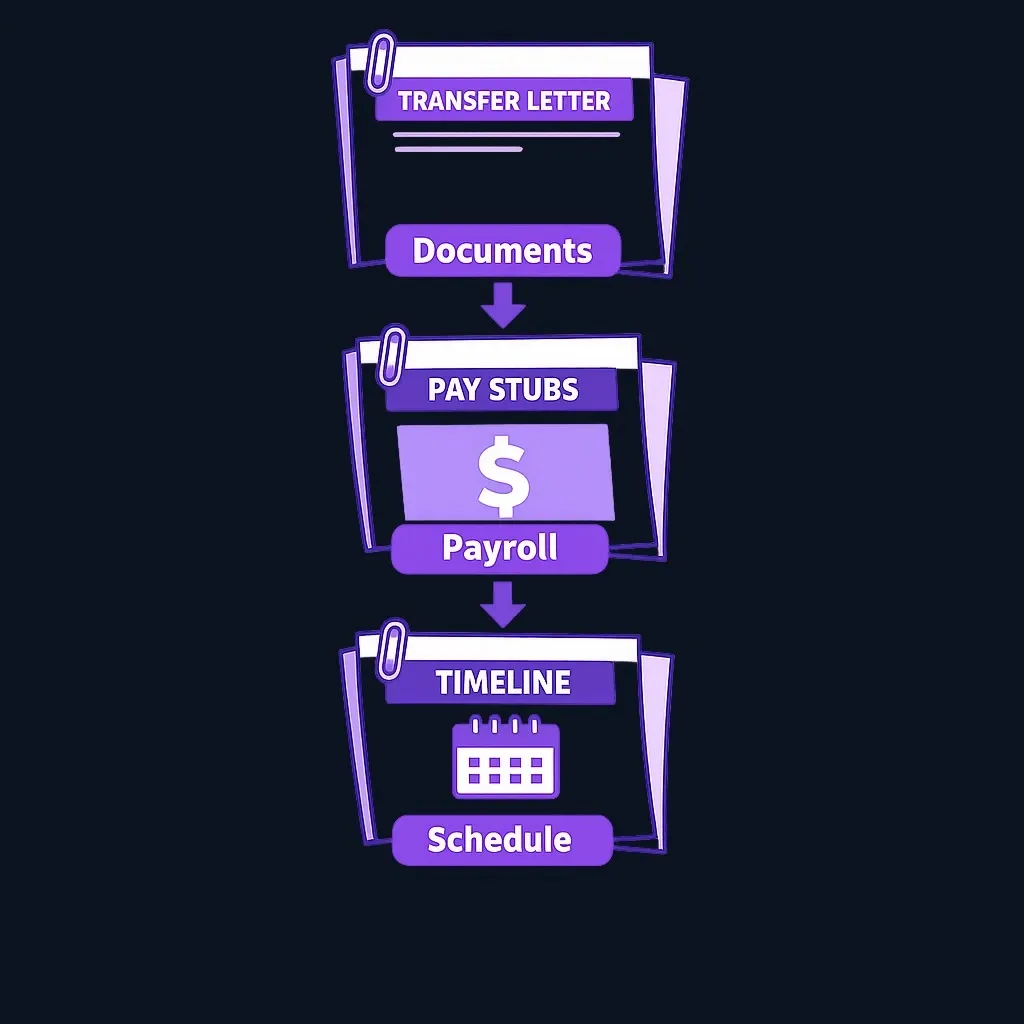
Practical example (relocation)
- What to collect: signed employer transfer letter with new office address, expected start date, and signatory name; recent pay stubs if available; and a one‑page cover letter explaining your timeline. Lenders will use these items to confirm the relocation exception and to underwrite your income.
Practice trading with Finelo
Practice in a simulator, learn with bite-sized lessons, and build confidence before risking real money.
Proof required for a second FHA loan
HUD requires lenders to obtain verifiable evidence that your situation fits a permitted exception and that the original property will no longer be your FHA‑occupied primary residence under FHA occupancy rules.
Checklist table — common document types and why lenders want them
| Document type | Example / why it helps |
|---|---|
| Employer letter | Signed transfer letter or job offer showing new work location and start date (verifies relocation) |
| Medical / legal record | Birth certificate, adoption papers, guardianship order, or physician statement on letterhead (documents household or care needs) |
| MLS / listing evidence | Dated MLS printouts, signed listing agreement, or broker correspondence (shows reasonable marketing to sell current home) |
| Lease / utility records | Signed lease, recent utility bills, or sworn occupancy statements (proves change of occupancy) |
Practical documentation tips
- Use official letterhead, include dates, and get signatures where possible; lenders often reject undated or informal notes.
- Assemble a one‑page timeline cover letter that states which HUD exception you claim, lists attached documents, and explains key dates in sequence.
- Ask the lender up front which evidence they need. Individual lenders may require additional verification beyond HUD’s baseline.
Common mistakes to avoid
-
Treating HUD exceptions as guaranteed approvals — an approved exception allows you to request a second FHA loan, but lenders still underwrite credit, income, and debt‑to‑income ratios and may deny the application.
-
Submitting weak or undated evidence — handwritten notes, informal emails, or undated statements often fail verification. Provide signed, dated letters, certified records, and timestamped MLS data. 3) Waiting to contact an FHA‑approved lender — start the conversation early so the lender can confirm the documents they require and identify any overlays that could affect approval.
-
Overlooking non‑FHA alternatives — if you cannot document a HUD exception, conventional or portfolio loans may allow financing a second home while keeping the current mortgage, but those options lie outside FHA rules and vary by lender. Fixes that help: gather originals, create a clear index of documents, and request a written statement from the lender confirming which items satisfy their underwriting.
Decision framework
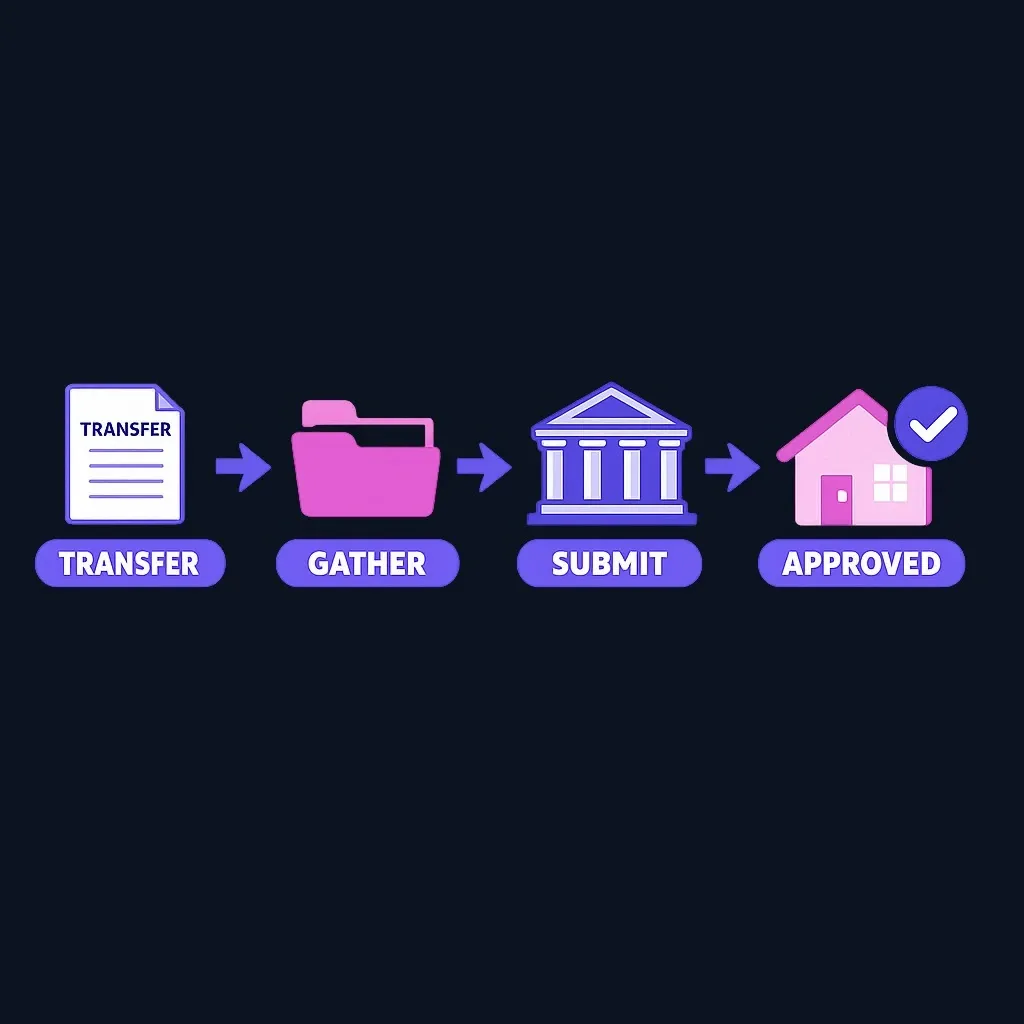
Use this step‑by‑step checklist to decide whether to pursue a second FHA loan and to prepare your lender submission.
Step 1 — Confirm current occupancy
- Are you still living in the FHA‑financed property as your principal residence? If yes, HUD generally presumes you cannot obtain a second FHA loan without a permitted exception.
Step 2 — Identify the applicable HUD exception
- Match your situation to relocation, household change, inability to sell, or another HUD‑recognized reason and list the documents you can produce to prove it.
Step 3 — Gather and order evidence
- Collect employer letters, medical/legal records, MLS/listing data, leases, or utility records. Put a one‑page timeline and an index on top so the lender can review quickly.
Step 4 — Talk to an FHA‑approved lender early
- Ask the lender whether they accept your evidence, whether they apply overlays, and whether they will consider your case in writing. Lenders must verify exceptions and perform normal underwriting.
Step 5 — Consider alternatives
- If the lender will not approve a second FHA loan, consider selling the current home or exploring conventional or portfolio financing that does not rely on HUD exceptions.
Short scenario: job relocation
- If your employer gives you a dated transfer letter showing the new work address and start date, combine it with pay stubs and a timeline. Submit these to an FHA‑approved lender to request consideration under the relocation exception.
Frequently Asked Questions
Can I have more than one FHA loan at the same time?
Generally no — HUD and most lenders allow only one active FHA‑insured mortgage unless you qualify for a permitted exception and the lender verifies it during underwriting.
What types of proof do lenders accept for an exception?
Lenders commonly accept signed employer transfer letters, medical or legal records (for household or care needs), dated MLS/listing evidence, and leases or utility records to show change of occupancy; all evidence should be dated and signed where possible.
Do I have to sell my current home to get another FHA loan?
If you cannot document an FHA‑recognized exception, you will typically need to remove FHA financing from the current primary residence (for example, by selling it) before using FHA financing again.
Is there a lifetime limit on the number of FHA loans I can obtain?
There is no HUD lifetime cap on how many FHA loans a borrower may take. The restriction applies to holding more than one FHA‑insured loan at the same time except when a permitted exception is documented and accepted by the lender.
Conclusion and Next Steps
Key takeaways: FHA financing can be used more than once in your life, but HUD and lenders generally permit only one active FHA loan at a time unless you document a permitted exception and the lender accepts it in underwriting. Prepare dated, signed evidence, create a clear one‑page timeline, and consult an FHA‑approved lender early.
Next step: if you want help organizing documents or comparing loan options, start with an FHA‑approved lender to confirm which exception applies to your situation and which evidence they require. Learn more about home‑buying basics in the Finelo Blog: Finelo Blog.
Financial LiteracyFinancial Education
Practice trading with Finelo
Practice in a simulator, learn with bite-sized lessons, and build confidence before risking real money.
About the author
Finelo Team
The Finelo Team creates practical investing and trading education designed to help beginners learn faster with structured challenges, simulator practice, and bite-sized lessons.
Keep reading — Related articles

Financial Literacy
Mercury Books Review 2026: Is It Worth It for Startups?
Mercury Books brings double-entry accounting into Mercury. Review its $35 pricing, reports, AI features, integrations, and migration limits.
Finelo Team

Financial Literacy
Why is My FICO Score Lower Than My Credit Score?
Example takeaway: seeing a higher score in a bank app doesn’t guarantee lenders will see the same FICO number at application time; lenders often pull a specific FICO version from a specific bureau.
Finelo Team

Financial Literacy
Why Is My FICO Score Higher Than My Credit Score?
Brief educational note: this article is educational, not financial or investment advice; investing and credit decisions involve risk and possible loss.
Finelo Team


