For U.S. readers: This article discusses U.S. rules and financial products. State rules and individual eligibility may differ.
Charge-Off vs. Collection: What Each Status Means and What to Verify
A charge-off is an accounting action a creditor generally takes after deciding that a seriously delinquent account is unlikely to be collected in the ordinary course.
8 min read
Practice trading with Finelo
Practice in a simulator, learn with bite-sized lessons, and build confidence before risking real money.
Want to learn more?
Practice in a simulator, learn with bite-sized lessons, and build confidence before risking real money.
Explore FineloExplore Finelo's 28-day challenges
Turn learning into a daily habit with guided challenge paths.
Quick answer
A charge-off is an accounting action a creditor generally takes after deciding that a seriously delinquent account is unlikely to be collected in the ordinary course. It does not erase the debt or automatically stop collection activity.
A collection is the effort to collect a debt, either by the original creditor, an outside agency, or a company that bought the account. A charged-off account and a separate collection account can sometimes both appear on a credit report for the same debt, but the reporting must be accurate and must not improperly duplicate the balance.
Finelo provides general financial education, not legal, credit, tax, debt-settlement, or individualized financial advice. Debt ownership, limitation periods, credit reporting, and collection rights vary by account and state.
The core difference
| Term | What it describes | Does it erase the debt? | Who may contact the consumer? |
|---|---|---|---|
| Charge-off | A creditor’s accounting treatment of a delinquent account | No | The creditor, its collector, or a debt buyer, subject to law |
| Collection | Activity to obtain payment on a debt | No | The current owner or a collection agency acting for it |
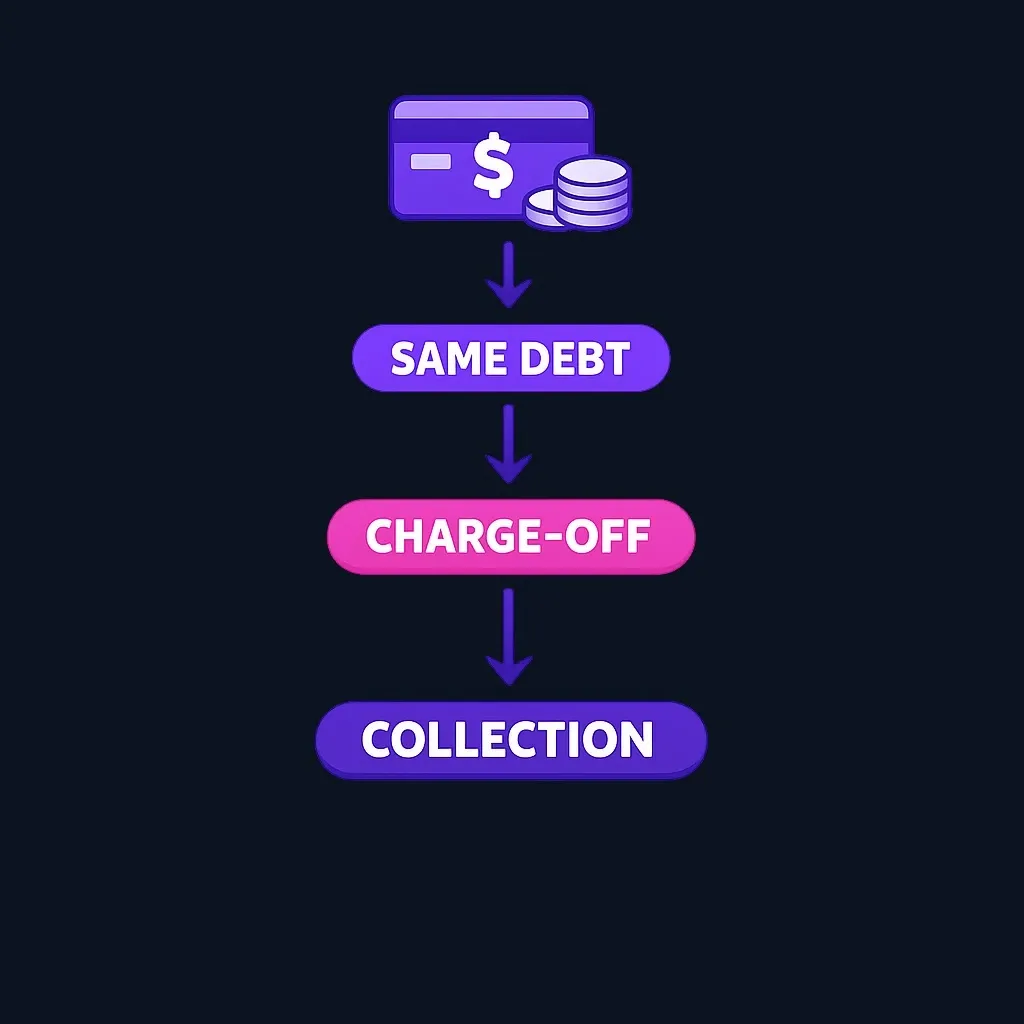
The same debt can move through both stages. For example, an original creditor may charge off an account, assign it to a collector, later sell it, or recall it from an agency.
How the accounts may appear on credit reports
The original creditor may report the account as charged off with the historical delinquency. A collector or debt buyer may report a separate collection tradeline.
Two tradelines do not necessarily mean the consumer owes twice. Review:
- the original creditor’s current balance;
- whether the original creditor sold or merely assigned the debt;
- the collector’s balance and owner name;
- dates of first delinquency;
- account identifiers; and
- whether payments or settlements are reflected consistently.
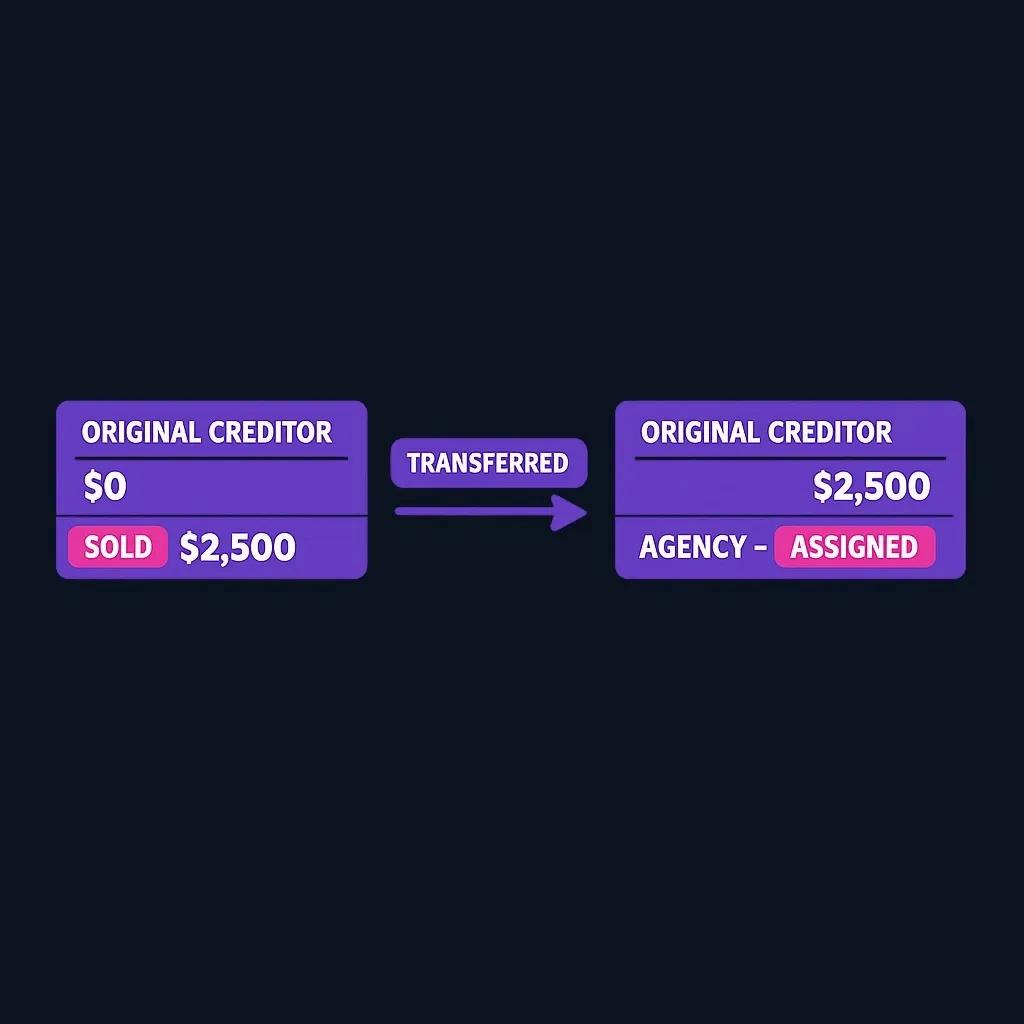
If the creditor sold the debt, its tradeline commonly shows a zero balance while the debt buyer reports the amount it claims. If the original creditor still owns the debt and hired an agency, reporting can look different. Dispute information that is inaccurate or cannot be verified; do not dispute a correct item solely because it is negative.
The CFPB explains the credit-report dispute process in How do I dispute an error on my credit report?.
How long charge-offs and collections can be reported
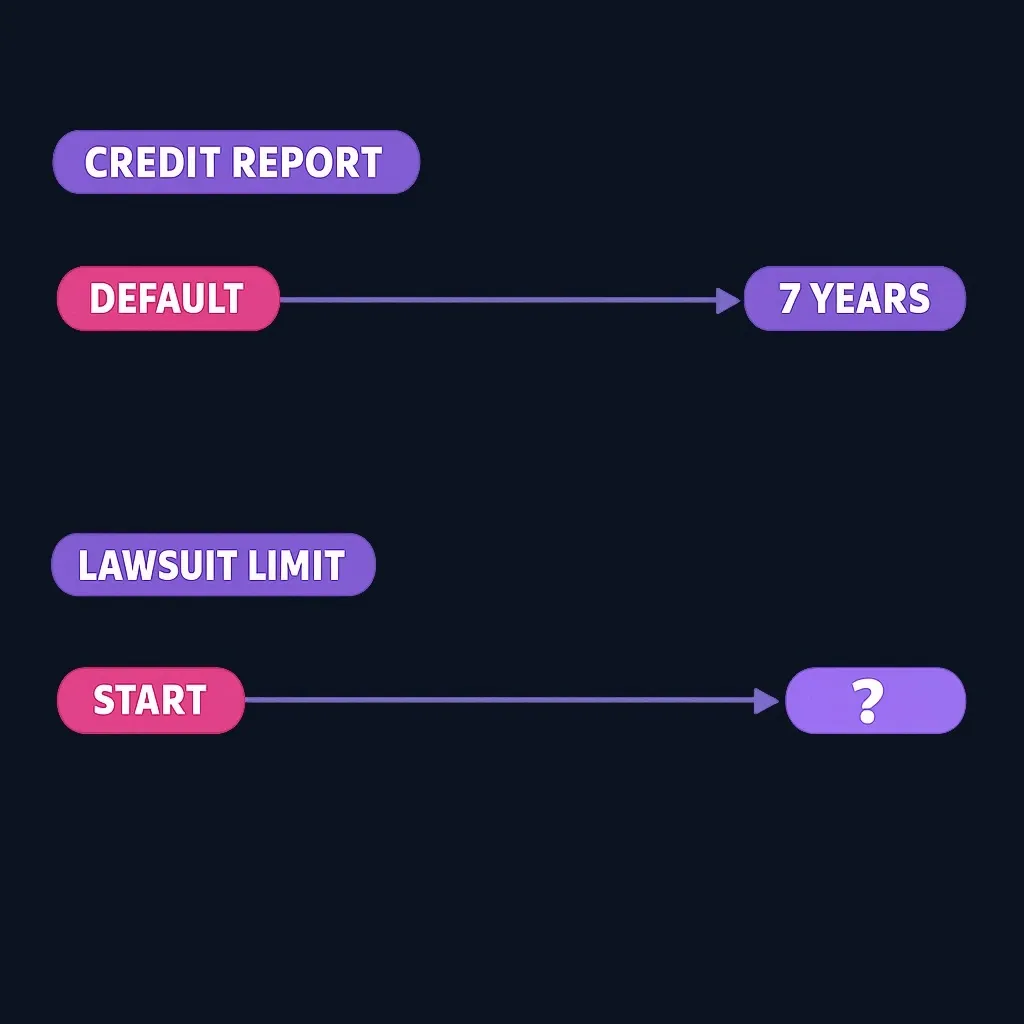
Under the federal Fair Credit Reporting Act, most adverse information of this type generally cannot be reported beyond the statutory period tied to the delinquency that led to collection or charge-off. Selling or transferring the account does not lawfully restart that original delinquency date.
Credit-reporting time and a state statute of limitations for filing a collection lawsuit are different clocks. An account can be too old for credit reporting yet still raise a separate legal question, or it can remain on a report after a lawsuit period has expired.
Because state law varies, verify limitation issues before acknowledging, promising to pay, or making a payment on an old debt. In some jurisdictions, certain actions can affect a limitation defense.
Start by identifying the current owner
Before paying or negotiating, determine:
- who currently owns the debt;
- whether the person contacting you is collecting for that owner;
- the original creditor and account number;
- the amount claimed, including interest and fees;
- the date of default or first delinquency; and
- whether the debt has already been paid, settled, discharged, or included in bankruptcy.
Do not send money based only on a phone call, text, or unfamiliar payment link. Use contact information independently verified through official correspondence or the company’s official website.
Debt-validation rights and timing
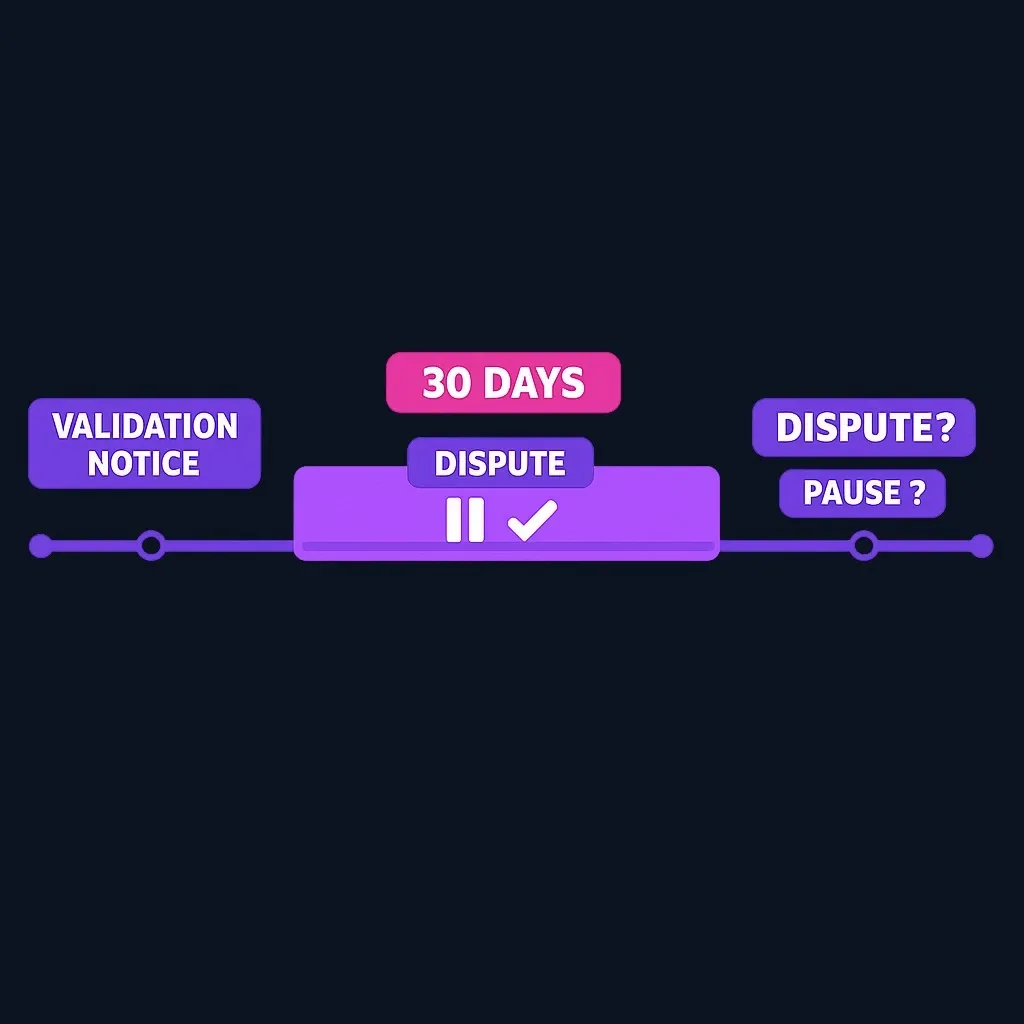
Federal debt-collection law generally requires a debt collector to provide validation information in the initial communication or within five days. A written dispute sent within 30 days after receipt of the validation notice generally requires the collector to pause collection of the disputed amount until verification is mailed.
A consumer can still ask questions or dispute later, but the automatic pause tied to the federal 30-day validation period may not apply.
The notice and response should be tailored to the facts rather than demanding documents the law does not universally require. The CFPB provides sample letters and guidance at Debt Collection — CFPB.
Practice trading with Finelo
Practice in a simulator, learn with bite-sized lessons, and build confidence before risking real money.
Payment and settlement considerations
Paying or settling a valid debt can resolve the balance, but it does not automatically remove accurate historical reporting. Before paying, obtain a written agreement that states:
- the owner and account covered;
- the amount and deadline;
- whether the payment satisfies the account in full or settles it for less;
- how any remaining balance will be treated;
- how the owner intends to update its own reporting; and
- whether collection activity will stop after funds clear.
A creditor or collector must report accurately. It should not promise to report a settled charge-off as “paid as agreed” if that description would be false. A request to delete accurate reporting may be refused and should never be treated as guaranteed.
Potential tax consequences can arise when debt is canceled. A Form 1099-C does not by itself answer whether the amount is taxable; exclusions and exceptions may apply. Review current IRS instructions or obtain tax advice for a material settlement.
Comparing common situations
The original creditor still owns the debt
The creditor may collect directly or assign the account to an agency. Ask whether a payment must go to the creditor or the agency and how both parties will update records.
The debt was sold
A debt buyer may own the balance. Verify the chain of ownership and the amount claimed. The original creditor’s report should not continue to show a balance it no longer owns.
The debt appears twice with two balances
Compare the ownership status. If both entries suggest separate current balances for one sold debt, dispute the inaccurate reporting with the bureaus and furnishers.
The debt is unfamiliar
Do not assume it is valid. It may involve identity theft, mixed files, a medical billing problem, an old account, or a collector error. Use the credit-report dispute and debt-validation processes. If identity theft is suspected, use IdentityTheft.gov.
The debt is old
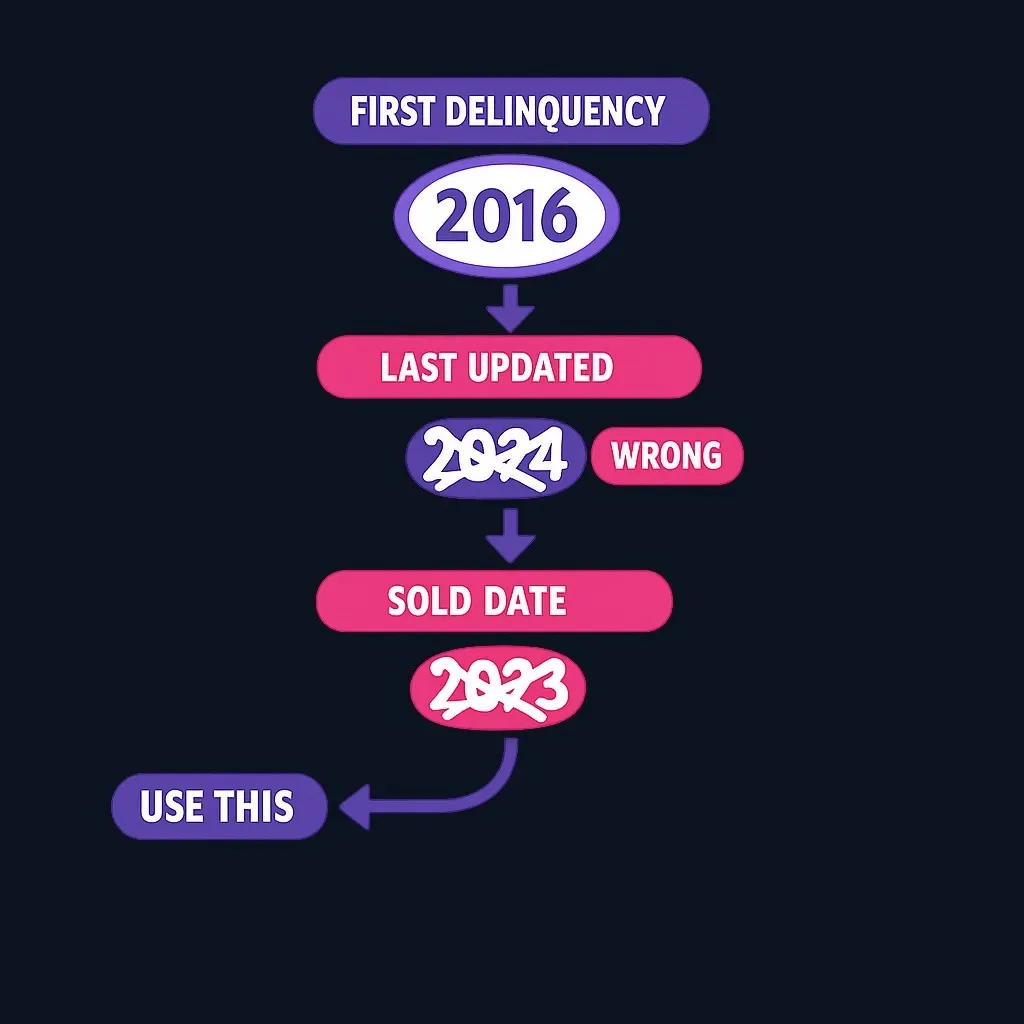
Check the date of first delinquency, credit-reporting period, and state limitation rules before communicating about payment. Avoid relying on the collector’s “last updated” date as the legal starting date.
What collectors may not do
The Fair Debt Collection Practices Act generally prohibits covered debt collectors from using abusive, unfair, or deceptive practices. Examples include misrepresenting the amount or legal status of a debt, threatening action that cannot legally be taken, or repeatedly contacting someone to harass them.
The FTC summarizes these protections in Debt Collection FAQs. State law may provide additional protections or cover original creditors more broadly.
A documentation checklist
Keep copies of:
- credit reports showing each tradeline;
- validation notices;
- letters sent and proof of delivery;
- account statements and payment history;
- settlement offers and signed agreements;
- payment confirmations; and
- bureau and furnisher dispute results.
Telephone notes can record the date, number, representative, and summary, but a written agreement is safer than relying on an oral promise.
Common mistakes
Assuming charge-off means forgiveness
It does not. The balance can remain legally collectible unless paid, settled, discharged, canceled, or otherwise resolved.
Paying before confirming ownership
Payment to the wrong party may not resolve the account and can complicate records.
Treating deletion as a legal entitlement
Accurate negative information generally may remain for the permitted reporting period. Inaccurate information can be disputed.
Using the 30-day validation language after the period has passed
A later dispute may still be useful, but it does not necessarily force the collector to pause collection under the same federal rule.
Confusing a credit-reporting period with a lawsuit deadline
They are governed by different laws and dates.
Frequently asked questions
Can a charge-off and collection both appear for the same debt?
Yes, depending on ownership and reporting. The entries must be accurate and should not improperly represent two independently owed balances.
Does paying a collection remove the charge-off?
Not automatically. Payment should update the balance and status accurately, while historical information may remain until its reporting period expires.
Can a collector sue after a charge-off?
A charge-off does not itself prevent a lawsuit. Whether a claim is timely and valid depends on state law, contract facts, ownership, and defenses.
Is a pay-for-delete agreement guaranteed?
No. A collector may refuse, bureau and furnisher policies differ, and any reporting must remain accurate. Get every promise in writing before paying.
Where can misconduct be reported?
Consumers can submit complaints to the Consumer Financial Protection Bureau and Federal Trade Commission, and may also contact the state attorney general or financial regulator.
Bottom line
A charge-off is an accounting status; collection is the effort to recover the debt. The practical task is to verify ownership, balance, dates, and reporting before deciding whether to dispute, negotiate, pay, or obtain legal advice.
Use written records, official CFPB and FTC resources, and state-specific legal guidance for old debt or threatened litigation.
For more plain-language credit education, visit the Finelo Blog.
Financial LiteracyFinancial Education
Practice trading with Finelo
Practice in a simulator, learn with bite-sized lessons, and build confidence before risking real money.
About the author
Finelo Team
The Finelo Team creates practical investing and trading education designed to help beginners learn faster with structured challenges, simulator practice, and bite-sized lessons.
Keep reading — Related articles

Financial Literacy
Mercury Books Review 2026: Is It Worth It for Startups?
Mercury Books brings double-entry accounting into Mercury. Review its $35 pricing, reports, AI features, integrations, and migration limits.
Finelo Team

Financial Literacy
Why is My FICO Score Lower Than My Credit Score?
Example takeaway: seeing a higher score in a bank app doesn’t guarantee lenders will see the same FICO number at application time; lenders often pull a specific FICO version from a specific bureau.
Finelo Team

Financial Literacy
Why Is My FICO Score Higher Than My Credit Score?
Brief educational note: this article is educational, not financial or investment advice; investing and credit decisions involve risk and possible loss.
Finelo Team