For U.S. readers: This article discusses U.S. rules and financial products. State rules and individual eligibility may differ.
401(k) Hardship Withdrawal for Eviction: Rules, Proof, and Tradeoffs
A 401(k) plan may—but does not have to—allow hardship withdrawals.
8 min read
Practice investing with Finelo
Build practical investing skills with guided lessons, simulator practice, and structured challenges.
Want to learn more?
Build practical investing skills with guided lessons, simulator practice, and structured challenges.
Explore FineloExplore Finelo's 28-day challenges
Turn learning into a daily habit with guided challenge paths.
Quick answer
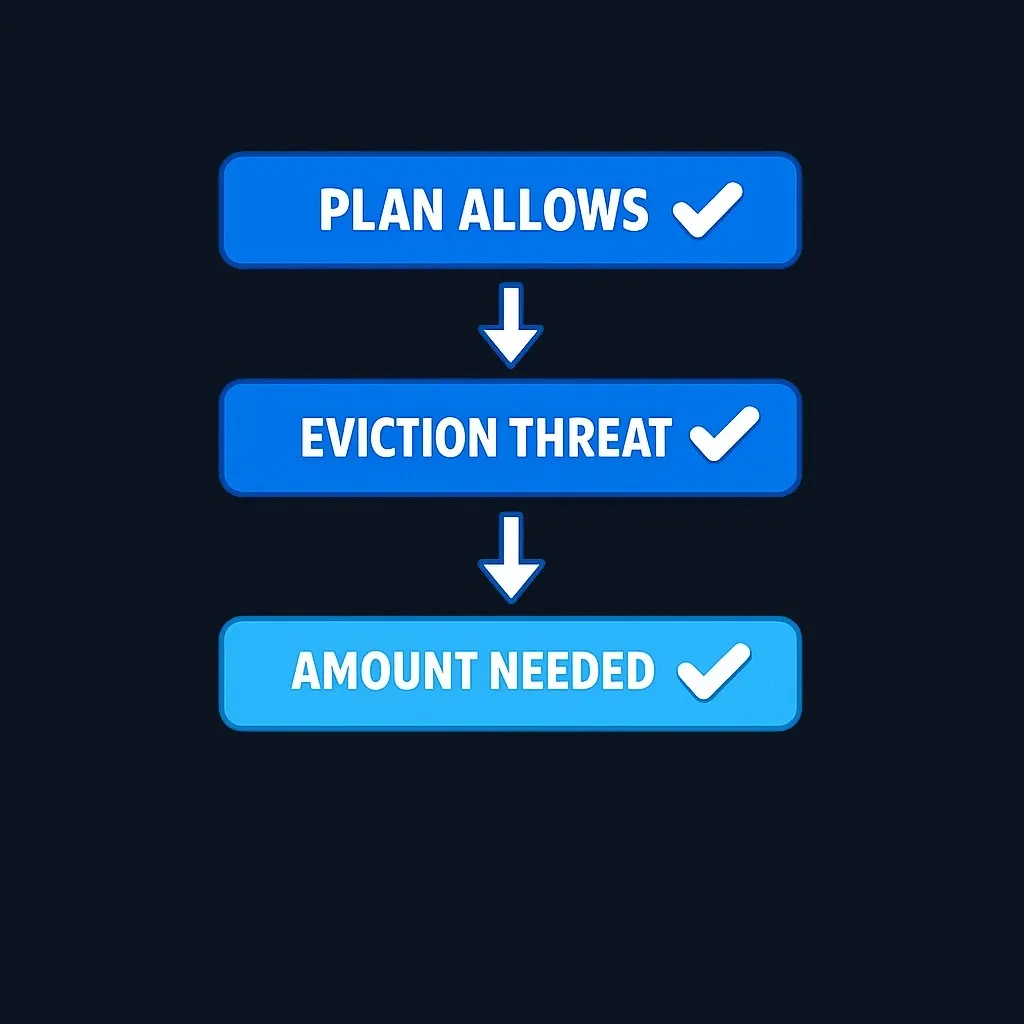
A 401(k) plan may—but does not have to—allow hardship withdrawals. Under the federal safe-harbor categories, payments necessary to prevent an employee's eviction from the employee's principal residence can qualify as an immediate and heavy financial need. The distribution must follow the written plan and be limited to the amount needed, including taxes or penalties reasonably expected from the distribution.
Ask the plan administrator for its current form and substantiation instructions. The IRS identifies eviction notices as one type of record a plan may use, but the plan's procedure controls the actual submission (IRS hardship-distribution guidance).
Finelo provides general financial education, not tax, legal, housing, financial, or investment advice. A retirement withdrawal is not a substitute for responding to an eviction case or applying for rental assistance.
The federal rule has three parts
The plan must permit hardship distributions
Federal tax law permits hardship provisions; it does not require every plan to offer them or to include every safe-harbor category. Review the summary plan description and current plan form.
The payment must prevent eviction from the employee's principal residence
The safe-harbor category is narrower than general financial difficulty. Past-due rent with no eviction threat may not satisfy the plan's eviction category. The residence generally must be the employee's principal residence, not a vacation property or someone else's home.
The amount must be necessary
The amount generally cannot exceed what is needed to address the hardship, although it may include reasonably anticipated federal, state, or local tax and penalty amounts resulting from the distribution. The current IRS rule generally relies on the employee's written representation that insufficient cash or other liquid assets are reasonably available, unless the plan administrator has actual knowledge to the contrary.
The IRS also states that a distribution is not disqualified solely because the employee did not take an available plan loan. Do not rely on older articles saying a plan loan must always be exhausted or that contributions must be suspended for six months; current rules changed those requirements.
What proof a plan may request
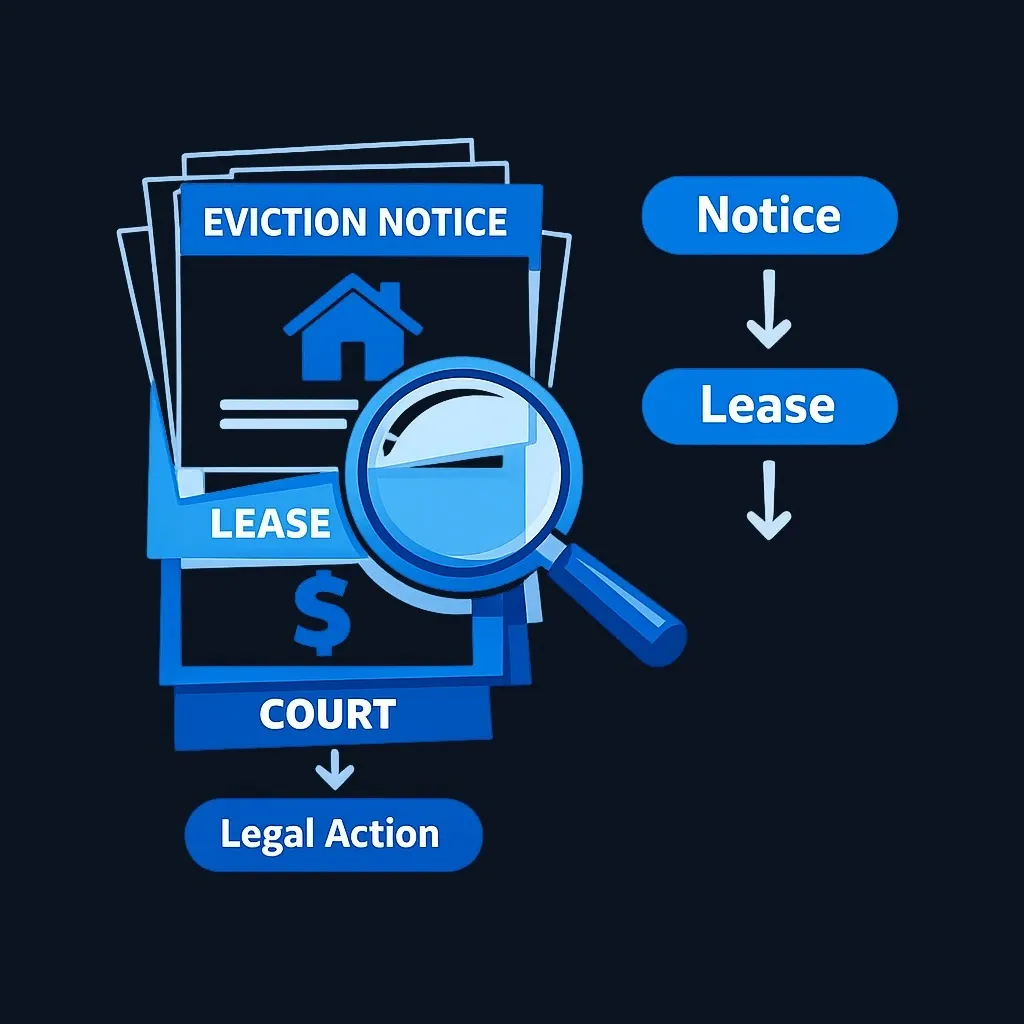
Follow the plan's exact checklist. Depending on whether the plan uses source documents or a permitted summary-substantiation process, relevant information may include:
- eviction or notice-to-quit document;
- landlord or property-manager name and address;
- address of the employee's principal residence;
- amount needed to prevent eviction;
- payment deadline or scheduled court date;
- lease or rent ledger;
- court complaint, summons, or judgment if already filed; and
- the employee's written representation about reasonably available liquid assets.
Provide only authentic, current documents. A hardship submission is a plan record and may be reviewed by the administrator, employer, auditor, or tax authority.
A safer application workflow
- Contact the plan administrator immediately. Ask whether the plan covers eviction and request the current form, evidence list, eligible-account sources, processing time, payment method, and withholding information.
- Confirm the housing deadline separately. Read the eviction notice and court papers. A 401(k) application does not pause a landlord or court deadline.
- Ask the landlord what amount would stop the eviction. Obtain the figure and agreement in writing when possible; court costs or legal status may change the amount.
- Prepare a dated evidence packet. Match each plan-form answer to the source document and keep a full copy.
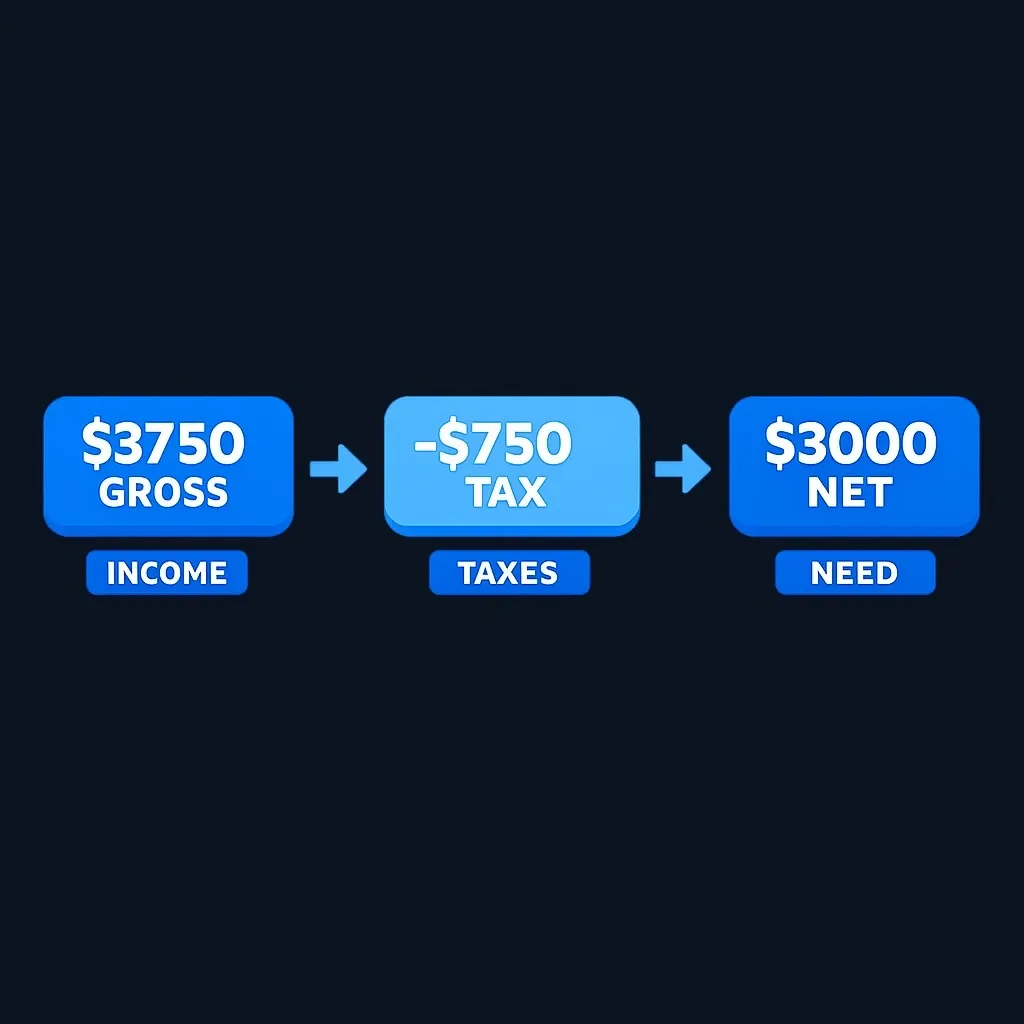
- Estimate the net cash. Mandatory or elected withholding may cause the check to be lower than the gross distribution. The amount requested may be allowed to include reasonably anticipated taxes and penalties, subject to plan rules.
- Review alternatives in parallel. Contact local rental assistance, legal aid, housing court resources, and the landlord. Do not wait for a plan decision if a response deadline is near.
- Preserve the Form 1099-R and approval records. They will be needed for tax reporting and any later plan inquiry.
Tax and retirement consequences
A hardship withdrawal is generally included in taxable income unless a specific tax treatment applies. A participant younger than 59½ may also owe the 10% additional tax unless a statutory exception applies. Preventing eviction is a permitted 401(k) hardship category, but it is not by itself a general exception to the additional tax.
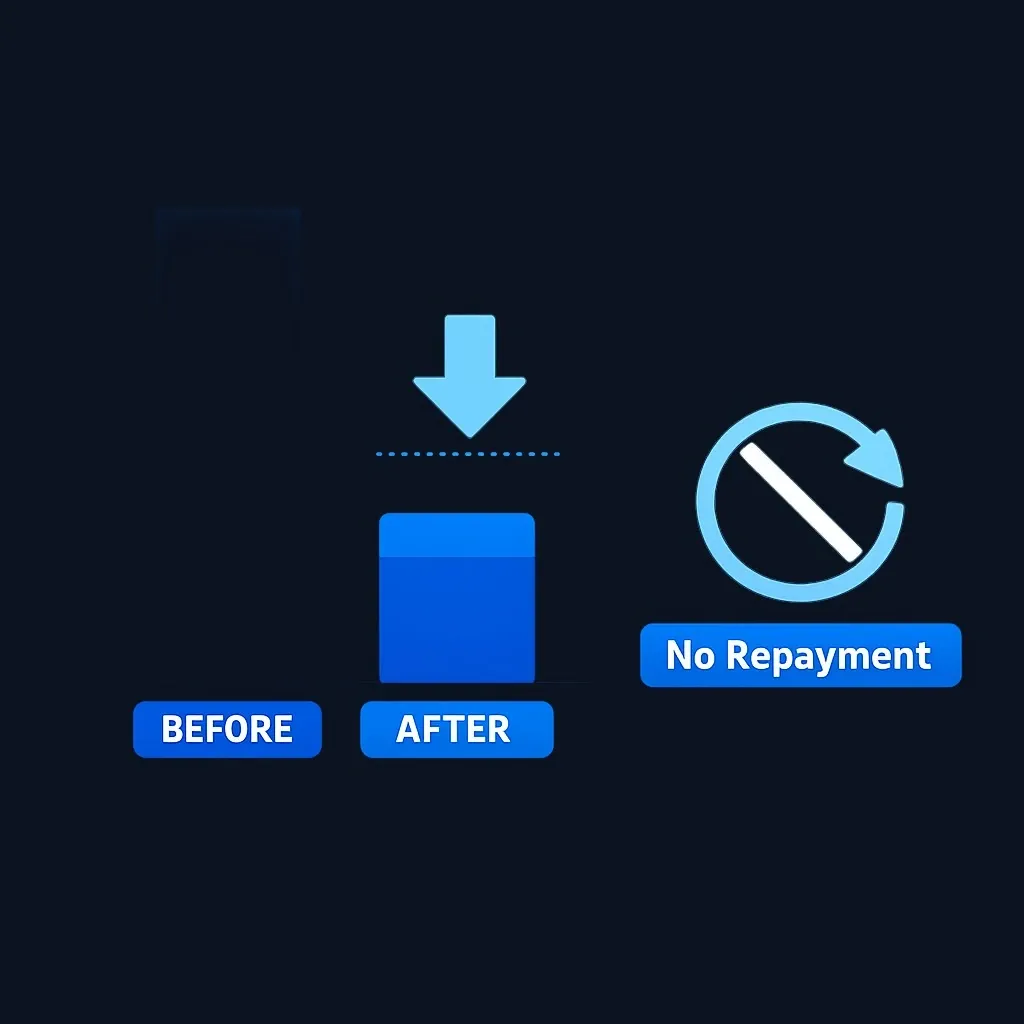
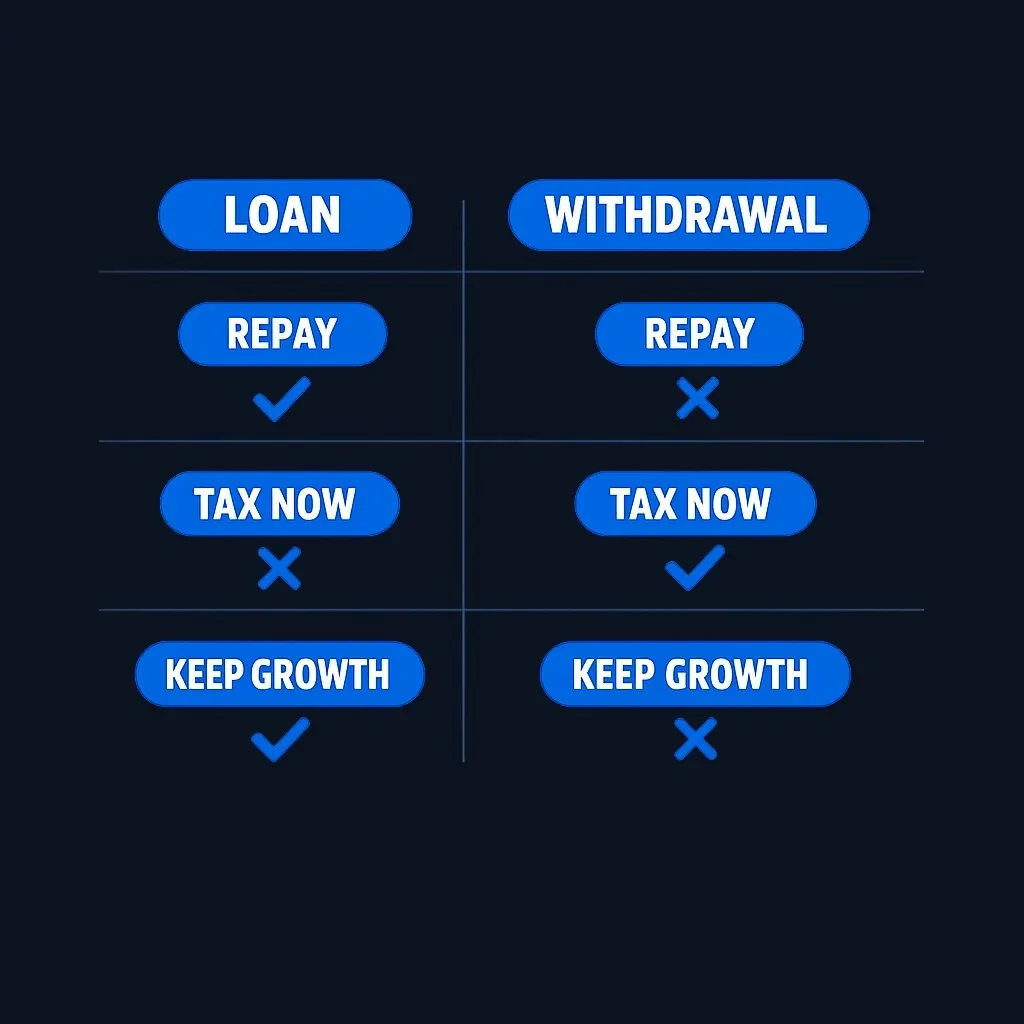
Hardship distributions generally cannot be repaid to the plan or rolled over. The account loses the withdrawn principal and future potential growth. The IRS summarizes these consequences in its hardship, early-withdrawal, and loan overview.
Before choosing a gross amount, distinguish:
- cash the landlord or court requires;
- plan or processing constraints;
- withholding from the distribution; and
- later tax that withholding may not fully cover.
Practice investing with Finelo
Build practical investing skills with guided lessons, simulator practice, and structured challenges.
Hardship withdrawal versus plan loan
| Question | Hardship withdrawal | 401(k) loan, if offered |
|---|---|---|
| Must be repaid to the account? | Generally no | Yes, under plan and tax rules |
| Taxable when properly taken? | Generally included in income | Generally not taxable at origination if rules are followed |
| Additional tax possible? | Yes, unless an exception applies | A default or offset can create a taxable distribution |
| Reduces invested balance? | Permanently for the amount withdrawn | Temporarily, with repayment risk |
| Helps before a near court deadline? | Depends on processing time | Depends on processing time and available loan amount |
Neither option is automatically better. A loan creates required repayments and job-separation risk; a hardship withdrawal creates immediate tax and permanent retirement-cost consequences.
Housing steps to take at the same time
- Respond to every notice and court paper by the stated deadline.
- Contact local legal aid or a tenant-rights organization for state-specific procedure.
- Ask the landlord whether a written repayment agreement would stop the filing or dismissal process.
- Search official state, county, city, or court sites for rental-assistance programs.
- If the plan cannot pay before the deadline, do not assume an approval notice alone prevents eviction.
These steps address the legal housing process. The plan administrator cannot determine whether a landlord must accept payment or dismiss a case.
Common mistakes
Using proof of financial strain without proof of an eviction threat
Bank statements may support the representation about liquid assets, but they do not replace the plan's evidence that the payment is necessary to prevent eviction.
Requesting only the rent balance without checking net proceeds
Withholding can reduce the cash received. Ask the administrator for a gross-to-net illustration and verify whether the plan permits including anticipated taxes or penalties.
Assuming approval stops the court case
The withdrawal and eviction are separate processes. Obtain written confirmation from the landlord, counsel, or court about the case status.
Using an invented scorecard to decide
There is no IRS points test based on balance size, urgency, or alternatives. Eligibility follows the plan and tax rules; the personal decision requires actual cash-flow and consequence analysis.
Relying on outdated hardship rules
Current rules no longer impose some pre-2020 requirements. Use the present plan document and current IRS guidance.
FAQ
Is a late-rent notice enough?
It depends on the notice and plan. The safe-harbor category covers payments necessary to prevent eviction, so a plan may require a formal notice, deadline, address, amount, and landlord information.
Can the withdrawal include taxes and penalties?
Federal hardship rules allow the necessary amount to include reasonably anticipated federal, state, or local taxes or penalties resulting from the distribution, subject to the plan's calculation and available balance.
Do I have to take a 401(k) loan first?
Current federal law does not treat a hardship distribution as failing solely because the employee did not take an available plan loan. The plan's current procedure should be checked for all other requirements.
Can I put the money back later?
A hardship distribution generally is not repayable or eligible for rollover. Future contributions can rebuild the account, but they do not reverse the distribution.
What if the plan denies the request?
Ask for the reason and the controlling plan provision in writing. Correct missing or inconsistent evidence if the plan permits resubmission, while continuing housing-court, assistance, and legal-aid steps.
Bottom line
A 401(k) hardship withdrawal can qualify when payment is necessary to prevent eviction from the employee's principal residence and the plan permits it. Use the plan's current evidence process, calculate gross and net cash, keep housing deadlines moving, and weigh the tax and permanent retirement consequences without relying on an invented eligibility score.
InvestingFinancial Education
Practice investing with Finelo
Build practical investing skills with guided lessons, simulator practice, and structured challenges.
About the author
Finelo Team
The Finelo Team creates practical investing and trading education designed to help beginners learn faster with structured challenges, simulator practice, and bite-sized lessons.
Keep reading — Related articles

Investing
Yield to Call vs Yield to Maturity: Assumptions and Bond Risks
Yield to call (YTC) estimates a bond's yield if the issuer redeems it on an eligible call date; yield to maturity (YTM) estimates yield if it remains outstanding to final maturity.
Finelo Team

Investing
Will My Employer Know If I Take a 401(k) Loan?
Who this page is for: readers new to 401(k) loans who want a practical, privacy‑focused explanation — what your employer can see, how to limit visibility, and the financial tradeoffs to weigh.
Finelo Team

Investing
What Medical Expenses Qualify for a 401(k) Hardship Withdrawal?
Before you decide, confirm three things with your plan administrator:
Finelo Team


