For U.S. readers: This article discusses U.S. rules and financial products. State rules and individual eligibility may differ.
Amended Tax Return Deadline: Everything You Need to Know

Finelo provides financial education, not financial or investment advice.
10 min read
Practice trading with Finelo
Practice in a simulator, learn with bite-sized lessons, and build confidence before risking real money.
Want to learn more?
Practice in a simulator, learn with bite-sized lessons, and build confidence before risking real money.
Explore FineloExplore Finelo's 28-day challenges
Turn learning into a daily habit with guided challenge paths.
Quick answer
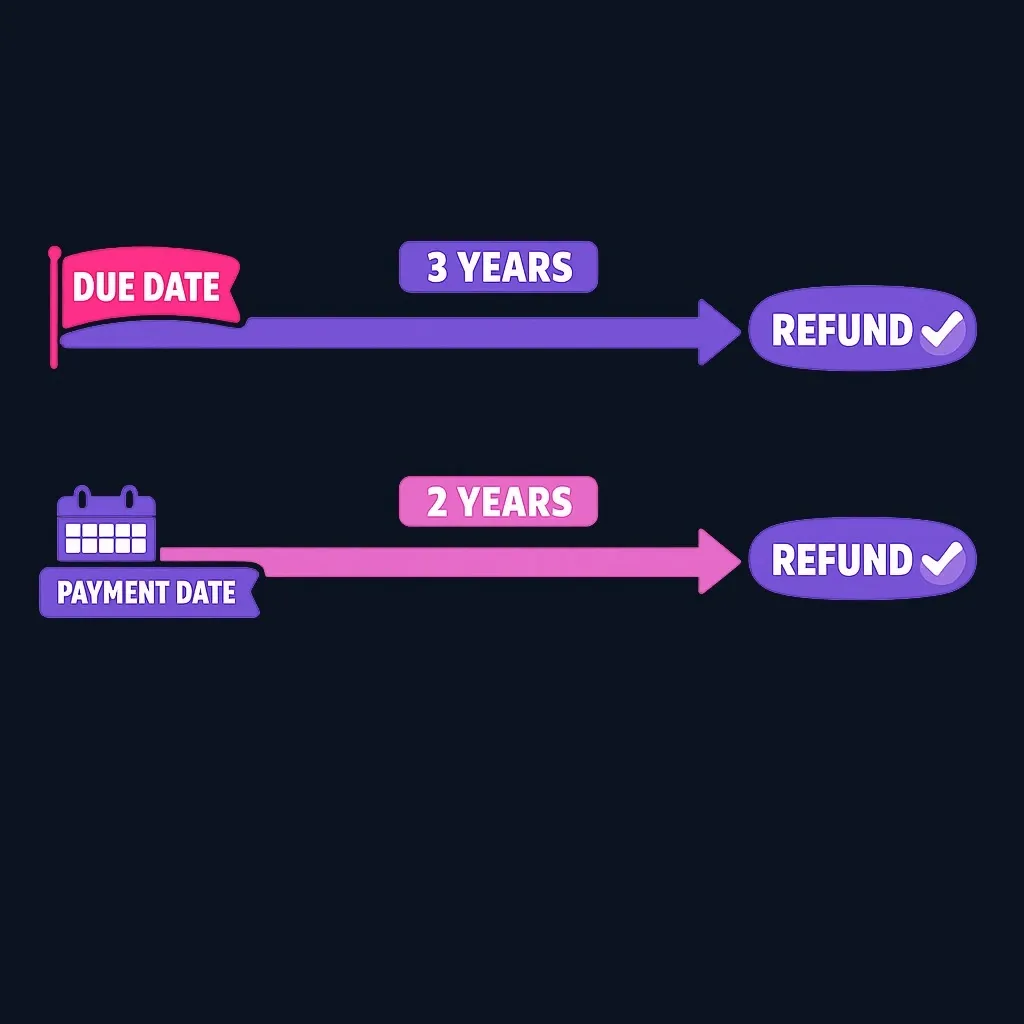
An amended tax return corrects errors on a previously filed Form 1040. To claim a federal refund, you generally must file Form 1040‑X within three years of the original filing deadline, or within two years of the date you paid the tax—whichever is later (see the IRS guidance) When and how to amend a tax return.
Finelo provides financial education, not financial or investment advice.
Introduction to Amended Tax Returns
An amended tax return updates or corrects information on a return you already filed. Common reasons include reporting additional income, changing filing status, correcting credits or deductions, or fixing calculation errors. Filing an amendment can change your refund amount or your tax balance. The federal form used for these corrections is Form 1040‑X; the IRS explains when and how to file an amended return and why you might need to do so.
Why this matters now: if you discover a mistake that reduces your tax or increases your refund, acting within the allowable period preserves your right to that refund. If an amendment increases taxes owed, you should file promptly to limit interest and penalties.
What is the Amended Tax Return Deadline?
The core federal time limits for filing an amended return to claim a refund are described by the IRS. Two common rules determine the deadline:
- File within three years from the original tax return due date (including extensions) to claim a refund; or
- File within two years from the date you paid the tax for that year, if that date is later.
State deadlines and rules vary, so check your state tax agency for its filing window. For federal guidance and examples, consult the IRS page on amending returns.
Practical notes and exceptions
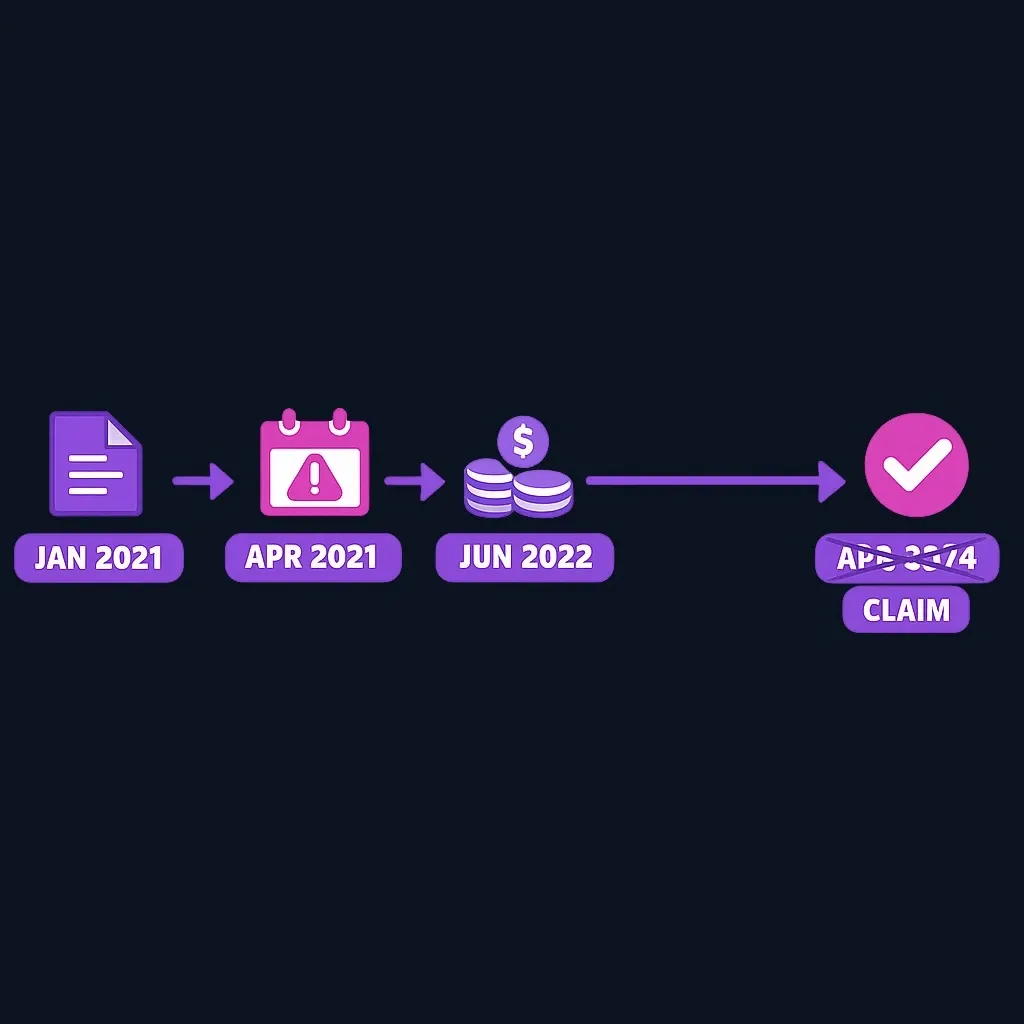
- The three‑year clock generally starts from the original deadline (usually April 15 for calendar-year filers).
- The two‑year rule protects taxpayers who paid tax after filing early—your refund window can extend past three years if the payment date is later.
- Special circumstances (for example, military service in a combat zone, certain disaster relief provisions, or other statutory exceptions) can change deadlines; check IRS guidance for exceptions.
How to File an Amended Tax Return
Below is a clear, practical walkthrough for filing a federal amended return.
Step-by-step process (federal)
- Gather documents: original return, W‑2s, 1099s, receipts, and any new documents that change income, deductions, or credits.
- Use Form 1040‑X: report the incorrect amount, the corrected amount, and explain each change in Part III (or the explanation field) of the form.
- Attach supporting schedules and forms: if your correction changes other schedules (for example, Schedule A or Schedule C), attach the corrected versions.
- File and pay: submit Form 1040‑X as directed by the IRS. If you owe tax after the amendment, pay as soon as possible to minimize interest and penalties. Consult the IRS page for current filing instructions.
Checklist (quick reference)
| Task | Why it matters |
|---|---|
| Collect original return + new documents | Ensures accurate corrections and supporting evidence |
| Complete Form 1040‑X with clear explanations | IRS requires an explanation of each change |
| Attach corrected schedules/forms | Prevents processing delays |
| Pay any tax due promptly | Limits interest and penalties |
| Keep copies and proof of mailing/e‑file | Evidence in case of IRS questions |
Electronic filing vs. mail
- The IRS provides current filing instructions on how to submit Form 1040‑X; check the IRS guidance for whether e‑file is available for the year you are amending.
- If mailing, use certified mail or another tracked method and retain proof of mailing.
Recordkeeping and follow-up
- Keep copies of everything for at least the same retention period you use for other tax records.
- The IRS provides processing information and where to send amended returns in its guidance; use that page as your authoritative source.
Common Reasons for Amending a Tax Return
People amend returns for a range of ordinary mistakes and missed items. Below are frequent examples and practical notes to help you decide whether to amend.
Common errors that trigger amendments
- Missed income (an overlooked 1099 or W‑2).
- Incorrect filing status (for example, filing single when you qualified as head of household).
- Omitted deductions or credits (child tax credit, education credits, or other credits you later discover).
- Calculation errors (math mistakes or transposed numbers).
- Incorrect dependents or Social Security numbers.
Worked example
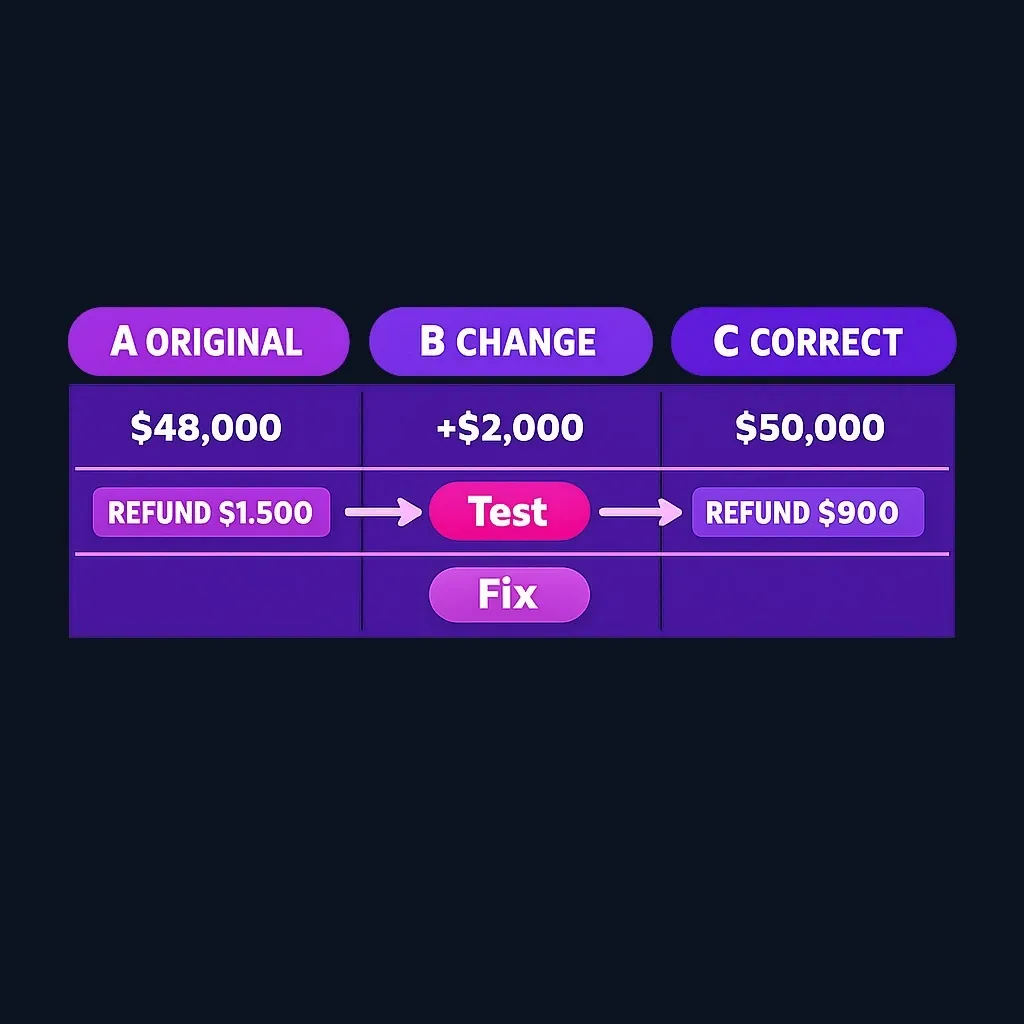
- Scenario: You received a corrected 1099 in November showing $2,000 more income than reported. If that change reduces your refund or increases tax, prepare Form 1040‑X and attach the corrected 1099. If the correction leads to a refund, act within the federal refund window described by the IRS.
Clerical error vs. substantive change
- Clerical errors (typos, math errors) can sometimes be corrected by the IRS without an amended return; substantive changes (additional forms, changed filing status, new income) typically require Form 1040‑X. If unsure, review IRS guidance or contact a tax professional.
State returns
- If you amend your federal return and the change affects state taxable income, you’ll likely need to amend your state return as well. State rules differ; check your state tax agency’s website.
Practice trading with Finelo
Practice in a simulator, learn with bite-sized lessons, and build confidence before risking real money.
What Happens if You Miss the Amended Return Deadline?
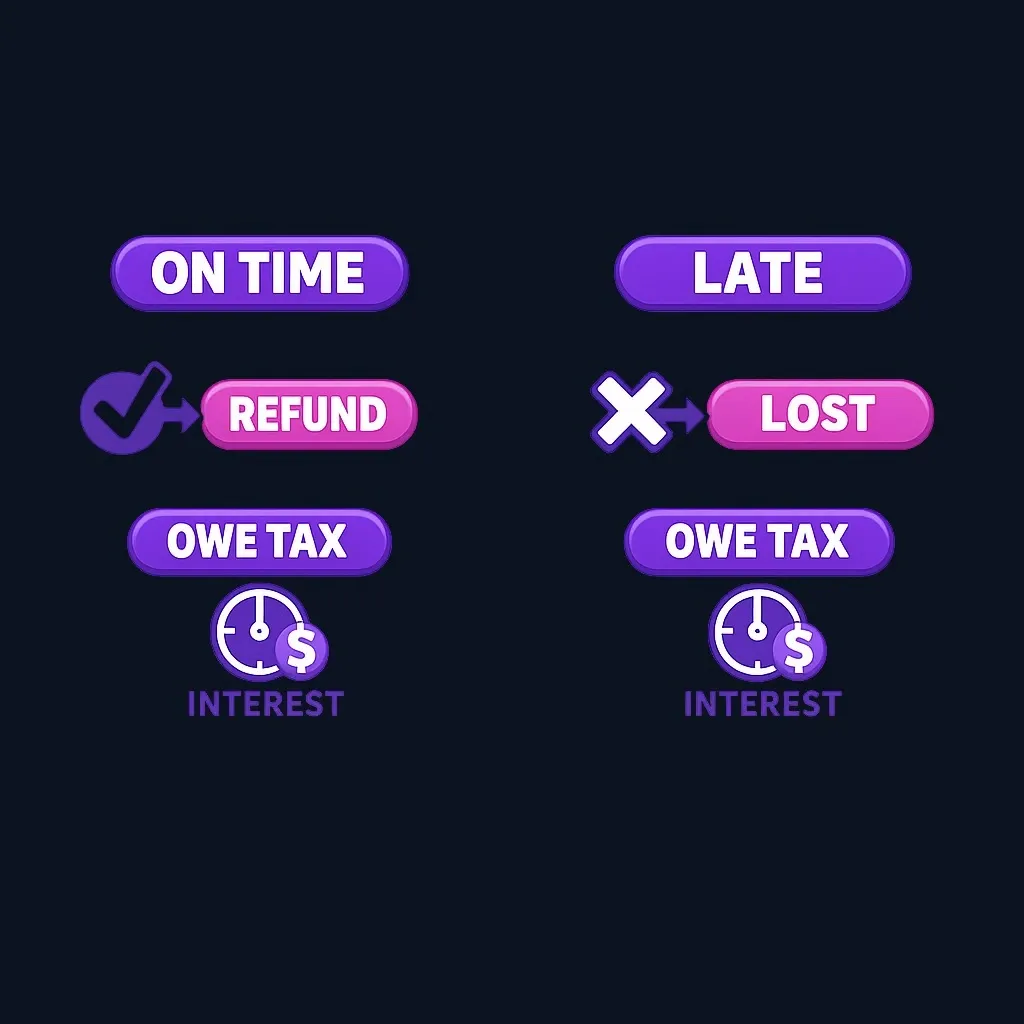
Missing the federal deadline to claim a refund normally means forfeiting the refund. The IRS’s timing rules determine whether you remain eligible to recover an overpayment; if you file after the allowed period, you typically cannot receive the refund.
Consequences to expect
- Forfeited refund: late-filed amendments outside the allowable window generally cause loss of refund rights.
- Interest and penalties: if an amendment shows you owe additional tax, interest and possibly penalties can accrue from the original due date until payment. File and pay promptly to reduce these charges. Refer to IRS guidance for examples and the mechanics of filing.
If the IRS sends a notice
- If the IRS adjusts your return or contacts you about a change, follow the instructions in the notice. Notices often explain steps, deadlines, and where to send documentation.
What to know before deciding
This section highlights the key tradeoffs and checks before you amend.
Decision checklist before you amend
- Will the amendment change your refund or tax owed? If it neither increases nor reduces tax or credits, an amendment may be unnecessary.
- Are you within the federal time limits for refunds? Confirm the three‑year/ two‑year rules on the IRS site.
- Does the change affect state taxes? If so, budget time to research and file a state amendment.
- Do you have supporting documentation? Attach corrected schedules or forms to avoid delays.
- If you owe additional tax, can you pay now or arrange a plan to limit interest and penalties?
Limitations and risks
- Filing an amendment can trigger closer IRS review. Be accurate and keep supporting evidence.
- Amending to claim a refund after the deadline usually fails; check IRS rules before preparing 1040‑X.
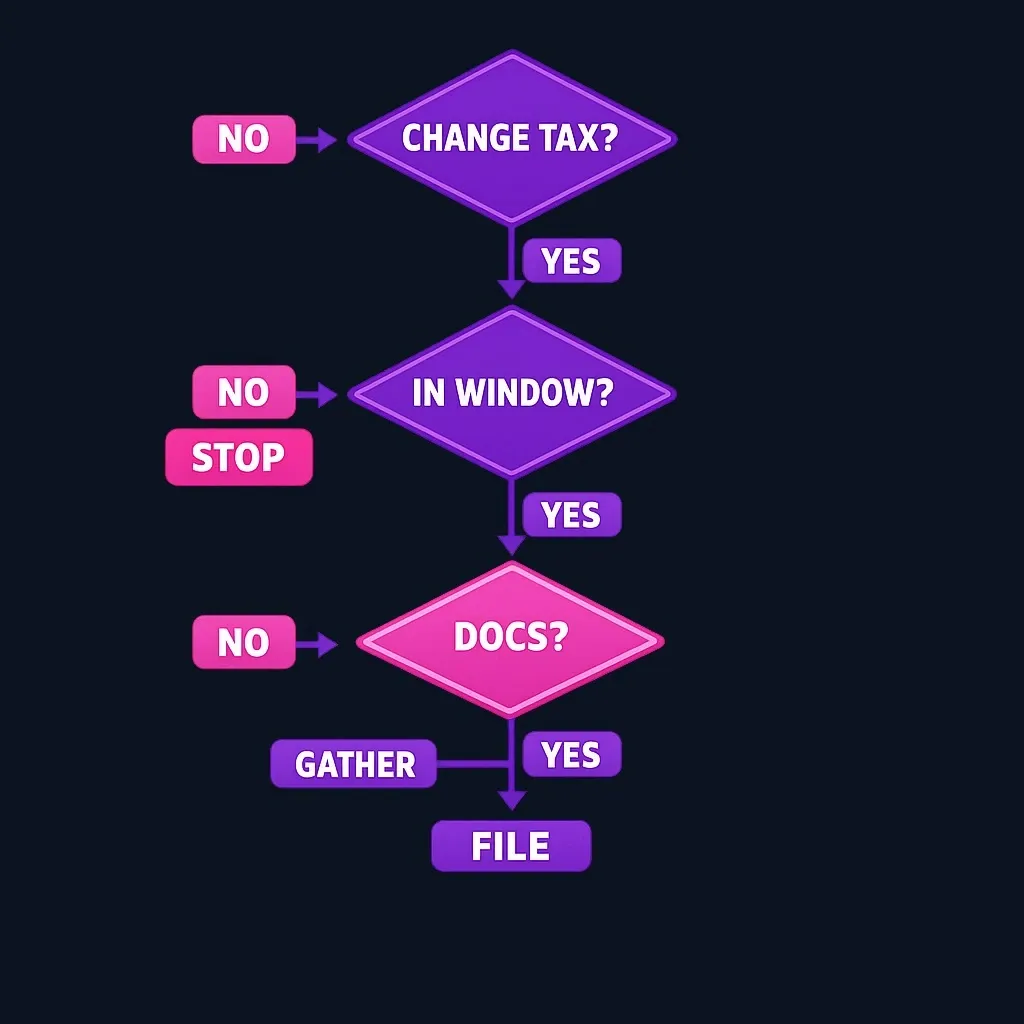
Decision framework
Use this short framework to decide whether to file Form 1040‑X.
Framework (three questions)
-
Does correcting the return change your tax, refund, or credits?
- No → You probably do not need to amend. Keep documentation.
- Yes → Proceed to question 2.
-
Are you within the federal refund window (three years from return due date or two years from tax paid)?
- No → You likely cannot claim a refund; consider whether there are other remedies (for example, IRS-directed adjustments). See IRS guidance.
- Yes → Proceed to question 3.
-
Do you have supporting documents and can you attach corrected schedules/forms?
- Yes → Complete Form 1040‑X, attach documentation, file promptly.
- No → Gather documents before filing to avoid follow-up requests.
When to get help
- Complex changes (business income adjustments, multi‑state issues, or claims involving credits that require documentation) justify consulting a tax pro. If you prefer DIY, use the IRS’s instructions for Form 1040‑X and follow current filing methods.
FAQ
What is an amended tax return?
An amended tax return corrects errors or omissions on a return you already filed. Federally, you use Form 1040‑X to report the original, the corrected amounts, and an explanation of each change; the IRS outlines when and how to file.
How do I file an amended tax return?
Complete Form 1040‑X and attach any corrected schedules or forms. Follow the IRS instructions for where and how to file; the IRS guidance explains filing steps and supporting documentation.
When is the deadline to file an amended return?
To claim a federal refund, file within three years from the original return’s due date or within two years from the date you paid the tax—whichever is later. Check the IRS guidance for examples and exceptions.
Can I amend a return for a prior year?
Yes—if you are within the applicable federal time limits for that tax year. If you are outside those limits, you typically cannot claim a refund for that year. Refer to the IRS’s instructions for Form 1040‑X and amending rules.
Practical Next Steps
- Decide whether the change affects your tax or refund (use the Decision framework above).
- Gather your original return and any new documents you need to support corrections.
- Complete Form 1040‑X and attach corrected schedules; consult the IRS guidance for current filing options and addresses.
- If you owe tax, pay as soon as possible to limit interest and penalties.
- Keep copies and proof of filing.
If you want a quick refresher on tax terms or further reading, visit the Finelo Blog for related learning resources: Finelo Blog.
One last reminder: this article is educational and not tax, financial, or legal advice. When deadlines or large amounts are involved, consider professional help or contact the IRS for authoritative guidance.
Financial LiteracyFinancial Education
Practice trading with Finelo
Practice in a simulator, learn with bite-sized lessons, and build confidence before risking real money.
About the author
Finelo Team
The Finelo Team creates practical investing and trading education designed to help beginners learn faster with structured challenges, simulator practice, and bite-sized lessons.
Keep reading — Related articles

Financial Literacy
Mercury Books Review 2026: Is It Worth It for Startups?
Mercury Books brings double-entry accounting into Mercury. Review its $35 pricing, reports, AI features, integrations, and migration limits.
Finelo Team

Financial Literacy
Why is My FICO Score Lower Than My Credit Score?
Example takeaway: seeing a higher score in a bank app doesn’t guarantee lenders will see the same FICO number at application time; lenders often pull a specific FICO version from a specific bureau.
Finelo Team

Financial Literacy
Why Is My FICO Score Higher Than My Credit Score?
Brief educational note: this article is educational, not financial or investment advice; investing and credit decisions involve risk and possible loss.
Finelo Team


