For U.S. readers: This article discusses U.S. rules and financial products. State rules and individual eligibility may differ.
What to Do If You Can't Afford an Escrow Shortage
Finelo provides general financial education, not mortgage, legal, tax, investment, or individualized financial advice.
8 min read
Practice trading with Finelo
Practice in a simulator, learn with bite-sized lessons, and build confidence before risking real money.
Want to learn more?
Practice in a simulator, learn with bite-sized lessons, and build confidence before risking real money.
Explore FineloExplore Finelo's 28-day challenges
Turn learning into a daily habit with guided challenge paths.
Quick answer
If an escrow shortage is unaffordable, first confirm the calculation and keep making the full mortgage payment shown on the servicer’s statement. For a current federally related mortgage, Regulation X generally lets a servicer recover a shortage through the options specified in the rule. A shortage equal to or greater than one month’s escrow payment may be collected in equal monthly payments over at least 12 months; the servicer cannot require that amount as a lump sum through the annual escrow statement.
Finelo provides general financial education, not mortgage, legal, tax, investment, or individualized financial advice. Contact the servicer promptly if the new payment is unaffordable; missing the full periodic payment can create delinquency consequences that are different from the escrow shortage itself.
What to know before deciding
Understand what an escrow shortage means and who manages it. An escrow shortage happens when your lender’s escrow account doesn’t have enough money to pay projected property taxes or homeowners insurance for the coming year. Mortgage servicers perform escrow-account analyses and handle shortages, surpluses, and related notices as part of servicing responsibilities Consumer Financial Protection Bureau.
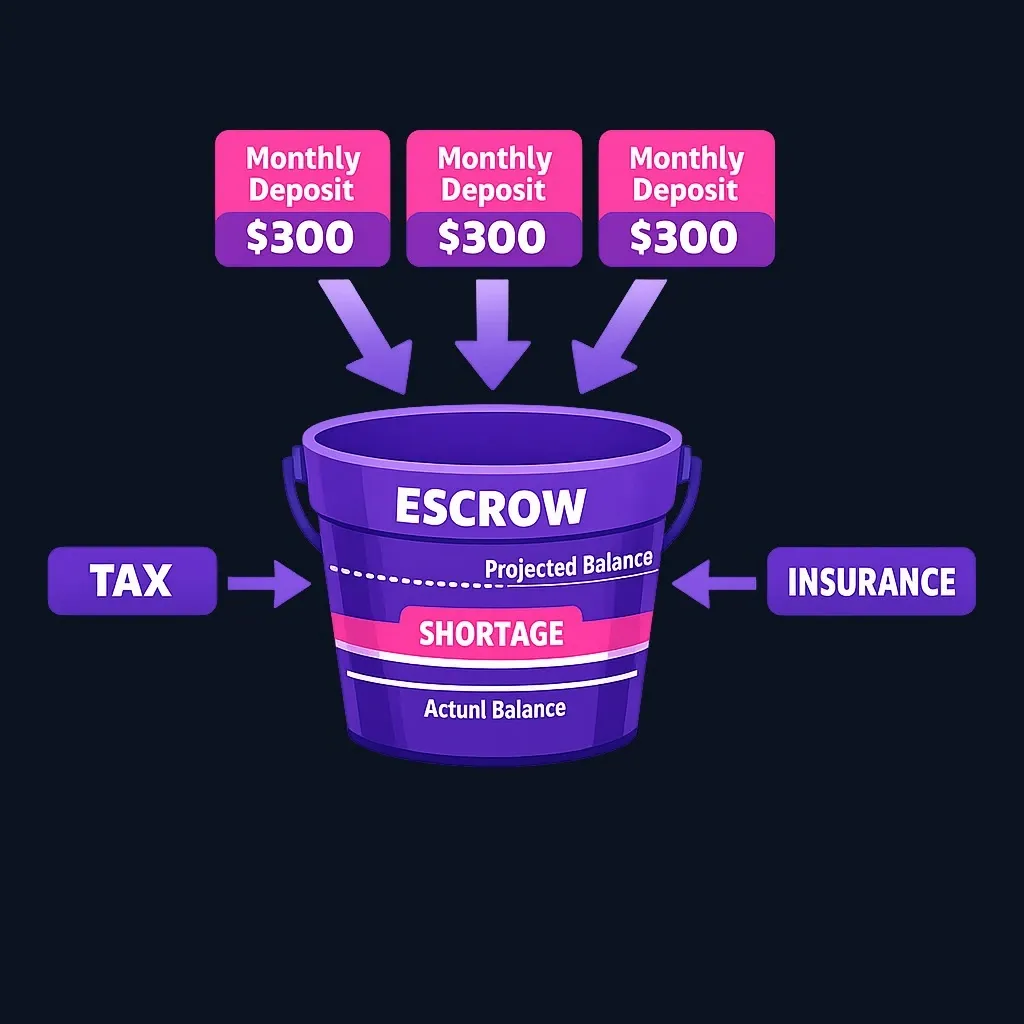
Practical takeaway: the shortage itself is a bookkeeping outcome of higher taxes, insurance renewals, or previous under-collection — it is not an extra fine from your county or insurer. Before deciding, confirm whether the shortage reflects a one-time spike (for example, an insurance renewal) or a recurring increase (for example, a new tax assessment). That distinction guides whether to pay in full or spread payments. Risk note: acting without confirming details can make a temporary issue costlier. Check the escrow analysis, the tax/insurance bills behind the shortage, and your servicer’s repayment choices before committing.
How to Identify an Escrow Shortage
Recognize the signals so you can respond confidently.
What to look for
- Annual escrow analysis statement: servicers typically send an escrow analysis that explains next year’s projected escrow needs and any shortage or surplus; review it line by line and note the cause (tax, insurance, or prior under-collection).
- New tax bill or insurance renewal notice: compare the amounts on those bills with last year’s payments to see what changed.
- Notice timing: shortages usually appear after a tax assessment or policy renewal. If you recently changed insurance or your county reassessed your property, those are likely causes.
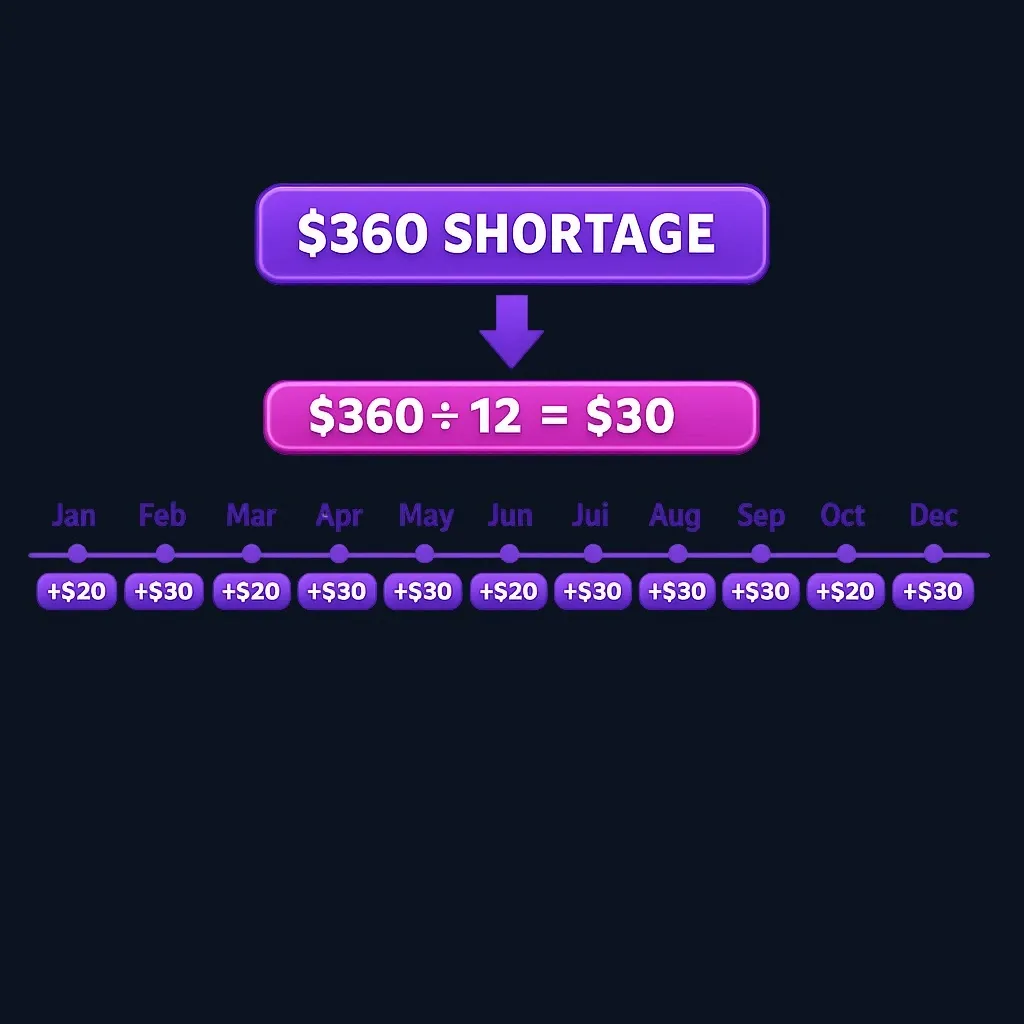
Quick example: if your escrow statement shows a $360 shortage and your servicer offers to spread it over 12 months, your monthly mortgage might rise by $30 for the next year. That simple math helps you compare affordability between a lump-sum payment and higher monthly cash flow.
Step-by-step check you can do today
- Locate the escrow analysis and underline the shortage line and the stated cause.
- Pull last year’s property tax bill and current tax notice or insurance renewal for comparison.
- Call your servicer to confirm the shortage amount, the schedule that produced it, and the repayment options they offer. Ask for the explanation in writing if it’s unclear.
Practical takeaway: documentation makes disputes and budgeting simpler — keep copies of escrow statements, tax bills, and insurance renewals.
Options for Managing an Escrow Shortage
Most servicers provide a few common solutions. Use the checklist and the short comparison below to choose the least disruptive option for your situation.
Checklist to decide quickly
- Confirm total shortage and cause.
- Ask your servicer for repayment methods and deadlines.
- Compare immediate cash availability versus monthly budget impact.
- Consider whether the shortage reflects a one-time change or ongoing higher costs.
- If you believe a tax or insurance charge is wrong, investigate appeals (see Decision framework).
Comparison table of common options
| Option | What it does | When it helps | Tradeoffs |
|---|---|---|---|
| Voluntary lump-sum payment, if the servicer accepts it | Reduces or eliminates the shortage | The borrower chooses to use available cash | For a shortage at least equal to one month’s escrow payment, the annual statement cannot require or offer a lump sum; a separate voluntary payment may still be accepted |
| Spread the shortage over the permitted period | Adds an amount to the periodic mortgage payment | Preserves cash today | A shortage may be collected over at least 12 months under Regulation X; the base escrow deposit may also rise because projected taxes or insurance increased |
| Request alternative repayment plan with servicer | May allow different term or partial payment | Financial hardship; servicer flexibility varies | Requires servicer approval; may still increase payments |
| Reduce future escrow needs (insurance/tax review) | Lower projected escrow needs by changing policies or contesting taxes | When increases are recurring | May take time; changing coverage affects risk |
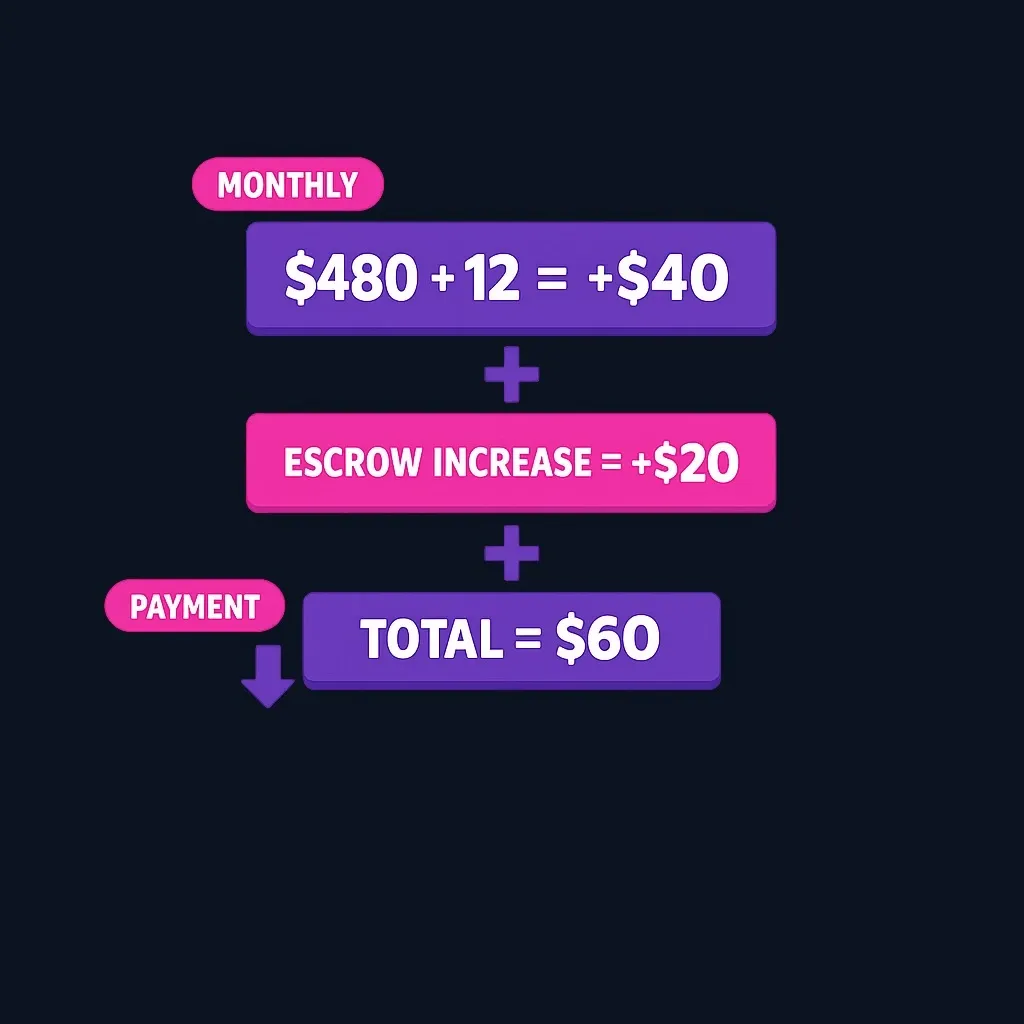
Practical example: spreading a $480 shortage evenly over 12 months adds $40 per month for the shortage itself. The total payment may rise by more than $40 if the servicer also increases the ongoing monthly escrow deposit to cover higher projected taxes or insurance. Confirm both components on the analysis CFPB Regulation X § 1024.17.
Practice trading with Finelo
Practice in a simulator, learn with bite-sized lessons, and build confidence before risking real money.
Practical Steps to Prevent Future Escrow Shortages
Prevention lowers the chance you’ll face this stress again.
- Monitor tax and insurance cycles: note when property tax assessments and insurance renewals occur so you can anticipate spikes in escrow needs. Example: if your homeowner’s policy renews in June every year, review that bill in May and check whether your escrow cushion will cover the renewal.
- Build a reserve: if possible, treat a small emergency fund specifically for irregular housing costs (tax reassessments, unexpected insurance increases).
- Review coverage levels and deductible choices: adjusting insurance deductible or coverage may change escrow demands. Balance premium savings against higher out-of-pocket risk.
- Ask for an escrow cushion adjustment: some borrowers ask servicers to increase monthly escrow contributions in months without shortages to build a buffer; this requires planning and budgeting.
- Keep paperwork organized: save escrow analyses, tax notices, and insurance renewals so you can trace changes year to year.
Practical takeaway: predictable monitoring and a modest reserve reduce the odds that a single renewal or reassessment forces an immediate, unaffordable payment.
Decision framework
Use this short framework to pick an approach that matches your cash, cash-flow tolerance, and confidence in the shortage’s cause.
Step A — Confirm facts
- Verify the shortage amount and whether it stems from taxes, insurance, or prior under-collection. Request a written explanation if unclear.
Step B — Compare cash vs monthly capacity
- A voluntary lump-sum payment may reduce the shortage component if the servicer accepts it, but it will not prevent an ongoing escrow increase caused by higher projected bills.
- Using the repayment period preserves cash today but raises the periodic payment while the shortage is recovered.
Step C — Consider correction or appeal
- If the shortage arises from a tax assessment you believe is wrong, research your county’s appeal window and process before paying blindly; contesting may reduce the required escrow. Use local tax authority resources for filings.
Step D — Communicate and document
- Contact your servicer promptly, document what you’re told, and confirm agreed terms in writing. If you’re under financial stress, ask about hardship or alternative repayment plans.
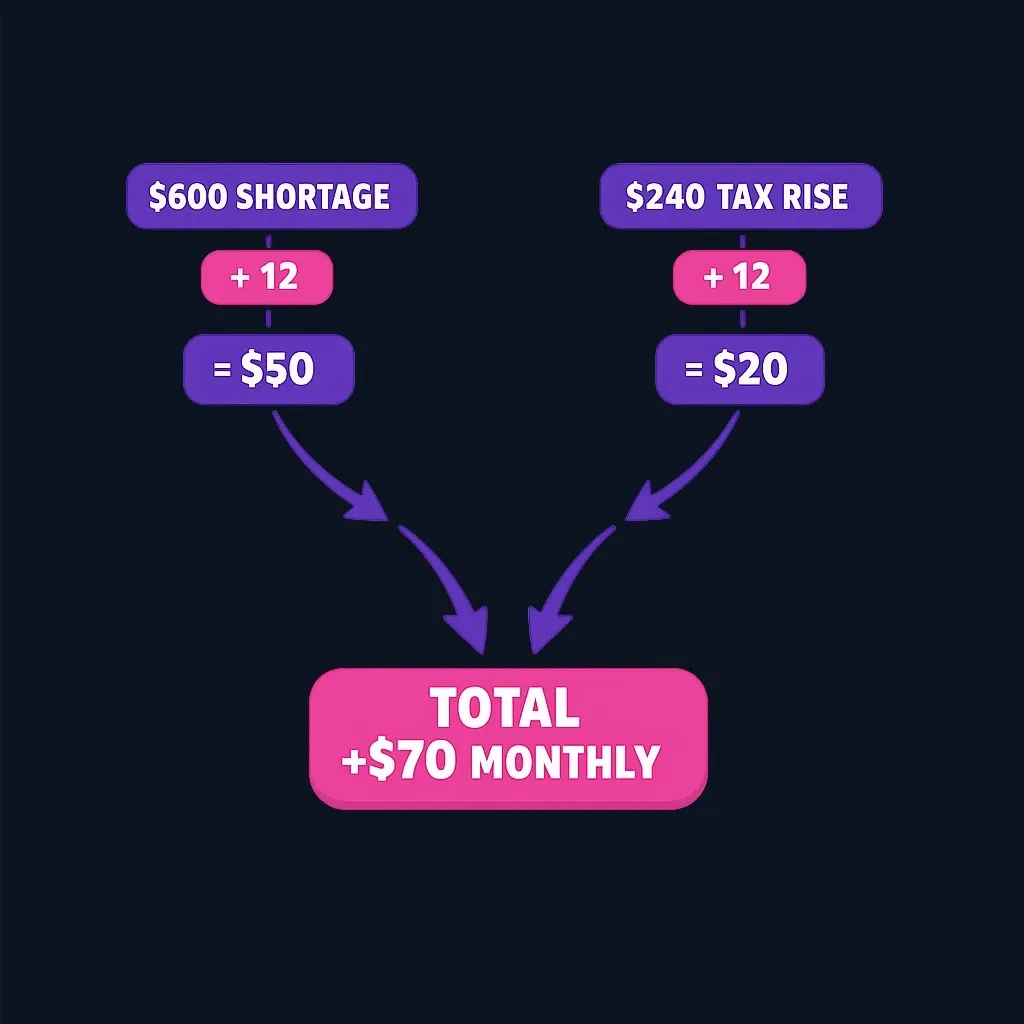
Worked example: a $600 shortage recovered over 12 equal installments adds $50 per month. If projected taxes also rise by $240 for the coming year, the ongoing escrow deposit rises another $20 per month. The example payment increase is therefore $70, not $50. These figures are hypothetical and do not describe a specific servicer statement.
FAQ
What is an escrow shortage?
An escrow shortage occurs when your servicer’s escrow account lacks sufficient funds to pay projected property taxes or homeowner’s insurance for the coming year. Servicers produce an escrow analysis explaining shortages and next actions.
How do I know if I have an escrow shortage?
Check your annual escrow analysis and recent tax or insurance bills. The servicer’s statement will show any shortage amount, the cause, and suggested repayment options. If you don’t receive a clear statement, contact your servicer and request one in writing.
What are my options if I can't afford an escrow shortage?
The available treatment depends on the shortage amount, whether the loan is current, Regulation X, and the loan documents. A servicer may recover a qualifying shortage through equal monthly payments over at least 12 months. It may also accept a separate voluntary lump-sum payment, but special statement rules apply. Ask the servicer to explain the options and the ongoing escrow increase separately.
Can I contest a tax assessment that caused the shortage?
Yes — property tax assessments can often be appealed with your local tax authority. If you believe an assessment is incorrect, research your county’s appeal process and deadline; a successful appeal can reduce future escrow needs. Start the servicer conversation and tax appeal process promptly.
Conclusion: Taking control of your escrow account
If you can't afford an escrow shortage, prioritize confirming the shortage’s cause, contacting your servicer, and comparing lump-sum versus spread-payment impacts on your cash and monthly budget. Document every interaction and, if applicable, explore tax appeals or insurance adjustments that reduce recurring escrow needs. Small steps — monitoring renewal dates, keeping an escrow-friendly reserve, and asking for written explanations — make future shortages easier to manage.
If you'd like more resources on managing household finances and preparing for housing-related costs, visit Finelo for practical guides and tools: Finelo Blog.
Financial LiteracyFinancial Education
Practice trading with Finelo
Practice in a simulator, learn with bite-sized lessons, and build confidence before risking real money.
About the author
Finelo Team
The Finelo Team creates practical investing and trading education designed to help beginners learn faster with structured challenges, simulator practice, and bite-sized lessons.
Keep reading — Related articles

Financial Literacy
Mercury Books Review 2026: Is It Worth It for Startups?
Mercury Books brings double-entry accounting into Mercury. Review its $35 pricing, reports, AI features, integrations, and migration limits.
Finelo Team

Financial Literacy
Why is My FICO Score Lower Than My Credit Score?
Example takeaway: seeing a higher score in a bank app doesn’t guarantee lenders will see the same FICO number at application time; lenders often pull a specific FICO version from a specific bureau.
Finelo Team

Financial Literacy
Why Is My FICO Score Higher Than My Credit Score?
Brief educational note: this article is educational, not financial or investment advice; investing and credit decisions involve risk and possible loss.
Finelo Team