To choose a 529 plan, compare your home state's potential tax benefits, plan fees, investment options, account flexibility, and the support you need. Start with your own state plan, then compare direct-sold and advisor-sold options. A lower-cost plan with suitable investments can be better value than a plan with extra services you will not use.
How to Choose a 529 Plan: Pricing, Plans, and Value

To choose a 529 plan, compare your home state's potential tax benefits, plan fees, investment options, account flexibility, and the support you need. Start with your own state plan, then compare direct-sold and…
7 min read
Practice trading with Finelo
Practice in a simulator, learn with bite-sized lessons, and build confidence before risking real money.
Want to learn more?
Practice in a simulator, learn with bite-sized lessons, and build confidence before risking real money.
Explore FineloExplore Finelo's 28-day challenges
Turn learning into a daily habit with guided challenge paths.
A 529 plan is an education savings account used by families who want to set aside money for future qualified education costs. The exact tax treatment, eligible expenses, investment rules, and account options depend on the plan and state rules, so verify details in official plan documents before opening an account.
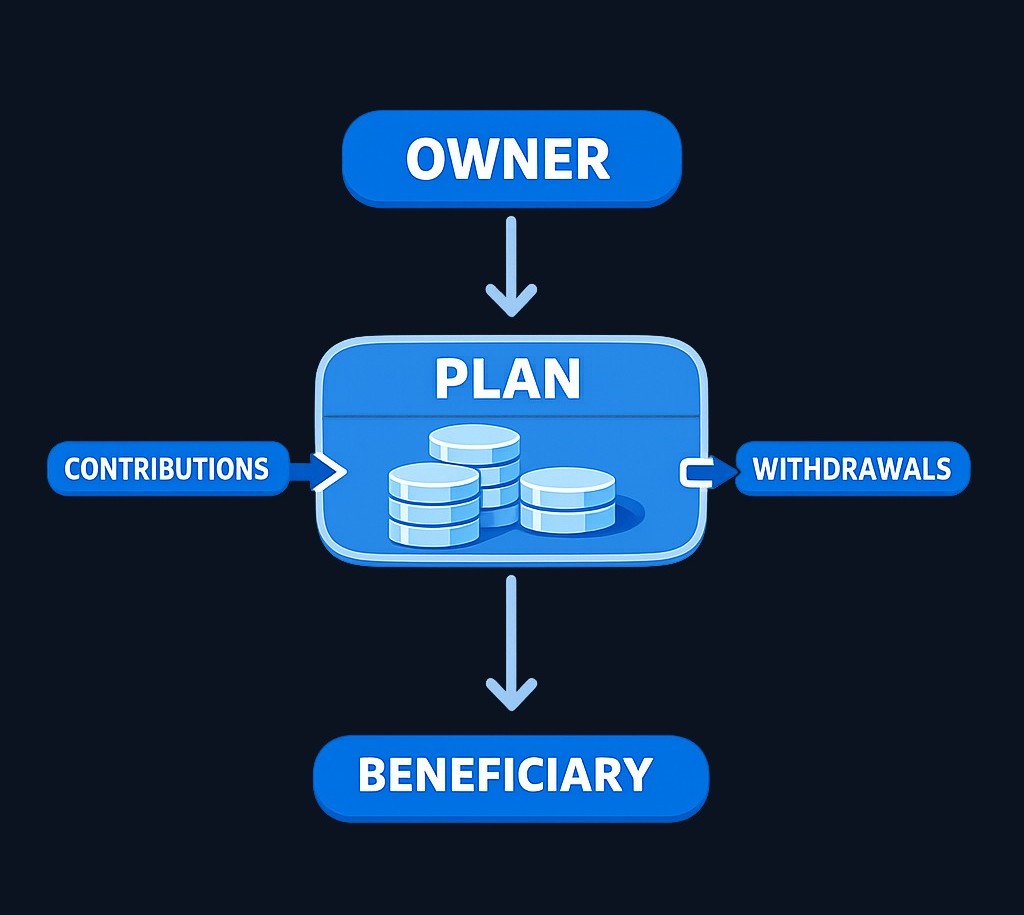
529 Plans at a Glance
A 529 plan is built for education savings. The account owner usually opens the account, names a beneficiary, chooses contribution settings, and selects from the plan's investment options. The beneficiary is the person whose education expenses the money is intended to support.
The main reason people compare 529 plans is value. A plan may look attractive because it has a state tax benefit, low fees, simple investment choices, or helpful service. But no single feature should decide the whole choice. A plan with a tax benefit can still be less appealing if its costs are high or its investment menu does not fit your timeline. A plan with low fees can still be frustrating if the withdrawal rules or account tools are hard to understand.
That is why "best 529 plan" is not a universal answer. The right choice depends on where you live, who the beneficiary is, when the money may be needed, how much investment risk you can accept, and whether you want self-service or professional help.
Types of 529 Plans and Key Factors to Compare
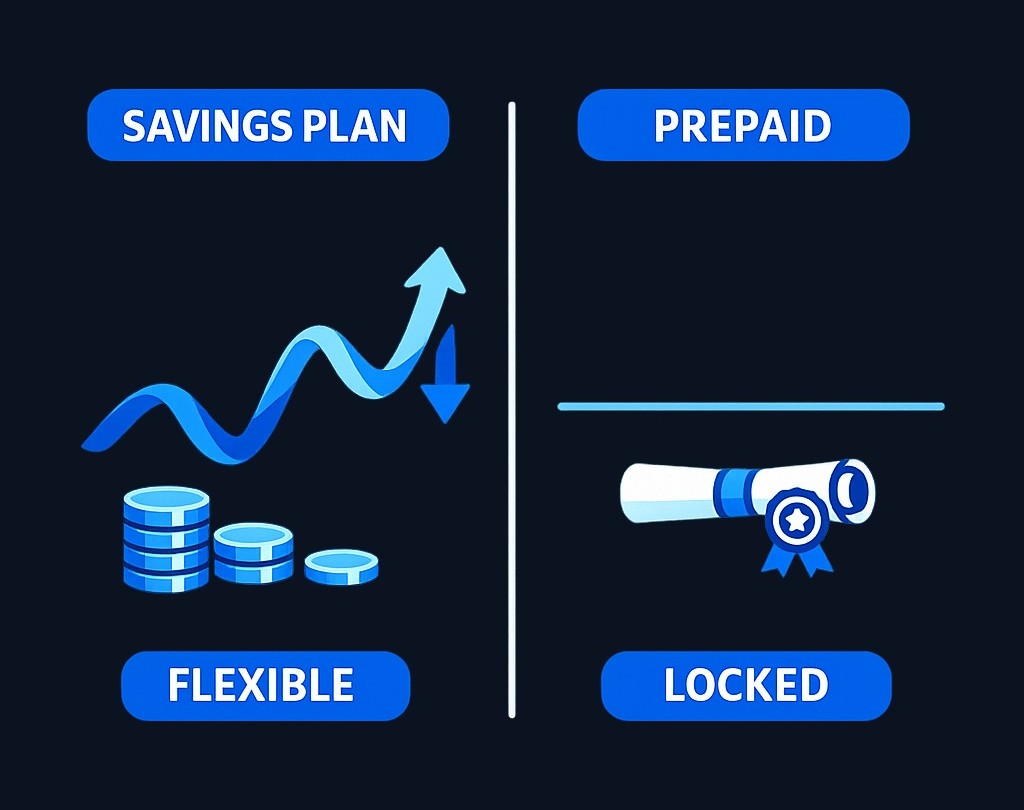
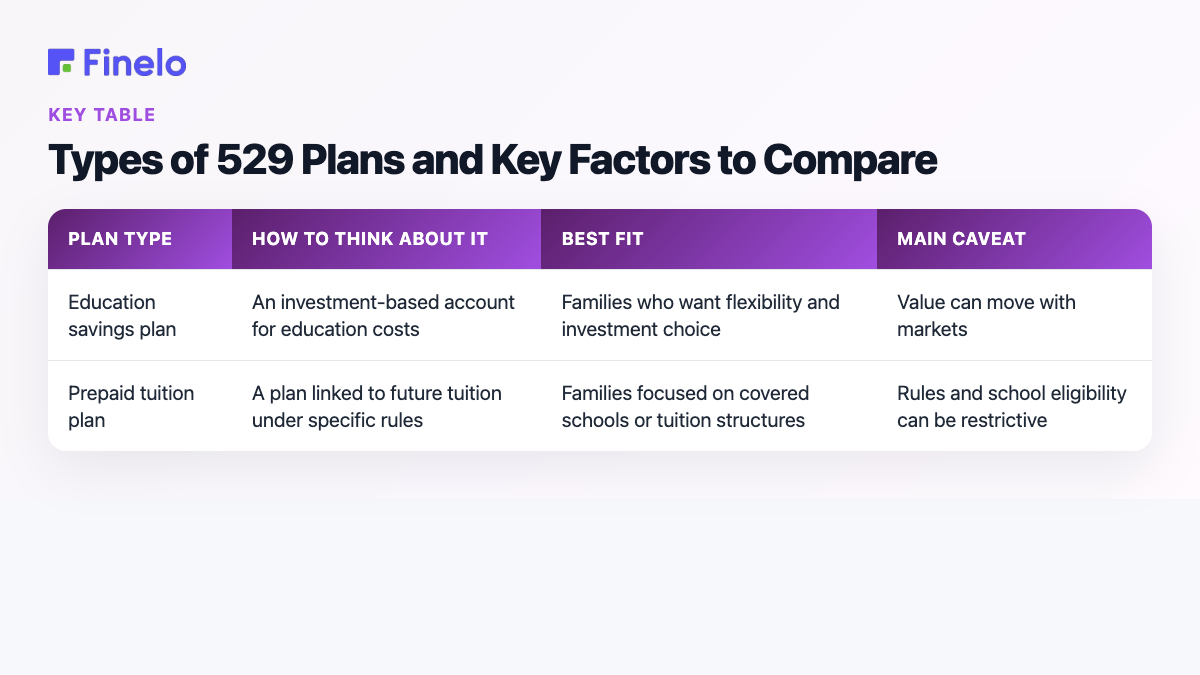
Most families will encounter two broad plan types: education savings plans and prepaid tuition plans. An education savings plan typically lets you choose from investment options. The account value can rise or fall based on those investments, so it carries market risk. A prepaid tuition plan is usually tied more closely to future tuition costs under the plan's rules. It may appeal to families focused on specific school systems or tuition assumptions, but it can come with tighter restrictions.
| Plan type | How to think about it | Best fit | Main caveat |
|---|---|---|---|
| Education savings plan | An investment-based account for education costs | Families who want flexibility and investment choice | Value can move with markets |
| Prepaid tuition plan | A plan linked to future tuition under specific rules | Families focused on covered schools or tuition structures | Rules and school eligibility can be restrictive |
After you understand the plan type, compare the details that affect value:
- State tax treatment: Check whether your home state offers a deduction, credit, or other benefit, and whether that benefit applies only to its own plan.
- Fees: Review plan fees, investment expenses, sales charges, maintenance costs, and advisory fees if applicable.
- Investment menu: Look for options that match the beneficiary's timeline and your comfort with market movement.
- Flexibility: Check beneficiary-change rules, rollover rules, withdrawal rules, and investment-change limits.
- Account usability: Review the website, statements, contribution setup, withdrawal process, and support channels.
Do not choose only by brand name or advertised benefit. The stronger question is: after costs, rules, and support, which plan gives you the clearest value for your situation?
Direct-Sold vs. Advisor-Sold 529 Plans
One of the most practical pricing decisions is whether to choose a direct-sold or advisor-sold plan.
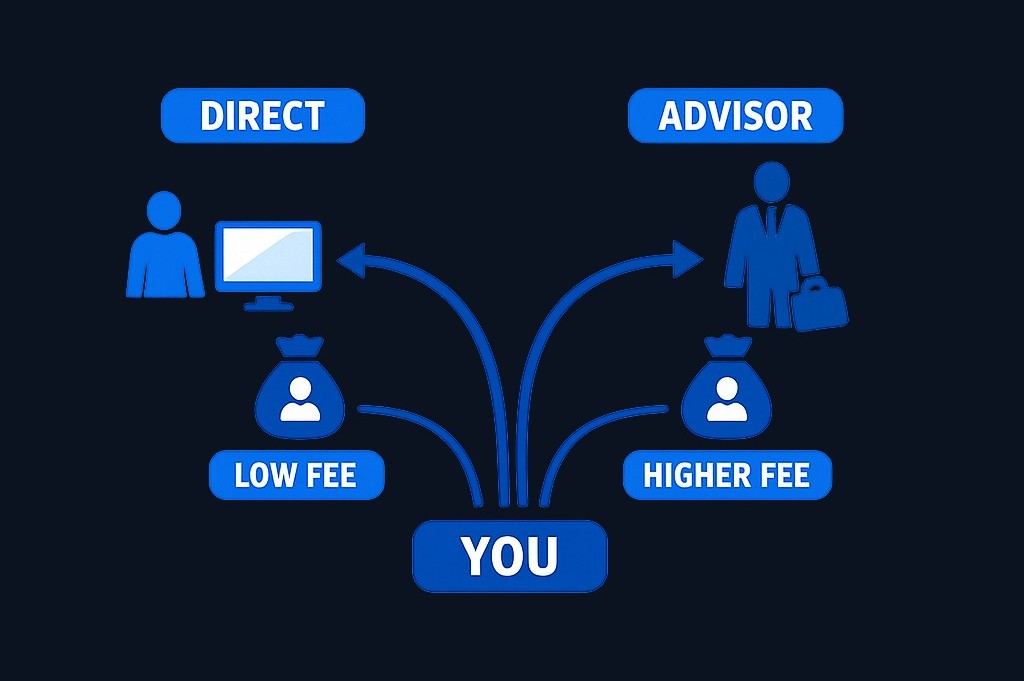
A direct-sold plan is opened directly through the plan provider or state program. You compare the plan, select investments, set contributions, and manage the account yourself. This route can fit people who are comfortable reading disclosures and making basic allocation choices.
An advisor-sold plan is opened through a financial professional. The advisor may help compare plans, choose investments, coordinate education savings with a broader financial picture, and answer questions. The tradeoff is cost. Advisor-sold plans can include advisory costs, sales loads, or other fees, so the value depends on whether the guidance is worth the added expense.
| Comparison point | Direct-sold plan | Advisor-sold plan |
|---|---|---|
| Who helps you choose? | You choose independently | A financial professional helps |
| Typical value | Lower complexity and fewer service layers | Personalized help and planning context |
| Main pricing issue | Plan and investment expenses | Plan, investment, and advisory-related costs |
| Best fit | Confident self-directed savers | Families who want guidance |
| Question to ask | "Can I manage this clearly myself?" | "What am I paying, and what service do I receive?" |
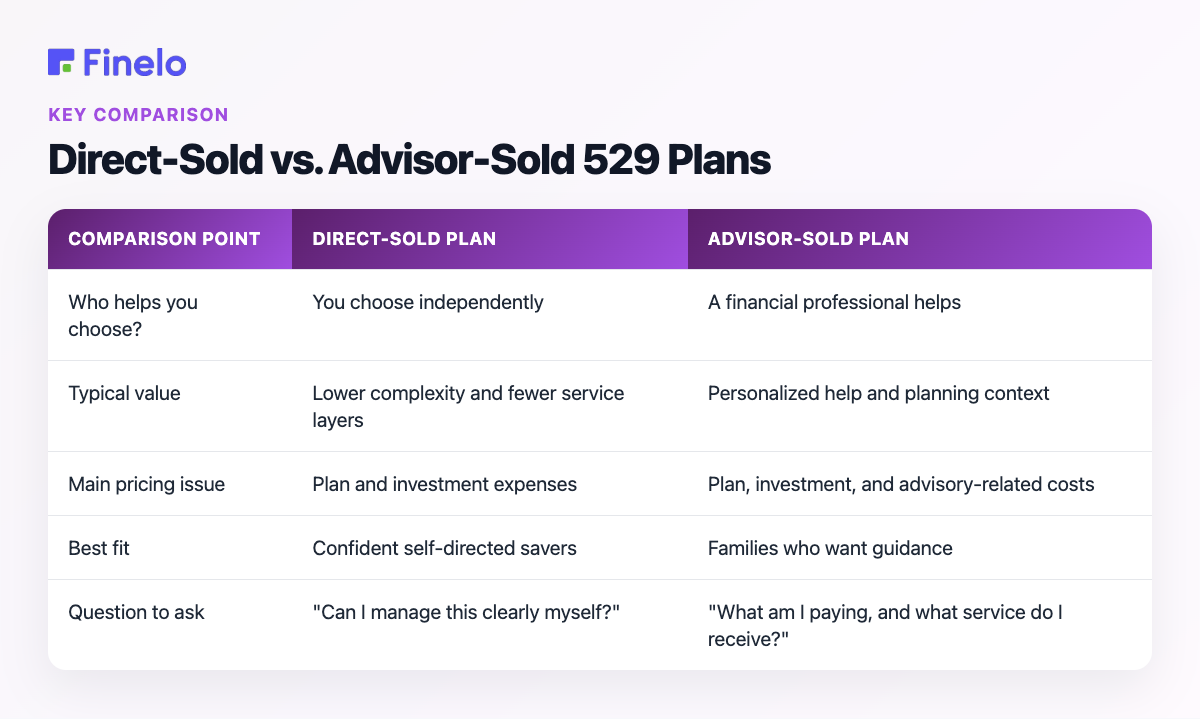
The best answer is not always "lowest fee." It is "best value for the service you actually need." If you can compare investment options, understand withdrawals, and stay organized, direct-sold may be enough. If education savings touches taxes, estate planning, multiple children, or larger family decisions, advice may be worth considering.
Practice trading with Finelo
Practice in a simulator, learn with bite-sized lessons, and build confidence before risking real money.
How to Compare Pricing, Billing, and Plan Value
Use a scorecard instead of reading one plan at a time. Put each plan beside the same criteria so you can see tradeoffs clearly.
| Criteria | Plan A | Plan B | What to check |
|---|---|---|---|
| Home-state benefit | Does your state offer a tax benefit, and does it apply to this plan? | ||
| Total costs | What plan, investment, sales, or advisory fees apply? | ||
| Investment fit | Are the options understandable and suitable for the beneficiary's timeline? | ||
| Flexibility | Can you change beneficiary, adjust investments, or move funds under plan rules? | ||
| Withdrawal clarity | Are qualified and nonqualified withdrawal rules easy to understand? | ||
| Support | Do you need self-service tools or human guidance? |
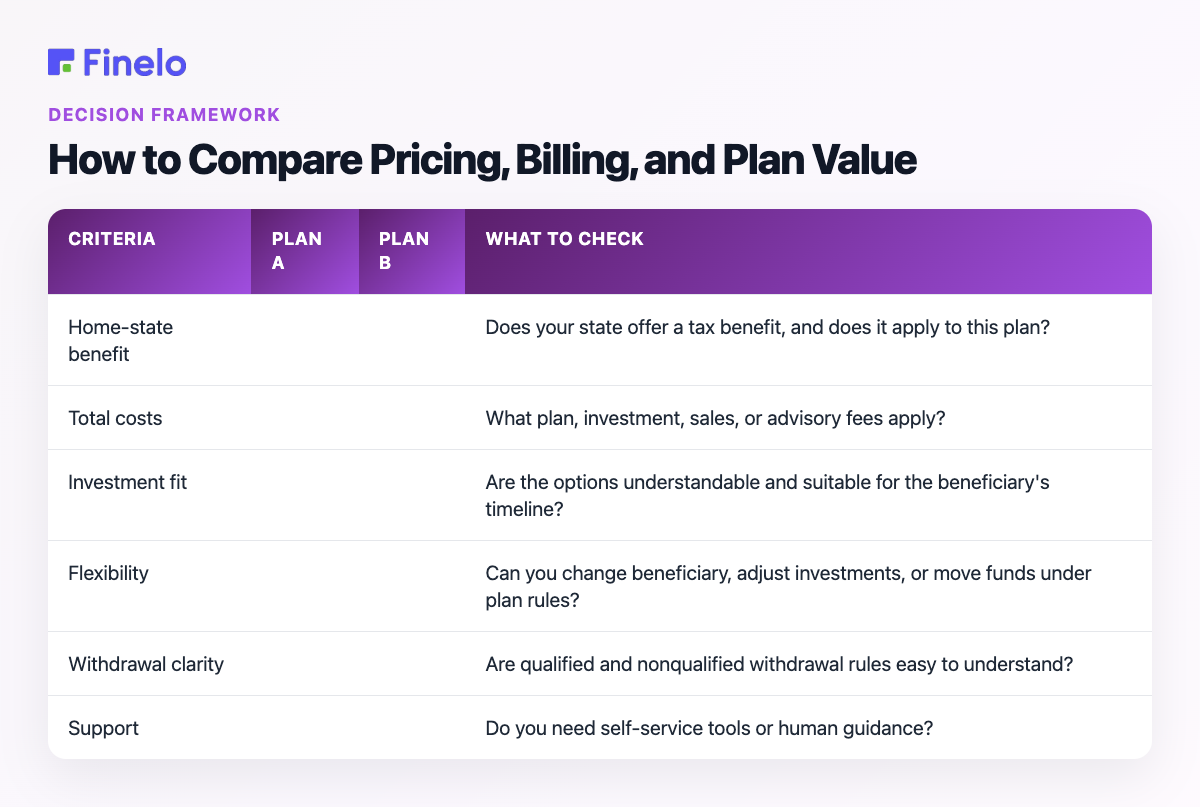
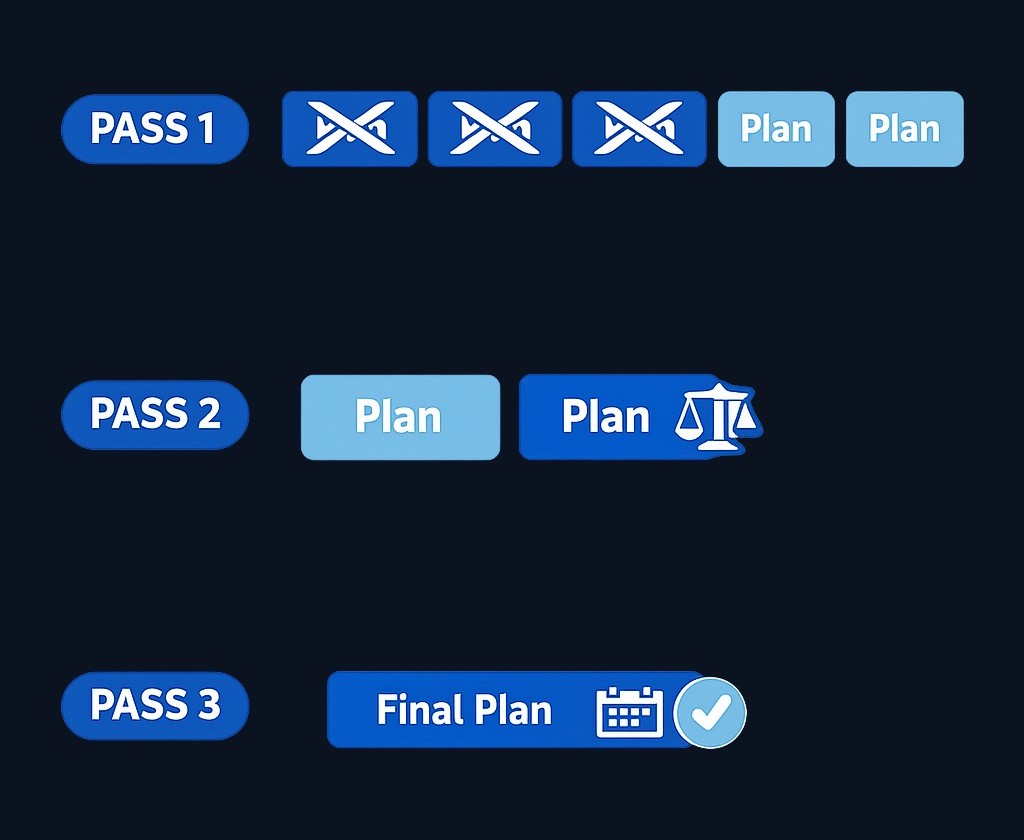
Then use a three-pass method.
First pass: remove plans you do not understand. If the fee schedule, investment menu, or withdrawal process feels unclear after reading official plan material, pause.
Second pass: compare value after costs. A state tax benefit may be useful, but weigh it against fees, investment quality, restrictions, and service. A low-cost out-of-state plan may still be worth comparing when your home-state benefit is limited or does not apply to your situation.
Third pass: match the plan to the timeline. If the beneficiary is young, you may have more time to ride out market movement. If money may be needed soon, preservation and withdrawal clarity may matter more than growth potential.
Product, Course, App, and Platform Experience
Choosing a 529 plan is partly about the account. It is also about the experience around the account: how you learn, compare, track, and make decisions. A plan may have strong investments but weak explanations. Another may have clearer tools but higher costs. Beginners should evaluate the full experience before committing.
Check whether the platform makes these tasks easy:
- Finding the fee schedule.
- Understanding investment options in plain language.
- Setting or changing contributions.
- Naming and updating a beneficiary.
- Reviewing performance without confusing short-term movement for long-term success.
- Finding withdrawal instructions.
- Getting help when a tax, billing, or account question appears.
Education matters here because 529 plans can involve unfamiliar terms. Finelo describes itself as an educational platform for trading, investing, and finance learning and says it provides education rather than trading or financial advice. That distinction matters for this decision: use education to understand questions, but rely on official plan documents and qualified professionals for plan-specific tax, legal, or account choices.
If you use a course, app, or platform to prepare, look for clear explanations of fees, risk, diversification, time horizon, and market volatility. Avoid any learning product that makes education savings feel like a shortcut to certain results. A good platform should slow the decision down and make the tradeoffs easier to see.
Real-World Style Scenarios
Imagine a family with a young child and a long runway before college. They start with their home-state plan because there may be state benefits. They also compare an out-of-state plan with lower costs. Their best value may be the plan that combines useful state treatment with an investment option they understand.
Now imagine grandparents opening an account for a grandchild. Their priorities may differ. They may care more about account control, beneficiary flexibility, gift planning, and simple account management. If larger gifts are involved, they should coordinate with qualified tax guidance before contributing.
Consider a parent whose student is close to college age. This family may care less about aggressive growth and more about keeping the money available for near-term education costs. The plan's conservative options, withdrawal process, and documentation requirements may matter more than long-term return potential.
Finally, imagine a family unsure whether the child will attend college. This does not automatically make a 529 plan wrong, but it makes flexibility more important. They should review beneficiary-change rules, rollover possibilities, nonqualified withdrawal treatment, and eligible expense rules before contributing heavily.
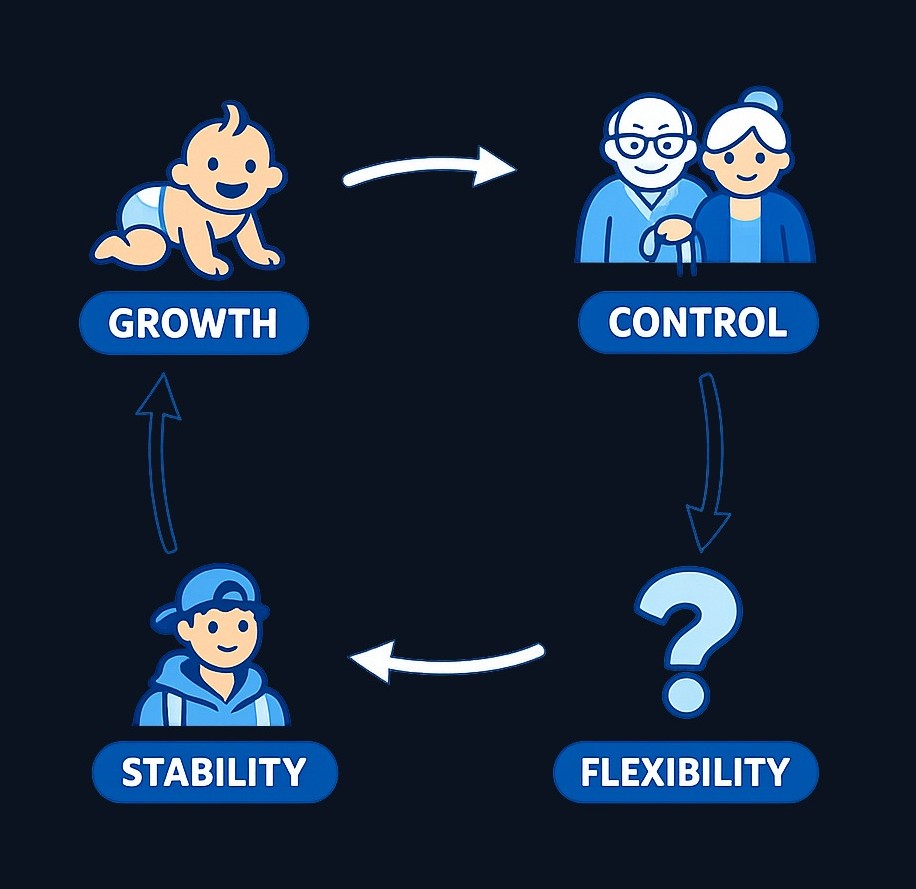
These scenarios show why the best plan is personal. The plan has to fit the saver, beneficiary, timeline, and state rules.
Next Steps
Before opening an account, gather the basic information you will likely need: account owner details, beneficiary details, bank information for contributions, and your preferred investment option.
Then follow this process:
- Start with your home-state 529 plan.
- Check whether state tax benefits apply to your situation.
- Compare direct-sold and advisor-sold options.
- Review fees and investment expenses.
- Choose an investment option that matches the beneficiary's timeline.
- Read withdrawal and eligible expense rules.
- Set a contribution plan you can maintain without straining other priorities.
Choosing a 529 plan is a value decision. Compare tax benefits, fees, investment choices, flexibility, support, and your beneficiary's timeline. The strongest choice is the plan you understand well enough to use responsibly. Read the official disclosure, verify current fees and state benefits, and choose a contribution approach that supports education savings without crowding out the rest of your financial life.
Frequently asked questions
What is a 529 plan?
A 529 plan is an education savings account used to set aside money for qualified education costs. The exact rules depend on the plan, state, and how the money is used, so review official plan documents before opening an account.
What tax benefits should I compare?
Compare whether your state offers a deduction, credit, or other benefit, whether that benefit applies only to your home-state plan, and how withdrawals are treated when used for eligible education costs. State rules vary, so verify current details with the official plan and a qualified tax professional when needed.
Can I change my investment options?
Many plans offer investment choices, but changes are governed by plan rules. Read the official disclosure before opening the account, especially if you expect to adjust investments as the beneficiary gets older.
What happens if the beneficiary does not use the money?
The answer depends on the plan rules and how the money is withdrawn or redirected. Review options such as changing the beneficiary, eligible rollovers, and nonqualified withdrawal treatment before deciding how much to contribute.
Financial LiteracyBeginnerEducation SavingsPersonal Finance
Practice trading with Finelo
Practice in a simulator, learn with bite-sized lessons, and build confidence before risking real money.
About the author
Finelo Team
The Finelo Team creates practical investing and trading education designed to help beginners learn faster with structured challenges, simulator practice, and bite-sized lessons.
Keep reading — Related articles

Financial Literacy
Mercury Books Review 2026: Is It Worth It for Startups?
Mercury Books brings double-entry accounting into Mercury. Review its $35 pricing, reports, AI features, integrations, and migration limits.
Finelo Team
Financial Literacy
Why is My FICO Score Lower Than My Credit Score?
Example takeaway: seeing a higher score in a bank app doesn’t guarantee lenders will see the same FICO number at application time; lenders often pull a specific FICO version from a specific bureau.
Finelo Team
Financial Literacy
Why Is My FICO Score Higher Than My Credit Score?
Brief educational note: this article is educational, not financial or investment advice; investing and credit decisions involve risk and possible loss.
Finelo Team


