For U.S. readers: This article discusses U.S. rules and financial products. State rules and individual eligibility may differ.
How to Report Elder Financial Abuse: A Step-by-Step Guide
Finelo provides financial education, not financial or investment advice.
6 min read
Practice trading with Finelo
Practice in a simulator, learn with bite-sized lessons, and build confidence before risking real money.
Want to learn more?
Practice in a simulator, learn with bite-sized lessons, and build confidence before risking real money.
Explore FineloExplore Finelo's 28-day challenges
Turn learning into a daily habit with guided challenge paths.
Quick answer
If you suspect elder financial abuse, immediately contact your local Adult Protective Services (APS) to file a report and call 911 or local law enforcement if the person faces immediate danger. Give dates, names, what you observed, and any transaction records you can gather; file the report even if you lack every detail. CFPB reporting guide
Finelo provides financial education, not financial or investment advice.
What to know before deciding
Before you act, know these practical points so you choose the right first step.
- Anyone can report. Family, neighbors, bank staff, and concerned bystanders may file a report with APS or law enforcement.
- You do not need every fact. APS and investigators expect incomplete reports; provide what you can and they will follow up.
- APS is a state or county program. Names and exact rules vary by state; APS handles reports about abuse, neglect, and exploitation of older adults and adults with disabilities.
- Use 911 for immediate danger. If the person is at risk right now or a crime is in progress, call local law enforcement first.
Practical note: keep calm, document facts, and avoid confronting suspected abusers in a way that could escalate danger.
Recognizing the Signs of Financial Abuse
Knowing common warning signs helps you spot possible exploitation sooner.
- Sudden bank withdrawals, transfers, or unexplained missing money.
- New people handling finances or appearing on account records without a clear reason.
- Unpaid bills despite available funds, or sudden changes to wills, titles, or powers of attorney.
- Isolation, pressure to sign documents, or gifts and transfers that don’t match the elder’s prior behavior.
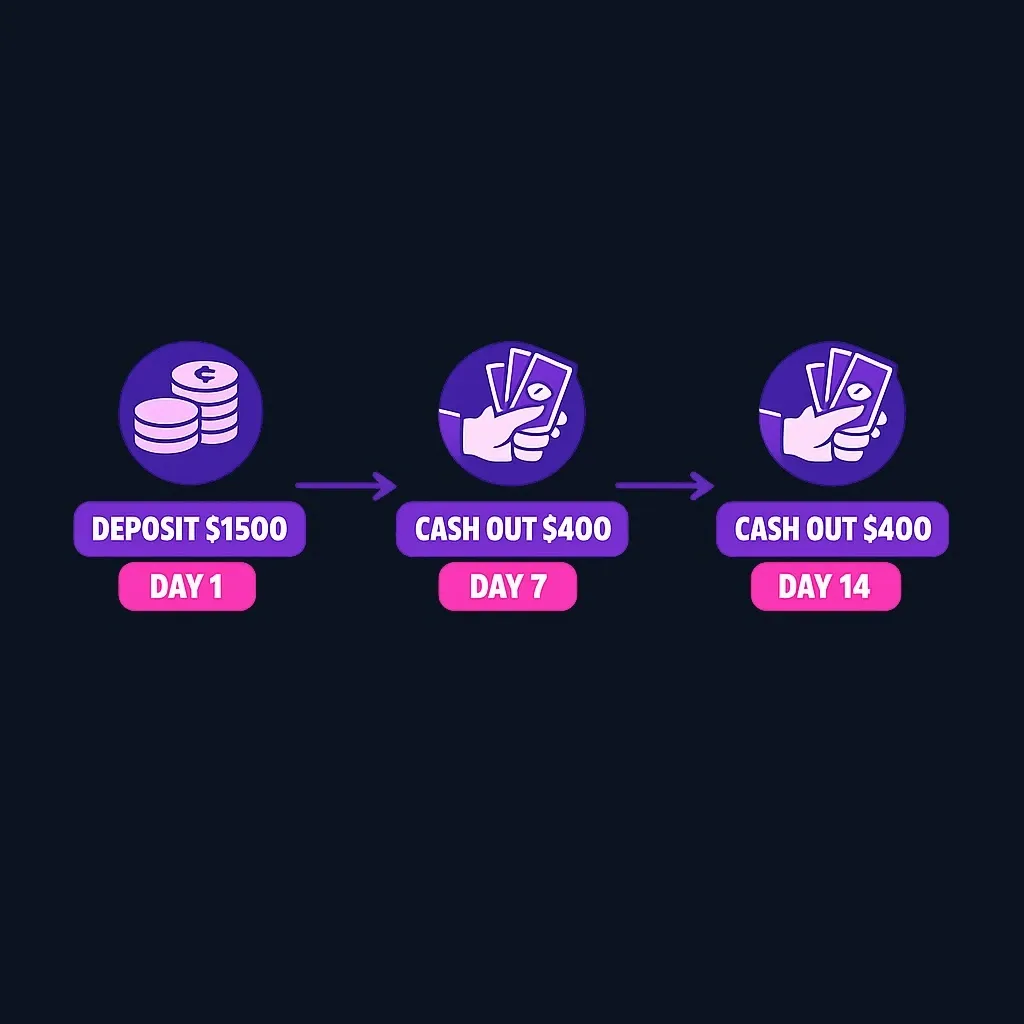
Illustrative example: a regular pension deposit posts but someone you don’t know withdraws cash weekly; logging those dates and amounts gives APS and investigators a clear starting point.
Steps to Report Elder Financial Abuse
Follow these practical steps so your report is useful and timely.
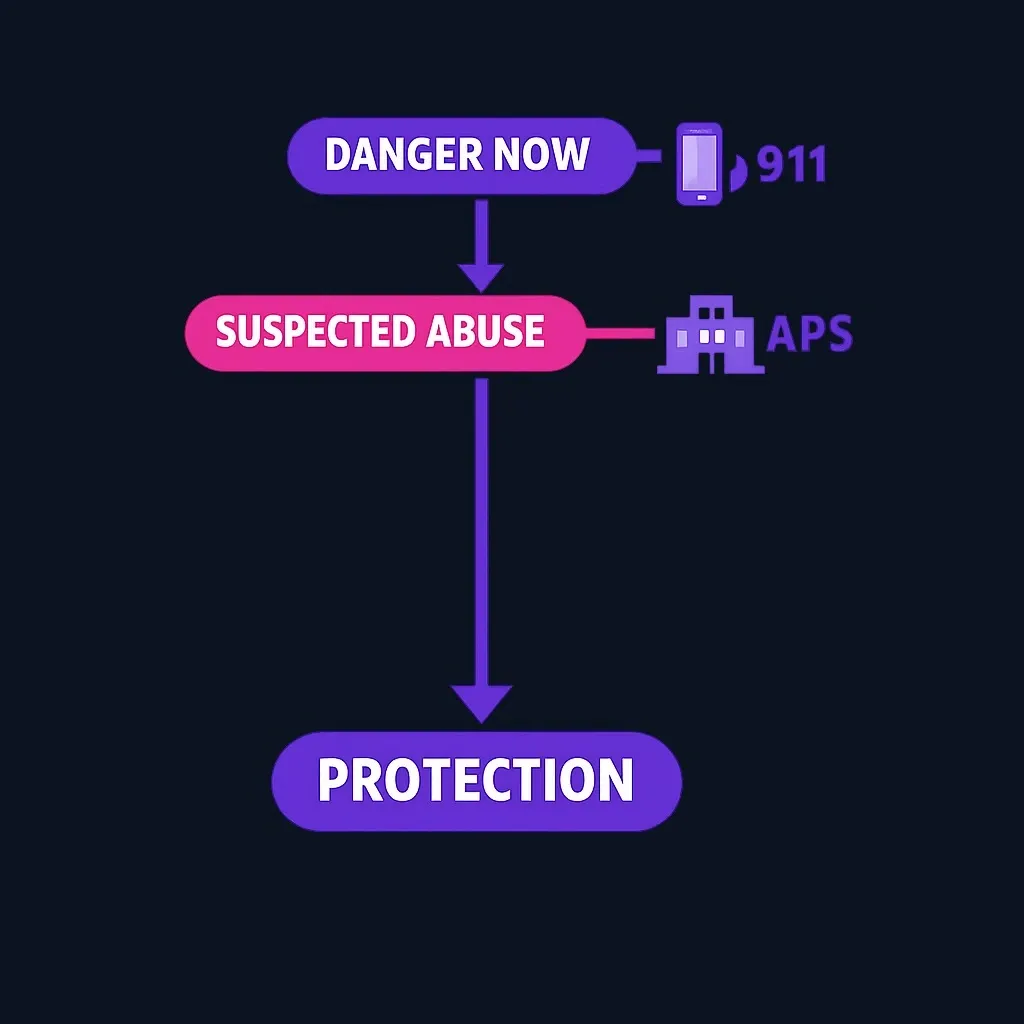
1. Assess urgency
If the elder is in immediate danger or a crime appears to be underway, call 911 or local police right away. Otherwise, prepare to contact APS.
2. Collect what you can
Gather dates, amounts, locations, names of involved people and witnesses, and any documents—statements, letters, canceled checks, or emails. Even partial records matter.
3. File the report with APS
Contact your state or county APS office to submit the report. APS programs handle reports about exploitation and will triage the case. If you don’t know the local APS number, your state’s aging services website or local government switchboard can help.
4. Provide clear, chronological details
Describe who, what, when, where, and why. Note the elder’s health or cognitive issues that may affect decision-making. Be factual and concise—investigators use this to plan next steps.
5. Follow referrals and preserve evidence
APS may refer the case to law enforcement, banks, elder‑law attorneys, or local aging services to protect funds and arrange support. Preserve originals and make copies for investigators.
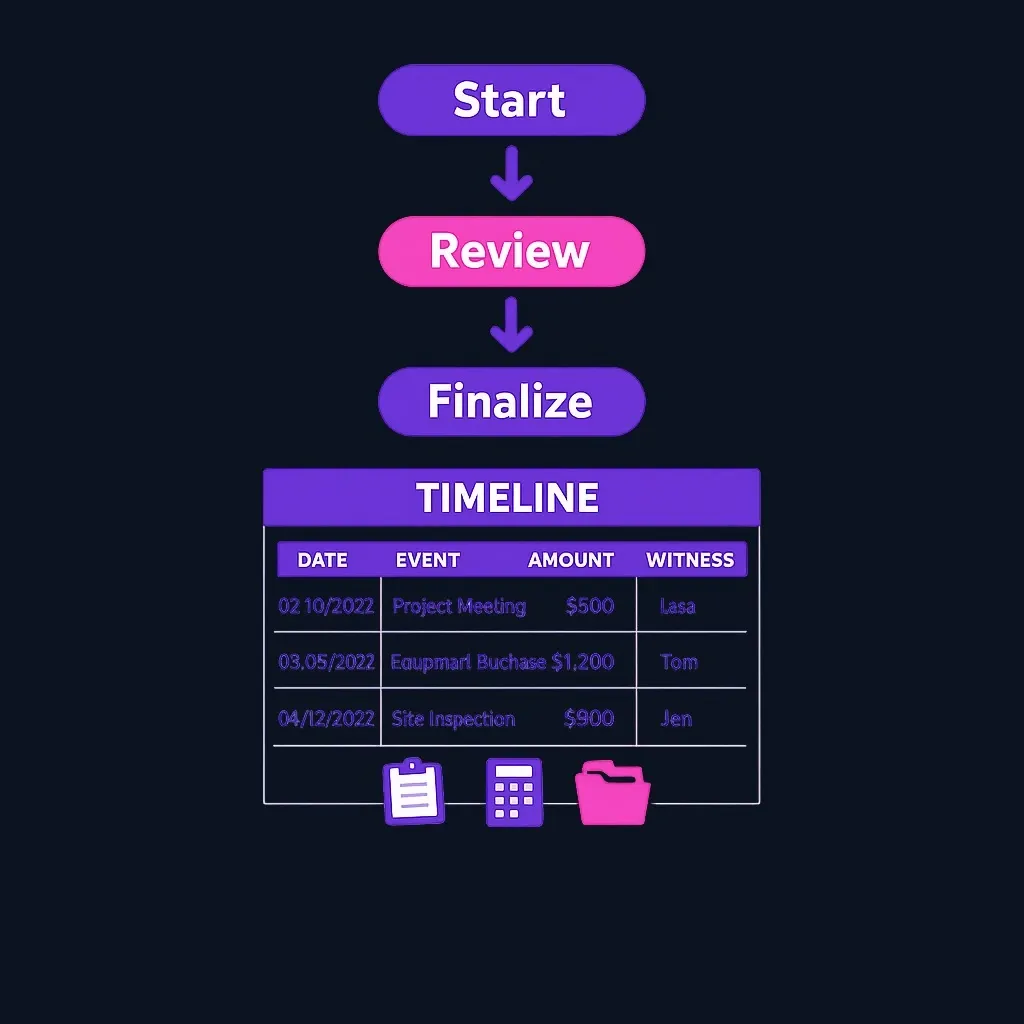
Practical tip: create a one-page timeline of suspicious events and attach supporting documents—this speeds investigations.
Practice trading with Finelo
Practice in a simulator, learn with bite-sized lessons, and build confidence before risking real money.
Checklist: What to include when you report
| What to collect | Why it helps investigators |
|---|---|
| Time, date, and location of incidents | Establishes when and where abuse occurred |
| Names of involved people and witnesses | Identifies possible perpetrators and corroborators |
| Description of the suspected financial abuse | Shows type and pattern of exploitation |
| The elder’s health or cognitive issues | Clarifies vulnerability and decision-making ability |
| Whether there is urgent risk of danger | Determines need for immediate protective action |
(These items follow the Consumer Financial Protection Bureau’s reporting guidance.)
Resources for Reporting and Support
When you report, these partners commonly help protect the elder and recover assets.
- Adult Protective Services (APS): the central place to start reporting and triage suspected elder financial abuse.
- Local law enforcement: for criminal conduct or immediate threats.
- Financial institutions’ fraud departments, elder‑law attorneys, and local aging services: APS often refers cases to these partners to freeze accounts, pursue legal remedies, or arrange supports.
If you are unsure where to start, calling your state APS office is an effective first step; they can route the case to the right local service.
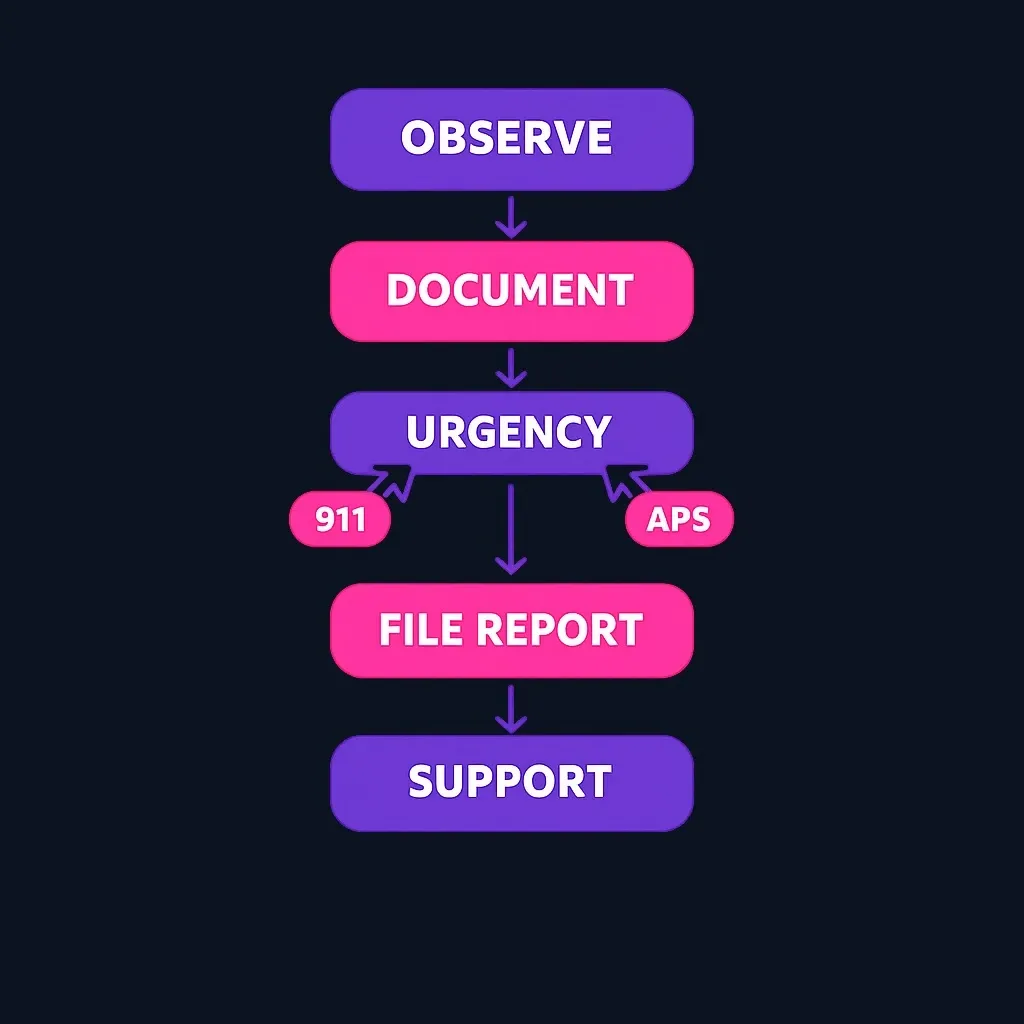
Decision framework
Use this short checklist when deciding whether and how to report.
- Observe: note specific financial actions, account changes, or pressured legal changes.
- Document: make a dated timeline and gather receipts, statements, and witness names.
- Urgency: call 911 for immediate threats; otherwise contact APS to open an abuse report.
- Act: file with APS, share your documentation, and preserve originals.
- Support: follow referrals from APS—banks, attorneys, and community services can lock accounts or provide care.
This framework helps you act quickly while giving investigators clear information.
FAQ
What is elder financial abuse?
Elder financial abuse is taking, using, or coercing an older adult’s money or property without proper consent, including theft, fraud, or pressured changes to legal or financial documents. APS and law enforcement can investigate suspected exploitation.
How do I know if someone is being financially abused?
Watch for unexplained withdrawals or transfers, missing assets, sudden changes to documents or caregivers, unpaid bills despite available funds, or isolation tied to money. Document specific dates, amounts, and witnesses and report concerns to APS or law enforcement.
Can I report elder financial abuse anonymously?
Reporting rules vary by state and by the reporting channel. The Consumer Financial Protection Bureau advises filing reports even if you lack full information; contact your local APS to ask about anonymity options before filing.
What happens after I report elder financial abuse?
APS or law enforcement will review and may investigate. They can contact the elder, review records, and coordinate referrals to banks or attorneys. Initial reports trigger formal review and possible protective actions.
Conclusion and Next Steps
If you suspect elder financial abuse, document what you can, contact your local APS to file a report, and call law enforcement for emergencies. Preserve records and share updates with investigators. For more general guidance and educational resources, visit the Finelo Blog: Finelo Blog.
Financial LiteracyFinancial Education
Practice trading with Finelo
Practice in a simulator, learn with bite-sized lessons, and build confidence before risking real money.
About the author
Finelo Team
The Finelo Team creates practical investing and trading education designed to help beginners learn faster with structured challenges, simulator practice, and bite-sized lessons.
Keep reading — Related articles

Financial Literacy
Mercury Books Review 2026: Is It Worth It for Startups?
Mercury Books brings double-entry accounting into Mercury. Review its $35 pricing, reports, AI features, integrations, and migration limits.
Finelo Team

Financial Literacy
Why is My FICO Score Lower Than My Credit Score?
Example takeaway: seeing a higher score in a bank app doesn’t guarantee lenders will see the same FICO number at application time; lenders often pull a specific FICO version from a specific bureau.
Finelo Team

Financial Literacy
Why Is My FICO Score Higher Than My Credit Score?
Brief educational note: this article is educational, not financial or investment advice; investing and credit decisions involve risk and possible loss.
Finelo Team


