For U.S. readers: This article discusses U.S. rules and financial products. State rules and individual eligibility may differ.
Is a Debit Card a Checking or Savings Account?
Practical tip: Treat a debit card like an extension of whichever account it’s linked to.
7 min read
Practice trading with Finelo
Practice in a simulator, learn with bite-sized lessons, and build confidence before risking real money.
Want to learn more?
Practice in a simulator, learn with bite-sized lessons, and build confidence before risking real money.
Explore FineloExplore Finelo's 28-day challenges
Turn learning into a daily habit with guided challenge paths.
Quick answer
A debit card is not an account itself — it’s a payment tool that draws on the funds in one of your deposit accounts, usually a checking or, in some cases, a savings account. The FDIC explains that debit cards let you spend funds that are in your checking or savings account FDIC – Deposit Accounts. Finelo provides financial education, not financial or investment advice.
What to know before deciding
What is a debit card?
A debit card is a plastic or digital card issued by your bank or credit union that lets you pay merchants or withdraw cash by accessing money you already have in a linked deposit account. Per the FDIC, using a debit card means you are spending funds that exist in your checking or savings account at the time of the transaction.
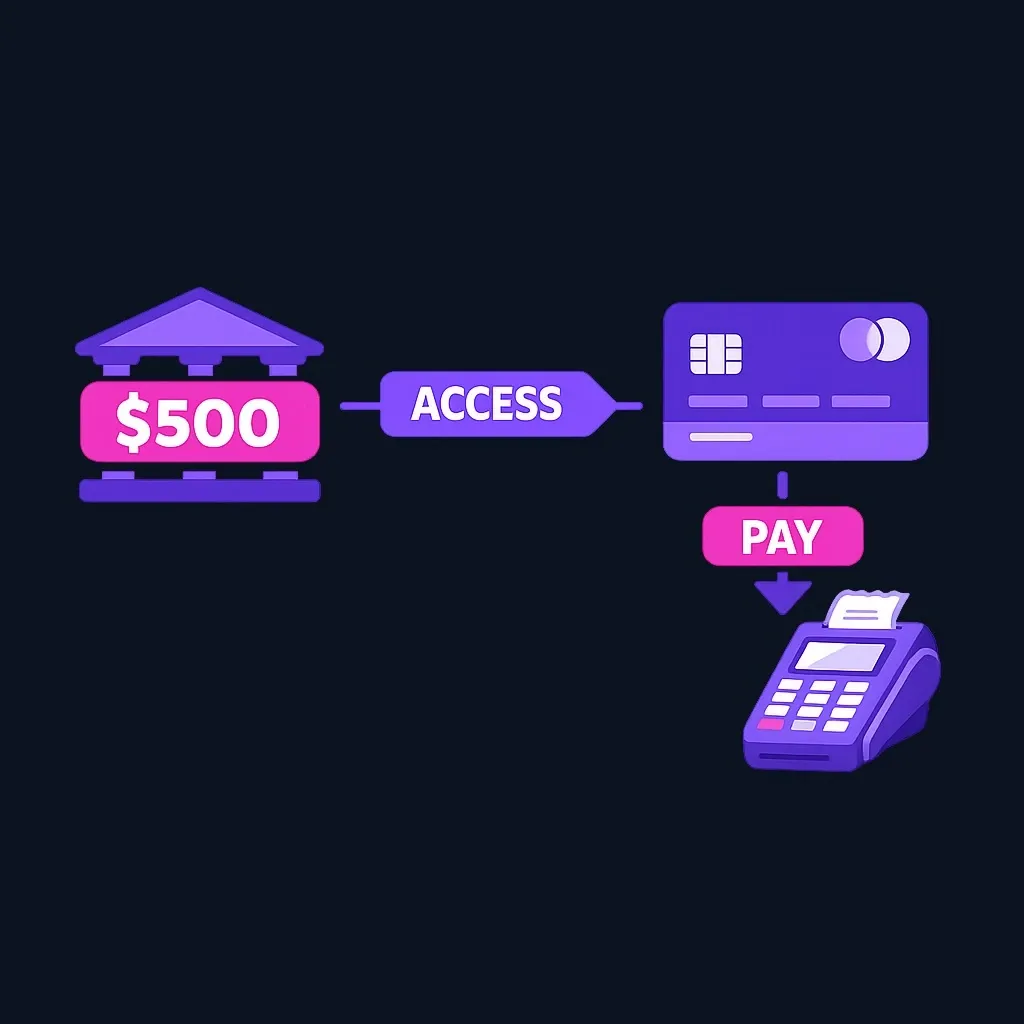
Practical tip: Treat a debit card like an extension of whichever account it’s linked to. If the account balance is low, purchases will fail or trigger bank policies (for example, overdraft handling) set by your bank.
Understanding checking accounts
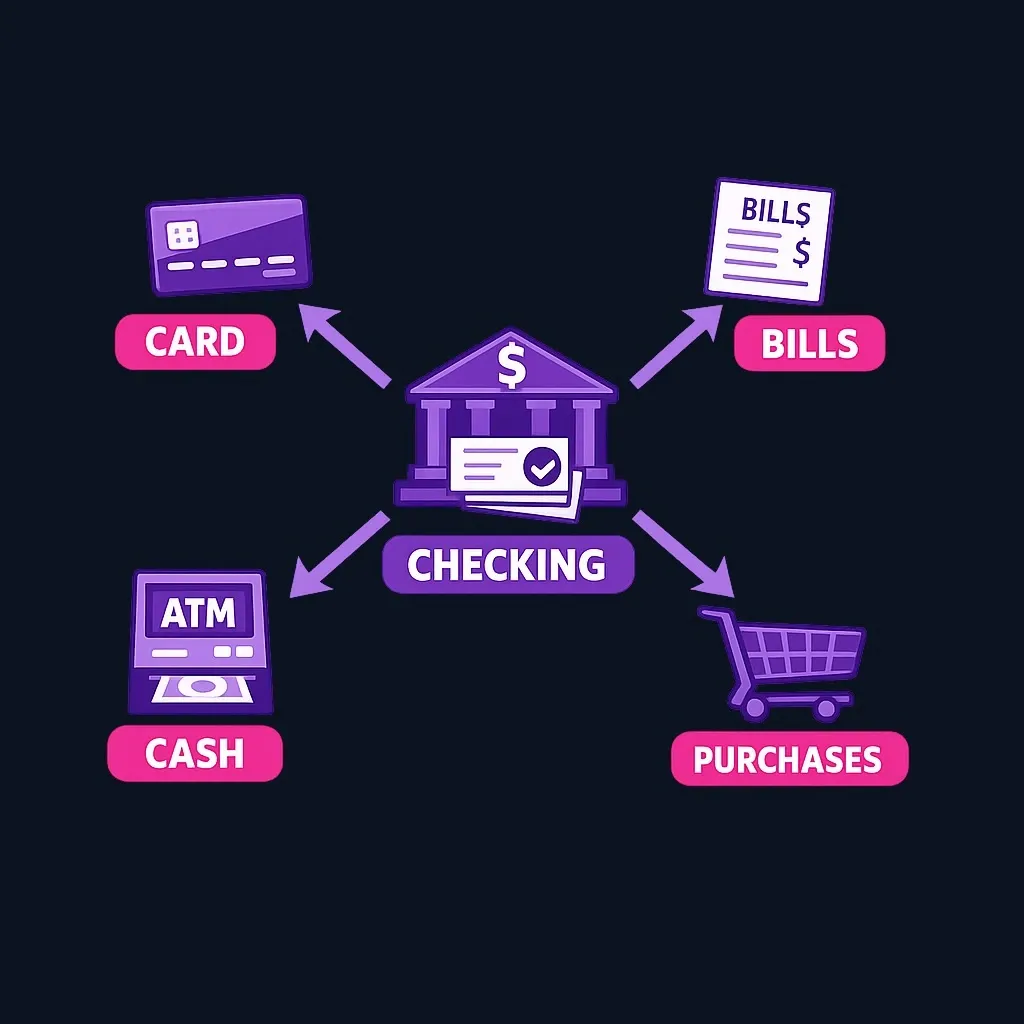
A checking account is the deposit account most banks design for frequent access: everyday payments, bill pay, direct deposits, ATM withdrawals, and debit-card spending. Because checking accounts are built for transactional use, most people link their debit cards to checking for day-to-day purchases and withdrawals. Before relying on one account for most activity, check your bank’s fee schedule and account rules.
Understanding savings accounts
Savings accounts are deposit accounts intended primarily for holding money and (in many cases) earning interest. Banks may impose limits or different rules on transfers or withdrawals from savings accounts compared with checking. Because savings accounts are designed for fewer withdrawals, people commonly keep longer-term savings separate from the account they use for daily spending.
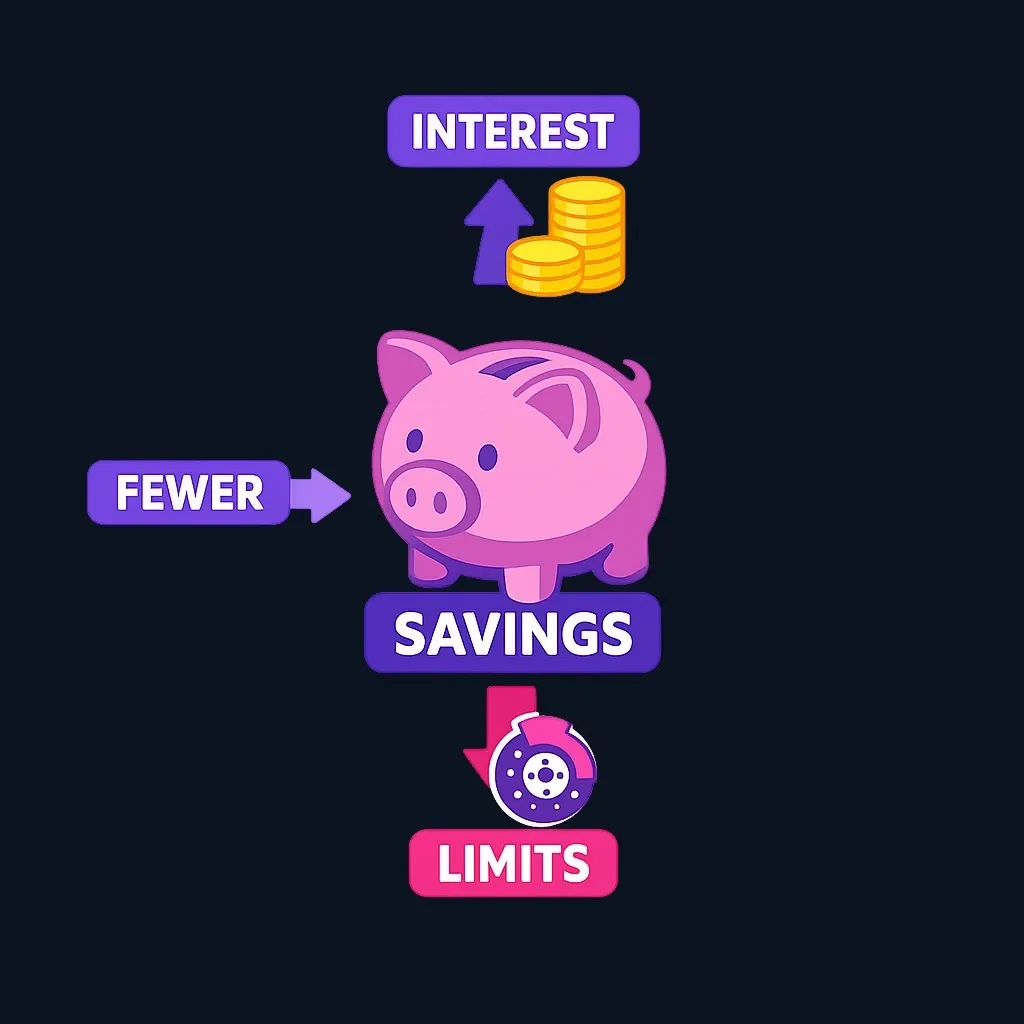
Comparison table: checking vs. savings (and debit-card use)
Key differences between checking and savings accounts
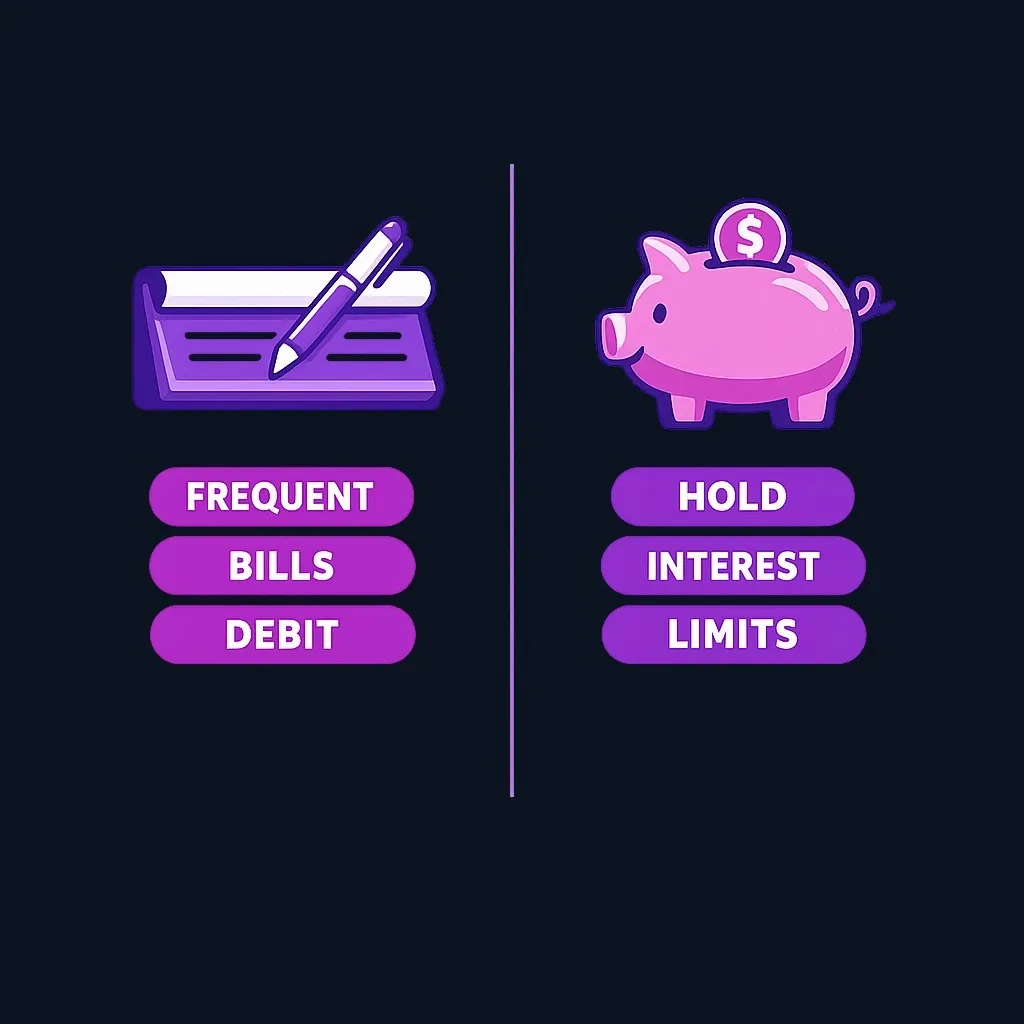
| Feature / question | Checking account | Savings account | Debit-card linkage |
|---|---|---|---|
| Everyday purchases and ATM access | Designed for frequent transactions | Intended for holding money; less frequent access | A debit card spends funds from the linked account |
| Typical primary use | Day-to-day spending and bill payments | Saving, emergency funds, or goals | Used to access funds in checking or sometimes savings |
| Interest | May offer little or no interest (varies by bank) | Often structured to earn interest (varies by bank) | Card use does not change whether an account earns interest; interest terms come from the account, not the card |
| Bank rules to verify | Check monthly fees, minimum balances, and overdraft options | Check withdrawal/transfer rules and interest terms | Verify which account the card accesses and whether secondary accounts are linked |
Note: The FDIC confirms that debit cards spend money from your checking or savings account. Always check your bank’s terms for exact interest rates, limits, and fees.
Can a debit card be linked to a savings account?
Can a Debit Card Be Linked to a Savings Account?
Yes — in practice, some banks permit a debit card to access a savings account directly or allow a savings account to be a funding source through automatic transfers. Because policies vary, confirm with your bank which accounts your debit card can access and whether extra rules apply for savings withdrawals. The FDIC’s summary of deposit accounts clarifies that debit-card transactions draw from checking or savings funds.
Practical implications:
- If your debit card is linked to a savings account, frequent card use may interact with any transfer/withdrawal rules your bank enforces.
- If you prefer to protect savings from everyday spending, link the debit card to your checking account and keep savings in a separate account.
Practice trading with Finelo
Practice in a simulator, learn with bite-sized lessons, and build confidence before risking real money.
Decision framework
Use this short checklist to decide whether to use checking or savings with your debit card.
- Purpose: Will the account be used for daily spending and bills? If yes, favor checking.
- Liquidity vs. protection: Do you want easy access (checking) or to discourage frequent withdrawals (savings)? Choose accordingly.
- Fees and rules: Confirm monthly fees, minimum balances, overdraft policies, and any withdrawal limits before linking a debit card.
- Interest: If earning interest on idle cash matters, compare the net benefit after any account fees — remember interest terms come from the account, not the card.
- Security and backups: Ask whether your bank lets you link a backup account for declines or overdraft coverage, and read the disclosure on how such transfers work.
Practical example: If you want a single account for payroll deposit, rent, groceries, and occasional savings, a checking account linked to a debit card usually fits. If you aim to accumulate an emergency fund that you rarely touch, keep it in a savings account separate from the debit-card account.
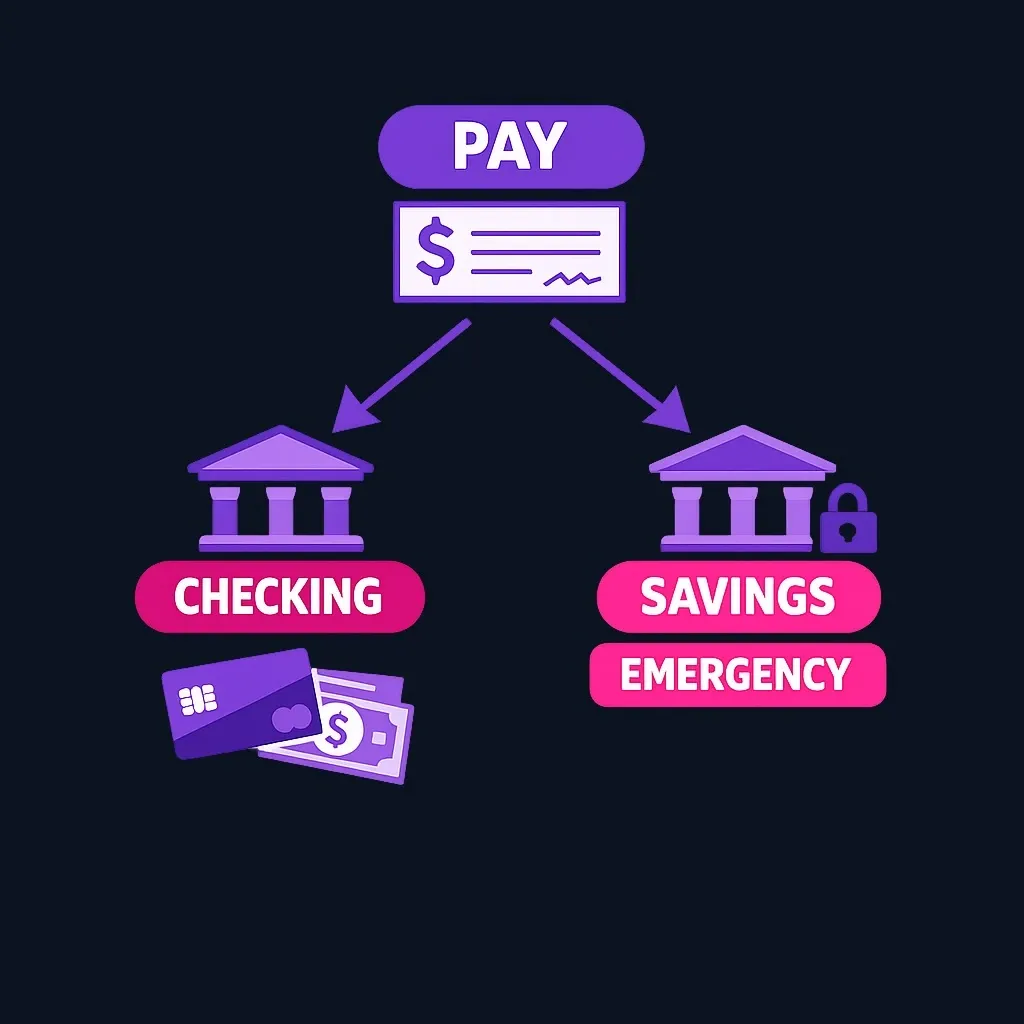
Practical considerations for using debit cards
Practical considerations for using debit cards
- Budgeting: Use a dedicated checking account for recurring bills and daily spending; sweep surpluses to savings to reduce accidental spend. A simple rule is to allocate paychecks to separate accounts for bills, spending, and savings.
- Tracking: Link your bank’s mobile app to categorize transactions and set alerts for low balances. Most banks provide transaction histories that make budgeting easier.
- Fraud protection: Treat lost or stolen debit cards as urgent — report to your bank immediately. Many banks offer limited liability for unauthorized transactions if you report them quickly, but exact protections and timelines vary by institution. Check your bank’s fraud and zero-liability policies before you need them.
- Overdraft and backup coverage: Learn whether your bank applies overdraft fees, declines transactions, or shifts funds from a linked account when balances run low. These are bank-specific policies; read your account disclosures.
FAQ
Is a debit card the same as a checking account?
No. A debit card is a payment method that accesses money in a deposit account; it is not an account itself. The FDIC states debit cards let you spend funds that are in your checking or savings account.
Can I use a debit card with a savings account?
Some banks permit debit-card access to savings accounts or allow transfers from savings to cover debit transactions. Because practices vary, confirm directly with your bank which accounts your debit card can access and what limits may apply.
What happens if I try to spend more than I have?
Banks handle shortages differently: they may decline the transaction, transfer from a linked account, or allow it and apply overdraft fees. These are bank-specific policies — check your account disclosures for details on overdrafts and linked-account coverage.
Are there fees associated with debit cards?
Fees depend on your bank and your account terms (monthly maintenance, ATM fees, overdraft fees, foreign transaction fees, etc.). Review your bank’s fee schedule before relying on a debit card for frequent purchases.
Conclusion
A debit card is a payment tool that accesses funds in a linked deposit account — most commonly a checking account, but sometimes a savings account — as the FDIC notes. To choose the right setup, match the account’s purpose (daily spending vs. saving), check fees and rules, and confirm how your bank links cards and handles overdrafts. For more on managing accounts and budgeting with cards, visit Finelo for educational resources: Finelo Blog.
Financial LiteracyFinancial Education
Practice trading with Finelo
Practice in a simulator, learn with bite-sized lessons, and build confidence before risking real money.
About the author
Finelo Team
The Finelo Team creates practical investing and trading education designed to help beginners learn faster with structured challenges, simulator practice, and bite-sized lessons.
Keep reading — Related articles

Financial Literacy
Mercury Books Review 2026: Is It Worth It for Startups?
Mercury Books brings double-entry accounting into Mercury. Review its $35 pricing, reports, AI features, integrations, and migration limits.
Finelo Team
Financial Literacy
Why is My FICO Score Lower Than My Credit Score?
Example takeaway: seeing a higher score in a bank app doesn’t guarantee lenders will see the same FICO number at application time; lenders often pull a specific FICO version from a specific bureau.
Finelo Team
Financial Literacy
Why Is My FICO Score Higher Than My Credit Score?
Brief educational note: this article is educational, not financial or investment advice; investing and credit decisions involve risk and possible loss.
Finelo Team