Here's a puzzle for you. On Monday, Johnson & Johnson announced it would pay an estimated $5.5 billion to settle roughly 76,000 lawsuits over its talc-based baby powder — and an attorney who helped negotiate the deal for plaintiffs estimated the final bill could reach $7 billion or more.
Johnson & Johnson Agreed to Pay $5.5 Billion. Its Stock Went UP. Here's Why That's Not Crazy.
J&J will pay an estimated $5.5 billion to settle decades of talc lawsuits — and its stock rose on the news. The reason teaches one of the most important lessons in investing: markets fear uncertainty more than bad news.
5 min read
Practice trading with Finelo
Practice in a simulator, learn with bite-sized lessons, and build confidence before risking real money.
Want to learn more?
Practice in a simulator, learn with bite-sized lessons, and build confidence before risking real money.
Explore FineloExplore Finelo's 28-day challenges
Turn learning into a daily habit with guided challenge paths.
J&J's stock went up about 1%.
If markets punished companies for writing big checks, that makes no sense. But markets don't price bad news the way most people expect — and this little paradox is one of the best free lessons investing ever offers.
This article is for information and education only and is not financial advice. Nothing here is a recommendation to buy, sell, or hold any security.
The quick facts
The settlement, reported by Reuters, would resolve nearly all remaining claims that J&J's talc products caused ovarian cancer — litigation that has shadowed the company for a decade. It needs acceptance from 95% of the claimants to become final, so it isn't done yet. J&J expects to pay about $3 billion in 2027 with further payments in 2028, and the deal assigns values per claim rather than capping the total. The company continues to deny the products caused cancer and says it settled to "get closure."
(One respectful note: behind the market mechanics are tens of thousands of women with ovarian cancer claims. The settlement is, first, a resolution for them. Our subject here is narrower — what the market's reaction teaches.)
The lesson: markets hate uncertainty more than they hate costs
For ten years, anyone valuing J&J had to price an unanswerable question: what will the talc litigation ultimately cost? $2 billion? $20 billion? More? Nobody — including J&J — knew. Analysts call this an overhang: a risk of unknown size that sits on a stock and quietly discounts it year after year. Investors don't just dislike losses; they dislike unmeasurable ones, and they pay less for any company carrying one.
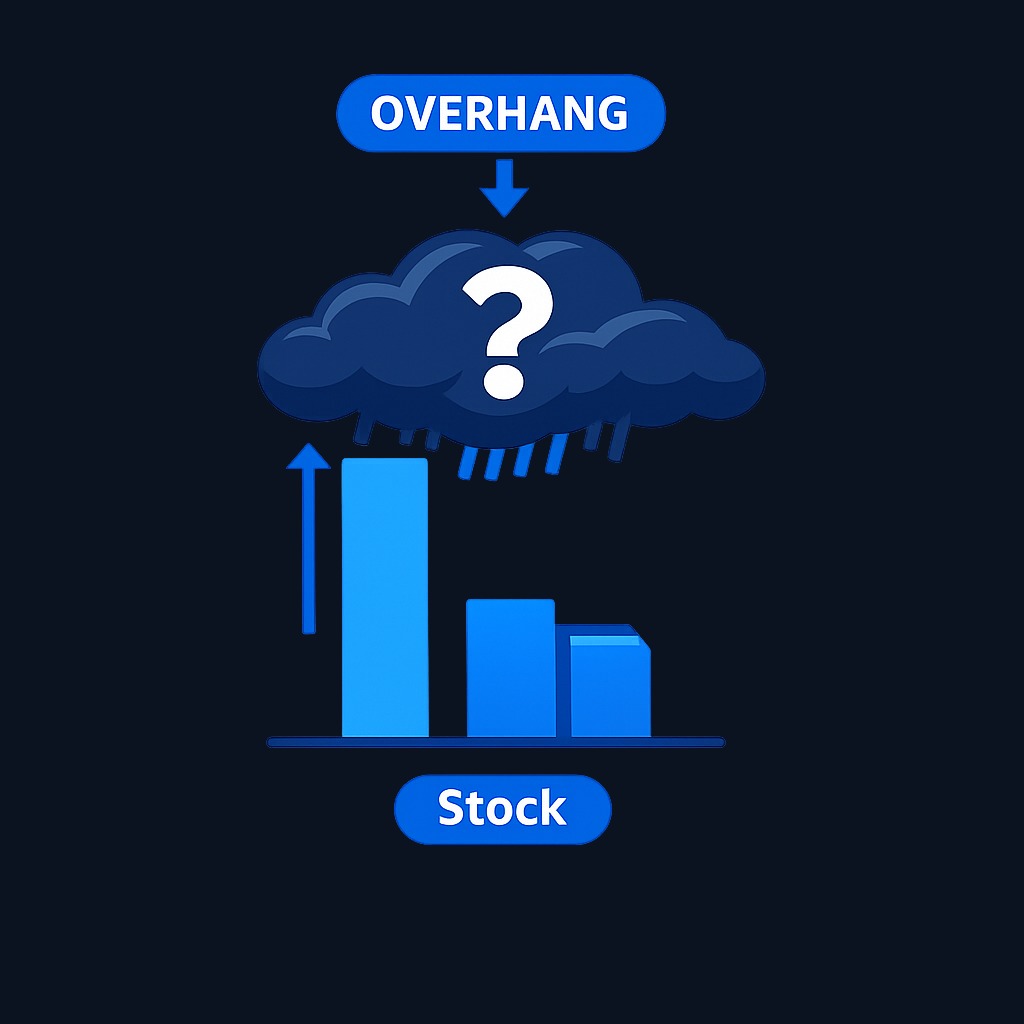
Monday's settlement converted an unknowable number into a known one: roughly $5.5–7 billion, paid on a schedule, by a company that generates over $20 billion in yearly profit. Painful? Yes. Survivable and plannable? Absolutely. The moment the question mark became a number, the discount attached to the question mark disappeared — and the stock rose despite the bill, because certainty itself has value.
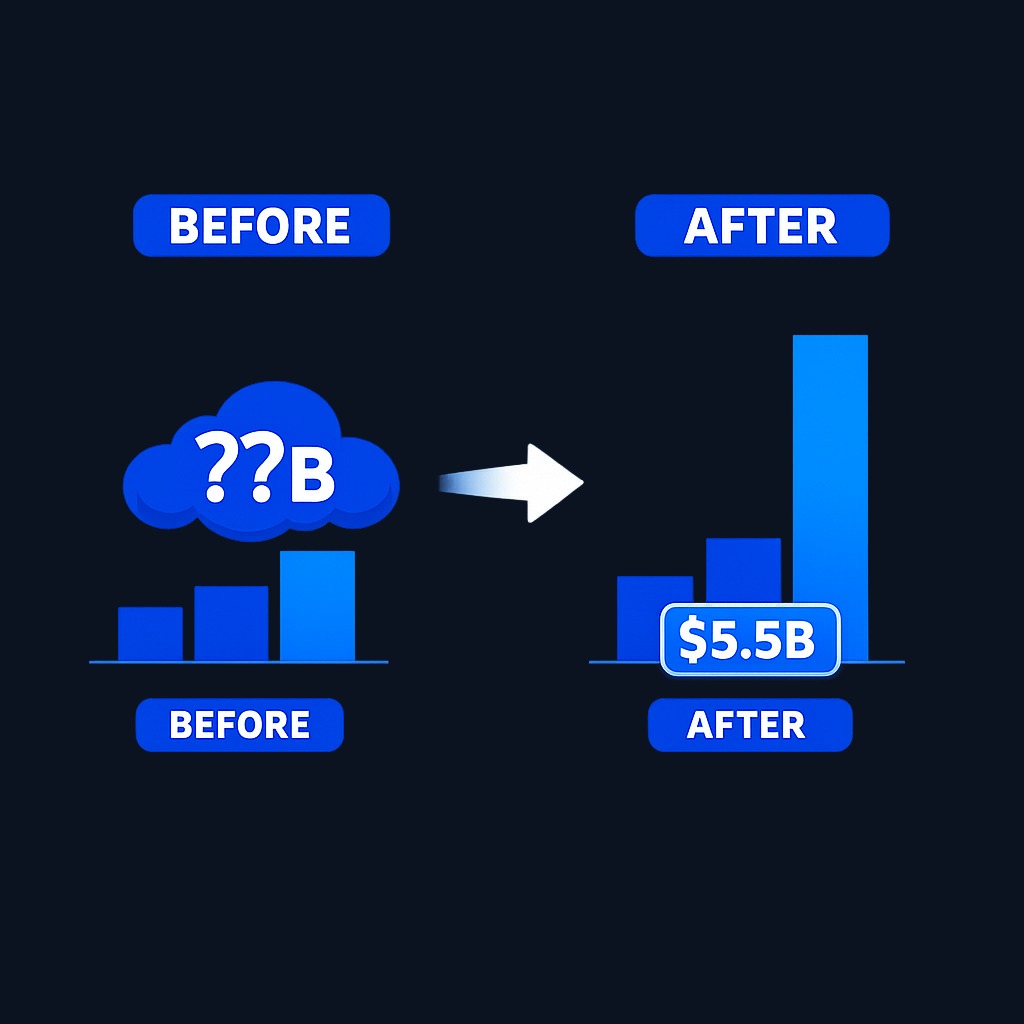
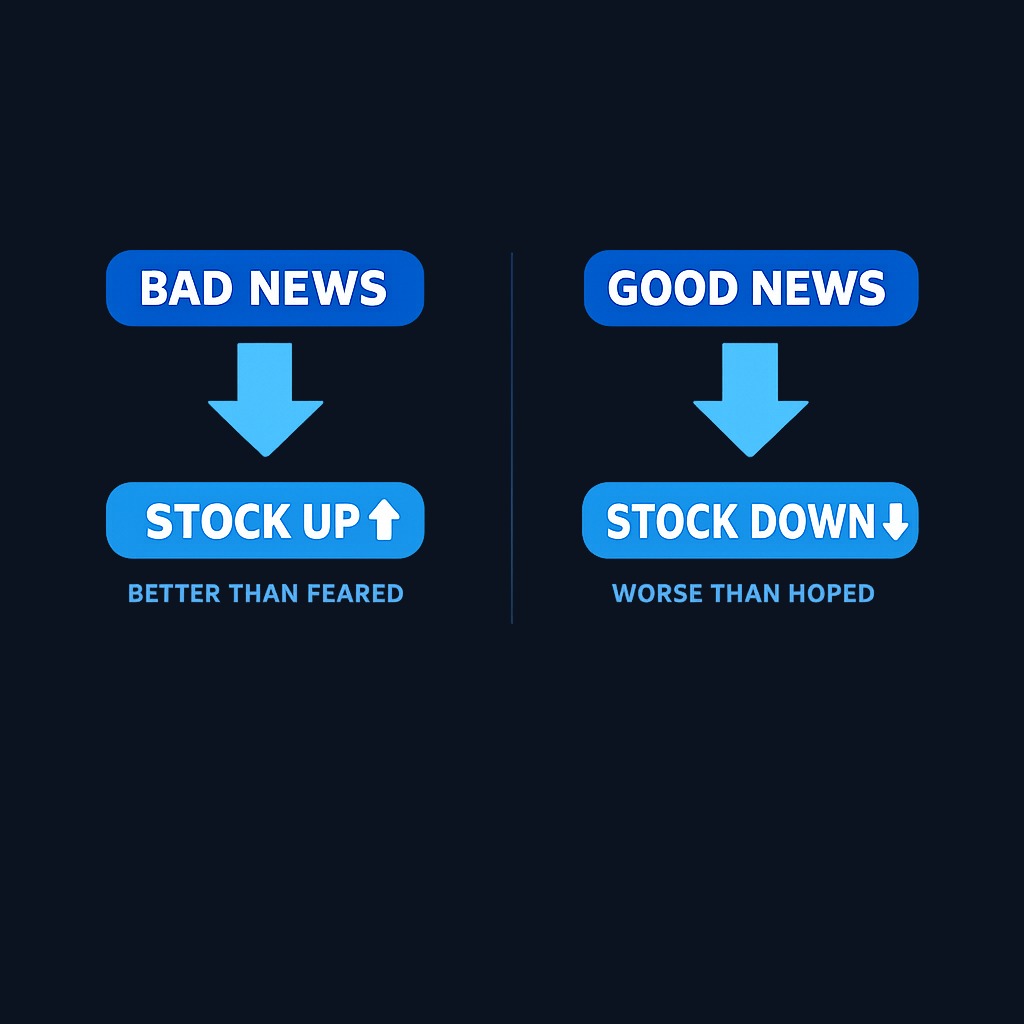
There's a second ingredient: expectations. Markets had long assumed J&J would eventually pay something large; estimates in past years ran well above this figure. A $5.5 billion settlement, arriving after J&J had strung together courtroom wins, landed better than feared. In markets, "better than feared" and "good" trade almost identically.
Practice trading with Finelo
Practice in a simulator, learn with bite-sized lessons, and build confidence before risking real money.
Where else you'll see this pattern
Once you know the shape, you'll spot it everywhere: a company misses earnings but jumps because guidance was "less bad" than expected; a CEO under investigation resigns and the stock rallies on the exit; a firm takes a huge one-time write-off and rises because the cleanup is finally behind it. In every case the news sounds negative, but it resolves an uncertainty the price was already braced for.
The mirror image is just as important: genuinely good news can sink a stock if investors expected even better. Price isn't a verdict on the event; it's a verdict on the event versus expectations.
Why this matters to YOU
Don't trade the news literally. "Company to pay billions" is not automatically a sell signal, and "record quarter" is not automatically a buy signal. The question is always: what was already priced in?
Overhangs explain "cheap" stocks. Some stocks look like bargains precisely because they carry an unresolved question mark. Sometimes resolving it unlocks value; sometimes the answer is worse than feared. Cheapness with an overhang is a wager, not a discount.
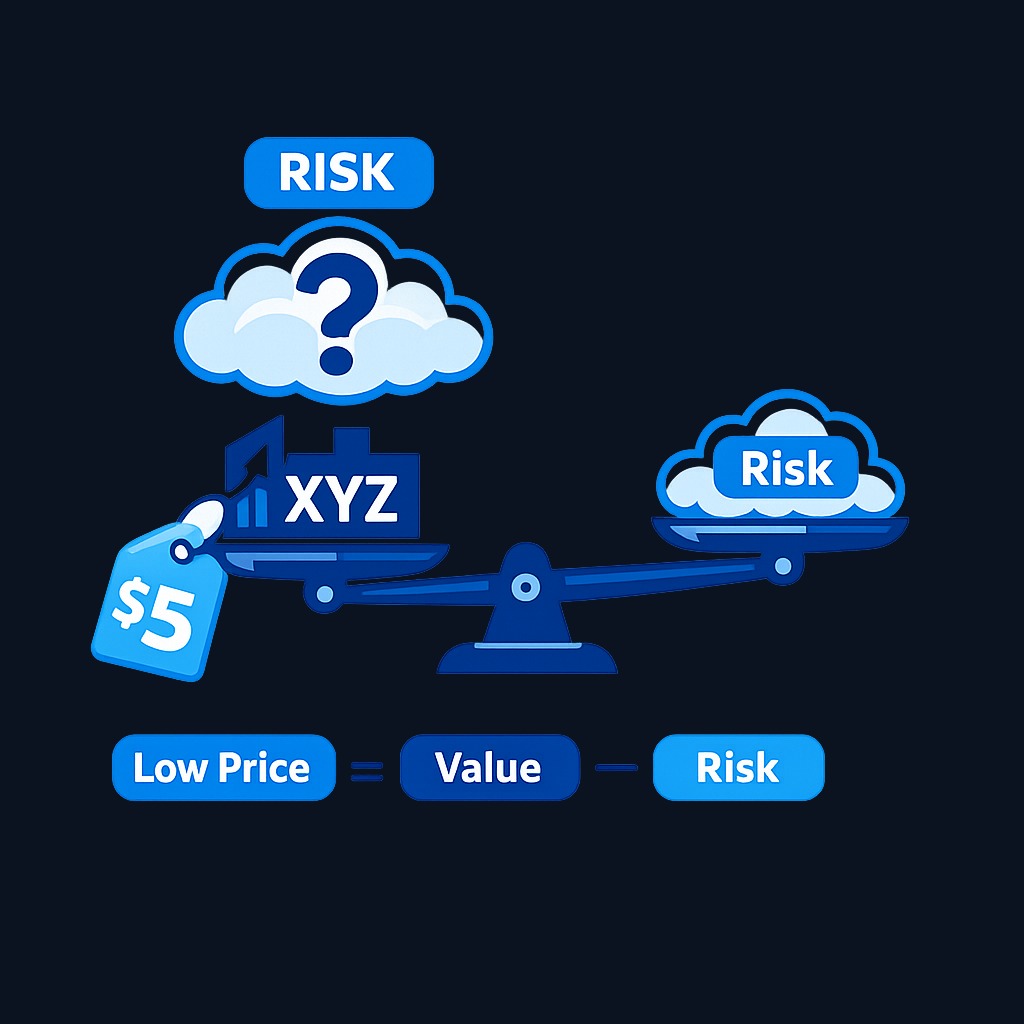
Certainty is an asset. Companies pay billions specifically to buy it. That should tell you how much markets value knowing over hoping.
Finelo does not provide investment advice. This article is for informational and educational purposes only.
Source: Reuters — J&J talc settlement
Frequently asked questions
Why did J&J's stock rise after a multibillion-dollar settlement?
Because the settlement converted an unknowable litigation overhang into a known cost — roughly $5.5–7 billion on a schedule, for a company earning over $20 billion a year. Markets often price uncertainty more harshly than a painful but plannable bill, especially when the number lands better than feared.
What is an overhang in investing?
An overhang is a risk of unknown size that sits on a stock and quietly discounts it. Investors dislike unmeasurable losses, so they pay less for companies carrying one. Resolving the question mark can lift the stock even when the answer is expensive.
Does bad news always push a stock down?
No. Price is a verdict on the event versus expectations. Bad news that resolves uncertainty or lands better than feared can lift a stock; good news that falls short of what was already priced in can sink one.
J&Joverhangmarket psychologyinvesting lessonssettlement
Practice trading with Finelo
Practice in a simulator, learn with bite-sized lessons, and build confidence before risking real money.
About the author
Finelo Team
The Finelo Team creates practical investing and trading education designed to help beginners learn faster with structured challenges, simulator practice, and bite-sized lessons.
Keep reading — Related articles
News
U.S. Gas Prices Reach $4.46: What the Increase Means for Inflation and Household Costs
The EIA's U.S. all-grades gasoline average reached $4.455 per gallon. See what changed, why regions differ and how fuel prices affect inflation.
Finelo Team
News
China Sets a Stronger Yuan Fix at 6.7521: What It Means for USD/CNY
China set its September 18 yuan reference rate at 6.7521 per dollar. Learn how the official fixing differs from market rates and why the move matters.
Finelo Team
News
BOJ Raises Its Policy Rate to 1.25%: What the Decision Means for the Yen
The BOJ raised its overnight policy-rate target to around 1.25%. Learn why the yen can still weaken after a rate increase and what the decision says.
Finelo Team