Private equity usually buys substantial stakes in companies and tries to increase their value over a multi-year holding period. Hedge funds generally trade portfolios of securities, derivatives, currencies, commodities, or other market exposures and can change positions more quickly. Private equity fits investors prepared for long lockups and company-level execution risk. Hedge funds may offer more frequent liquidity, but strategy, leverage, and redemption terms can still create significant risk.
Private Equity vs Hedge Fund: A Detailed Comparison
Private equity usually buys substantial stakes in companies and tries to increase their value over a multi-year holding period. Hedge funds generally trade portfolios of securities, derivatives, currencies…
13 min read
Practice investing with Finelo
Build practical investing skills with guided lessons, simulator practice, and structured challenges.
Want to learn more?
Build practical investing skills with guided lessons, simulator practice, and structured challenges.
Explore FineloExplore Finelo's 28-day challenges
Turn learning into a daily habit with guided challenge paths.
This Finelo educational comparison explains the practical differences in strategy, liquidity, valuation, fees, regulation, and due diligence.
What Is Private Equity?
Private equity is a pooled investment approach focused on owning stakes in companies outside ordinary public-market trading. A fund may acquire an entire company, buy a controlling position, provide growth capital, or invest in a specialized situation.
The usual model has four stages:
- Fundraising: Investors commit capital to a fund.
- Investment: The manager identifies opportunities and calls committed capital when needed.
- Value creation: The manager works with portfolio companies on operations, strategy, financing, leadership, acquisitions, or expansion.
- Exit: The fund seeks to sell or otherwise realize the investment and distribute proceeds.
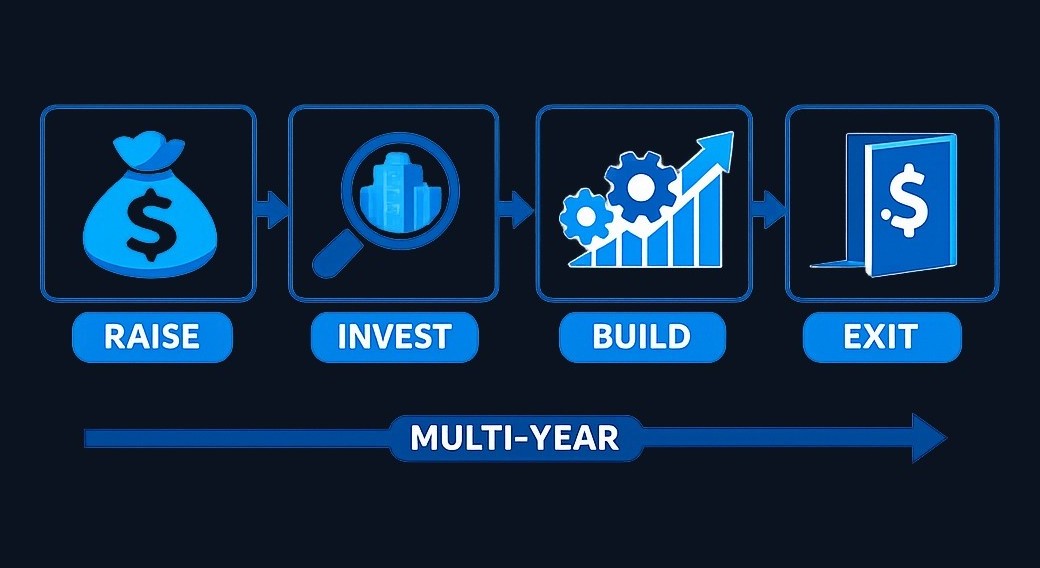
“Value creation” should not be treated as a guaranteed improvement. Revenue can fall, costs can rise, debt can become harder to service, or the intended exit may not be available. A strong investment thesis must explain both how the company could improve and what happens if the plan fails.
Private equity funds are commonly structured around a general partner, which manages the fund, and limited partners, which provide capital. Investors may commit an amount upfront but transfer the cash over time through capital calls. The fund documents control timing, fees, distributions, governance, and what happens if an investor cannot meet a call.
Private equity portfolios may include:
- Established companies acquired through buyouts
- Growing companies that need expansion capital
- Businesses undergoing restructuring
- Sector-focused platforms that make add-on acquisitions
- Minority stakes with negotiated governance rights
- Specialized assets or operating businesses
The common thread is active ownership and a planned exit. Investors rely on the manager to select companies, negotiate deals, influence execution, and sell at an acceptable value.
What Is a Hedge Fund?
A hedge fund is a pooled investment vehicle that uses a defined trading or portfolio strategy. The label covers many different approaches, so it does not reveal the fund’s risk on its own.
Common strategy families include:
- Long/short equity: Buying favored securities while selling others short
- Global macro: Taking positions based on economic, policy, currency, rate, or commodity views
- Event-driven: Trading around mergers, restructurings, or other corporate events
- Relative value: Seeking price differences between related instruments
- Credit: Investing across corporate debt, structured products, or distressed situations
- Quantitative: Using systematic models to select, size, and manage positions
Some strategies depend heavily on leverage, derivatives, short selling, or concentrated positions. Others aim to reduce broad market exposure and earn returns from narrower relationships. The word “hedge” does not prove that the portfolio is protected from loss.
Hedge funds often calculate a portfolio value at regular intervals and permit subscriptions or redemptions under stated terms. Those terms can include notice periods, lockups, gates, side pockets, or other restrictions. “More liquid than private equity” therefore does not mean “withdrawable on demand.”
A hedge fund manager’s work centers on research, portfolio construction, trade execution, financing, and risk control. Returns may come from market direction, security selection, spreads between assets, changes in volatility, corporate events, or systematic signals. The same mechanism can produce losses when the thesis, model, timing, or financing fails.
Private Equity vs Hedge Fund: Key Differences
| Decision factor | Private equity | Hedge fund |
|---|---|---|
| Primary activity | Acquires and develops stakes in companies | Builds and trades portfolios around a market strategy |
| Typical holdings | Private companies, control positions, growth investments, or specialized assets | Public securities, credit, derivatives, currencies, commodities, or other tradable exposures |
| Return engine | Company growth, operational change, financing, acquisitions, and exit value | Security selection, market direction, relative pricing, events, volatility, or systematic signals |
| Manager influence | May have board, governance, or operational influence | Usually influences returns through position selection and sizing rather than operating the issuer |
| Capital funding | Investors may commit capital that is called over time | Investors usually subscribe under the fund’s dealing terms |
| Liquidity | Generally limited until investments are realized or transferred | Often periodic, but subject to the fund’s lockup and redemption provisions |
| Valuation | Private holdings require models, judgment, and periodic review | Market prices may be available for many holdings; harder-to-value positions can still exist |
| Time horizon | Built around acquiring, improving, and exiting companies | Can range from very short trading to multi-year positions |
| Main risks | Illiquidity, company execution, leverage, valuation, concentration, and exit conditions | Market moves, leverage, liquidity, models, short positions, counterparties, and crowded trades |
| Fee logic | Management costs plus a share of gains under a distribution waterfall | Management costs plus a performance allocation under stated terms |
| Investor workload | Evaluate the team, deal process, operating ability, portfolio, and exit discipline | Evaluate strategy, exposures, leverage, liquidity, risk controls, and operational infrastructure |
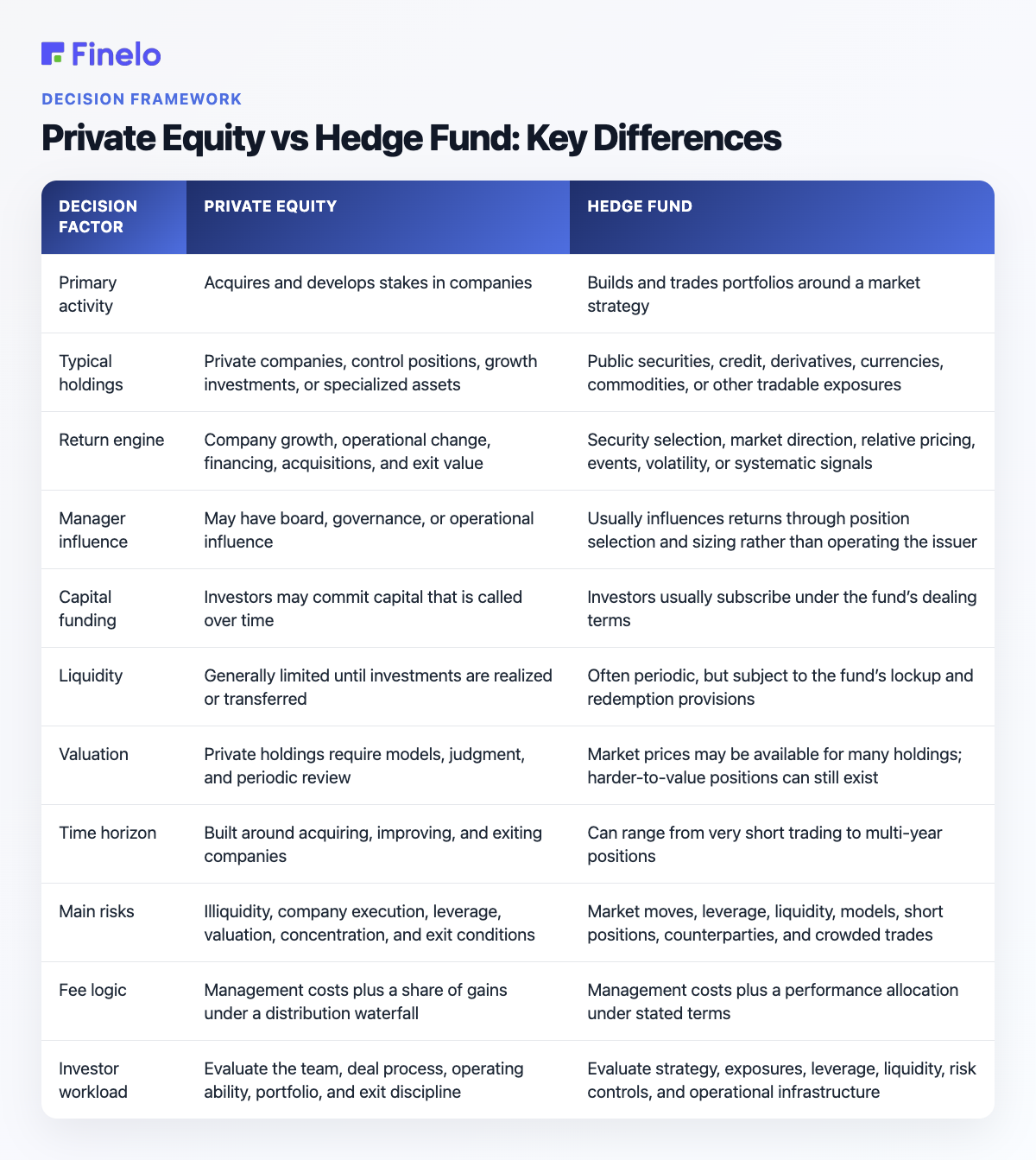
The primary difference is company ownership versus portfolio trading.
Private equity asks: “Can this manager buy a company at a sensible value, improve it, and exit well?” Hedge-fund due diligence asks: “Can this manager repeatedly apply a market strategy while controlling leverage, liquidity, and losses?”
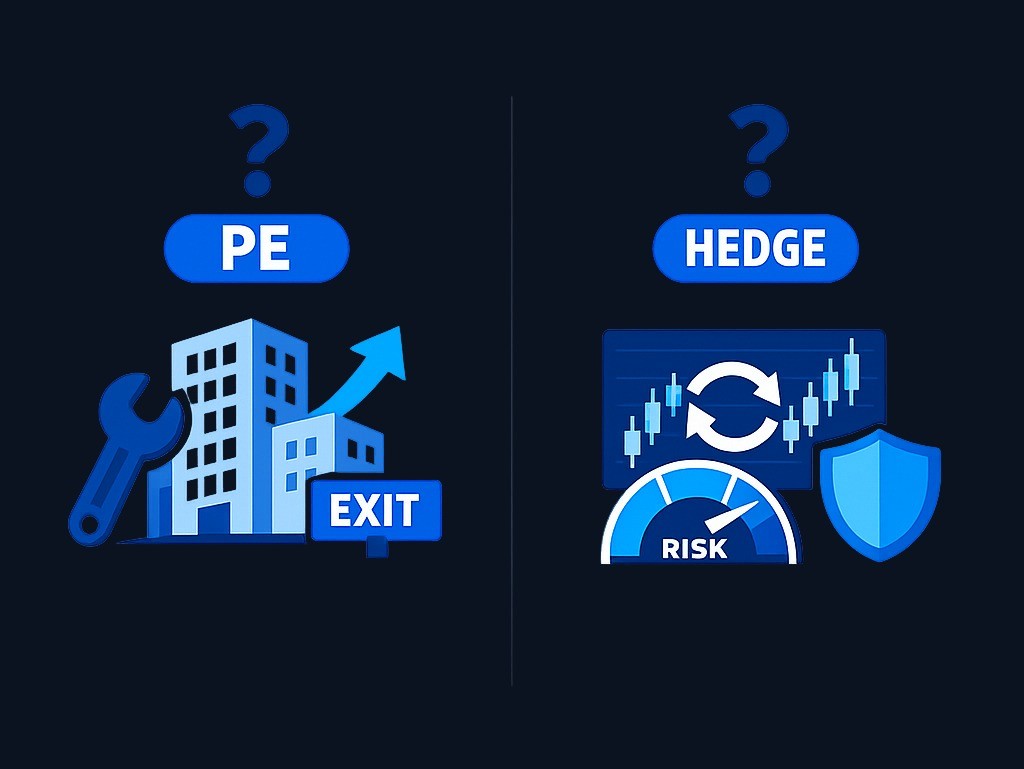
The boundary is not perfect. A hedge fund may hold private or illiquid positions, while a private equity firm may operate credit, real estate, or market-based strategies. Always examine the actual fund rather than relying on the firm’s category.
Investment Strategies: A Closer Look
How private equity seeks returns
Private equity often combines several levers:
- Operational improvement: Changing processes, pricing, sales, procurement, technology, or working capital
- Strategic repositioning: Entering a new market, narrowing the product set, or changing the business model
- Management development: Recruiting leaders or changing incentives and governance
- Acquisitions: Adding businesses that expand scale, geography, customers, or capabilities
- Financing: Adjusting debt and equity to support the plan
- Exit selection: Choosing when and how to sell, list, recapitalize, or transfer the company
Each lever creates a corresponding risk. Cost cutting may damage the product. An acquisition may fail to integrate. Debt may amplify equity gains but also increase distress risk. A higher exit valuation may not be available when the fund needs liquidity.

How hedge funds seek returns
Hedge-fund returns can come from:
- Owning assets expected to rise
- Shorting assets expected to fall
- Trading a price gap between related securities
- Positioning for a corporate or macroeconomic event
- Buying or selling volatility
- Harvesting a systematic risk premium
- Providing liquidity when other investors are forced to sell
The key question is what must happen for the strategy to work. A long/short fund may claim low market exposure but still hold concentrated sector risk. A relative-value trade may appear hedged but fail if the relationship between assets breaks. A quantitative model may perform poorly when market behavior differs from its training data.
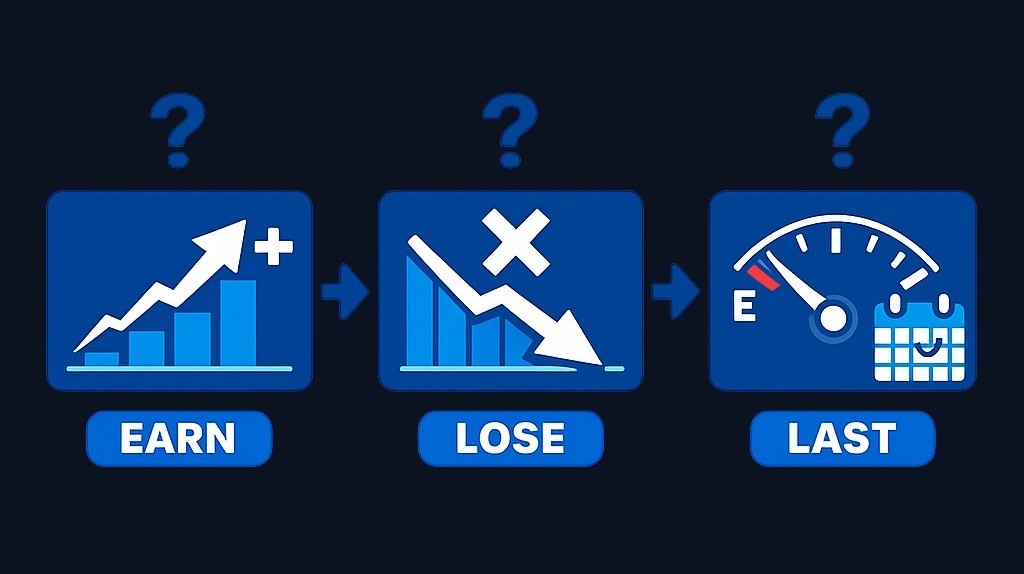
Use this strategy test:
The fund expects to earn returns because ______. It is likely to lose when ______. Its ability to continue depends on ______.
If the manager cannot complete all three statements clearly, the strategy may be too opaque to evaluate.
Liquidity and Time Horizons
Liquidity is more than the date shown beside “redemptions.” It includes how quickly the fund can sell assets, how quickly investors can receive cash, and whether those two timelines match.
Private equity liquidity
Private equity capital is generally committed for a long, uncertain period. Portfolio companies cannot always be sold quickly, and an exit depends on business performance, financing markets, potential buyers, and valuation.
Investors should review:
- The investment and realization periods
- Capital-call procedures
- Extension rights
- Distribution rules
- Transfer restrictions
- Secondary-sale procedures
- Recycling of proceeds
- Treatment of remaining assets near the fund’s end
A private equity commitment also creates cash-planning risk. The investor may not know the exact date of each capital call or distribution. Committing too much can force asset sales elsewhere at an inconvenient time.
Hedge fund liquidity
Hedge funds may offer monthly, quarterly, or another periodic redemption schedule, but the exact terms vary. Notice requirements can make the effective wait longer. A lockup can prevent early redemption, while a gate may limit withdrawals during stress.
Review:
- Subscription and redemption frequency
- Notice periods
- Initial and rolling lockups
- Gates and suspension rights
- Side-pocket provisions for illiquid assets
- Redemption fees or adjustments
- Payment timing after the redemption date
The asset-liability match matters. A fund offering frequent withdrawals while holding hard-to-sell assets may face pressure when many investors redeem together. Ask how the manager values and liquidates positions during stressed markets.
A practical liquidity test
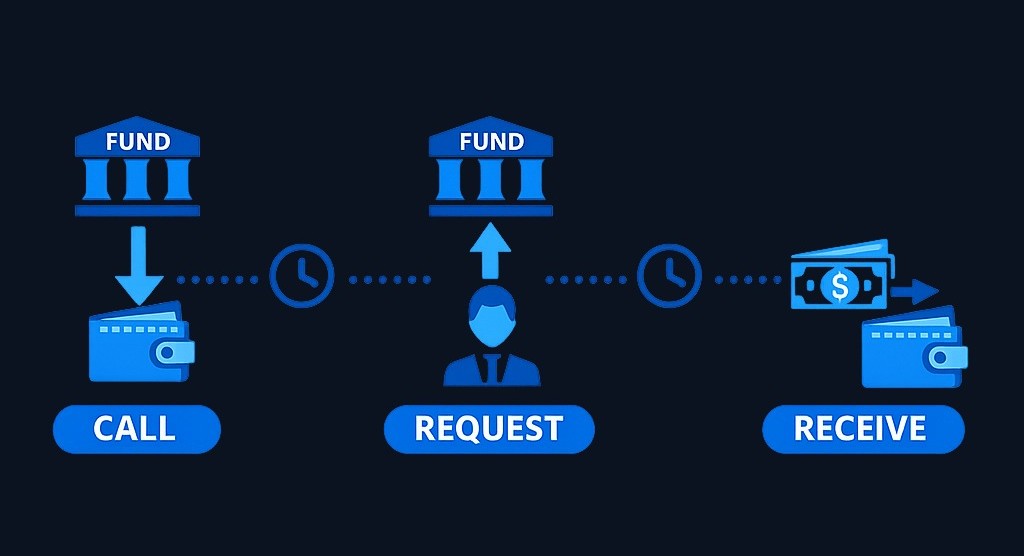
For either fund, map three dates:
- When can the manager request or use your capital?
- When can you request your money back?
- When should cash actually reach you?
Then model a stressed case in which asset sales take longer and other investors also want cash. The stated liquidity term may not describe that experience.
Practice investing with Finelo
Build practical investing skills with guided lessons, simulator practice, and structured challenges.
Risk Profiles and Market Conditions
Private equity and hedge funds do not sit on a single risk ladder. They expose investors to different combinations of uncertainty.
Private equity risks
- Business risk: Revenue, margins, customers, or strategy may deteriorate.
- Execution risk: Operational changes or acquisitions may fail.
- Leverage risk: Debt can reduce flexibility and magnify losses.
- Valuation risk: Private assets require judgment and may not sell near their reported value.
- Exit risk: A sale, listing, or refinancing may be delayed or unavailable.
- Concentration risk: A small number of companies can drive the fund’s result.
- Illiquidity risk: Investors may be unable to access capital when needed.
Hedge fund risks
- Market risk: Long and short positions can move against the portfolio.
- Leverage risk: Borrowing and derivatives can amplify losses and financing needs.
- Liquidity risk: Positions may become expensive or impossible to exit.
- Short-position risk: A rising security can create escalating losses or force a close.
- Model risk: Historical relationships or signals may stop working.
- Counterparty risk: A broker or trading partner may fail to perform.
- Operational risk: Weak controls, valuation, cybersecurity, or trade processes can cause losses.
- Crowding risk: Many funds may try to exit the same trade at once.
Market conditions affect each model differently. Private equity valuations and exits may weaken when financing is scarce or buyers become cautious. Hedge funds can face rapid mark-to-market losses, margin pressure, or broken correlations during volatile periods. Neither structure guarantees protection in a downturn.
Ask for a risk explanation in cash terms, not adjectives. “Low volatility,” “market neutral,” or “defensive” should be translated into potential drawdowns, liquidity restrictions, leverage, and the conditions that could break the strategy.
Fee Structures and Investor Returns
Both structures may charge a recurring management fee and a performance-based allocation, but the calculation can differ substantially.
Private equity fees
Private equity documents may address:
- The base used for the management fee
- How that base changes after the investment period
- Organizational and fund expenses
- Transaction, monitoring, consulting, or director fees
- Fee offsets
- Carried interest
- Preferred return or hurdle mechanics
- Catch-up provisions
- Distribution waterfall
- Clawback provisions
The distribution waterfall determines who receives each dollar and in what order. A single reported performance percentage is not enough. Model the actual waterfall under weak, moderate, and strong outcomes, including the timing of contributions and distributions.
Hedge fund fees
Hedge-fund documents may address:
- Management fee and calculation frequency
- Performance allocation
- High-water mark
- Hurdle rate
- Crystallization schedule
- Fund expenses
- Research, financing, borrowing, and trading costs
- Different share classes
- Redemption or early-exit charges
A high-water mark can affect when a manager earns another performance allocation after losses, but the detailed wording matters. New subscriptions, multiple share classes, and fund restructuring can change the calculation.
Compare net outcomes rather than advertised fees. Ask which costs appear inside reported performance, which are charged separately, and whether the manager receives fees from portfolio companies, affiliates, or related transactions.
Regulation, Governance, and Ethical Risk
The regulatory framework depends on the jurisdiction, offering structure, investor type, assets, advisers, and activities. “Private fund” does not mean “outside regulation,” and one registration label does not prove strong governance.
For hedge funds, due diligence may need to cover:
- Adviser and offering status
- Marketing and investor-eligibility rules
- Trading, short-selling, derivatives, and reporting obligations
- Custody, brokerage, and counterparty arrangements
- Valuation and conflicts policies
- Market-conduct and insider-information controls
For private equity, the review may extend beyond the fund to portfolio-company activity:
- Acquisition approvals and competition concerns
- Debt and financing arrangements
- Employment and workplace practices
- Environmental liabilities
- Data protection and cybersecurity
- Related-party transactions
- Board governance and minority-investor rights
Ethical and reputational risk can affect value even when an action is legally permitted. Private equity owners may face scrutiny over layoffs, pricing, debt, service quality, or portfolio-company conduct. Hedge funds may face scrutiny over activist campaigns, short selling, market impact, data sources, or complex tax and offshore structures.
Ask how incentives affect decisions. A manager earning fees on committed capital, assets, transactions, or short-term performance may face conflicts with investors, employees, counterparties, or portfolio companies. Review the conflict policy and evidence of how it works in practice.
Illustrative Case Studies
These fictional examples show how the models differ. They do not represent actual funds or promise results.
Private equity: Building a regional platform
A private equity fund acquires a profitable regional service company. Its plan is to upgrade systems, recruit managers, expand into nearby markets, and purchase smaller competitors.
The thesis works only if customer retention remains strong, integrations succeed, and debt stays manageable. The investment may gain value through operational improvement and scale. It may lose value if acquisitions are overpriced, service quality falls, or the exit market weakens.

The investor cannot judge success from one quarter’s market price. Useful evidence includes operating metrics, cash flow, leverage, customer trends, and progress against the value-creation plan.
Hedge fund: Relative-value trade
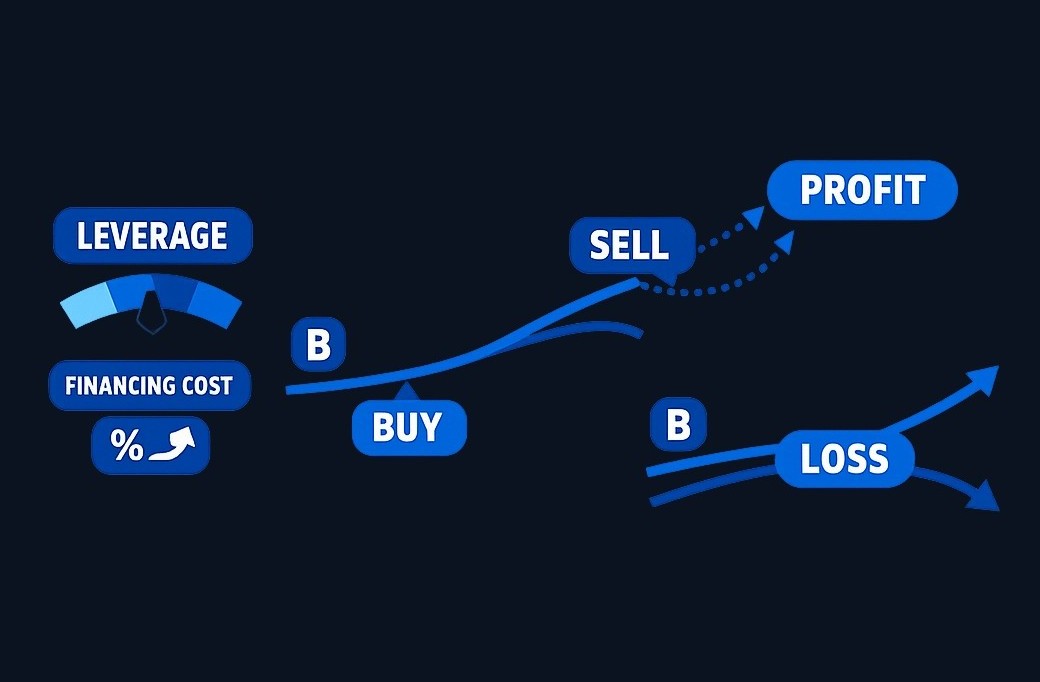
A hedge fund identifies two related securities whose prices have moved apart. It buys the one considered cheap and shorts the one considered expensive.
The trade aims to profit if the price relationship normalizes. It can still lose if the gap widens, financing becomes expensive, the short position is recalled, or the relationship changed for a fundamental reason.
The position may have little broad market exposure but substantial basis, leverage, liquidity, and model risk. “Hedged” describes the construction, not the outcome.
Stress case: Investors want liquidity
In a market shock, hedge-fund investors submit redemptions while bid-ask spreads widen. The manager may sell liquid assets first, leaving the remaining portfolio harder to trade.
A private equity fund does not face the same daily pricing pressure, but portfolio companies may struggle with debt, demand, or refinancing. Reported values may adjust slowly even as economic risk rises.
The lesson is not that one model handles stress better. The risks appear on different timelines. Hedge-fund stress can become visible quickly through market prices and margin. Private equity stress can emerge through company performance, financing, valuation reviews, and delayed exits.
Which Structure Fits the Investor?
Neither category is automatically suitable. Access may be limited by offering rules, investor eligibility, provider policy, and minimum commitments. Investors also need the resources to perform due diligence and tolerate loss.
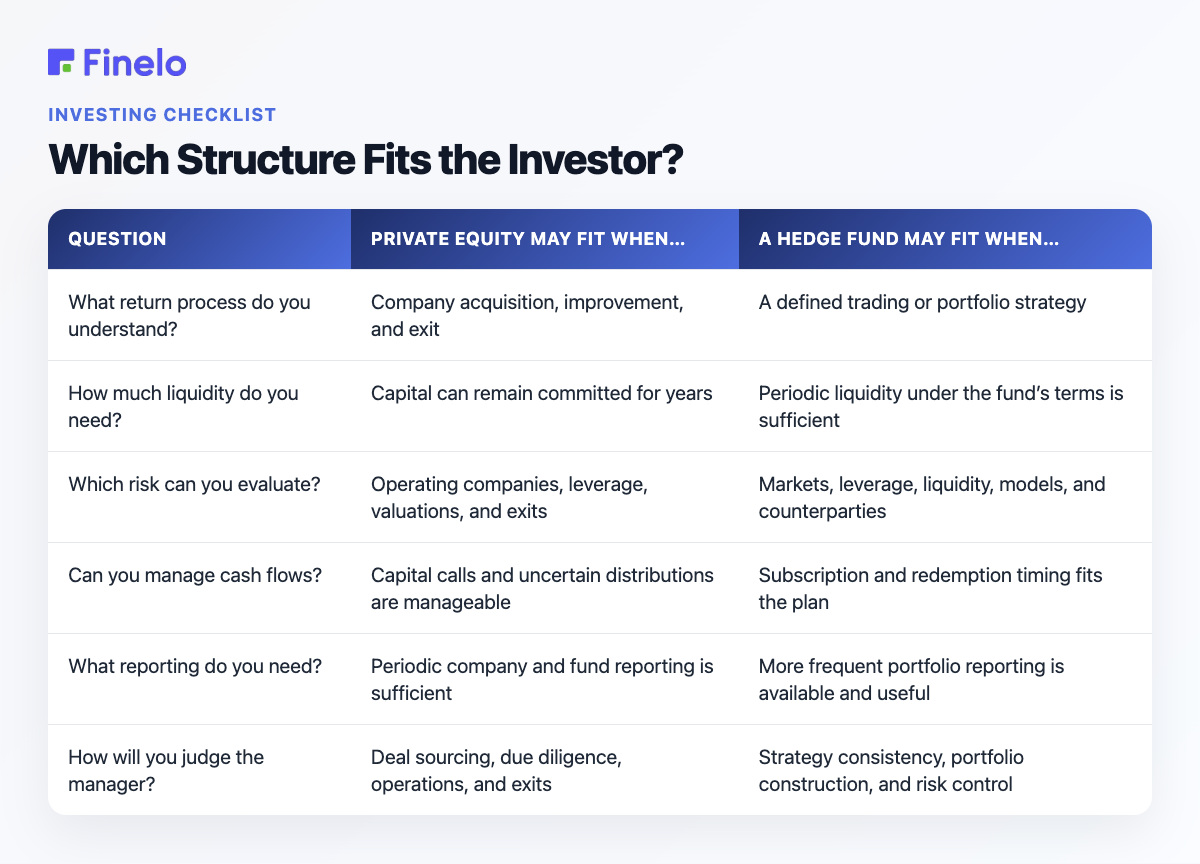
Use this decision framework:
| Question | Private equity may fit when… | A hedge fund may fit when… |
|---|---|---|
| What return process do you understand? | Company acquisition, improvement, and exit | A defined trading or portfolio strategy |
| How much liquidity do you need? | Capital can remain committed for years | Periodic liquidity under the fund’s terms is sufficient |
| Which risk can you evaluate? | Operating companies, leverage, valuations, and exits | Markets, leverage, liquidity, models, and counterparties |
| Can you manage cash flows? | Capital calls and uncertain distributions are manageable | Subscription and redemption timing fits the plan |
| What reporting do you need? | Periodic company and fund reporting is sufficient | More frequent portfolio reporting is available and useful |
| How will you judge the manager? | Deal sourcing, due diligence, operations, and exits | Strategy consistency, portfolio construction, and risk control |
Before committing, request and review:
- Offering and governing documents
- Audited financial statements
- Investment and risk reports
- Valuation policy
- Fee and expense disclosures
- Liquidity and transfer terms
- Service-provider relationships
- Conflicts-of-interest policy
- Team history and succession plan
- References appropriate to the due-diligence process
Do not choose based on a category’s historical reputation. Evaluate the specific manager, fund, strategy, terms, portfolio, and role in the wider financial plan.
Next Steps
Begin with liquidity. If the capital cannot remain committed through a long and uncertain company-investment cycle, private equity may be unsuitable. If periodic liquidity is important, examine a hedge fund’s actual lockups, notice periods, gates, and asset liquidity rather than relying on the category.
Then identify the return engine and failure case. Private equity requires confidence in company selection, value creation, leverage, and exits. Hedge-fund investing requires confidence in the strategy, portfolio construction, financing, liquidity, and controls.
Finelo’s role is educational: make the structure, incentives, and risks understandable before capital is committed. Neither private equity nor hedge funds guarantee diversification, downside protection, liquidity, or positive returns. Independent legal, tax, and investment review may be appropriate for a high-impact decision.
Frequently asked questions
What Is the Primary Difference Between Hedge Funds and Private Equity?
Private equity generally tries to create value through company ownership and a later exit. Hedge funds generally seek returns through portfolios and trading strategies. The first relies more on business execution; the second relies more on market positions and risk management.
Who Can Invest in Hedge Funds and Private Equity?
Eligibility depends on jurisdiction, offering rules, investor status, and the fund’s own requirements. Confirm access, minimum commitment, documentation, and suitability directly with the fund and a qualified adviser.
How Long Do Private Equity Investments Last?
Private equity is usually a multi-year commitment, but there is no single duration for every fund or company. Review the investment period, fund term, extension rights, exit plan, transfer restrictions, and expected distribution schedule.
What Is the Fee Structure for a Hedge Fund?
A hedge fund may charge a management fee, a performance allocation, and fund-level expenses. High-water marks, hurdles, crystallization, share classes, and redemption charges can change the result. Read the current fund documents and model the net cost.
InvestingBeginnerPrivate MarketsMarkets
Practice investing with Finelo
Build practical investing skills with guided lessons, simulator practice, and structured challenges.
About the author
Finelo Team
The Finelo Team creates practical investing and trading education designed to help beginners learn faster with structured challenges, simulator practice, and bite-sized lessons.
Keep reading — Related articles

Investing
Yield to Call vs Yield to Maturity: Assumptions and Bond Risks
Yield to call (YTC) estimates a bond's yield if the issuer redeems it on an eligible call date; yield to maturity (YTM) estimates yield if it remains outstanding to final maturity.
Finelo Team

Investing
Will My Employer Know If I Take a 401(k) Loan?
Who this page is for: readers new to 401(k) loans who want a practical, privacy‑focused explanation — what your employer can see, how to limit visibility, and the financial tradeoffs to weigh.
Finelo Team

Investing
What Medical Expenses Qualify for a 401(k) Hardship Withdrawal?
Before you decide, confirm three things with your plan administrator:
Finelo Team


