For U.S. readers: This article discusses U.S. rules and financial products. State rules and individual eligibility may differ.
How to Revise an IRS Payment Plan
Some existing individual installment agreements can be changed through the IRS Online Payment Agreement system.
5 min read
Practice trading with Finelo
Practice in a simulator, learn with bite-sized lessons, and build confidence before risking real money.
Want to learn more?
Practice in a simulator, learn with bite-sized lessons, and build confidence before risking real money.
Explore FineloExplore Finelo's 28-day challenges
Turn learning into a daily habit with guided challenge paths.
Quick answer
Some existing individual installment agreements can be changed through the IRS Online Payment Agreement system. Available actions can include changing the monthly amount or due date, converting to direct debit, or reinstating after default, depending on the account and IRS rules. If the online system does not offer the needed change, use the contact instructions on the IRS notice or official payment-plan page. Continue complying with the existing agreement until the IRS confirms a change. Finelo provides general education, not tax, legal, accounting, or financial advice.
Use the current IRS Online Payment Agreement application rather than a third-party debt-relief service.
Before requesting a change
Review:
- the current balance, including penalties and interest;
- the agreement's required monthly amount and due date;
- whether all required returns have been filed;
- whether a new tax balance has been added;
- any notice of proposed termination or default;
- the bank account used for direct debit; and
- the highest amount that can be paid reliably each month.
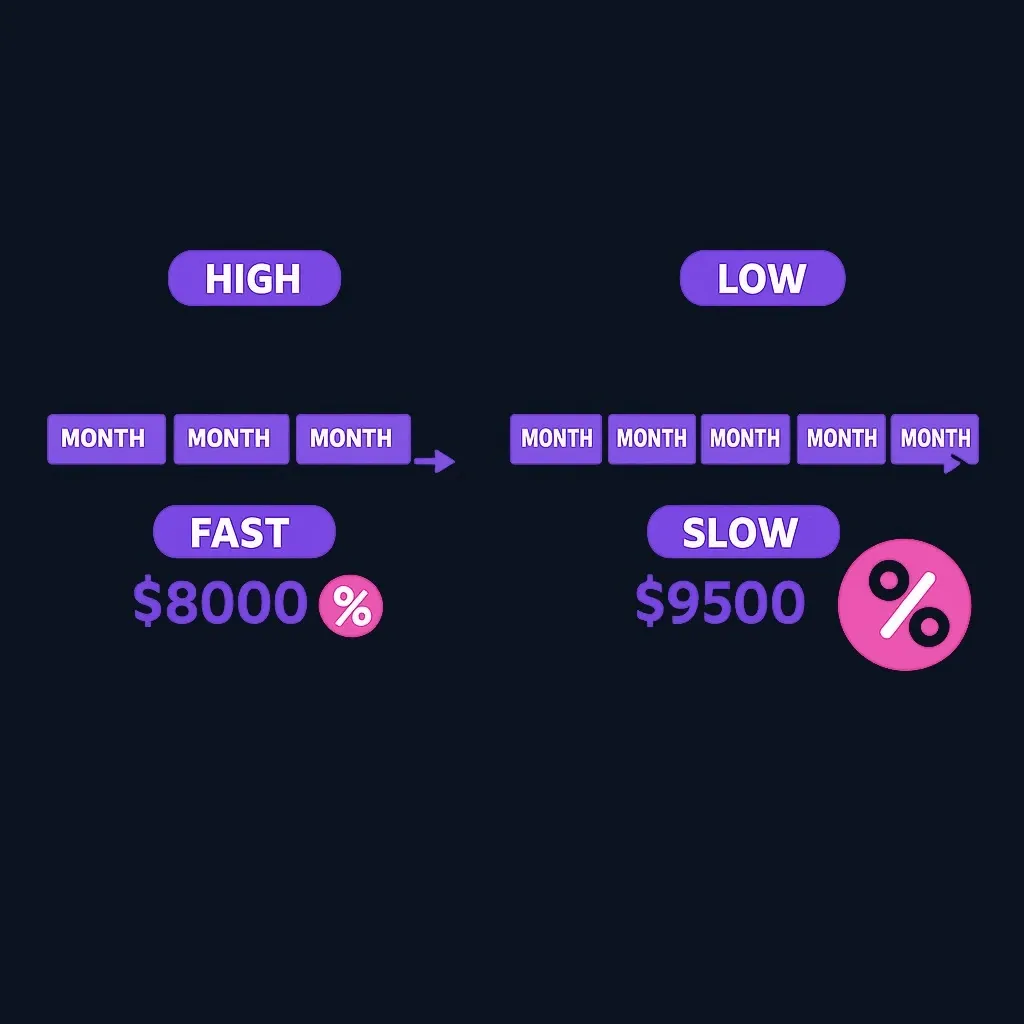
Interest and applicable penalties generally continue until the balance is paid. Lowering a monthly payment can extend payoff and increase the total paid.
Changes that may be available online
The IRS page lists management options that may include:
- viewing plan details;
- changing a monthly payment amount;
- changing a monthly due date;
- changing an agreement to direct debit;
- changing bank-routing or account information for direct debit; or
- reinstating an agreement after default.
Not every option is available for every account. Eligibility, fees, and required payment methods can depend on the balance, agreement type, and account status. Treat the choices displayed by the IRS system as account-specific.
Step-by-step process
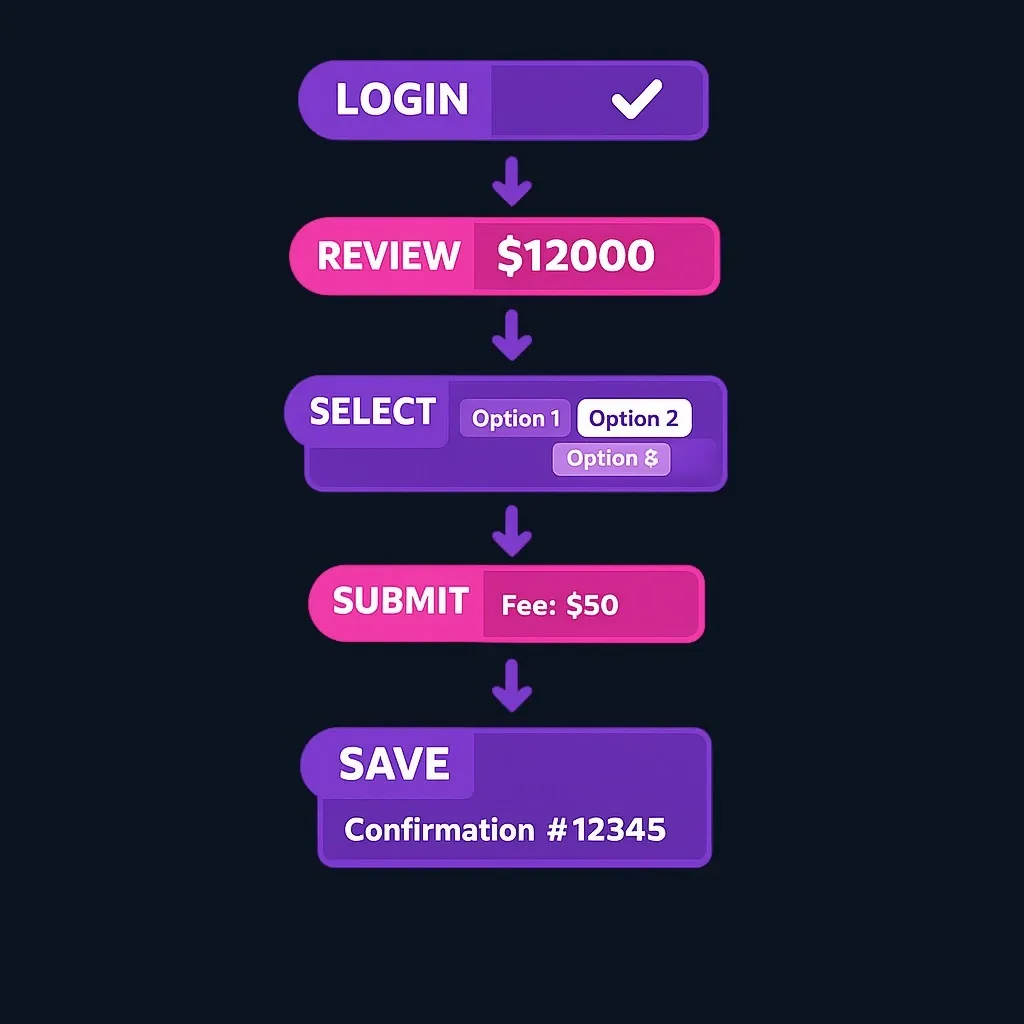
- Go directly to the IRS Online Payment Agreement page.
- Sign in through the IRS identity-verification process.
- Review the agreement and account balance shown.
- Select only an action the system offers for that account.
- Read any fee, direct-debit, and payment information before submitting.
- Save the confirmation number or confirmation page.
- Check future IRS notices and bank transactions to confirm the change took effect.
- Keep making required payments under the confirmed terms.
If the online request is unavailable or the proposed payment is unaffordable, contact the IRS using the number on the notice or official page. Do not simply pay a lower amount without approval, because that can place the agreement at risk.
If financial circumstances changed
The IRS may request financial information when a taxpayer seeks terms outside streamlined online options. Possible records include income, necessary living expenses, assets, debts, and recent bank information. Provide only through an official IRS channel identified in an IRS notice or on IRS.gov.
Organize:
- proof of current income;
- essential recurring expenses;
- bank and asset balances;
- secured-debt payments;
- health or caregiving costs; and
- documentation of a job loss or other material change.
The documentation requirement depends on the requested relief and account. A generic checklist cannot guarantee approval.

Practice trading with Finelo
Practice in a simulator, learn with bite-sized lessons, and build confidence before risking real money.
Compare outcomes before lowering the payment
| Question | Why it matters |
|---|---|
| How long will payoff take? | A lower payment can extend the agreement. |
| What interest and penalties continue? | The balance may decline more slowly than expected. |
| Is a fee charged for the change or reinstatement? | Fees can differ by action and payment method. |
| Can additional payments be made? | Extra voluntary payments may reduce balance, but do not replace the required installment. |
| Will new tax be owed this year? | A new balance can jeopardize the agreement. |
Use the IRS account balance and confirmed plan terms. Do not create a payment by dividing the balance by a preferred number of months and assume the IRS will accept it.
Avoiding default
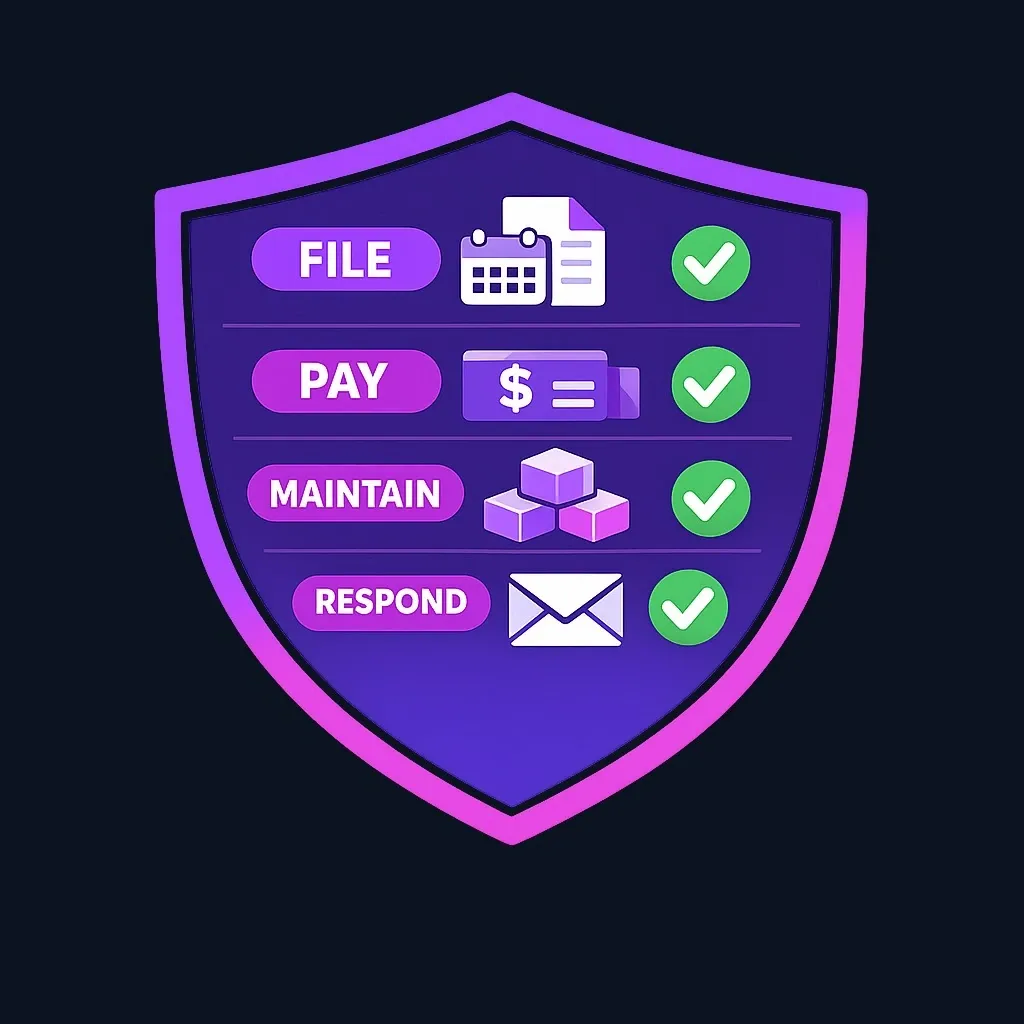
- File future returns on time.
- Pay current taxes or make adequate withholding/estimated payments.
- Maintain the required installment until a revised amount is confirmed.
- Update direct-debit information before an account closes.
- Open and respond to IRS mail promptly.
- Keep confirmations and proof of every payment.
If a notice says the agreement is in default or will be terminated, follow that notice's deadline and appeal instructions. Time limits can be important.
Common mistakes
- Using a sponsored search result or private settlement company instead of IRS.gov.
- Assuming an online submission is approved without saving the confirmation.
- Reducing payments before the IRS confirms new terms.
- Closing the debit account before changing the agreement.
- Ignoring a new tax year while paying an older balance.
- Treating an illustrative payoff calculation as an IRS-approved schedule.
- Sending sensitive documents by ordinary email to an unverified address.
FAQ
Can the monthly payment be lowered?
Possibly. The online system may offer an amount change, or the IRS may require contact and financial information. Approval and minimum terms depend on the account.
Can the due date be changed?
The IRS online page identifies due-date changes as a management option for eligible agreements. Confirm the effective date after submission.
Can a taxpayer pay extra?
Additional payments can reduce the balance, but the taxpayer must still satisfy the required installment until the agreement is paid or officially changed. Apply payments to the correct taxpayer, form, and tax period.
What if the plan is already in default?
Use the online reinstatement option if offered or follow the IRS notice. Fees or additional requirements may apply, and notice deadlines should not be ignored.
Conclusion
Revise an IRS payment plan only through an official IRS process, preserve the existing terms until the change is confirmed, and evaluate the longer payoff cost before lowering a payment. The account-specific IRS display and notices control—not a generic example.
For more educational tax and household-finance material, visit the Finelo Blog.
Financial LiteracyFinancial Education
Practice trading with Finelo
Practice in a simulator, learn with bite-sized lessons, and build confidence before risking real money.
About the author
Finelo Team
The Finelo Team creates practical investing and trading education designed to help beginners learn faster with structured challenges, simulator practice, and bite-sized lessons.
Keep reading — Related articles

Financial Literacy
Mercury Books Review 2026: Is It Worth It for Startups?
Mercury Books brings double-entry accounting into Mercury. Review its $35 pricing, reports, AI features, integrations, and migration limits.
Finelo Team

Financial Literacy
Why is My FICO Score Lower Than My Credit Score?
Example takeaway: seeing a higher score in a bank app doesn’t guarantee lenders will see the same FICO number at application time; lenders often pull a specific FICO version from a specific bureau.
Finelo Team

Financial Literacy
Why Is My FICO Score Higher Than My Credit Score?
Brief educational note: this article is educational, not financial or investment advice; investing and credit decisions involve risk and possible loss.
Finelo Team


