For U.S. readers: This article discusses U.S. rules and financial products. State rules and individual eligibility may differ.
VA Loan Surviving Spouse Requirements: What You Need to Know
This 40–60 word summary: The VA requires a COE to demonstrate surviving-spouse eligibility for a VA-backed mortgage; eligibility rules and next steps depend on the veteran’s service record and the spouse’s circumstances, so verify your situation with the VA and a lender.
8 min read
Practice trading with Finelo
Practice in a simulator, learn with bite-sized lessons, and build confidence before risking real money.
Want to learn more?
Practice in a simulator, learn with bite-sized lessons, and build confidence before risking real money.
Explore FineloExplore Finelo's 28-day challenges
Turn learning into a daily habit with guided challenge paths.
Quick answer
A surviving spouse who wants a VA-backed home loan must obtain a Certificate of Eligibility (COE) to show a lender they qualify for the VA benefit; see the VA’s surviving-spouse home loan page for official guidance. Finelo provides financial education, not financial, legal, or mortgage advice. VA: Home Loans for Surviving Spouses
This 40–60 word summary: The VA requires a COE to demonstrate surviving-spouse eligibility for a VA-backed mortgage; eligibility rules and next steps depend on the veteran’s service record and the spouse’s circumstances, so verify your situation with the VA and a lender.
What to know before deciding
This page is for surviving spouses exploring whether they can use VA home-loan benefits and what to prepare. After reading you should know the single verified requirement the VA publishes (the COE), the practical questions lenders will ask, and a short checklist to kick off an application.
Quick educational note: this content is educational and not financial or investment advice; lending and housing choices involve costs and risks and may produce financial loss. Ask a VA representative or an approved lender about specifics for your case.
Caveat: the VA page linked above is the official source for eligibility rules and application steps; use it to verify any eligibility detail or required form for your situation.
Eligibility Criteria for Surviving Spouses
The only specific VA-backed requirement we can cite here is that a surviving spouse must have a Certificate of Eligibility (COE) to show a lender they qualify for the VA benefit.
What this means in practice
- The VA determines whether you meet the conditions that allow use of the VA home-loan benefit; the COE documents that determination.
- Many real cases hinge on specific facts about the veteran’s service, cause of death, or dependency status. For those details, consult the VA page above or your lender so you know which documentation will be decisive.
Example (illustrative): If you believe you qualify based on your spouse’s service record, ask the VA for a COE and then discuss any outstanding questions with a lender. The VA-issued COE is the single, official credential lenders expect.
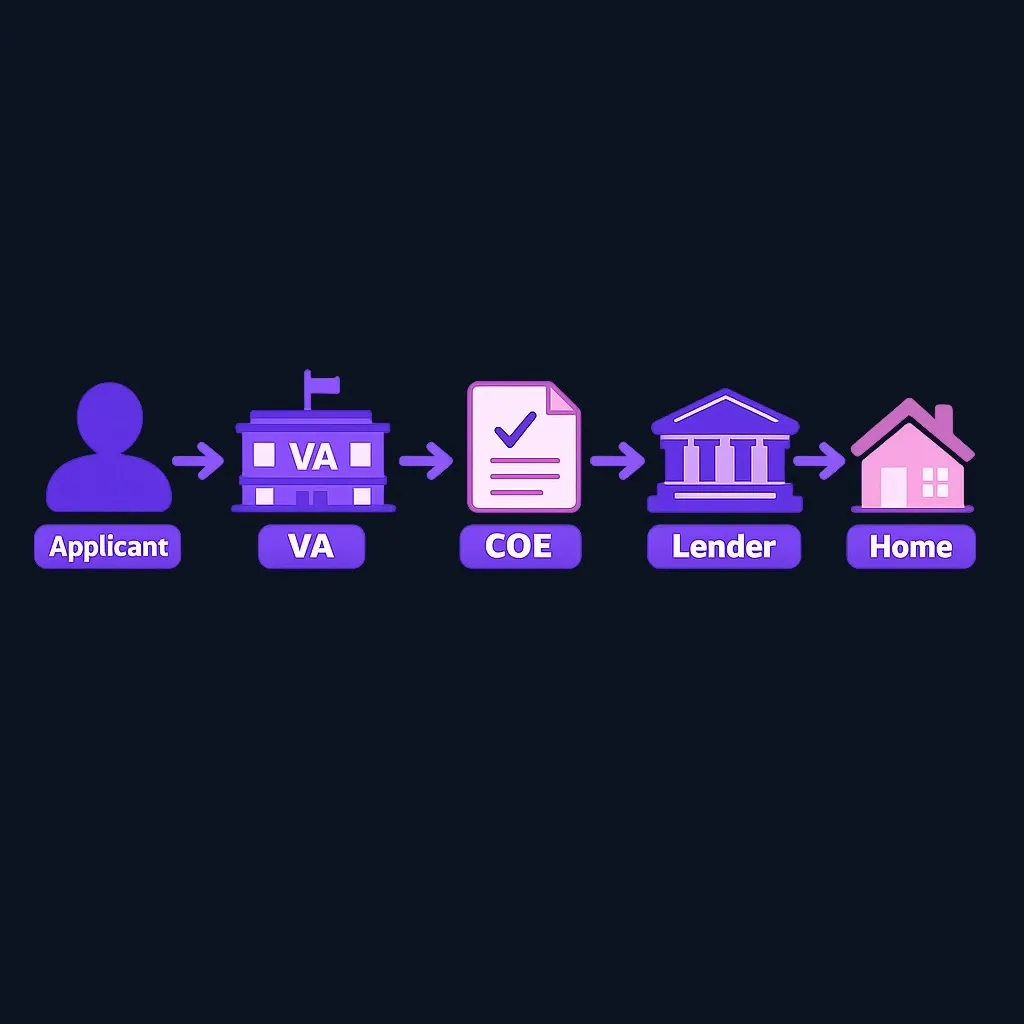
Decision point: If you do not yet have a COE, getting one is the primary next step before most lenders will proceed.
Required Documentation for VA Loan Applications
The VA page confirms the COE is needed to prove eligibility; beyond that, documentation needs vary by lender and by your personal situation. Rely on the VA and your lender to confirm the exact list for your application.
Practical checklist to prepare (use this to talk with your lender)
- Request your COE from the VA (the VA page above explains how to start).
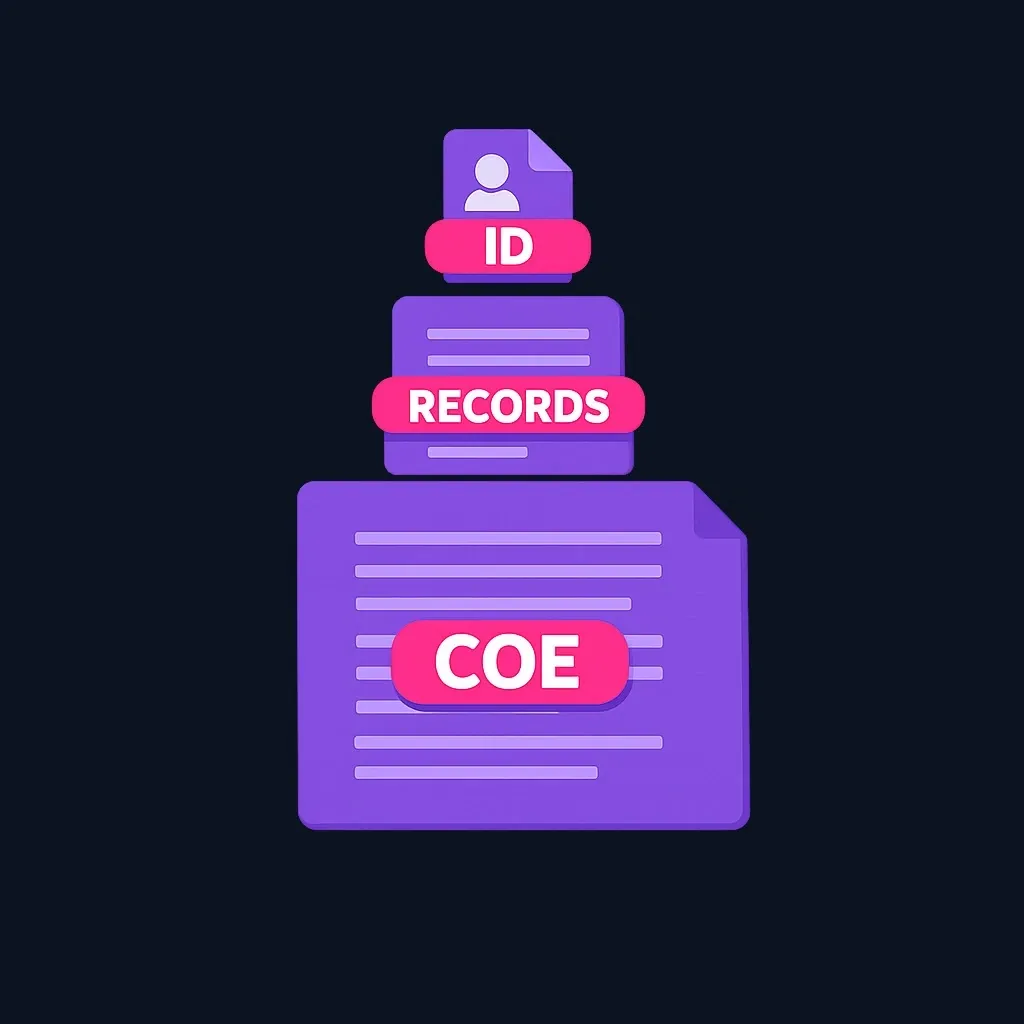
- Gather identity documents and any records your lender asks for (ask the lender for a tailored list).
- Be ready to produce documentation that explains the veteran’s service or the nature of the veteran’s death if the lender requests it.
Checklist table (planning tool — confirm each item with your lender)
| Item to ask/confirm | Why it matters |
|---|---|
| Certificate of Eligibility (COE) | Official VA proof that a lender needs; start here. |
| ID and income proof | Lender underwriting will review ability to repay; verify what forms they accept. |
| Documents about the veteran’s service/death | Lenders and the VA may need these to establish qualifying conditions; confirm specifics with the VA. |
Use the table as a conversation guide with your lender — it compresses the early documentation decisions without asserting items the VA itself has not explicitly listed in our sourced excerpt.
Practice trading with Finelo
Practice in a simulator, learn with bite-sized lessons, and build confidence before risking real money.
Application Process for VA Loans
The core procedural step the VA publishes is obtaining a Certificate of Eligibility (COE) so a lender can confirm you qualify for the VA benefit.
A practical, lender-focused workflow to follow
- Confirm preliminary eligibility by consulting the VA’s surviving-spouse page and requesting any VA forms it indicates.
- Request a COE from the VA. The COE is the document lenders need to proceed.
- Contact several mortgage lenders to compare their process times, underwriting questions, and documentation checklists; ask how they handle surviving-spouse cases.
- Submit your application and COE to the lender who offers the best fit for your timeline and documentation readiness.
Caveats and practical tips
- Lenders differ in how they document eligibility and how long underwriters take to review surviving-spouse cases. Confirm expected timing up front with any lender you contact.
- If you discover missing documents during underwriting, prioritize getting the COE issues resolved first because that is the VA’s official credential.
Decision framework
Use this short framework to evaluate whether to pursue a VA-backed loan now or to pause and collect more documentation.
Step 1 — Confirm the COE path
- Action: Request or verify the COE route with the VA. If you cannot get a COE, pause and ask the VA what additional evidence would qualify you.
Step 2 — Weigh timing and documentation
- Action: Ask lenders how long surviving-spouse cases typically take and whether they require extra verification. If timing matters (e.g., making an offer), prioritize lenders who give clear timelines.
Step 3 — Compare tradeoffs
- Questions to answer: How long until you can get a COE? What documents are missing? Can you reasonably gather them within your timeline? If not, consider backup plans such as conventional financing or delayed purchase.
Worked example (decision scenario)
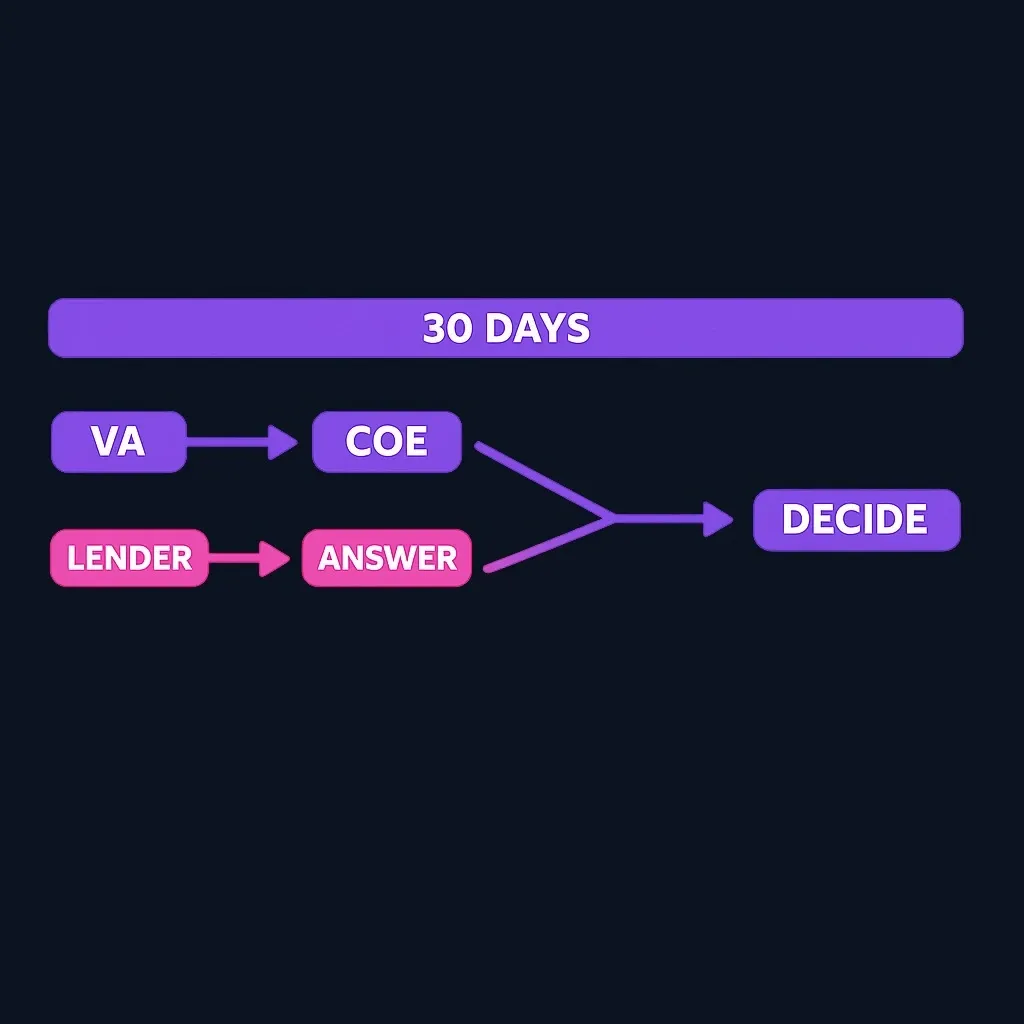
- Scenario: You want to make an offer in 30 days but do not yet have a COE. Decision: contact the VA immediately for a COE estimate, call lenders to ask if they can accept a pending COE or will require it before underwriting, then decide whether to proceed or delay the offer.
Common mistakes and how to avoid them
- Mistake: Assuming all lenders treat surviving-spouse cases the same. Fix: Compare at least two lenders and ask for their documented process.
- Mistake: Waiting to request the COE until after signing a purchase contract. Fix: Start COE and documentation requests as early as possible.
Common Questions About VA Loans for Surviving Spouses (FAQ)
What is a Certificate of Eligibility (COE)?
A Certificate of Eligibility (COE) is the official VA document a lender uses to verify that a surviving spouse qualifies to use VA-backed loan benefits; the VA’s surviving-spouse home loan page directs applicants to obtain a COE as part of the process.
How do I start the process to apply for a VA loan as a surviving spouse?
Start by reviewing the VA’s surviving-spouse home loan guidance and request the COE; then contact lenders to learn their specific documentation and underwriting steps.
What should I do if my loan application is denied?
If you receive a denial, ask the lender for the specific reasons, confirm whether the COE or other documentation was an issue, and then consult the VA’s guidance or a different lender to understand next steps. The VA COE is the primary VA credential, so resolving any COE-related problems is a logical first move.
Can remarriage affect surviving-spouse eligibility?
Remarriage rules and their effect on surviving-spouse benefits depend on specific VA provisions and the details of your situation; verify your status with the VA and discuss implications with a lender before assuming eligibility changes.
Conclusion and Next Steps
Key takeaway: the COE is the VA’s official document a lender needs to confirm surviving-spouse eligibility for a VA-backed loan; begin by requesting a COE and then talk to lenders about their documentation and timing.
Actionable next steps
- Visit the VA surviving-spouse page and request your COE.
- Contact two or more mortgage lenders to compare their surviving-spouse procedures and timelines.
- Use the checklist above to prepare documents the lender requests.
For additional educational planning material, visit the Finelo Blog. Eligibility and application instructions should come from VA and the lender.
(One final note: verify any detail you rely on with the VA or a lender before making a housing or financing decision.)
Financial LiteracyFinancial Education
Practice trading with Finelo
Practice in a simulator, learn with bite-sized lessons, and build confidence before risking real money.
About the author
Finelo Team
The Finelo Team creates practical investing and trading education designed to help beginners learn faster with structured challenges, simulator practice, and bite-sized lessons.
Keep reading — Related articles

Financial Literacy
Mercury Books Review 2026: Is It Worth It for Startups?
Mercury Books brings double-entry accounting into Mercury. Review its $35 pricing, reports, AI features, integrations, and migration limits.
Finelo Team

Financial Literacy
Why is My FICO Score Lower Than My Credit Score?
Example takeaway: seeing a higher score in a bank app doesn’t guarantee lenders will see the same FICO number at application time; lenders often pull a specific FICO version from a specific bureau.
Finelo Team
Financial Literacy
Why Is My FICO Score Higher Than My Credit Score?
Brief educational note: this article is educational, not financial or investment advice; investing and credit decisions involve risk and possible loss.
Finelo Team