For U.S. readers: This article discusses U.S. rules and financial products. State rules and individual eligibility may differ.
VA Loan Water Test Requirements for Homes With Private Wells
For a VA-backed loan, an individual water supply must meet the requirements of the health authority with jurisdiction; if that authority has no specific standard, VA guidance points to EPA guidelines.
7 min read
Practice trading with Finelo
Practice in a simulator, learn with bite-sized lessons, and build confidence before risking real money.
Want to learn more?
Practice in a simulator, learn with bite-sized lessons, and build confidence before risking real money.
Explore FineloExplore Finelo's 28-day challenges
Turn learning into a daily habit with guided challenge paths.
Quick answer
For a VA-backed loan, an individual water supply must meet the requirements of the health authority with jurisdiction; if that authority has no specific standard, VA guidance points to EPA guidelines. Testing and sample transport must be performed by a disinterested third party acceptable to the health authority. The exact analytes, documentation, and timing can depend on current VA guidance and local rules, so confirm the requirements with the lender and local health authority before ordering a test. Finelo provides financial education, not financial or legal advice.
Start with the current official rule
VA loan-property requirements are maintained in VA Pamphlet 26-7, Lender's Handbook, especially the current chapter on Minimum Property Requirements. VA updates its materials, so use the VA Home Loans materials index to locate the current handbook rather than relying on a lender blog or an old checklist.
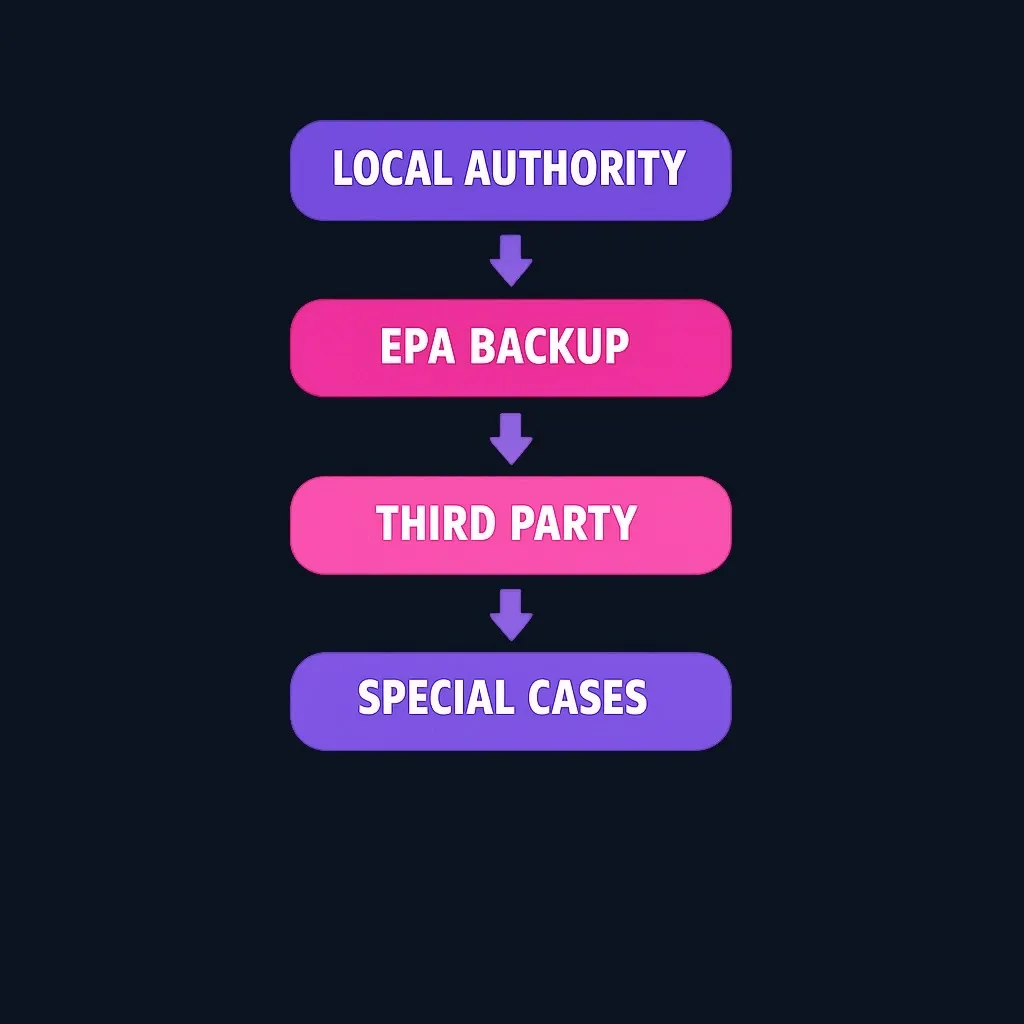
The VA's published Chapter 12 guidance for individual water supplies states that:
- water quality must meet the requirements of the health authority with jurisdiction;
- EPA guidelines apply when the local authority has no specific requirements;
- collection, transport, and testing must be handled by a disinterested third party acceptable to the local health authority; and
- certain nonstandard supply types or treatment systems can require additional appraisal comments or borrower acknowledgments.
Because VA announced updates to Chapter 12 effective in 2026, the lender should confirm which current handbook provision applies to the appraisal and loan file.
Who may collect and test the sample?
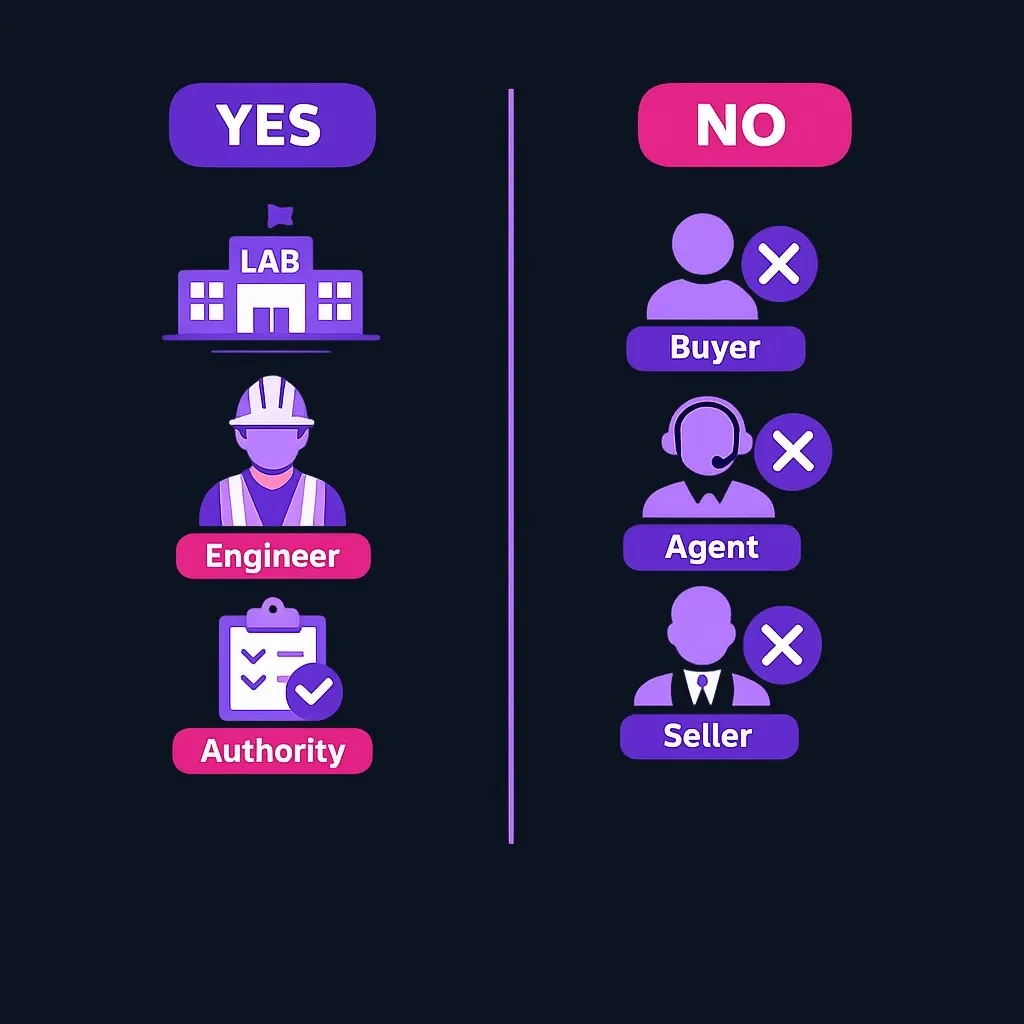
The borrower, seller, real-estate agent, or another interested party should not assume they can collect or carry the sample. VA guidance calls for a disinterested third party, which may include:
- the local health authority;
- a commercial testing laboratory;
- a licensed sanitary engineer; or
- another party the local health authority accepts.
Ask the lender or health authority to confirm the approved collector before scheduling. Also ask whether a chain-of-custody form, laboratory certification, or specific report format is required.
Which contaminants must be tested?
There is not one universal article-ready panel that applies to every property. The authority with jurisdiction determines the applicable standard. Depending on location, well type, nearby land use, and local rules, the panel may include microbiological indicators, nitrate or nitrite, arsenic, lead, or other contaminants.
Use the EPA's directory of private drinking-water well programs by state to find local contacts. Ask the authority and lender for the required analytes in writing before paying for a test.
How long are results valid?
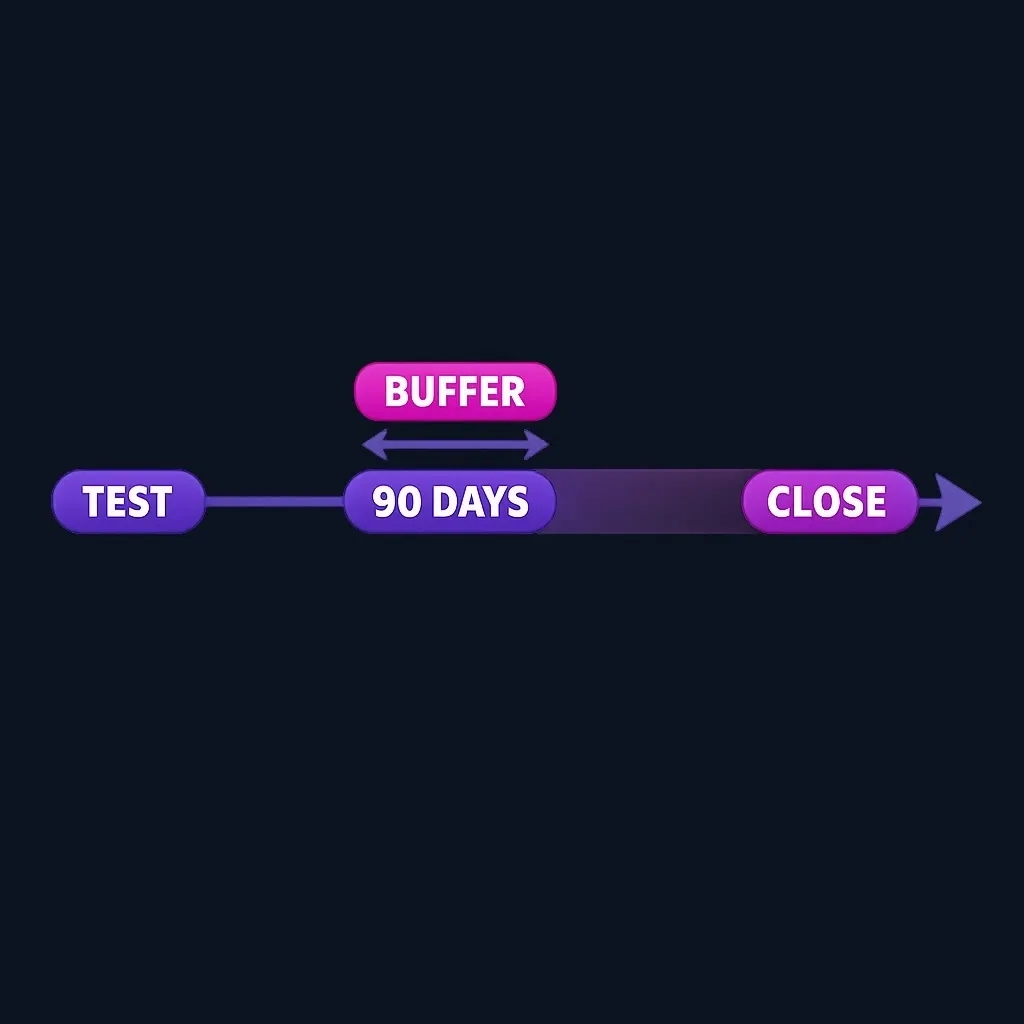
VA handbook materials have stated a 90-day validity period from certification by the local health authority unless the authority indicates otherwise. Because handbook provisions and local rules can change, confirm the accepted validity window with the lender immediately before sampling. Schedule the test close enough to underwriting to remain valid, while leaving time for remediation and a retest if necessary.
Do not rely on an older report merely because the well has not changed. The lender must decide whether the report, collector, date, analytes, and certification satisfy the current file requirements.
A practical process
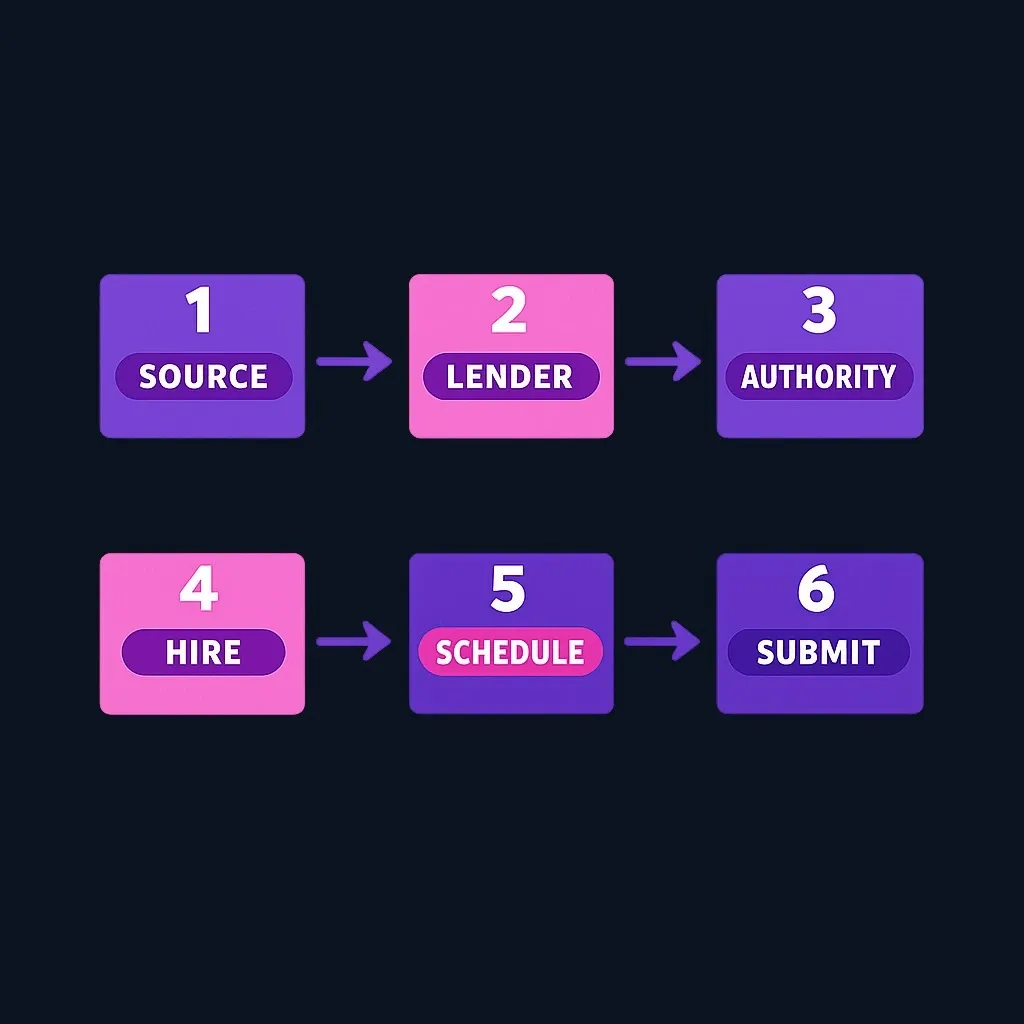
- Identify the water source. Confirm whether the property uses municipal, community, shared, or individual water.
- Ask the lender for the governing requirement. Request the applicable VA Handbook section and any lender documentation checklist.
- Contact the health authority. Confirm the water-quality standard, analytes, approved collectors, and laboratories.
- Hire an acceptable disinterested party. Verify collection, transport, and chain-of-custody procedures.
- Schedule for the transaction timeline. Allow enough time for results, corrective work, retesting, and underwriting review.
- Send the complete report to the lender. Preserve the laboratory report, certification, collection details, and invoices.
- Obtain written clearance. Do not assume a passing-looking result closes the condition until the lender confirms acceptance.
Practice trading with Finelo
Practice in a simulator, learn with bite-sized lessons, and build confidence before risking real money.
If a test does not meet the required standard
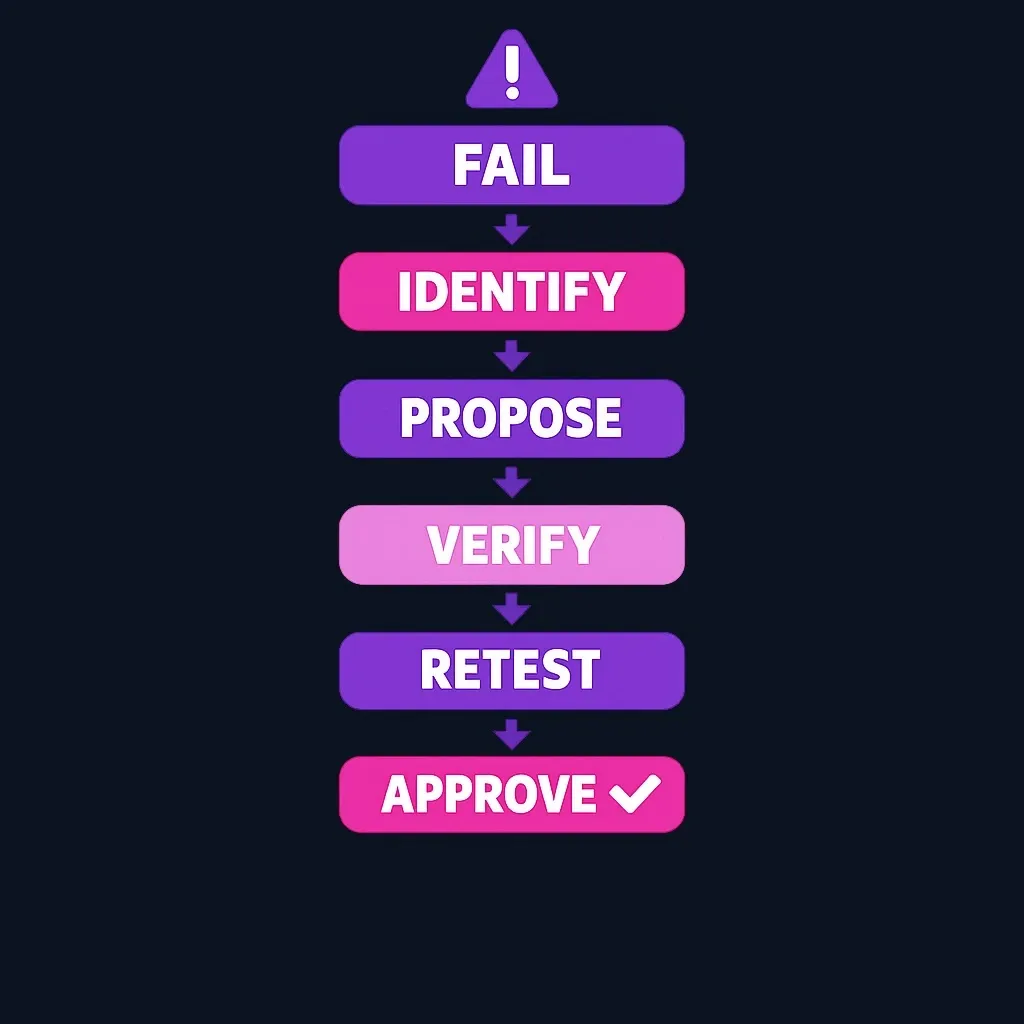
A failed result should be evaluated by the health authority, laboratory, and a qualified well or water-treatment professional. The appropriate response depends on the contaminant and its source. A treatment that addresses bacterial contamination may be inappropriate for a chemical contaminant, and a point-of-use device may not satisfy the authority or lender.
Before agreeing to repairs or credits:
- identify the contaminant and required standard;
- obtain a written remediation proposal;
- ask whether VA, the lender, or health authority requires a particular contractor or certification;
- confirm the required retest protocol and waiting period;
- state in the purchase agreement who pays and what happens if the property still fails; and
- obtain the lender's written acceptance before closing.
This is a transaction and health issue, not simply a negotiating tactic. Do not consume water that an appropriate authority has determined unsafe.
Special situations
Shared or community systems
Shared and community systems can involve supply-capacity, maintenance, access, and agreement requirements in addition to water quality. Ask the lender which current VA provisions apply and which documents must be recorded or reviewed.
Treatment or filtration systems
If safe water depends on continuous treatment, VA guidance may require written acknowledgment and ongoing inspection or maintenance. Obtain the manufacturer's maintenance schedule and confirm what the health authority and lender require.
Nonstandard water sources
Dug wells, cisterns, hauled-water holding tanks, springs, lakes, rivers, sand-point wells, artesian wells, and rainwater systems can trigger additional review. Do not assume an ordinary private-well checklist covers these systems.
Public connection requirements
If public water is available and the local authority mandates connection, the appraisal or loan may be conditioned on connecting. Confirm this early because cost and construction timing can be material.
Questions to ask before making the offer
- Which authority has jurisdiction over this water supply?
- What current VA Handbook provision will the lender apply?
- Who may collect and transport the sample?
- Which laboratory credentials and analytes are required?
- How long will the result remain valid?
- Does the well meet applicable separation-distance requirements?
- Is a shared-well or maintenance agreement required?
- Who pays for testing, remediation, and retesting?
- What written evidence will clear the lender's condition?
Common mistakes
- Ordering a generic home-water panel before confirming the required analytes.
- Letting an interested party collect or transport the sample.
- Using a laboratory report that lacks chain-of-custody or certification details.
- Assuming a seller's older report remains valid.
- Installing treatment without first confirming what the authority and lender will accept.
- Scheduling so late that a failed test cannot be remediated and retested before closing.
- Treating a lender's acceptance as a lifetime health guarantee; private wells require ongoing owner attention.
FAQ
Does every VA purchase require a water test?
No. The requirement depends on the water source and applicable property rules. An individual water supply commonly requires documentation of safe water, while a regulated public system is handled differently. Confirm the file-specific requirement with the lender.
Can the buyer collect the sample?
VA guidance for individual water supplies calls for collection and transport by a disinterested third party acceptable to the local health authority. Confirm the approved collector before sampling.
Is a 90-day-old result always accepted?
No. VA materials have used a 90-day period unless the health authority says otherwise, but the report must also satisfy the current local, VA, and lender requirements. Obtain file-specific confirmation.
What happens after remediation?
The lender and health authority may require a new sample, laboratory report, and evidence that the corrective work was completed. Obtain written clearance rather than assuming an invoice is sufficient.
Conclusion
The reliable process is to identify the authority, confirm the current VA and lender rules, use an approved disinterested collector, test the required analytes, and preserve enough time for remediation and retesting. Official VA materials and the local health authority—not a commercial checklist—should control the transaction.
For more educational home-finance guides, visit the Finelo Blog.
Financial LiteracyFinancial Education
Practice trading with Finelo
Practice in a simulator, learn with bite-sized lessons, and build confidence before risking real money.
About the author
Finelo Team
The Finelo Team creates practical investing and trading education designed to help beginners learn faster with structured challenges, simulator practice, and bite-sized lessons.
Keep reading — Related articles

Financial Literacy
Mercury Books Review 2026: Is It Worth It for Startups?
Mercury Books brings double-entry accounting into Mercury. Review its $35 pricing, reports, AI features, integrations, and migration limits.
Finelo Team

Financial Literacy
Why is My FICO Score Lower Than My Credit Score?
Example takeaway: seeing a higher score in a bank app doesn’t guarantee lenders will see the same FICO number at application time; lenders often pull a specific FICO version from a specific bureau.
Finelo Team
Financial Literacy
Why Is My FICO Score Higher Than My Credit Score?
Brief educational note: this article is educational, not financial or investment advice; investing and credit decisions involve risk and possible loss.
Finelo Team


