A special dividend is a one-time cash payment a company makes to shareholders outside its regular dividend schedule. It usually follows a very profitable period, an asset sale, or a decision to return excess cash. Unlike a regular quarterly dividend, it carries no promise of repetition. This page is for investors who own or are weighing a stock that just declared a special dividend. It explains how the payout works, how it is taxed, and what it signals about the company. Read the mechanics first, then check the tax section before making any decision around the payment date.
What Is a Special Dividend? Meaning, Taxes, and Examples

A special dividend is a one-time cash payment a company makes to shareholders outside its regular dividend schedule. It usually follows a very profitable period, an asset sale, or a decision to return excess cash. Unlike…
8 min read
Practice investing with Finelo
Build practical investing skills with guided lessons, simulator practice, and structured challenges.
Want to learn more?
Build practical investing skills with guided lessons, simulator practice, and structured challenges.
Explore FineloExplore Finelo's 28-day challenges
Turn learning into a daily habit with guided challenge paths.
The important questions are how the payment differs from a regular dividend, which ex-date and due-bill rules apply, and how the distribution is classified for tax purposes.
How special dividends work
The board declares the payment and announces the declaration, record, and payment dates. For ordinary cash distributions under current U.S. T+1 settlement, the ex-dividend date is generally the record date. Large distributions follow a different timetable, so investors must verify the dates in the issuer and exchange notices rather than infer them from a standard calendar.
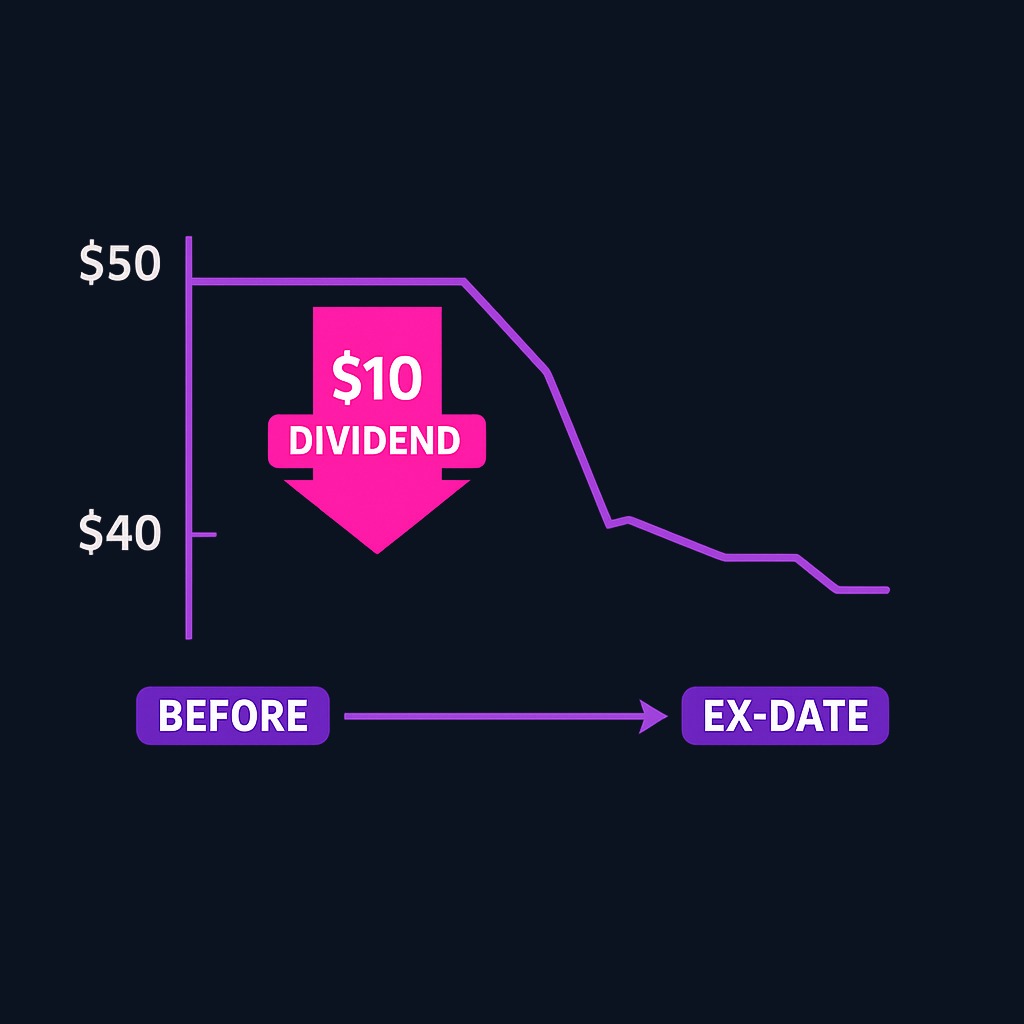
Two features distinguish the special variety. First, the amount can be much larger than a normal quarterly payment. Second, FINRA Rule 11140 provides that when a cash or stock distribution is 25% or more of the security's value, the ex-dividend date is the first business day after the payable date; due-bill arrangements may transfer the distribution from a seller to a buyer during the relevant period. Brokers may also adjust eligible open orders under applicable rules. A share price is economically expected to reflect the cash leaving the company, but the actual opening price is set by market orders and is not guaranteed to fall by exactly the dividend amount. See FINRA Rule 11140.
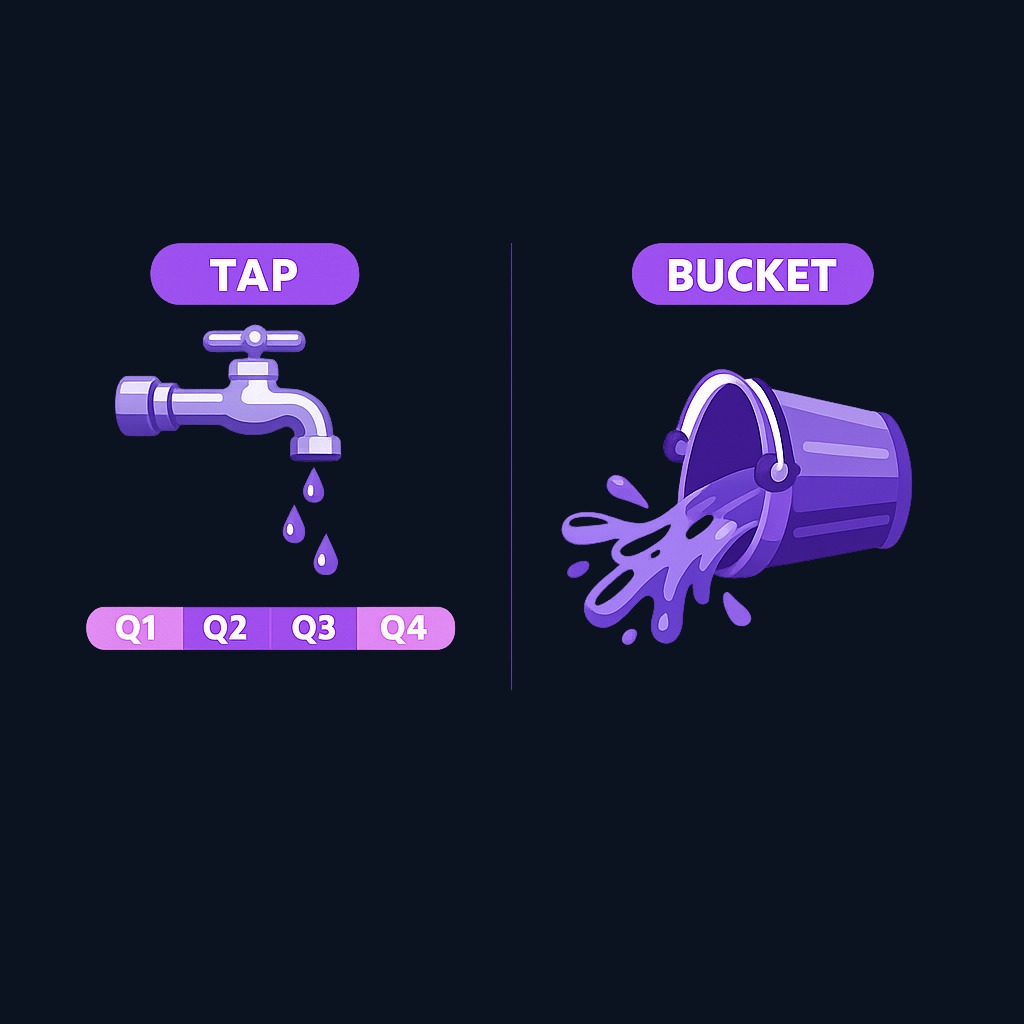
A special dividend differs from a regular dividend in expectation, not mechanics. A regular dividend implies a policy the company intends to maintain and, ideally, grow. A special dividend implies nothing about the future. The company is emptying a bucket, not opening a tap.
Why companies issue special dividends
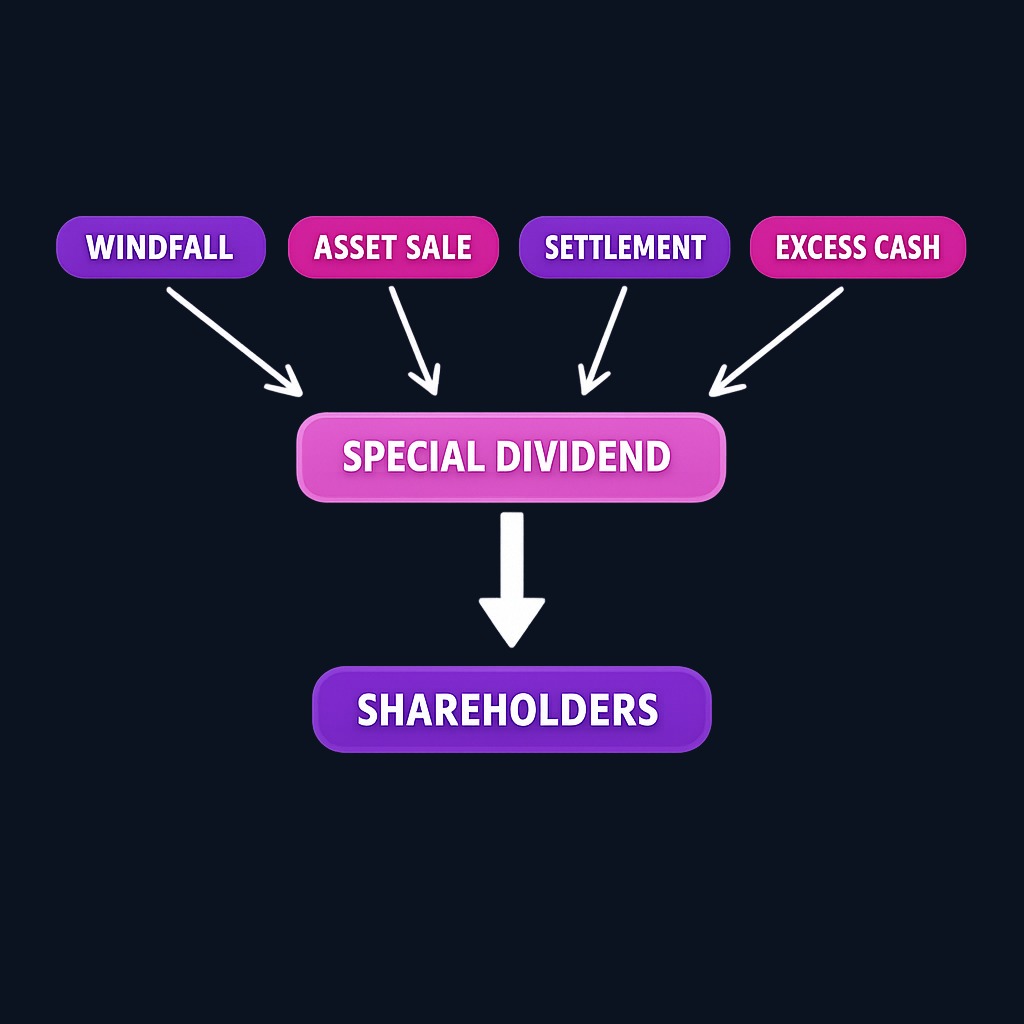
Boards reach for a one-time payout in a few recurring situations:
- Excess cash with no better use. After a windfall year, management may decide shareholders can reinvest the surplus better than the business can.
- Asset or division sales. Proceeds from selling a business line often flow straight through to shareholders as a special distribution.
- Legal or tax settlements and recoveries. One-time inflows produce one-time payouts.
- Capital-structure resets. A company carrying more cash than its strategy needs may pay it out, sometimes alongside new borrowing, to change its balance-sheet mix.
- Signaling discipline. A large payout tells the market that management will not hoard cash or overpay for acquisitions simply because money is available.
The common thread is that the cash source is non-recurring. That is exactly why the payment is labeled special and why investors should not project it forward into future income estimates.
Benefits and risks for investors
| Aspect | Benefit | Risk or catch |
|---|---|---|
| Cash in hand | Immediate distribution to eligible holders | The company has less cash, while the market price may adjust by more or less than the payout |
| Signal | Suggests strong cash generation and discipline | Can signal management sees no growth projects worth funding |
| Income | Boosts realized yield for the year | Not repeatable; the following year's income reverts |
| Taxes | May be taxed at favorable qualified-dividend rates | Taxable event you did not choose, possibly at ordinary rates |
The most common mistake is treating an announced special dividend as free money. The company loses the distributed cash and the market reprices the shares, although the actual move can differ from the payout. Taxes, spreads, due bills, and ordinary price risk all affect the result of a dividend-capture trade.
There is also a portfolio effect worth noting. After a large distribution, the company itself is smaller and holds less cash. Its risk profile, liquidity, and future dividend capacity all change. The post-payout company deserves a fresh look, not an assumption that nothing moved.
Tax implications of special dividends
For U.S. federal tax purposes, a cash distribution may be an ordinary dividend, a qualified dividend if all requirements are met, a return of capital, or a capital-gain distribution depending on the payer's earnings and profits and the reported classification. Qualified-dividend treatment generally requires holding the stock for more than 60 days during the 121-day period beginning 60 days before the ex-dividend date, with special rules and exceptions. See IRS Publication 550 and the issuer's Form 1099-DIV information; state and non-U.S. treatment can differ.
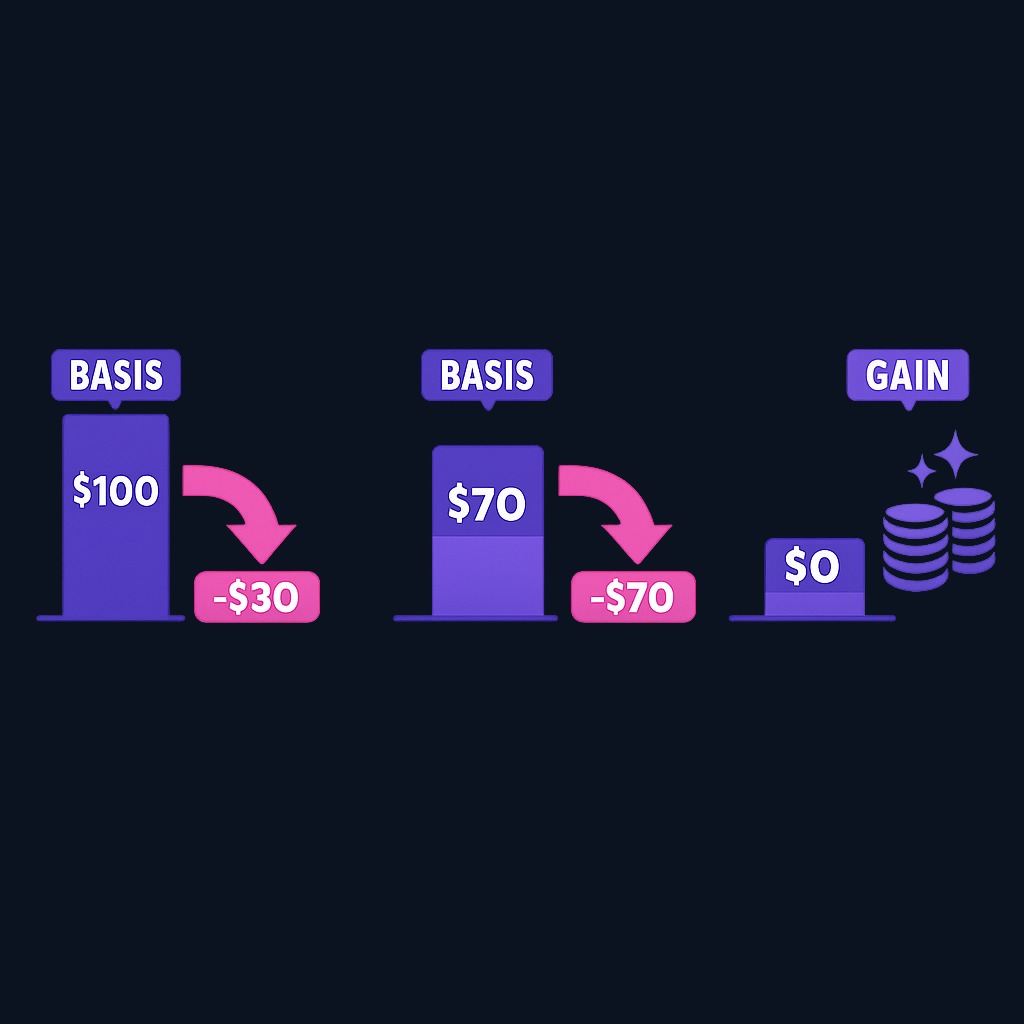
Some distributions are classified partly or wholly as a nondividend distribution, often called return of capital. It generally reduces adjusted basis until basis reaches zero. Any further nondividend distribution is generally reported as a capital gain, subject to the holder's circumstances. The final classification may not be known at payment time.
Holding the shares in a tax-advantaged retirement account changes the math, since dividends there are not taxed in the year received. In a taxable account, a large involuntary distribution can create a real tax bill. That is one reason long-term holders do not always celebrate special dividends. Verify current tax treatment on the official IRS pages before acting. Also think about the timing of any planned sale around the distribution.
Practice investing with Finelo
Build practical investing skills with guided lessons, simulator practice, and structured challenges.
How to research a company that declared one
Announced special dividends are documented in official company filings. The declaration typically appears in a press release and a current-events filing. The company's cash position and payout capacity are visible in its quarterly and annual reports. All of these are free through the SEC's EDGAR database. It is the primary source for confirming the amount, the key dates, and the stated reason for the payout. Reading the filing beats reading headlines. The company's own words about why it is distributing cash tell you whether this is a windfall passthrough, a balance-sheet reset, or a substitute for growth.
What to know before deciding
A few points deserve attention before you buy, sell, or hold around a special dividend. The payout itself is not new wealth: it moves cash out of the company and may create a taxable event. The signal is ambiguous, and the market price can move for many reasons around the same date. Compare performance using properly adjusted data and reassess the company's post-distribution balance sheet. Taxes, spreads, due bills, and market risk make dividend-capture trades uncertain.
Decision framework: evaluating a special dividend
| Your intent | Recommended next step |
|---|---|
| You own the stock long term | Read the filing on EDGAR, reassess the smaller post-payout company, and plan for the tax hit |
| You are tempted to buy before the ex-date | Account for the company's cash outflow, the correct ex-date and due-bill period, taxes, and market risk; buy only if the company fits your plan |
| You want recurring income | Look at regular-dividend history and payout ratios instead; special payouts are not income policy |
| You are comparing uses of corporate cash | Weigh the special dividend against buybacks and reinvestment described in the filing |
| You hold in a taxable account | Estimate qualified versus ordinary treatment using IRS guidance before the record date |
FAQ
What is the difference between a special dividend and a regular dividend?
A regular dividend is a recurring payment under an ongoing policy, usually quarterly. A special dividend is a one-time distribution tied to unusual cash inflows or a balance-sheet decision, with no implied commitment to repeat it.
Does the stock price drop after a special dividend?
The stock begins trading without the distribution entitlement on the applicable ex-date, so an economic adjustment is expected. The actual opening price is set by supply and demand and can move by more or less than the dividend.
How are special dividends taxed?
The classification can be ordinary dividend, qualified dividend if all requirements are met, nondividend distribution, or another category reported by the payer. A nondividend distribution generally reduces basis to zero, after which additional amounts may be capital gain. Consult IRS Publication 550 and the reporting forms for the specific payment.
Should I buy a stock just to get its special dividend?
Usually not. The ex-date price adjustment offsets the payment, and taxes reduce the net. The strategy only profits if the stock performs well afterward. That is a bet on the company, not on the dividend.
Next steps. Treat a special dividend announcement as a prompt to re-research the company. Confirm the details in the official filing, estimate your tax outcome, and decide based on the business that remains after the cash leaves. If you want to build fluency with dividends, payout dates, and how corporate actions move prices, the Finelo app turns these concepts into short interactive lessons you can practice anytime.
InvestingFundamental AnalysisDividendsBeginner
Practice investing with Finelo
Build practical investing skills with guided lessons, simulator practice, and structured challenges.
About the author
Finelo Team
The Finelo Team creates practical investing and trading education designed to help beginners learn faster with structured challenges, simulator practice, and bite-sized lessons.
Keep reading — Related articles
Investing
Tax-gain harvesting vs. tax-loss harvesting
Compare realizing investment gains with realizing losses, including holding periods, wash sales, offsets, and portfolio tradeoffs.
Finelo Team
Investing
Stable value fund vs. money market fund
Compare investment structure, contract protections, transfer restrictions, net yields, and access inside a retirement account.
Finelo Team

Investing
Single-life vs. joint-life annuity
Compare income for one lifetime with continued payments to a survivor, using equal premiums and matching guarantee terms.
Finelo Team