For U.S. readers: This article discusses U.S. rules and financial products. State rules and individual eligibility may differ.
Does a Revocable Trust Become Irrevocable Upon Death?
That does not mean post-death changes are impossible.
9 min read
Practice trading with Finelo
Practice in a simulator, learn with bite-sized lessons, and build confidence before risking real money.
Want to learn more?
Practice in a simulator, learn with bite-sized lessons, and build confidence before risking real money.
Explore FineloExplore Finelo's 28-day challenges
Turn learning into a daily habit with guided challenge paths.
Quick answer
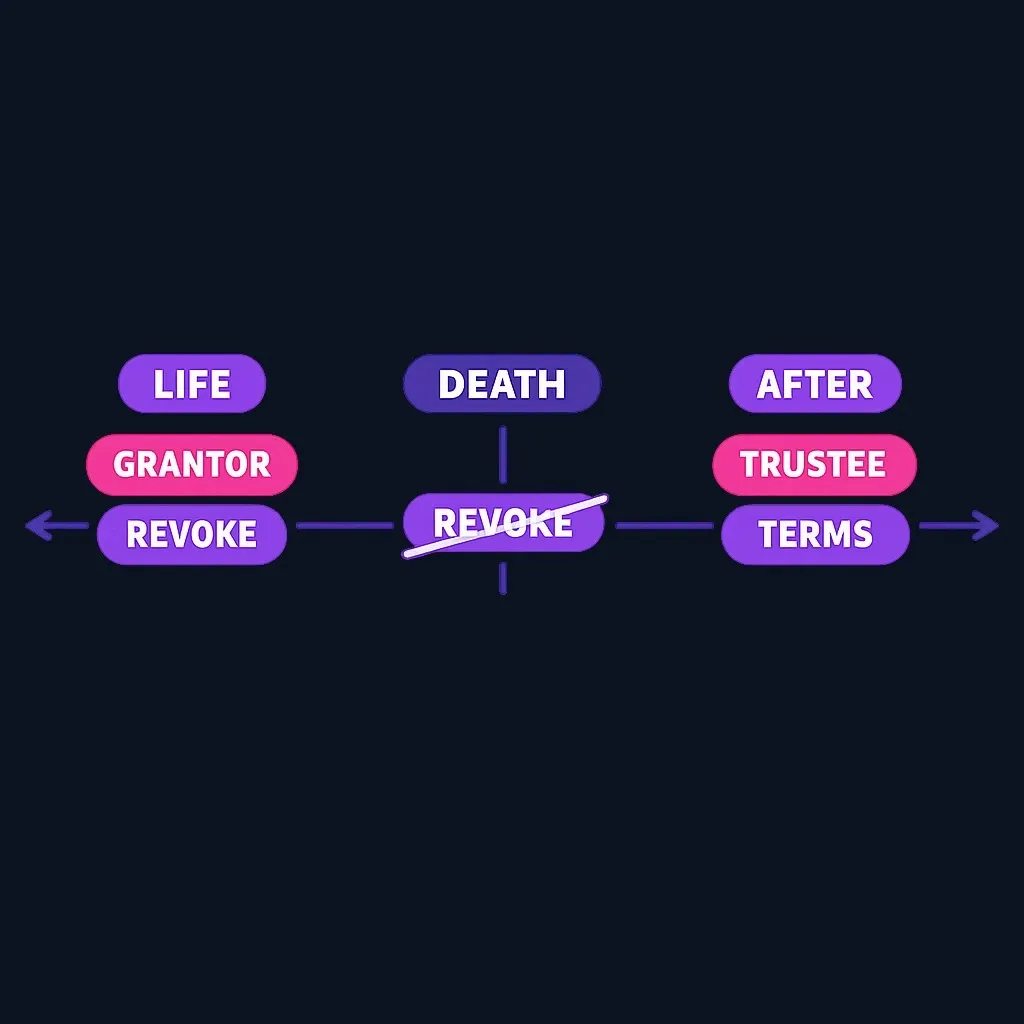
Yes—in the ordinary single-grantor arrangement, the grantor's power to amend or revoke a revocable living trust ends at death. The successor trustee then administers the trust under its final terms and applicable state law. The IRS expressly recognizes that a revocable trust may become irrevocable when the grantor dies and generally requires a new EIN when that change occurs (IRS EIN guidance).
That does not mean post-death changes are impossible. A trust document may grant limited powers, and state law may permit reformation, modification, settlement, decanting, or termination in defined circumstances. Those procedures do not restore the deceased grantor's revocation power.
Finelo provides financial education, not legal, tax, financial, or investment advice. One common reason people create a revocable living trust is to avoid probate for assets properly titled to it (Consumer Financial Protection Bureau). Verify the signed document and current state law with an attorney.
What to know before deciding
This section defines the core terms you’ll see on the page and what they mean in practice.
Key definitions
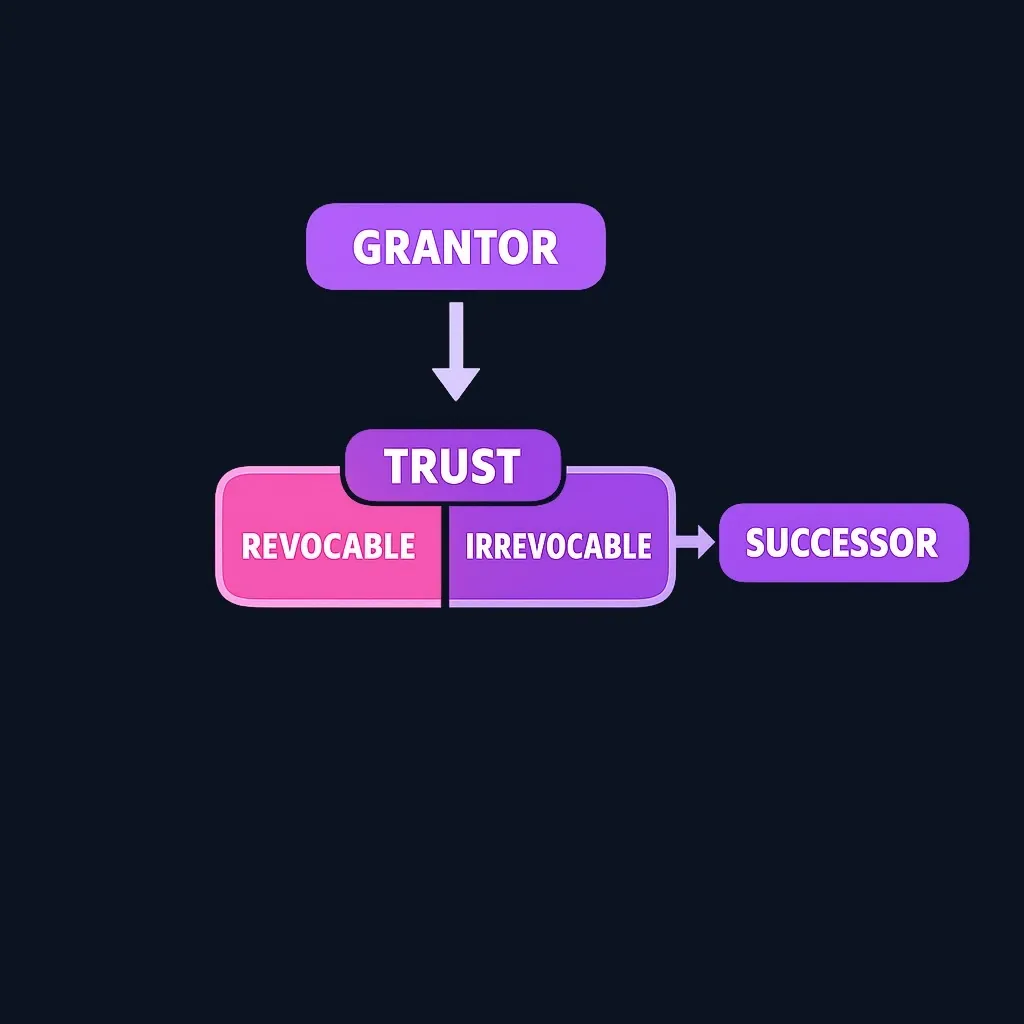
- Revocable trust: a trust the grantor can change or revoke while alive. It’s often used to arrange post‑death transfers without probate.
- Irrevocable trust: a trust the grantor generally cannot revoke unilaterally. Certain terms may still be changed through document-based powers or a state-law process.
- Grantor (settlor): the person who creates and funds the trust.
- Successor trustee: the person or institution named to manage the trust after the grantor’s incapacity or death.
Who this page is for: readers who want a clear, practical answer about whether revocable trusts become irrevocable on death, plus successor trustees and beneficiaries seeking a starter checklist. After reading, you should be able to identify the next administrative steps and decide when to consult counsel. Caveat about probate and titling: assets must be properly titled to the trust to avoid probate; that is one reason people use revocable living trusts (Consumer Financial Protection Bureau). State rules and procedures differ—consult local counsel for specifics.
What happens to a revocable trust upon the grantor's death?
This explains the usual legal transition and practical consequences so you can evaluate next steps.
Typical transition: when the grantor dies, the power to unilaterally change or revoke the trust normally ends. The trustee then follows the trust's written instructions, subject to applicable state law. Some trust documents include post-death mechanisms—such as powers of appointment, trust-protector powers, or directions for division into subtrusts—that create limited flexibility. State statutes may also permit specific changes. The Uniform Trust Code is a model, but each state may adopt or modify it differently.
How this affects assets and distribution
- Operative terms: the trustee administers and distributes the trust property according to the document.
- Probate: assets titled to the trust normally pass under trust administration rather than through probate (Consumer Financial Protection Bureau).
- Exceptions and variations: joint‑owner property, beneficiary‑designated accounts, and assets not retitled may still require probate or other processes.
Worked example
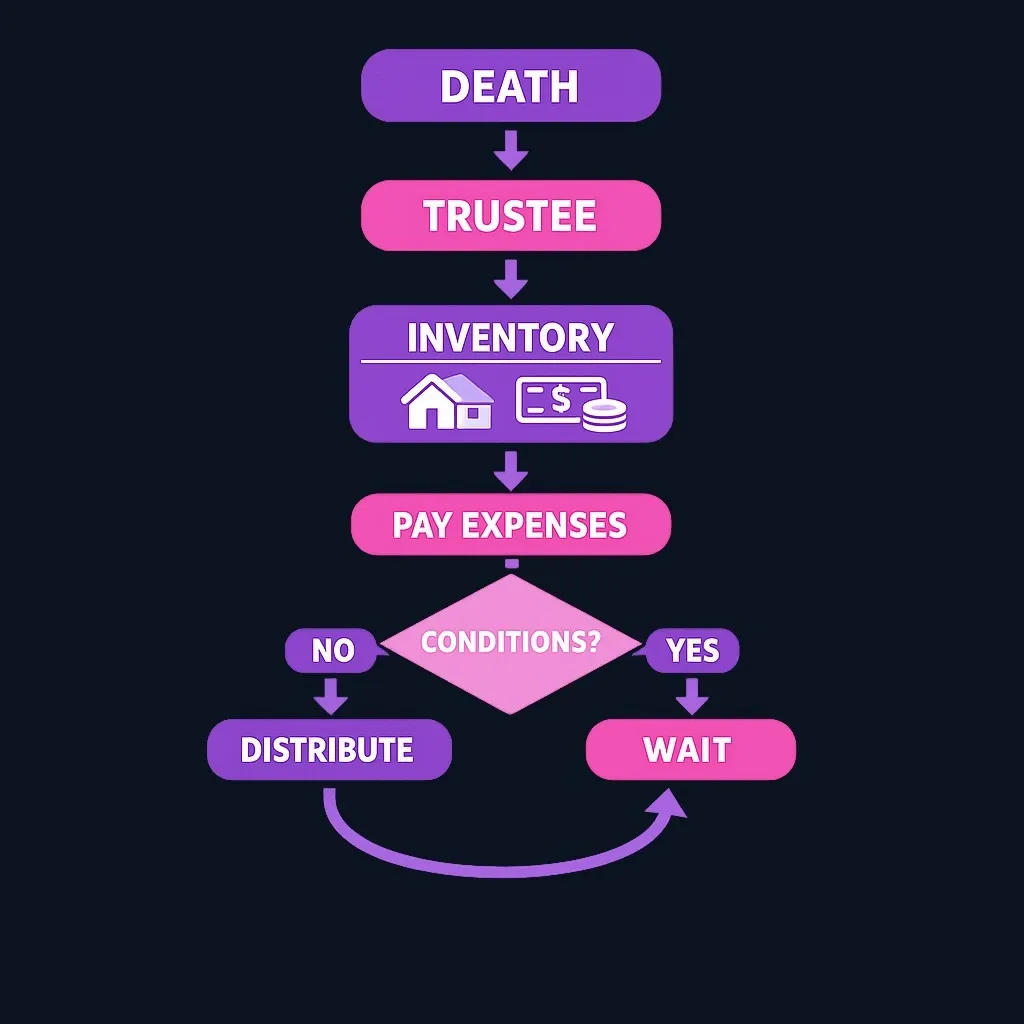
A grantor funds a trust with a home and brokerage account, names a successor trustee, then dies. The successor trustee gathers death certificates, inventories trust assets, pays allowed expenses from trust funds, and makes distributions as the trust requires. If the trust conditions distributions (for example, delaying a payout until a beneficiary reaches a certain age), the trustee follows those conditions.
State variation note: procedures for creditor notices, accounting, and timelines vary by state. If those issues matter, consult a local estate attorney.
Role of the successor trustee after death
This section summarizes fiduciary duties and practical tasks a successor trustee must perform.
Fiduciary obligations: the successor trustee must act loyally and prudently for beneficiaries, follow the trust terms, and avoid self‑dealing. That duty begins when the trustee accepts appointment or when the trust specifies.
Common responsibilities
- Locate and read the original trust and any related estate documents.
- Obtain certified death certificates and proof of appointment if needed.
- Notify beneficiaries and covered institutions (banks, brokerages, insurers).
- Secure and insure trust property, including real estate and valuables.
- Inventory and value assets; keep clear, dated records of receipts and disbursements.
- Identify and pay valid debts, administrative expenses, and taxes when the trust authorizes or requires payment.
- Provide accountings to beneficiaries as the trust or state law requires.
- Distribute assets strictly according to the trust.
Starter checklist for successor trustees
- Get multiple certified death certificates.
- Locate the original trust, deeds, account statements, and beneficiaries’ contact info.
- Photograph and secure valuable items and real property.
- Ask a tax professional and the financial institution whether a new EIN and trust account are required; the IRS generally requires a new EIN when a revocable trust becomes irrevocable (IRS EIN guidance).
- Keep a dated file of notices, invoices, valuations, and correspondence.
- Ask counsel before making distributions if title, creditor, or tax issues are unresolved.
Concrete caveat: trustees who distribute assets prematurely or outside their authority can face personal liability. When in doubt, pause and obtain professional guidance.
Tax implications of trust transition
High‑level considerations to raise with a tax professional.
This section is educational, not tax advice. Tax treatment depends on asset types, trust wording, and jurisdiction; a CPA can determine required returns and deadlines.
Questions to review with a tax advisor
- Whether trust income should be reported on personal returns or on trust returns for the relevant periods.
- Whether the trust needs a new EIN and Form 1041 filings. The IRS says Form 1041 reports income, deductions, gains, losses, and distributions of a trust, while special rules may apply to a qualified revocable trust after death (2025 Form 1041 instructions).
- Whether the estate or trust will have estate tax exposure under federal or state law.
- Whether any withholding, filing deadlines, or special valuations apply to trust assets.
Comparison — conceptual overview
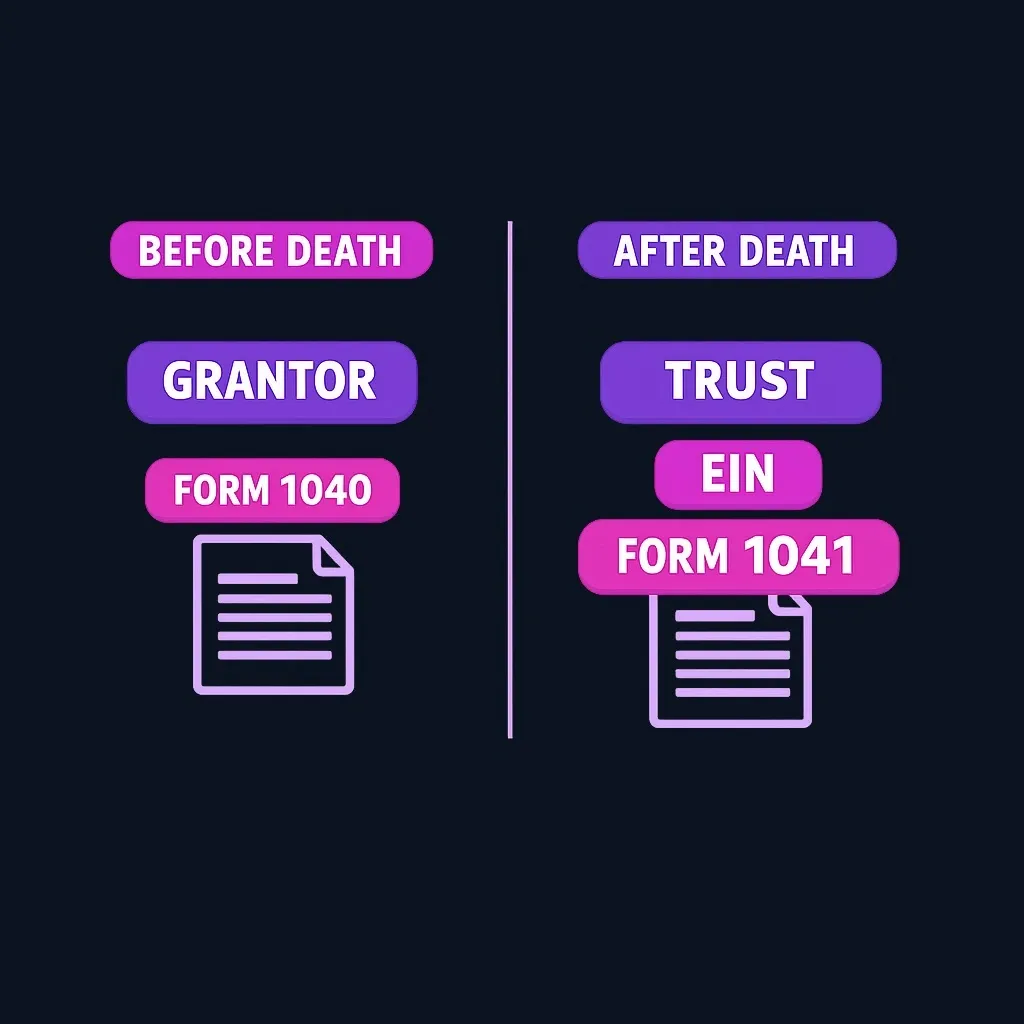
| Topic | While grantor alive | After death (administration) |
|---|---|---|
| Ability to change trust terms | Grantor can amend or revoke | Terms are generally fixed unless the trust authorizes changes |
| Probate exposure | Properly titled trust assets usually avoid probate (CFPB) | Trust property typically continues to pass under the trust rather than probate |
| Tax and filings | Depends on how the grantor reports income | Post‑death tax and filing needs depend on trust wording and tax law |
Check with a qualified tax professional before preparing returns or making distributions; tax rules are complex and vary by state.
Practice trading with Finelo
Practice in a simulator, learn with bite-sized lessons, and build confidence before risking real money.
Trust administration steps after death
A practical, ordered workflow trustees commonly follow. Do not treat a generic timeline as a legal deadline: notice, creditor, tax, and distribution periods vary by state and by the trust.
- Confirm authority. Obtain certified death certificates and locate the signed trust, amendments, pour-over will, deeds, and beneficiary designations.
- Secure assets. Maintain insurance, protect real and personal property, and prevent unauthorized withdrawals.
- Identify titles and beneficiaries. Separate assets owned by the trust from joint, beneficiary-designated, or individually owned assets.
- Obtain tax guidance. Determine whether the trust needs a new EIN, a separate account, a Form 1041 filing, valuations, or an election available to a qualified revocable trust.
- Give required notices. Follow the trust and current state law for beneficiary and creditor notices rather than relying on a national template.
- Inventory, value, and account. Keep dated records of receipts, expenses, decisions, and distributions.
- Resolve claims and taxes before final distribution. Retain an appropriate reserve when liability remains uncertain and distribute only under documented authority.
If the trust holds businesses, foreign assets, or complex investments, engage specialized counsel and a CPA early.
Common pitfalls in trust management (and how to avoid them)
Practical mistakes trustees and beneficiaries commonly make, and concrete fixes.
- Acting without confirming authority: obtain written proof of appointment or court confirmation before major actions.
- Incomplete funding (funding gap): check asset titles early; assets not retitled to the trust may still need probate.
- Poor documentation: keep dated invoices, valuations, and electronic copies to reduce disputes.
- Skipping required notices: some states require trustee notices to creditors or beneficiaries; ask counsel about local deadlines.
- Rushing distributions: preserve reserves for potential creditor claims and tax liabilities until exposures are clear.
Fixes: follow the trust text; keep thorough records; consult attorneys or accountants for unclear title, creditor, or tax questions.
Decision framework
A compact checklist to prioritize actions and decide when to get professional help.
- Confirm authority: locate the original trust and get certified death certificates.
- Secure assets: change locks, verify insurance, and open a trust account for authorized payments.
- Inventory and estimate cash needs: identify funds for expenses and taxes before distributions.
- Check titles: determine whether any asset still requires probate.
- Engage professionals: hire an estate attorney for legal questions and a CPA for tax matters when the trust holds businesses, foreign assets, or complex investments.
- Communicate: keep beneficiaries informed to reduce confusion and disputes.
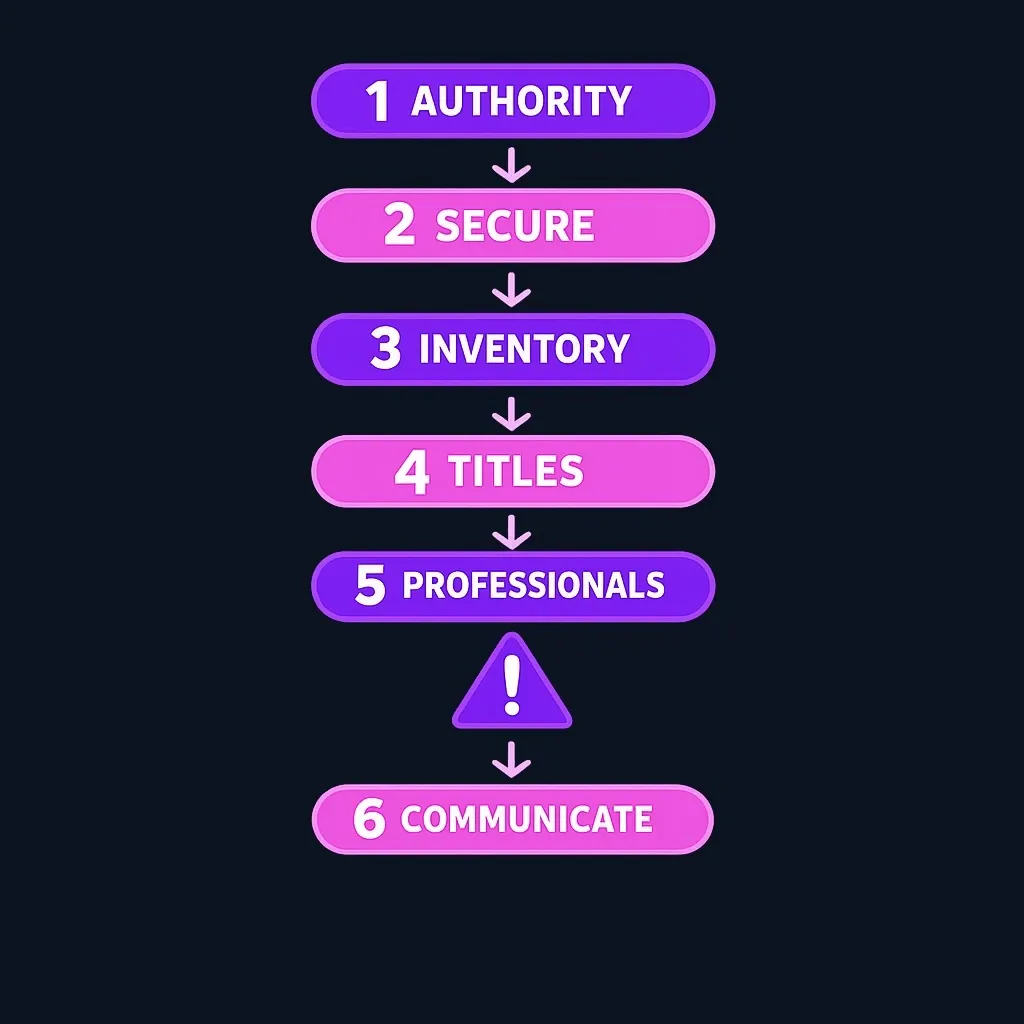
If title, creditor, or tax uncertainty remains after step 3, hire qualified professionals before making distributions.
FAQ
Does a revocable trust automatically become irrevocable when the grantor dies?
In most cases the grantor’s power to amend or revoke ends at death and the trustee administers the trust under its final terms. Review the trust for any express post‑death modification powers and consult counsel if language is unclear.
Are assets in a revocable trust taxable at death?
Tax consequences depend on asset type, total estate value, and federal and state law. Work with a qualified tax professional to determine estate tax exposure and filing obligations.
Who files taxes for the trust after the grantor dies?
Tax filing responsibilities vary by trust wording and law. The successor trustee should coordinate with a CPA to determine filing needs and any required tax identifiers.
Can beneficiaries change the terms after the grantor’s death?
Beneficiaries do not inherit the deceased grantor's personal power to revoke the trust. However, the document or governing state law may permit a consent-based modification, nonjudicial settlement, court reformation, decanting, or termination. The required parties and legal standard vary, and protected interests may prevent an informal family agreement from being effective.
Conclusion: Next steps for trust management
If you are a successor trustee or beneficiary, start by locating the original trust, obtaining certified death certificates, and inventorying assets. Use the starter checklist and the 7‑step workflow above to prioritize security, notice, tax, and distribution tasks. When in doubt about titles, creditor claims, or taxes, engage an estate attorney or CPA in your state early.
Learn more about estate planning basics in the Finelo Blog: Finelo Blog.
Financial LiteracyFinancial Education
Practice trading with Finelo
Practice in a simulator, learn with bite-sized lessons, and build confidence before risking real money.
About the author
Finelo Team
The Finelo Team creates practical investing and trading education designed to help beginners learn faster with structured challenges, simulator practice, and bite-sized lessons.
Keep reading — Related articles

Financial Literacy
Mercury Books Review 2026: Is It Worth It for Startups?
Mercury Books brings double-entry accounting into Mercury. Review its $35 pricing, reports, AI features, integrations, and migration limits.
Finelo Team

Financial Literacy
Why is My FICO Score Lower Than My Credit Score?
Example takeaway: seeing a higher score in a bank app doesn’t guarantee lenders will see the same FICO number at application time; lenders often pull a specific FICO version from a specific bureau.
Finelo Team

Financial Literacy
Why Is My FICO Score Higher Than My Credit Score?
Brief educational note: this article is educational, not financial or investment advice; investing and credit decisions involve risk and possible loss.
Finelo Team