For U.S. readers: This article discusses U.S. rules and financial products. State rules and individual eligibility may differ.
Was the Family Opportunity Mortgage Discontinued? What the Fannie Mae Rules Actually Say

“Family Opportunity Mortgage” is a marketing nickname, not the name of a separate mortgage product in the Fannie Mae Selling Guide.
8 min read
Practice trading with Finelo
Practice in a simulator, learn with bite-sized lessons, and build confidence before risking real money.
Want to learn more?
Practice in a simulator, learn with bite-sized lessons, and build confidence before risking real money.
Explore FineloExplore Finelo's 28-day challenges
Turn learning into a daily habit with guided challenge paths.
Quick answer
“Family Opportunity Mortgage” is a marketing nickname, not the name of a separate mortgage product in the Fannie Mae Selling Guide. It is therefore misleading to say that Fannie Mae discontinued a product with that official name.
The underlying occupancy exceptions still appear in Fannie Mae’s current guide. In limited circumstances, a parent or legal guardian buying housing for a disabled adult child—or an adult child buying housing for a parent—may be treated as an owner-occupant even though the borrower will not live in the property.
Finelo provides general financial education, not mortgage, legal, tax, investment, or individualized financial advice. Fannie Mae eligibility does not require a lender to approve a loan; lenders can apply additional underwriting requirements.
What the nickname refers to
Fannie Mae normally defines a principal residence as a property occupied by the borrower. Its occupancy guidance lists specific cases in which a non-occupying borrower can still receive principal-residence treatment.
The guide currently describes two relevant family situations:
- A parent or legal guardian provides housing for a disabled adult child who is unable to work or does not have enough income to qualify for a mortgage independently. The parent or guardian is considered the owner-occupant.
- An adult child provides housing for a parent who is unable to work or does not have enough income to qualify independently. The child is considered the owner-occupant.
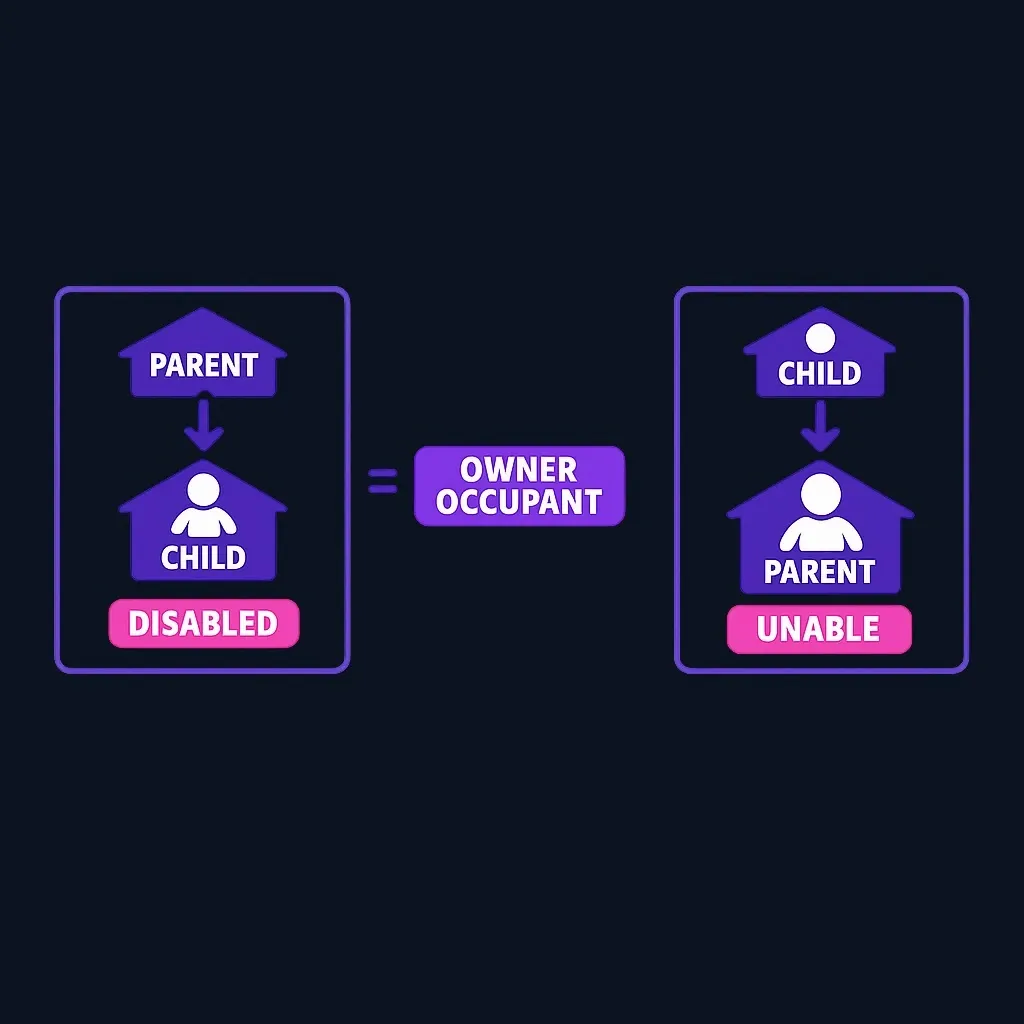
Source: Fannie Mae Selling Guide B2-1.1-01, Occupancy Types.
The guide does not call these arrangements “Family Opportunity Mortgages.” That label is commonly used by lenders and mortgage publishers to describe the occupancy treatment.
What has and has not been discontinued
The marketing label
A lender may stop advertising a loan under the “Family Opportunity Mortgage” label, or it may never use that term. That does not establish a Fannie Mae policy change.
The occupancy exceptions
As of the date checked for this article, Fannie Mae’s occupancy page still contains the parent-child exceptions. The online guide page is the controlling source to verify before applying because Fannie Mae can revise its Selling Guide.
A specific lender’s offering
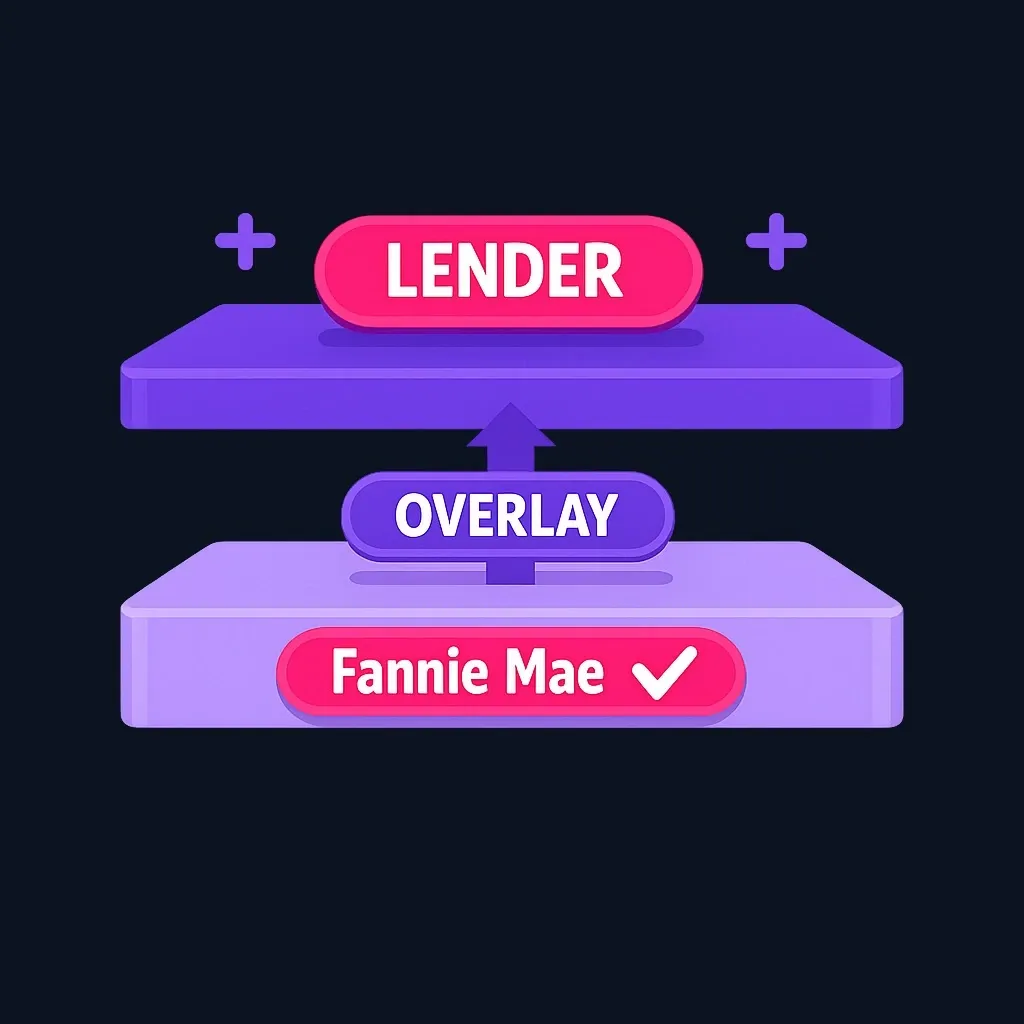
Even when a loan could be eligible for sale to Fannie Mae, a lender may choose not to offer it or may impose additional documentation, credit, reserve, property, or occupancy requirements. This is often called a lender overlay.
Who may fit the Fannie Mae exception
| Borrowing arrangement | Fannie Mae occupancy condition |
|---|---|
| Parent or legal guardian buys for a disabled adult child | The adult child is unable to work or does not have sufficient income to qualify independently |
| Adult child buys for a parent | The parent is unable to work or does not have sufficient income to qualify independently |
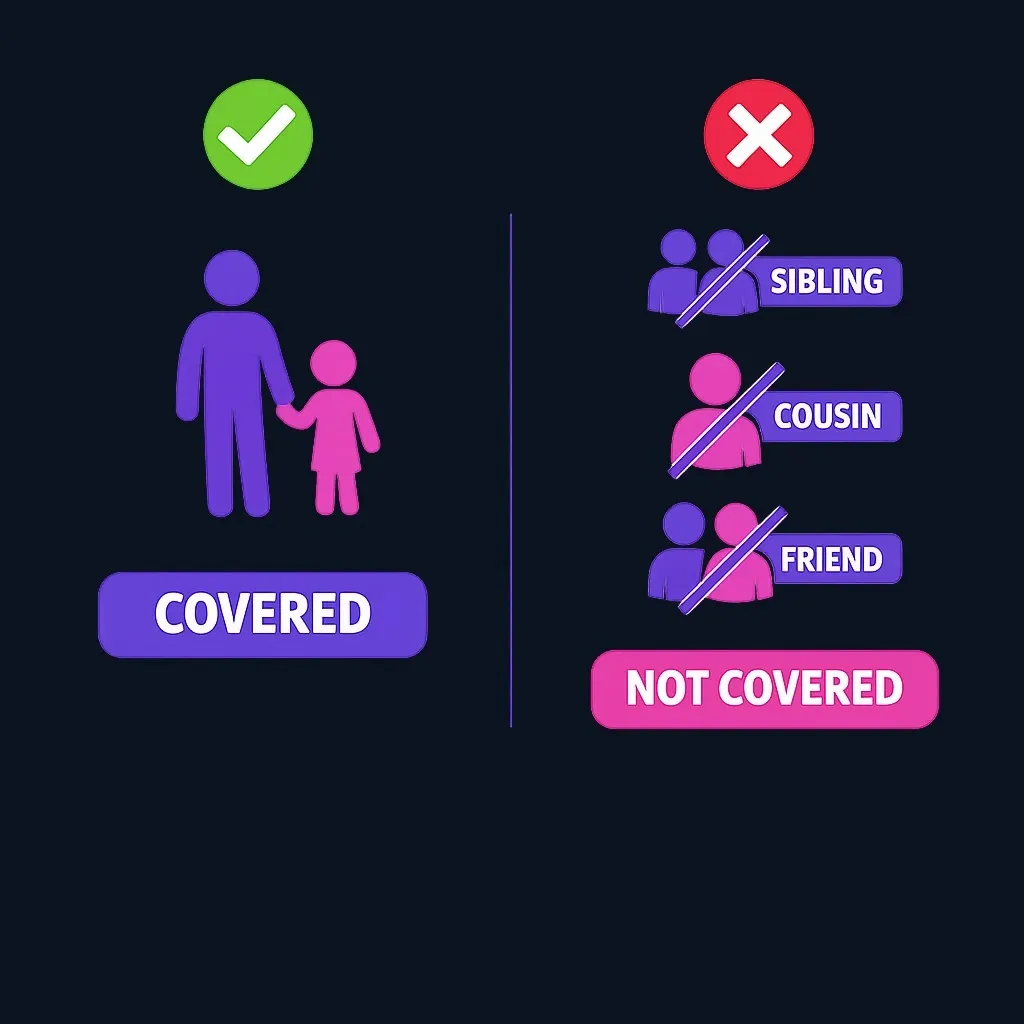
The guide’s wording is narrower than “buying any home for any relative.” It does not create a general principal-residence exception for siblings, cousins, grandparents, friends, temporary occupants, or family members who could qualify independently.
It also does not waive ordinary mortgage underwriting. The borrower must still qualify, the property must be eligible, and the lender must document the transaction under its approved process.
Questions to ask a lender
Avoid asking only whether the lender offers a “Family Opportunity Mortgage,” because an employee may not recognize the nickname. A more precise inquiry is:
Does your conventional lending program follow the non-occupant principal-residence treatment in Fannie Mae Selling Guide B2-1.1-01 for a parent or legal guardian housing a disabled adult child, or an adult child housing a parent who cannot qualify independently?
Then ask:
- Is the intended loan a Fannie Mae-eligible conventional loan?
- Which of the two family exceptions does the lender believe applies?
- What evidence is required to establish the family relationship and the occupant’s inability to qualify independently?
- Who must take title?
- May the occupant contribute to housing expenses, and how would those payments be documented?
- What property, down-payment, reserve, and debt-to-income requirements apply?
- Does the lender impose requirements beyond the Fannie Mae minimums?
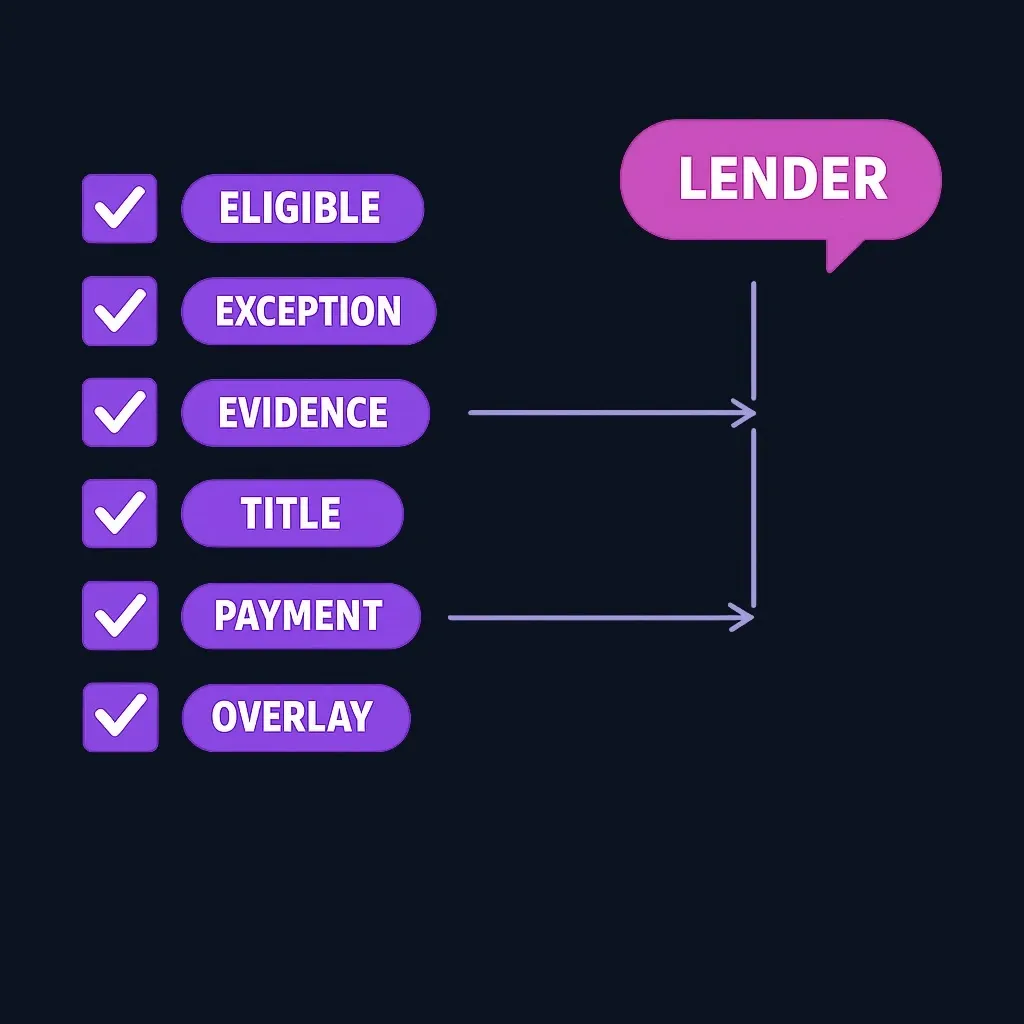
Request answers in writing where possible. Documentation varies by lender and should not be invented from a generic checklist.
Practice trading with Finelo
Practice in a simulator, learn with bite-sized lessons, and build confidence before risking real money.
What the exception does not guarantee
A particular interest rate
Principal-residence classification can affect underwriting and loan-level pricing, but it does not guarantee a specific rate. Rates depend on market conditions, the borrower’s profile, loan features, and lender pricing.
A minimum down payment
The occupancy exception does not by itself establish the required down payment. Loan-to-value limits, the selected product, property type, automated underwriting findings, and lender overlays all matter.
Approval based only on the occupant’s circumstances
The borrower must satisfy income, asset, credit, debt, and other underwriting requirements. The occupant’s inability to qualify independently is part of the occupancy exception, not a substitute for borrower qualification.
Eligibility for every family arrangement
The guide names particular parent-child relationships and financial-capacity conditions. It should not be generalized to every relative or caregiving situation.
Alternatives when the exception does not fit
Depending on the facts, a lender may discuss:
- a conventional transaction with the actual occupant as a borrower;
- a transaction with an eligible occupying borrower and a non-occupant co-borrower;
- second-home financing when the borrower will personally occupy the property for part of the year and all second-home rules are met; or
- investment-property financing when the property is not eligible for principal-residence or second-home treatment.
These categories have different occupancy representations, pricing, and underwriting. The borrower should describe the intended use accurately; misrepresenting occupancy can create serious contractual and fraud concerns.
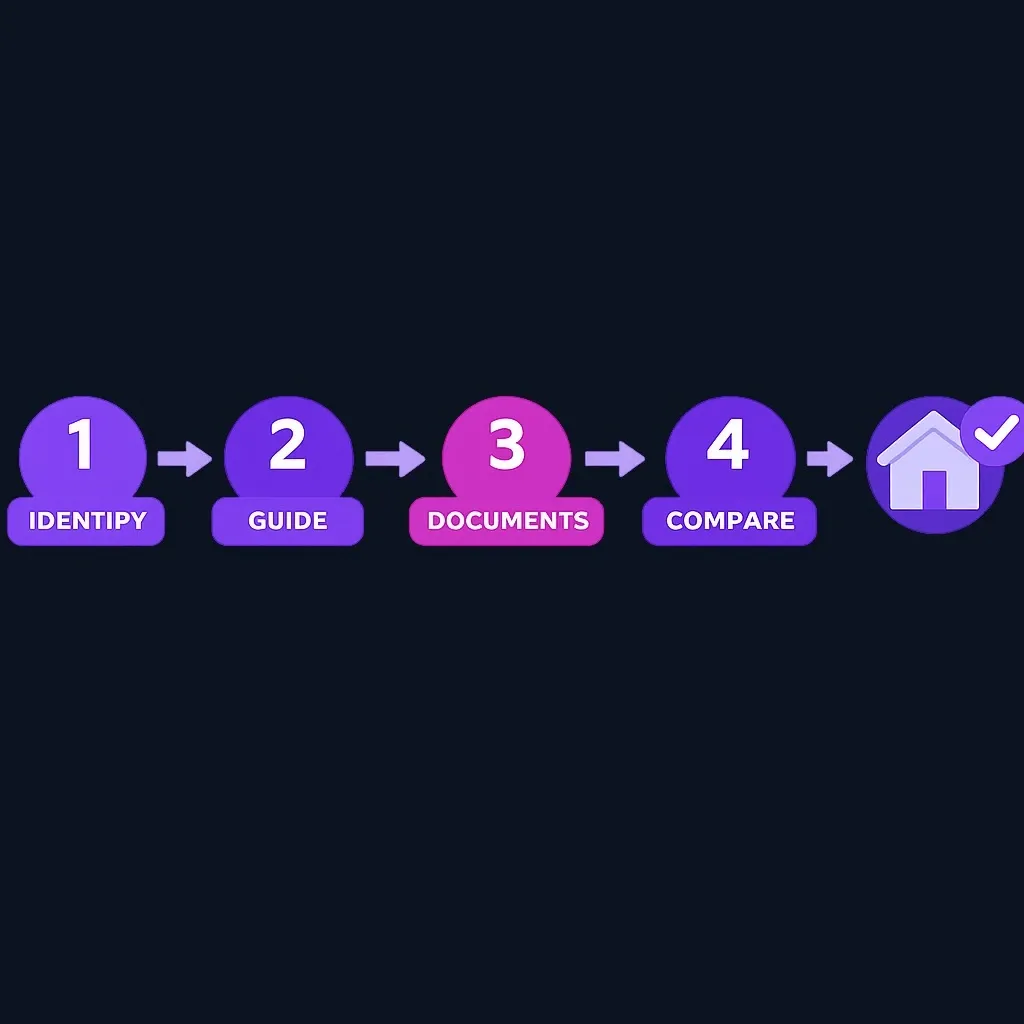
A careful application workflow
1. Identify the exact family scenario
Record who will borrow, who will own the property, who will occupy it, and why the occupant cannot qualify independently.
2. Use the official guide language
Send the lender the current Fannie Mae occupancy page instead of relying on the nickname. This reduces ambiguity about the requested treatment.
3. Request the lender’s documentation list
Do not assume that a medical record, affidavit, or family letter will be required or sufficient. Provide sensitive information only through the lender’s secure process and only when requested for a legitimate underwriting purpose.
4. Compare written loan disclosures
Review the Loan Estimate, including rate, annual percentage rate, origination charges, cash to close, projected payments, and whether taxes and insurance are escrowed. The Consumer Financial Protection Bureau explains how to compare offers in its Loan Estimate guide.
5. Confirm occupancy statements before signing
The application and security instrument contain occupancy representations. Correct any statement that does not match the intended arrangement before closing.
Frequently asked questions
Is there an official Fannie Mae product called the Family Opportunity Mortgage?
The Fannie Mae Selling Guide does not use that product name. The phrase commonly refers to the family-related principal-residence exceptions in the occupancy rules.
Can a parent buy a principal-residence-classified home for any adult child?
Not under this exception. Fannie Mae’s stated condition concerns a disabled adult child who is unable to work or lacks sufficient income to qualify independently.
Can an adult child buy for any parent?
The guide’s exception applies when the parent is unable to work or does not have sufficient income to qualify independently. The lender must determine whether the transaction meets the requirements.
Does the occupant have to be on the loan?
The point of these listed exceptions is that the parent, guardian, or child borrower can be treated as an owner-occupant even though the family member lives in the home. Title and borrower requirements still depend on the transaction and lender instructions.
Can the occupant pay rent?
The occupancy rule does not, by itself, answer how regular payments from the occupant will be treated for underwriting, taxes, or household agreements. Disclose the intended arrangement to the lender and obtain tax or legal guidance if needed.
How can a borrower tell whether the rule is still current?
Open Fannie Mae Selling Guide B2-1.1-01 and check the publication or update information on the live page. Do this again shortly before application or closing.
Bottom line
The “Family Opportunity Mortgage” is best understood as an informal label, not a discontinued Fannie Mae product. Current Fannie Mae guidance still recognizes two narrow family-housing situations for principal-residence treatment, subject to all other underwriting requirements and lender policy.
Use the official occupancy rule, describe the arrangement accurately, and ask lenders to confirm their interpretation and documentation requirements in writing.
For more plain-language mortgage education, visit the Finelo Blog.
Financial LiteracyFinancial Education
Practice trading with Finelo
Practice in a simulator, learn with bite-sized lessons, and build confidence before risking real money.
About the author
Finelo Team
The Finelo Team creates practical investing and trading education designed to help beginners learn faster with structured challenges, simulator practice, and bite-sized lessons.
Keep reading — Related articles

Financial Literacy
Mercury Books Review 2026: Is It Worth It for Startups?
Mercury Books brings double-entry accounting into Mercury. Review its $35 pricing, reports, AI features, integrations, and migration limits.
Finelo Team

Financial Literacy
Why is My FICO Score Lower Than My Credit Score?
Example takeaway: seeing a higher score in a bank app doesn’t guarantee lenders will see the same FICO number at application time; lenders often pull a specific FICO version from a specific bureau.
Finelo Team

Financial Literacy
Why Is My FICO Score Higher Than My Credit Score?
Brief educational note: this article is educational, not financial or investment advice; investing and credit decisions involve risk and possible loss.
Finelo Team