Last editorial review: September 28, 2026
Flood insurance vs. homeowners insurance

Understand why standard homeowners coverage and flood insurance address different losses, with limits and exclusions to compare.
9 min read
Practice trading with Finelo
Practice in a simulator, learn with bite-sized lessons, and build confidence before risking real money.
Want to learn more?
Practice in a simulator, learn with bite-sized lessons, and build confidence before risking real money.
Explore FineloExplore Finelo's 28-day challenges
Turn learning into a daily habit with guided challenge paths.
Homeowners insurance and flood insurance cover different causes of damage. A standard homeowners policy generally excludes flooding, even though it may cover some other water damage. The source of the water matters.
For example, damage from a sudden burst pipe and damage from rising floodwater are not automatically treated the same way. Read the exclusions and ask the insurer to explain unclear terms.
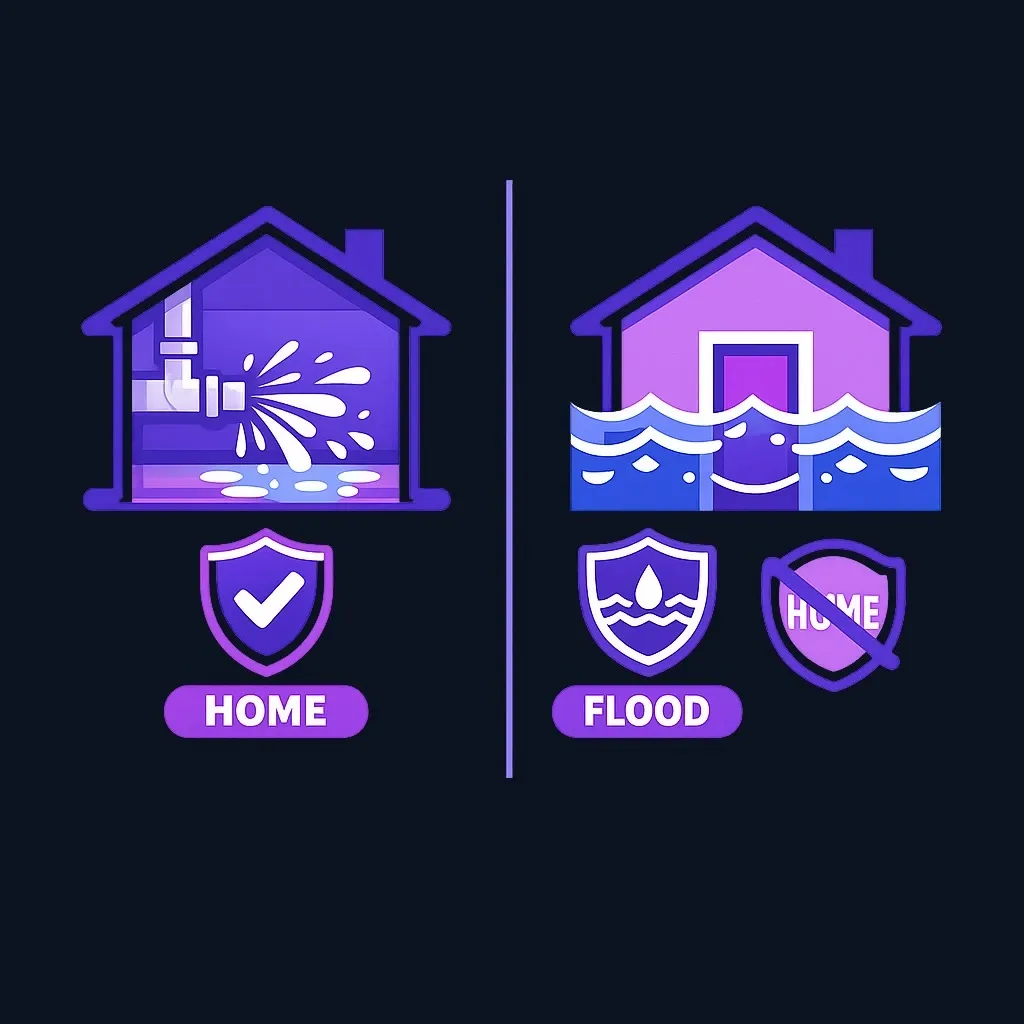
Compare the protection
| Question | Homeowners insurance | Flood insurance |
|---|---|---|
| Main purpose | Covers specified property and liability risks | Covers flood damage under the policy definition |
| Building and belongings | Limits and deductibles apply | Building and contents coverage may need separate selections |
| Living expenses after displacement | May be covered for an insured loss | Do not assume they are included |
| Lender requirement | Common for mortgaged homes | Depends on the property, loan, and flood rules |
The National Flood Insurance Program's buying guide explains how to obtain coverage. Private flood policies may differ from NFIP policies, so compare the actual contracts. The NAIC’s homeowners overview explains why policy forms and exclusions also matter.
Timing is part of the decision
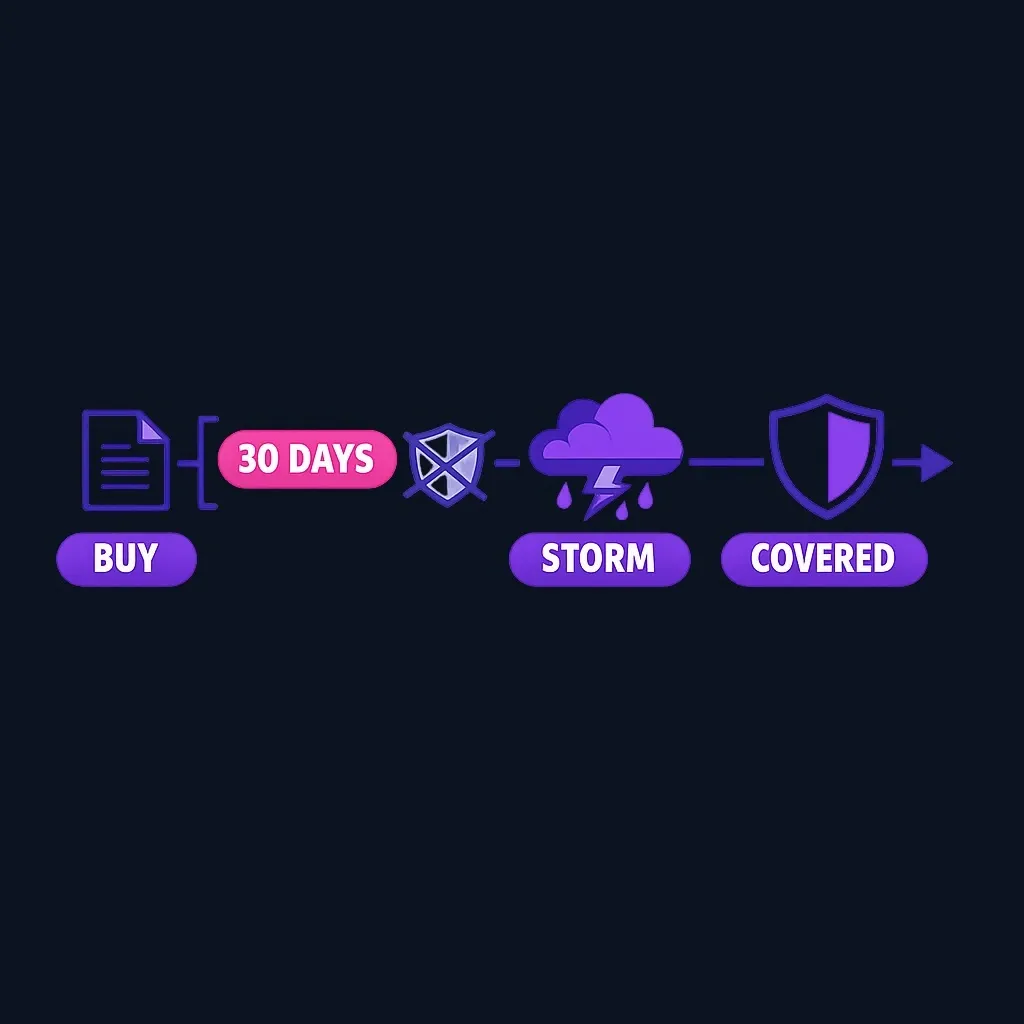
NFIP coverage generally has a 30-day waiting period, with exceptions such as certain mortgage-related purchases. A private policy may use different rules. Buying after a storm is forecast may not provide protection for that event.
Do not interpret “not required by the lender” as “no flood risk.” Review the property's flood exposure, drainage, prior damage, and what you could afford to replace yourself.
What to ask before buying
Request separate figures for building coverage, contents, deductibles, and excluded property. Ask about basements, temporary living costs, and the way claims are valued. Then check the effective date in writing.
A hypothetical homeowner comparing only premiums could miss a large contents gap or a deductible they cannot fund. The useful comparison is what each policy would actually pay after a realistic loss, and what would remain your responsibility.
Start with the cause of the water damage
“Water damage” is not one coverage category. A burst pipe, rain entering through a damaged roof, sewer backup, and floodwater entering from outside can be treated differently. The cause of the loss and the policy's definitions matter more than how similar the cleanup looks afterward.
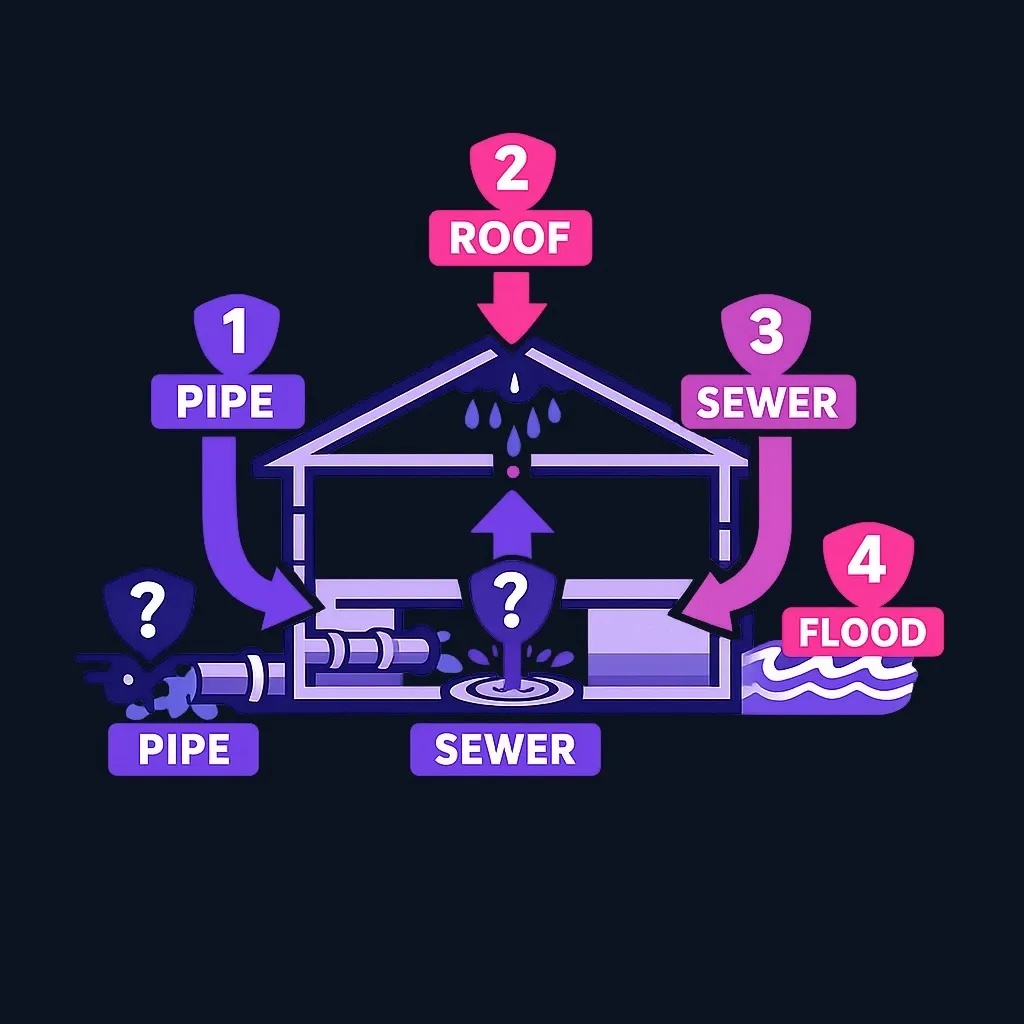
Ask an agent to explain those scenarios using the actual contracts you are considering. Note which policy may respond, which endorsement might be needed, and which exclusions remain. A flood policy does not turn the homeowners contract into an all-purpose water-damage policy, and homeowners coverage does not automatically fill every exclusion in a flood contract.
Separate the building from what is inside it
List the structure and personal belongings separately. Building coverage and contents coverage have different roles, limits, and sometimes separate deductibles. A renter's main exposure may be belongings and displacement, while an owner also faces repairs to the building. Do not assume a landlord's policy covers a tenant's possessions.
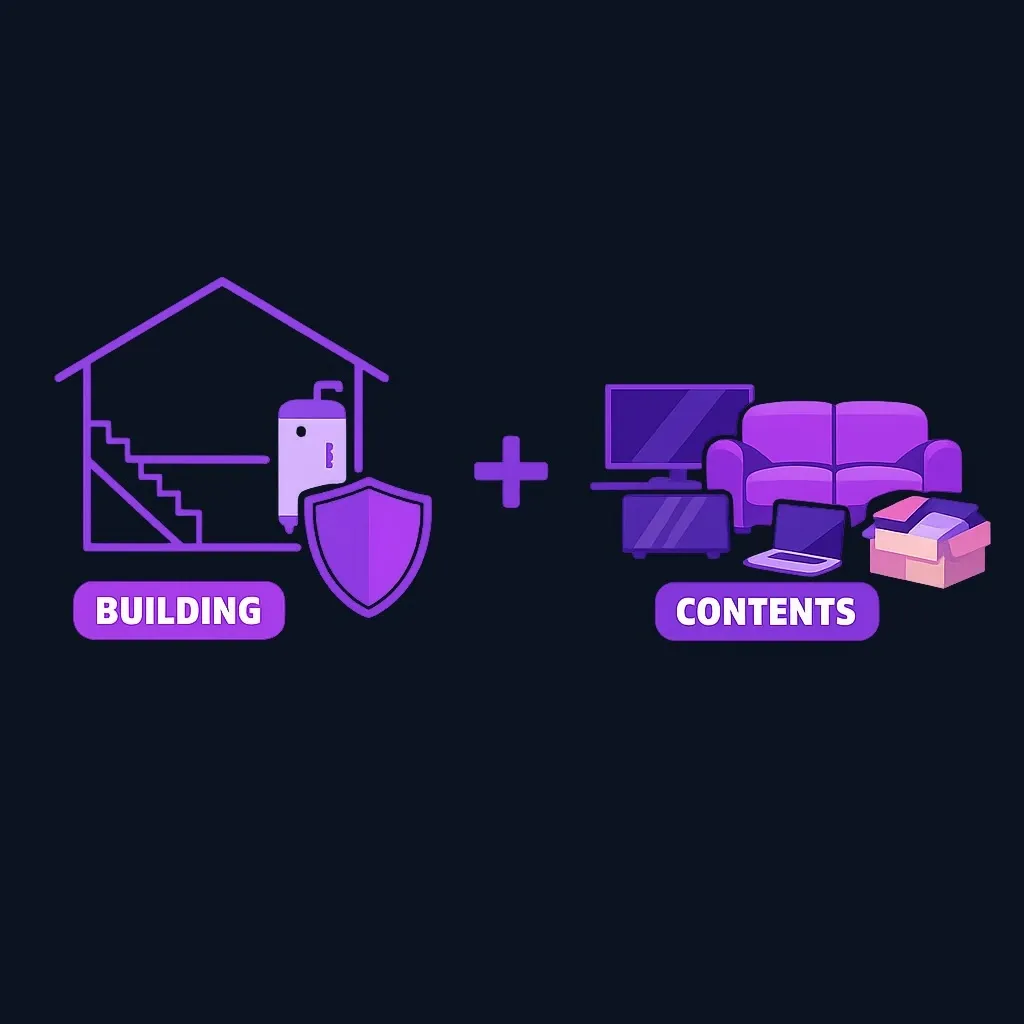
Think about where important items are located. Coverage restrictions for areas such as basements can matter even when the total policy limit looks adequate. Ask how the policy values a damaged item and whether the payment is based on replacement cost or a depreciated amount under the applicable coverage.
An inventory makes this comparison more concrete. Photograph rooms and important belongings, retain receipts where practical, and keep a copy outside the home or in secure electronic storage. This supports a later claim and helps you see whether the proposed limit is consistent with what you own.
Practice trading with Finelo
Practice in a simulator, learn with bite-sized lessons, and build confidence before risking real money.
Buy with the effective date in mind
A quote is not active coverage. Confirm the effective date, any waiting period, and the conditions for an exception before relying on the policy. Waiting until a storm is forecast can leave the loss outside the coverage period. Renewal dates also deserve attention when a mortgage servicer or insurer is involved in payment.
If damage occurs, follow the insurer's claim instructions, document the loss, and take reasonable steps to avoid further damage when safe. Keep records of emergency expenses and communications. Do not assume every expense will be reimbursed; ask what the policy requires before undertaking major work that could make the damage harder to document.
How to compare your options
Use these criteria to decide whether you need flood insurance beyond your homeowners policy.
- Flood risk (location): Is the property in or near a floodplain, coastal area, or low-lying zone that pools water? If yes, flood insurance should be strongly considered.
- Lender and mortgage rules: A federal purchase requirement generally applies to buildings in a Special Flood Hazard Area securing certain federally regulated or federally backed loans. A lender may also require coverage elsewhere. Ask which requirement applies to your property and loan.
- Replacement cost and contents value: If rebuilding costs or contents replacement would be financially damaging, a separate flood policy reduces out-of-pocket exposure.
- Frequency and severity of prior floods: Past flooding or repeated claims raises the expected loss and often makes separate flood coverage prudent.
- Affordability and premiums: Compare premium costs and available deductibles. Evaluate whether the premium cost is acceptable given your risk and budget.
- Availability of alternatives: In some areas private flood market offerings can supplement or replace NFIP coverage; compare coverages and exclusions carefully.
Example decision workflow (worked example):
- Check whether your property appears in a flood-prone area (municipal floodplain maps or your insurance agent can help).
- Ask your mortgage lender if flood insurance is required for your loan.
- Estimate replacement cost for structure and value of personal property.
- Get quotes for a homeowners policy and one or more flood-policy options; compare coverage limits, waiting periods, and exclusions.
- If flood risk plus potential loss exceed your tolerance, purchase flood insurance even if not required.
When to choose each option
- Choose homeowners insurance when: you want baseline protection for fire, wind, theft, liability, and many common perils affecting the structure and contents of a home. This is foundational coverage for almost all homeowners.
- Choose flood insurance in addition to homeowners insurance when: the property faces significant flood risk (near rivers, coasts, or in low-lying basins), your lender requires it, or rebuilding/contents costs would be financially disruptive after a flood. Do not assume your homeowners policy will cover flood damage.
- Consider private flood insurance or endorsements when: available in your area and they offer higher limits or broader coverage than public programs. Compare policy wording and limits carefully.
Tradeoffs and caveats
- Coverage gaps: Homeowners insurance often excludes flood damage from rising surface water or storm surge; flood insurance fills that gap. Because policy language varies, always confirm exclusions and coverage details before assuming protection.
- Waiting periods: NFIP policies generally have a 30-day waiting period, subject to exceptions. Private-policy waiting periods vary; confirm the actual effective date rather than applying the NFIP rule to every policy.
- Limits and deductibles: Flood policies can have caps on structural and contents coverage and may treat basements differently. Read limits carefully and consider supplemental coverage if needed.
- Cost vs risk: Flood premiums can be expensive in high-risk zones. Balance premium cost against expected loss, your emergency reserves, and mitigation options.
- Mitigation matters: Some mitigation, such as eligible elevation measures, can reduce risk and may qualify for a premium reduction. Ask which measures count for this building and policy before assuming a barrier or other project will earn a discount.
Common mistakes and how to avoid them
- Mistake: Assuming homeowners insurance covers flood. Fix: Read policy exclusions and ask your agent whether flood is covered.
- Mistake: Waiting until a storm is imminent to buy flood insurance. Fix: Buy ahead of known flood seasons and be aware of typical waiting periods.
- Mistake: Not checking mortgage requirements. Fix: Confirm with your lender whether flood insurance is mandatory for your property.
Decision Table: Flood Insurance vs Homeowners Insurance
(The table below compresses key factors into a quick selection aid.)
| If your situation is. | Likely action |
|---|---|
| Mortgage lender confirms flood coverage is required | Obtain compliant coverage and verify limits and effective date |
| Property is outside a mapped high-risk area but could flood | Consider flood insurance if rebuilding or contents replacement would be unaffordable |
| You want basic protection for fire, theft, wind, liability | Buy or maintain a homeowners insurance policy |
| You want to reduce premiums and exposure | Ask about eligible mitigation and compare actual private and NFIP offers |
Use this table as a checklist—confirm specifics with your insurance agent and lender before buying.
What is the difference between flood insurance and homeowners insurance?
Homeowners coverage may protect against listed causes of loss or all causes except stated exclusions, depending on the coverage section and form. Fire, wind, and theft are common covered risks, subject to the contract; flood insurance specifically covers damage from flooding events such as overflowing rivers, storm surge, and surface water. Flood coverage is commonly a separate policy and may be issued through programs like the NFIP.
Do I need flood insurance if I live in a low-risk area?
Even low-risk areas can flood. If a flood would create a large financial burden for rebuilding or replacing belongings, a flood policy can be prudent. Also check whether your lender requires flood insurance regardless of mapped risk.
Can I add flood insurance to my existing homeowners policy?
Flood coverage is often issued as a separate policy rather than an endorsement to standard homeowners insurance. Ask whether your insurer offers separate flood coverage or an endorsement and how it differs from an NFIP policy. Availability, limits, and exclusions depend on the product and location.
What should I do after a flood loss?
Document damage with photos, secure the property as safely possible, and contact your insurer promptly to report the claim. Keep receipts for cleanup and temporary repairs. For specific filing procedures and timelines, follow your insurer’s claims process and ask your agent for guidance.
For a different insurance-cost decision, the same reserve-based approach appears in Higher vs. lower car-insurance deductible.
This guide covers U.S. rules. Finelo provides financial education, not personalized financial, investment, tax, or legal advice.
Financial LiteracyU.S. GuideFinancial Education
Practice trading with Finelo
Practice in a simulator, learn with bite-sized lessons, and build confidence before risking real money.
About the author
Finelo Team
The Finelo Team creates practical investing and trading education designed to help beginners learn faster with structured challenges, simulator practice, and bite-sized lessons.
Keep reading — Related articles
Financial Literacy
USDA vs. FHA loan
Compare location and income eligibility, down payments, credit conditions, and upfront and annual program charges for a home purchase.
Finelo Team

Financial Literacy
Term life vs. accidental death insurance
Compare broad term-life protection with accident-only coverage, including exclusions, underwriting, and the family income gap.
Finelo Team
Financial Literacy
Term life insurance laddering vs. one policy
Compare several term policies ending at different times with one policy, using coverage needs, costs, and future insurability.
Finelo Team