For U.S. readers: This article discusses U.S. rules and financial products. State rules and individual eligibility may differ.
How to Change Homeowners Insurance with Escrow: A Comprehensive Guide

What you should expect to evaluate after reading: whether the new policy’s coverage and price justify changing, how the switch affects your monthly mortgage payment through escrow, and the administrative steps you’ll need to take so the lender and insurers coordinate the swap.
11 min read
Practice trading with Finelo
Practice in a simulator, learn with bite-sized lessons, and build confidence before risking real money.
Want to learn more?
Practice in a simulator, learn with bite-sized lessons, and build confidence before risking real money.
Explore FineloExplore Finelo's 28-day challenges
Turn learning into a daily habit with guided challenge paths.
Quick answer
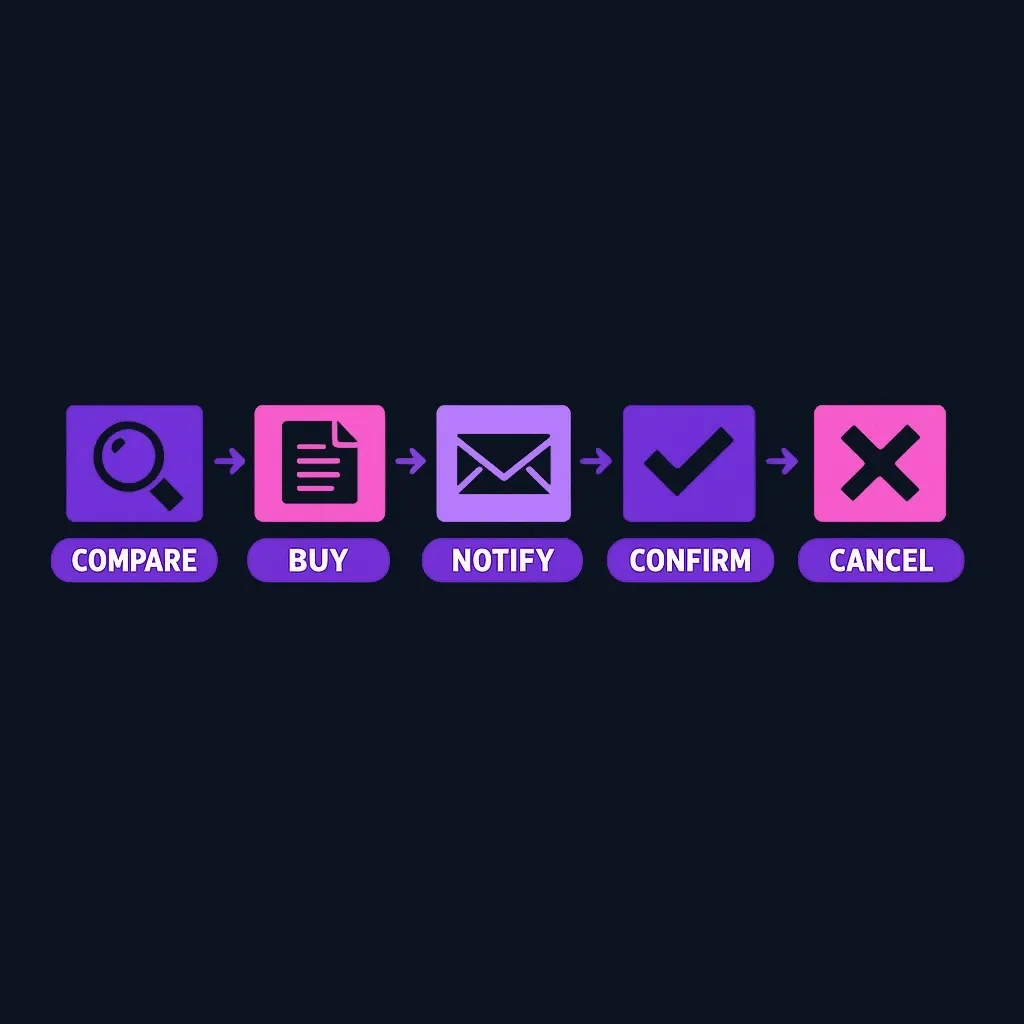
To change homeowners insurance with an escrow account, buy your new policy with a chosen start date, give the new policy documents to your mortgage lender so the mortgage servicer can pay the premium from escrow, then cancel the old policy once the lender confirms coverage and escrow funding. Many homeowners pay for their insurance through an escrow account as part of their monthly mortgage payment (Consumer Financial Protection Bureau). Finelo provides financial education, not financial or investment advice.
What to know before deciding
This section explains the role of escrow in insurance, who must be notified, and the practical limits and assumptions to check before switching.
- What an escrow account does: An escrow account holds amounts collected with your mortgage payment for property taxes and homeowners insurance, and the mortgage servicer usually pays the insurer when premiums are due (Consumer Financial Protection Bureau).
- Why timing matters: You need the new policy to begin before or exactly when you cancel the old one to avoid a coverage gap. Also confirm when your lender schedules escrow disbursements so the new premium will be paid on time.
- Who enforces rules: Your mortgage servicer controls the escrow disbursements; your mortgage note and escrow disclosure explain how they handle premiums and shortages. Rules and processing times vary by lender and state; check your loan documents and contact your servicer for specifics.
- Educational note: This article is educational and not financial advice. Verify costs, lender rules, and timing with your mortgage servicer and insurers before you act.
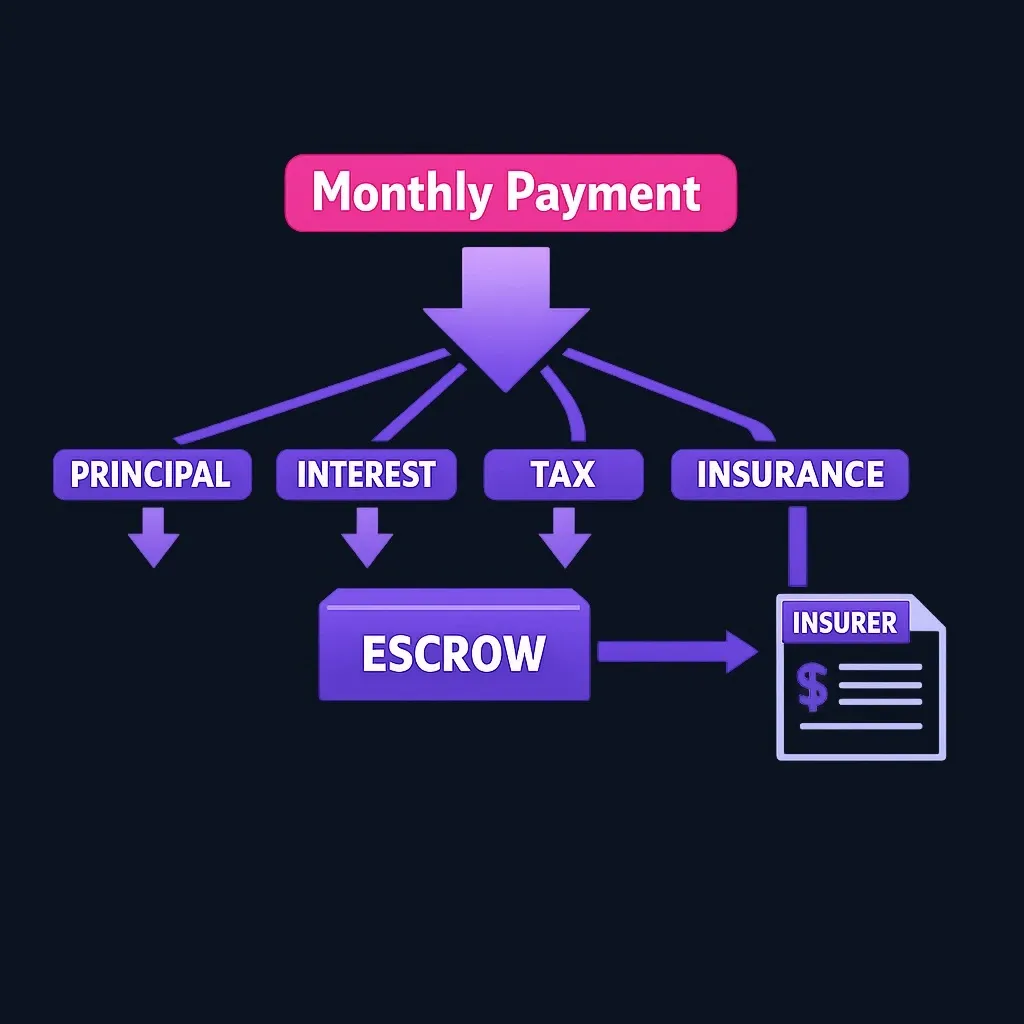
What you should expect to evaluate after reading: whether the new policy’s coverage and price justify changing, how the switch affects your monthly mortgage payment through escrow, and the administrative steps you’ll need to take so the lender and insurers coordinate the swap.
Decision framework
Use this compact framework and checklist to decide whether to switch insurers while escrow pays the premium.
Decision checklist (quick)
- Confirm new policy coverage equals or exceeds any lender-required minimums.
- Pick a start date for the new policy that overlaps or immediately follows the old policy.
- Tell the new insurer your mortgage servicer’s name and address so the mortgagee clause shows the lender as a payee.
- Provide a copy of the new declarations page to your mortgage servicer.
- Confirm the servicer will pay the new premium from escrow and whether you’ll owe a shortage or receive a refund.
- Only cancel the old policy after the lender confirms coverage change and escrow payment timing.
Decision table — what to weigh before you switch
| Decision factor | Why it matters | Action to take |
|---|---|---|
| Coverage differences | You may lose protections (e.g., liability, replacement cost) if coverage drops | Compare declarations pages and ask the insurer for differences in plain language |
| Cost change (annual premium) | Escrow payments and monthly mortgage payment can rise/fall | Estimate annual premium difference and recalculate monthly escrow contribution |
| Escrow balance | A change in premium can create a shortage or overage in escrow | See the worked example below to estimate shortfall or refund timing |
| Timing and servicer rules | Lender’s process determines whether payments are seamless | Contact your servicer and follow their document submission instructions |
| Cancellation penalties | Some insurers prorate refunds; others may charge short-term fees | Ask old insurer about refund timing and any cancellation fees before cancelling |
This framework helps you make a clear decision without assuming uniform lender policies. If the math or timing creates complexity, shortlist insurers who will coordinate policy delivery quickly so escrow payments can be updated.

Steps to change homeowners insurance with escrow
Below is a practical step-by-step process you can follow. Treat times and specifics as illustrative; confirm deadlines with your lender and both insurers.
-
Compare policies and choose a new insurer.
- Confirm the new policy’s coverages, limits, deductibles, and effective start date. Ask for a written quote and the declarations page before buying.
-
Buy the new policy and select an effective date.
- Choose a start date that prevents any gap. If your new policy begins the same day the old ends, coverage remains continuous.
-
Give the new insurer your mortgage servicer’s information.
- Provide the servicer’s name and the mortgage account number so the insurer adds the mortgagee clause and lists the lender as an additional interest or loss payee on the policy.
-
Send the new policy or declarations page to your mortgage servicer.
- Send a copy of the declarations page or binder to your servicer by their preferred method (email, online portal, fax, or mail). Ask for written confirmation that they received it and will pay the premium from escrow.
-
Confirm how the servicer will handle escrow funding.
- Ask whether the servicer will: (a) pay the new insurer directly from escrow at the next scheduled disbursement; (b) need an immediate manual disbursement; or (c) require you to remit the premium and later be reimbursed. Get these instructions in writing when possible.
-
Coordinate cancellation of the old policy.
- Do not cancel your old policy until the servicer confirms coverage and the new insurer’s acceptance. After confirmation, notify the old insurer of the cancellation date and request a written confirmation and refund schedule.
-
Track refunds and escrow adjustments.
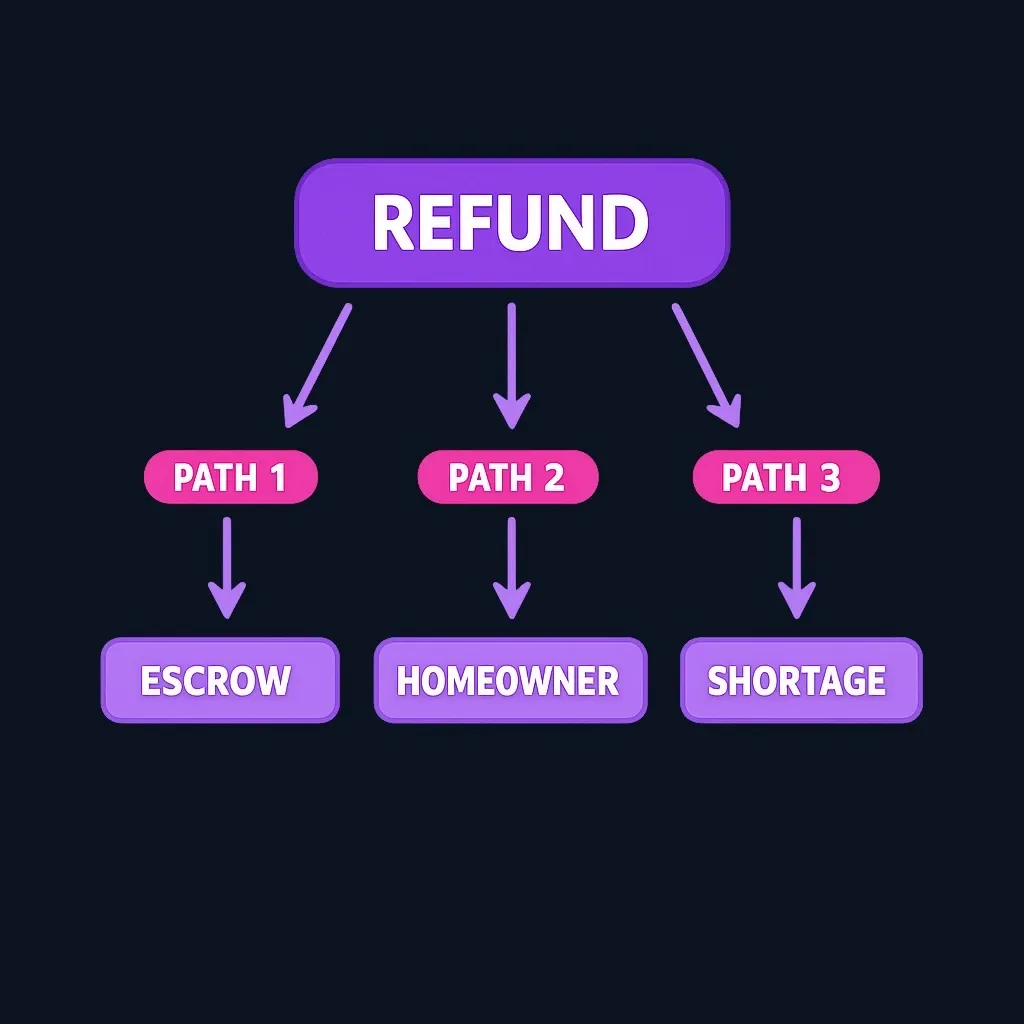
- Once the old insurer issues a refund, the servicer may deposit it into escrow, reduce future escrow payments, or send the refund to you, depending on servicer policy. See the example below for how that affects monthly mortgage payments.
Worked example: estimating an escrow shortage or overage
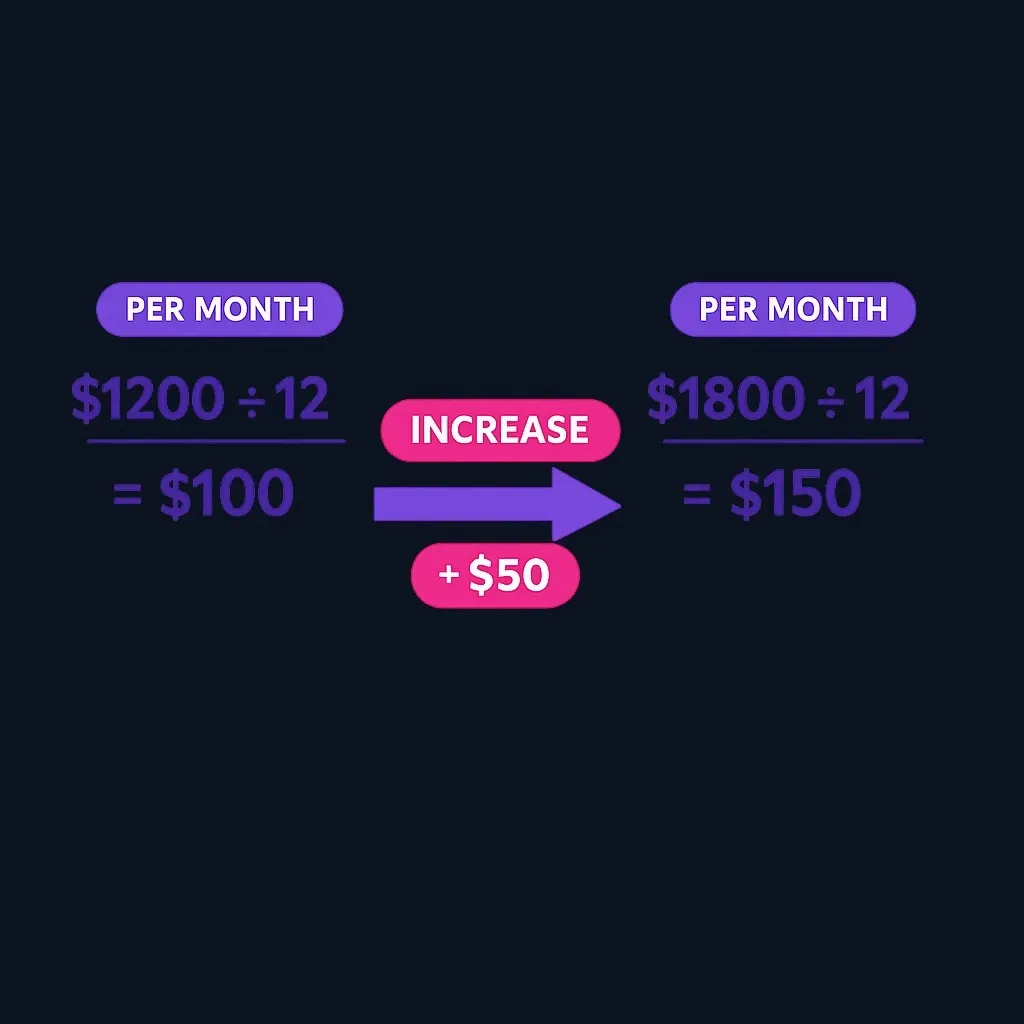
- Old annual premium paid from escrow: $1,200 (current monthly escrow portion = $100).
- New annual premium: $1,800 (monthly escrow portion should become $150).
- Escrow account beginning balance before change: $600 (buffer/target balance varies by servicer).
Estimate the immediate effect:
- Annual premium increases by $600, so monthly escrow contribution should rise by $50. If your servicer adjusts monthly payments right away, your mortgage payment increases by $50.
- If the servicer recalculates annually, they may ask you to pay any immediate shortage (the extra premium not yet collected). A possible shortage = new premium due soon minus existing escrow balance and scheduled monthly collections. Calculate the shortage as: (new premium due date amount) − (current escrow balance + months remaining × current monthly escrow portion). Use your servicer’s timeline to convert that into a one-time shortage payment or a raise in monthly payments. This is an illustration — check timing and exact math with your servicer.
Timing notes
- How quickly the switch completes depends on the insurer’s paperwork and your servicer’s processing cycle. Ask both parties for expected timelines and follow up until you have written confirmation.
Practice trading with Finelo
Practice in a simulator, learn with bite-sized lessons, and build confidence before risking real money.
Notifying your lender (as part of steps)
Why tell the lender early: the mortgage servicer controls escrow disbursements and needs the new policy documents to pay the premium. If you skip telling them, the servicer might not pay the new insurer, which can create a false lapse or force the servicer to buy lender-placed insurance at higher cost.
How to notify and what to include
- Provide the declarations page or binder showing the new policy number, coverage amounts, effective date, and insurer contact details.
- Give your mortgage account number and preferred method of contact for your servicer.
- Request written confirmation that they will pay the new premium from escrow and ask how they will handle any refund from the old insurer.
If the new insurer doesn’t notify the lender
- Send the declarations page yourself and follow up until the servicer replies. Keep copies of emails, faxes, or screenshots of portal uploads.
Handling premium refunds
When you cancel the old policy, you may be due a prorated refund for unused premium. How that refund is applied varies:
Common handling options
- The refund is sent to the mortgage servicer and credited to the escrow account, reducing future escrow payments.
- The refund is sent to you directly; you may then need to forward it to the servicer if they expect the escrow balance to cover the upcoming premium.
- The servicer may apply the refund toward any escrow shortage and return any surplus per loan terms.
Practical steps to manage refunds
- Ask the old insurer how and when the refund will be issued and whether there are cancellation fees or short-term penalties.
- Tell the servicer to expect the refund and confirm how they will handle it (credit to escrow, return to you, offset shortage).
- If the refund comes directly to you and the servicer expects escrow to fund the new premium, deposit or send the refund to the servicer promptly.
Recordkeeping
- Keep copies of cancellation confirmations, the refund check or electronic notice, and any servicer communications. These documents resolve disputes and show timelines.
Common pitfalls to avoid
Avoid these frequent mistakes and the practical fixes for each.
-
Cancelling the old policy too soon
- Problem: Coverage gap or lender-triggered force-placed insurance.
- Fix: Only cancel after the servicer confirms the new policy is on file and scheduled for payment.
-
Not giving the servicer the declarations page
- Problem: Servicer can’t pay the new premium from escrow without documentation.
- Fix: Email or upload the declarations page immediately and request written confirmation.
-
Assuming refunds and escrow adjustments are automatic
- Problem: You may receive the refund personally or face an unexpected escrow shortage.
- Fix: Ask both insurers and the servicer how refunds will be routed and when escrow will be recalculated.
-
Failing to compare coverages (not just price)
- Problem: Switching for a lower premium could reduce essential coverages.
- Fix: Compare limits, deductibles, replacement cost vs. actual cash value, and endorsements on the declarations pages.
-
Missing lender-specific requirements
- Problem: Some lenders require specific wording on the mortgagee clause or insist on receiving policy documents a certain way.
- Fix: Check your mortgage agreement or contact the servicer to confirm any formatting or delivery requirements.
FAQ
How do I switch home insurance with an escrow account?
Buy the new policy with an effective date that prevents gaps, give the new policy’s declarations page to your mortgage servicer, confirm the servicer will pay the new premium from escrow, and then cancel the old policy after confirmation. Many homeowners pay for insurance through their escrow accounts as part of their mortgage payment (Consumer Financial Protection Bureau).
What should I do if my new insurance is more expensive?
Recalculate the annual premium difference and estimate the monthly escrow impact. Expect either a higher monthly mortgage payment or a one-time escrow shortage. Ask your servicer how they plan to collect any shortage and whether they will spread the increase over remaining months.
Can I switch insurance companies if I have a mortgage?
Yes—having a mortgage does not prevent you from switching insurers. Because your lender often pays the premium from escrow, you must provide the new policy information to the mortgage servicer and confirm their payment plans to avoid lapses in coverage (Consumer Financial Protection Bureau).
How should I handle refunds from my old insurance?
Ask the old insurer when and to whom they’ll issue the prorated refund. Then confirm with your servicer whether the refund should go to them (for escrow credit) or to you. If you receive the refund personally but the servicer expects escrow funding, forward the refund promptly and keep proof.
Conclusion and Next Steps
Switching homeowners insurance while escrow pays the premium is manageable if you plan the timing, confirm coverage with your mortgage servicer, and track refunds and escrow adjustments. Use the decision checklist and the worked example above to estimate how the change affects your monthly payments. Keep written confirmations from both insurers and your servicer until the transition completes.
Next step: gather the new insurer’s declarations page and contact your mortgage servicer today to confirm their documentation and timing requirements.
Financial LiteracyFinancial Education
Practice trading with Finelo
Practice in a simulator, learn with bite-sized lessons, and build confidence before risking real money.
About the author
Finelo Team
The Finelo Team creates practical investing and trading education designed to help beginners learn faster with structured challenges, simulator practice, and bite-sized lessons.
Keep reading — Related articles

Financial Literacy
Mercury Books Review 2026: Is It Worth It for Startups?
Mercury Books brings double-entry accounting into Mercury. Review its $35 pricing, reports, AI features, integrations, and migration limits.
Finelo Team

Financial Literacy
Why is My FICO Score Lower Than My Credit Score?
Example takeaway: seeing a higher score in a bank app doesn’t guarantee lenders will see the same FICO number at application time; lenders often pull a specific FICO version from a specific bureau.
Finelo Team

Financial Literacy
Why Is My FICO Score Higher Than My Credit Score?
Brief educational note: this article is educational, not financial or investment advice; investing and credit decisions involve risk and possible loss.
Finelo Team