For U.S. readers: This article discusses U.S. rules and financial products. State rules and individual eligibility may differ.
How to Dispute Student Loans on Your Credit Report
Common reporting errors (with examples)
8 min read
Practice trading with Finelo
Practice in a simulator, learn with bite-sized lessons, and build confidence before risking real money.
Want to learn more?
Practice in a simulator, learn with bite-sized lessons, and build confidence before risking real money.
Explore FineloExplore Finelo's 28-day challenges
Turn learning into a daily habit with guided challenge paths.
Quick answer
Start by disputing the incorrect student-loan information with the credit reporting company (Experian, Equifax, or TransUnion); you can also dispute directly with the loan servicer (the furnisher) and provide supporting documents to back your claim. Credit reporting companies investigate consumer disputes and will notify you of the outcome—typically within a short statutory window—after they complete their investigation Consumer Financial Protection Bureau. Finelo provides financial education, not financial or investment advice.
What to know before deciding
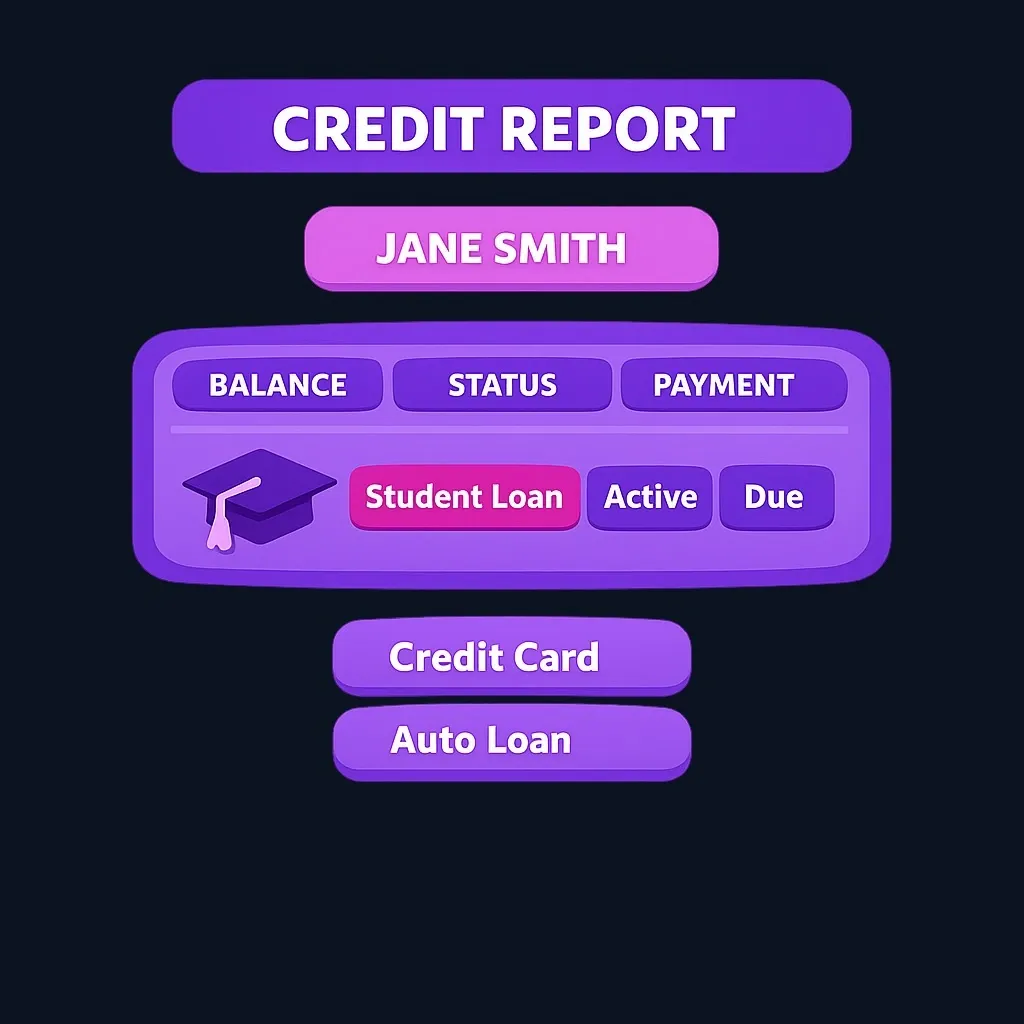
A credit report is a file used by lenders and others that lists accounts, balances, payment history, and public records. Student loans appear on that file as accounts reported by the loan servicer (the furnisher) and can affect your credit score and borrowing options if they show missed payments, incorrect balances, or wrong ownership. Because disputes change how an account is presented, accuracy matters: start your challenge with the credit reporting company that shows the error, and consider disputing with the furnisher as well.
Common reporting errors (with examples)
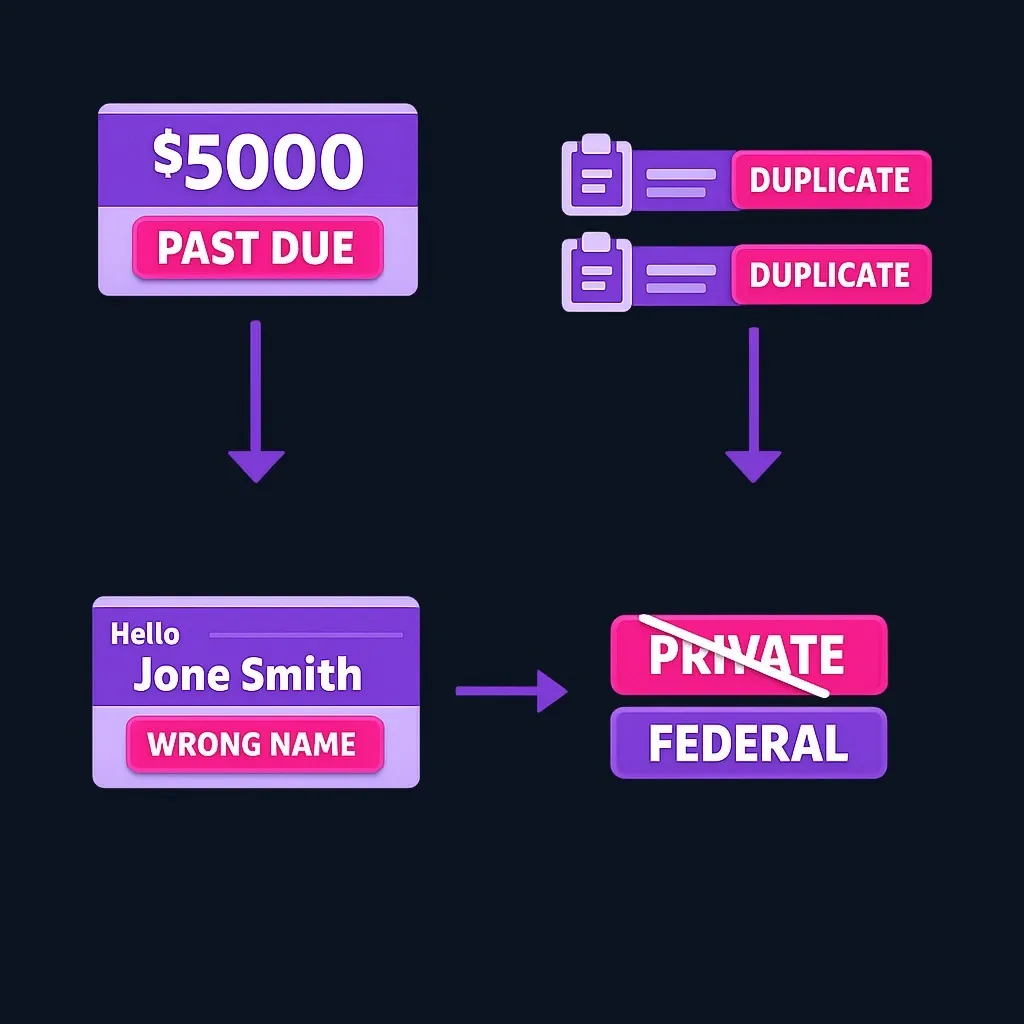
Common reporting errors
- Wrong balance or payment status — e.g., a paid account still showing as past due.
- Debt listed under the wrong name or Social Security number — e.g., your loan appears under a different borrower entry.
- Duplicate accounts — the same loan appears more than once, inflating outstanding debt.
- Incorrect loan type or terms — a private loan misreported as federal or the wrong delinquency dates. Practical takeaway: note exactly what is wrong on the report (date, account name, code shown) before you prepare documents for a dispute.
Decision framework
Use this short checklist to decide whether to file a formal dispute or pursue a different route (for example, negotiation or consolidation):
- Material impact: Does the error change your payment status, balance, or account ownership? If yes, dispute it.
- Evidence available: Can you produce statements, payment records, payoff letters, or discharge/forgiveness documents? If yes, prepare a dispute.
- Time & recordkeeping: Are you prepared to keep copies of every communication and an evidence log? Disputes commonly require follow-up.
- Parallel steps: Contacting your servicer first can sometimes fix errors faster; if the servicer has not corrected the record, file a dispute with the credit reporting company named on the report.
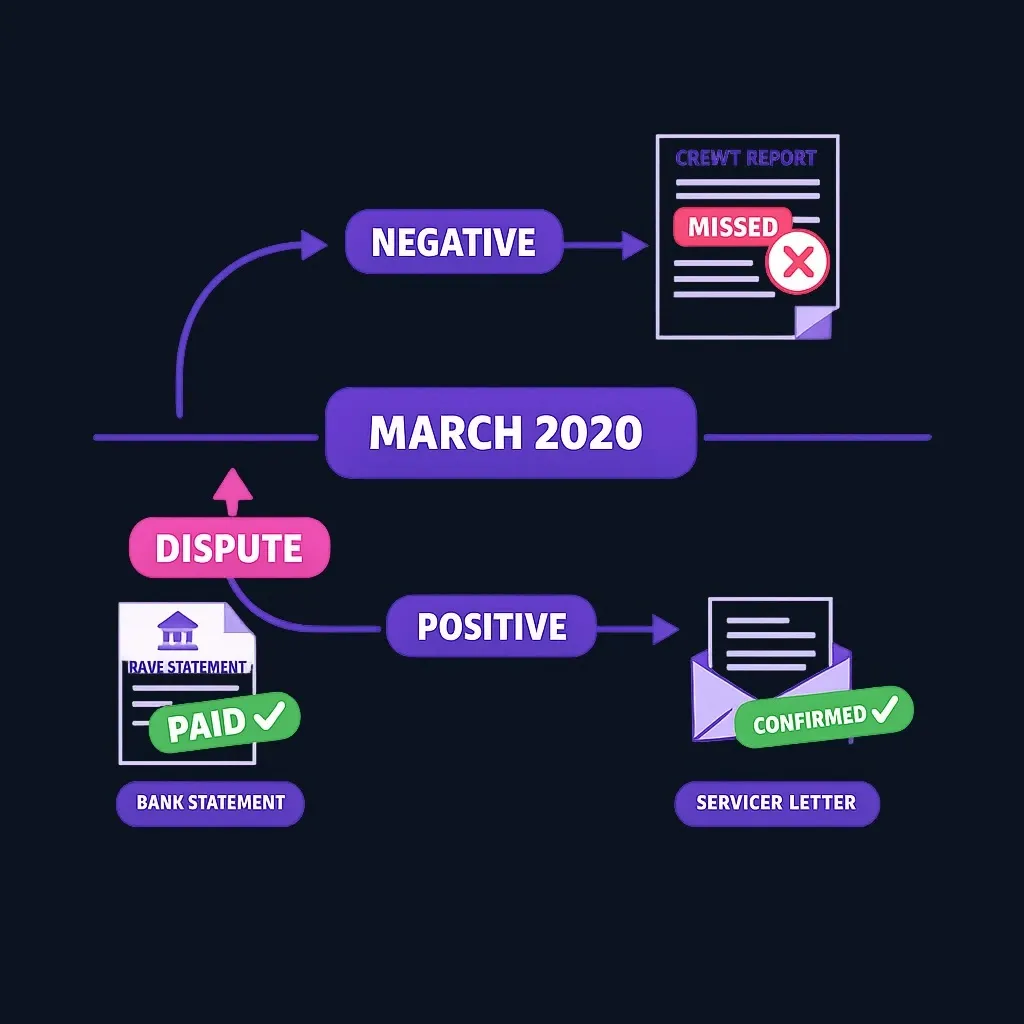
Example: If your report shows a missed payment from March 2020 but you have bank statements and a servicer confirmation showing the March payment was made, that is a high-priority dispute (material + documented).
Steps to dispute student loans
Steps to dispute student loans
Follow the sequence below. Each step includes a concrete example or action you can take immediately.
Get the reports you need (what to review)
Get the reports you need (what to review)
Obtain the credit report(s) that show the error and print or save a PDF copy. On the report, copy the account identifier, the creditor name listed, the balance, and any status codes or dates shown. Example action: highlight the line item and write a one-sentence note describing the error (e.g., “Account listed as 120 days past due; payment shown as posted on 05/14/2022”).
Gathering documentation
Gathering documentation
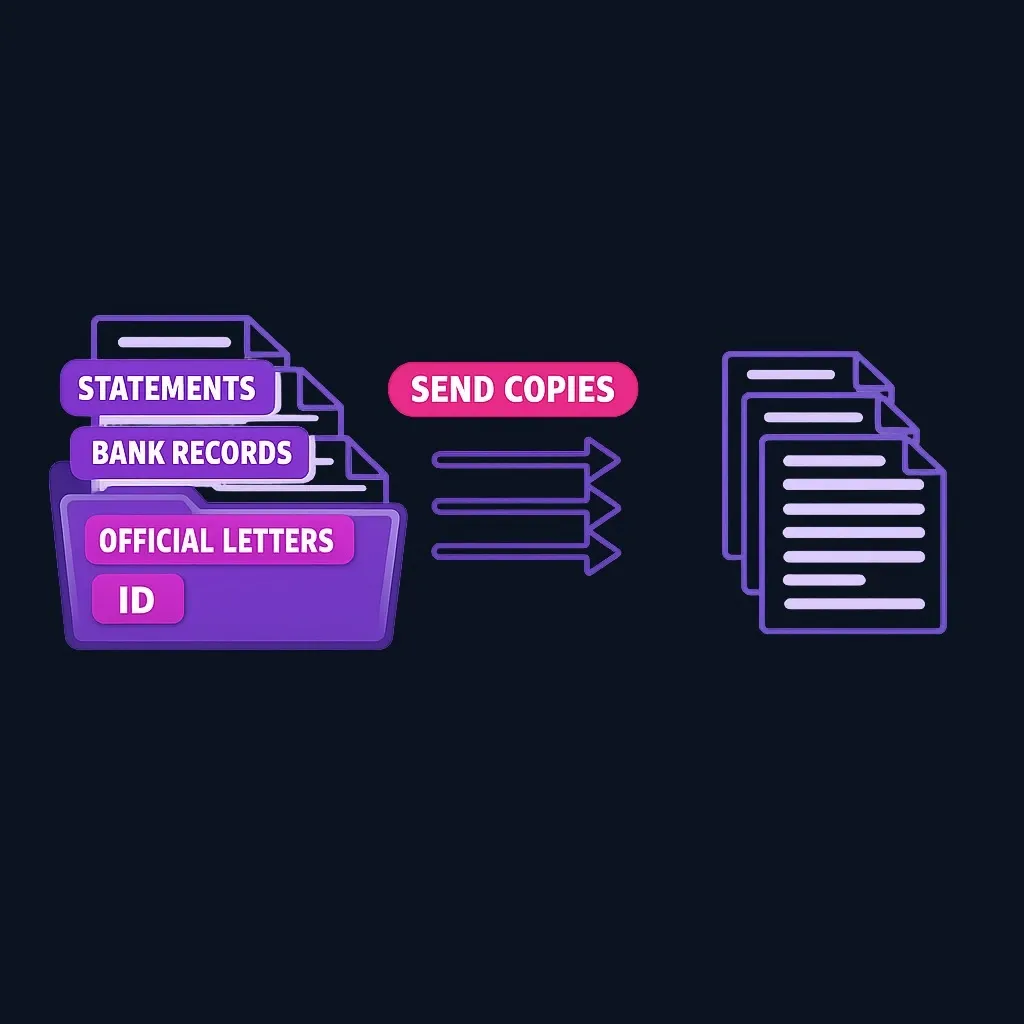
Assemble a folder of documents that directly contradict the error. Useful items include:
- Loan statements showing the correct balance or payments.
- Bank or payment-processor records that prove on-time remittance.
- Official letters: payoff letters, discharge/forgiveness paperwork, or servicer correspondence.
- Identification (to show you are the correct borrower).
Checklist table (use with each dispute)
| Document purpose | Examples |
|---|---|
| Proof of payment | Bank statements, cleared checks, payment-confirmation emails |
| Contract or account terms | Original loan agreement, promissory note, servicer account page screenshot |
| Official correction evidence | Payoff/forgiveness/discharge letters from servicer or loan holder |
| Identity verification | Government ID, billing address match |
Practical tip: send only copies—keep originals—and record the date you collected each item.
Contacting your loan servicer (the furnisher)
Contacting your loan servicer (the furnisher)
Before or alongside filing a dispute with a credit bureau, contact the loan servicer to request a correction. Explain the exact error, reference the report line, and offer the supporting documents you collected. Example scripting: “My account X (loan number last four digits) shows a missed payment for April 2021, but my bank records show payment on 04/15/2021. Can you update your reporting and send me written confirmation?” If the servicer corrects its reporting, confirm the change appears on the credit report and keep the servicer’s confirmation.
Filing a dispute with credit bureaus
Filing a dispute with credit bureaus
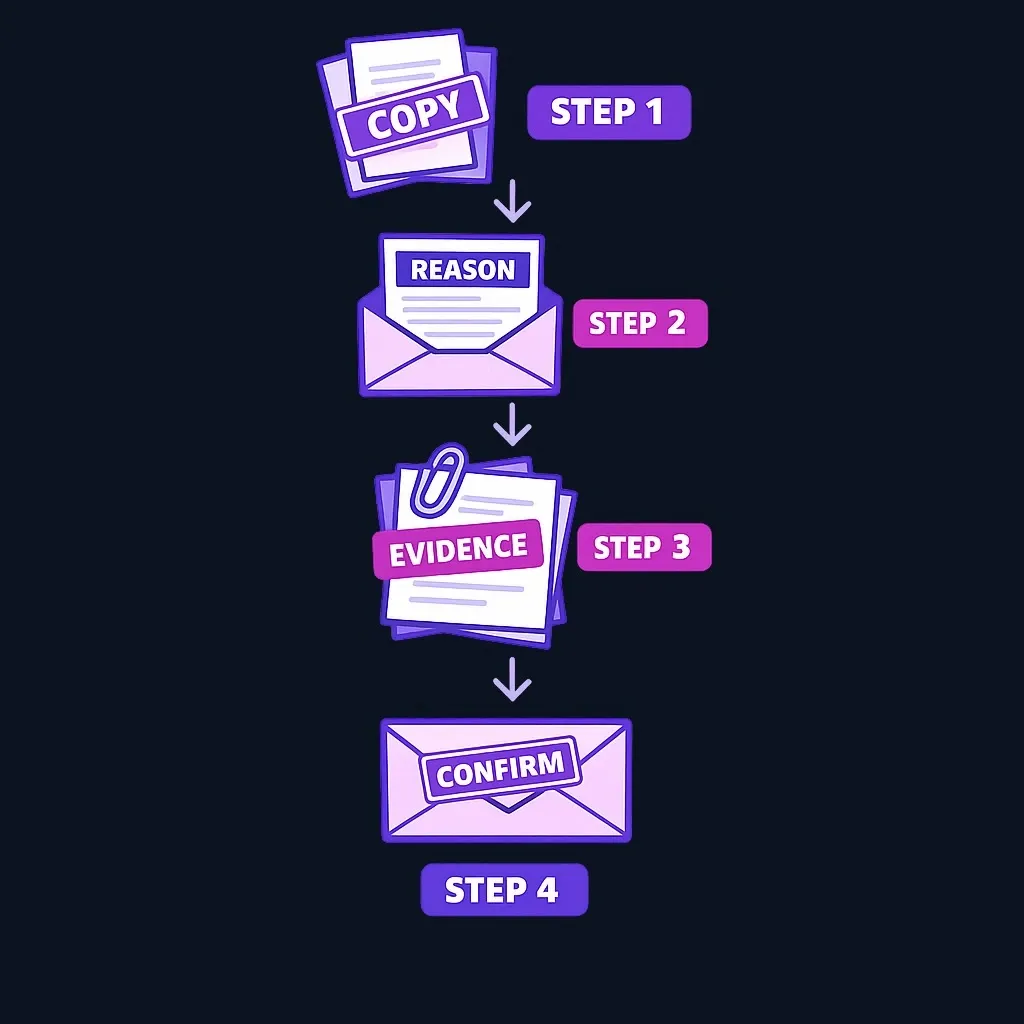
If the servicer won’t correct the error, or if the error appears only on a bureau’s report, file a dispute with the reporting company named on your report. You may dispute the item with the credit reporting company and with the furnisher; both channels are appropriate. When you file, include a clear explanation, point to the exact report line, and attach the supporting documents you assembled.
Practical filing tips:
- Keep copies of everything you send and log dates of submission.
- Put your concise reason for dispute at the top of any letter or form and attach document excerpts that directly disprove the reported claim.
- Request written confirmation of the investigation outcome.
Possible outcomes of your dispute
Practice trading with Finelo
Practice in a simulator, learn with bite-sized lessons, and build confidence before risking real money.
Possible outcomes of your dispute
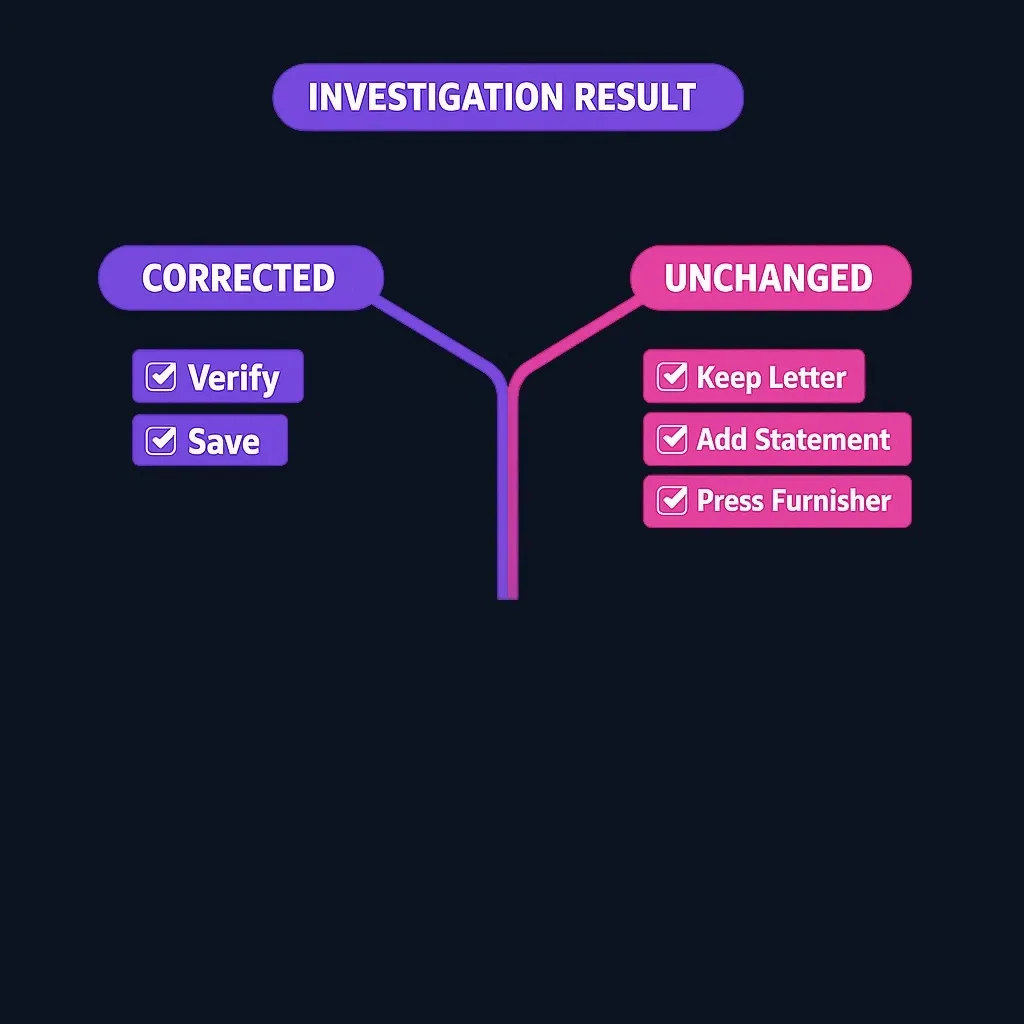
Typical outcomes after you file a dispute:
- The credit reporting company corrects the information and sends you an updated report.
- The furnisher verifies the original information and the item remains unchanged.
- The bureau or furnisher updates the report and notifies you of the change.
Timeframe and next steps: credit reporting companies investigate consumer disputes and will notify you of the results after completing their investigation; you can initiate disputes with both the credit reporting company and the furnisher. Practical next actions depend on the result:
- If corrected: confirm the change across all bureaus and save the notice.
- If unchanged: keep the decision letter and your documentation; you can add a brief consumer statement to your report (a short explanation of your dispute) and continue to press the furnisher for correction. Practical takeaway: a persistent, documented approach (servicer contact + bureau dispute + retained evidence) is the strongest way to get an incorrect student-loan entry removed or amended.
When the servicer refuses to correct
When the servicer refuses to correct
If your servicer refuses to update reporting despite clear evidence, ensure you have filed a formal dispute with the credit reporting company and keep every piece of written correspondence. Practical escalation steps you can take include continuing to press the servicer in writing, using your documented evidence in the dispute to the credit reporting company, and seeking consumer-protection resources for additional help. Keep a chronological log of calls and letters so you can show the full timeline if needed.
FAQs
FAQ
What is the process for disputing an error on my credit report?
Start by disputing the specific item with the credit reporting company that lists the error; you may also dispute the item with the loan servicer (the furnisher) and include supporting documents. The agencies investigate disputes and will notify you of the outcome.
How long does a dispute typically take to be resolved?
Credit reporting companies investigate consumer disputes and will notify you of results after completing their investigation; begin with the reporting company and the furnisher to ensure both review the issue.
What documents should I gather for a dispute?
Collect documents that directly contradict the error: payment records, statements, payoff or discharge letters, servicer correspondence, and identification. Assemble these before you file so you can attach clear evidence to your dispute.
What should I do if my loan servicer refuses to correct an error?
File a dispute with the credit reporting company that lists the error and include your evidence; keep records of all communications with the servicer. If the dispute remains unresolved, preserve the decision notices and your documentation in case you need to pursue further remedies or seek consumer-protection assistance.
Closing notes and next step
Closing notes and next step
Disputing student-loan errors is a process of documentation, communication, and follow-up. Use the evidence list and steps in this article as your working checklist, and verify the submission process with the relevant credit reporting company. The Consumer Financial Protection Bureau explains how to dispute credit-report errors. Finelo does not currently provide a separate downloadable dispute checklist for this article.
Financial LiteracyFinancial Education
Practice trading with Finelo
Practice in a simulator, learn with bite-sized lessons, and build confidence before risking real money.
About the author
Finelo Team
The Finelo Team creates practical investing and trading education designed to help beginners learn faster with structured challenges, simulator practice, and bite-sized lessons.
Keep reading — Related articles

Financial Literacy
Mercury Books Review 2026: Is It Worth It for Startups?
Mercury Books brings double-entry accounting into Mercury. Review its $35 pricing, reports, AI features, integrations, and migration limits.
Finelo Team

Financial Literacy
Why is My FICO Score Lower Than My Credit Score?
Example takeaway: seeing a higher score in a bank app doesn’t guarantee lenders will see the same FICO number at application time; lenders often pull a specific FICO version from a specific bureau.
Finelo Team
Financial Literacy
Why Is My FICO Score Higher Than My Credit Score?
Brief educational note: this article is educational, not financial or investment advice; investing and credit decisions involve risk and possible loss.
Finelo Team