For U.S. readers: This article discusses U.S. rules and financial products. State rules and individual eligibility may differ.
How to Get Medical Debt Off Your Credit Report

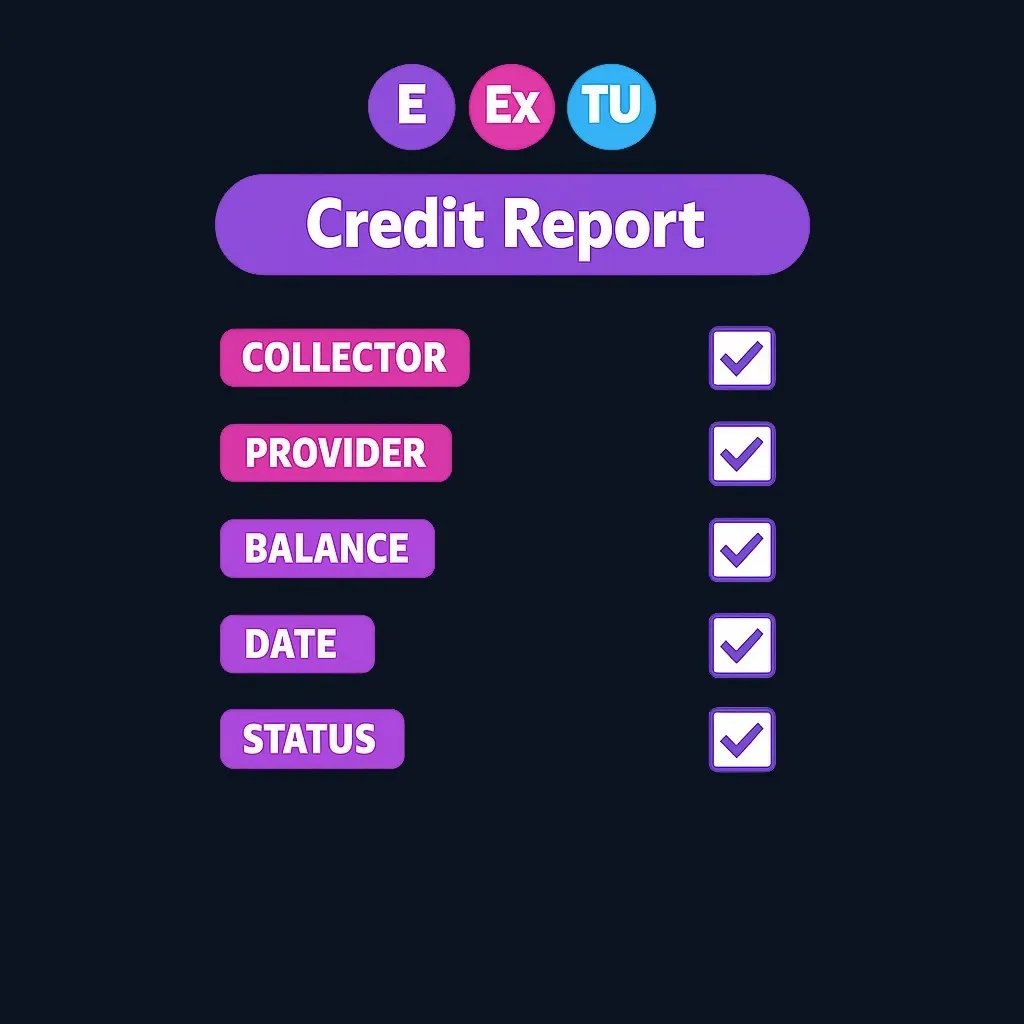
Start by pulling all three credit reports and confirming the provider, collector, original balance, current balance, and dates.
8 min read
Practice trading with Finelo
Practice in a simulator, learn with bite-sized lessons, and build confidence before risking real money.
Want to learn more?
Practice in a simulator, learn with bite-sized lessons, and build confidence before risking real money.
Explore FineloExplore Finelo's 28-day challenges
Turn learning into a daily habit with guided challenge paths.
Quick answer
Start by pulling all three credit reports and confirming the provider, collector, original balance, current balance, and dates. Dispute information that is inaccurate, duplicated, too old, belongs to someone else, exceeds a lawful bill, or remains after it should have been removed under the nationwide credit bureaus' medical-debt reporting policies.
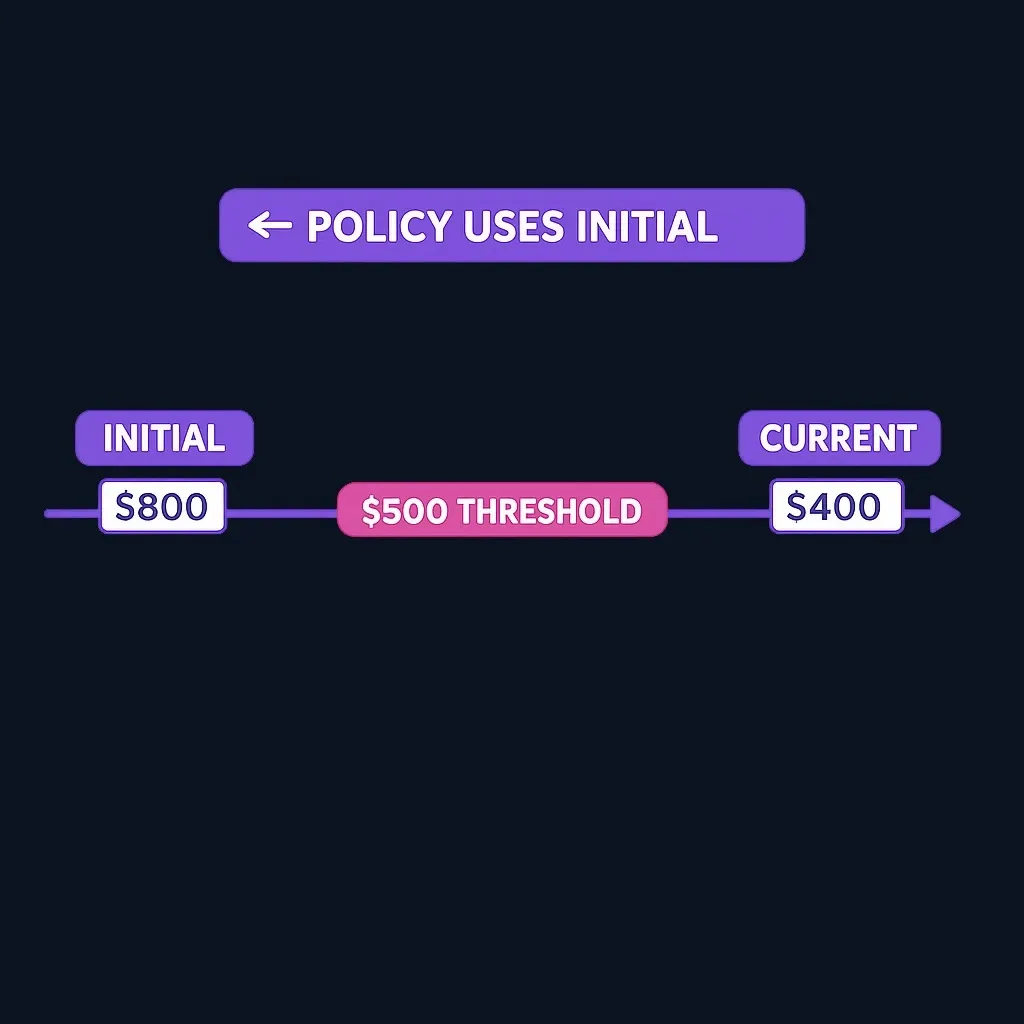
As of September 2026, the Consumer Financial Protection Bureau says unpaid medical debt more than 365 days delinquent from the date of service and over $500 could appear on a credit report (current CFPB guidance). The three nationwide credit reporting companies previously announced that paid medical collections, collections less than a year old, and medical collections with an initial balance under $500 would not appear. Those are voluntary industry policies, not a promise that every report is error-free.
Finelo provides general financial education, not legal, credit, insurance, tax, medical, or individualized financial advice. State protections and individual billing facts vary.
Important 2026 legal update
Do not rely on articles saying that a new federal rule removes every medical bill from every credit report. The CFPB's 2025 medical-debt rule was vacated by a federal court in July 2025. The CFPB now marks the rule materials as archived and for reference only (CFPB archived rule notice).
The practical distinction is:
- federal rights still prohibit inaccurate or unverifiable credit reporting and false or misleading collection practices;
- the nationwide bureaus' separate voluntary reporting changes may keep certain medical collections off reports; and
- state law may provide additional protections.
Step 1: identify exactly what is being reported
Use AnnualCreditReport.com, the federally authorized source, to review Equifax, Experian, and TransUnion reports. A collection may appear on one report but not another.
Record:
- the collector and original medical provider;
- the account number or partial identifier;
- the original and current balances;
- the date of service, date assigned to collection, and date first delinquent;
- whether the report labels the collection as medical;
- whether the same balance appears more than once; and
- whether the account is shown as paid, unpaid, disputed, or closed.
Do not send full medical records to a credit bureau unless they are genuinely necessary. A bill, explanation of benefits, payment record, or provider correction may establish the error without disclosing detailed diagnosis information.
Step 2: compare the report with the bill and insurance record
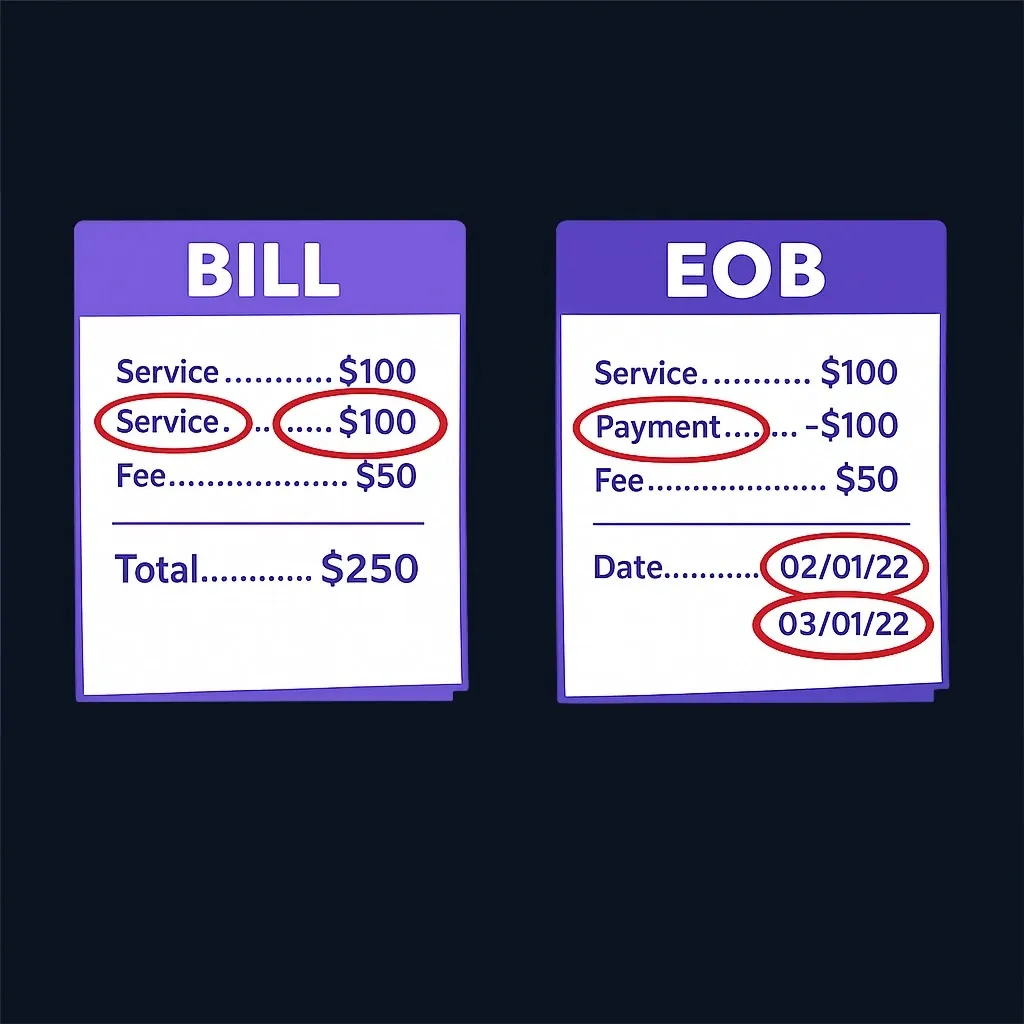
Request an itemized statement from the provider and compare it with the insurer's explanation of benefits. Check for:
- duplicate services;
- the wrong patient or date;
- a payment or adjustment not credited;
- a claim that was never submitted or was coded incorrectly;
- an amount prohibited by the No Surprises Act or another law;
- a balance that the provider recalled from collection; or
- a debt that does not belong to you.
The CFPB explains that collecting or reporting an amount above what the No Surprises Act permits can violate federal law (CFPB medical-collection guidance). Questions about surprise billing can be directed to the federal No Surprises Help Desk at 1-800-985-3059.
Step 3: choose the correct correction path
| What you find | Appropriate next step |
|---|---|
| Wrong person, amount, status, or dates | Dispute with each reporting bureau and the company furnishing the data |
| Insurance or provider billing error | Ask the provider or insurer to correct the underlying account and recall or update collection reporting |
| Paid medical collection still reported | Dispute it and cite the nationwide bureaus' announced removal policy |
| Medical collection with an initial balance under $500 | Ask the bureau to investigate whether its medical-collection policy applies |
| Medical collection reported before the one-year waiting period | Dispute the timing under the bureau's announced policy |
| Valid unpaid collection over $500 and older than one year | Explore provider financial assistance, insurance appeal, payment, or settlement; accurate reporting is not removable merely because it is inconvenient |
| Debt collector sues or threatens an imminent legal deadline | Respond on time and seek legal aid or counsel; a credit-report dispute does not pause a court case |
The $500 policy is generally described by the CFPB in terms of the initial balance of the medical collection. Do not assume that paying a larger debt down below $500 automatically makes it eligible for deletion.
Practice trading with Finelo
Practice in a simulator, learn with bite-sized lessons, and build confidence before risking real money.
Step 4: submit a focused credit-report dispute
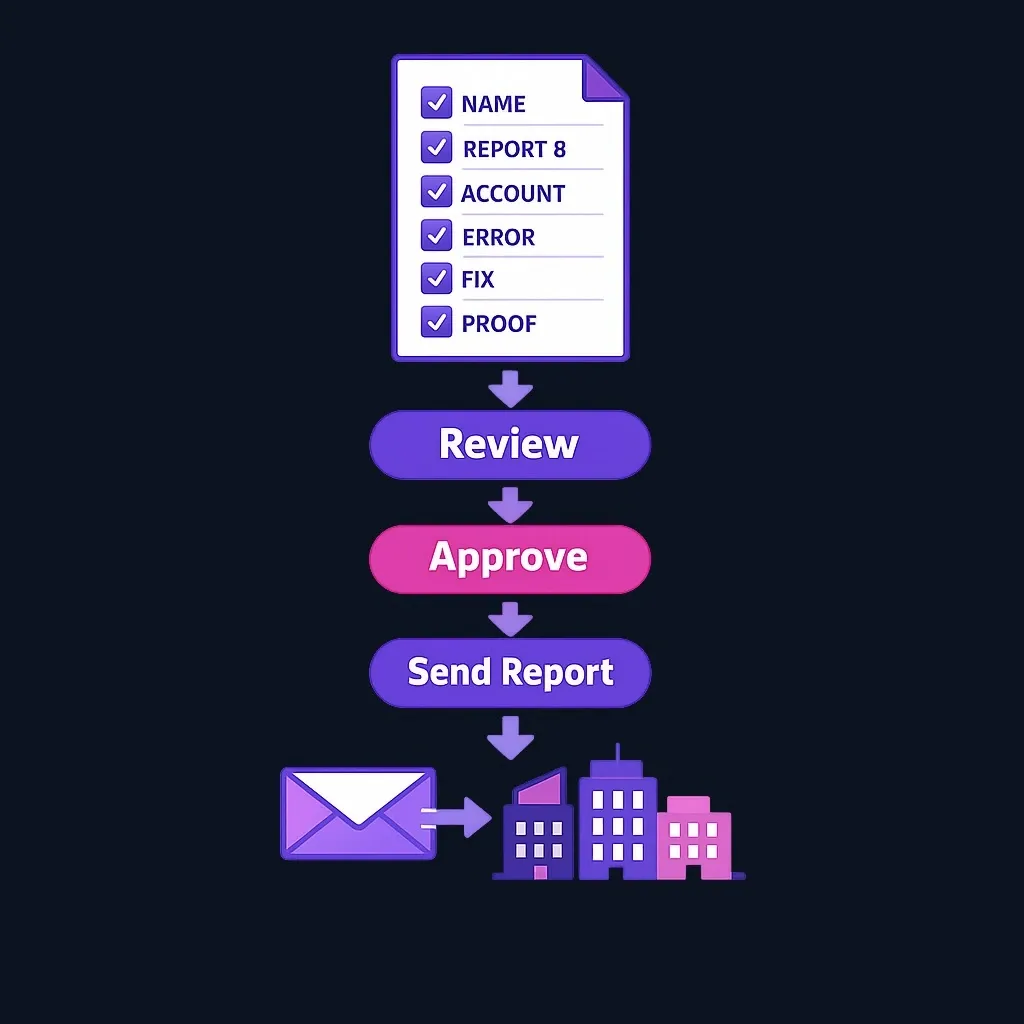
Send a dispute to every nationwide bureau displaying the error. You may also dispute directly with the provider or collector that furnished the information.
Include:
- your name and contact information;
- the report confirmation number, if available;
- the account name and partial account number;
- one concise explanation of what is wrong;
- the exact correction requested; and
- copies—not originals—of the itemized bill, explanation of benefits, payment proof, identity-theft report, or provider letter that supports the request.
Keep a complete copy and delivery record. The CFPB provides guidance for disputing an error on a credit report.
Do not dispute accurate information as “not mine” or submit a false identity-theft claim. A legitimate dispute identifies a factual or legal reason the item should be corrected or removed.
Step 5: address the underlying bill separately
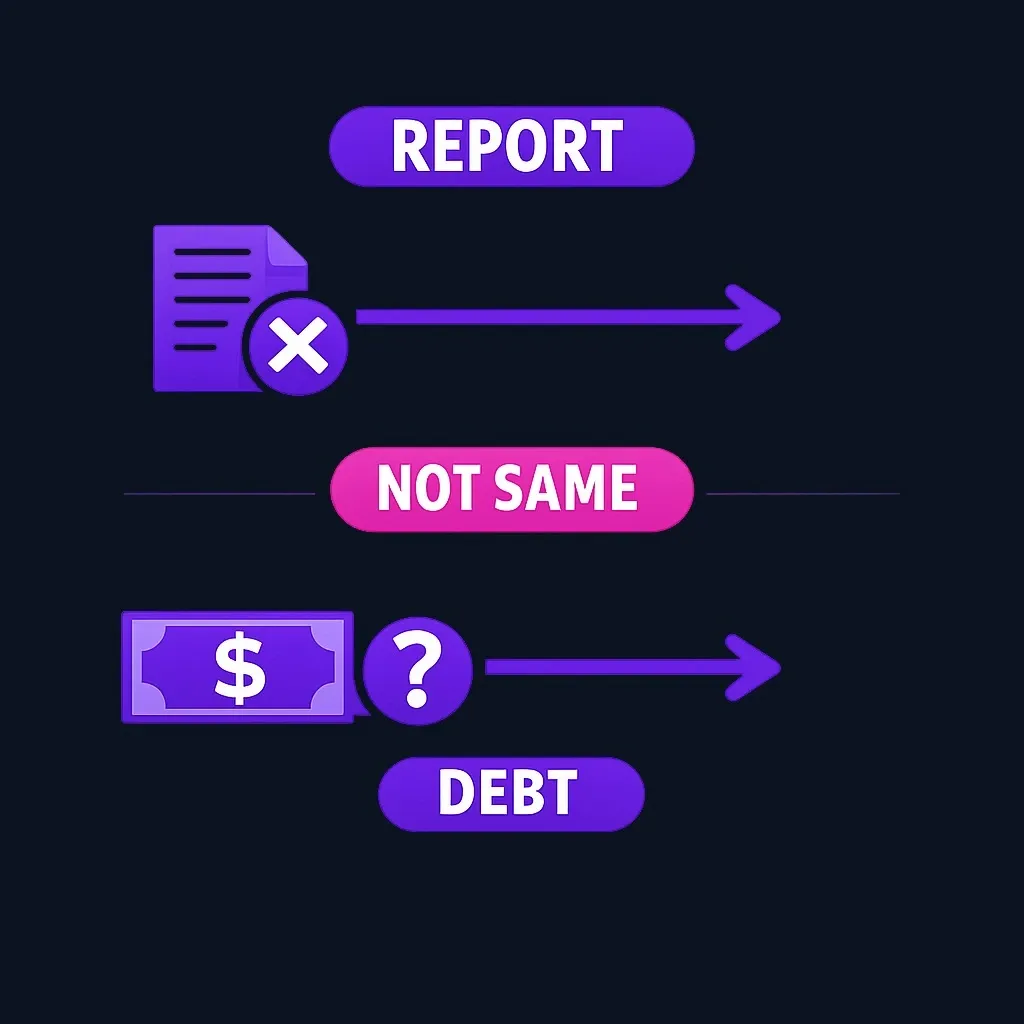
A credit-report dispute and a medical-billing dispute are related but different. Even if a tradeline is removed under a bureau policy, the underlying debt may still exist unless it was invalid, paid, settled, forgiven, or otherwise resolved.
For a valid but unaffordable balance, ask the provider—not only the collector—about:
- nonprofit-hospital financial assistance or charity care;
- an insurance appeal or corrected claim;
- an interest-free payment arrangement;
- a hardship reduction; or
- a written settlement.
Get any agreement in writing before paying. Confirm the amount, due date, whether the payment satisfies the full account, and how the collector will update the provider and credit bureaus.
Avoid treating “pay for delete” as a standard right. Furnishers must report accurately, and deletion of accurate information is not guaranteed. For medical collections, the more relevant question may be whether the nationwide bureaus' paid-medical-debt removal policy applies after the account is resolved.
Step 6: review the investigation result
When the bureau finishes its investigation, compare the result with all three current reports. Look for:
- removal or correction of the disputed tradeline;
- a remaining duplicate at another bureau;
- an incorrect balance or status after payment;
- reinsertion of information without the required notice; or
- a provider or collector record that still conflicts with the bureau result.
If evidence was overlooked, send a concise follow-up with the missing documentation. If the company will not correct a substantiated error, a consumer may submit a CFPB complaint and contact the state attorney general or a consumer-law attorney.
Common mistakes to avoid
- Paying before checking the bill. Payment can make an insurance or billing error harder to unwind.
- Assuming the 2025 CFPB rule is in force. It was vacated; current rights and voluntary bureau policies must be analyzed separately.
- Using a generic dispute with no evidence. Match each requested correction to a document.
- Confusing removal with debt forgiveness. A missing tradeline does not necessarily eliminate the underlying obligation.
- Ignoring court papers. A bureau dispute does not extend a litigation deadline.
- Sharing unnecessary medical detail. Provide enough evidence to establish the reporting issue while limiting sensitive information.
- Paying a credit-repair company to dispute accurate data. No company can lawfully guarantee deletion of accurate negative information.
FAQ
Can unpaid medical debt still appear on a credit report in 2026?
Yes. The CFPB currently says unpaid medical debt greater than 365 days delinquent from the date of service and over $500 could appear. State law and the bureaus' policies may provide additional limits.
Are paid medical collections supposed to remain?
The three nationwide credit bureaus announced removal of paid medical collections. If a paid medical collection remains, gather proof and dispute it with each bureau reporting the item.
Will paying a medical collection under $500 remove it?
The voluntary low-balance policy concerns qualifying medical collections with an initial balance below the stated threshold. Paying a larger initial balance down below $500 may not produce the same result. Verify the item's initial balance and current bureau policy.
Does deleting a medical collection raise a credit score?
Not necessarily. Scores use different models and the rest of the report still matters. Correcting the report is valuable, but no particular point increase can be promised.
What if the bill is from a surprise out-of-network provider?
Compare the charge with the insurer's explanation of benefits and review the No Surprises Act protections. The federal Help Desk can answer questions and accept complaints; a state regulator may also have authority.
Bottom line
The strongest route is evidence-first: identify the exact tradeline, verify the medical bill and insurance handling, use the correct bureau or billing dispute, and separately resolve any valid balance. Current 2026 guidance still allows some older unpaid medical collections over $500 to appear, while the nationwide bureaus' voluntary policies generally exclude paid, low-balance, and less-than-one-year-old medical collections. Do not rely on the vacated 2025 federal rule or on guaranteed-deletion claims.
Financial LiteracyFinancial Education
Practice trading with Finelo
Practice in a simulator, learn with bite-sized lessons, and build confidence before risking real money.
About the author
Finelo Team
The Finelo Team creates practical investing and trading education designed to help beginners learn faster with structured challenges, simulator practice, and bite-sized lessons.
Keep reading — Related articles

Financial Literacy
Mercury Books Review 2026: Is It Worth It for Startups?
Mercury Books brings double-entry accounting into Mercury. Review its $35 pricing, reports, AI features, integrations, and migration limits.
Finelo Team

Financial Literacy
Why is My FICO Score Lower Than My Credit Score?
Example takeaway: seeing a higher score in a bank app doesn’t guarantee lenders will see the same FICO number at application time; lenders often pull a specific FICO version from a specific bureau.
Finelo Team

Financial Literacy
Why Is My FICO Score Higher Than My Credit Score?
Brief educational note: this article is educational, not financial or investment advice; investing and credit decisions involve risk and possible loss.
Finelo Team