Last editorial review: September 28, 2026
Fixed vs. variable interest on a personal loan
Compare predictable loan payments with rates that can change, using the index, margin, reset rules, and payment limits.
10 min read
Practice trading with Finelo
Practice in a simulator, learn with bite-sized lessons, and build confidence before risking real money.
Want to learn more?
Practice in a simulator, learn with bite-sized lessons, and build confidence before risking real money.
Explore FineloExplore Finelo's 28-day challenges
Turn learning into a daily habit with guided challenge paths.
A fixed rate stays the same under the loan agreement. A variable rate can change according to a stated formula. Fixed-rate borrowing can make budgeting easier; variable-rate borrowing requires room for a higher payment or other repayment changes.
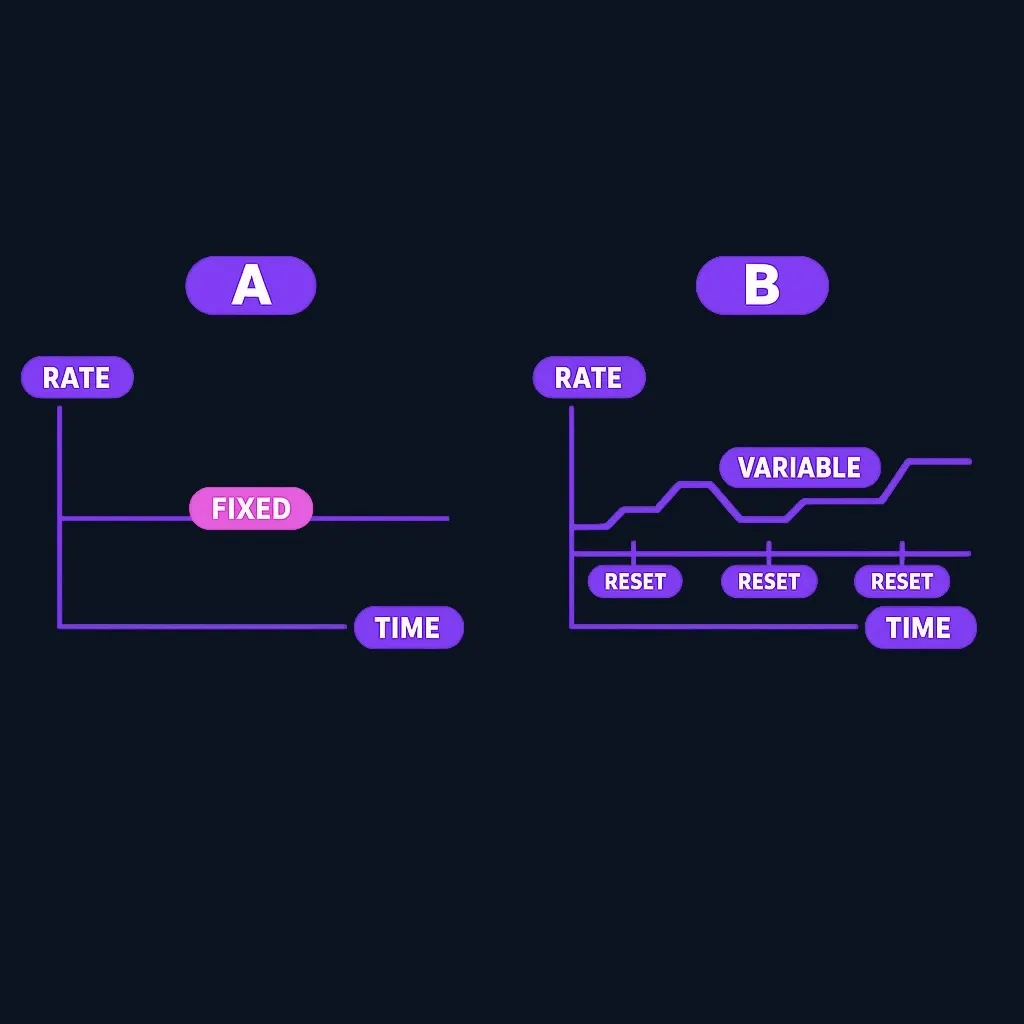
A lower starting rate is useful only when the complete terms and possible changes still fit your budget.
Compare the contract
| Question | Fixed rate | Variable rate |
|---|---|---|
| Can the interest rate change? | Normally no during the fixed term | Yes, under the agreement |
| What drives changes? | Not applicable to the fixed rate | Index, margin, reset schedule, and any limits |
| What should you test? | Payment and total cost | Higher-rate scenarios as well as the starting payment |
Personal installment loans and revolving credit are also different structures. Do not compare a fixed installment loan with a variable line without accounting for draw and repayment rules. The CFPB personal-loan guide explains the installment structure.
Ask how a rate change reaches your budget
Does the payment rise, the repayment period change, or both? How often can the rate reset? Is there a cap or floor? Can fees change independently of the rate? The answer must come from the actual agreement.
For a hypothetical borrower with little monthly surplus, payment certainty may be valuable even if another offer starts slightly cheaper. Someone planning quick repayment should still allow for delays and check early-payoff charges.
Compare more than the starting percentage
Request APR, fees, the repayment schedule, and an explanation of variable-rate changes. For a revolving line, the CFPB's line-of-credit overview provides additional context.
Avoid choosing a variable rate solely because you expect market rates to fall. A repayment plan should remain workable if that forecast is wrong. Mortgage-specific caps and disclosure rules should not be assumed to apply to an unsecured personal loan.
Read the reset formula in the contract
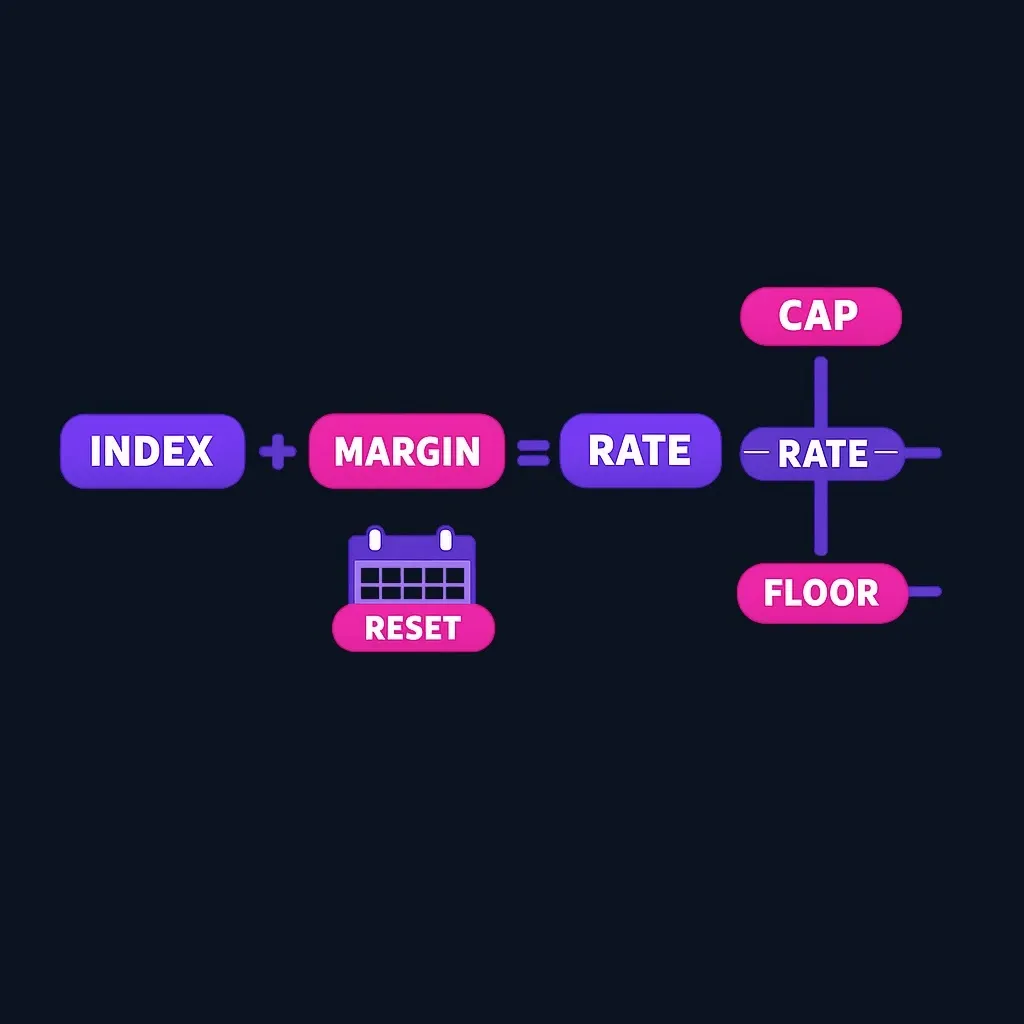
For a variable-rate loan, identify the reference index, margin, adjustment dates, and any minimum or maximum rate. Ask whether a change alters the payment, the payoff date, or both. The word “variable” does not tell you how quickly a rate change reaches the household budget.
A fixed rate removes uncertainty about that rate for the stated period, but other charges or consequences can still matter. Check late fees, optional insurance, origination charges, and prepayment terms. A fixed-rate offer with a high fee can cost more than another offer even when its headline rate is lower.
Test a payment increase before borrowing
Ask the lender to illustrate payments under the current variable rate and one or more higher-rate scenarios permitted by the contract. Fit those payments into the same budget as essentials and other debts. If only the initial payment is manageable, the lower starting rate does not solve the affordability problem.
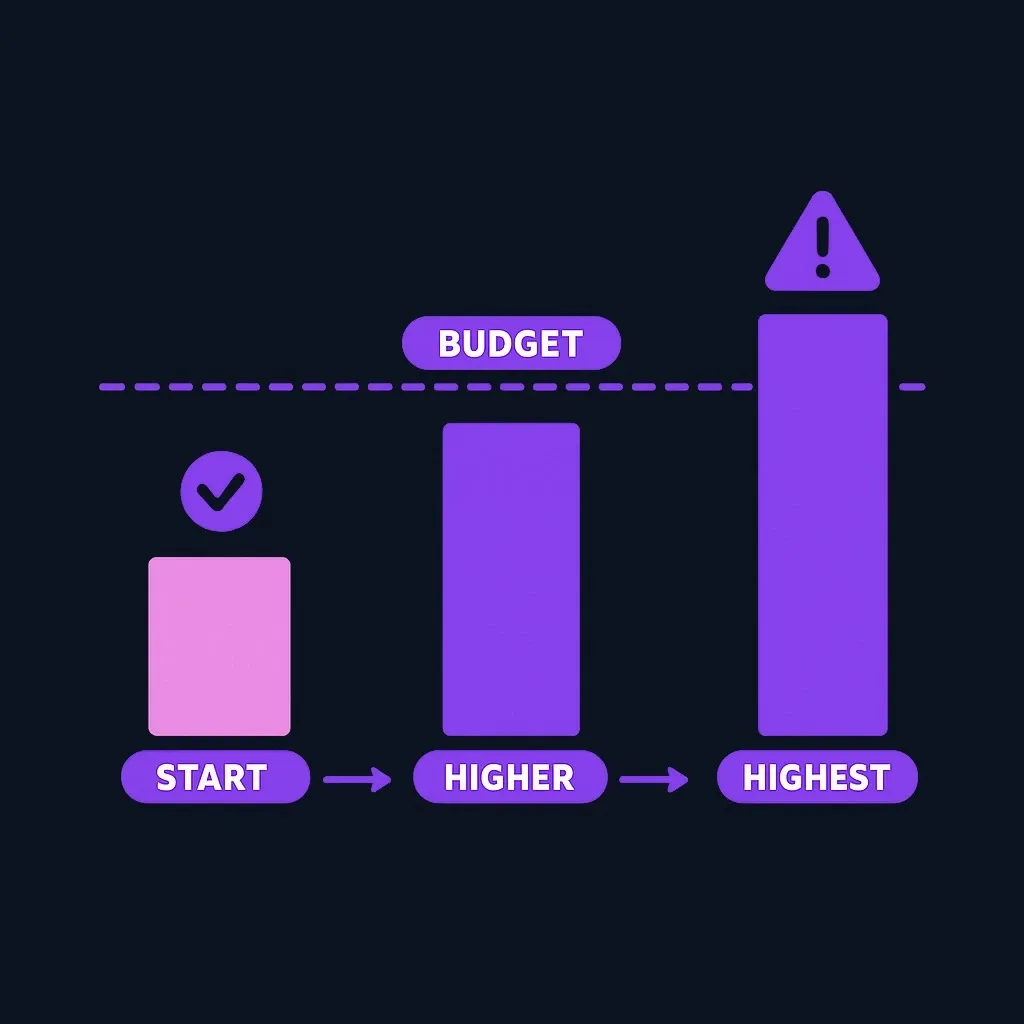
Compare offers with the same net proceeds and repayment period. Then consider whether the certainty of the fixed offer is worth its cost difference to you. Someone with little monthly flexibility may place more value on predictability than someone who can repay quickly from reliable funds. Neither needs to make a forecast about the next interest-rate move to understand that tradeoff.
Keep an early-payoff plan realistic. Expected bonuses, a future sale, or refinancing can fail to arrive on schedule. Test the loan as though you must keep it under its existing terms, then treat any successful early repayment as an additional outcome rather than a requirement for the budget to work.
Practice trading with Finelo
Practice in a simulator, learn with bite-sized lessons, and build confidence before risking real money.
What are Fixed and Variable Interest Rates?
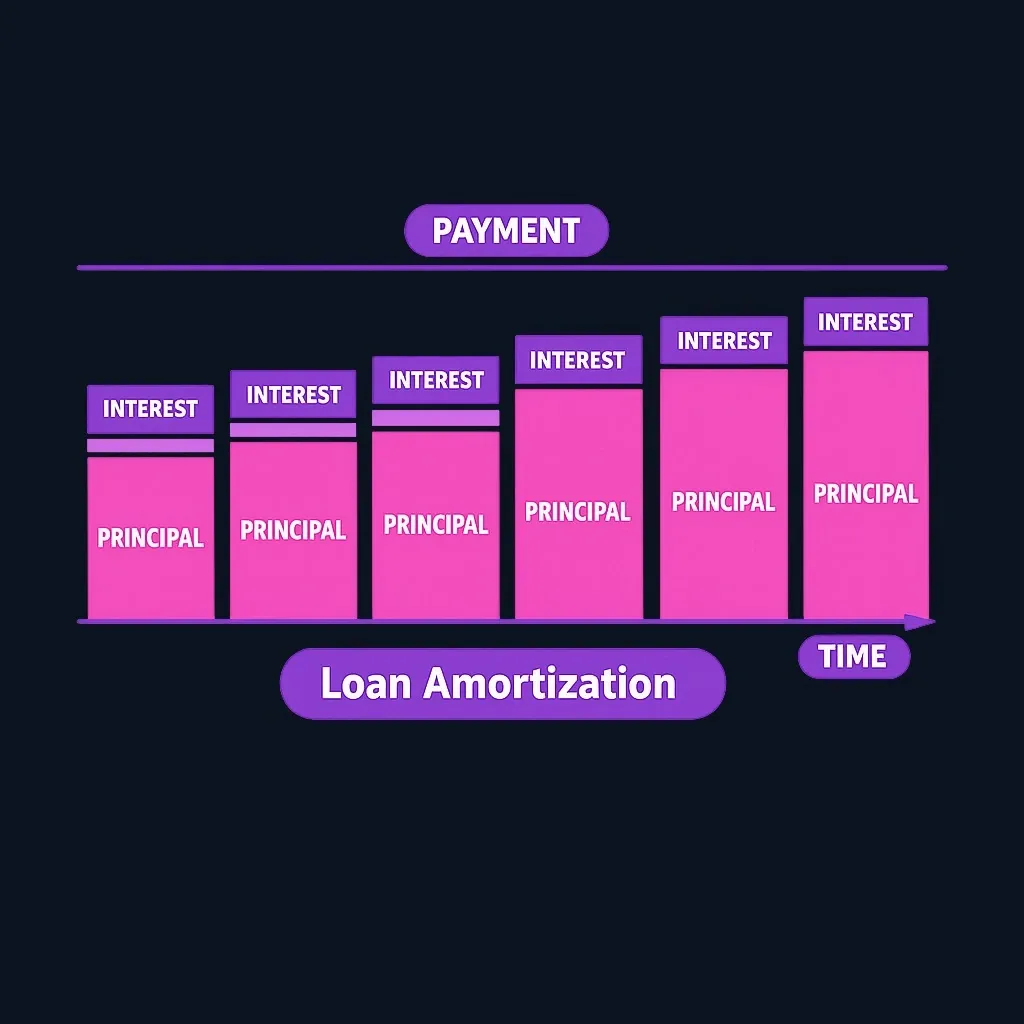
A fixed interest rate stays the same for the stated fixed period. On a standard fully amortizing installment loan, scheduled principal-and-interest payments are usually level, but the interest portion generally declines as principal is repaid. An adjustable or variable rate can change over time because it’s tied to an index or market benchmark; the lender applies adjustments per the loan’s adjustment schedule and margin. The CFPB notes that personal installment loans can have fixed or adjustable rates. Its closed-end credit disclosure rules require relevant variable-rate terms to be disclosed for covered transactions. Practical consequence: with a fixed rate you trade potential short-term savings for certainty. With a variable rate you get a rate that may start lower but can increase or decrease later. For mortgage and other regulated variable-rate products, the CFPB and related rules describe notices and required disclosures for adjustments. Those rules inform how lenders must communicate changes for certain loan types.
Advantages of Fixed and Variable Interest Rates
Fixed-rate advantages
- Predictability: Scheduled principal-and-interest payments on a standard amortizing loan remain level while the interest and principal portions change, simplifying budgeting and financial planning.
- Protection from rising rates: If market rates increase, your rate and payment are insulated for the loan term.
- Simplicity when planning long-term goals: Fixed payments make it easier to evaluate savings targets and other obligations.
Common caveat: predictable payments can be higher initially than variable offers. If you expect short-term borrowing or plan to repay early, a fixed rate’s certainty may be less valuable.
Variable-rate advantages
- Lower starting rate potential: A particular variable offer may start below a fixed offer, but this is not a guaranteed pricing relationship.
- Possible savings if market rates fall: If the contract’s formula passes through a lower index, the borrowing rate can fall. A floor or the payment-recalculation rules can limit the effect on the monthly bill.
- Shorter-term flexibility: If you expect to refinance or repay soon, a lower initial rate may reduce costs over that short period, provided fees do not offset it and repayment happens as planned.
Common caveat: variable rates introduce payment uncertainty. Without caps or safeguards, monthly payments can rise faster than your budget allows. Check the loan contract for how often rates adjust and any limits on increases. Decision point: when comparing offers, look past the headline rate. Ask how often the rate can change, whether there are caps on per-adjustment or lifetime increases, and how payment recalculation works; these terms determine real exposure to rate moves.
How to compare your options
Use this checklist to compare specific loan offers and decide which rate type fits you:
- Cash-flow tolerance: How much can your monthly payment rise before it creates hardship? (Estimate a buffer of a few hundred dollars or a percentage of income.)
- Time horizon: Will you keep this loan for its full term, or plan to repay/refinance sooner?
- Interest-rate view: Do you reasonably expect rates to fall, stay level, or rise? (Avoid betting your household budget on a market prediction.)
- Contract mechanics: How often does the rate reset? Are there per-period caps or a lifetime cap on increases? Is there a conversion option to fix the rate later?
- Same-period comparison: Compare payments, fees, and the remaining payoff balance over your expected borrowing period under several variable-rate paths.
- Emergency plan: If rates rise unexpectedly, what steps could you take? (e.g. building an emergency buffer, trimming nonessential spending, refinancing.)
Compare total cost under several rate paths
- Start with equal usable proceeds and the same planned payoff date. Record fees paid separately and avoid counting financed or deducted fees twice.
- Obtain the fixed loan’s payment schedule and payoff balance at that date. Add payments made and separate fees to that payoff balance, then subtract the cash received to estimate borrowing cost.
- Repeat for the variable offer under unchanged, higher, and lower rate scenarios permitted by the agreement. Include any early-payoff charge and note when each assumed reset occurs.
There is no reliable break-even date based only on the two starting payments. Later resets change both interest charges and the balance still owed. These scenarios test affordability and cost; they do not predict future rates. If the lender cannot explain how a reset affects the payment or payoff date, resolve that uncertainty before accepting the loan.
When to choose each option
Scenario A — You need predictable budgeting If your income is tight or variable, or you dislike payment surprises, a fixed-rate loan is usually preferable. Predictability helps when planning household expenses, childcare, or debt consolidation with a single monthly obligation. Scenario B — You want the lowest initial payment and can tolerate swings If your employer offers strong income stability and you have a buffer for rate increases, a variable-rate loan may lower near-term costs. This is common for borrowers who expect to repay or refinance within a few years. Scenario C — You hope rates will fall or expect to refinance. Treat that as a possibility, not the repayment plan. A new loan requires approval and available terms; the current loan must remain affordable if refinancing does not happen. Each scenario is hypothetical. Compare lender-specific terms, especially adjustment frequency and if limits (caps) exist — those details materially change borrower risk.
Tradeoffs and caveats
Common mistakes and how to avoid them
- Mistake: Choosing the lowest initial rate without checking adjustment terms. Fix: Read the rate-adjustment schedule, margins, and caps; understand when and how much your payment can change.
- Mistake: Assuming rates only move slowly. Fix: Model shock scenarios (e.g. a notable market rate increase) and confirm you could cover the higher payments for at least a few months.
- Mistake: Ignoring prepayment, refinancing, or conversion penalties. Fix: Confirm whether switching from variable to fixed later carries fees and whether early repayment triggers penalties.
Practical tips
- Ask the lender for sample amortization schedules under several rate paths (rising, flat, falling) to see payment ranges.
- Set a cash buffer based on your essential spending, income stability, and the higher payments you have tested; no single number of monthly payments fits every household.
- If uncertain, consider a shorter fixed term or a fixed-rate loan with a prepayment option that doesn’t impose large penalties.
Regulatory note: Certain mortgage and adjustable-rate transactions are subject to specific federal disclosure and adjustment-notice rules. Those requirements illustrate why lenders must document rate mechanics clearly. For non-mortgage personal loans, terms vary by lender and jurisdiction — rely on the written agreement.
What is the difference between fixed and variable interest rates?
A fixed rate stays constant for the loan term; a variable (adjustable) rate can change based on a benchmark index plus a lender margin. The contract identifies the benchmark, margin, reset dates, and any rate limits; use those terms to understand a specific offer.
Which type of interest rate is better for personal loans?
There is no universally “better” choice. Fixed rates offer predictability; variable rates can offer lower initial cost but more uncertainty. Use your cash-flow tolerance, time horizon, and contract details to choose.
What happens if I can’t afford payments after a rate increase?
If a rate increase makes payments unaffordable, contact your lender immediately to discuss options. Lenders sometimes offer temporary hardship programs or restructuring, but responses vary by lender and loan type.
How often do variable rates change, and what triggers those changes?
Adjustment frequency and triggers depend on the loan contract. Many adjustable-rate loans reset at scheduled intervals (monthly, quarterly, yearly) and follow a published index plus a fixed margin; always check your loan’s adjustment schedule and disclosure for specifics.
To compare offers beyond the headline rate, read Personal loan with an origination fee vs. no origination fee.
This guide covers U.S. rules. Finelo provides financial education, not personalized financial, investment, tax, or legal advice.
Financial LiteracyU.S. GuideFinancial Education
Practice trading with Finelo
Practice in a simulator, learn with bite-sized lessons, and build confidence before risking real money.
About the author
Finelo Team
The Finelo Team creates practical investing and trading education designed to help beginners learn faster with structured challenges, simulator practice, and bite-sized lessons.
Keep reading — Related articles
Financial Literacy
USDA vs. FHA loan
Compare location and income eligibility, down payments, credit conditions, and upfront and annual program charges for a home purchase.
Finelo Team
Financial Literacy
Term life vs. accidental death insurance
Compare broad term-life protection with accident-only coverage, including exclusions, underwriting, and the family income gap.
Finelo Team
Financial Literacy
Term life insurance laddering vs. one policy
Compare several term policies ending at different times with one policy, using coverage needs, costs, and future insurability.
Finelo Team