Price improvement means your order was executed at a better price than the best publicly quoted price at the moment you placed it. You bought below the quoted ask or sold above the quoted bid. Brokers pursue it when routing orders, and per the SEC's trade execution guidance, it is an opportunity, never a guarantee.
Price Improvement: What It Is and Why Your Fills Beat the Quote

Learn what price improvement means in stock trading, how brokers deliver better-than-quoted fills, and how to check your own executions.
7 min read
Practice trading with Finelo
Practice in a simulator, learn with bite-sized lessons, and build confidence before risking real money.
Want to learn more?
Practice in a simulator, learn with bite-sized lessons, and build confidence before risking real money.
Explore FineloExplore Finelo's 28-day challenges
Turn learning into a daily habit with guided challenge paths.
This page is for everyday investors who see "price improvement" on an order confirmation and want to know whether it is real money or marketing. It is also for anyone comparing brokers on execution quality. Read the mechanics below, then pull up your own broker's execution statistics and check the numbers. This article is educational, not financial advice.
What price improvement means
Every US-listed stock has a National Best Bid and Offer, or NBBO. The NBBO is the highest displayed bid and the lowest displayed offer across all exchanges at a given moment. When you send a market order to buy, the reference price is the national best offer. When you sell, it is the national best bid.
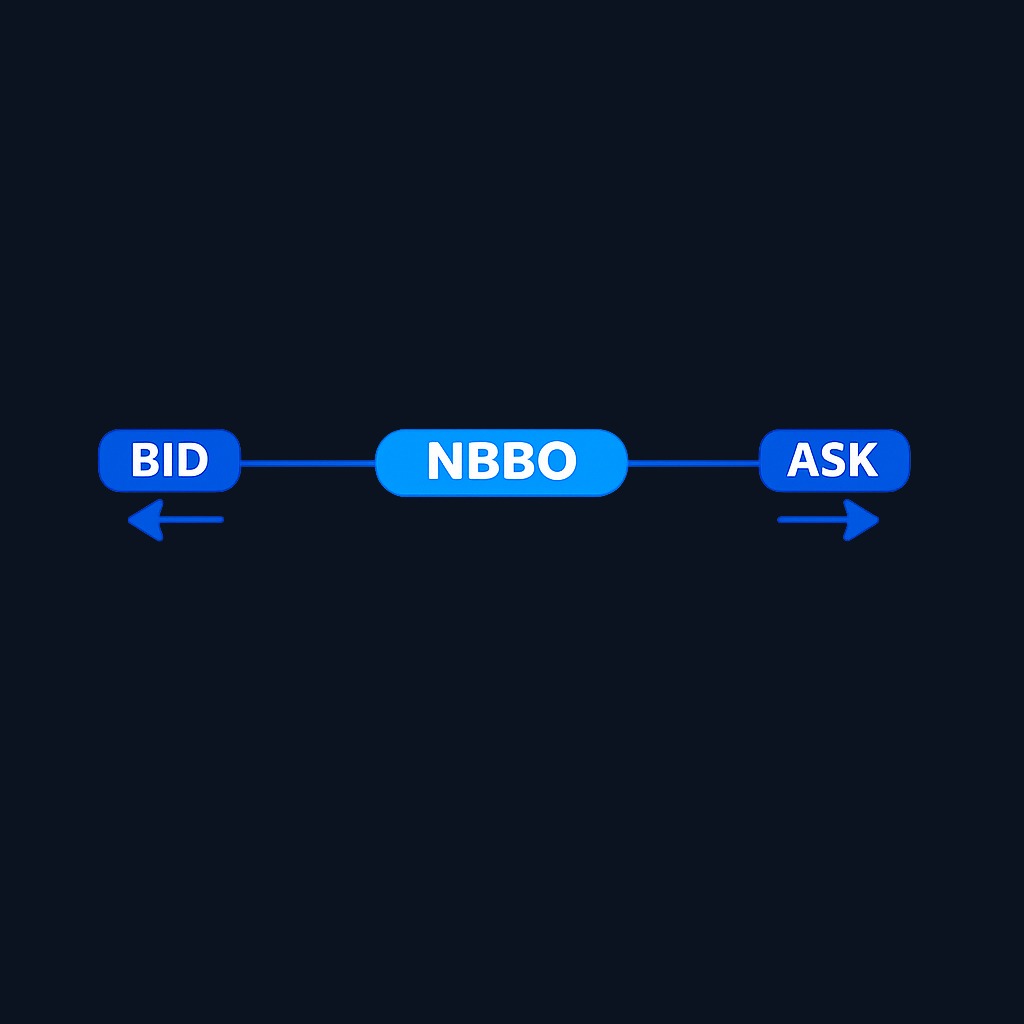
Your fill counts as improved when it beats that reference. Buy below the offer, or sell above the bid, and the difference is price improvement. The amounts per share are often tiny, sometimes fractions of a cent. But small per-share amounts add up across many shares and many trades, which is why regulators require brokers and market centers to measure and disclose it.
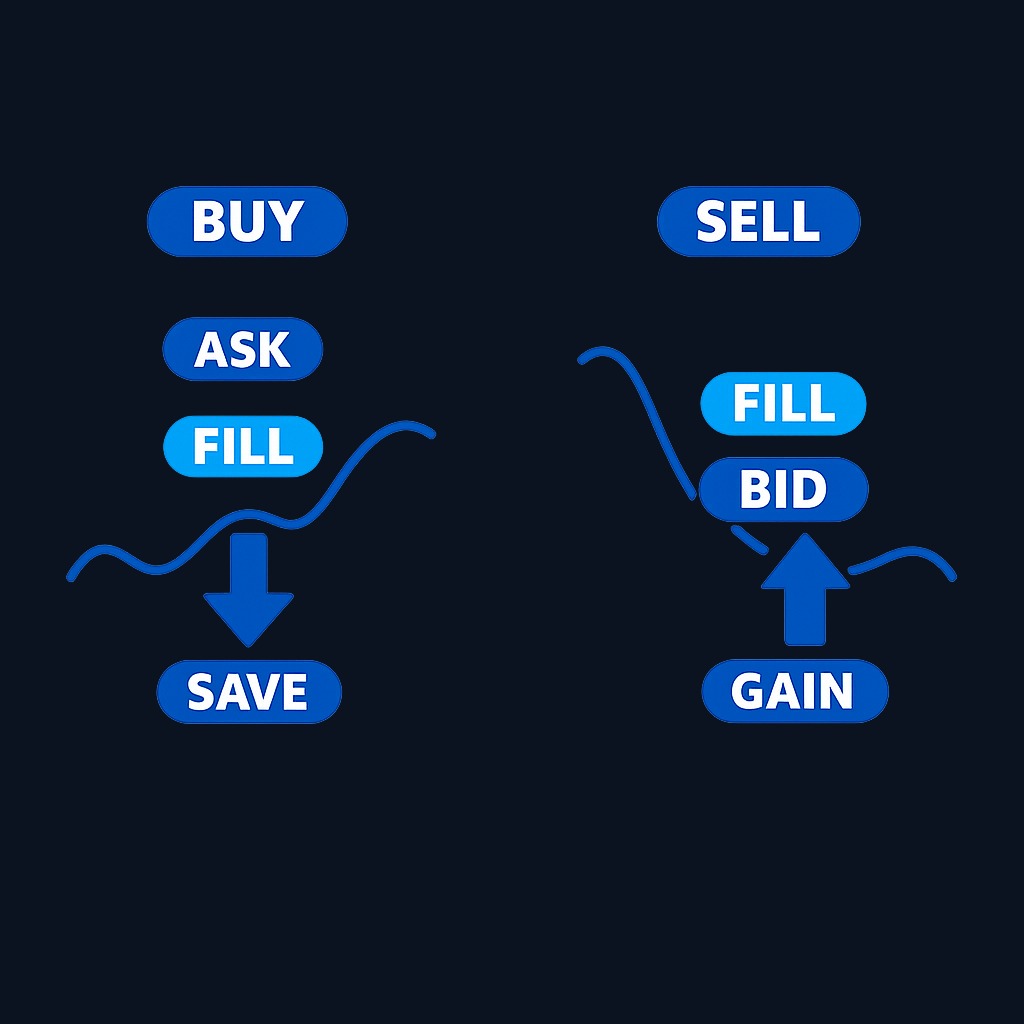
How price improvement happens
Improvement comes from competition for your order. When you submit an order, your broker does not have to send it to a stock exchange. It can route the order to wholesale market makers and other liquidity providers, who execute trades from their own inventory. To win that order flow, these firms often fill retail orders slightly inside the quoted spread.
Three mechanics drive better-than-quote fills:
- Spread capture sharing. A market maker willing to trade at the midpoint of a $10.00 bid and $10.02 offer can fill your buy at $10.01, improving your price by a cent.
- Hidden and midpoint liquidity. Some venues hold non-displayed orders priced better than the visible quote. Your order can interact with them.
- Routing decisions. Brokers monitor which venues historically deliver better fills and route accordingly, a process regulators expect them to review regularly.
The quality of your fill therefore depends less on luck and more on where your broker sends the order, which is exactly why disclosure rules exist.
A worked example
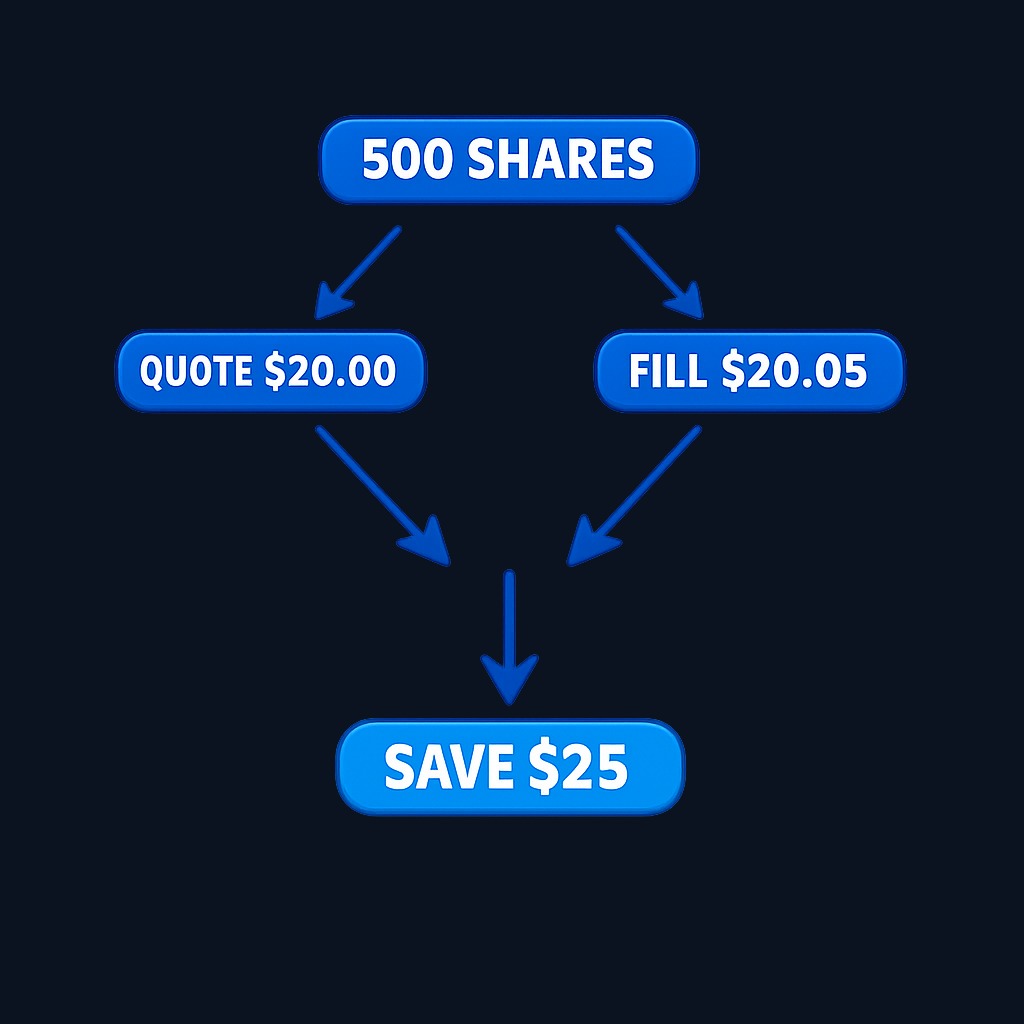
The SEC's own example makes the math concrete. Suppose you enter a market order to sell 500 shares of a stock quoted at $20.00. Your broker routes the order to a market maker that executes it at $20.05. You receive $10,025 instead of $10,000. That $25 difference is price improvement.
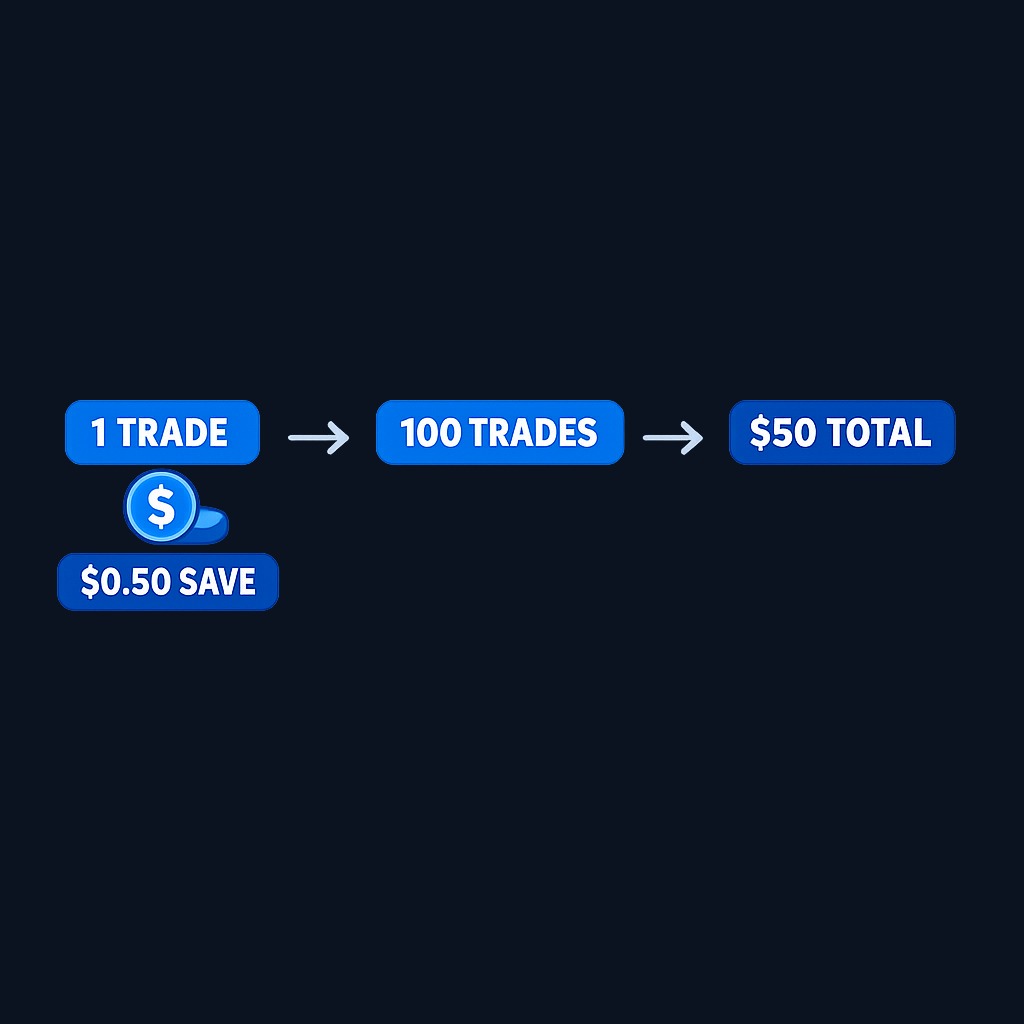
Now scale the idea down to a more typical case. You buy 100 shares with the offer at $50.00 and get filled at $49.9950. That is half a cent per share, or $0.50 on the trade. Trivial once, but an investor making 100 similar trades a year captures about $50 in better pricing without doing anything differently. Improvement compounds quietly, which is why per-share statistics matter when comparing brokers.
Best execution and your broker's duty
Price improvement is tied to a legal duty called best execution. Under FINRA Rule 5310, brokers must use reasonable diligence to get customers the most favorable price reasonably available under market conditions. Price improvement opportunities are one of the named factors firms must consider when they evaluate where to route orders.
Disclosure backs this up. Under SEC Rule 605 of Regulation NMS, market centers, brokers, and dealers must publish monthly execution-quality statistics, including share-weighted average percentage price improvement measured against the NBBO at the time an order is received. These reports exist so investors and analysts can compare execution quality across firms with a common yardstick rather than trusting slogans.
Practice trading with Finelo
Practice in a simulator, learn with bite-sized lessons, and build confidence before risking real money.
How to check the price improvement you receive
You can verify your own results in three places:
- Order confirmations. Many brokers show the improvement amount per order on the order status page or trade confirmation. Compare your fill price to the quote you saw when submitting.
- Broker execution-quality pages. Large brokers publish quarterly statistics summarizing the percentage of orders improved and the average amount per share. Read these before opening an account.
- Rule 605 reports. The standardized monthly reports required by the SEC let you compare market centers directly, using the same definitions for every firm.
A practical habit: spot-check a few of your own market orders each quarter. If your typical fill sits exactly at the quoted price or worse, ask your broker how it routes orders and reviews execution quality. Brokers are required to have an answer.
Limitations and caveats
Price improvement statistics deserve a skeptical read alongside the benefits:
| What improvement gives you | What it does not give you |
|---|---|
| Fills better than the displayed quote | A guarantee on any single order |
| A measurable broker-comparison metric | Proof of the best possible outcome |
| Real savings that compound over many trades | Protection from fast-moving prices |
| A window into routing quality | Compensation for wide spreads |
Remember three caveats. First, improvement is measured against the displayed quote, and better-priced non-displayed orders may exist, so "improved" does not always mean "best conceivable." Second, statistics are averages across millions of orders; your individual fill can differ. Third, improvement interacts with speed. A venue offering slightly better prices but slower fills can cost you more in a fast market than it saves in price.
What to know before deciding
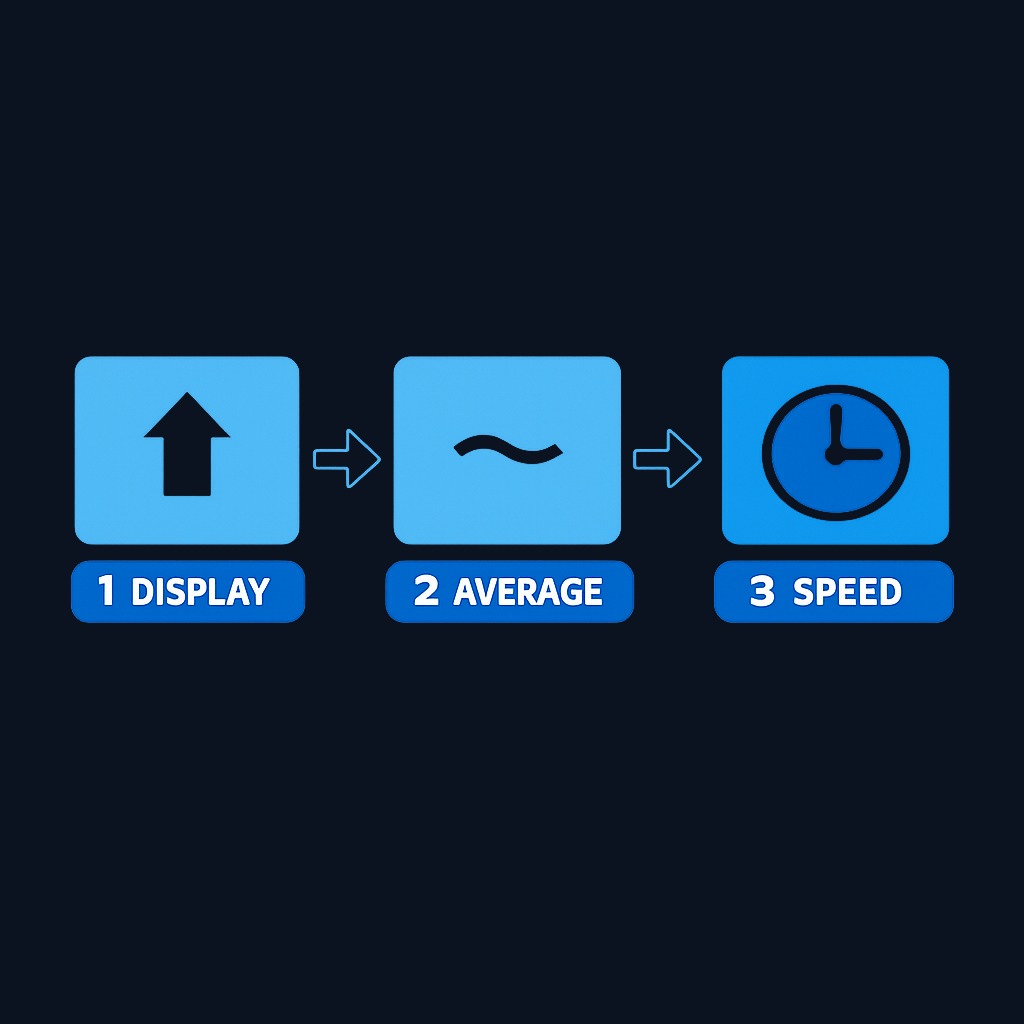
Before you weight price improvement heavily in choosing a broker or an order type, confirm the basics. Check whether the broker publishes execution-quality statistics and how its average per-share improvement compares to peers. Understand the order types you actually use, since market orders and marketable limit orders are the ones measured for improvement. And keep perspective: for long-term investors making a few trades a year, expense ratios and commissions usually matter more than execution pennies. Securities regulators consistently encourage comparing firms on total cost, not one metric.
Decision framework: how much should execution quality matter to you?
Use this quick sequence:
- Count your trades. A handful per year makes improvement a minor factor. Frequent trading makes it material.
- Check the statistics. Compare percentage of orders improved and average improvement per share across the brokers you are considering.
- Weigh speed against price. If you trade volatile stocks, fast certain fills may beat marginally better prices.
- Match the order type. Use marketable limit orders when you want a price ceiling with a chance of improvement inside the spread.
- Re-check annually. Routing arrangements and execution statistics change over time, so yesterday's best executor may not be today's.
If two brokers look similar after steps 1 through 4, the tie-breaker belongs to costs and tools, not decimals of improvement.
Conclusion and next steps
Price improvement is the measurable gap between the price you were quoted and the better price you actually received. It flows from broker routing choices, market-maker competition, and regulatory pressure through best-execution duties and standardized disclosure. Treat it as one input in judging a broker, alongside costs, tools, and reliability.
Next steps: pull your last five market-order confirmations, compute the improvement per share against the quotes, and skim your broker's latest execution-quality report. If you want structured practice reading market mechanics like this, the Finelo app teaches trading and investing concepts step by step for beginners.
Frequently asked questions
Is price improvement guaranteed on my orders?
No. Regulators describe it as an opportunity, not a promise. Whether a specific order gets improved depends on the venue it reaches, market conditions at that instant, and available liquidity inside the spread.
How is price improvement calculated?
For a buy, it is the quoted national best offer minus your execution price, times shares. For a sell, it is your execution price minus the national best bid, times shares. Standardized reports weight this by share volume.
Does price improvement apply to limit orders?
It applies mainly to marketable orders, meaning market orders and limit orders priced to execute immediately. A resting limit order far from the market executes at your limit price, so improvement plays a smaller role.
Why do brokers give price improvement at all?
Execution venues compete for order flow, and regulators require brokers to seek favorable prices and disclose results. Sharing a slice of the spread with customers is how venues win business and how brokers demonstrate best execution.
priceimprovementfillsbeatquote
Practice trading with Finelo
Practice in a simulator, learn with bite-sized lessons, and build confidence before risking real money.
About the author
Finelo Team
The Finelo Team creates practical investing and trading education designed to help beginners learn faster with structured challenges, simulator practice, and bite-sized lessons.
Keep reading — Related articles

Trading
Understanding Walk Forward Analysis in Trading
Brief educational note: this article is educational — not investment advice — and trading involves the risk of loss.
Finelo Team
Trading
VWAP vs Moving Average: Formulas, Uses, and Limits
VWAP weights price by recorded volume over a defined period, while a moving average summarizes a sequence of prices over a rolling lookback.
Finelo Team
Trading
Volume Profile vs Market Profile: What Each Chart Measures
Volume Profile groups traded volume by price level.
Finelo Team