Last editorial review: September 28, 2026
Student loan deferment vs. forbearance
Compare temporary payment relief, interest treatment, eligibility, and the repayment plan needed when the pause ends.
9 min read
Practice trading with Finelo
Practice in a simulator, learn with bite-sized lessons, and build confidence before risking real money.
Want to learn more?
Practice in a simulator, learn with bite-sized lessons, and build confidence before risking real money.
Explore FineloExplore Finelo's 28-day challenges
Turn learning into a daily habit with guided challenge paths.
Deferment and forbearance can temporarily reduce or postpone federal student-loan payments. They have different eligibility rules and can affect interest differently. A payment pause is not the same as debt forgiveness.
Contact your servicer before you miss a payment and keep paying as required until relief is approved.
Compare the main features
| Feature | Deferment | Forbearance |
|---|---|---|
| Eligibility | Based on specified qualifying circumstances | Depends on the type of forbearance and its rules |
| Interest | May not accrue to you on certain subsidized loans during qualifying periods | Generally accrues on subsidized and unsubsidized loans |
| Duration | Limited by the relevant category | Limited by the relevant category |
| Afterward | Payments resume; balance effects depend on the loan | Payments resume; accrued interest may increase the cost |
Federal servicer Edfinancial’s deferment and forbearance guide explains qualifying categories and the interest distinction. Interest capitalization—adding unpaid interest to principal—depends on loan type and the event; it should not be described as automatic after every pause.
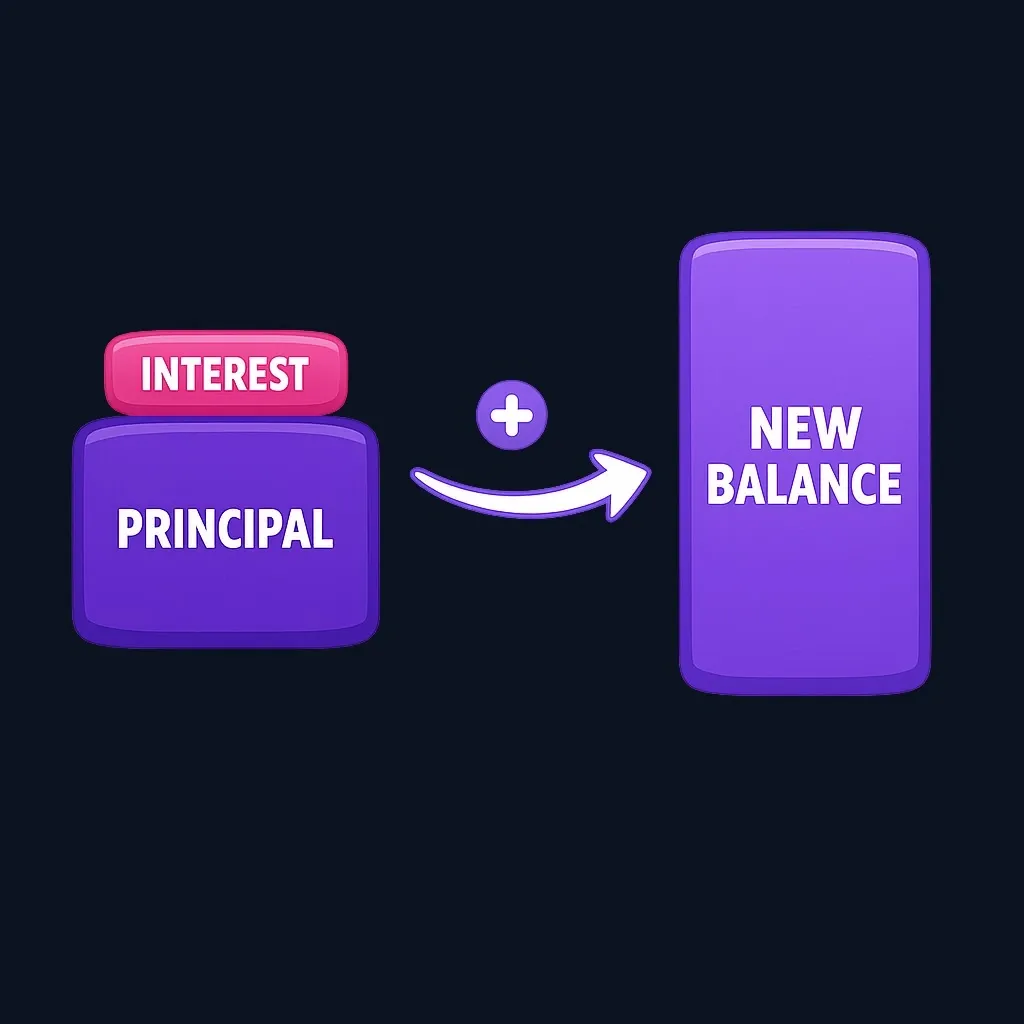
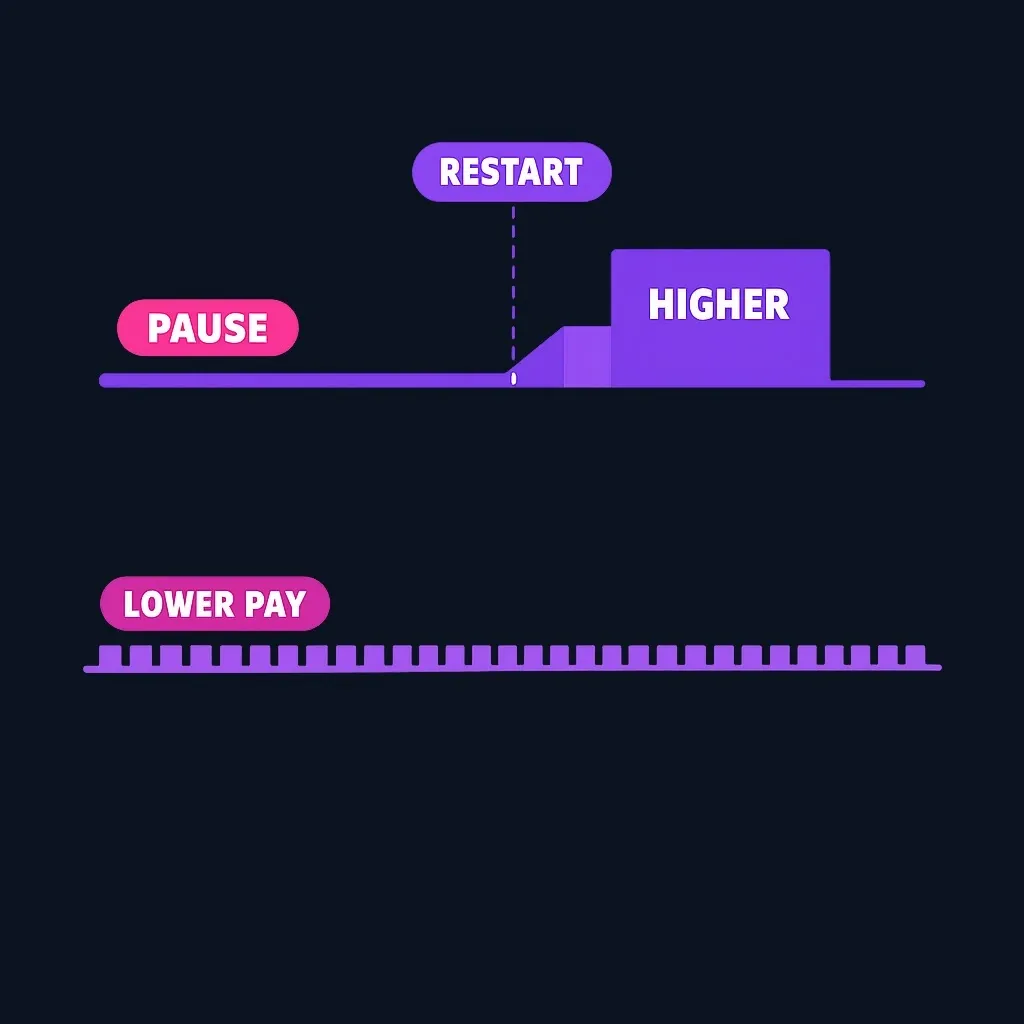
Compare a pause with a lower payment
If the problem is ongoing rather than temporary, an available income-driven repayment option may be more useful. Current eligibility depends on your loans and the rules in effect. A lower required payment and a paused payment can have different consequences for forgiveness progress.
For a hypothetical six-month income interruption, ask the servicer to estimate interest under each eligible option and show what happens when normal payments restart. If you can afford interest payments during relief, compare how that changes the balance.
Get the approval details
Confirm the start date, end date, interest treatment, required documentation, and payment due after the pause. Check whether the months count toward any forgiveness program you are pursuing; exceptions exist, so avoid blanket assumptions.
Private loans follow the lender's contract rather than federal relief rules. Ask that lender separately about hardship arrangements. The objective is temporary breathing room with a clear path back to affordable repayment.
Understand what happens to interest during the pause
Ask about each loan separately. A borrower can hold subsidized and unsubsidized loans with different treatment during the same deferment. Forbearance generally has its own interest consequences. A temporary reduction in required payments does not necessarily mean the balance stops growing.
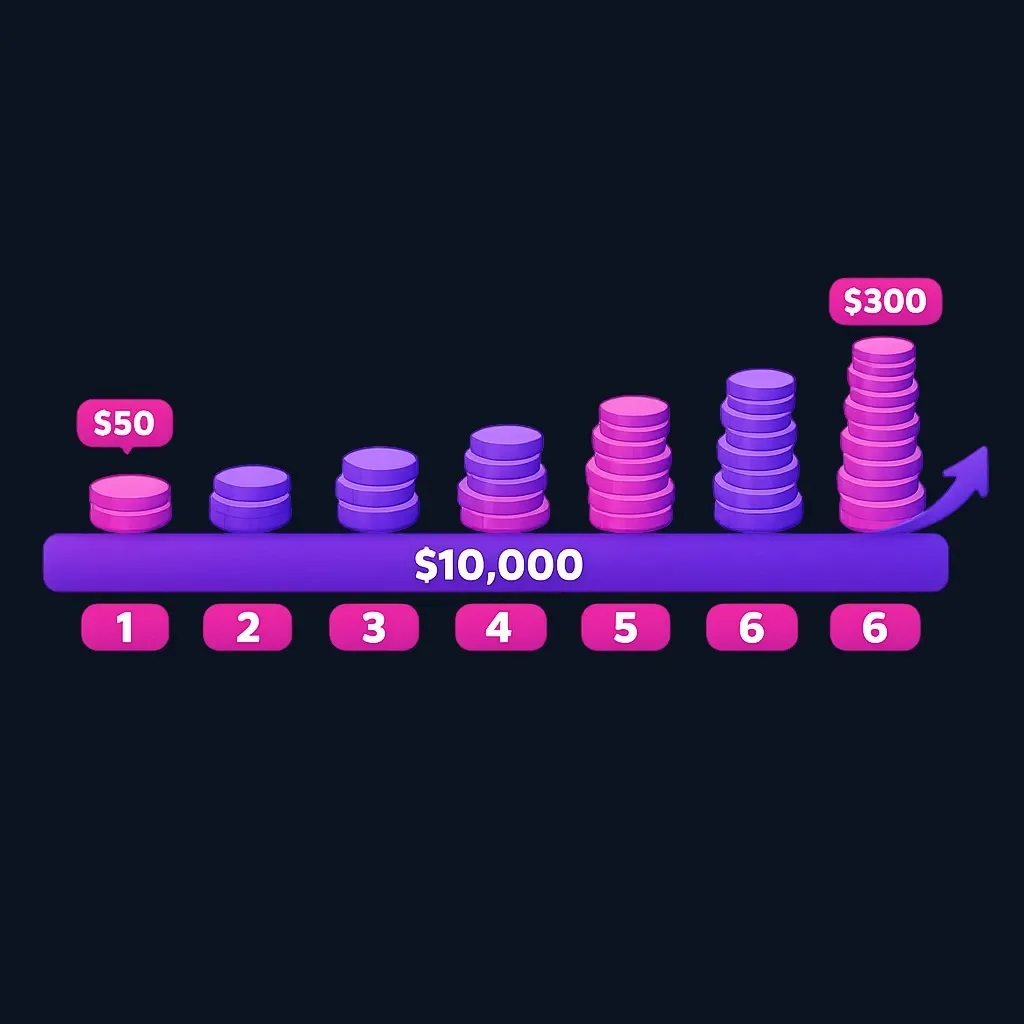
In a simplified hypothetical example, $10,000 accruing interest at 6% would generate about $50 over one-twelfth of a year before daily-calculation differences. Six such months would be about $300 if the principal remained unchanged. This illustrates accrual only; whether interest is subsidized or later capitalized depends on the loan and status. Capitalization is the separate step of adding unpaid interest to principal.
If you can afford a partial interest payment, ask how it will be applied and compare that use of cash with essential expenses. Do not commit to voluntary payments that leave the household unable to meet current necessities.
Practice trading with Finelo
Practice in a simulator, learn with bite-sized lessons, and build confidence before risking real money.
Prepare for the restart before taking the pause
Confirm the approved start date, end date, interest treatment, and next required payment. Find out whether automatic payments will restart and whether another application or income certification is needed. Keep the written approval, not just a record that you submitted a form.
Use the relief period to address the reason for the shortfall. If income has fallen for the long term, an available repayment-plan change may be more sustainable than repeatedly pausing the same unaffordable payment. Eligibility and the effect on forgiveness progress depend on current rules and the specific status.
Before the pause ends, review the balance and updated payment schedule. Contact the servicer if the payment is still unaffordable rather than assuming another pause will be granted. Temporary relief works best as part of a plan for what happens next.
What is student loan deferment?
Deferment is a temporary pause or reduction in federal student loan payments available to borrowers who meet specific qualifying circumstances. Examples of common qualifying situations include being enrolled at least half-time in school, experiencing unemployment, participating in certain military or fellowship programs, or undergoing specific medical treatment; see a federal list of qualifying reasons on the Department of Education site. Deferment requires a qualifying status and confirmation from the servicer. Some in-school deferments are applied automatically using enrollment information; others require an application and supporting documents. Practical note: if you think you qualify, ask your servicer what documentation they need and how long deferment will be granted for your situation.
What is student loan forbearance?
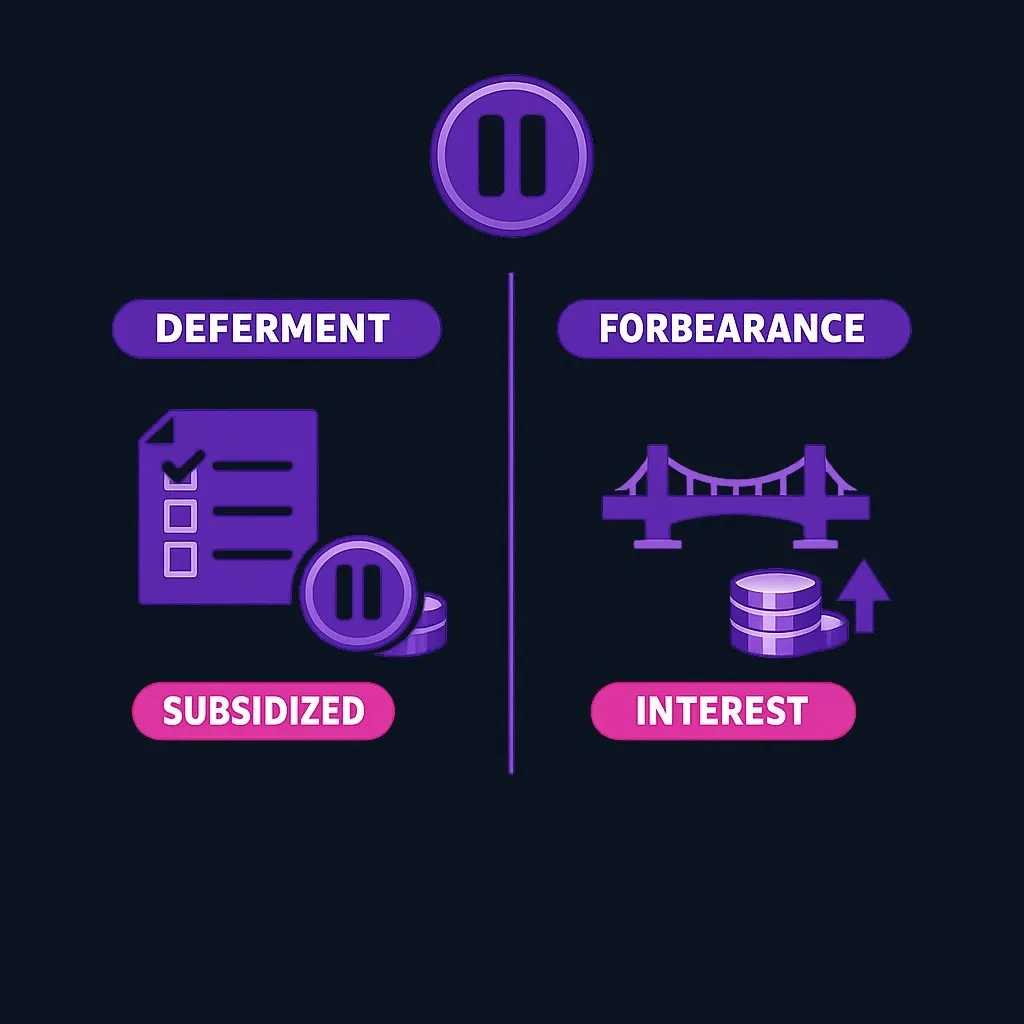
Forbearance is temporary relief your servicer can grant under qualifying circumstances, including certain financial hardships. General, mandatory, and administrative forbearances have different rules; it is not defined solely by being ineligible for deferment. It’s generally intended as short-term assistance and is often used for financial hardship, medical issues, or other unexpected events. Forbearance is typically requested through your servicer and may require documentation or servicer approval. Practical note: treat forbearance as a bridge — use the time to apply for longer-term solutions if your financial strain is expected to continue.
How to compare your options
To choose between deferment and forbearance, evaluate these criteria in order:
- Eligibility: Does your situation match a deferment category? (See official qualifying reasons on the Department of Education page.) If yes, compare its interest treatment and other effects with your available alternatives.
- Interest impact: Ask your servicer whether interest will continue to accrue and whether any interest will be paid by the federal government or added to your balance. If interest keeps accruing, calculate how much unpaid interest would grow if you stopped payments (see example below).
- Duration needed: Check the maximum period available under the exact category. Neither label promises a pause long enough to cover an indefinite income shortfall.
- Long-term programs and forgiveness: If you’re working toward public service loan forgiveness or another forgiveness path, confirm with your servicer whether deferred or forborne months count toward program requirements.
- Alternative options: Before pausing payments, check income-driven repayment plans, consolidation, or borrower assistance programs that may offer lower payments without pausing interest.
Practical calculation example (conceptual): if interest accrues while you’re not paying, your unpaid interest will add to the principal later if it capitalizes. Even without exact rates, factor that added balance into post-pause monthly payments to compare the cost of pausing vs. switching plans. Action checklist to discuss with your servicer:
- Confirm which status (deferment or forbearance) you qualify for.
- Get the exact start/end dates in writing.
- Ask whether interest will accrue and if it will capitalize.
- Ask how the paused period affects forgiveness or repayment progress.
- Request instructions and a list of required documents.
When to choose each option
- Choose deferment if you clearly meet a qualifying condition listed by the Department of Education (for example, certain types of enrollment, military service, or unemployment categories). Start by gathering required documentation and submitting the deferment request to your servicer.
- Choose forbearance if you do not qualify for deferment and need short-term relief while you pursue a longer-term solution. Use forbearance as a temporary stopgap and follow up by applying to an income-driven repayment plan, consolidation, or other options if your financial situation remains constrained.
Hypothetical scenario: A borrower returning to school asks whether their enrollment qualifies for deferment and how each loan’s interest is treated. A borrower with an income interruption compares available repayment-plan changes with temporary relief. In both cases, approval and the restart date must be confirmed rather than assumed.
Tradeoffs and caveats
- Cost vs. relief: Pausing payments reduces short-term cash outflow but can increase long-term cost if interest accrues and capitalizes. Interest behavior varies by loan type and program; ask your servicer for the exact effect on your loans.
- Progress toward forgiveness: Some temporary relief statuses may or may not count toward forgiveness programs. Always verify with your servicer how a deferment or forbearance period will affect eligibility for programs such as public service loan forgiveness.
- Documentation and process risk: Missing required documents or failing to submit timely paperwork can result in missed payments or missed opportunities for a specific relief type. Keep copies and get confirmations.
- Credit score impact: Entering deferment or forbearance does not automatically mean default; it is a formal status. However, if a payment pause is not properly documented or your account falls into delinquency, your credit could be affected. Confirm that your servicer will mark your account correctly.
Impact on credit scores and loan forgiveness (short primer)
- Credit: Properly approved deferment or forbearance should prevent delinquency reporting for the covered period. Confirm how your servicer will report the status to credit bureaus. Approval does not automatically remove accurate late-payment reporting from before the covered period.
- Forgiveness: Whether paused months count toward forgiveness depends on the program rules. Verify program-specific counting rules with your servicer.
For official program descriptions and application steps, see the Department of Education’s temporary relief guidance.
What is the difference between deferment and forbearance?
Both pause payments temporarily. Deferment is for specific qualifying circumstances listed by the federal Department of Education, while forbearance has separate categories that can reduce or postpone payments. Eligibility and interest treatment depend on the particular status. Check eligibility and required documentation with your servicer and the Department of Education page.
How do I apply for deferment or forbearance?
Contact your loan servicer, identify which form or request applies to your situation, gather required documentation, and submit the application per your servicer’s instructions. The Edfinancial guide linked above lists categories and application routes for that servicer; use your own servicer’s instructions for your account.
Can I switch from forbearance to deferment later?
If your circumstances change and you become eligible for deferment, you can ask your servicer to reconsider and grant deferment instead of forbearance. Keep documentation that proves your new eligibility and confirm the effective dates with your servicer.
Will entering forbearance or deferment hurt my credit score?
Approved deferment or forbearance itself should prevent delinquency reporting for the covered period, but miscommunication or missed paperwork can lead to missed payments and negative credit consequences. Confirm with your servicer how they will report your account.
For a change to the loan itself rather than a temporary pause, compare Student loan consolidation vs. refinancing.
This guide covers U.S. rules. Finelo provides financial education, not personalized financial, investment, tax, or legal advice.
Financial LiteracyU.S. GuideFinancial Education
Practice trading with Finelo
Practice in a simulator, learn with bite-sized lessons, and build confidence before risking real money.
About the author
Finelo Team
The Finelo Team creates practical investing and trading education designed to help beginners learn faster with structured challenges, simulator practice, and bite-sized lessons.
Keep reading — Related articles
Financial Literacy
USDA vs. FHA loan
Compare location and income eligibility, down payments, credit conditions, and upfront and annual program charges for a home purchase.
Finelo Team
Financial Literacy
Term life vs. accidental death insurance
Compare broad term-life protection with accident-only coverage, including exclusions, underwriting, and the family income gap.
Finelo Team
Financial Literacy
Term life insurance laddering vs. one policy
Compare several term policies ending at different times with one policy, using coverage needs, costs, and future insurability.
Finelo Team


