Stock lending is the practice of temporarily loaning shares you own to another party, usually a short seller via your broker, in exchange for a fee. You keep economic exposure to the stock and can typically sell at any time, while the borrower posts collateral and pays interest for as long as the loan runs.
What is Stock Lending? How It Works, Benefits, and Risks

Stock lending is the practice of temporarily loaning shares you own to another party, usually a short seller via your broker, in exchange for a fee. You keep economic exposure to the stock and can typically sell at any…
7 min read
Practice trading with Finelo
Practice in a simulator, learn with bite-sized lessons, and build confidence before risking real money.
Want to learn more?
Practice in a simulator, learn with bite-sized lessons, and build confidence before risking real money.
Explore FineloExplore Finelo's 28-day challenges
Turn learning into a daily habit with guided challenge paths.
This page is for investors whose broker offers a share-lending program and anyone curious where borrowed shares for short selling come from. You will learn the mechanics, who earns what, the real risks, and the tax wrinkles. Everything here is educational, not financial advice.
How stock lending works
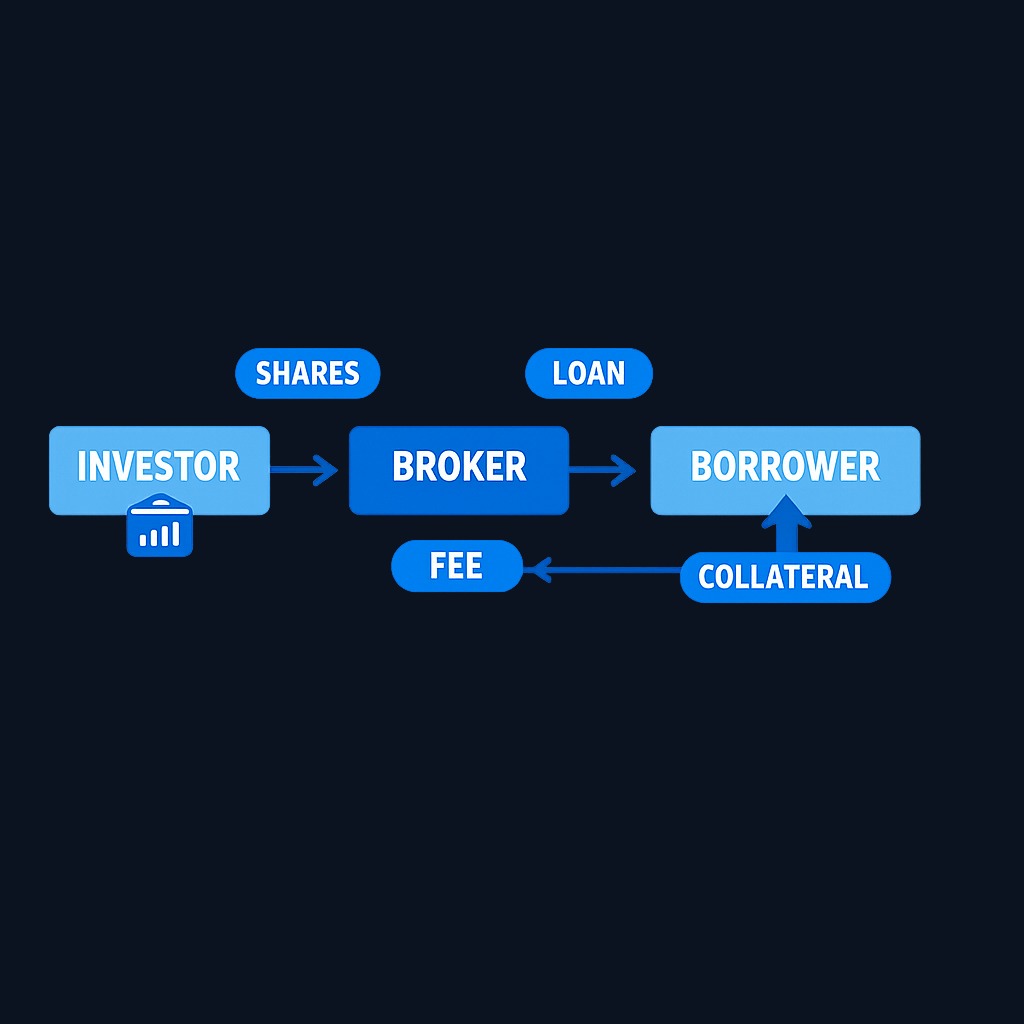
Behind every short sale is a share that someone lent out. The chain usually looks like this:
- You opt in to your broker's securities-lending program, agreeing to make shares in your account available.
- A borrower appears, typically a hedge fund or trader who wants to short the stock, or a market maker covering settlement needs.
- Your broker matches the loan. Shares move to the borrower, who posts collateral, commonly cash or high-quality securities worth at least the value of the borrowed shares, adjusted daily.
- Fees accrue. The borrower pays a lending rate that varies with demand. Easy-to-borrow large caps earn a trivial rate; hard-to-borrow stocks can command double-digit annualized rates.
- The loan ends when the borrower returns the shares or you sell your position, and your broker recalls the loan.
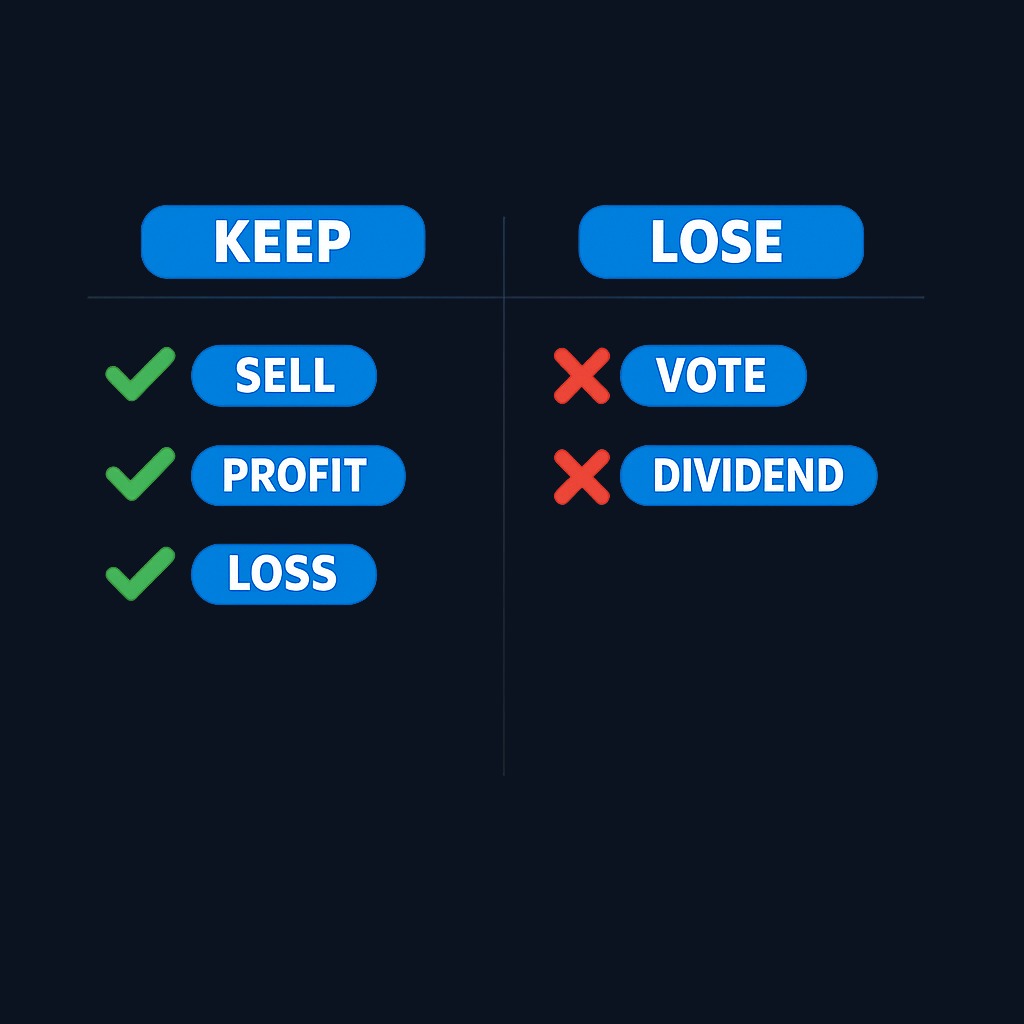
While shares are on loan, you usually retain the right to sell at any time. What you temporarily give up is technical ownership: voting rights pass to the borrower, and dividends arrive as substitute cash payments instead of regular dividends.
Benefits of stock lending
- Passive extra income. Lending fees accrue on shares you were holding anyway. For most portfolios the income is modest, but for holders of in-demand, hard-to-borrow names it can be meaningful.
- No change to your market exposure. Your gain or loss on the stock is unchanged; the loan sits on top of your position rather than replacing it.
- Liquidity stays intact at most brokers. Programs generally let you sell whenever you want, triggering a recall of the lent shares.
- Collateral protection. Loans are secured, marked to market daily, and brokers typically add their own guarantees on top.
- Market function. Lending supply supports short selling and settlement, which adds liquidity and price discovery to the market overall.
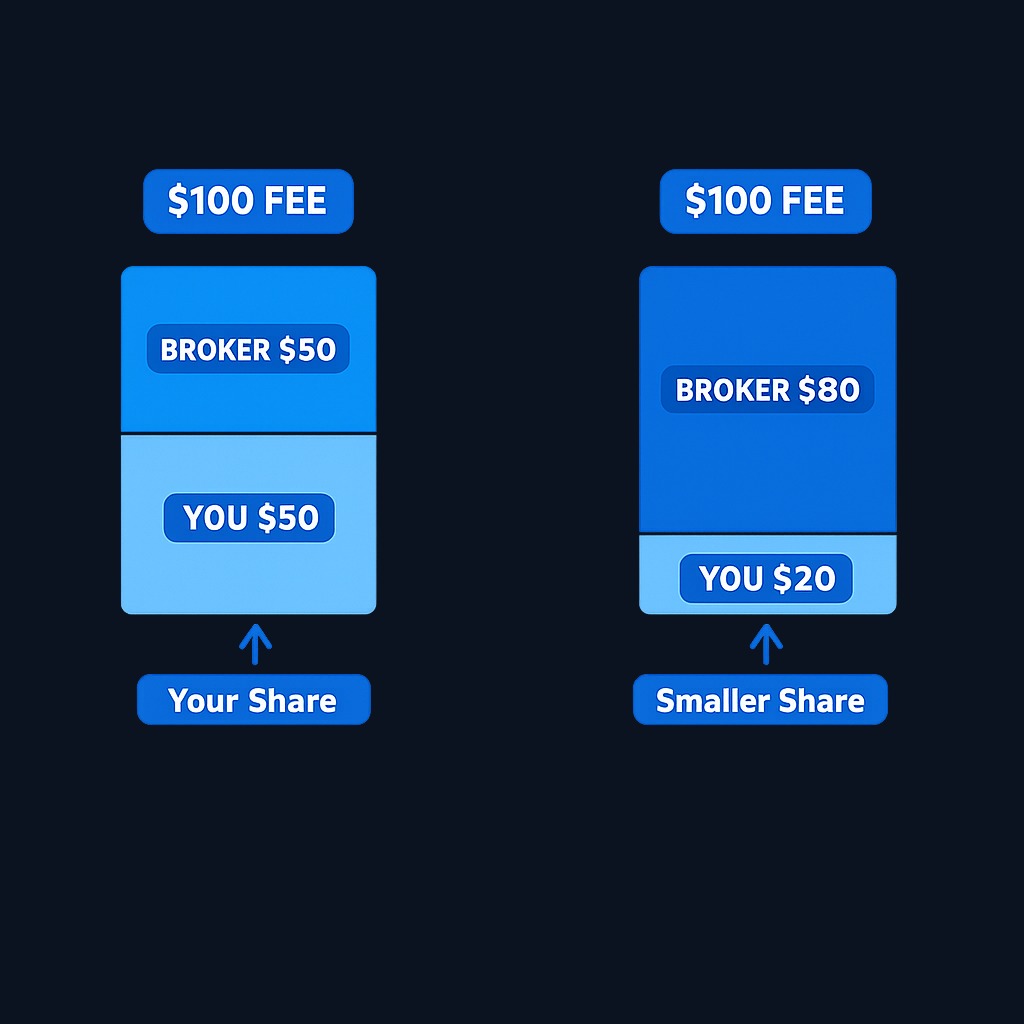
The income split matters: brokers keep a substantial share of lending revenue, and splits differ widely between firms. Two brokers lending the same shares can pay you very different amounts, so the program terms are worth reading as closely as the headline pitch.
Risks associated with stock lending
- Counterparty and collateral risk. If a borrower fails and the collateral proves insufficient in a fast market, losses are possible. Broker guarantees reduce but do not erase this risk, and program protections are contractual, not government insurance.
- Lost SIPC coverage nuances. Shares out on loan are typically covered by collateral arrangements rather than standard investor-protection rules, a distinction spelled out in program agreements.
- Dividend substitution. Cash-in-lieu payments can be taxed less favorably than qualified dividends, quietly shrinking after-tax income.
- Lost voting rights. While shares are lent, the borrower (or whoever ends up holding them) votes, not you. For most investors this rarely matters; for shareholder-vote situations it can.
- Recall friction. Recalls normally happen automatically when you sell, but settlement hiccups in hard-to-borrow names can add complexity.
- You are enabling short sellers. Some long-term holders dislike lending shares to parties betting against their own position; whether that bothers you is a personal call.
How to participate in stock lending
Most investors access lending through a broker's fully paid securities lending program. The typical path:
- Check eligibility. Brokers usually require fully paid (non-margin) shares and may set account minimums.
- Read the program agreement. Look for the revenue split, collateral arrangements, how dividends are handled, and whether you can exclude specific holdings.
- Opt in. Enrollment is generally account-wide; shares become available for lending without further action.
- Monitor statements. Your broker reports which shares are lent, the rates earned, and the collateral held.
- Opt out anytime. You can typically leave the program or sell lent shares whenever you choose.
Expectations matter: most widely held stocks earn fractions of a percent annually. The outsized rates you may see quoted apply to scarce, heavily shorted names, and those situations can change weekly with borrowing demand. Margin accounts add a separate wrinkle: broker agreements often permit lending of margin-held shares with different, usually less favorable, terms for you.
Practice trading with Finelo
Practice in a simulator, learn with bite-sized lessons, and build confidence before risking real money.
Tax implications of stock lending income
Two tax effects deserve attention. First, lending fees are generally taxed as ordinary income, like interest, rather than at preferential investment rates. Second, and easy to miss, dividends paid while your shares are on loan arrive as substitute payments (cash in lieu), which typically do not qualify for the lower qualified-dividend tax rates that regular payouts may enjoy; the IRS explains the distinction between ordinary and qualified dividends and the different rates that apply.
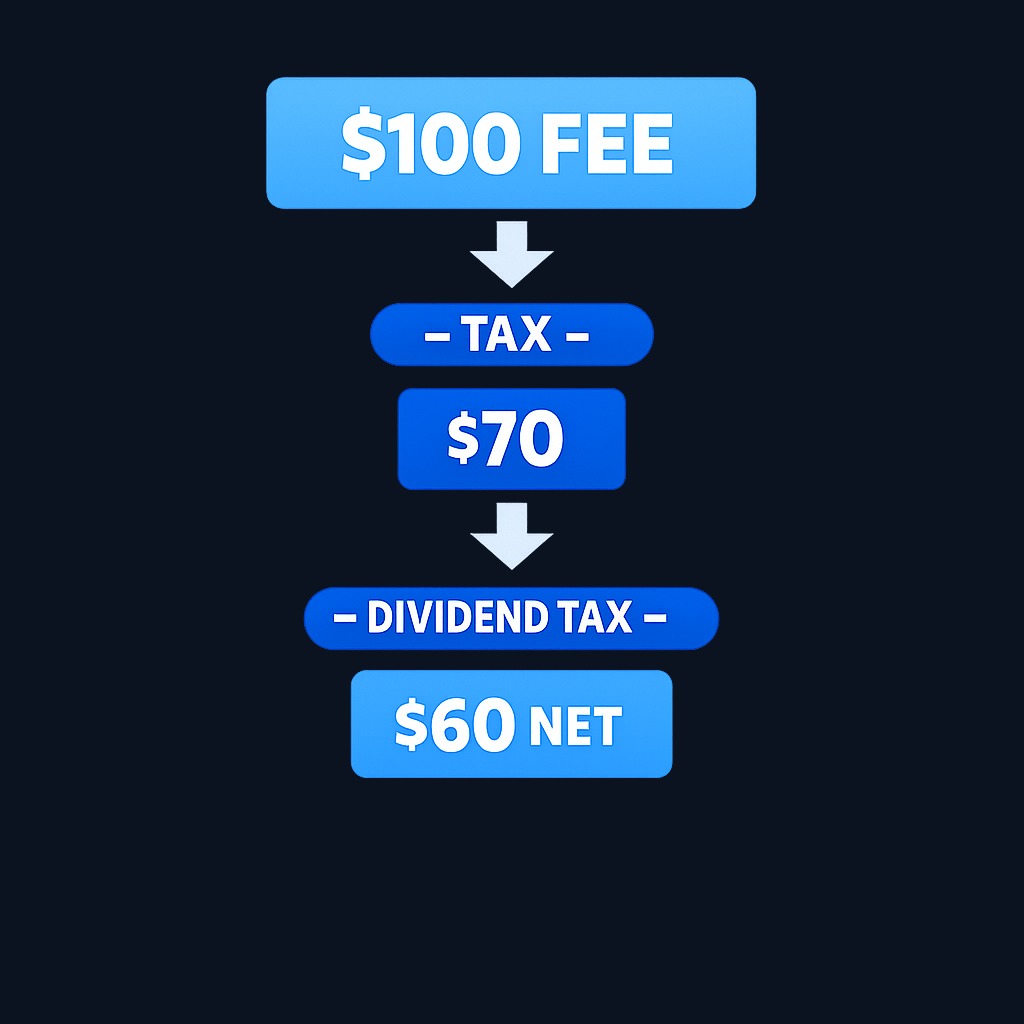
Some brokers pay an extra adjustment to offset the tax difference, and some do not. For high-dividend holdings in taxable accounts, the tax drag can eat a large share of the lending income, so run the after-tax math for your own situation, ideally with a tax professional, before assuming the fee income is pure profit.
What to know before deciding
Before enrolling, verify the numbers that determine whether the program is worth it: your broker's revenue split, historical lending rates for the kinds of stocks you hold, how cash-in-lieu payments are handled at tax time, and what collateral protections apply if a borrower defaults. Confirm you can still sell freely and exclude positions you care about voting. If your holdings are mostly easy-to-borrow index staples in a taxable account, expect small income and some tax friction; if you hold scarce small caps in a tax-advantaged account, the case can be stronger.
Decision framework: is stock lending right for you?
- Account type first. Tax-advantaged accounts sidestep the dividend-substitution problem; taxable accounts need the after-tax math.
- Portfolio type second. Hard-to-borrow, heavily shorted, or niche holdings earn real fees; mega-cap index holdings earn little.
- Voting and principles third. If votes or opposition to shorting your names matters to you, exclude those positions or skip the program.
- Broker terms last. Compare revenue splits and protections across brokers; the same shares can pay very differently.
If the expected income is trivial after taxes and splits, the simplest choice is often to skip the complexity. If it is meaningful, the risks are manageable and clearly disclosed in program documents.
Conclusion and next steps
Stock lending lets long-term holders rent out their shares for fee income: collateralized loans, ongoing liquidity, and modest returns for most portfolios, with taxes and lost votes as the main fine print. It is a reasonable, low-effort income layer when the after-tax math works, and an unnecessary complication when it does not.
Next steps: check whether your broker offers a fully paid lending program, find its revenue split, and estimate the annual income on your three largest holdings before opting in.
Frequently asked questions
Can I sell my shares while they are on loan?
Yes, at most brokers you can sell at any time. The sale automatically triggers a recall of the lent shares, and settlement proceeds as normal from your perspective.
How much can I earn from stock lending?
It depends entirely on borrowing demand. Widely held large caps often earn well under 1% annually, while scarce, heavily shorted stocks can briefly command double-digit annualized rates. Your broker's revenue split then takes a cut.
Do I still receive dividends on lent shares?
You receive substitute cash payments equal to the dividend amount. These payments may be taxed as ordinary income rather than qualified dividends, which can reduce your after-tax result in taxable accounts.
Is stock lending safe?
Loans are collateralized and marked to market daily, and brokers typically add guarantees. Risk is low but not zero: protections are contractual, and shares on loan sit outside some standard coverage rules, so read the program agreement.
stocklendingbenefitsrisks
Practice trading with Finelo
Practice in a simulator, learn with bite-sized lessons, and build confidence before risking real money.
About the author
Finelo Team
The Finelo Team creates practical investing and trading education designed to help beginners learn faster with structured challenges, simulator practice, and bite-sized lessons.
Keep reading — Related articles

Trading
Understanding Walk Forward Analysis in Trading
Brief educational note: this article is educational — not investment advice — and trading involves the risk of loss.
Finelo Team

Trading
VWAP vs Moving Average: Formulas, Uses, and Limits
VWAP weights price by recorded volume over a defined period, while a moving average summarizes a sequence of prices over a rolling lookback.
Finelo Team

Trading
Volume Profile vs Market Profile: What Each Chart Measures
Volume Profile groups traded volume by price level.
Finelo Team