Last editorial review: September 8, 2026
Best Investing Newsletters for Beginners in 2026
The best investing newsletters for beginners are usually a two-part mix: one broad-market newsletter for context and education, plus one focused newsletter tied to a strategy or sector you…
12 min read
Practice investing with Finelo
Build practical investing skills with guided lessons, simulator practice, and structured challenges.
Want to learn more?
Build practical investing skills with guided lessons, simulator practice, and structured challenges.
Explore FineloExplore Finelo's 28-day challenges
Turn learning into a daily habit with guided challenge paths.
U.S. scope: This article discusses U.S. institutions, financial products, tax rules, and dollar examples unless stated otherwise. Rules and product terms may change; verify current official guidance for your situation.
Quick answer
The best investing newsletters for beginners are usually a two-part mix: one broad-market newsletter for context and education, plus one focused newsletter tied to a strategy or sector you already want to study. A mainstream example is Fidelity’s Active Investor newsletter experience, which lets users choose topics, save content, and subscribe through a Favorites page (Fidelity Active Investor).
This page is educational, not financial or investment advice. Investing can involve loss, and newsletter ideas should be researched independently before you act.
What to know before deciding
Investing newsletters are email or web publications that package market commentary, stock ideas, educational research, and portfolio themes into a repeatable reading format. Some focus on broad market context. Others focus on a narrow area, such as dividend stocks, growth companies, real estate, venture-style investing, or a specific sector.
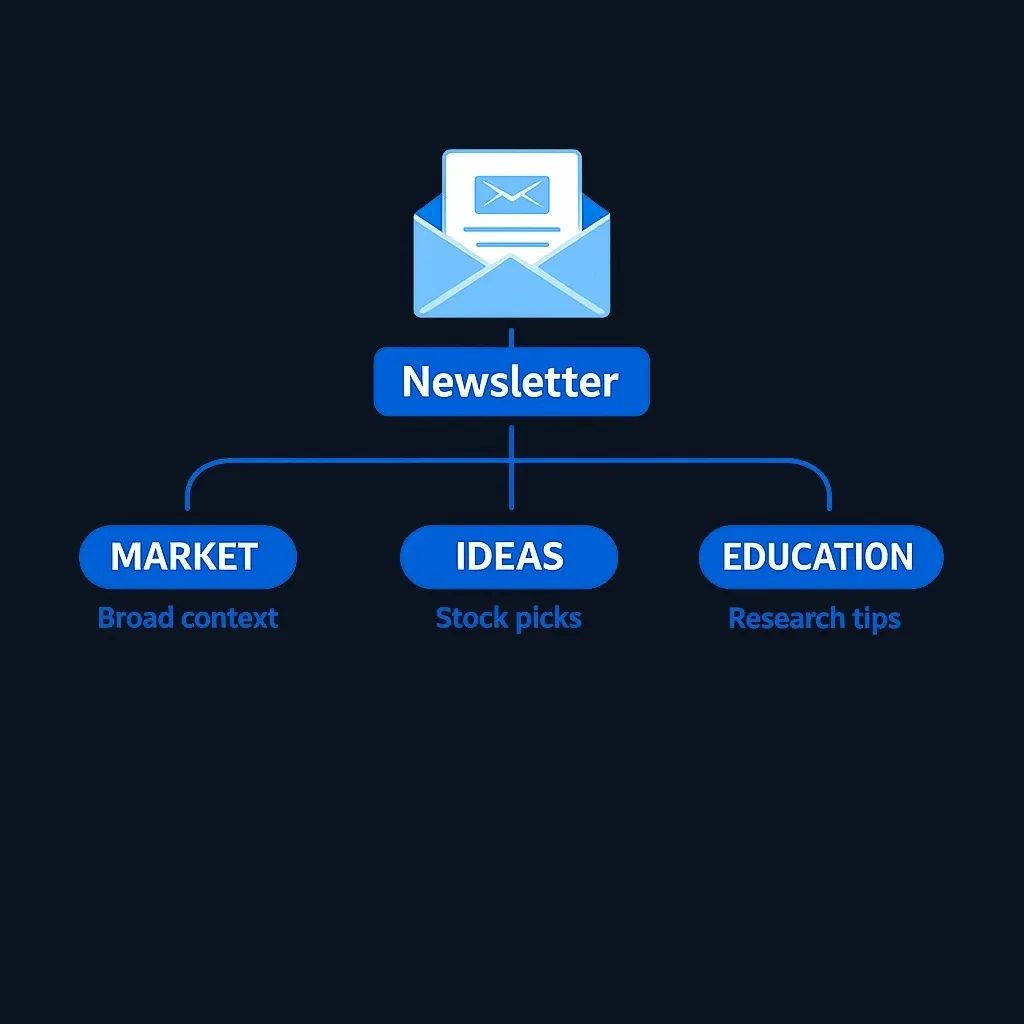
The purpose is not to outsource your judgment. A good newsletter helps you discover ideas, understand the reasoning behind them, and build a better research process. A weak newsletter pushes urgency, hides conflicts, or treats every market move like an emergency.
For beginners, the main value is structure. Instead of scanning random posts, videos, and headlines, you get a consistent flow of research prompts. Fidelity’s Active Investor page is one official example of a newsletter system connected to topic preferences and saved content (Fidelity Active Investor).
What a useful investing newsletter should include
Look for these traits before you subscribe:
- Clear author identity: You should know who writes the research and what their background is.
- Transparent process: The newsletter should explain why an investment idea is interesting.
- Risk discussion: A serious writer explains what could go wrong.
- Archives or samples: Past issues help you judge consistency.
- Conflict disclosures: Sponsored content, affiliate incentives, and personal holdings should be clear.
- Readable cadence: The best newsletter is one you will actually read.
A simple example: if you have 20 minutes each weekend, a focused weekly letter may be more useful than multiple daily market updates. More content does not always mean better decisions.
Why beginners subscribe
Beginners usually subscribe for three reasons.
First, newsletters save research time. A well-edited issue can surface market themes, business updates, and investment questions in one place. That does not make the ideas correct, but it can improve your starting point.
Second, newsletters can teach analytical habits. Good writers explain valuation, competitive advantages, balance-sheet risk, and market psychology in plain language. Over time, you can learn how experienced investors frame decisions.
Third, newsletters create accountability. If you read one or two consistent sources each week, you can track what they said and compare it with what happened later. That habit is more useful than chasing one-off stock tips.
A practical beginner workflow
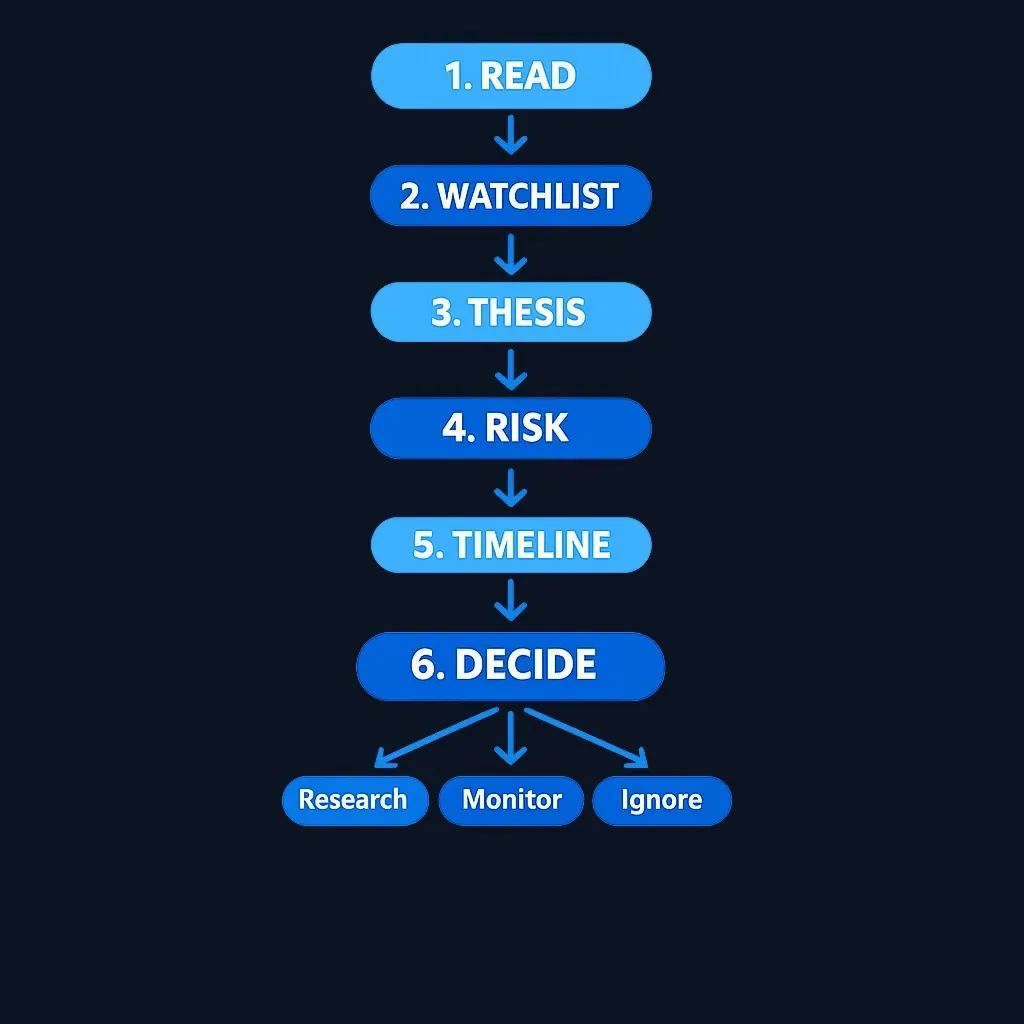
Use newsletters as inputs, not instructions:
- Read the issue once without taking action.
- Add interesting companies or funds to a watchlist.
- Write down the author’s main thesis in one sentence.
- List the biggest risk the author mentioned.
- Check whether the idea fits your time horizon.
- Decide whether to research further, ignore, or monitor.
This turns a newsletter into a research filter. It also reduces the chance of buying something just because the writing sounded persuasive.
Top investing newsletter types for beginners
Rather than starting with ten subscriptions, beginners are usually better served by two newsletter types. The first gives broad market context. The second gives depth in one area you care about.
1. Broad-market educational newsletter
A broad-market newsletter helps you understand what is happening across stocks, bonds, sectors, economic data, and investor sentiment. It is useful when you are still building vocabulary and context.
Fidelity’s Active Investor page is a relevant example because it describes a Favorites page where users can choose topics, view saved content, and subscribe to newsletters (Fidelity Active Investor). That kind of topic-based setup is useful for beginners who want to avoid random content overload.
A broad-market newsletter is best when you want:
- Market context without picking every stock yourself.
- Educational explanations of investing terms.
- A steady reading habit.
- A wider view before narrowing into sectors.
The limitation is depth. Broad newsletters may explain what matters this week, but they may not provide deep company-level research. If you want detailed stock analysis, you may need a specialist source as a second layer.
2. Specialist research newsletter
A specialist newsletter focuses on one investing style, sector, or asset class. Examples include dividend investing, small-cap stocks, technology companies, real estate, commodities, or long-term growth stocks.
This type can be valuable once you know what you want to study. A specialist writer may notice details that broad-market newsletters skip. For example, a real estate-focused letter might spend more time on occupancy trends, debt maturity schedules, or interest-rate sensitivity.
The risk is narrowness. A specialist newsletter can make one area feel more important than it is in your full portfolio. Beginners should avoid treating a single sector expert as a complete investing system.
Comparison table
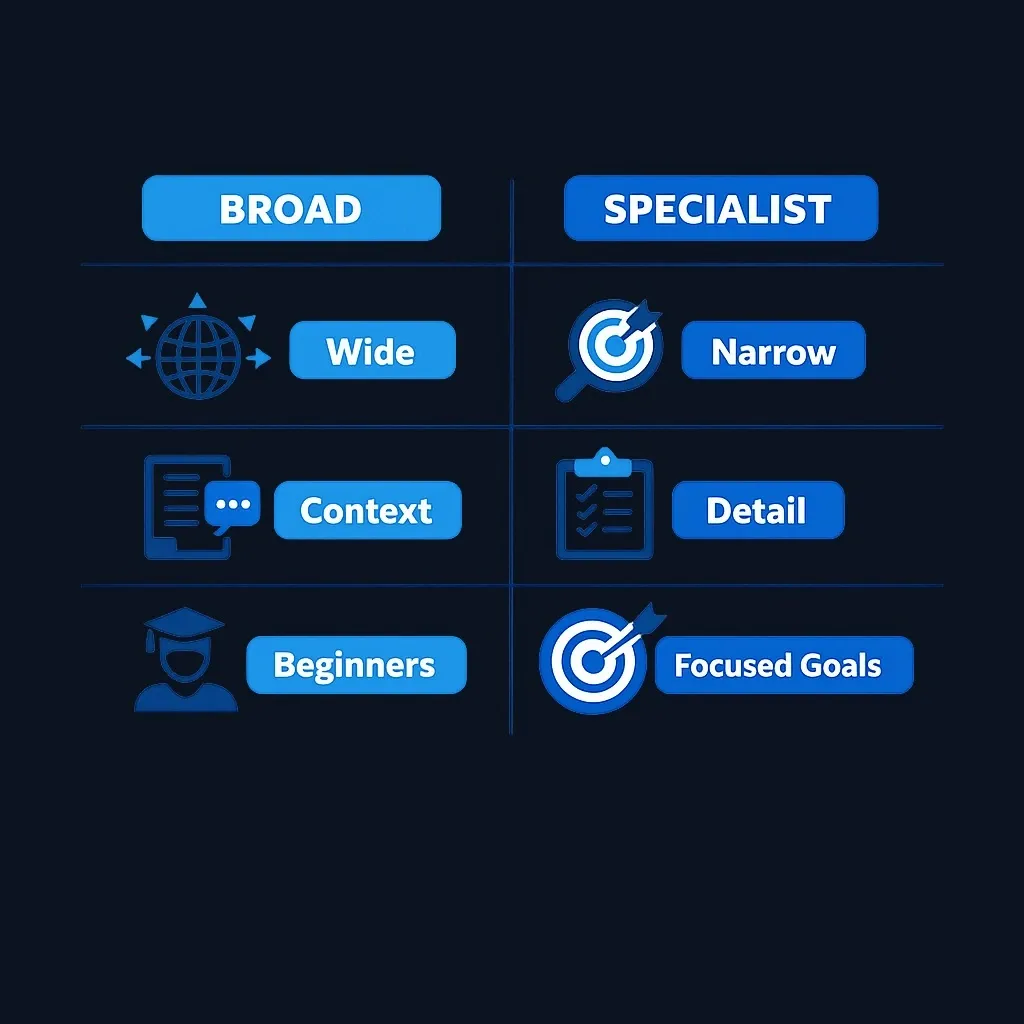
| Factor | Broad-market educational newsletter | Specialist research newsletter |
|---|---|---|
| Best use | Building context and investing vocabulary | Deep research in one strategy or sector |
| Beginner fit | Strong starting point | Better as a second subscription |
| Main benefit | Helps you understand the market landscape | Helps you study specific opportunities |
| Main risk | May be too general | May encourage concentration |
| What to verify | Topic controls, samples, archives, author process | Track record, disclosures, risk analysis, liquidity issues |
| Example | Fidelity’s Active Investor topic and newsletter setup (Fidelity Active Investor) | A sector or strategy letter you can audit before paying |
The best answer to “best investing newsletters” is not a universal brand list. It is the source mix that fits your goals, time, risk tolerance, and ability to verify claims.
Comparative analysis of newsletter performance
Newsletter performance is difficult to compare because many publishers highlight winners and underplay losers. Beginners should not rely on marketing claims alone. A better approach is to create your own simple scorecard.
What to measure
Use the same rules for every newsletter you compare:
- Named idea count: How many specific ideas did the newsletter publish?
- Archive quality: Can you find the original issue and date?
- Thesis clarity: Did the writer explain why the idea mattered?
- Risk clarity: Did the writer explain what could go wrong?
- Follow-up quality: Did the writer update the thesis later?
- Benchmark comparison: Did the idea perform better or worse than a relevant broad market index?
- Behavioral impact: Did the newsletter improve your process, or did it push impulsive trades?
This method is not perfect. It does, however, make newsletters easier to compare than testimonials or headline claims.
A simple worked example
Imagine you are comparing two newsletters over a trial period.
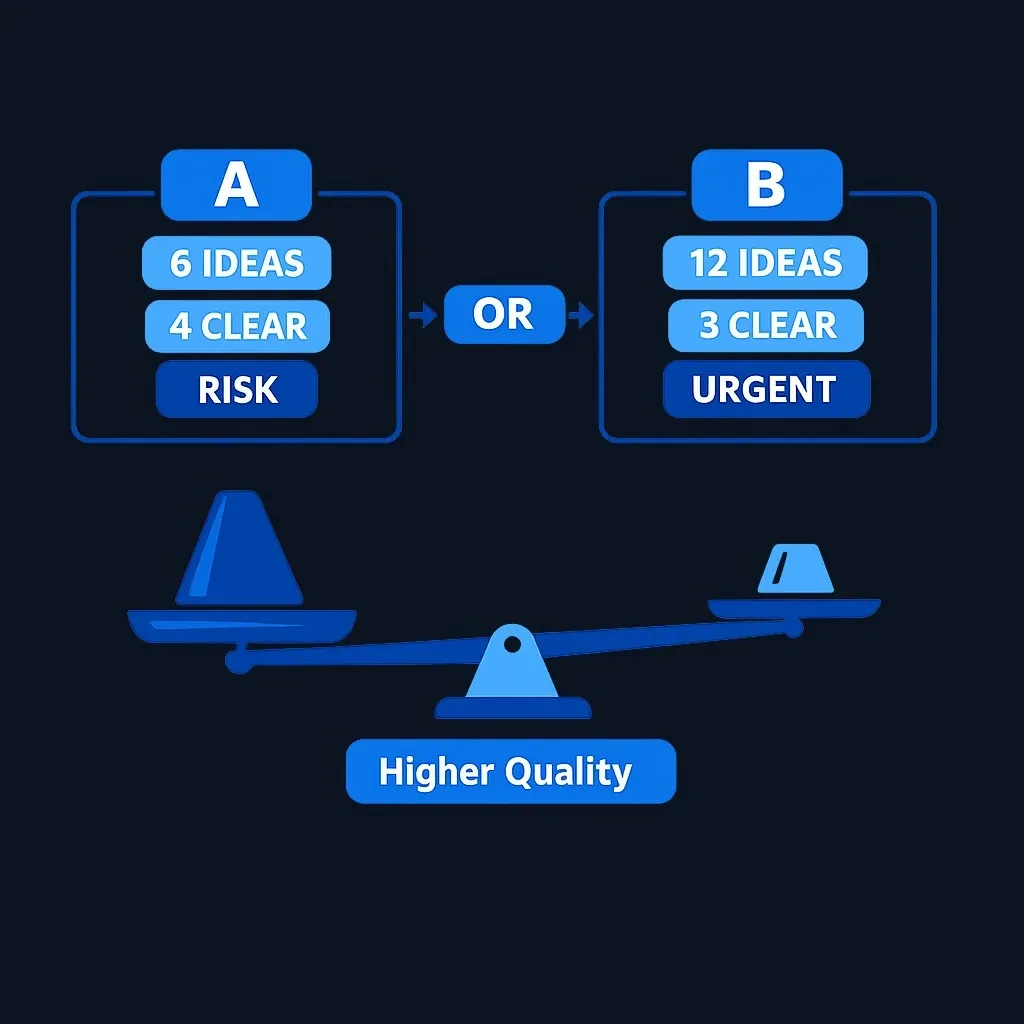
Newsletter A gives you six named stock ideas. Four have clear explanations, risk notes, and follow-up comments. Two are vague and hard to track.
Newsletter B gives you twelve named ideas. Only three include detailed reasoning. Most issues use urgent language and do not explain position sizing or risk.
Even if Newsletter B sounds more exciting, Newsletter A may be more useful. Beginners benefit from clarity and repeatability more than volume.
How to build your own scorecard
Create a spreadsheet with these columns:
| Column | Why it matters |
|---|---|
| Publication date | Confirms when the idea was shared |
| Investment idea | Helps you track named stocks, funds, or themes |
| Thesis | Shows whether the reasoning was specific |
| Main risk | Reveals whether the writer balanced the case |
| Follow-up date | Shows whether the author revisits ideas |
| Outcome versus benchmark | Helps compare results fairly |
| Your action | Tracks whether the newsletter improved your process |
Do not judge a newsletter only by one good or bad pick. A single result can be luck. A pattern across many issues tells you more.
What to do with testimonials
Testimonials can show how readers use a newsletter, but they are not proof of future results. Treat them as anecdotes. If someone says a newsletter helped them invest better, ask what changed: research habits, diversification, patience, or stock selection.
A stronger case study would show the original recommendation date, the reasoning, the risks listed, and the later follow-up. Without those details, the story may be more marketing than evidence.
Decision framework
Choosing an investing newsletter is easier when you match it to your actual investing profile. Use this framework before paying for any service.
Step 1: Define your goal
Write one sentence that explains why you want a newsletter.
Examples:
- “I want to understand the stock market better before investing more.”
- “I want long-term stock ideas to research.”
- “I want to learn dividend investing.”
- “I want market context, not daily trading alerts.”
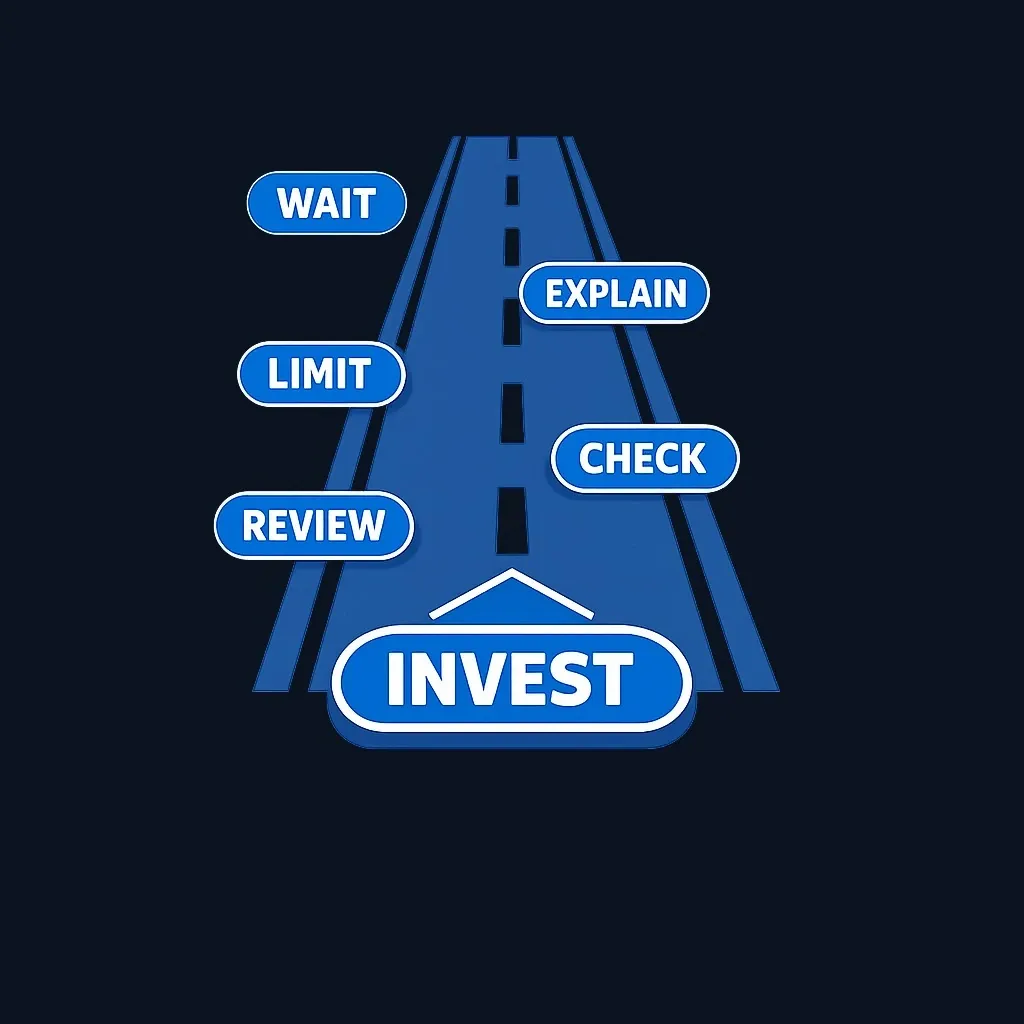
If you cannot define the goal, wait before subscribing. A newsletter cannot solve an unclear investing plan.
Step 2: Match the newsletter to your time horizon
Your time horizon changes what content is useful.
A long-term investor may prefer slower, deeper research. A short-term trader may want faster market updates. A beginner with a full-time job may need concise weekly reading.
Avoid a mismatch. If you buy a fast-moving trading newsletter but only check your account monthly, the format will work against you.
Step 3: Check the author’s process
Before subscribing, read sample issues and ask:
- Does the writer explain the investment thesis?
- Are assumptions visible?
- Are risks discussed clearly?
- Are past mistakes acknowledged?
- Does the tone feel educational or promotional?
- Are conflicts and sponsorships disclosed?
A reliable process matters more than a confident voice. Many bad newsletters sound certain. Good research usually explains uncertainty.
Step 4: Evaluate cost against use
A newsletter can be “cheap” and still be wasteful if you never read it. It can also be expensive and still be reasonable if it saves time and improves your research discipline.
Before paying, estimate your actual use. If you will read four issues per month, save notes, and track ideas, the subscription has a clear role. If you only want entertainment, keep your expectations lower.
Step 5: Add guardrails
Guardrails help prevent overreaction.
Use rules such as:
- No same-day buying after reading a stock pitch.
- No investing in a company you cannot explain.
- No concentrated position based only on one newsletter.
- No microcap stock purchases without checking liquidity.
- No paid renewal unless the newsletter improved your process.
These rules do not remove investment risk. They help you slow down enough to think.
Beginner profile examples
| Reader profile | Better newsletter fit | Why |
|---|---|---|
| New investor learning basics | Broad-market educational newsletter | Builds vocabulary and context |
| Long-term stock picker | Company research newsletter | Supports deeper analysis |
| Dividend-focused investor | Income or dividend newsletter | Matches cash-flow goals |
| Busy professional | Weekly summary newsletter | Reduces information overload |
| Sector enthusiast | Specialist sector newsletter | Adds depth in a familiar area |
If you are unsure, start broad. Add specialist research only after you know which topics deserve more attention.
Practice investing with Finelo
Build practical investing skills with guided lessons, simulator practice, and structured challenges.
Common pitfalls in the newsletter industry
The newsletter industry includes high-quality educators, serious analysts, aggressive marketers, and outright bad actors. Beginners need to separate research from persuasion.
Red flags to avoid
Be careful when a newsletter relies on:
- Guaranteed-return language.
- “Secret stock” claims.
- Countdown timers and pressure tactics.
- No author identity.
- No sample issues.
- No discussion of risks.
- Only winning examples.
- Tiny stocks with dramatic price claims.
- Vague testimonials without dates or details.
The more urgent the pitch, the slower your decision should be.
Cherry-picking
Cherry-picking happens when a publisher highlights successful calls and ignores poor ones. This can make performance look better than it was.
The fix is simple: ask for archives. If you can see past recommendations, you can judge the full pattern. If you can only see selected winners, be cautious.
Hidden conflicts
Some newsletters earn money from sponsors, affiliates, or promoted companies. That does not automatically make the content bad, but the incentives matter.
Look for clear disclosures. If a writer may benefit when readers buy a stock, click a link, or join another service, you should know that before trusting the recommendation.
Overreliance
A newsletter is not a personal financial plan. It does not know your income, debt, emergency fund, tax situation, goals, or risk tolerance.
Use newsletters to generate questions, not final answers. Your own plan should decide whether an idea fits.
FAQ
What are investment newsletters?
Investment newsletters are recurring email or web publications that share market commentary, research, education, or investment ideas. They can be broad and beginner-friendly, or narrow and focused on one strategy, sector, or asset class.
How do I subscribe to an investment newsletter?
Most publishers let readers subscribe through a website signup form. In Fidelity’s Active Investor experience, the official page describes a Favorites area where users can choose topics, save content, and subscribe to newsletters (Fidelity Active Investor).
Are investing newsletters reliable?
Some are useful, but reliability varies. Look for named authors, archives, clear reasoning, risk discussion, and conflict disclosures. Treat every stock idea as a research prompt, not an instruction.
How many investing newsletters should a beginner read?
One or two is usually enough for a beginner’s workflow. A broad-market newsletter can provide context, while one focused newsletter can support deeper research. Too many subscriptions often create noise instead of clarity.
Conclusion and next steps
The best investing newsletter for a beginner is the one that improves your process without replacing your judgment. Start with broad market education, add one focused source only when it matches your goals, and track every idea before acting.
Use a 30-day test. Read sample issues, score transparency, check archives, and note whether the newsletter helps you make calmer decisions. The priority here is learning how to evaluate investing information before relying on it; Finelo’s learning hub offers related educational material.
Sources and Further Verification
More from Finelo
- Art Investing for Beginners: Costs, Liquidity, Valuation, and Risks
- Best Investing Podcasts for Beginners in 2026
- Best Investing YouTube Channels for Beginners in 2026
Disclaimer
This article is provided by Finelo for educational and informational purposes only. Finelo does not provide financial, investment, tax, legal, or insurance advice. Consider your circumstances and consult an appropriately qualified professional before making financial decisions.
InvestingBeginner GuideFinancial Education
Practice investing with Finelo
Build practical investing skills with guided lessons, simulator practice, and structured challenges.
About the author
Finelo Team
The Finelo Team creates practical investing and trading education designed to help beginners learn faster with structured challenges, simulator practice, and bite-sized lessons.
Keep reading — Related articles
Investing
Yield to Call vs Yield to Maturity: Assumptions and Bond Risks
Yield to call (YTC) estimates a bond's yield if the issuer redeems it on an eligible call date; yield to maturity (YTM) estimates yield if it remains outstanding to final maturity.
Finelo Team

Investing
Will My Employer Know If I Take a 401(k) Loan?
Who this page is for: readers new to 401(k) loans who want a practical, privacy‑focused explanation — what your employer can see, how to limit visibility, and the financial tradeoffs to weigh.
Finelo Team
Investing
What Medical Expenses Qualify for a 401(k) Hardship Withdrawal?
Before you decide, confirm three things with your plan administrator:
Finelo Team