Last editorial review: September 8, 2026
Best Investing Podcasts for Beginners in 2026
Podcasts are a low-friction way to learn investing while commuting, exercising, or doing chores. They translate jargon into stories, interview practitioners, and can model how investors…
8 min read
Practice investing with Finelo
Build practical investing skills with guided lessons, simulator practice, and structured challenges.
Want to learn more?
Build practical investing skills with guided lessons, simulator practice, and structured challenges.
Explore FineloExplore Finelo's 28-day challenges
Turn learning into a daily habit with guided challenge paths.
U.S. scope: This article discusses U.S. institutions, financial products, tax rules, and dollar examples unless stated otherwise. Rules and product terms may change; verify current official guidance for your situation.
Quick answer
For beginners, start with a small, diverse set of shows that explain core concepts (stocks, funds, basic valuation) in plain language and offer weekly cadence so you can build habit. A short listening plan: 1 foundational show for principles, 1 interview-style show for real cases, and 1 niche show that matches your interest (e.g., ethical investing). This page is educational, not financial advice—investing can lose value; verify risks and suitability before acting (FINRA Investing Basics).
Introduction to Investing Podcasts
Podcasts are a low-friction way to learn investing while commuting, exercising, or doing chores. They translate jargon into stories, interview practitioners, and can model how investors think about decisions. For beginners, the most useful shows balance clear explainer episodes with occasional deep dives that show how to apply concepts. Use episodes to build a vocabulary (terms like index fund, ETF, diversification) and to test ideas, not to replace formal research or professional advice (FINRA Investing Basics).
Top Recommended Investing Podcasts
Below are beginner-friendly podcasts that consistently surface in expert lists and curated roundups. Each entry links to a public show page where you can confirm episode topics and schedules.
- The Intrinsic Value Podcast — company breakdowns and valuation conversations that show how the hosts analyze real businesses.
- Morningstar’s Investing Insights — funds, ETFs, manager interviews, personal finance, and retirement topics presented alongside Morningstar research.
- The Ramsey Show — personal-finance discussions centered on debt, budgeting, and money habits. Its viewpoint is distinctive, so compare its claims with other sources.
- The Dough Roller — foundational personal-finance and investing discussions for listeners who prefer a methodical pace.
Note: the lists above point to curated roundups and program pages where episode topics and release patterns are described. Use those pages to verify current episode lengths, hosts, and schedules.
Comparison checklist (quick scan)
Use this checklist to compare shows at a glance. Where possible, consult the program page linked above for episode length and frequency.
- Learning goal match — Is the show focused on investing mechanics, personal finance, or a niche (e.g., real estate, crypto)?
- Format preference — Do you learn better from interviews, narrative stories, or short explainers?
- Episode length & cadence — Can you commit to longer weekly deep dives or prefer 10–20 minute quick lessons? (Check each show’s page for exact lengths and release cadence.)
- Credibility & sources — Does the host cite data, interviews, or portfolio rules you can verify?
- Actionability — Does the episode include next steps you can try that don’t require immediate market action?
What to know before deciding
Deciding which podcasts to follow depends on learning goals and how you consume audio.
- Define your objective: Are you learning investing basics, researching specific asset classes, or exploring personal finance habits? Pick one primary goal and two secondary goals.
- Time commitment: Weekly shows build momentum; daily briefings can overwhelm a beginner. Match episode length to your routine.
- Bias and incentives: Hosts may have viewpoints or sponsors that shape recommendations. Favor shows that cite sources or discuss tradeoffs.
- Complement podcasts with reading and hands-on practice: Use episodes to guide further reading, note-taking, and small experiments (for example, follow how a host analyzes a company, then try a parallel exercise yourself). For why knowing investment types matters, see FINRA’s primer on investment types and decision-making (FINRA Investing Basics).
Educational note: This is educational content, not personal financial advice. Investing involves risk, including loss of principal. Verify facts on original episode pages and with other reputable sources before making financial decisions.
Decision framework
Use this short framework to pick the best podcast for your current learning stage.
-
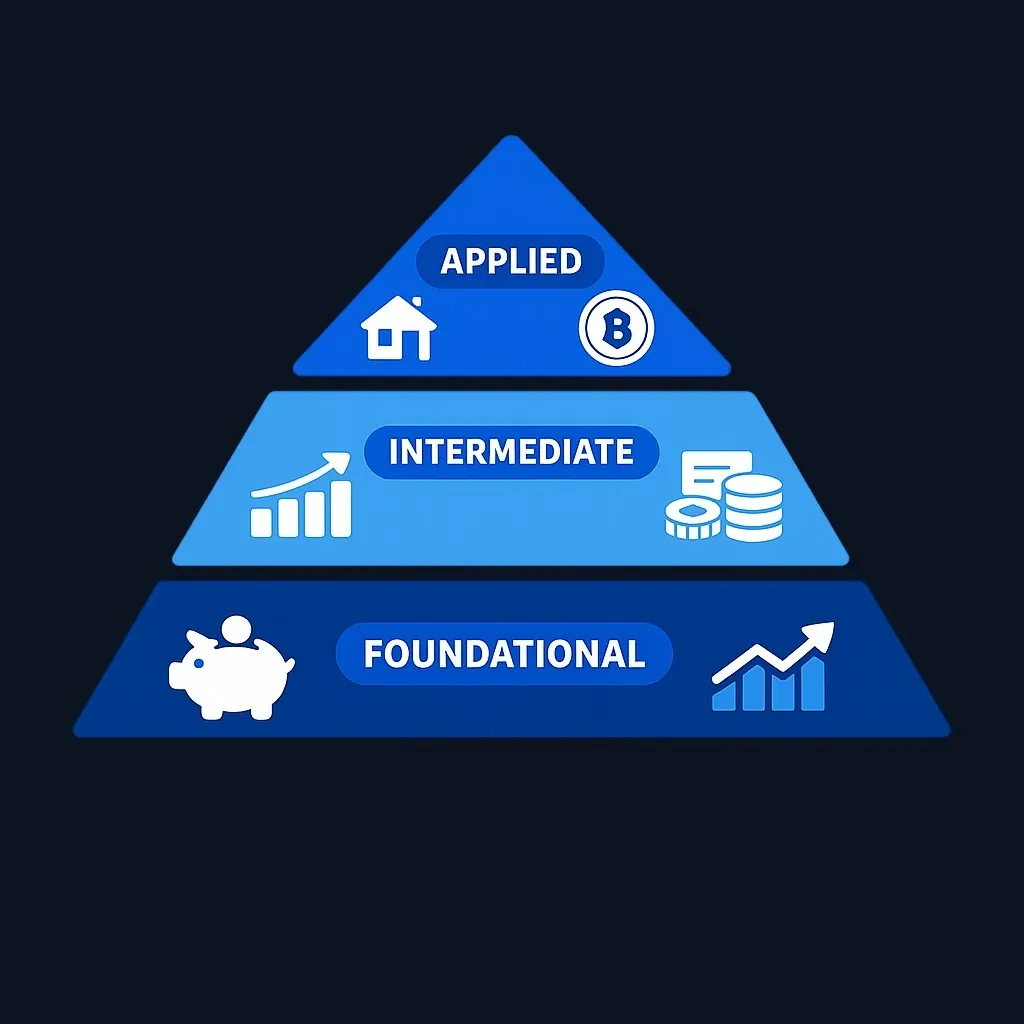
Clarify your learning stage (Foundational / Intermediate / Applied).
- Foundational: basics of budgeting, debt, saving, and broad investment vehicles.
- Intermediate: valuation, portfolio construction, tax-aware investing, and funds.
- Applied: sector deep-dives, options, crypto, or real estate specifics.
-
Match format to attention span.
- Short explainers (10–20 minutes) for concept drills.
- Interviews (30–60+ minutes) to hear frameworks and case studies.
- Narrative series for immersive topic exploration.
-
Check cadence and shelf life.
- Weekly shows let you absorb and act between episodes.
- Highly topical daily news shows are useful for staying current but offer less long-form teaching.
-
Assess evidence and diversity of viewpoints.
- Prefer shows that cite sources, interview practitioners, or include explicit methodologies.
- Rotate across shows to avoid single-host bias.
-
Run a 4-week trial.
- Week 1: one foundational show, one interview episode.
- Week 2–3: take notes and research one idea each week.
- Week 4: evaluate: did episodes increase understanding or prompt productive action?
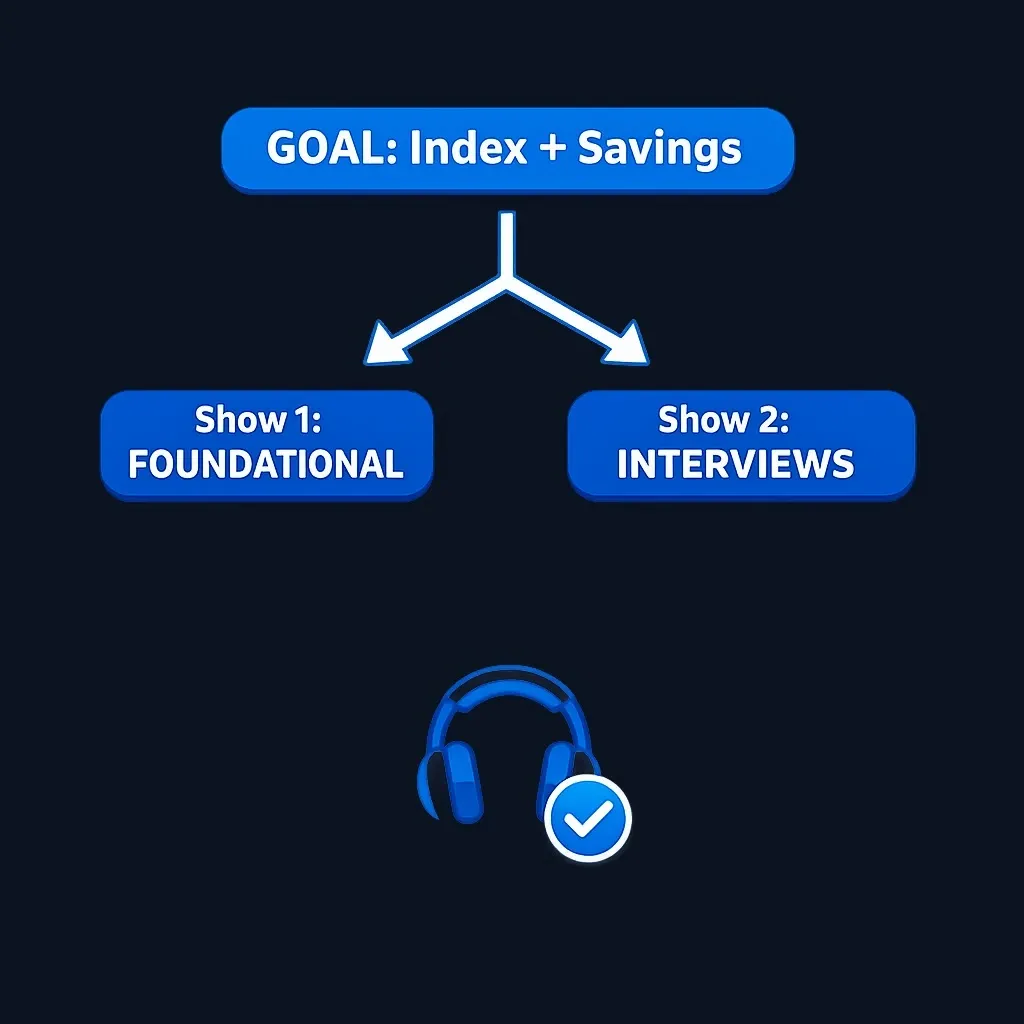
Worked example: If your goal is learning index investing and long-term savings, prioritize a foundational show that explains index funds and compound interest, then add a Morningstar-style fund-focused interview episode to understand manager differences.
Practice investing with Finelo
Build practical investing skills with guided lessons, simulator practice, and structured challenges.
Benefits of Listening to Investing Podcasts
Podcasts deliver several beginner-friendly advantages:
- Contextual learning: Hosts translate abstract concepts into stories and real-company examples.
- Habit formation: Weekly cadence helps convert passive interest into a study habit.
- Exposure to expert thinking: Interviews let you hear how managers and experienced investors approach decisions. For example, Morningstar’s Investing Insights pairs fund commentary with expert interviews.
- Accessibility: Audio fits into everyday life, letting you learn while commuting or exercising.
- Discovery of niches: Listening helps you find niche shows (ethical investing, real estate, crypto) that match your interests; subscribe briefly to test fit.
Common Mistakes to Avoid When Listening
Beginner listeners often fall into predictable traps. Avoid these:
- Treating hosts’ opinions as recommendations — podcasts are educational, not personalized financial plans. Always verify the logic and data and consider your goals.
- Skipping fundamentals — jumping to niche shows (e.g., crypto deep dives) before mastering allocation, diversification, and costs can lead to confusion.
- Overconsumption without action — listening to many episodes without summarizing or practicing reduces retention. Keep a short listening journal with one takeaway per episode.
- Chasing hot ideas from a single episode — a single interview is anecdotal; check repeatable evidence before acting.
- Ignoring production date — advice tied to market events can age quickly; check episode dates and follow-up sources.
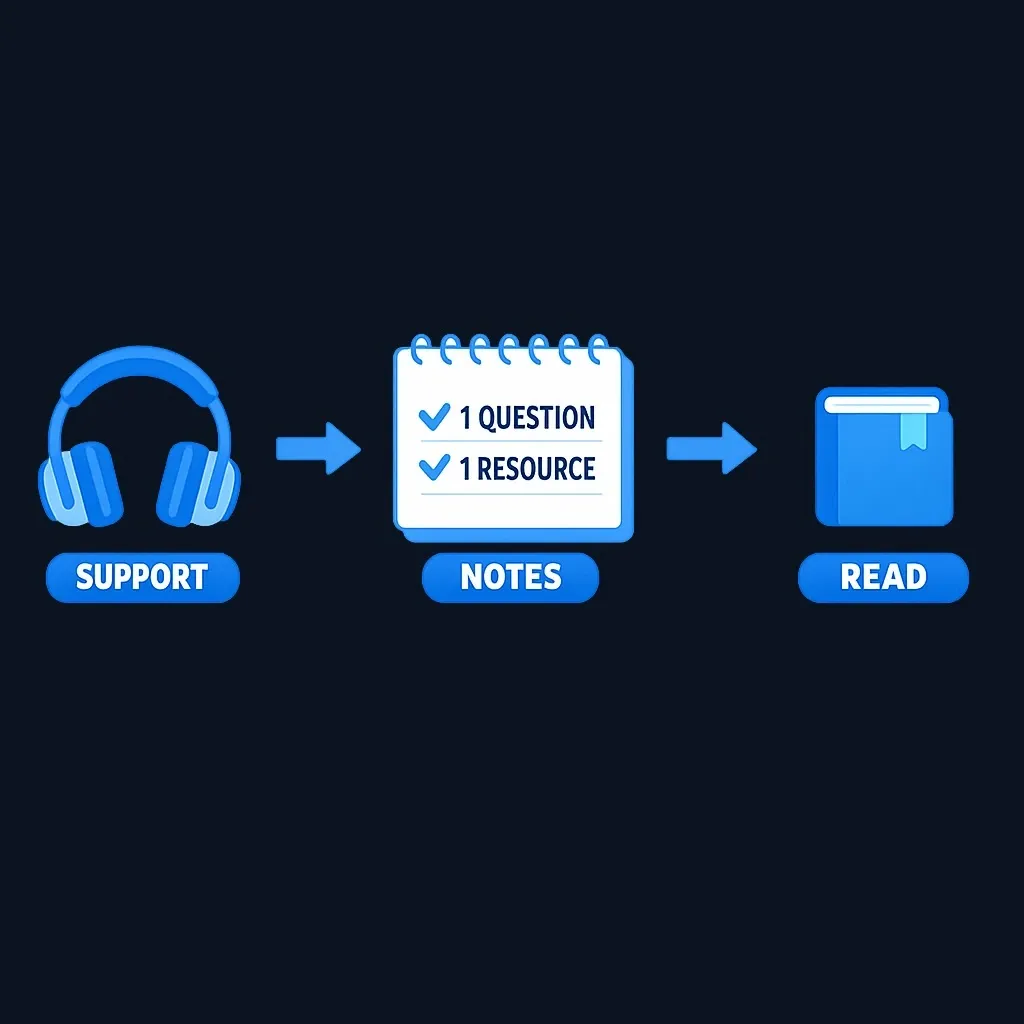
Practical fix: After each episode, write one actionable question and one resource to read next. That converts passive listening into learning.
FAQs About Investing Podcasts
What are the benefits of listening to investing podcasts?
Podcasts make investing concepts accessible through stories, interviews, and case studies. They help you build a regular learning habit and expose you to practitioner thinking you can research further (FINRA Investing Basics).
How can I find podcasts that suit my learning style?
Decide whether you prefer short explainers, long interviews, or narrative series. Sample two episodes from each format and use the 4-week trial framework in the Decision framework section to judge fit.
Are there podcasts that focus on personal finance as well as investing?
Yes. Some shows blend personal finance topics such as budgeting and debt with investing basics. The Ramsey Show and The Dough Roller are two examples; sample recent episodes and compare their viewpoints with neutral educational sources before deciding whether they fit your learning goals.
How often are new episodes released?
Cadence varies by show—some publish weekly, others multiple times per week, and some release occasional long-form episodes. Check each show’s page for current schedules (links above point to program pages where release cadence is described).
Conclusion and Next Steps
Podcasts are an efficient, flexible way to learn investing fundamentals. Start with one foundational show and one interview-style show; use a 4-week trial to evaluate fit. Keep a short listening journal, verify claims with written sources, and complement audio learning with deliberate practice. To deepen vocabulary quickly, review FINRA’s primer on investment types (FINRA Investing Basics).
Suggested next step: subscribe to one foundational podcast and note three concepts you’ll research further this month.
Sources and Further Verification
- FINRA Investing Basics
- The Intrinsic Value Podcast
- Morningstar Investing Insights
- The Ramsey Show
- The Dough Roller Podcast
More from Finelo
- Tax Lien Investing for Beginners: Auctions, Returns, Costs, and Risks
- Art Investing for Beginners: Costs, Liquidity, Valuation, and Risks
- Best Investing Newsletters for Beginners in 2026
Disclaimer
This article is provided by Finelo for educational and informational purposes only. Finelo does not provide financial, investment, tax, legal, or insurance advice. Consider your circumstances and consult an appropriately qualified professional before making financial decisions.
InvestingBeginner GuideFinancial Education
Practice investing with Finelo
Build practical investing skills with guided lessons, simulator practice, and structured challenges.
About the author
Finelo Team
The Finelo Team creates practical investing and trading education designed to help beginners learn faster with structured challenges, simulator practice, and bite-sized lessons.
Keep reading — Related articles
Investing
Yield to Call vs Yield to Maturity: Assumptions and Bond Risks
Yield to call (YTC) estimates a bond's yield if the issuer redeems it on an eligible call date; yield to maturity (YTM) estimates yield if it remains outstanding to final maturity.
Finelo Team
Investing
Will My Employer Know If I Take a 401(k) Loan?
Who this page is for: readers new to 401(k) loans who want a practical, privacy‑focused explanation — what your employer can see, how to limit visibility, and the financial tradeoffs to weigh.
Finelo Team
Investing
What Medical Expenses Qualify for a 401(k) Hardship Withdrawal?
Before you decide, confirm three things with your plan administrator:
Finelo Team