Last editorial review: September 8, 2026
Best Investing YouTube Channels for Beginners in 2026
The best investing YouTube setup for beginners is not three random “stock pick” channels. It is a balanced watchlist: one firm-backed education channel, one independent educator who teaches…
13 min read
Practice investing with Finelo
Build practical investing skills with guided lessons, simulator practice, and structured challenges.
Want to learn more?
Build practical investing skills with guided lessons, simulator practice, and structured challenges.
Explore FineloExplore Finelo's 28-day challenges
Turn learning into a daily habit with guided challenge paths.
U.S. scope: This article discusses U.S. institutions, financial products, tax rules, and dollar examples unless stated otherwise. Rules and product terms may change; verify current official guidance for your situation.
Quick answer
The best investing YouTube setup for beginners is not three random “stock pick” channels. It is a balanced watchlist: one firm-backed education channel, one independent educator who teaches practical investing mechanics, and one market-commentary channel for context. A good starting example is Fidelity’s official YouTube presence, which says it offers educational content, financial news and insights, product and service information, and livestream events Fidelity on YouTube.
This content is educational, not financial or investment advice. Investing involves risk, including possible loss, so use YouTube to learn concepts before making decisions.
What to know before deciding
YouTube can be useful for investing education because it makes abstract topics easier to see. A video can show how diversification works, why fees matter, or how a portfolio changes when one holding grows faster than the rest. That visual format helps when written explanations feel too dense.
The problem is that YouTube also rewards strong opinions, fast reactions, and confident predictions. That can be useful for learning how people think about markets, but it can also push beginners toward overtrading. A channel with millions of views is not automatically more reliable than a slower, clearer teacher.
Before you subscribe, decide what job the channel needs to do. Most beginner investors need three kinds of learning:
- Core education: account types, stocks, funds, diversification, risk, and time horizon.
- Practical mechanics: how to read a fund page, compare fees, rebalance, or build a watchlist.
- Market context: why interest rates, earnings, inflation, or economic news can affect prices.
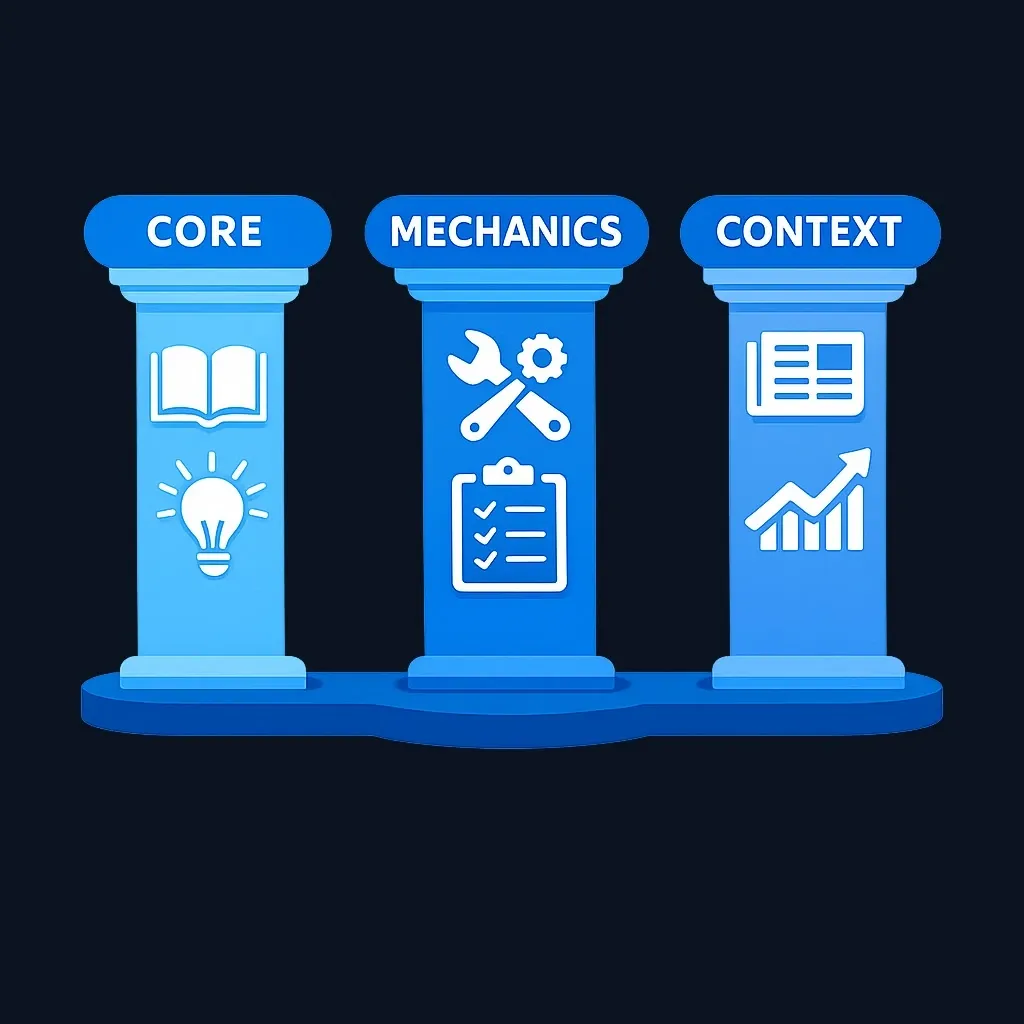
A strong channel may cover more than one area, but beginners usually learn better by separating them. If you watch market commentary before understanding basic risk, every headline can feel urgent. If you watch only beginner explainers, you may miss how real markets test those concepts.
A quick credibility screen
Use this screen before relying on any investing channel:
- Does the creator explain their background and possible conflicts?
- Are claims supported with sources, examples, or calculations?
- Does the channel separate education from promotion?
- Does the creator explain risk, costs, and uncertainty?
- Can you repeat the lesson without needing to copy a trade?
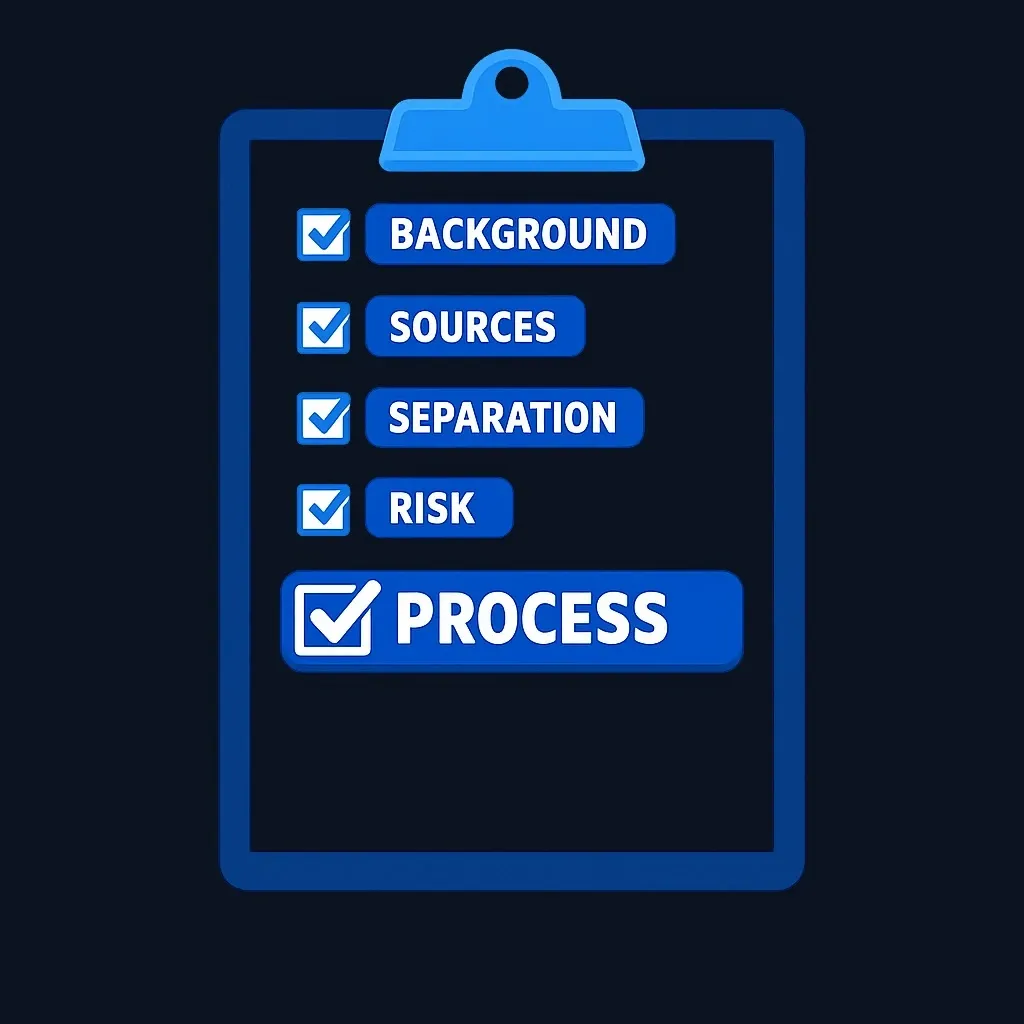
The last question matters most. A useful investing channel teaches a process. A weak one makes you dependent on the next video.
Channel 1: Firm-backed education channel
A firm-backed education channel is usually the safest starting category for beginners who want structure. These channels tend to focus on foundational topics, platform education, market explainers, and investor events. For example, Fidelity says its YouTube presence includes educational content, financial news and insights, information on its products and services, and livestream events Fidelity on YouTube.
This type of channel works well when you are learning the language of investing. You can use it to understand basic terms, follow market updates at a higher level, and see how a large financial firm frames common investor questions. It is especially useful if you want a calmer alternative to personality-led stock commentary.
What firm-backed education channels are best for
Choose this category if you want:
- Beginner investing concepts explained in a structured way.
- Market news presented with an educational angle.
- Occasional livestream formats where current questions may be addressed.
- A source that clearly identifies itself as an official financial-company channel.
What to watch for with firm-backed channels
The main caveat is that firm-backed channels may also discuss their own products or services. That is not automatically a problem, but it changes how you should watch. Treat product-related videos as information about a provider, not as a recommendation that something fits your situation.
A good habit is to label each video before watching it: “education,” “market context,” or “product information.” That simple step keeps you from confusing a tutorial with a decision.
Firm-backed channel example
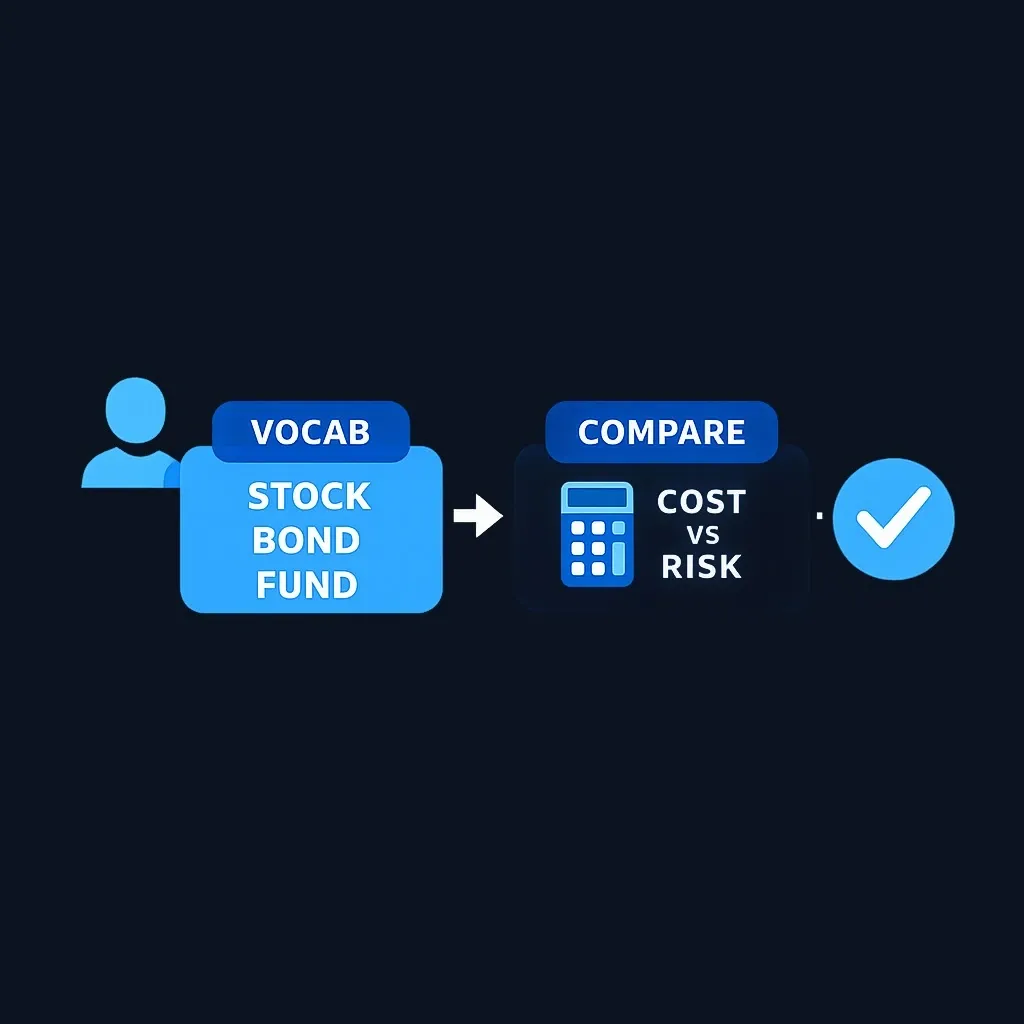
Say you are new to index funds and want to understand the difference between stocks, bonds, and funds. A firm-backed channel can help with the basic vocabulary first. After that, you can move to an independent educator for a worked example of comparing fund costs and risk.
Channel 2: Independent investing educator
An independent investing educator is useful when you want practical demonstrations. These creators often explain how they research investments, build sample portfolios, compare funds, or think through tradeoffs. The best ones teach repeatable methods instead of asking you to copy their personal portfolio.
This category is valuable because beginners often get stuck between theory and action. You may understand diversification in theory, but still feel unsure how to compare two funds. A strong independent educator can bridge that gap with spreadsheets, screen walkthroughs, and step-by-step examples.
What independent educators are best for
Choose this category if you want help with:
- Understanding portfolio allocation.
- Comparing funds or investment options.
- Learning basic valuation concepts.
- Seeing how an investing process works from start to finish.
- Turning general education into a checklist you can apply later.
What to watch for with independent educators
Independent channels vary widely in quality. Some are careful teachers. Others mix education with affiliate offers, dramatic predictions, or “buy now” narratives.
A useful test is to pause the video halfway through and ask: “What process have I learned?” If the answer is only “which stock the creator likes,” the video may not help you build durable skill.
Also be careful with creators who present one strategy as universal. Dividend investing, index investing, real estate investing, growth investing, and value investing all involve tradeoffs. A credible educator explains when a strategy may fit, when it may not, and what risks come with it.
Independent educator example
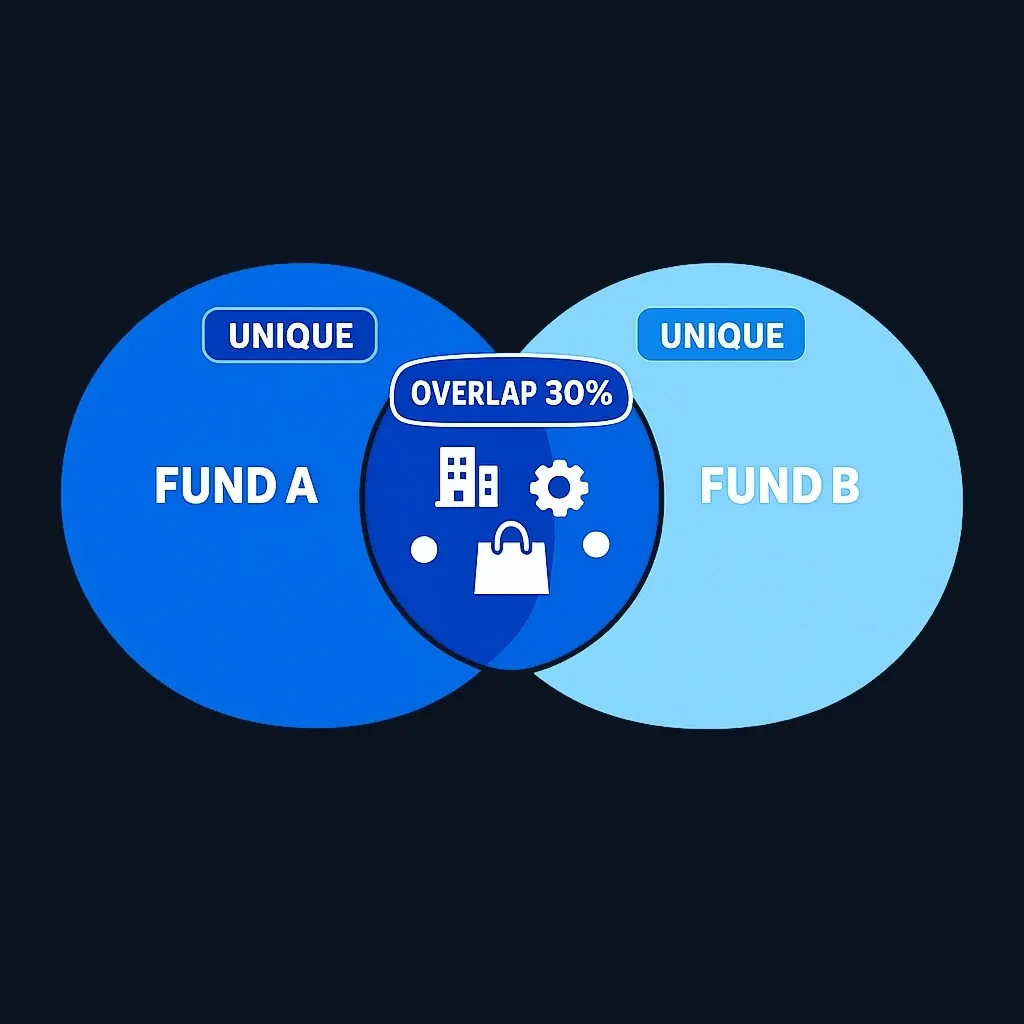
Imagine you want to build a simple long-term portfolio but do not know how to judge fund overlap. An independent educator might show how two funds can hold many of the same companies. The useful lesson is not which fund to buy; it is how to check whether your portfolio is less diversified than it looks.
Channel 3: Market-commentary or analyst channel
A market-commentary channel helps you understand what is happening now. These channels often discuss economic news, company earnings, interest rates, sectors, investor sentiment, or broad market trends. They can make financial news less confusing, especially when markets move sharply.
This type of channel is best used after you understand the basics. Without that foundation, commentary can feel like instructions. One person says a recession is coming. Another says a rally is starting. A beginner may feel pressured to act, even when their own time horizon has not changed.
What market-commentary channels are best for
Choose this category if you want:
- Weekly context on market events.
- Explanations of why stocks, bonds, or sectors moved.
- Exposure to different investing frameworks.
- Help connecting economic news to portfolio concepts.
What to watch for with market commentary
Market commentary can become addictive because it updates constantly. That does not mean your portfolio needs constant changes. Beginners often benefit from limiting this category to a weekly review rather than daily viewing.
Watch for creators who admit uncertainty. Markets involve probabilities, not guarantees. A channel that presents every forecast as obvious may be entertaining, but it can train poor risk habits.
Market-commentary channel example
Suppose you hear that interest rates are affecting stock prices. A market-commentary channel can explain why rate expectations may influence company valuations, bond yields, or investor behavior. You can use that lesson for context without making a rushed trade.
Comparative analysis of the channels
The best investing YouTube channels for beginners are easier to compare by role than by popularity. Subscriber counts, views, likes, and comments change constantly, and they do not prove credibility. Instead, use numeric engagement as a secondary signal after checking the teaching quality.
| Channel type | Main role | Strong fit | Engagement metric to check | Content frequency signal to check | Main risk |
|---|---|---|---|---|---|
| Firm-backed education channel | Structured education and market learning | Beginners building a foundation | Do viewers ask educational questions in comments? | Is current education or livestream content still being posted? | Mixing education with product information |
| Independent investing educator | Practical walkthroughs and repeatable methods | Learners who want examples and mechanics | Do comments show people applying the lesson? | Are lessons part of a coherent series? | Opinions or sponsorships shaping examples |
| Market-commentary channel | News, macro, and market context | Investors who want situational awareness | Do comments discuss reasoning, not just predictions? | Are updates consistent without being purely reactive? | Encouraging short-term trading behavior |
Use this table as a filtering tool, not as a ranking scoreboard. A smaller channel that teaches clearly may be more useful than a larger channel built around hot takes. A high comment count may show engagement, but it can also show controversy.
How to compare subscriber growth and engagement
If you want to compare channels yourself, use the same method for each one:
- Look at the current subscriber count.
- Review several recent videos, not just the top-performing one.
- Compare views, likes, and comments across those recent videos.
- Read the comments for question quality, not just enthusiasm.
- Check whether videos appear consistently enough for your learning routine.
The goal is not to find the most popular channel. The goal is to find a channel whose audience seems to learn, ask better questions, and return for more than hype.
A practical three-channel setup
Here is a realistic beginner setup:
- Monday: Watch one foundational lesson from a firm-backed channel.
- Wednesday: Watch one independent educator’s worked example.
- Friday or weekend: Watch one market recap for context.
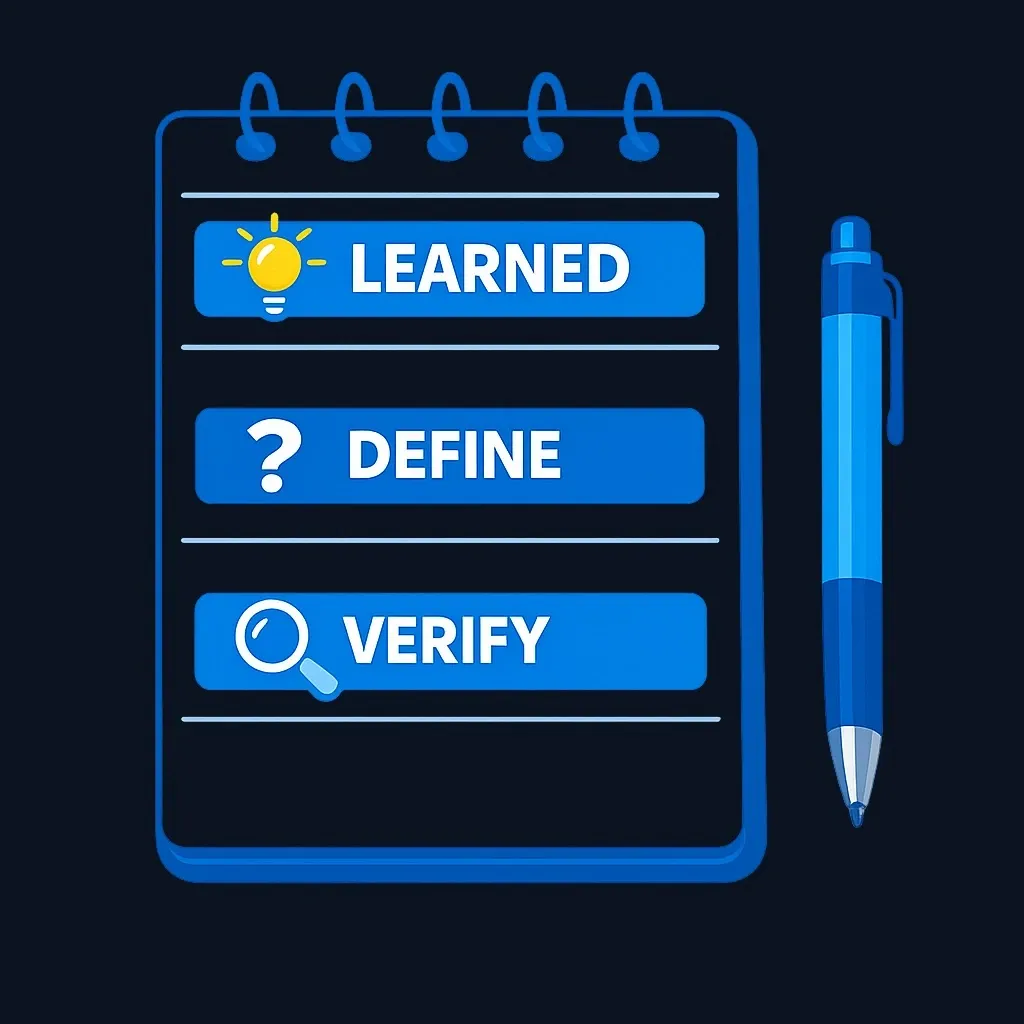
Then write down three notes:
- One concept you learned.
- One term you still need to define.
- One claim you want to verify elsewhere.
This turns YouTube from passive entertainment into an investing study habit. It also slows down emotional reactions, which is important when videos discuss money, wealth, stocks, or real estate.
Practice investing with Finelo
Build practical investing skills with guided lessons, simulator practice, and structured challenges.
Decision framework
Use three criteria to choose the right investing YouTube channels for your needs: credibility, teaching quality, and fit. If a channel fails more than one, keep it as entertainment or background context rather than a core learning source.
1. Credibility
Credibility starts with transparency. You should be able to tell who is speaking, what their connection is to the topic, and whether the video has a promotional angle. Official channels are usually clear about affiliation; Fidelity, for example, presents its YouTube presence as a place for educational content, financial news and insights, product and service information, and livestream events Fidelity on YouTube.
For independent creators, look for clear sourcing and consistent reasoning. A creator does not need to have every credential, but they should explain how they reached a conclusion. “This stock will make you rich” is not analysis. “Here are the assumptions, risks, and valuation inputs” is more useful.
2. Teaching quality
Good teaching makes you more independent. After watching, you should understand a concept well enough to explain it in plain language or apply it to a simple example.
Look for channels that:
- Define jargon before using it heavily.
- Show calculations or assumptions.
- Explain why a strategy might fail.
- Compare alternatives instead of pushing one answer.
- Repeat key ideas across multiple examples.
For beginners, the best videos often feel slower than viral finance content. That is a feature, not a flaw. Investing education should reduce confusion, not create urgency.
3. Fit to your objective
Different goals need different channels. A person learning personal finance basics does not need the same feed as someone studying stock valuation. A real estate investor may need different examples than someone building a retirement portfolio.
Use this match:
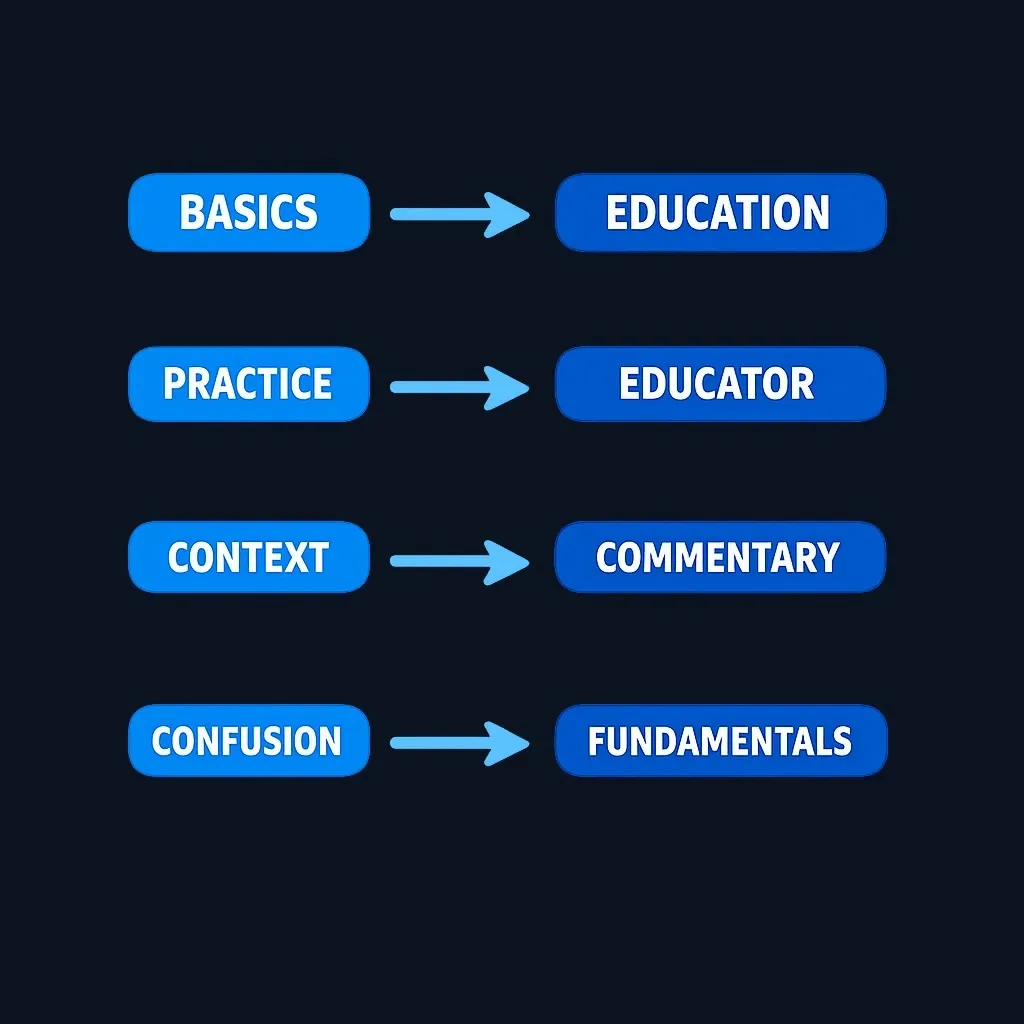
- “I need basics.” Start with a firm-backed or curriculum-style education channel.
- “I need to understand how this works in practice.” Add an independent educator.
- “I want to understand the market environment.” Add one commentary channel.
- “I keep changing my mind after videos.” Reduce commentary and return to fundamentals.
The best channel is the one that supports your next learning step. It is not always the one with the strongest personality or the biggest audience.
Common mistakes to avoid
The first mistake is confusing confidence with accuracy. Many creators sound certain because certainty gets attention. Reliable investing education usually includes tradeoffs, assumptions, and uncertainty.
The second mistake is watching too many channels at once. If you subscribe to ten creators with different strategies, you may collect opinions instead of building knowledge. Start with three roles, then replace channels only when they stop serving your goal.
The third mistake is treating YouTube as a complete financial plan. Videos can teach concepts, but they cannot know your full time horizon, income, debt, taxes, risk tolerance, or goals. Use them to learn better questions before making decisions.
FAQ
What are the best YouTube channels for investing?
For beginners, the best setup is one firm-backed education channel, one independent educator, and one market-commentary channel. Fidelity’s official YouTube presence is one example of a firm-backed channel offering educational content, financial news and insights, product and service information, and livestream events Fidelity on YouTube.
How do I choose the right investing channel for my needs?
Start with your goal. If you need fundamentals, choose structured education. If you need practical examples, choose an independent educator. If you want context, choose market commentary, but avoid treating every update as a reason to trade.
Are investing YouTube channels suitable for beginners?
Yes, if you use them as education rather than personalized advice. Beginners should prefer channels that define terms, explain risk, show examples, and avoid guaranteed-outcome language.
Can I rely only on YouTube to learn investing?
YouTube can be a helpful starting point, but it should not be your only source. Cross-check important claims with primary documents, educational resources, and qualified professionals when decisions depend on your personal situation.
Conclusion: Choosing the right channel for you
The best answer to “best investing YouTube channels” is a three-part watchlist, not a single creator. Use a firm-backed channel for structure, an independent educator for practical examples, and a market-commentary channel for current context. That mix gives you breadth without turning your feed into constant noise.
As you compare channels, focus on credibility, teaching quality, and fit. Subscriber counts and comments can help you judge activity, but they cannot replace careful source checks. The right channel should make you calmer, clearer, and more capable of evaluating investing ideas on your own.
Sources and Further Verification
More from Finelo
- Art Investing for Beginners: Costs, Liquidity, Valuation, and Risks
- Best Investing Newsletters for Beginners in 2026
- Best Investing Podcasts for Beginners in 2026
Disclaimer
This article is provided by Finelo for educational and informational purposes only. Finelo does not provide financial, investment, tax, legal, or insurance advice. Consider your circumstances and consult an appropriately qualified professional before making financial decisions.
InvestingBeginner GuideFinancial Education
Practice investing with Finelo
Build practical investing skills with guided lessons, simulator practice, and structured challenges.
About the author
Finelo Team
The Finelo Team creates practical investing and trading education designed to help beginners learn faster with structured challenges, simulator practice, and bite-sized lessons.
Keep reading — Related articles
Investing
Yield to Call vs Yield to Maturity: Assumptions and Bond Risks
Yield to call (YTC) estimates a bond's yield if the issuer redeems it on an eligible call date; yield to maturity (YTM) estimates yield if it remains outstanding to final maturity.
Finelo Team
Investing
Will My Employer Know If I Take a 401(k) Loan?
Who this page is for: readers new to 401(k) loans who want a practical, privacy‑focused explanation — what your employer can see, how to limit visibility, and the financial tradeoffs to weigh.
Finelo Team
Investing
What Medical Expenses Qualify for a 401(k) Hardship Withdrawal?
Before you decide, confirm three things with your plan administrator:
Finelo Team


