In December 2024, the CEO of ASML — the Dutch company with a near-monopoly on the world's most advanced chipmaking machines — reassured investors that China was "10 to 15 years behind" in chipmaking capabilities.
China Begins Mass Production of DUV Lithography Machines: What It Means for the Chip Industry

China has reportedly begun mass-producing immersion DUV lithography machines — a real milestone that arrived years early. Here's what the breakthrough gets right, and what the panic misses.
5 min read
Practice trading with Finelo
Practice in a simulator, learn with bite-sized lessons, and build confidence before risking real money.
Want to learn more?
Practice in a simulator, learn with bite-sized lessons, and build confidence before risking real money.
Explore FineloExplore Finelo's 28-day challenges
Turn learning into a daily habit with guided challenge paths.
Eighteen months later, Reuters reported this week that China has begun mass-producing its own immersion deep-ultraviolet (DUV) lithography machines — the workhorse technology behind most of the world's chips. ASML's shares fell as much as 8% before stabilizing. Screenshots pairing the old quote with the new news are all over social media, and the chip selloff that started in Seoul got a fresh reason to deepen.
But this story is a perfect example of why viral framing and technical reality need to be read together. The breakthrough is real. So are the caveats — and both matter for anyone with money in the AI trade.
This article is for information and education only and is not financial advice.
What actually happened
According to Reuters and follow-up reporting, a state-owned Shanghai company founded only in 2023 has started production of immersion DUV scanners, with roughly five units planned for 2026 and about 20 in 2027, earmarked for China's chip champions: SMIC, Hua Hong, and memory maker CXMT — the same CXMT whose blockbuster IPO helped trigger Korea's crash last week.
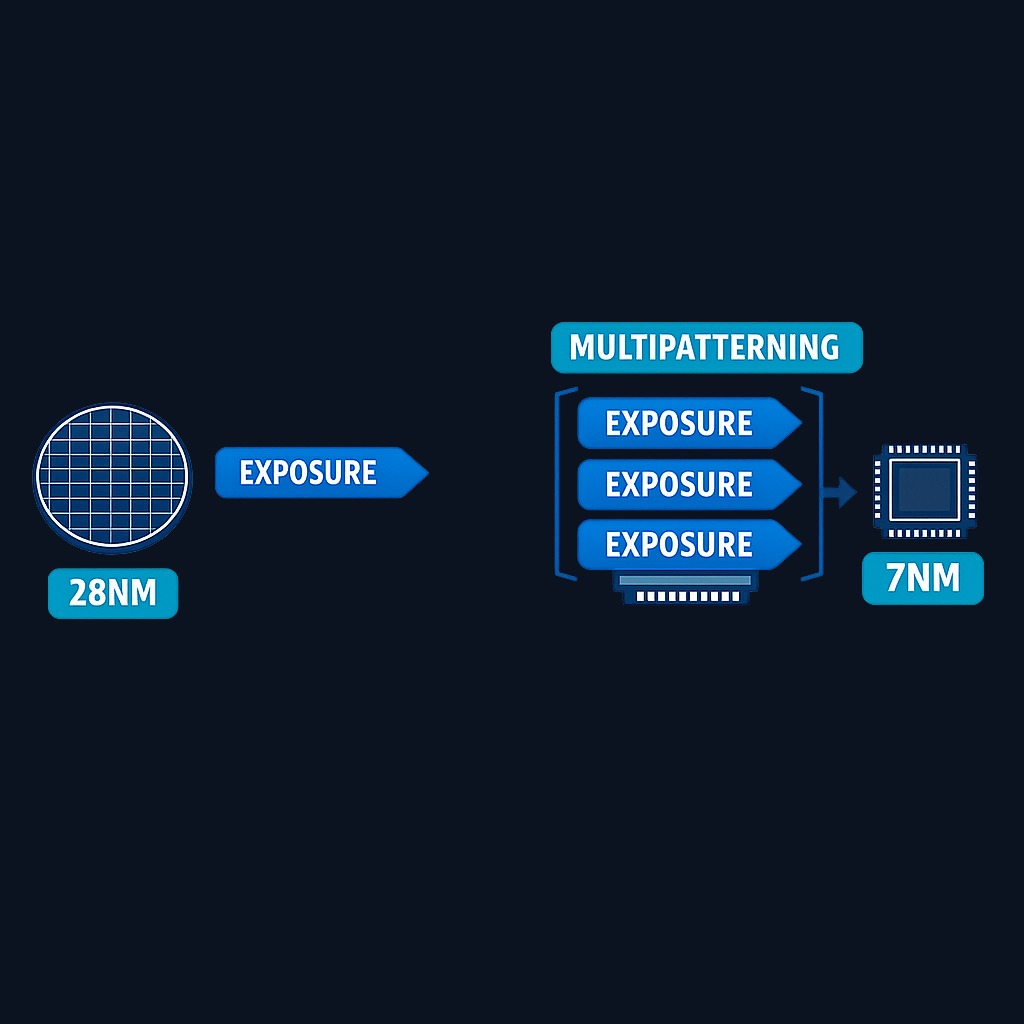
Why it matters: lithography machines are the single hardest-to-replace item in the entire chip supply chain, and immersion DUV can print 28nm-class chips in one pass — and, pushed hard with a technique called multipatterning, can reach roughly 7nm-class chips. That's the same workaround China's SMIC already uses on imported machines. Making the machines domestically attacks the very chokepoint Western export controls were built on.
Practice trading with Finelo
Practice in a simulator, learn with bite-sized lessons, and build confidence before risking real money.
The caveats the viral posts skip
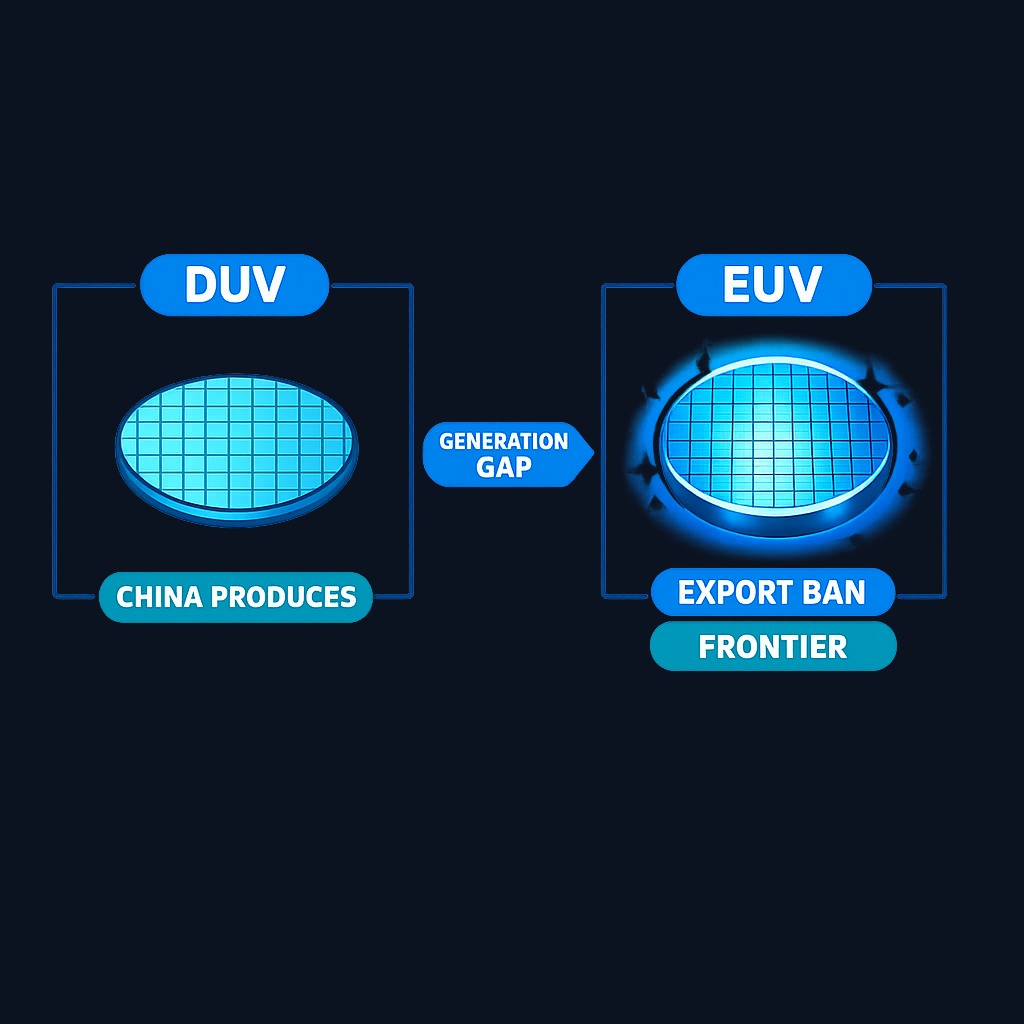
DUV is not EUV. ASML's crown jewels — extreme ultraviolet machines, still export-banned to China — remain generations ahead and untouched by this news. China has produced the previous generation of technology, not the frontier.
A handful of machines isn't an industry. ASML shipped its first EUV prototypes in 2007–08 but didn't reach true mass production until 2018. Five units in year one is a milestone, not a fleet — and reports note the Chinese machines still depend on imported components, with reliability, service networks, and decades of process know-how still firmly on ASML's side of the ledger.
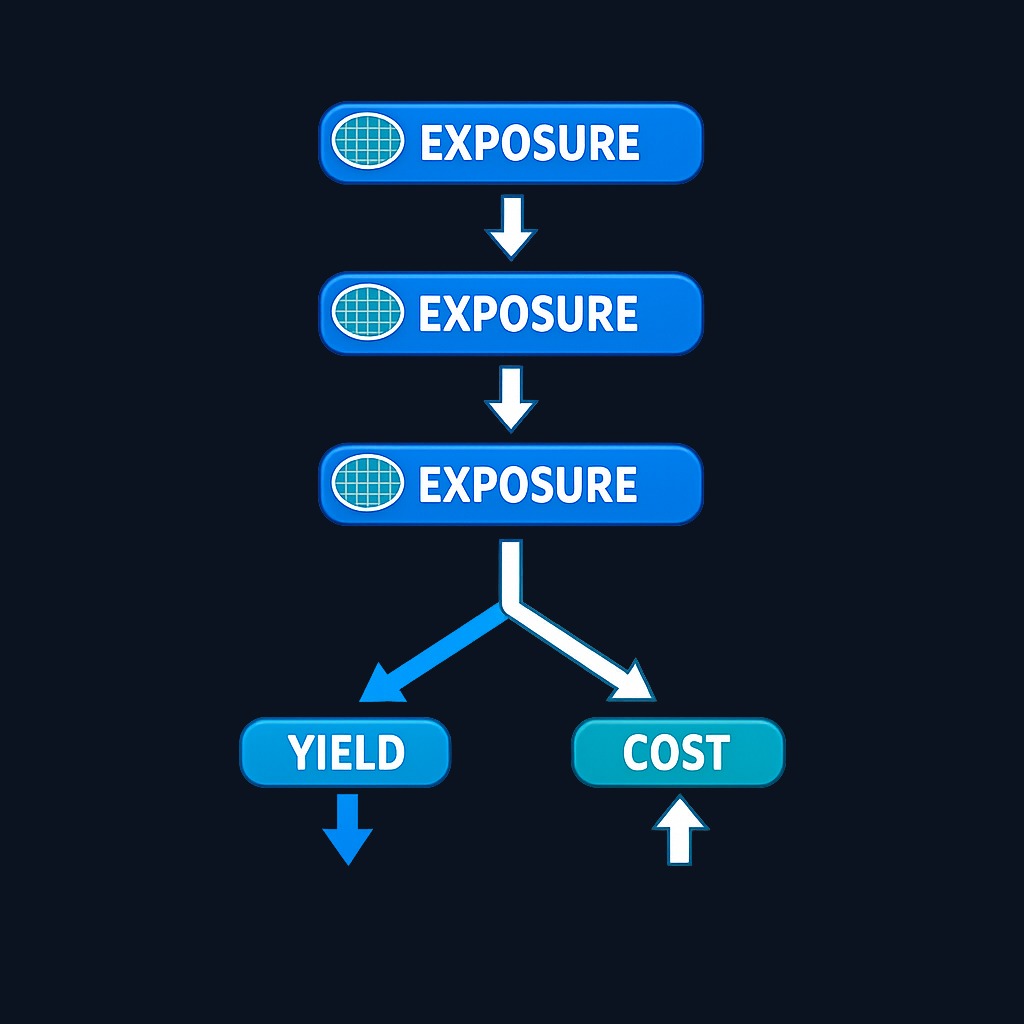
Multipatterning is expensive. Reaching 7nm-class chips on DUV means multiple exposures per layer — lower yields, higher costs. It narrows the gap; it doesn't close it.
So was the "10 to 15 years" claim wrong? Partly — China moved faster than almost anyone predicted, and betting against its semiconductor push has been a losing trade for years. But markets may also be overcorrecting from complacency straight to panic, pricing a mature Chinese lithography industry that doesn't exist yet.
Why this matters to YOU
This is why chip stocks keep falling. The AI selloff now has two engines: doubts about how the buildout is financed, and evidence that Chinese competition — CXMT in memory, now DUV machines in equipment — is arriving years early. Both compress the future profits that current valuations assume.
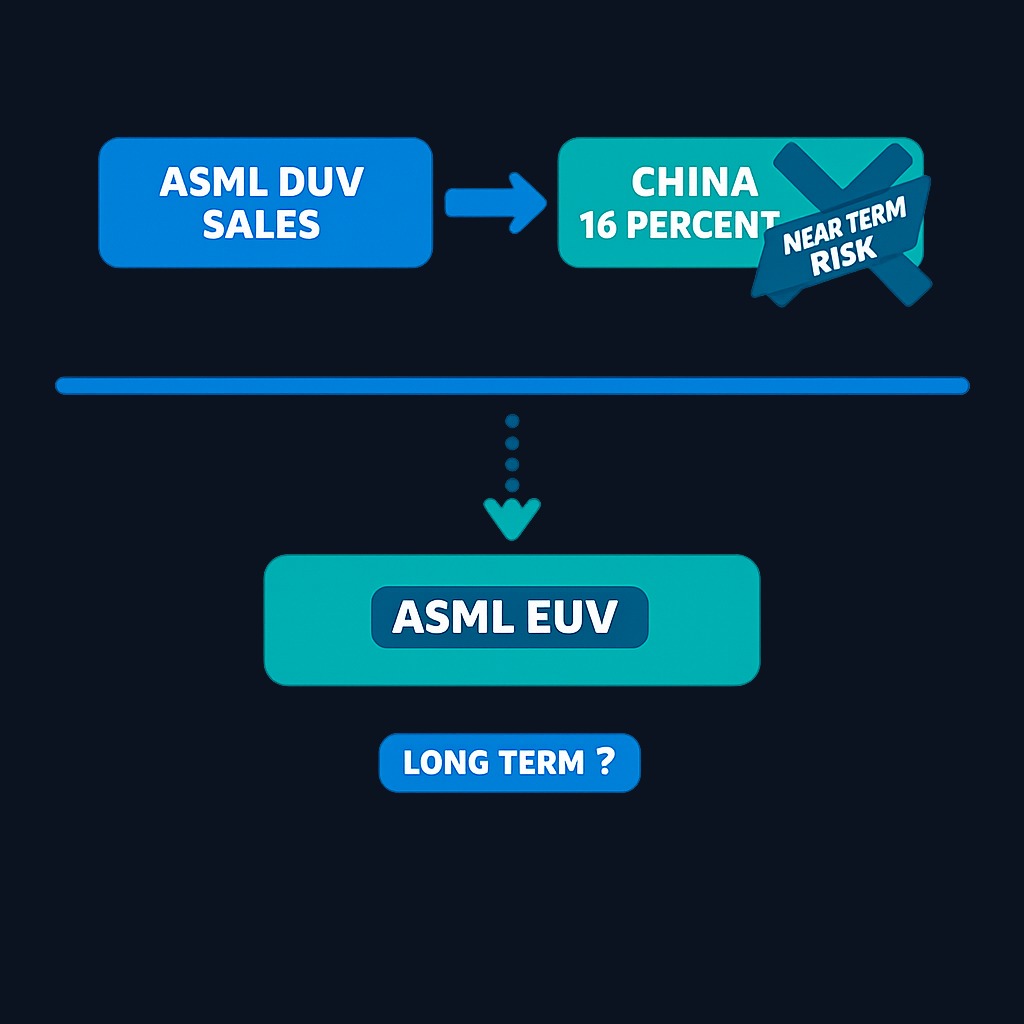
Watch the second-order effects. China bought roughly 16% of ASML's recent sales — mostly the older DUV machines it can still legally import. Domestic Chinese machines eat that revenue first, long before threatening the EUV frontier.
Distrust both extremes. "China is a decade behind" aged badly in 18 months; "ASML is finished" will likely age just as badly. When a story goes viral as a before/after gotcha, the investable truth is usually in the unglamorous middle.
This story connects directly to the Korea crash — Chinese memory competition was one of its two triggers: Kospi Index Drops 6%: Why South Korea's Stock Market Paused Trading Again.
Finelo does not provide investment advice. This article is for informational and educational purposes only.
Sources: Reuters — China mass-producing immersion DUV tools, TechWire Asia — capabilities and caveats, Tom's Hardware — deliveries to SMIC, Hua Hong, CXMT, TrendForce — production timeline
Frequently asked questions
Did China invent EUV lithography?
No. Reports describe mass production of immersion DUV machines — the previous-generation workhorse technology — not ASML's export-banned extreme ultraviolet (EUV) systems, which remain generations ahead.
Why did ASML shares fall on the news?
Domestic Chinese DUV machines threaten a chokepoint Western export controls relied on, and China has been a meaningful buyer of ASML's older DUV tools. Markets priced faster competition even though volumes are still tiny.
Is China still years behind in chipmaking equipment?
China moved faster than many expected, but early reports point to roughly five units planned for 2026, imported-component dependence, and multipatterning workarounds that cost more than true frontier EUV. Milestone ≠ mature fleet.
ChinaASMLDUVsemiconductorschipsAIexport controls
Practice trading with Finelo
Practice in a simulator, learn with bite-sized lessons, and build confidence before risking real money.
About the author
Finelo Team
The Finelo Team creates practical investing and trading education designed to help beginners learn faster with structured challenges, simulator practice, and bite-sized lessons.
Keep reading — Related articles
News
U.S. Gas Prices Reach $4.46: What the Increase Means for Inflation and Household Costs
The EIA's U.S. all-grades gasoline average reached $4.455 per gallon. See what changed, why regions differ and how fuel prices affect inflation.
Finelo Team
News
China Sets a Stronger Yuan Fix at 6.7521: What It Means for USD/CNY
China set its September 18 yuan reference rate at 6.7521 per dollar. Learn how the official fixing differs from market rates and why the move matters.
Finelo Team
News
BOJ Raises Its Policy Rate to 1.25%: What the Decision Means for the Yen
The BOJ raised its overnight policy-rate target to around 1.25%. Learn why the yen can still weaken after a rate increase and what the decision says.
Finelo Team