Last editorial review: September 28, 2026
Home office deduction: simplified method vs. actual expenses
Compare home-office deduction methods, eligible use, recordkeeping, and the expenses each method can include.
12 min read
Practice trading with Finelo
Practice in a simulator, learn with bite-sized lessons, and build confidence before risking real money.
Want to learn more?
Practice in a simulator, learn with bite-sized lessons, and build confidence before risking real money.
Explore FineloExplore Finelo's 28-day challenges
Turn learning into a daily habit with guided challenge paths.
The simplified method uses an IRS rate for qualifying office space. The actual-expense method allocates eligible home costs to business use. Both start with the same question: does the space qualify for a home office deduction?
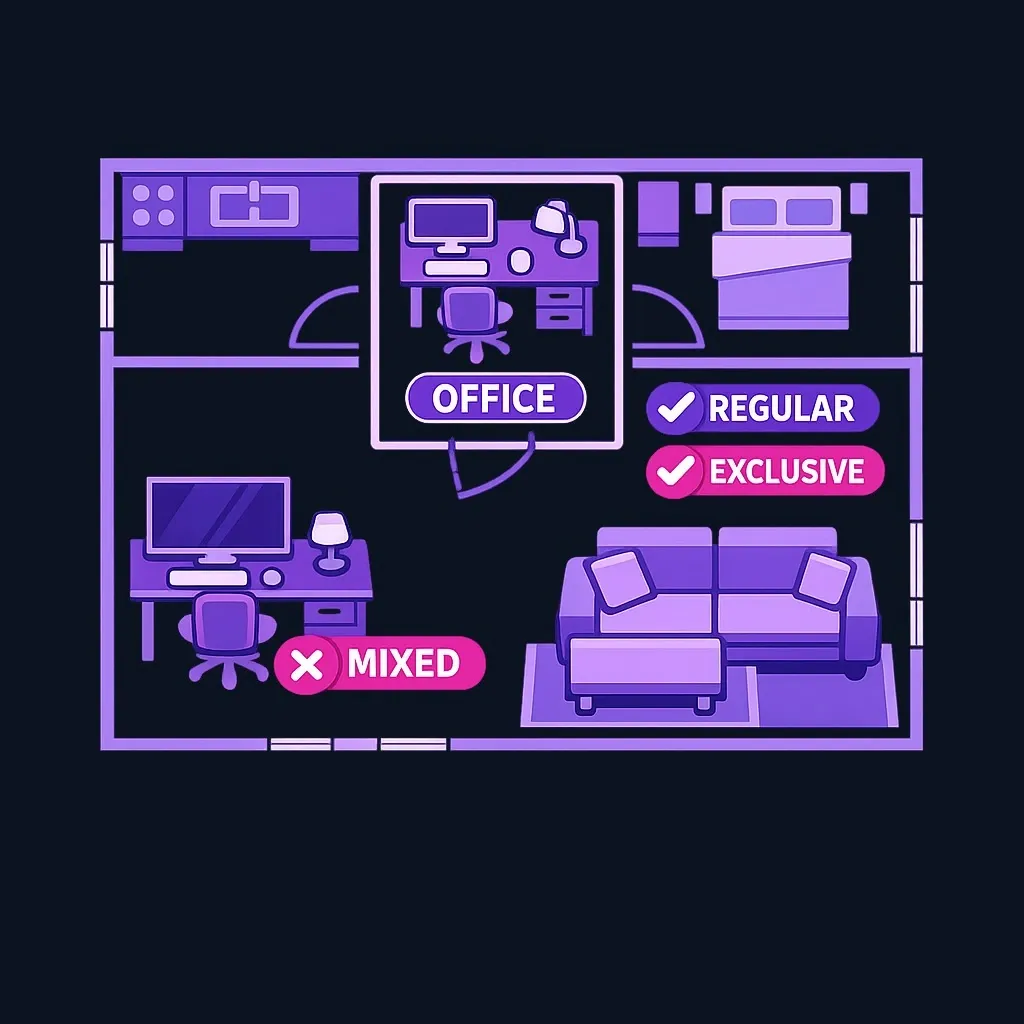
For many self-employed people, regular and exclusive business use is essential. Special rules apply to uses such as qualifying daycare or inventory storage. Having a desk at home does not automatically create a deduction. The space must also meet a qualifying-use test, such as being your principal place of business or a place where you regularly meet clients; separate structures and certain other uses have specific rules. IRS Publication 587 explains these tests.
Compare the methods
| Feature | Simplified method | Actual expenses |
|---|---|---|
| Calculation | $5 per qualifying square foot, up to 300 square feet | Eligible direct costs and business share of indirect costs |
| Records | Space, use, income, and other qualifying records | Those records plus costs and allocation calculations |
| Home depreciation | No home depreciation deduction under this method | Depreciation may apply |
| Main benefit | Less detailed expense allocation | May reflect larger eligible costs |
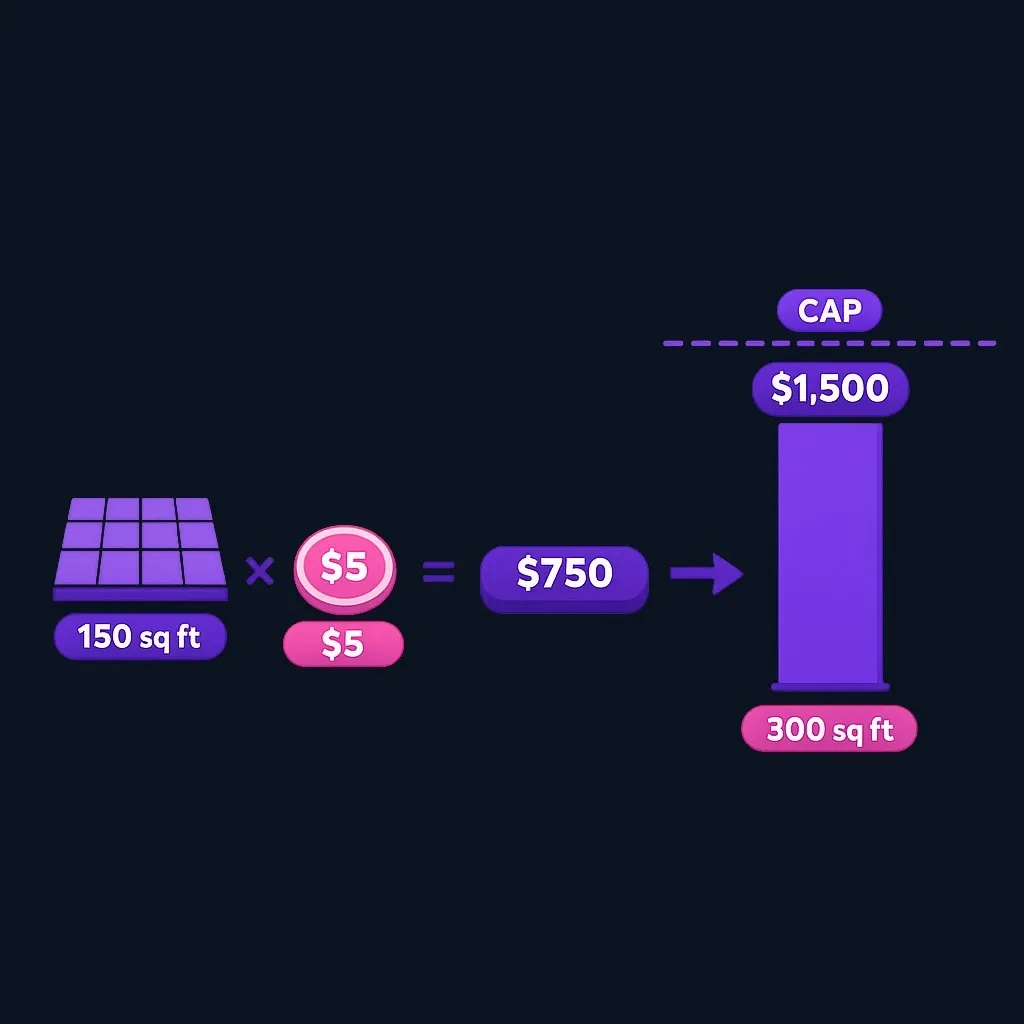
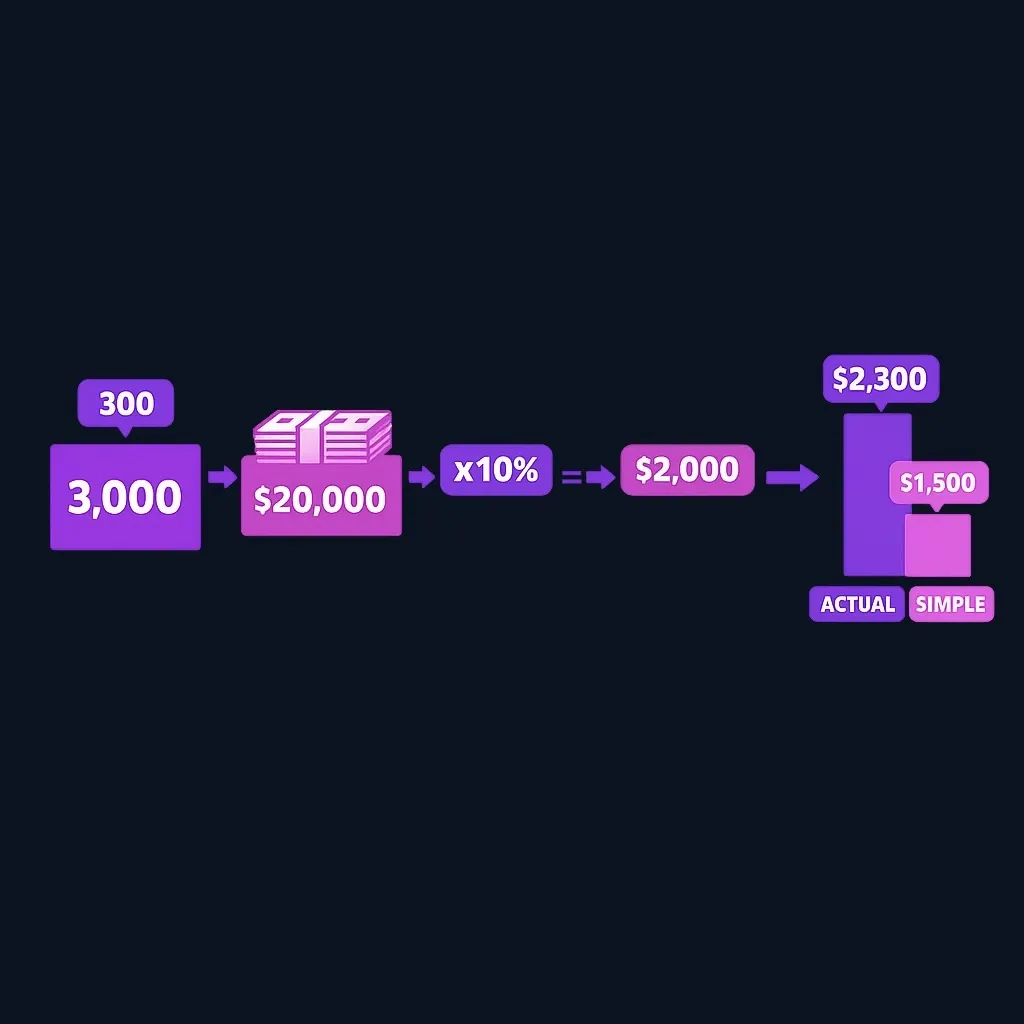
The IRS simplified-method guidance explains the $1,500 maximum before applicable limits. This is a deduction from income, not a $1,500 tax credit.
Compare using your own records
A qualifying 150-square-foot office produces a $750 simplified deduction before income and partial-year limitations. Under the actual method, calculate eligible direct costs and the business share of allowable expenses. Do not deduct the full household bill simply because you work at home.
The larger preliminary number is not the only consideration. Income limits, carryovers, depreciation, and the tax consequences of a later home sale can affect the result. The IRS home-office FAQs explain method changes and limitations.
Keep a record of the space and how it is used even if you choose the simplified method. Employees should check their eligibility separately rather than applying self-employed rules to an ordinary work-from-home arrangement.
Calculate both methods for the same tax year, then compare the allowable deduction and recordkeeping burden. A simpler calculation can be worthwhile, but it never substitutes for qualifying use.
Measure eligibility before measuring the deduction
A convenient desk is not automatically a qualifying home office. Establish how the space is used, whether the applicable business-use tests are met, and which business the deduction relates to. The simplified method changes the calculation; it does not relax the underlying qualification rules.
Document the measurement of the workspace and the home, the months of business use, and any changes during the year. A room converted to personal use partway through the year needs more care than a space used consistently. Special situations, including qualifying daycare or inventory storage, have their own rules and should not be forced into a generic exclusive-office example.
Prepare both calculations using the same facts
Under the actual-expense approach, distinguish direct expenses for the business space from indirect household expenses allocated between business and personal use. Also distinguish an expense from an improvement that may require different treatment. Multiplying every payment connected with the house by one percentage can produce an inaccurate result.
For a hypothetical qualifying 150-square-foot office, the simplified method's $5 rate gives $750 before applicable limitations. Compare that with the allowable actual-expense calculation, not with all household bills added together. Keep the tax-year facts identical in both calculations so the difference reflects the method rather than different assumptions.
A larger deduction is not automatically the only consideration. Recordkeeping, carryovers, depreciation, and future changes to business use may affect the choice. If the difference is small, the administrative simplicity can matter. If the difference is substantial, identify why and confirm that the larger calculation includes only allowable costs.
Keep the underlying records even if you choose the simplified option. They support the business-use facts and make next year's comparison easier. Good records also reduce the temptation to reconstruct the size or use of the space from memory when preparing a later return.
Understanding Home Office Deductions
A home office deduction reduces taxable income when you use part of your home regularly and exclusively for business. The deduction exists because certain home costs are ordinary and necessary business expenses when a space is dedicated to business use. Qualification depends on the nature of use (regular and exclusive) and the type of taxpayer (self-employed business owners commonly qualify; employee deductions are restricted under post-2017 rules). Good documentation of how and when space is used is the foundation of any successful claim.
Practice trading with Finelo
Practice in a simulator, learn with bite-sized lessons, and build confidence before risking real money.
The Simplified Method Explained
What it is: The simplified method replaces itemized allocation with a fixed rate per square foot applied to up to a specified maximum area, streamlining calculation and recordkeeping. The IRS explains the simplified option and its operating premise on the official page. Who can use it: Self-employed taxpayers who meet the home-office qualification tests (regular and exclusive business use) may elect the simplified option for a tax year. The IRS FAQ on the simplified method explains eligibility and related questions. How to apply it (high level): Measure the qualified space, apply the standard rate per square foot up to the method’s allowed maximum, and report that amount on your tax form under the form instructions. The IRS simplified-option page provides the procedural details and any caps that apply. Recordkeeping: Keep a record of the square footage and the reason you qualify for the deduction (how the space is used). The simplified method reduces the need for collecting and prorating all underlying bills.
Actual Expenses Method Explained
What it is: Under the regular method you add up actual home expenses and deduct the business portion (the share attributable to your home office). Typical categories include direct expenses to the office and indirect expenses that are prorated across the home. The IRS contrasts the simplified option with the regular method in its guidance and FAQs. Examples of expense categories (conceptual):
- Direct expenses: costs that benefit only the office (repairs or painting).
- Indirect expenses: a prorated share of mortgage interest, property tax, utilities, insurance, general repairs, and depreciation. Note: Use precise IRS resources or a tax professional to confirm which items are deductible in your situation.
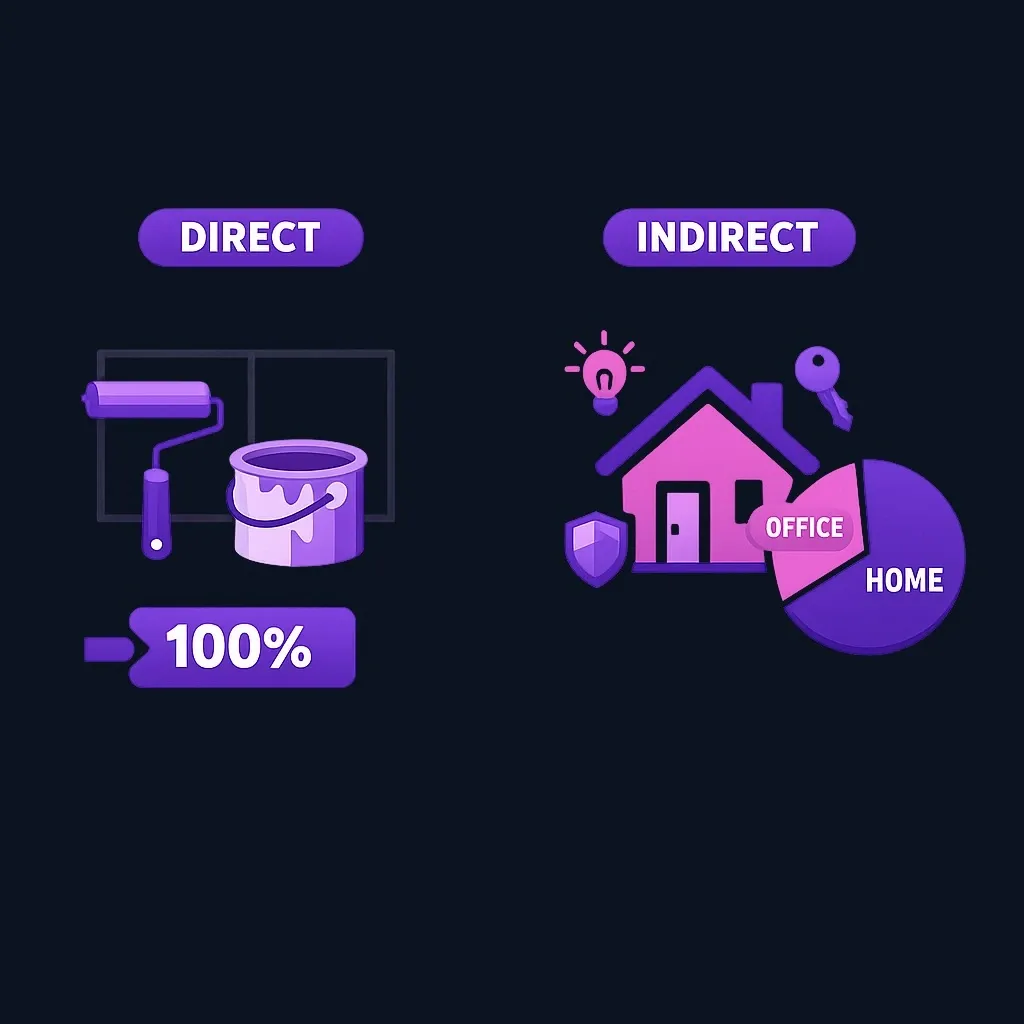
Calculation overview: Determine the business-use percentage (often office square footage divided by the total area of the home, using a reasonable allocation under IRS rules). Then apply that percentage to eligible indirect expenses and add direct expenses that apply solely to the office. Depreciation requires a schedule and affects basis; see IRS guidance or a tax advisor for depreciation rules. Recordkeeping: Maintain invoices, receipts, bills, mortgage statements, and how you computed the business percentage. Accurate records support higher deductions claimed via the regular method.
Comparative Analysis: Simplified vs Actual Expenses
Simplicity and time cost
- Simplified: Minimal calculation and simpler documentation. You mainly need a reliable square footage measure and proof of exclusive, regular business use. This saves time and reduces bookkeeping friction.
- Actual: Requires collecting and prorating multiple expense categories and, if claiming depreciation, maintaining schedules. Expect more time or professional fees.
Potential size of deduction
- Simplified: Provides a predictable, capped benefit based on workspace size and the method’s standard rate and cap. Use the IRS simplified-option page for the current rate and maximum cap.
- Actual: Can exceed the simplified amount when home ownership costs, utilities, and depreciation add substantial deductible dollars. The larger your indirect expenses and the greater the business percentage, the more likely the regular method yields a higher deduction.
Recordkeeping and audit readiness
- Simplified: You still need evidence of qualifying use, area, and applicable income limits. A simpler calculation does not guarantee acceptance in an audit.
- Actual: Documentation supports the allowable amount; it does not itself create a larger deduction. Retain invoices, allocation calculations, and depreciation schedules.
Long-term effects and depreciation
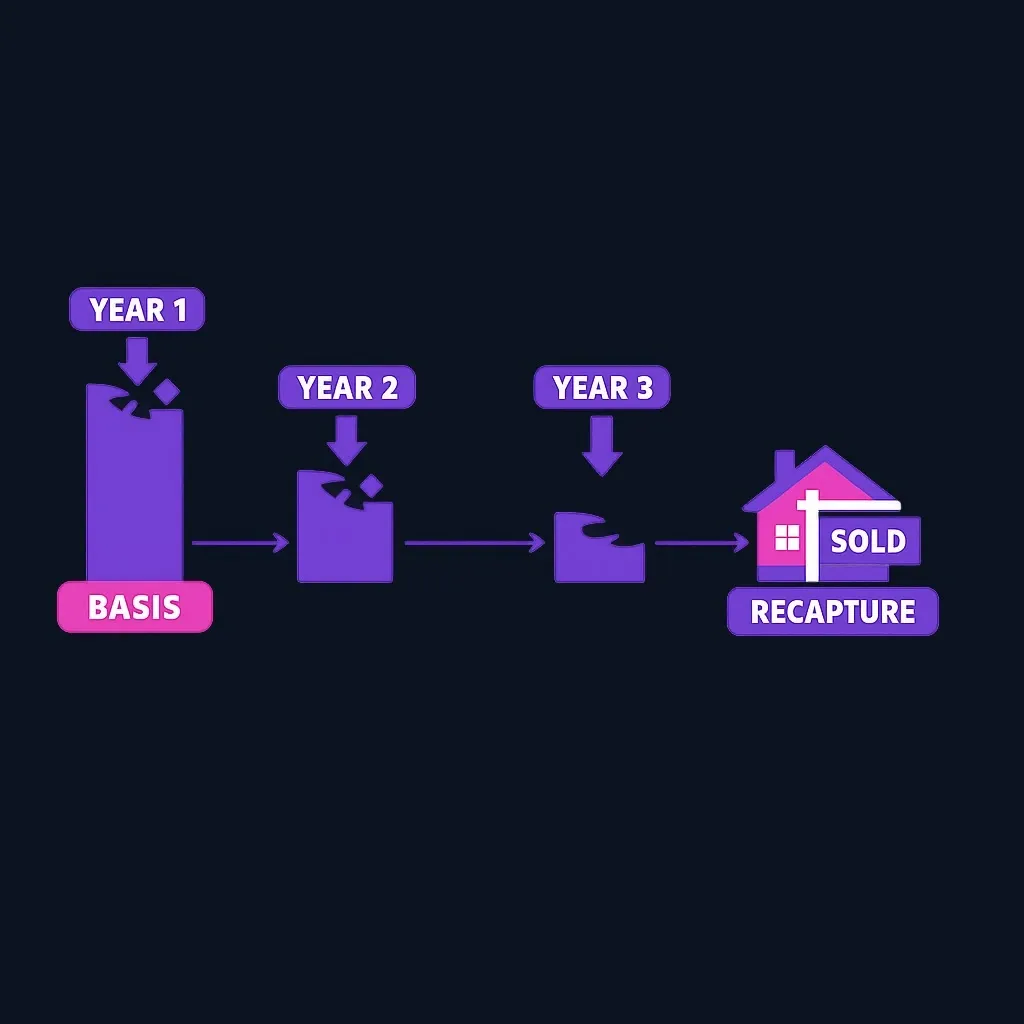
- Simplified: You do not calculate depreciation for the business part of your home when using the simplified option. This keeps basis and future recapture calculations simpler. See IRS materials for the rules and implications.
- Actual: Claiming depreciation reduces your home’s tax basis and can create future tax consequences (for example, depreciation recapture when selling). Consult the IRS or a tax professional for detailed rules and long-term effects.
Switching between methods
- Taxpayers can choose annually which method to use, but the choice can affect depreciation and record needs. Confirm procedural rules and any limitations in the IRS guidance.
Summary: If you value simplicity and have modest indirect costs, the simplified option is attractive. If your indirect costs, ownership expenses, or depreciation are significant, the regular method commonly gives a larger deduction—at the cost of more recordkeeping and potential long-term complexity.
How to compare your options
Practical checklist to decide which method to use:
- Workspace size: Larger dedicated areas often favor actual-expenses if other costs are high. Use the IRS simplified guidance to compare the simplified calculation for your square footage.
- Ownership and recurring costs: Homeowners with substantial mortgage interest, property taxes, or high utility bills often benefit from the regular method.
- Depreciation: If you plan to claim depreciation for the business portion, the actual method is required. Consider long-term tax consequences.
- Recordkeeping willingness: If you keep organized receipts and statements, the regular method payoff may outweigh the administrative cost.
- Time vs tax tradeoff: If you prefer speed and certainty in filing, the simplified option reduces tax-prep hours.
How to decide quickly
- Quick test: compute the simplified method amount for your office area (use the IRS simplified guidance). Then estimate your business share of major indirect expenses plus any direct costs and depreciation. If the estimated actual-expenses deduction comfortably exceeds the simplified total after accounting for effort, plan to use actual expenses; otherwise use simplified.
When to choose each option
Use these scenario-based guidelines and two worked examples to illustrate common cases. Scenario A — Small freelance workspace, few indirect costs (when simplified often wins)
- Situation: A contractor uses one spare bedroom exclusively for business. Pays modest rent (no mortgage interest or property tax), and has low utility bills.
- Why simplified helps: The paperwork savings and a simple per-square-foot calculation often match or exceed what you’d deduct by prorating small bills. Use the IRS simplified guidance to determine the standard amount for your space.
Worked example (illustrative): If the simplified option applies a set rate per square foot, multiplying that rate by your office area yields your deduction under simplified rules; compare that to a rough sum of your prorated bills to decide. Scenario B — Owner with large home office, significant eligible home costs (when actual warrants a calculation)
- Situation: A consultant works from a large, finished basement and pays mortgage interest. property taxes and substantial utilities, and expects eligible depreciation to affect the calculation.
- Why actual helps: Those indirect costs and depreciation can push the regular method above the simplified cap. If depreciation is relevant, it can materially increase deductible dollars, though it adds future basis considerations.
Worked example (illustrative): Estimate the business percentage (office square feet divided by total home square feet, using a reasonable allocation). Multiply this percentage by large expense categories (mortgage interest, taxes, utilities), and add direct expenses for the office. Compare that estimate to the simplified-option total under the applicable IRS rules.
Switching year to year
- You may elect the simplified or regular method for each tax year. But consider the recordkeeping you’ll need if switching back to the regular method later (for example, to support depreciation claims). See the IRS FAQ for details about elections and applicability.
Common Mistakes to Avoid
- Claiming an office that is not used exclusively and regularly for business — exclusivity is a core qualification; retain documentation describing how the space is used.
- Using employee-style reasoning: remember employees generally cannot claim a home office deduction under rules that changed after 2017; consult IRS guidance if you’re an employee.
- Poor recordkeeping: under the regular method, missing receipts or inconsistent prorations weaken your position. Keep invoices, bills, and the math showing your business percentage.
- Forgetting depreciation effects: no depreciation is deducted for a simplified-method year, and earlier actual-method depreciation still matters. Switching methods does not erase prior basis adjustments.
- Failing to compare both methods before filing: do the quick calculation for both methods each year—what’s best one year may not be next.
What is the simplified method for determining the home office deduction?
The simplified method uses a standard rate per square foot multiplied by the business-use area (subject to a cap) to compute the deduction, simplifying recordkeeping and calculation. See the IRS simplified option page for the official rules and any current caps or rates.
Can I use the simplified method for more than one home?
No. You may use the simplified method for only one home in a tax year. If otherwise eligible, you can use actual expenses for another home, following the IRS rules for each location.
What expenses can I deduct if I use the simplified method?
The simplified method replaces the need to prorate most home expenses; instead you apply the standard rate to your qualifying space. For precise limits, see the IRS simplified option guidance.
How do I elect to use the simplified method?
Claim it on a timely filed original federal return for that year. You can choose a different method in a later year, but cannot change the chosen method for the same year after making the election.
Business vehicle deductions involve a separate method choice; compare Standard mileage vs. actual vehicle expenses.
This guide covers U.S. rules. Finelo provides financial education, not personalized financial, investment, tax, or legal advice.
Financial LiteracyU.S. GuideFinancial Education
Practice trading with Finelo
Practice in a simulator, learn with bite-sized lessons, and build confidence before risking real money.
About the author
Finelo Team
The Finelo Team creates practical investing and trading education designed to help beginners learn faster with structured challenges, simulator practice, and bite-sized lessons.
Keep reading — Related articles

Financial Literacy
USDA vs. FHA loan
Compare location and income eligibility, down payments, credit conditions, and upfront and annual program charges for a home purchase.
Finelo Team

Financial Literacy
Term life vs. accidental death insurance
Compare broad term-life protection with accident-only coverage, including exclusions, underwriting, and the family income gap.
Finelo Team

Financial Literacy
Term life insurance laddering vs. one policy
Compare several term policies ending at different times with one policy, using coverage needs, costs, and future insurability.
Finelo Team