Last editorial review: September 8, 2026
How to Invest in Farmland: Direct Ownership, Funds, Costs, and Risks
Investing in farmland can mean buying land and leasing it to farmers, buying shares in farmland funds or REITs, or participating in farmland crowdfunding. Each route trades control,…
11 min read
Practice investing with Finelo
Build practical investing skills with guided lessons, simulator practice, and structured challenges.
Want to learn more?
Build practical investing skills with guided lessons, simulator practice, and structured challenges.
Explore FineloExplore Finelo's 28-day challenges
Turn learning into a daily habit with guided challenge paths.
U.S. scope: This article discusses U.S. institutions, financial products, tax rules, and dollar examples unless stated otherwise. Rules and product terms may change; verify current official guidance for your situation.
Quick answer
Investing in farmland can mean buying land and leasing it to farmers, buying shares in farmland funds or REITs, or participating in farmland crowdfunding. Each route trades control, liquidity, and cost. Use the Decision framework below to match your capital, time horizon, and tolerance for operational work to the right method.
What to know before deciding
Farmland is a hybrid asset: it’s real estate with agricultural production attached. That means returns can come from both land‑value appreciation and farm income (rents, crop-share, or enterprise leases). Before you commit, decide whether you want active ownership (managing leases, conservation, or production) or passive exposure through funds or securities.
Key trade-offs
- Control vs. convenience: Direct ownership gives control over soil stewardship and tenant selection; funds offer diversification and professional management.
- Liquidity: Direct land is illiquid and often requires months to sell. Funds or public securities are more liquid but may carry management fees.
- Scale and complexity: Small parcels are available to individuals but require local knowledge; institutional deals or large diversified funds lower single‑asset exposure but raise minimums.
Educational note: This article is educational, not financial or investment advice. Investing involves risk, including loss of principal. Verify suitability, tax consequences, and local rules before committing capital.
What you should expect to learn here
- Which investment routes fit different investor profiles.
- How to assess farmland quality and risks.
- A practical decision framework and a checklist you can use during due diligence.
Decision framework
Use this three-step framework to decide how to invest in farmland.
Step 1 — Clarify your objective
- Income vs. appreciation: Do you want steady rental income or long‑term land-value growth?
- Time horizon: Farmland tends to be a multi-year to multi-decade hold.
- Involvement: Do you want to manage leases, tenants, and stewardship, or remain hands-off?
Step 2 — Map objectives to structures
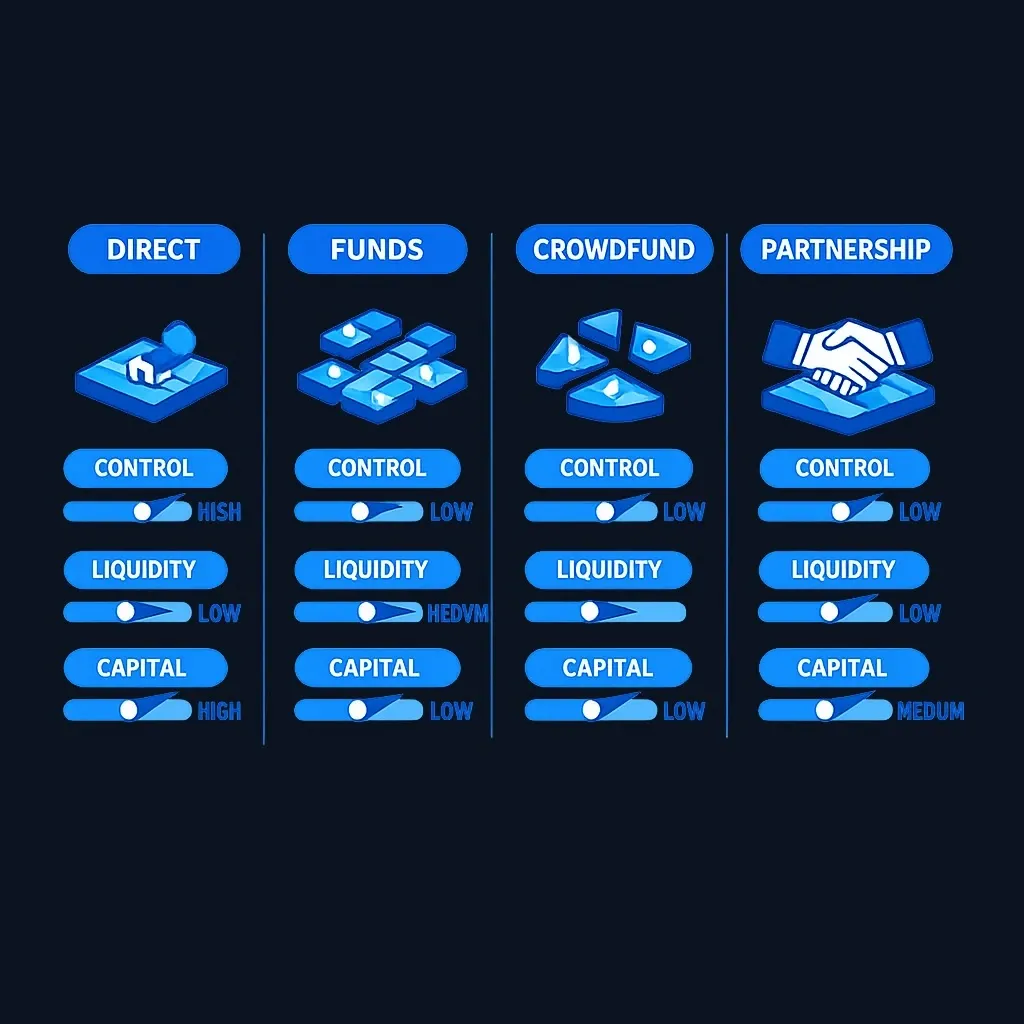
- Direct ownership if you want control, long horizon, and can handle operational tasks.
- Farmland funds or REITs if you want diversification and professional management.
- Crowdfunding for smaller minimums and targeted deals, with less liquidity and variable transparency.
- Agricultural operating partnerships if you can co-invest with an operator who runs the farm.
Step 3 — Apply decision rules before investing
- Minimum due diligence checklist: title and zoning, soil and water access, lease terms, tenant track record, environmental constraints, and local market demand.
- Liquidity rule: Don’t allocate capital you may need within the next 3–5 years, unless you use liquid vehicles.
- Risk sizing: Keep farmland exposure aligned with broader diversification and risk tolerance.
Quick checklist (use when screening opportunities)
| Question | Look for (yes/no) |
|---|---|
| Clear title & no unresolved liens | Yes |
| Favorable or neutral zoning for agriculture | Yes |
| Reliable water access or irrigation | Yes |
| Established tenant or credible business plan | Yes |
| Environmental restrictions manageable | Yes |
| Exit options documented (comps, buyer pipeline) | Yes |
Use the checklist above as a living tool in conversations with brokers, attorneys, and agronomists.
Different ways to invest in farmland
Below are common routes and what they require of you. Each subsection includes practical takeaways.
Direct purchase (buying acreage)
What it is: You buy a parcel and either farm it yourself, hire an operator, or lease it to a farmer. Good for: Investors seeking control, tax planning with cost-basis management, and hands-on stewardship. Considerations: Requires local market knowledge, property management, and capital for taxes, insurance, and repairs. Expect illiquidity and transaction costs.
Practical takeaway: If you choose this route, build a small local advisory team (farm attorney, land broker, agronomist) before bidding.
Leasing and tenant arrangements
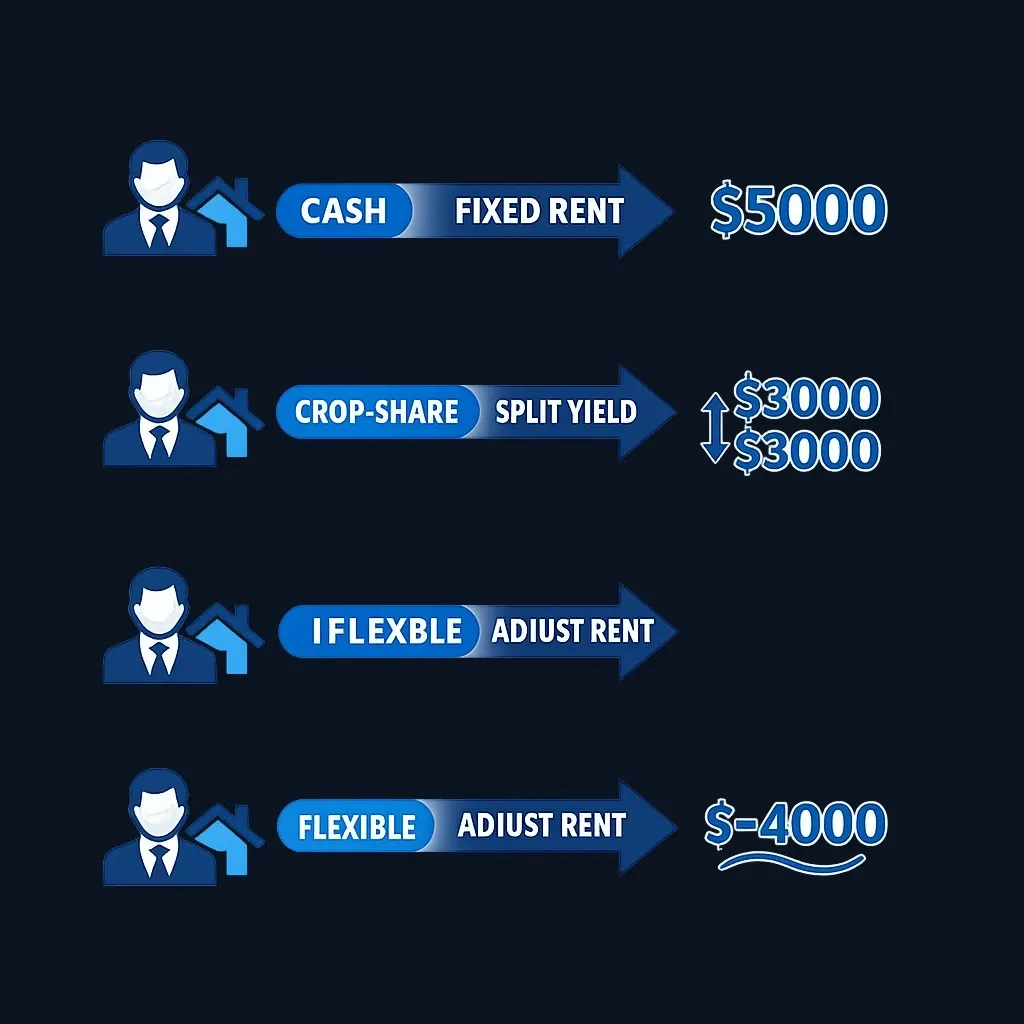
What it is: You own land but lease it on a cash, crop-share, or flexible lease. Good for: Passive income without running operations. Considerations: Lease length, escalation clauses, and who pays inputs or capital improvements matter. Long-term leases can stabilize income; short-term leases increase flexibility but raise turnover risk.
Practical takeaway: Negotiate clear lease language on maintenance, conservation practices, and dispute resolution.
Farmland funds and private partnerships
What it is: Pooled capital managed by a firm buys and manages farmland. Good for: Diversification across regions and crops, professional management, and access to larger deals. Considerations: Illiquidity (multi-year lockups), management fees, and less individual control.
Practical takeaway: Examine the fund manager’s track record, portfolio concentration, and alignment of interests (co-investment by managers).
Listed farmland REITs and agricultural stocks
What it is: Publicly traded vehicles that own farmland or related infrastructure. Good for: Liquidity, ease of trade, and lower minimums. Considerations: Share prices can reflect market sentiment and public-market volatility, which may diverge from underlying land values.
Practical takeaway: Use listed vehicles for tactical exposure but check how much the vehicle’s performance tracks actual land fundamentals.
Crowdfunding and fractional platforms
What it is: Online platforms offer fractional stakes in individual farms or pools. Good for: Lower entry points and targeted projects. Considerations: Platforms vary in due diligence rigor, fees, and secondary market presence.
Practical takeaway: Review platform disclosures, historical deal performance, and the exit mechanisms before committing.
Hybrid approaches: leases, solar, timber, and conservation easements
What it is: Farmland can produce non-farm income through solar leases, timber sales, or conservation payments. Good for: Diversifying farm income and enhancing returns while managing environmental outcomes. Considerations: These arrangements may change land use and regulatory treatment.
Practical takeaway: Assess long-term implications for soil health and resale value before signing non‑agricultural leases.
Assessing risks in farmland investments
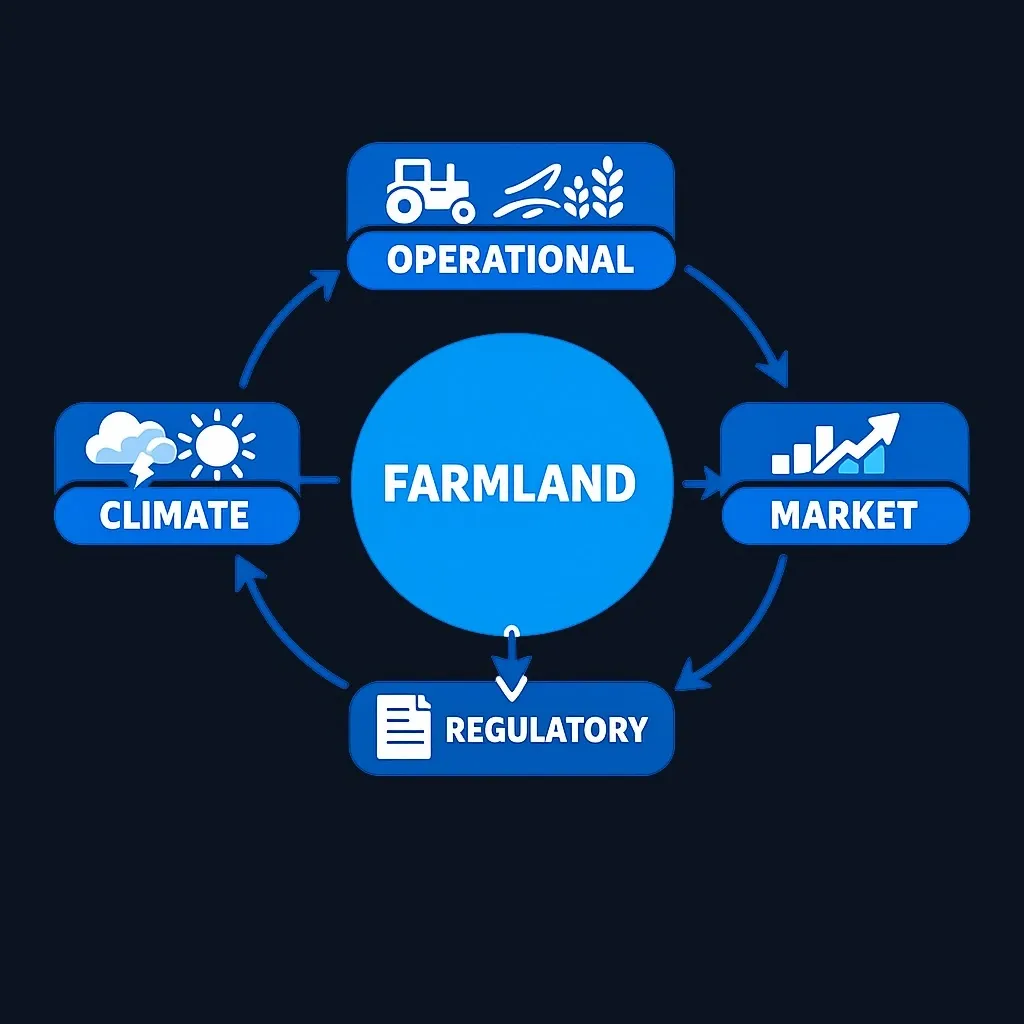
Farmland carries distinct risks that interact—operational, market, regulatory, and climate-related risks. Understanding them helps you size positions and set terms.
Major risk categories
- Operational risk: Tenant failure, crop yield shortfalls, input price spikes, or infrastructure failures.
- Market risk: Local commodity prices and broader land‑value cycles can affect returns and resale prospects.
- Regulatory and legal risk: Zoning changes, water rights disputes, and conservation regulations can restrict use or value.
- Environmental and climate risk: Droughts, flooding, and shifting growing regions can reduce productivity and change long‑term returns.
Practical risk-management steps
- Diversify by geography and crop type when possible.
- Use lease structures that share production risk (e.g., crop-share) if you can tolerate income variability.
- Maintain contingency reserves for capital repairs, tax changes, or tenant turnover.
- Perform environmental due diligence (phase I/II) on parcels with suspected contamination.
Common mistakes and how to avoid them
- Mistake: Relying only on online listings. Fix: Visit in person; talk to neighbors and local extension agents.
- Mistake: Overlooking water rights and access. Fix: Obtain a clear legal opinion on water entitlements.
- Mistake: Underestimating management load or tenant selection. Fix: Use experienced property managers or co-invest with local operators.
Evaluating farmland quality and value
A structured appraisal helps you avoid emotional buying and spot hidden liabilities.
Core evaluation pillars
- Soil productivity and classification: Understand texture, depth, and historical yields.
- Water availability and rights: Confirm irrigation sources and legal access.
- Infrastructure: Storage, access roads, fencing, and equipment sheds affect operating costs.
- Location and market access: Proximity to processors, transport infrastructure, and labor markets matters.
- Legal encumbrances: Easements, conservation restrictions, and covenants can limit use.
Due diligence steps (practical checklist)
- Title and lien search — confirm ownership and outstanding claims.
- Soil tests and yield history — get lab results and past production records.
- Water rights verification — consult local water authority and legal counsel.
- Environmental screen — review records for contamination or wetlands.
- Tenant and lease review — evaluate rent history, payment record, and lease clauses.
- Comparable sales and exit analysis — request comps and assess buyer demand.
Illustrative decision scenario
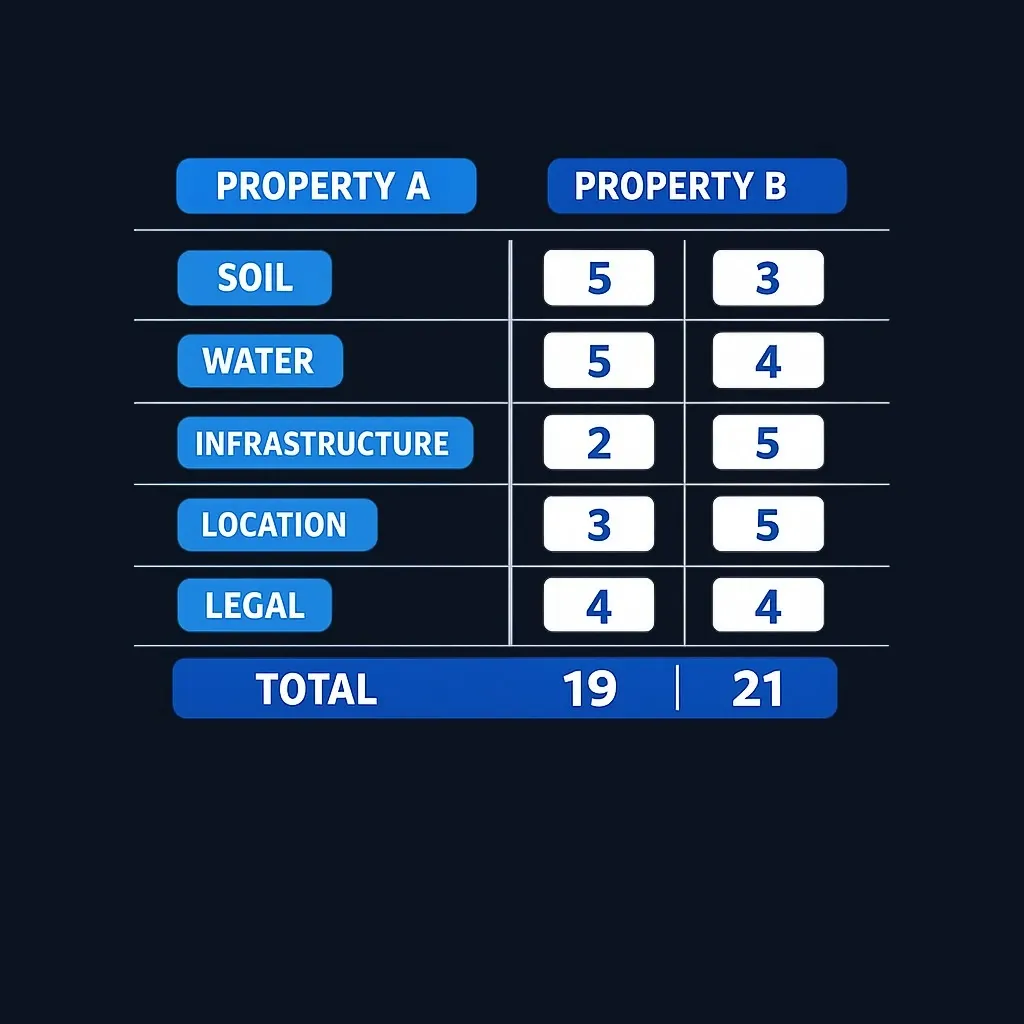
- Investor A wants income and limited involvement. They prioritize strong tenants, steady cash leases, and parcels near crop processors. They focus on mid-size farms with documented tenant history and 3–5 year leases to reduce turnover.
- Investor B wants land appreciation and stewardship control. They seek parcels with conservation potential and long-term water reliability, accepting less near-term income for potential capital gains.
Use the checklist to score properties across pillars (1–5) and sum scores to compare opportunities objectively.
Practice investing with Finelo
Build practical investing skills with guided lessons, simulator practice, and structured challenges.
Financing options for farmland purchases
Financing affects returns, risk, and flexibility. While specific lenders and rates vary by market, the common structures are similar.
Common financing routes
- Farm mortgage from a local bank or agricultural lender — typically secured by the land and sometimes by crops or equipment.
- USDA or government-backed programs — in many jurisdictions, government lending programs support beginning farmers or conservation projects.
- Seller financing — can accelerate transactions when sellers carry part of the loan.
- Equity partnerships — investors provide capital while operators provide expertise and labor.
- Mezzanine or bridge loans — short-term loans to close deals that are later refinanced.
Practical financing considerations
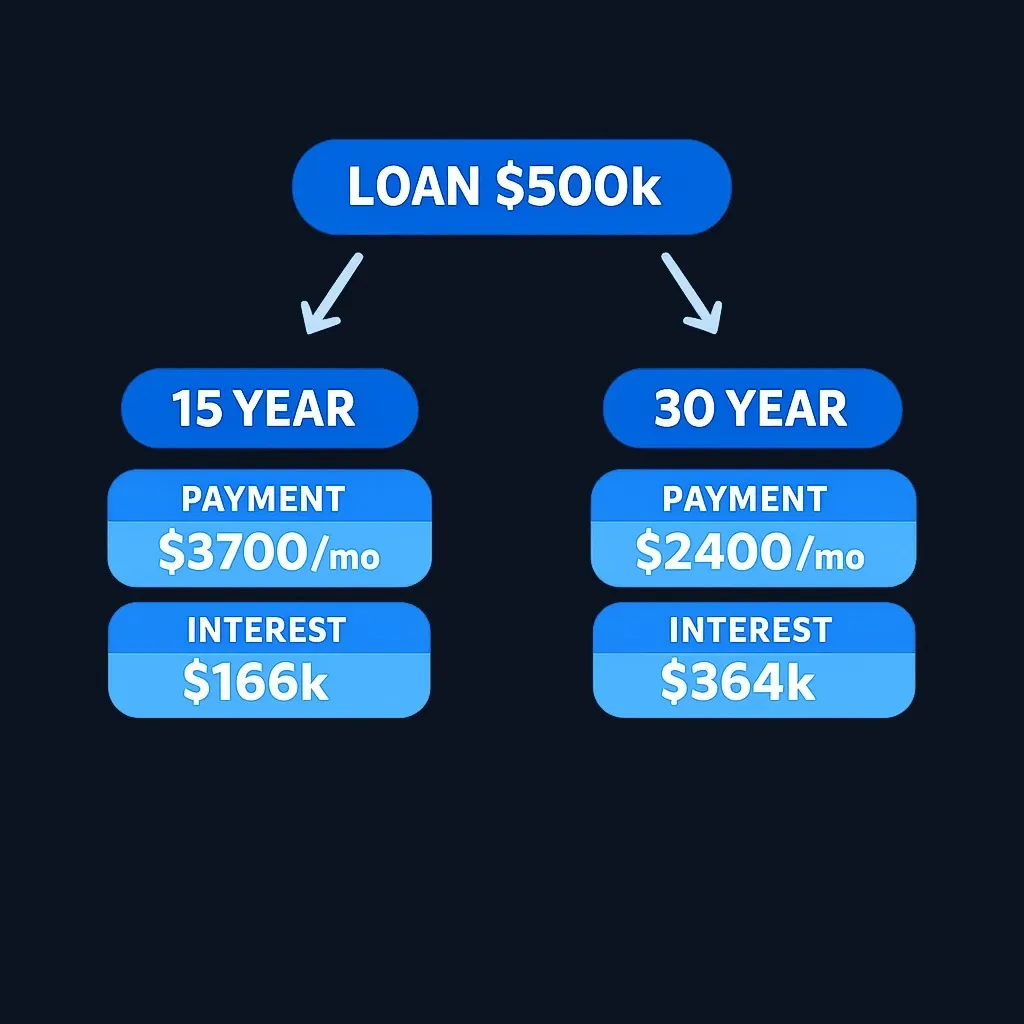
- Loan term and amortization: Longer terms reduce debt service but raise total interest paid.
- Prepayment clauses and call provisions: Understand if you can refinance without penalty.
- Collateral and cross-defaults: Lenders may require cross-collateralization across properties or borrower assets.
- Covenants tied to environmental or operational practices: Some lenders require stewardship standards.
Negotiation tip: If you're a passive investor considering a partnership, negotiate distributions, governance rights, and exit mechanics before funding.
Current trends in farmland investing and implications
A few structural trends shape farmland markets and investor choice.
Institutional size and market share
- Farm real estate comprises a substantial share of U.S. farm assets; for example, farm real estate (land and structures) accounted for a forecasted $3.67 trillion — about 83.6% of total U.S. farm assets in 2025 USDA Economic Research Service. Check current data on official sources for updates.
Trend implications and practical takeaways
- Growing institutional interest can increase competition for prime parcels and push prices in some regions. Expect more institutional products (funds, partnerships) aimed at investors who want exposure without direct management.
- Non-farm income strategies (solar leases, conservation payments) are being used to supplement farm income; evaluate whether these uses align with long-term land value.
- Climate and water stress are reshaping regional risk profiles — adapt due diligence to include climate resilience and long-range water planning.
How to adapt as an investor
- Focus on supply‑side fundamentals in your target region (who buys, who sells, development pressure).
- Prioritize parcels with stable water access and multiple plausible uses if markets shift.
- Consider blended strategies (ownership of some direct land plus exposure to funds) to balance control and liquidity.
Conclusion and next steps
Farmland can be a valuable portfolio diversifier, offering both income and potential long-term appreciation. Your best approach depends on whether you value control, liquidity, or diversification.
Actionable next steps
- Clarify your objectives: income, appreciation, stewardship, or tax planning.
- Use the Decision framework and checklists above to screen options.
- Build a local advisory team (attorney, agronomist, broker) before bidding on property.
- For fund or platform offers, request manager track records, fee schedules, and exit terms.
If you want to continue learning about investment asset classes and decision frameworks, explore Finelo’s educational library for comparisons and checklists.
FAQ
What are the benefits of investing in farmland?
Farmland offers both potential rental income and capital appreciation tied to land scarcity and agricultural demand. It can diversify portfolios because its performance may be driven by different factors than stocks or bonds.
How can I assess the quality of farmland before investing?
Use a structured due diligence checklist: verify title, run soil tests, confirm water access and rights, inspect infrastructure, and review tenant and lease history. Visit properties in person and consult local extension services.
What financing options are available for farmland investments?
Common options include traditional farm mortgages from local lenders, government-backed programs for qualifying buyers, seller financing, and equity partnerships with operators. Each option changes cash flow, control, and risk.
How does climate change affect farmland investments?
Climate change can alter growing zones, yield stability, and water availability. Adapt due diligence to assess long-term water security, soil resilience, and the potential need for different crops or management practices. Be prepared to consider diversification by region or crop type.
Sources and Further Verification
More from Finelo
- How to Invest in Music Royalties: Platforms, Rights, Costs, and Risks
- 1031 Exchange vs. Opportunity Zone: Key Differences
- 83(b) Election: Deadlines, Tax Risks, and When Early Filing May Fit
Disclaimer
This article is provided by Finelo for educational and informational purposes only. Finelo does not provide financial, investment, tax, legal, or insurance advice. Consider your circumstances and consult an appropriately qualified professional before making financial decisions.
InvestingBeginner GuideFinancial Education
Practice investing with Finelo
Build practical investing skills with guided lessons, simulator practice, and structured challenges.
About the author
Finelo Team
The Finelo Team creates practical investing and trading education designed to help beginners learn faster with structured challenges, simulator practice, and bite-sized lessons.
Keep reading — Related articles

Investing
Yield to Call vs Yield to Maturity: Assumptions and Bond Risks
Yield to call (YTC) estimates a bond's yield if the issuer redeems it on an eligible call date; yield to maturity (YTM) estimates yield if it remains outstanding to final maturity.
Finelo Team

Investing
Will My Employer Know If I Take a 401(k) Loan?
Who this page is for: readers new to 401(k) loans who want a practical, privacy‑focused explanation — what your employer can see, how to limit visibility, and the financial tradeoffs to weigh.
Finelo Team
Investing
What Medical Expenses Qualify for a 401(k) Hardship Withdrawal?
Before you decide, confirm three things with your plan administrator:
Finelo Team