Last editorial review: September 8, 2026
How to Invest in Music Royalties: Platforms, Rights, Costs, and Risks
You can invest in music royalties by buying a stake in a song or catalog (direct purchase), using marketplaces or auction platforms that list royalty streams, joining fractional platforms…
14 min read
Practice investing with Finelo
Build practical investing skills with guided lessons, simulator practice, and structured challenges.
Want to learn more?
Build practical investing skills with guided lessons, simulator practice, and structured challenges.
Explore FineloExplore Finelo's 28-day challenges
Turn learning into a daily habit with guided challenge paths.
U.S. scope: This article discusses U.S. institutions, financial products, tax rules, and dollar examples unless stated otherwise. Rules and product terms may change; verify current official guidance for your situation.
Quick answer
You can invest in music royalties by buying a stake in a song or catalog (direct purchase), using marketplaces or auction platforms that list royalty streams, joining fractional platforms that sell slices of catalogs, or investing in pooled funds that own many catalogs. Each route changes liquidity, due diligence needs, fees, and hold horizon — match the route to your time horizon and risk tolerance. (Educational note: this article is educational, not financial or legal advice; investing can lose value.)
Introduction to Music Royalties
Music royalties are recurring payments tied to specific uses of a musical work (the composition) or a sound recording (the master). When you buy a royalty stream, you buy rights to receive some or all future payments generated by plays, downloads, broadcasts, sync licenses, or other commercial uses. Investors treat those future cash flows as an income-producing asset: you pay an upfront price and then collect whatever the asset earns over time.
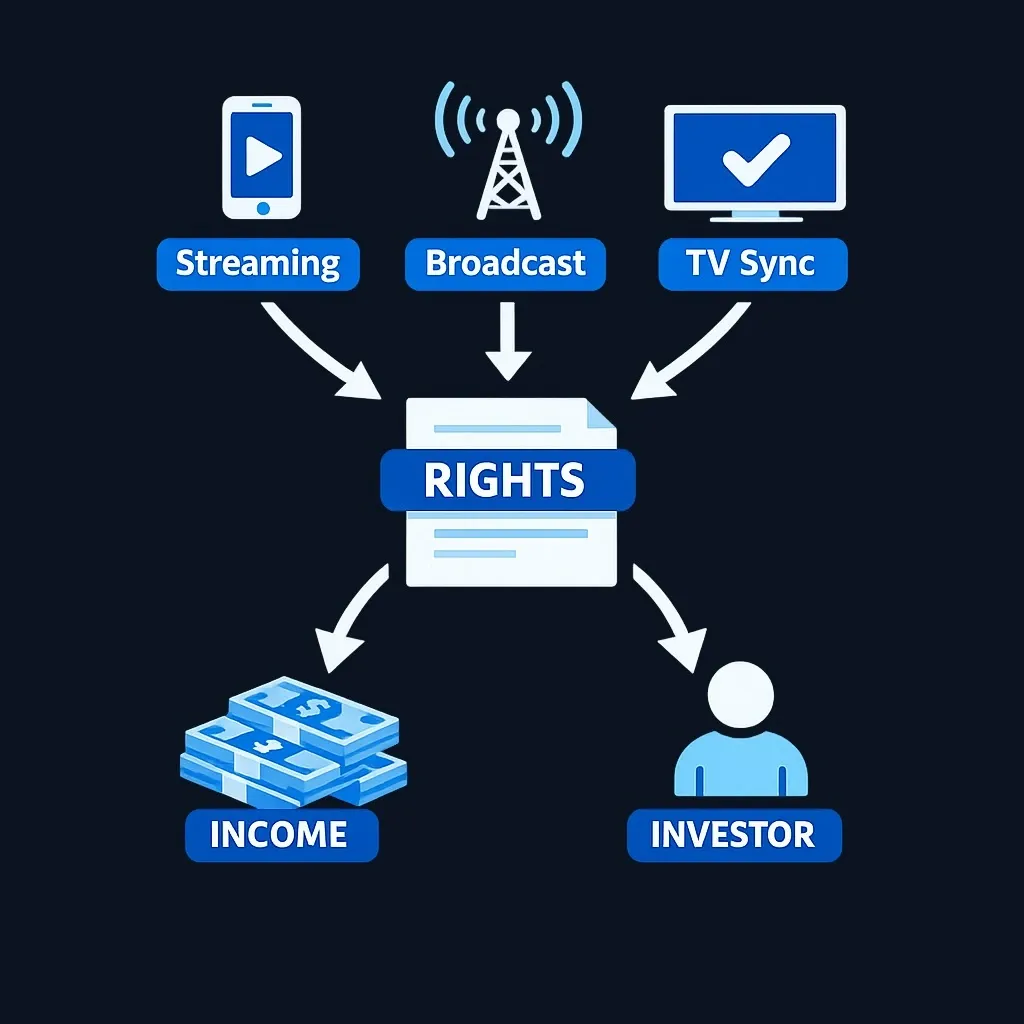
Why they matter: royalties are a consumer-driven income stream that often behaves differently from public markets. That makes them a potential diversification tool for income-focused allocations or alternative-investment sleeves. After reading this piece you will be able to name the main royalty types, compare entry routes, follow a step-by-step start plan, apply a compact scoring checklist to evaluate catalogs, and use a decision framework when you find a deal.
What to know before deciding
Before committing capital, be clear about three practical constraints that shape outcomes.
- Liquidity and horizon: royalty investments are typically illiquid compared with stocks and bonds. Reselling a catalog can take weeks to months, and private-market buyers are selective.
- Due diligence burden: direct purchases require legal title checks, split and ownership verification, and statement reconciliation. Marketplaces reduce origination work but do not remove legal risk.
- Income variability: royalties depend on listener behavior, licensing demand (for syncs or ads), and platform payout regimes; payments can fluctuate month to month.
Educational note: this content is educational only. Confirm tax treatment, local regulations, and suitability with qualified professionals before investing.
Understanding Different Types of Music Royalties
Music income divides into legally distinct streams. Know which stream you’re buying — it determines who pays, how, and where the revenue appears.
Performance royalties
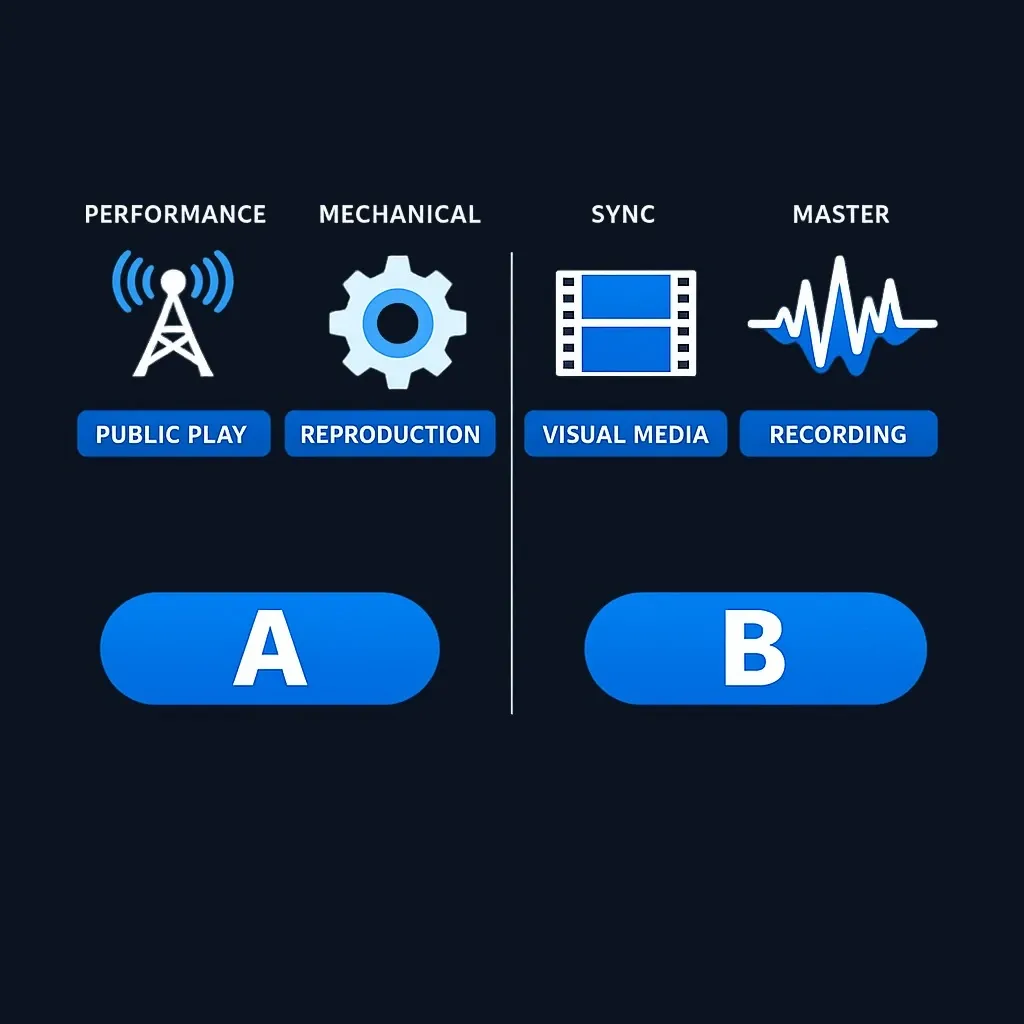
Performance royalties arise when a composition is publicly performed: radio, live shows, certain streaming activity, and public broadcasts. Performing rights organizations (PROs) in each territory collect and distribute these payments to writers and publishers.
Mechanical royalties
Mechanical royalties are paid when the composition is reproduced or exploited—for example, downloads and certain streaming uses that trigger mechanical licensing. In the U.S., the Music Modernization Act designated the Mechanical Licensing Collective (The MLC) to collect and distribute U.S. mechanical royalty payments under Title I of the Act (U.S. Copyright Office — Music Modernization Act). If you acquire mechanical income in the U.S., confirm registration and transfer procedures with The MLC.
Synchronization (sync) fees
Sync fees are negotiated one‑time licenses to use a composition or master in visual media (film, TV, advertising, games). Syncs can generate outsized, lumpy income that’s often quoted separately from streaming splits. Unless a license includes ongoing royalties, most syncs are front‑loaded payments.
Master (sound recording) royalties
Master royalties come from exploitation of the sound recording itself. Owners of masters (labels, independent rights-holders) receive streaming, download, and license revenue tied to the master. Composition (publishing) and master income are distinct; buying one does not necessarily grant the other.
Neighboring rights and admin/publishing income
Neighboring rights are collection categories for recording performance income in some countries. Publisher admin or collection agreements determine whether a publisher collects and remits certain international royalties. International flows can involve multiple societies and longer payment lags; verify which collections are included in any sale.
Why Invest in Music Royalties?
Investors consider music royalties for several structural benefits — plus tradeoffs you must weigh.
- Income generation: royalties can produce recurring cash flows directly tied to consumption and licensing events rather than corporate profits.
- Portfolio diversification: music revenue is driven by cultural demand and licensing activity, which may decorrelate from traditional markets.
- Long-tail potential: many songs produce modest but steady revenue for years; others benefit from episodic spikes (viral moments, sync placements).
- Unique upside scenarios: a well‑timed sync or placement can sharply increase cash flows; that upside is often the speculative case behind buying a catalog.
Tradeoffs and practical caveats
- Predictability vs. upside: established hits tend to be more stable; new or viral tracks offer higher upside and higher risk.
- Valuation complexity: forecasting requires assumptions about platform payouts, playlist positions, catalog decay, and future licensing.
- Administration and fees: collection requires accurate registrations and sometimes third‑party administrators. Managers and platforms charge fees that reduce net returns.
- Concentration risk: single-song or single-artist catalogs can be dominated by a handful of income sources; concentration increases volatility.
Investor framing: royalties can suit an income-oriented investor who accepts illiquidity, variability, and administrative overhead. If you need a predictable short-term cash cushion, public high-quality fixed income may be simpler. Consult tax and legal advisors for jurisdiction-specific implications.
How to Start Investing in Music Royalties
Follow a structured, stepwise approach to reduce common errors.
1) Choose an access route
- Direct purchase (private sale): you buy an entire catalog or specified shares. Expect intensive legal and accounting work.
- Marketplaces and auctions: platforms list catalogs or streams for sale and often provide historical statements; they simplify discovery but still require document verification.
- Fractional platforms: sell slices of catalogs or pooled assets, lowering minimums and spreading single‑asset risk.
- Pooled funds or managers: funds aggregate many catalogs to reduce single-song concentration, but add manager fees and less transparency over individual holdings.
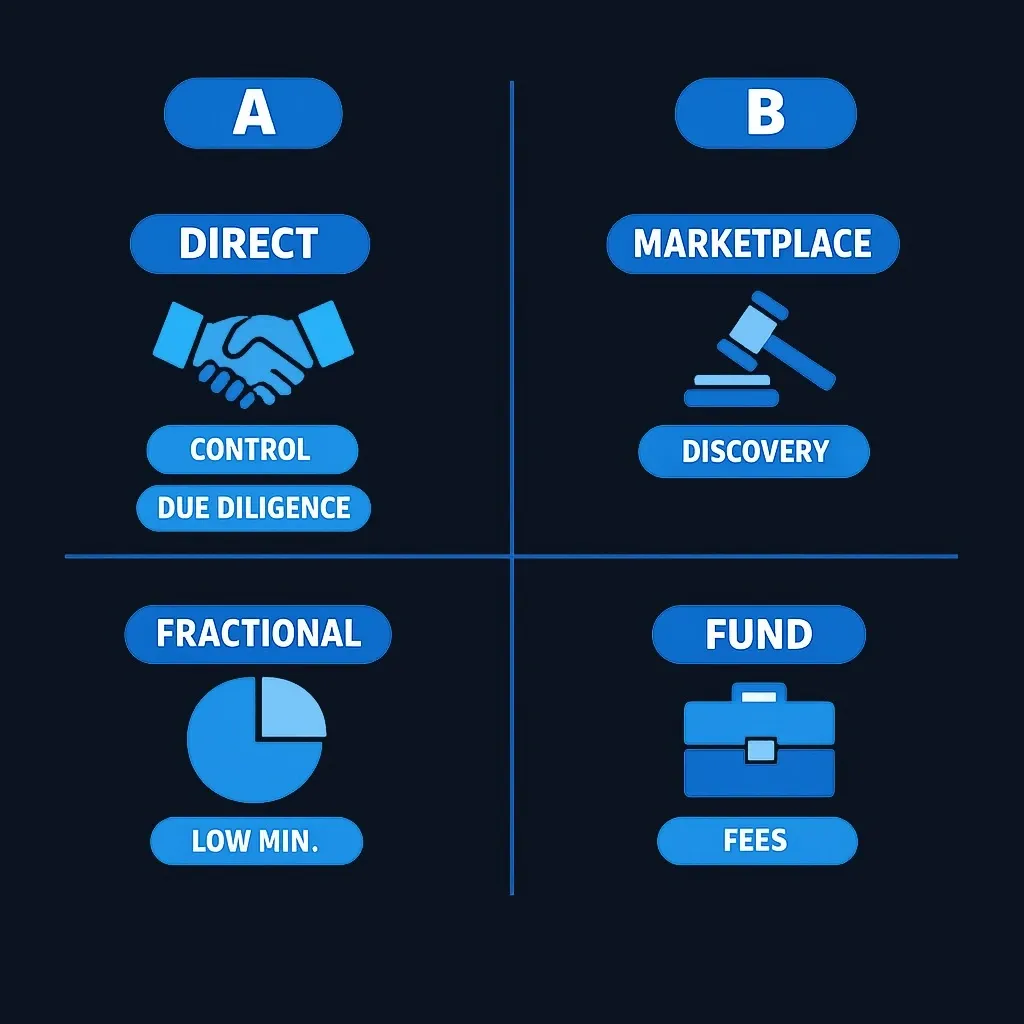
Match the route to capital, desired involvement, and liquidity needs. Smaller investors typically start with fractional offerings or pooled vehicles to gain exposure without sourcing direct deals.
2) Onboard and secure documentation
- Marketplaces: complete investor onboarding, identity verification, and platform agreements.
- Direct deals: engage a music‑specialist attorney and an accountant. Make legal title review and clean registrations a condition precedent in the purchase agreement.
3) Request, collect, and verify data
Ask sellers for:
- 12–36 months of royalty statements, broken down by income source and territory.
- Registration records with relevant PROs, publishers, and mechanical administrators.
- Copies of significant licensing agreements, especially active sync deals.
Where possible, reconcile statements with platform reports or contact current administrators to confirm transfer logistics.
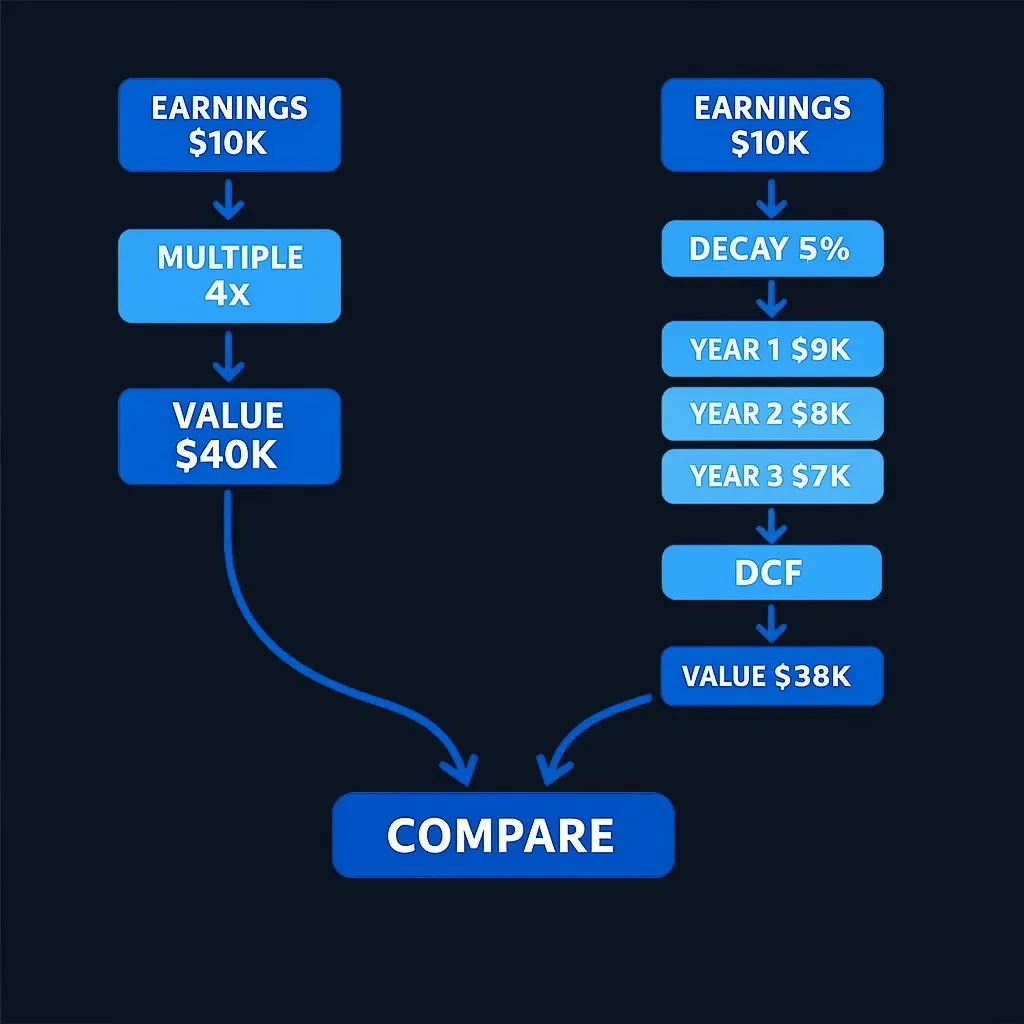
4) Valuation approach
Use two complementary valuation methods:
- Multiple of historical net earnings (trailing 12 months, adjusted for one‑offs).
- Discounted cash flow (DCF) with conservative decay and growth assumptions.
Create sensitivity scenarios (baseline, downside, upside) and treat anticipated sync placements as contingent upside unless contractually committed.
5) Close, transfer title, and re-register
- Execute assignment and warranties that transfer the specified rights.
- Update registrations with PROs, publishers, and mechanical administrators to ensure collections route to the buyer.
- If U.S. mechanicals are involved, confirm how The MLC will reflect the ownership update (U.S. Copyright Office — Music Modernization Act).
6) Ongoing monitoring and administration
- Compare incoming statements with your acquisition model monthly or quarterly.
- Keep registrations and split sheets current and monitor for new placements, covers, or remixes.
- If you lack bandwidth, contract a publisher/administrator to collect and administer, but understand their fees.
Practical tip: legal title and registrations are non‑negotiable. Incorrect or missing registrations are the most common cause of delayed collections.
Decision framework
Use this compact checklist to move from interest to go/no‑go.
-
Objective alignment
- Are you prioritizing steady income, long-term appreciation, or a speculative flip?
- Do you require liquidity in the near term?
-
Rights and scope confirmation
- Precisely which rights transfer? (publisher share, writer share, master, full composition)
- Any geographic or term limits?
-
Financial due diligence
- Are 12–36 months of statements available and consistent?
- Are earnings diversified across sources (streaming, sync, radio) or concentrated?
-
Legal/title due diligence
- Is title free of liens and encumbrances?
- Are splits among co‑writers clearly documented?
-
Risk assessment
- Concentration risk: does one song represent a large share of income?
- Trend risk: is revenue declining or volatile?
-
Valuation sanity checks
- Do multiple approaches (multiple vs DCF) roughly converge?
- Under conservative stress, does the price still reflect acceptable compensation?
-
Exit plan
- Can you resell via a marketplace or broker?
- Are there contractual limits on resale or transfer?
Worked example (hypothetical)
- Income-first buyer: wants steady payouts and finds a catalog where dozens of songs each contribute modest, stable income. They accept a higher multiple for predictability and plan a multi-year hold.
- Speculative buyer: sees a catalog driven by one viral track. They demand a steep discount to compensate for concentration, or they decline if they need predictable cash flow.
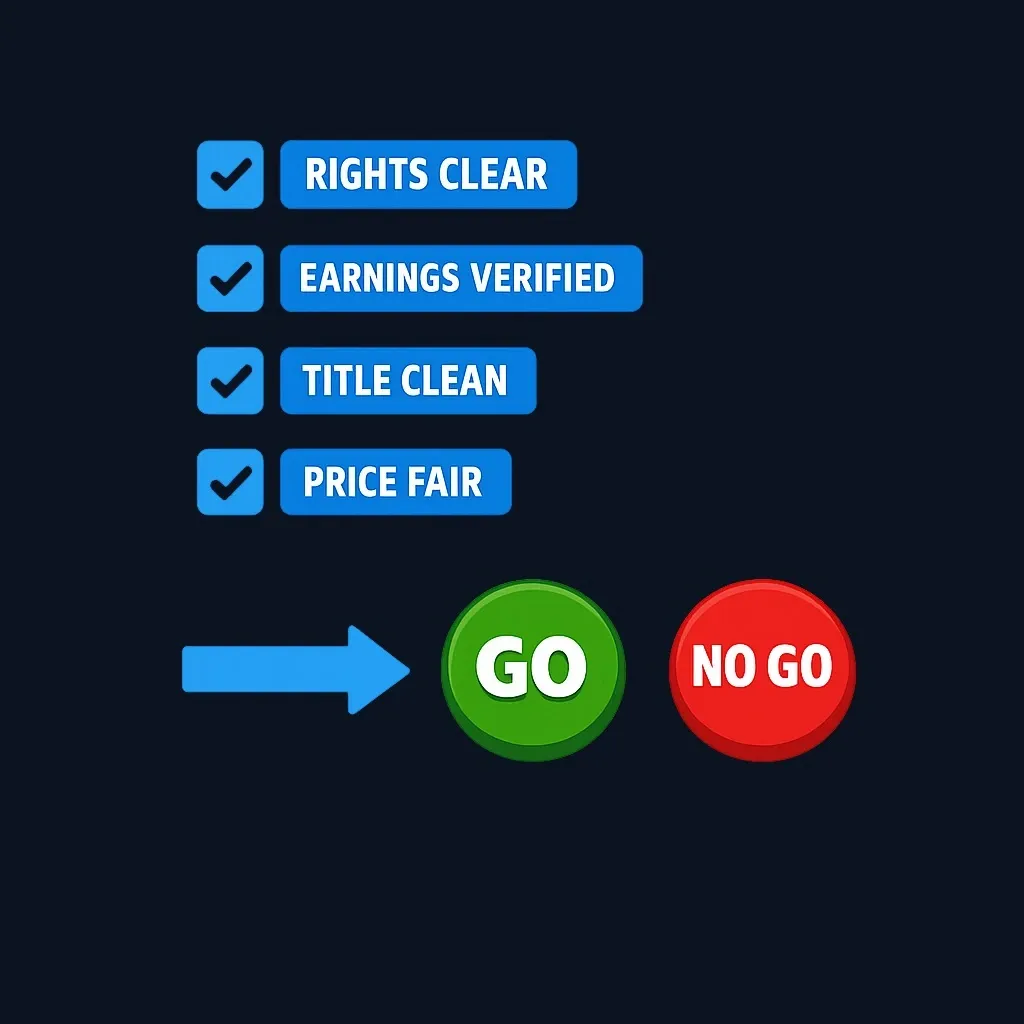
Quick go/no‑go checklist
- Do you understand exactly which rights transfer?
- Are 12+ months of earnings verified?
- Has counsel confirmed clean title?
- Does the price compensate for illiquidity and expected admin fees?
Evaluating Music Catalogs for Investment
Apply a reproducible scorecard to compare catalogs quickly. Score each factor 1–5 (higher is better).
| Factor | What to check |
|---|---|
| Historical transparency | Detailed, itemized statements for 12–36 months; consistent formats. |
| Income diversification | Multiple revenue sources (streaming, sync, radio, mechanicals) and multiple territories. |
| Payout stability | Low month-to-month volatility and no single source >50% of income. |
| Legal/title clarity | Clear splits, no liens, written assignments for all contributors. |
| Admin & registration | Registrations with relevant PROs and mechanical administrators; timely collections. |
| Growth catalysts | Known upcoming placements, active promotion, or catalog reissues (treat as upside). |
| Transfer logistics | Simple assignment process and no contractual transfer restrictions. |
| Fee burden | Expected admin/manager fees and platform commissions are reasonable relative to income. |
How to use the scorecard
- Tally scores and prioritize catalogs above your internal threshold (e.g., total >28 out of 40).
- Use the scorecard to compare multiple offers and to standardize pre-offer data requests.
Checklist for documents to request before an offer
- 12–36 months of royalty statements by source and territory.
- Registration confirmations with involved PROs and administrators.
- Contracts for significant sync placements or licensing agreements.
- Evidence of no liens or encumbrances; written split sheets for co‑writers.
Red flags that require escalation
- Missing or inconsistent statements.
- Incomplete registration data or unresolved ownership splits.
- One song representing an outsized share of revenue without contractual guarantees.
Practice investing with Finelo
Build practical investing skills with guided lessons, simulator practice, and structured challenges.
Risks and Considerations in Music Royalty Investments
Understand major risks and mitigations.
-
Revenue volatility and decay
- Streams can decline as tastes shift. Mitigation: prefer diversified catalogs or demand a lower price for concentrated catalogs.
-
Concentration and single-hit risk
- A single hit can dominate income. Mitigation: perform scenario analysis and require deeper discounts for concentration.
-
Registration and collection failures
- Improper registrations, split errors, or missed filings can block collections. Mitigation: insist on title warranties and confirm registrations before closing.
-
Legal and contractual traps
- Contracts may contain recoupment, admin fee escalators, or termination clauses. Mitigation: have counsel review for hidden encumbrances and unfavorable clauses.
-
Platform and market risk
- Platforms can change fee structures, or secondary markets can be thin. Mitigation: understand exit options and platform terms.
-
Currency and international collection lag
- International royalties may be delayed and subject to FX swings. Mitigation: model payment lag and consider FX exposure in valuation.
-
Tax and regulatory risk
- Tax rules for royalty income and capital events vary by jurisdiction. Mitigation: consult tax counsel for jurisdiction-specific treatment.
Practical risk-management tips
- Demand seller warranties and escrow for a portion of sale proceeds until title is fully transferred.
- Model conservative decay rates and stress scenarios.
- Avoid deals that rely on speculative, uncontracted future sync placements as primary return drivers.
The Impact of Streaming Services on Music Royalties
Streaming dominates how listeners consume recorded music and therefore shapes royalty cash flows in important ways.
- Revenue composition: a larger share of recorded-music income now flows from streaming platforms. That shifts the shape of payouts toward per-stream economics and playlist performance.
- Playlist dynamics: playlist placement, editorial support, and algorithmic feature slots can materially affect stream counts and therefore income.
- Per-stream variability: per-stream rates vary by platform, territory, and subscription type; modeling must account for these differences and potential future shifts.
- Long-tail behavior: streaming supports long-tail listening—older or niche songs can generate steady low-level income over many years, which can be attractive for predictable cash flows.
Investor implications
- Focus more on streaming trend data in statements and on platform-specific breakdowns when available.
- Treat playlist and algorithm exposure as a source of variability and, potentially, upside.
- Consider whether a catalog’s audience skews toward stable catalog listeners or volatile viral audiences; the former tends to be more predictable.
Case Studies: Hypothetical Worked Examples
Because named public case studies require verified sources, the examples below are anonymized, realistic scenarios that show how investors analyze deals.
Case study A — Diversified catalog (hypothetical)
Background: A catalog contains 60 songs across several genres. No single song contributes more than 6% of total income. Statements show stable month‑to‑month streaming revenue with occasional minor sync payments.
Analysis steps
- Scorecard: high marks for diversification and payout stability.
- Valuation: apply a conservative multiple to trailing 12‑month net income and cross‑check with a DCF assuming 3–5% annual decay.
- Legal check: clean title, registrations current, no liens. Decision: attractive for an income-first buyer willing to pay a moderate multiple and hold for multiple years.
Case study B — Viral-concentrated catalog (hypothetical)
Background: A small catalog’s income is 70% from a single viral track whose plays surged last year. No confirmed sync deals exist, and future streams are uncertain.
Analysis steps
- Scorecard: low diversification, high trend risk.
- Valuation: discount heavily for concentration; run downside scenarios where streams fall 50–80%.
- Legal check: ownership splits are clear, but the buyer requires seller escrow for 6 months to cover any re-attribution claims. Decision: avoid unless price offers a large margin for downside or the buyer is explicitly speculating on continued virality.
How investors use these models
- Scenario modeling lets you see how price changes under different realistic outcomes.
- Hypothetical cases highlight the importance of diversification, legal clarity, and conservative stress-testing.
FAQ
What are music royalties?
Music royalties are payments to rights‑holders when a composition or sound recording is used commercially—through streaming, downloads, broadcasts, public performance, or synchronization with visual media.
How do I invest in music royalties?
Common routes are direct purchases of catalogs, marketplace listings and auctions, fractional platforms that sell slices of catalogs, or pooled funds. Each route trades off minimum investment, liquidity, and due diligence burden.
What types of royalties can I earn?
Major categories are performance royalties (public performance), mechanical royalties (reproduction and many streaming uses), sync fees (placement in visual media), master recording royalties (owner of the sound recording), and neighboring/admin collections across territories.
Can I lose money investing in music royalties?
Yes. Income can decline, ownership can be misregistered, and resale markets are illiquid. Model downside scenarios, insist on clean title, and consult legal and tax advisors before investing.
Conclusion and Next Steps
Music royalties can offer income diversification and exposure to a consumer-driven revenue stream, but they require careful legal, financial, and operational diligence. Start small: use fractional platforms or pooled funds to learn the mechanics, insist on 12–36 months of statements, secure legal confirmation of title, and run conservative stress tests before bidding.
For more on alternative assets and practical investing frameworks, visit Finelo’s education hub at .
Sources and Further Verification
More from Finelo
- How to Invest in Farmland: Direct Ownership, Funds, Costs, and Risks
- 1031 Exchange vs. Opportunity Zone: Key Differences
- 83(b) Election: Deadlines, Tax Risks, and When Early Filing May Fit
Disclaimer
This article is provided by Finelo for educational and informational purposes only. Finelo does not provide financial, investment, tax, legal, or insurance advice. Consider your circumstances and consult an appropriately qualified professional before making financial decisions.
InvestingBeginner GuideFinancial Education
Practice investing with Finelo
Build practical investing skills with guided lessons, simulator practice, and structured challenges.
About the author
Finelo Team
The Finelo Team creates practical investing and trading education designed to help beginners learn faster with structured challenges, simulator practice, and bite-sized lessons.
Keep reading — Related articles
Investing
Yield to Call vs Yield to Maturity: Assumptions and Bond Risks
Yield to call (YTC) estimates a bond's yield if the issuer redeems it on an eligible call date; yield to maturity (YTM) estimates yield if it remains outstanding to final maturity.
Finelo Team

Investing
Will My Employer Know If I Take a 401(k) Loan?
Who this page is for: readers new to 401(k) loans who want a practical, privacy‑focused explanation — what your employer can see, how to limit visibility, and the financial tradeoffs to weigh.
Finelo Team

Investing
What Medical Expenses Qualify for a 401(k) Hardship Withdrawal?
Before you decide, confirm three things with your plan administrator:
Finelo Team