Last editorial review: September 8, 2026
Inherited Brokerage Accounts: Taxes, Cost Basis, and Next Steps
An inherited brokerage account is a taxable investment account you receive after the owner dies. Your first job is not to trade. It is to confirm ownership, collect account records, and…
13 min read
Practice investing with Finelo
Build practical investing skills with guided lessons, simulator practice, and structured challenges.
Want to learn more?
Build practical investing skills with guided lessons, simulator practice, and structured challenges.
Explore FineloExplore Finelo's 28-day challenges
Turn learning into a daily habit with guided challenge paths.
U.S. scope: This article discusses U.S. institutions, financial products, tax rules, and dollar examples unless stated otherwise. Rules and product terms may change; verify current official guidance for your situation.
Quick answer
An inherited brokerage account is a taxable investment account received after an owner dies. Before trading, confirm legal authority, collect account records, and verify each asset's tax basis. IRS Publication 559 says inherited property basis is generally fair market value at the date of death or the alternate valuation date if properly elected, but exceptions can apply (IRS Publication 559). Do not assume every inherited asset receives a simple “step-up,” and do not substitute the decedent's original purchase price without reviewing the estate records.
Educational note: This content is for general financial education, not financial, investment, tax, or legal advice. Investing can involve loss, and inherited-account decisions can affect taxes, cash flow, and estate settlement.
What to know before deciding
An inherited brokerage account usually contains non-retirement investments, such as stocks, funds, bonds, or cash. It is different from inheriting personal property because each holding may have its own tax lot, price history, income history, and cost-basis record.
Before making decisions, separate three questions:
- Who controls the account now? The answer may depend on the account title, beneficiary designation, estate documents, or trust instructions.
- What is the tax basis of each holding? This affects the gain or loss if you sell.
- What role should these assets play in your life? The inherited portfolio may not match your cash needs, risk tolerance, or existing investments.
The emotional side matters too. Many beneficiaries feel pressure to “do something” quickly, especially when the account belonged to a parent, spouse, or close relative. A short pause can help you avoid selling for emotional relief before you understand the paperwork.
Documents to collect first
Use this checklist before you place trades or transfer assets:
| Document or detail | Why it matters | Practical takeaway |
|---|---|---|
| Death certificate | Brokers usually need proof before processing beneficiary claims | Ask how many copies the custodian needs |
| Account statements | Shows holdings, cash, dividends, and account type | Save statements before and after transfer |
| Cost-basis report | Helps calculate gain or loss when assets are sold | Review every holding, not just the account total |
| Beneficiary or estate paperwork | Confirms who can act on the account | Do not assume one heir can direct all trades |
| Trade confirmations | Supports future tax reporting | Download confirmations after each sale |
If the account includes inherited stock, cost basis is central. Fidelity’s inherited-stock guidance focuses on cost basis, capital gains, and the need to coordinate tax decisions with a qualified advisor Fidelity.
State-specific considerations
State rules can affect estate administration, transfer timing, and whether you need local tax or legal help. Instead of guessing, ask a local estate attorney or tax professional these questions:
- Does the estate need to file anything in the decedent’s state?
- Does your state treat inherited assets differently from the decedent’s state?
- Are there state-level deadlines before assets can be distributed?
- Is the account controlled by a trust, estate, transfer-on-death registration, or beneficiary form?
A practical example: if you live in one state and the account owner lived in another, do not assume your own state’s process controls everything. Ask the broker which documents it needs, then confirm state-specific obligations with a qualified professional.
Understanding the tax implications
The main tax issue in an inherited brokerage account is what happens when you sell inherited investments. The sale may create a capital gain or capital loss, depending on the asset’s sale price and its basis. Fidelity’s guidance on inherited stock discusses cost basis, capital gains, and loss carryforwards for inherited assets Fidelity.
What cost basis means
Cost basis is the value used to measure gain or loss when an investment is sold. If you sell above basis, you may have a gain. If you sell below basis, you may have a loss.
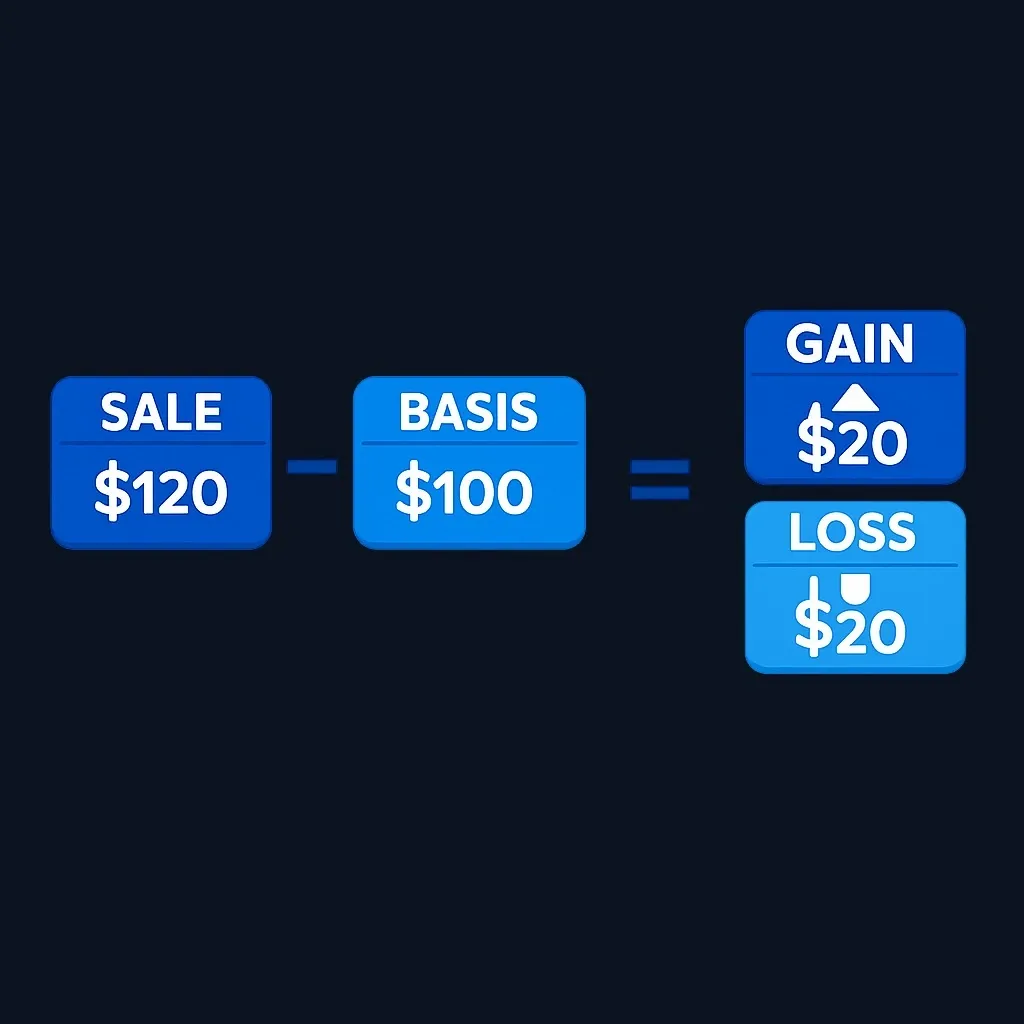
For inherited assets, the basis calculation can be one of the most important items on the account. Do not rely only on memory, family estimates, or the decedent’s original purchase price. Ask the custodian for its formal basis records, then review them with your tax preparer.
How inherited basis affects decisions
People often call the inherited-basis rule a “step-up,” but the adjustment can be upward or downward. Basis is generally fair market value at the date of death, or the alternate valuation date when validly elected, subject to exceptions (IRS Publication 559). In practical terms, this may reduce a gain when the prior owner held appreciated investments, but it can also reduce basis for an asset that declined.
Here is a simple hypothetical example:
- Your aunt bought shares years ago for a low price.
- You inherit those shares through a brokerage account.
- The broker reports an inherited basis that is much higher than the original purchase price.
- If you sell near that reported basis, the gain may be smaller than you expected.
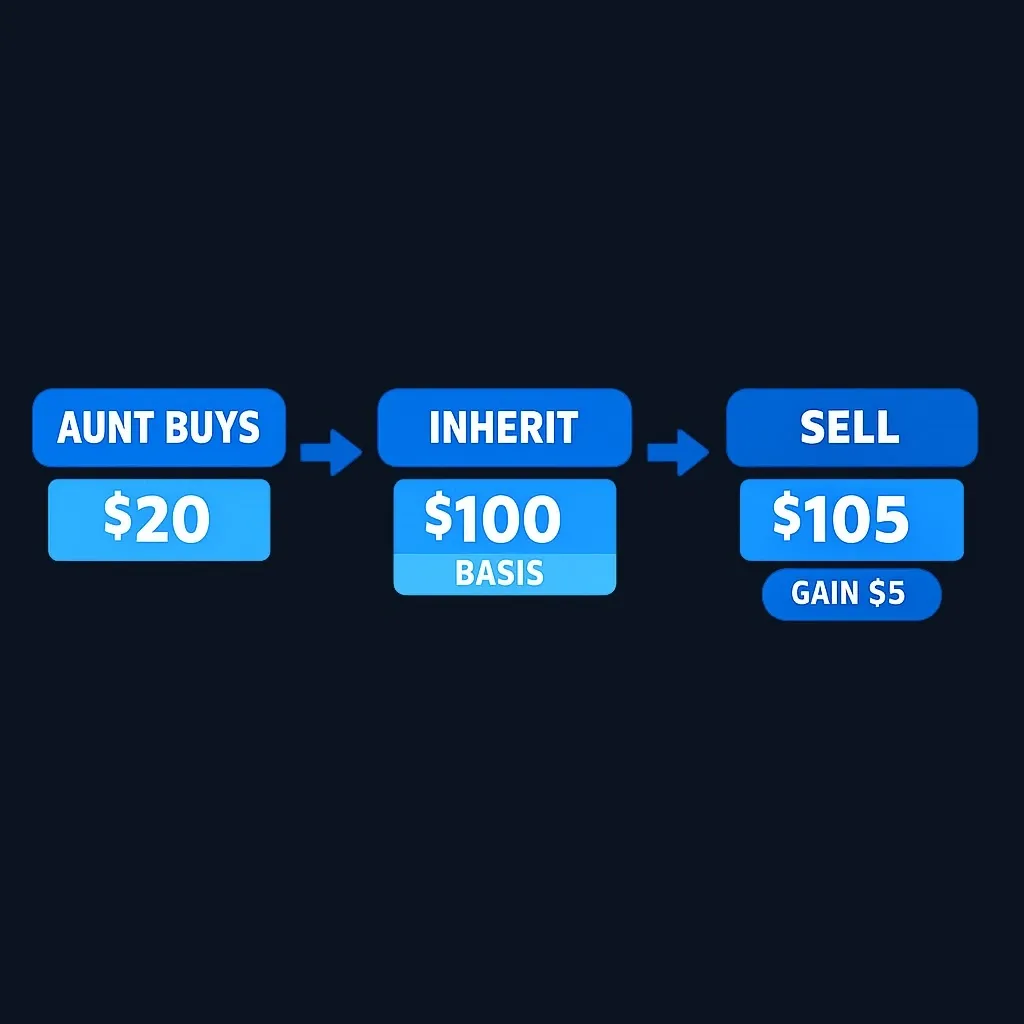
The lesson is not “sell immediately.” The lesson is to verify the basis before you decide. A sale that looks taxable under the original purchase price may look different once inherited-basis records are reviewed.
What if the assets lose value?
Inherited assets can also decline after you receive them. Net capital losses are generally subject to the annual federal deduction limit, with eligible excess carried to later years; the commonly cited $3,000 limit is reduced to $1,500 for married taxpayers filing separately (IRS Topic No. 409). State treatment may differ.
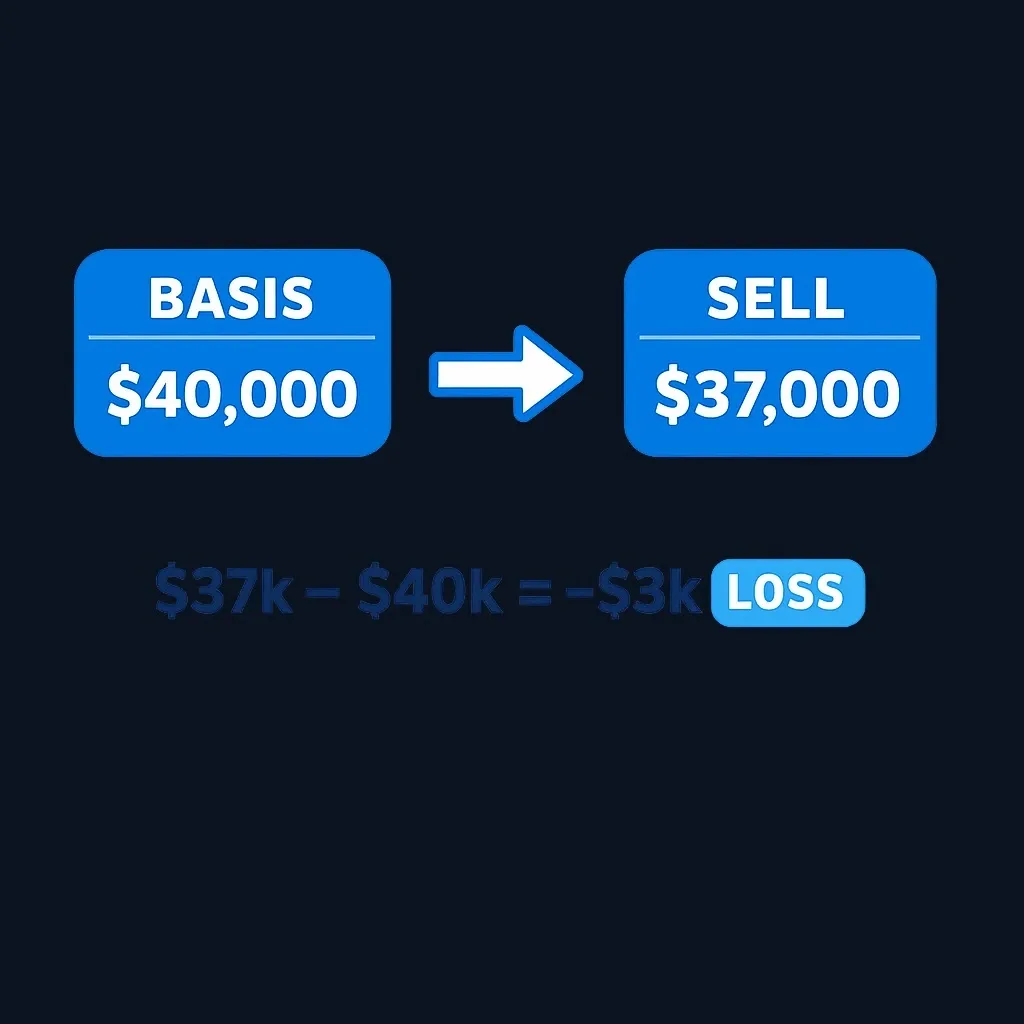
A hypothetical example: you inherit a diversified fund with a reported basis of $40,000. Later, you sell it for $37,000. The $3,000 difference may be relevant to your tax return, but how it fits with your other gains and losses depends on your full situation.
Decision framework
The best answer to “What should I do with an inherited brokerage account?” depends on taxes, risk, liquidity, and your personal timeline. Use this framework to turn the account from an emotional event into a structured decision.
Step 1: Stabilize the account
Start by confirming access, authority, and paperwork. Contact the custodian, ask for the beneficiary process, and request account records. Avoid unnecessary trades until you understand who can act and how basis will be reported.
If several beneficiaries are involved, write down who is authorized to communicate with the broker. Family conflict often starts when one person acts faster than others expected.
Step 2: Sort assets by purpose
Group the account into three buckets:

| Asset group | Possible use | Key question |
|---|---|---|
| Cash or cash-like holdings | Estate costs, personal cash needs, short-term goals | Is this needed soon? |
| Diversified investments | Long-term investing or gradual rebalancing | Does this fit your broader plan? |
| Concentrated or unfamiliar holdings | Review, staged sale, or risk reduction | Would you buy this today with your own money? |
That last question is useful because inherited assets can feel different from assets you choose yourself. If you would not buy the position today, ask why you are comfortable keeping it.
Step 3: Estimate tax impact before trading
Before selling, compare the current market value with the reported basis. If the difference is small, tax may not be the main issue. If the difference is large, timing, lot selection, and your broader tax picture may matter more.
This is where a tax professional can add value. Fidelity specifically recommends working with a qualified tax advisor when using inherited assets and loss rules Fidelity.
Step 4: Choose a path
Most beneficiaries fall into one of four paths:
| Path | When it may fit | Watch out for |
|---|---|---|
| Hold | The investments fit your goals and risk tolerance | Concentration and emotional attachment |
| Sell | You need cash or do not want the risk | Basis errors and taxable gains |
| Sell gradually | You want to reduce timing risk | Forgetting to track each sale |
| Transfer and reinvest | You want a simpler portfolio | Basis transfer errors between firms |
A practical case study: Jordan inherits an account with several familiar index funds and one large single-stock position. Jordan keeps the diversified funds for now, sells a small portion of the single stock after confirming basis, and schedules another review after tax season. This creates breathing room without ignoring concentration risk.
Managing your inherited assets over time
Managing an inherited brokerage account is not only a one-week task. Some decisions happen immediately, while others are better made after the estate settles and emotions calm.
The first 30 days
Focus on access, records, and risk control. Ask the broker how the account is titled, what forms are required, and whether any assets are restricted. Download statements and basis reports before the account changes.
If the account has a large single holding, review it early. You do not need to sell immediately, but you should know whether one position could dominate your finances.
The next 3 to 12 months
Once the paperwork is clearer, compare the inherited assets with your existing financial life. The account may duplicate what you already own, add more stock risk than you want, or create cash you need for near-term goals.
This is also when you can decide whether to consolidate. If you transfer assets to another brokerage, keep records from both firms. Basis details can become harder to reconstruct later.
A realistic beneficiary scenario
Maya inherits an account after her father dies. Half is in broad funds, and half is in a stock he loved. Selling it feels disrespectful, but keeping it creates stress because the account rises and falls with one company.
Maya decides to separate memory from money. She keeps a small number of shares for sentimental reasons, sells part of the position after checking basis, and uses the proceeds to build a more diversified portfolio. The key move is not the exact trade; it is using a process instead of reacting to grief.
If the account sits inside a trust
If a trust is involved, slow down and coordinate with the trustee. The trustee may have duties, investment standards, or distribution rules that affect timing. Do not assume a beneficiary can direct trades just because they will eventually receive the assets.
Practice investing with Finelo
Build practical investing skills with guided lessons, simulator practice, and structured challenges.
Common mistakes to avoid
Inherited brokerage accounts often go wrong because beneficiaries move too quickly or keep poor records. These mistakes are common, but they are also preventable.
Selling before checking cost basis
This is the biggest practical mistake. If you sell first and investigate later, you may create confusion when preparing your return. Ask for the cost-basis report before trading, especially if the account includes long-held stock.
Fidelity’s inherited-stock guidance centers on basis, capital gains, and loss treatment, which are exactly the items to review before selling Fidelity.
Assuming “inherited” means “simple”
Inherited does not always mean easy. A taxable brokerage account may be more flexible than some other inherited assets, but it can still involve basis records, estate paperwork, multiple beneficiaries, and taxable sales.
Also check the account type carefully. If you inherited an IRA or another retirement account alongside the brokerage account, treat it as a separate issue. Do not apply one account’s rules to another.
Ignoring losses
Beneficiaries often focus only on gains. Losses can matter too. Fidelity notes that losses over $3,000 can be carried forward, and it recommends using a qualified tax advisor to take full advantage of inherited assets Fidelity.
The practical fix is simple: keep sale confirmations and year-end tax forms. Your preparer needs records, not guesses.
Letting family pressure set the timeline
One heir may want to sell everything. Another may want to keep the account untouched. A third may need cash urgently.
When emotions run high, separate decisions into urgent and non-urgent categories. Estate bills and required paperwork may be urgent. Long-term investment allocation can usually wait until the facts are clear.
Forgetting to update your own plan
An inherited account can change your overall risk. You may suddenly own more stock exposure, more company-specific risk, or more cash than before. Review insurance, emergency savings, debt plans, and investment allocation after the transfer is complete.
FAQ
Do I have to pay taxes on an inherited brokerage account?
Receiving the account is only one part of the tax picture. Taxes often become a practical issue when inherited assets are sold and gain or loss must be calculated against basis. Fidelity’s inherited-stock resource focuses on cost basis, capital gains, and loss carryforwards, and it recommends working with a qualified tax advisor Fidelity.
What is a step-up in basis?
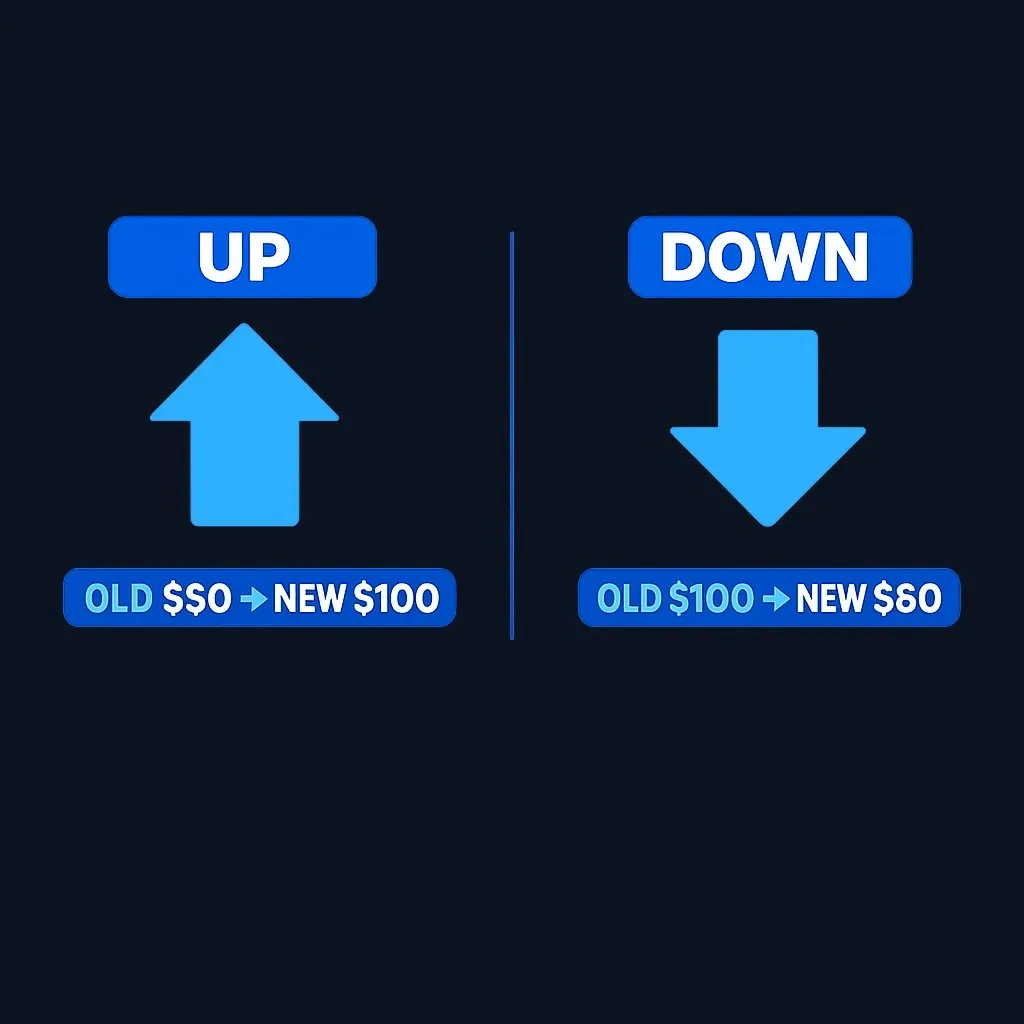
Inherited basis is generally adjusted to fair market value at death or a valid alternate valuation date, subject to exceptions. It may be higher or lower than the decedent's basis. Verify the estate's valuation and broker record before selling (IRS Publication 559).
Can I sell inherited assets immediately?
You may be able to sell after the account is transferred and you have authority to trade. The better question is whether you should wait long enough to verify basis, tax impact, and estate instructions. A quick sale can be reasonable for liquidity or risk reduction, but document the decision.
What should I do if I inherit multiple assets?
List each holding, its reported basis, current value, risk level, and purpose. Then decide whether to hold, sell, transfer, or reinvest each asset. Treat a concentrated stock differently from a diversified fund, because the risks are not the same.
Conclusion and next steps
An inherited brokerage account is both a financial asset and an administrative project. Start by confirming authority, collecting records, and reviewing cost basis. Then choose a path based on cash needs, tax impact, risk, and your broader financial life.
Your next steps are straightforward:
- Contact the custodian and request transfer instructions.
- Collect statements, cost-basis records, and tax forms.
- Avoid major trades until the basis is clear.
- Review state, estate, or trust issues with qualified professionals.
- Decide whether to hold, sell, sell gradually, or reinvest.
The strongest move is usually patience with structure. Give yourself time to understand the account, then act from a written plan rather than stress, grief, or family pressure.
Sources and Further Verification
- Fidelity
- IRS Publication 559: Survivors, Executors, and Administrators
- IRS Topic No. 409: Capital Gains and Losses
More from Finelo
- Inherited IRA Rules: Withdrawal Timelines, Taxes, and Beneficiary Options
- Art Investing for Beginners: Costs, Liquidity, Valuation, and Risks
- Business Development Companies: Yields, Fees, Risks, and How to Evaluate BDCs
Disclaimer
This article is provided by Finelo for educational and informational purposes only. Finelo does not provide financial, investment, tax, legal, or insurance advice. Consider your circumstances and consult an appropriately qualified professional before making financial decisions.
InvestingBeginner GuideFinancial Education
Practice investing with Finelo
Build practical investing skills with guided lessons, simulator practice, and structured challenges.
About the author
Finelo Team
The Finelo Team creates practical investing and trading education designed to help beginners learn faster with structured challenges, simulator practice, and bite-sized lessons.
Keep reading — Related articles

Investing
Yield to Call vs Yield to Maturity: Assumptions and Bond Risks
Yield to call (YTC) estimates a bond's yield if the issuer redeems it on an eligible call date; yield to maturity (YTM) estimates yield if it remains outstanding to final maturity.
Finelo Team

Investing
Will My Employer Know If I Take a 401(k) Loan?
Who this page is for: readers new to 401(k) loans who want a practical, privacy‑focused explanation — what your employer can see, how to limit visibility, and the financial tradeoffs to weigh.
Finelo Team

Investing
What Medical Expenses Qualify for a 401(k) Hardship Withdrawal?
Before you decide, confirm three things with your plan administrator:
Finelo Team


