Last editorial review: September 28, 2026
IRS currently not collectible vs. installment agreement
Compare temporary collection relief with scheduled IRS payments, including continuing interest, financial review, and refund offsets.
9 min read
Practice trading with Finelo
Practice in a simulator, learn with bite-sized lessons, and build confidence before risking real money.
Want to learn more?
Practice in a simulator, learn with bite-sized lessons, and build confidence before risking real money.
Explore FineloExplore Finelo's 28-day challenges
Turn learning into a daily habit with guided challenge paths.
Currently not collectible status, or CNC, can temporarily delay collection when paying would prevent you from meeting basic living expenses. An installment agreement lets you pay an IRS balance over time. Neither automatically erases the debt.
Start with a realistic household budget. An unaffordable payment plan can fail, while a hardship request needs financial support.
Compare the effect
| Question | Currently not collectible | Installment agreement |
|---|---|---|
| Main purpose | Temporary relief from collection for hardship | Repayment over time |
| Monthly payments | Generally paused while the status applies | Required under the agreement |
| Interest and penalties | Generally continue | Generally continue, with some penalty rules affected by eligibility |
| Future review | Financial circumstances may be reviewed | Compliance and payments must continue |
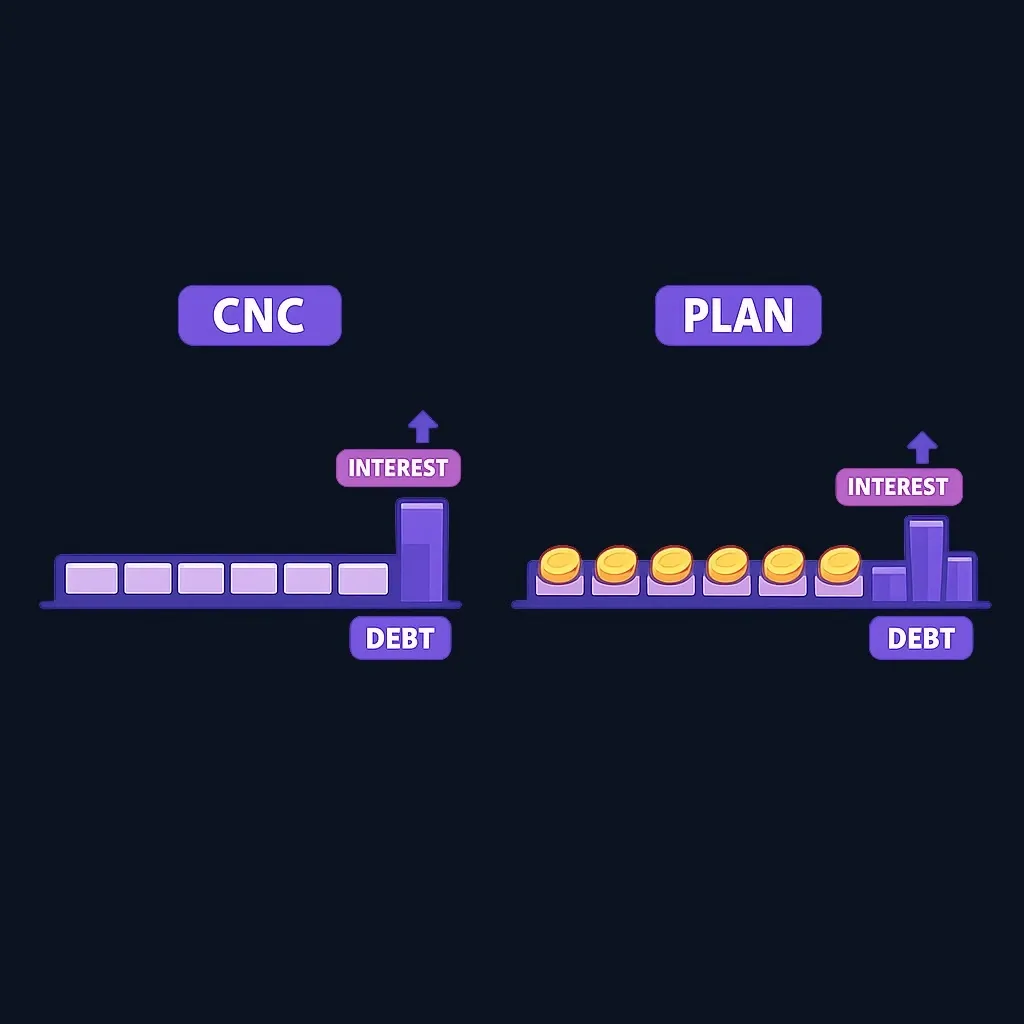
The IRS CNC guidance explains the financial information that may be required. CNC is not forgiveness. Refunds can be applied to the debt, and a federal tax lien may still be filed.
What can you actually afford?
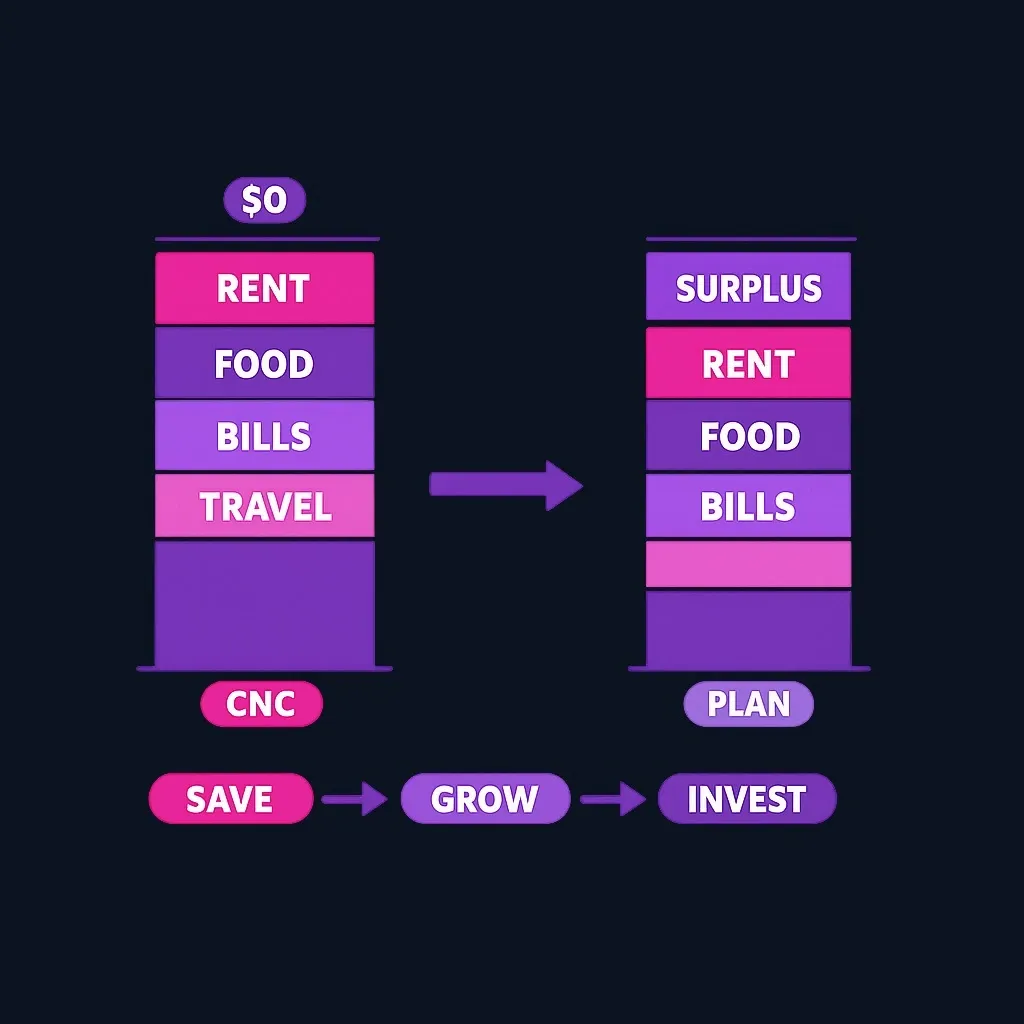
Suppose your income covers basic housing, food, utilities, and necessary transport with nothing left. That is a different situation from having a stable monthly surplus. Prepare income, expense, asset, and debt records so the IRS can evaluate the request.
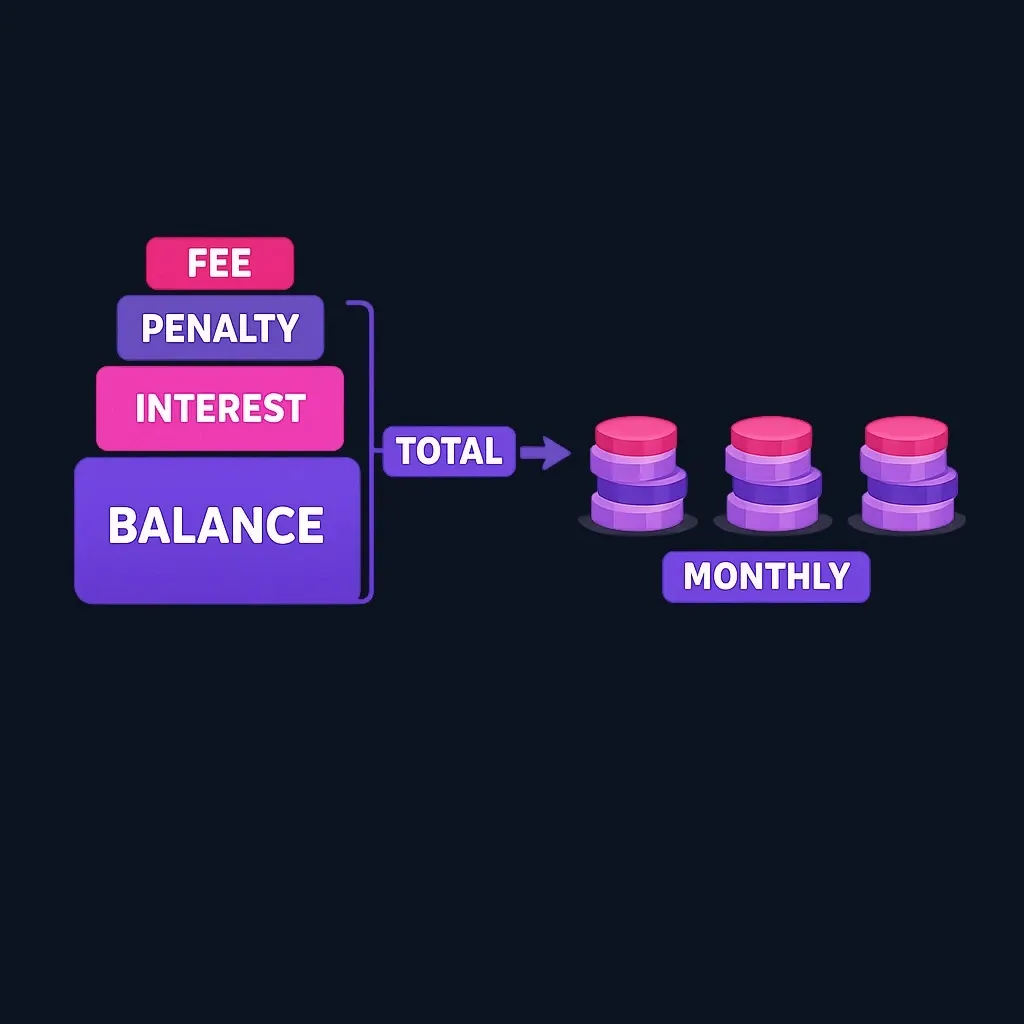
For a payment plan, include interest, penalties, and any setup fee rather than dividing the balance by the desired number of months. See the IRS installment-agreement guidance.
Practice trading with Finelo
Practice in a simulator, learn with bite-sized lessons, and build confidence before risking real money.
Keep filing and respond to notices
Continue meeting filing requirements and current tax obligations. A pending request or approved arrangement can affect levy actions, but protection is subject to conditions and exceptions. Do not ignore a notice because you have submitted a request.
Ask the IRS what remains payable, whether collection is paused, and when it will review the arrangement. If your finances change, contact it before missing a required payment. The goal is a workable resolution supported by your actual ability to pay.
Build the request from actual cash flow
Start with the balance and notices, then list reliable income, essential living costs, assets, and other required payments. The purpose is to show what you can pay under the applicable IRS standards, not to select the smallest monthly amount you would prefer. An unsupported estimate can produce a request that does not match your circumstances.
Separate a temporary disruption from a lasting inability to pay. A recent job loss may call for a different review than stable income with enough remaining cash for installments. Keep records supporting changes, such as pay statements, housing costs, and medical expenses. Ask which financial forms and supporting documents apply to your request.
While the request is being considered, continue opening IRS mail and meeting current filing obligations. A collection discussion about an old balance does not resolve a new year's tax. If withholding or estimated payments are too low, another balance can build while you are trying to address the first one.
Plan for a later review
Currently Not Collectible status is a collection decision, not a statement that the debt has disappeared. A later improvement in finances can change the appropriate arrangement. An installment agreement also requires ongoing compliance; an affordable payment at the start may become difficult after a material income change.
Keep a record of approvals, required payments, and contact with the IRS. If circumstances change, address them before a missed payment becomes a bigger problem. A sustainable arrangement is one supported by the actual budget and maintained alongside current taxes, rather than one obtained on assumptions the household cannot meet.
Definition and immediate effect
Currently Not Collectible (CNC) is an administrative status the IRS may assign when a taxpayer lacks the ability to pay their assessed tax liabilities because of financial hardship. In CNC status, the IRS temporarily suspends most collection activities against the taxpayer’s account.
How the IRS determines hardship
The IRS evaluates a taxpayer’s financial situation before placing an account in CNC. The agency looks at income, allowable living expenses, and assets to determine whether collection would create financial hardship. CNC is intended for taxpayers who cannot make any significant payment without sacrificing basic living needs.
What CNC does — and doesn’t — guarantee
- Suspends most active collection actions while the status applies, which can provide breathing room for the taxpayer.
- CNC is administrative and temporary; the IRS may review the taxpayer’s circumstances and end CNC if the financial picture improves.
- CNC does not automatically erase the tax liability; the underlying debt remains until resolved through payment, compromise, or expiration of the collection statute (check current IRS guidance for details).
How to request CNC
To request CNC you must contact the IRS (the phone number on your notice or the IRS general collection number) and provide financial documentation that supports your inability to pay. The IRS’s guidance explains the temporary delay process and the financial information the agency will review.
Definition and core behavior
An installment agreement is a formal arrangement to pay an assessed balance over time. Levy restrictions and the collection deadline are separate questions. A pending installment request can suspend the collection period; an approved agreement does not automatically suspend it for its entire duration. The IRS collection-time guidance explains events that affect the deadline. Confirm the dates and exceptions for your account.
How it works in practice
- The taxpayer and the IRS agree on a monthly payment amount and schedule.
- Payments are applied toward the outstanding balance while the plan is active.
- The IRS continues administrative enforcement of the tax lien rules in some cases, but levies are generally halted while an IA is in effect.
How to request an Installment Agreement
The IRS provides online and paper options to request payment plans. The agency’s payment plans guidance explains eligibility, submission methods, and how plans affect collection actions while pending.
Eligibility and intent
- CNC: Intended for taxpayers who cannot make payments because of financial hardship; the IRS will review financial circumstances to determine eligibility.
- IA: Intended for taxpayers who can make regular monthly payments; the IA formalizes a payment schedule and is a path to resolution without immediate financial collapse.
Immediate effects on collection
- CNC: Temporarily suspends most collection activities while status applies.
- IA: Accepted installment agreements and certain pending requests can restrict levy action under IRS rules, with exceptions. Filing a request is not a promise that every collection action or notice stops.
Documentation and process
- CNC: Requires submission of financial information documenting inability to pay; you request consideration through the IRS collection channels.
- IA: Requires applying for a payment plan through IRS procedures; documentation needs vary by the type of plan and balance owed.
Duration and review
- CNC: Administrative and subject to periodic review; the IRS may end CNC if circumstances improve.
- IA: Effective while payments are timely; an IA may terminate on default, at which point the IRS may resume collection.
Path toward resolution
- CNC: Buys time but does not remove the liability; it can be used while pursuing other resolutions or until circumstances permit payment.
- IA: A continuing route to paying off the debt in scheduled installments and a common way to resolve balances without aggressive collection.
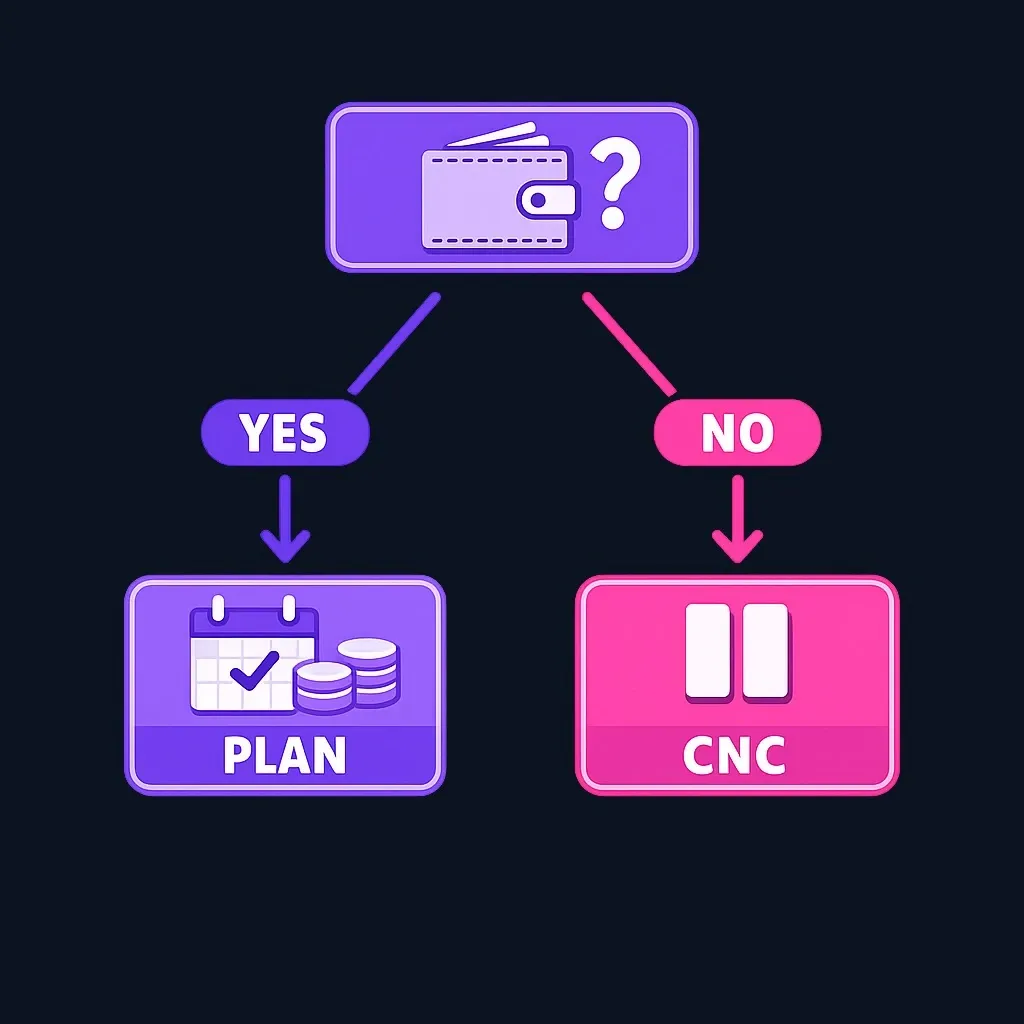
Decision framework (3 quick questions)
- Can you make a realistic monthly payment without sacrificing basic living needs?
- Yes → IA is usually the clearer path to stop levies and pay down the debt.
- No → CNC may be appropriate to pause most collection activity while you stabilize.
- Do you expect your finances to improve soon?
- Yes → Discuss the expected change with the IRS; do not agree to payments that depend on income you do not yet have.
- No → CNC can provide breathing room and is subject to IRS review for changed circumstances.
- Is stopping aggressive collection (levies) your main goal?
- Both CNC and an IA can halt levies in practice, but IA provides a formal payment path and clearer timeline for resolution.
Practical scenarios
- Short-term cash flow problem, stable income: An approved IA provides scheduled payments and generally restricts new levies, subject to exceptions. Ask separately about any levy already in effect.
- No meaningful disposable income, basic living at risk: CNC can stop collection actions temporarily so you can focus on stabilizing finances.
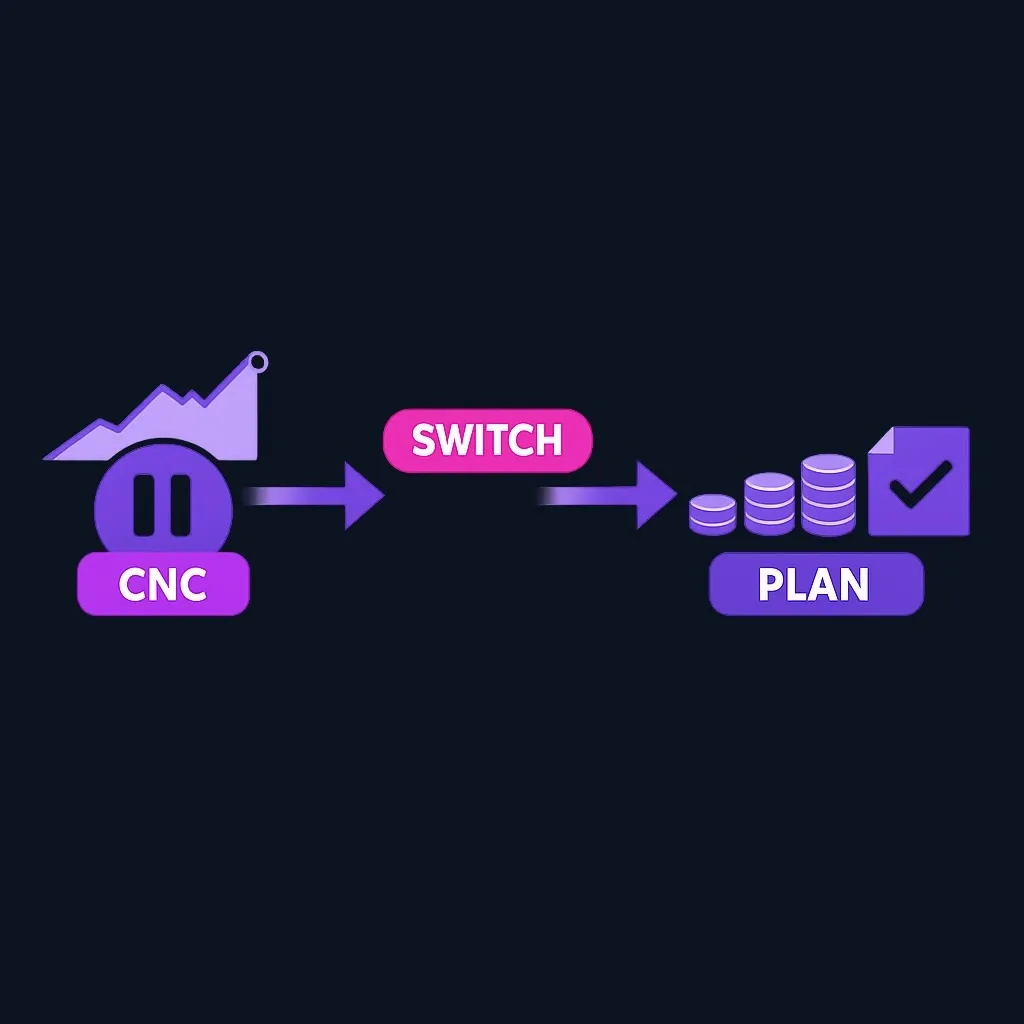
- Transitional case: You might begin in CNC while stabilizing income, then switch to an IA once you can afford payments; discuss options with the IRS or a tax professional.
Common tradeoffs
- CNC buys time but does not remove liability; the debt typically remains collectible later if circumstances change.
- An IA provides a concrete path to pay down the balance and usually halts levies, but it requires disciplined, ongoing payments.
Practical caveats
- Both routes require accurate financial disclosure when requested. Misstating facts can lead to enforcement. Refer to IRS instructions when submitting documentation.
- Statuses can change: CNC can be revoked if your income improves; IAs can terminate on default. Keep records and communicate with the IRS to avoid surprises.
Common mistakes and how to avoid them
- Mistake: Assuming CNC erases the debt. Fix: Treat CNC as a temporary pause and track the underlying liability.
- Mistake: Entering an IA you cannot sustain. Fix: Only commit to monthly payments you can reliably make; opt for flexible plan options and discuss abilities with the IRS.
- Mistake: Failing to provide requested documentation. Fix: Respond quickly with the financial information the IRS asks for to preserve protections.
What does it mean to be in Currently Not Collectible status?
Being in CNC means the IRS has temporarily suspended most collection activities on your account because you’ve shown an inability to pay under current financial conditions.
How do I qualify for CNC status?
Qualification is based on demonstrating financial hardship to the IRS. You must provide financial information that shows paying would create severe hardship; the IRS reviews that information before placing an account in CNC.
What happens if I miss a payment on my Installment Agreement?
If you miss payments, the installment agreement can default and the IRS may resume collection actions; keeping the agreement current is essential to maintain protections against levies.
Can I switch from CNC to an Installment Agreement later?
If your financial situation improves, you can contact the IRS to pursue other resolution options, including entering an Installment Agreement; discuss timing and documentation with the IRS collections representative handling your case.
If you are considering a settlement instead of payment deferral, compare Offer in compromise vs. IRS installment agreement.
This guide covers U.S. rules. Finelo provides financial education, not personalized financial, investment, tax, or legal advice.
Financial LiteracyU.S. GuideFinancial Education
Practice trading with Finelo
Practice in a simulator, learn with bite-sized lessons, and build confidence before risking real money.
About the author
Finelo Team
The Finelo Team creates practical investing and trading education designed to help beginners learn faster with structured challenges, simulator practice, and bite-sized lessons.
Keep reading — Related articles

Financial Literacy
USDA vs. FHA loan
Compare location and income eligibility, down payments, credit conditions, and upfront and annual program charges for a home purchase.
Finelo Team
Financial Literacy
Term life vs. accidental death insurance
Compare broad term-life protection with accident-only coverage, including exclusions, underwriting, and the family income gap.
Finelo Team
Financial Literacy
Term life insurance laddering vs. one policy
Compare several term policies ending at different times with one policy, using coverage needs, costs, and future insurability.
Finelo Team