South Korea's market got its first quiet-ish day of the week on Thursday — and even that took work. After back-to-back circuit-breaker halts, the Kospi steadied but still slipped about 1.2%, its third straight decline, leaving the index roughly 40% below June's record and on track for the largest monthly drop in its history. Total damage since the peak: about $2 trillion in market value, per Reuters.
Kospi Update: $2 Trillion Lost, New Leveraged ETF Curbs — and Why Record Profits Aren't Stopping the Slide
South Korea's Kospi has lost about $2 trillion as regulators curb leveraged ETFs. Here's why record chip profits have not stopped the market slide.
5 min read
Practice trading with Finelo
Practice in a simulator, learn with bite-sized lessons, and build confidence before risking real money.
Want to learn more?
Practice in a simulator, learn with bite-sized lessons, and build confidence before risking real money.
Explore FineloExplore Finelo's 28-day challenges
Turn learning into a daily habit with guided challenge paths.
The government has now acted. The question being asked in Seoul — loudly, and with funeral wreaths — is whether it acted well enough.
What the new rules do (and don't do)
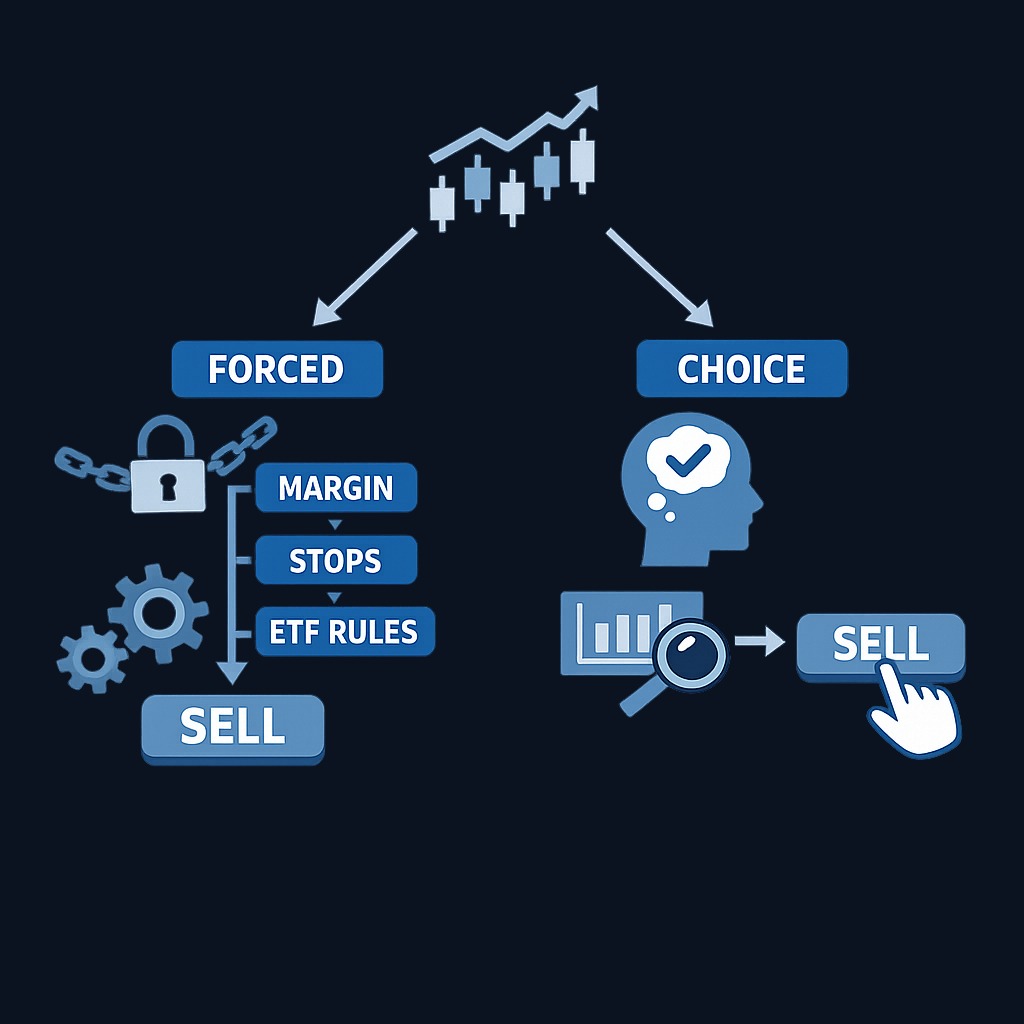
Following Wednesday's emergency meeting of Korea's top financial authorities, regulators announced caps on individual investment in single-stock leveraged ETFs and higher trading costs for those products, alongside a 24-hour market monitoring system. These are the products — launched only in May — that amplified both the rally and the crash by forcing mechanical selling as prices fell.
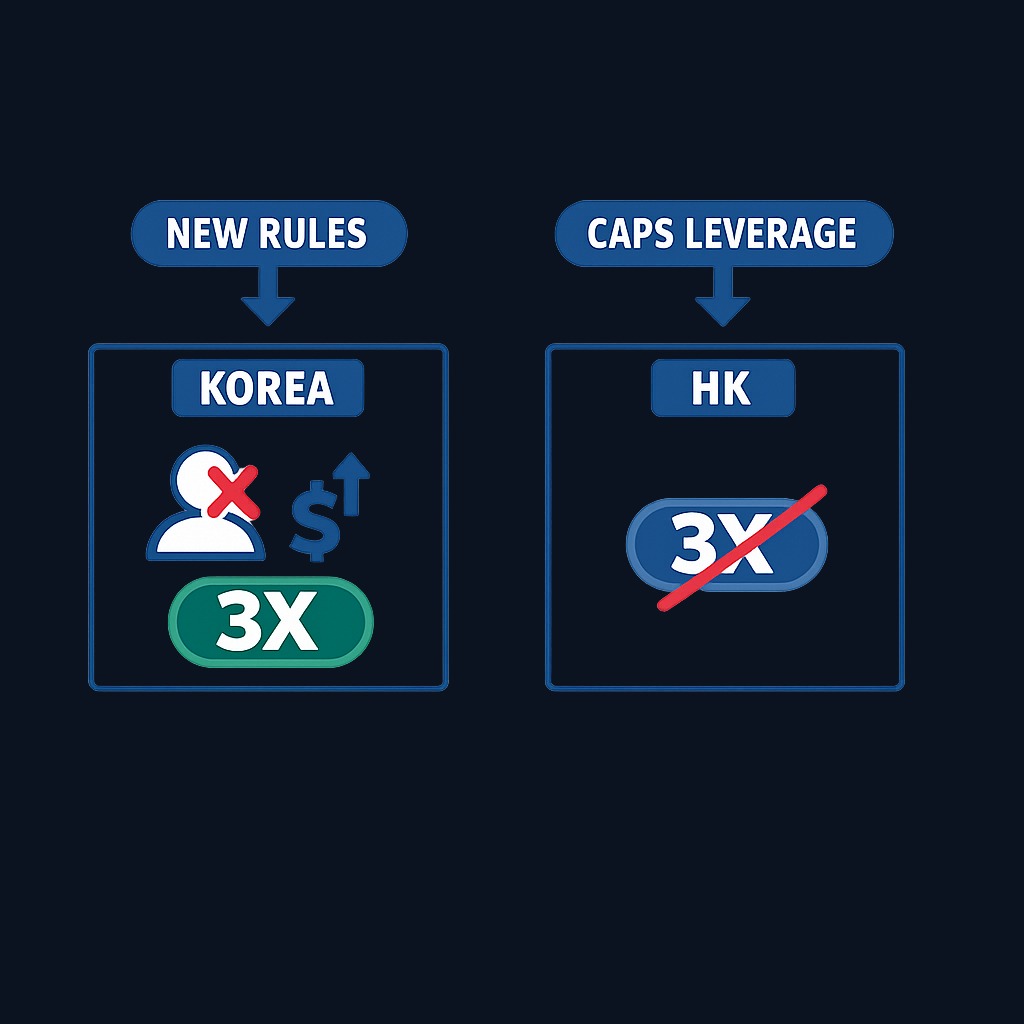
But analysts told Reuters the measures may not go far enough, and the critique is instructive. The Korean rules limit who can buy and at what cost — they don't touch the scale of the leverage itself, which is what Hong Kong's regulators capped this month. Existing holders aren't required to unwind anything, and similar leveraged products listed in New York and Hong Kong sit outside Seoul's reach entirely. One Seoul research head called the cap hastily announced; a Citi economist argued a market stabilization fund would do more. In short: the fuel is still in the tank; the rules mostly narrow the fueling line.
The anger is now political
The human dimension turned raw this week. About 40 funeral wreaths appeared on the sidewalk outside the National Assembly — a Korean protest tradition — with ribbons reading "slaughtering retail investors." The finance minister apologized in parliament for launching the products "without careful consideration," and calls for tougher action, including a temporary trading suspension of the ETFs, are now coming from within the ruling party itself. The people hurt most, Reuters reports, are late-arriving local retail investors — young people and pensioners, many trading with borrowed money.
Practice trading with Finelo
Practice in a simulator, learn with bite-sized lessons, and build confidence before risking real money.
The paradox at the heart of the crash
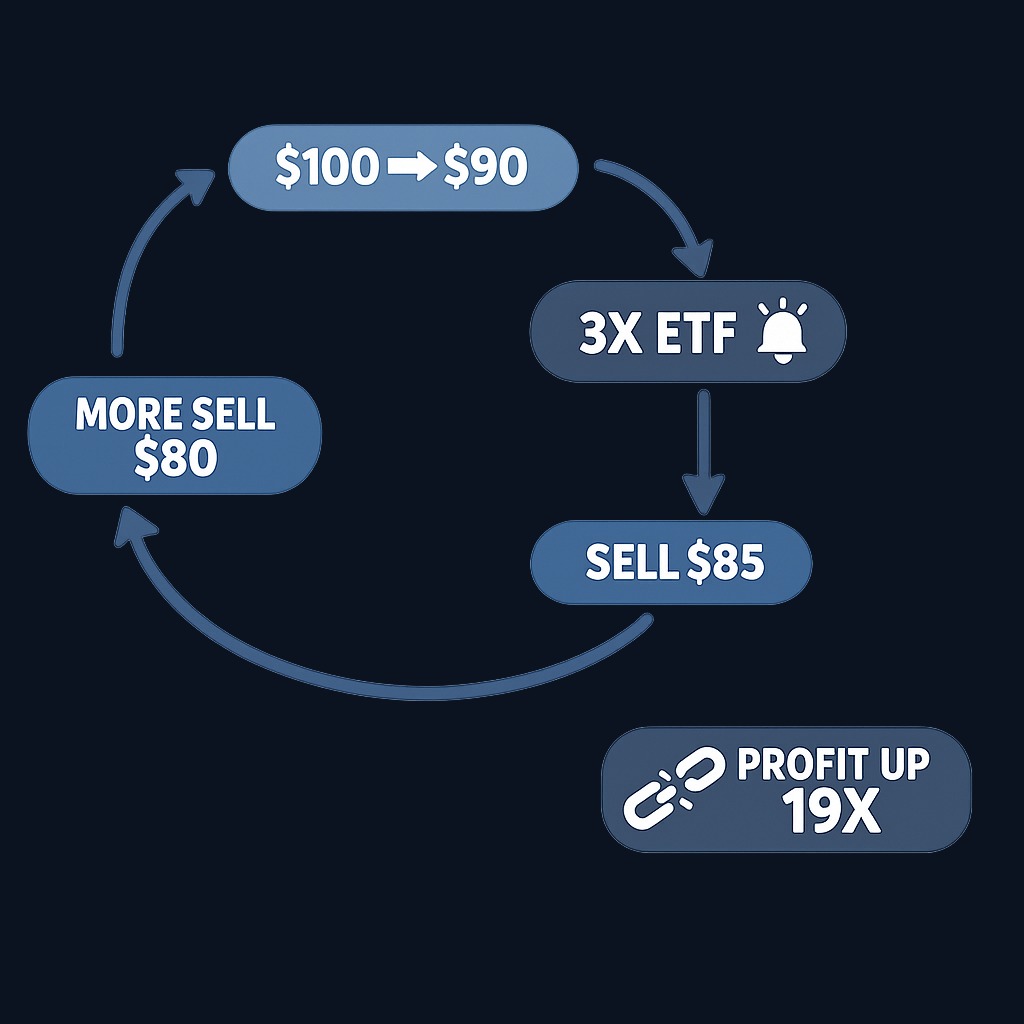
Here is the fact that makes this crisis a permanent teaching text: this same week, Samsung and SK Hynix — the two stocks at the center of the collapse — reported roughly ₩150 trillion (about $100 billion) in combined quarterly profit. Samsung's profit jumped nineteen-fold on AI chip demand. The market crashed anyway.
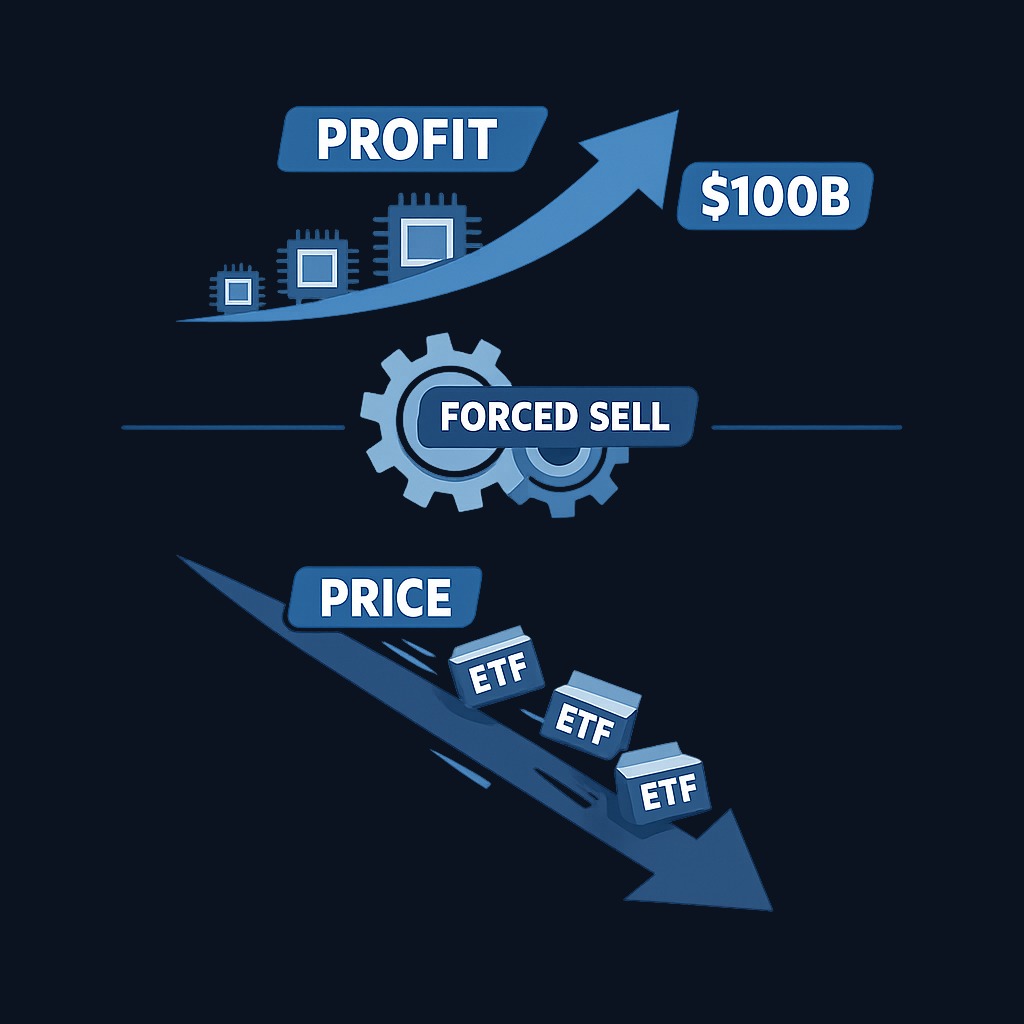
Nothing explains it better than the mechanics we covered in the emergency piece: leveraged unwinds sell because they must, not because business is bad. JPMorgan estimates that forced deleveraging is now largely complete — leveraged-ETF liquidations essentially done, hedge funds roughly 90% through — which is why some desks maintain rebound targets far above current levels. But Thursday's session shows the other side: light volume, foreigners still net sellers (about $13 billion in July), and investors who, as one US fund manager put it, see a logical limit to the fall but "don't want to try to catch the falling knife."
The caveat stands: "the forced selling is nearly done" is an analyst estimate from banks whose clients are positioned for a rebound — not a fact. One steadier session repairs nothing after a 40% decline.
Why this matters to YOU
Rules made in a panic have gaps. Korea capped buyers, not leverage — a distinction that will decide whether volatility actually falls. When regulators respond to a crisis, read what the rules don't cover.
Profits don't stop forced selling. A 19-fold profit jump couldn't hold up a stock being mechanically sold. Until you can tell price-driven selling from forced selling, crashes will always look irrational.
Leverage is a systemic risk, not just a personal one. The wreaths outside parliament were laid by individuals — but the products they bought moved an entire national market. Korea has now written the definitive cautionary tale about leveraged ETFs, eleven weeks after listing them.
The full arc starts with the Kospi emergency update and continues here. Next checkpoints: whether the curbs slow the volatility, and month-end data on the record July decline.
Finelo does not provide investment advice. This article is for informational and educational purposes only.
Sources: Reuters — curbs may not save investors, Reuters — investment caps announced, Reuters — Samsung Q2 results, TradingKey — JPMorgan deleveraging estimates
Frequently asked questions
What new leveraged-ETF rules did South Korea announce?
Regulators capped individual investment in single-stock leveraged ETFs, raised trading costs, and introduced round-the-clock monitoring, but did not directly cap the products' leverage.
Why did the Kospi keep falling despite record chip profits?
Leveraged products and other investors were forced to sell as prices fell, so mechanical deleveraging overwhelmed strong company fundamentals in the short term.
Is forced selling in South Korea finished?
Some bank analysts estimate that most of the deleveraging is complete, but that remains an estimate; foreign investors were still net sellers and one quieter session does not establish a durable bottom.
KospiSouth Korealeveraged ETFsSamsungSK Hynixmarket crash
Practice trading with Finelo
Practice in a simulator, learn with bite-sized lessons, and build confidence before risking real money.
About the author
Finelo Team
The Finelo Team creates practical investing and trading education designed to help beginners learn faster with structured challenges, simulator practice, and bite-sized lessons.
Keep reading — Related articles
News
U.S. Gas Prices Reach $4.46: What the Increase Means for Inflation and Household Costs
The EIA's U.S. all-grades gasoline average reached $4.455 per gallon. See what changed, why regions differ and how fuel prices affect inflation.
Finelo Team
News
China Sets a Stronger Yuan Fix at 6.7521: What It Means for USD/CNY
China set its September 18 yuan reference rate at 6.7521 per dollar. Learn how the official fixing differs from market rates and why the move matters.
Finelo Team
News
BOJ Raises Its Policy Rate to 1.25%: What the Decision Means for the Yen
The BOJ raised its overnight policy-rate target to around 1.25%. Learn why the yen can still weaken after a rate increase and what the decision says.
Finelo Team