Last editorial review: September 28, 2026
Mortgage assumption vs. refinance

Compare taking over an existing mortgage with replacing it, including the equity gap, approval process, and VA seller protections.
8 min read
Practice trading with Finelo
Practice in a simulator, learn with bite-sized lessons, and build confidence before risking real money.
Want to learn more?
Practice in a simulator, learn with bite-sized lessons, and build confidence before risking real money.
Explore FineloExplore Finelo's 28-day challenges
Turn learning into a daily habit with guided challenge paths.
An assumption transfers responsibility for an existing mortgage under the lender's process. Refinancing pays off the old loan with a new one. An assumption may preserve an attractive rate, but eligibility and the cash needed to complete the transaction can decide whether it works.
Compare the structure
| Feature | Assumption | Refinance |
|---|---|---|
| Loan | Existing mortgage continues | New mortgage replaces it |
| Interest rate | Generally retains the existing terms | New lender's terms apply |
| Approval | Depends on loan type and transaction | New underwriting and closing process |
| Cash requirement | May include a substantial equity payment | Depends on equity, proceeds, and closing costs |
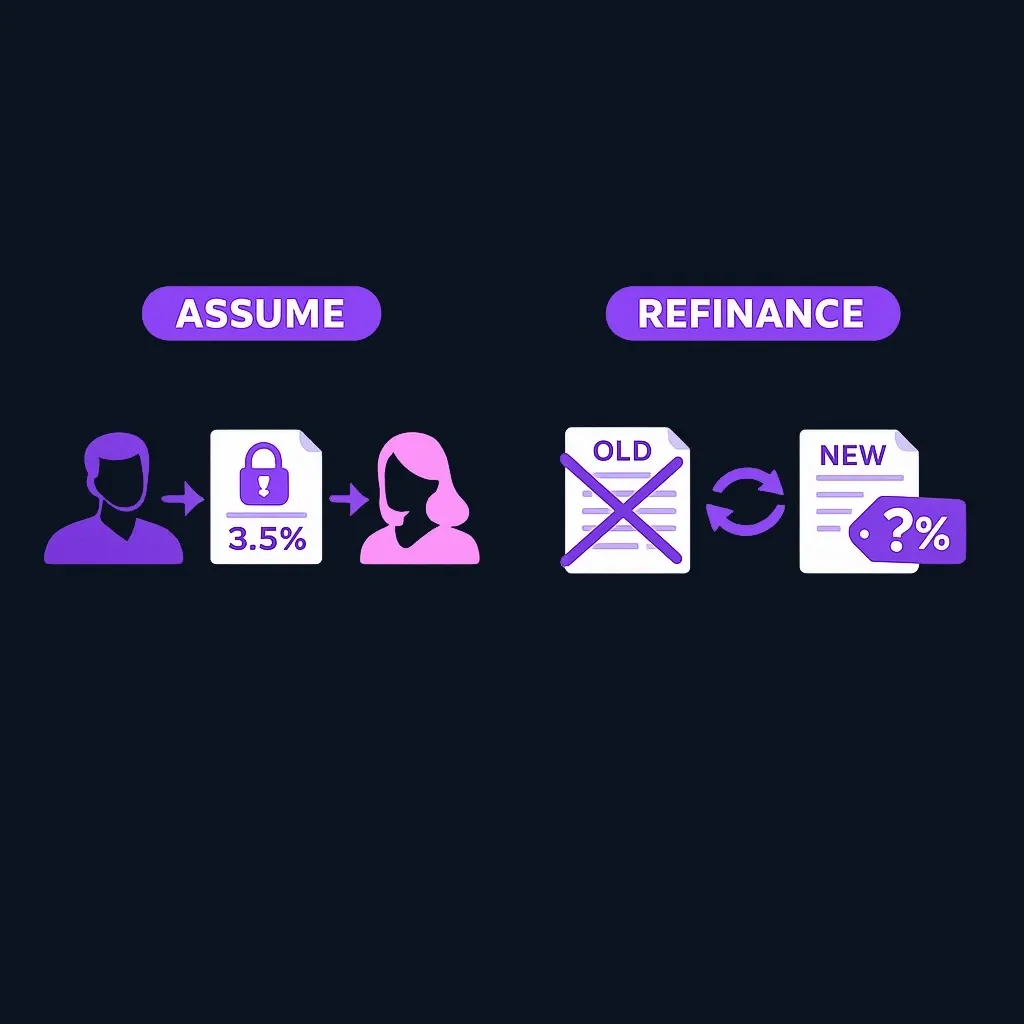
Not every loan is assumable in an ordinary home sale. Ask the servicer for the specific process and fees rather than relying on the loan's interest rate alone.
Loan type changes the process
VA loans provide a concrete example of an ordinary purchase assumption. The loan must be current, the buyer must take full responsibility for it, and the buyer must meet VA credit and underwriting standards. An assumption can be processed with or without substituting the buyer’s VA entitlement for the seller’s. See the VA assumption guidance.
For the seller, release from the debt and restoration of VA entitlement are different results. Without an eligible substitution, the seller’s entitlement can remain tied to the loan until it is paid off. A buyer should not promise that simply taking over payments frees the seller’s benefit for another home.
For an FHA or conventional mortgage, have the servicer identify the assumption provision and qualification process in that loan’s documents. A purchase assumption, a refinance by the current owner, and a protected family transfer are different transactions; compare the options available for the transaction you are actually making.
The equity gap can be large
If a hypothetical home costs $350,000 and its assumable mortgage balance is $220,000, the buyer still needs to cover a $130,000 gap plus transaction costs. Additional financing, if available, changes the total cost and may require approval.
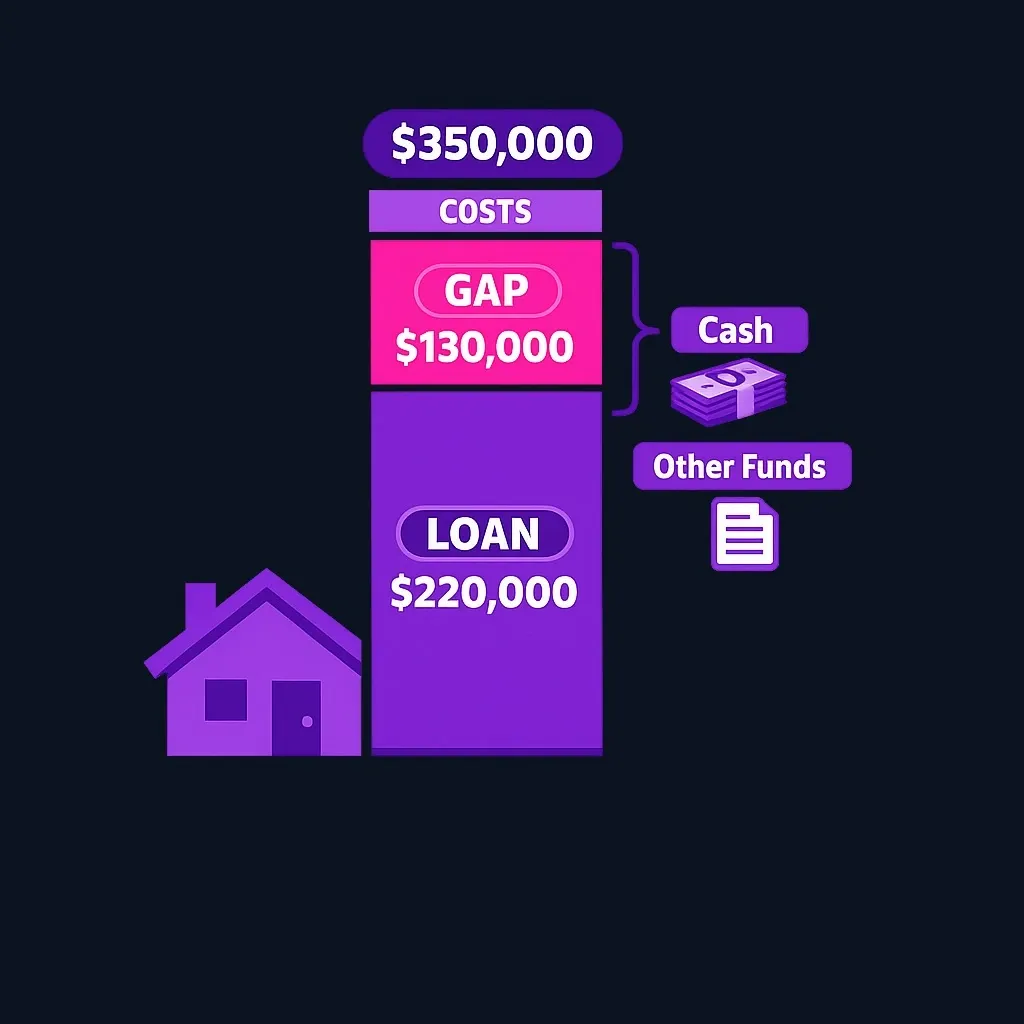
A low rate on the existing mortgage therefore does not necessarily make the entire purchase affordable.
Ownership and liability are separate
Transferring a deed does not automatically release someone from the mortgage. The original borrower should obtain a written release of liability where appropriate.
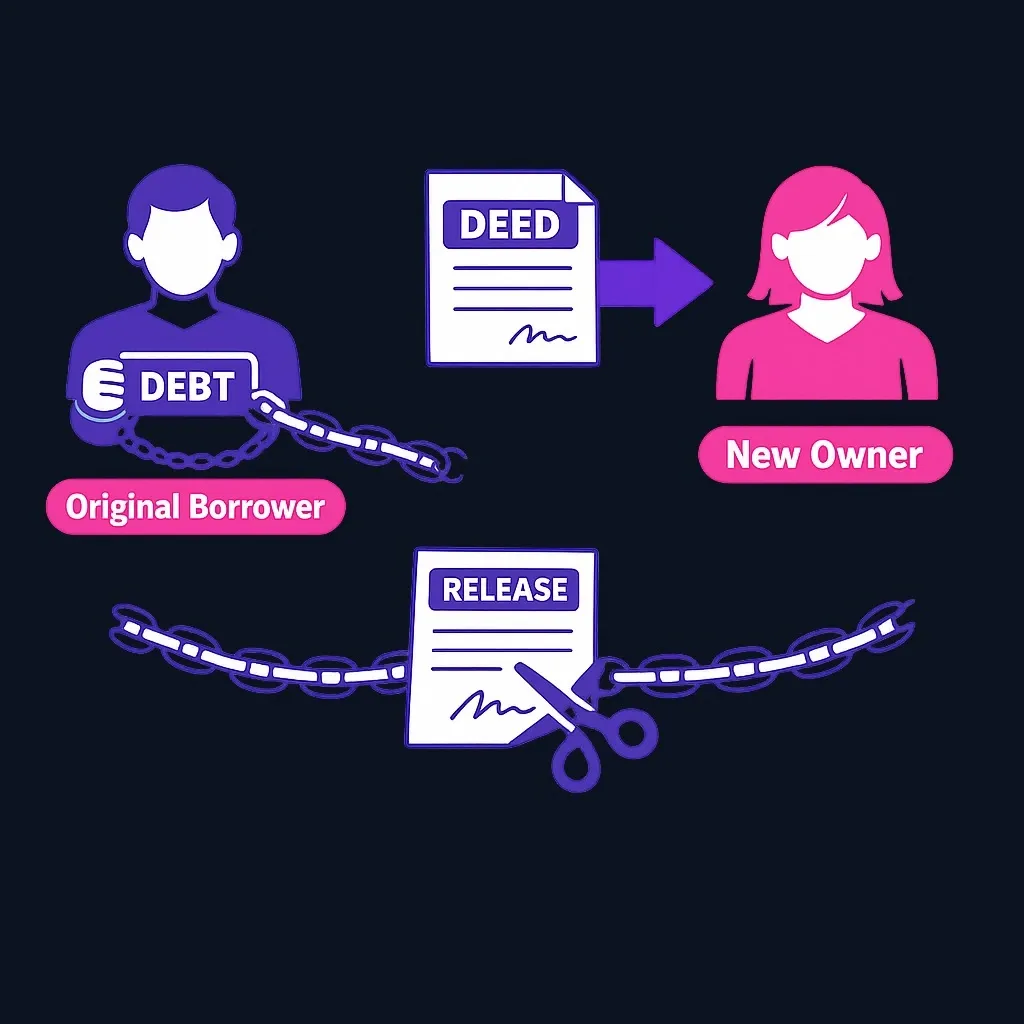
Divorce, inheritance, and other protected transfers require separate analysis. A successor may have servicing rights without a standard purchase assumption, and certain transfers are protected from due-on-sale enforcement. The CFPB's report on mortgage servicing after death or divorce explains why these cases differ.
Request written figures for each route: payment, closing costs, cash required, remaining term, and liability after closing. Compare the complete transaction, including any second loan, rather than choosing from the headline mortgage rate.
Practice trading with Finelo
Practice in a simulator, learn with bite-sized lessons, and build confidence before risking real money.
Work out the cash gap before comparing interest rates
An assumable loan's outstanding balance may be much smaller than the seller's price. The buyer still needs to fund that difference through available cash or financing that is permitted and affordable. A low rate on the assumed balance does not describe the cost of the entire purchase.
For a hypothetical $350,000 purchase with a $220,000 assumable balance, the gap is $130,000 before closing costs. If the buyer must borrow some of that gap, compare the combined payments and terms. The second borrowing may have a different rate, shorter term, or additional qualification requirements. Confirm whether the transaction and first-loan program permit the proposed structure.
Give the seller's position a separate review
Taking over payments, completing a formal assumption, releasing the seller from liability, and restoring any tied-up VA entitlement are different issues. The seller should obtain written confirmation of the result rather than relying on an agreement between buyer and seller alone.
For the buyer, ask the servicer for the application process, required documents, fees, and expected stages. Build the purchase timeline around that process. A general estimate from another lender is not a commitment from this servicer. The contract should address what happens if approval or funding is delayed.
A refinance by an existing owner has a different purpose: replacing that owner's current debt. In a purchase, the alternative may instead be the buyer obtaining a new mortgage. Name the actual transaction before comparing quotes so an assumption is not set against an option that is unavailable in the circumstances.
Definition and process
Refinancing replaces an existing mortgage with a new loan, usually with a different interest rate, term, or lender. A refinance involves a new loan application and closing. The required underwriting depends on the program, and the offered rate depends on the loan and lender as well as market conditions. For example, an FHA streamline refinance can use limited documentation and underwriting when its requirements are met.
Advantages
- Can lower the interest rate and monthly payment if market rates are substantially lower than the current loan.
- Allows restructuring of the loan term (shorten to pay debt faster or lengthen to lower payments) and consolidation of debt.
- Refinancing can remove a co-borrower from the mortgage if the new lender approves the remaining borrower.
Disadvantages
- The applicant must meet the chosen program’s requirements. Credit and income can be barriers in a standard refinance; some streamline programs use different qualification procedures.
How to compare your options
Use these prioritized criteria to decide between assumption and refinance:
-
Rate gap: If the existing mortgage rate is well below current market rates, assuming the loan preserves that rate and can deliver long-term savings. If current market rates are lower, refinancing may produce direct monthly savings.
-
Need to remove co-borrower: A refinance into one borrower’s name can pay off the shared loan. A transfer or assumption may also allow a release under the applicable rules. Compare the written result for personal liability, not just whose name appears on the deed.
-
Cash needs and equity buyout: Refinancing can be structured as a cash-out refinance to raise funds to buy out a co-owner; assumption generally requires separate arrangements to transfer equity (e.g. paying the other owner directly).
-
Loan program rules: Confirm the loan’s assumption provisions and any protections that apply to the transfer. FHA and VA purchase assumptions have program rules; a conventional loan’s due-on-sale clause may prevent an ordinary purchase assumption.
Practical checklist (quick): compare rates (existing vs market), estimate refinance closing costs, confirm loan’s assumability with the servicer. Confirm lender underwriting rules, and model whether an equity buyout requires additional cash or financing.
When to favor mortgage assumption
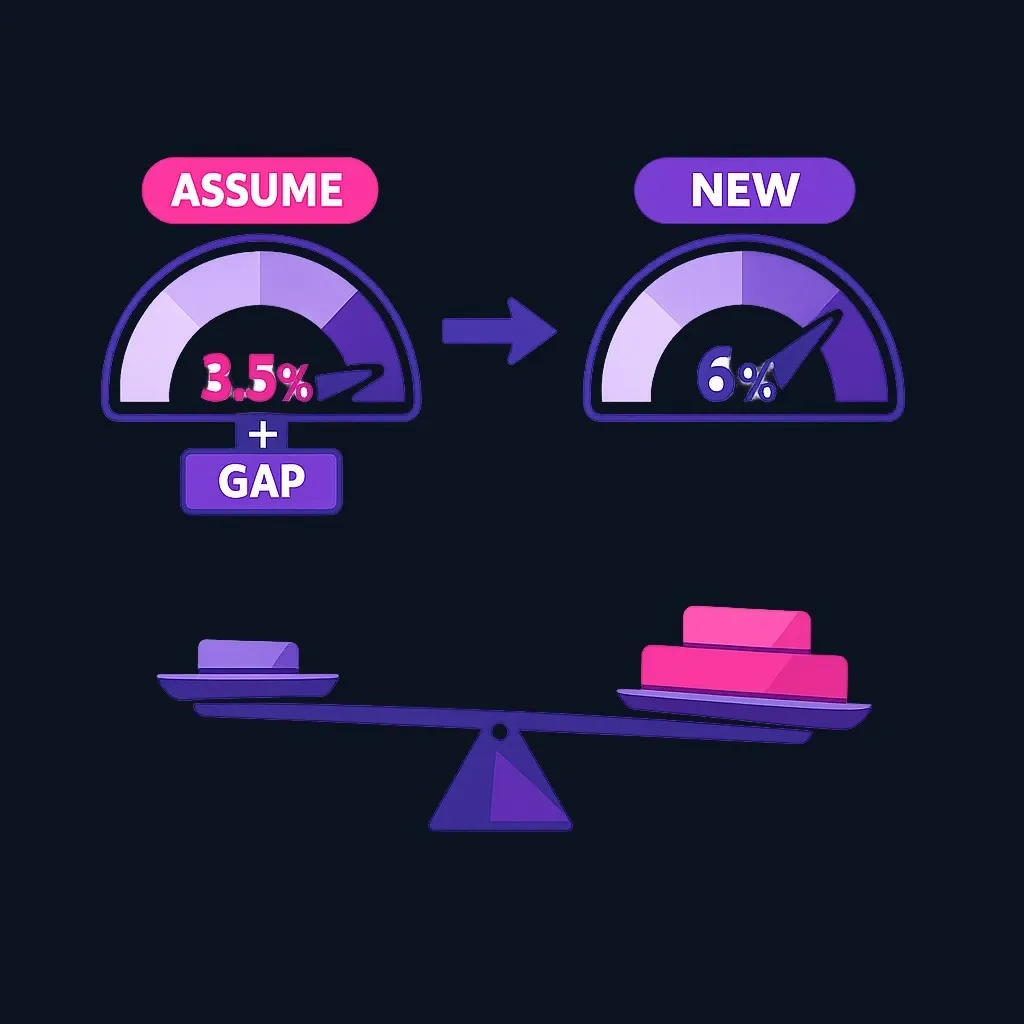
- The existing mortgage rate is meaningfully lower than current market rates, and keeping that rate avoids long-term interest costs
Hypothetical example: an existing FHA loan has a 3.5% rate, while a buyer’s alternative new-loan quote is 6%. An approved assumption that retains the 3.5% rate may reduce interest on that balance. Compare the remaining term, mortgage insurance, assumption costs, and financing of the equity gap before concluding that the whole purchase costs less.
When to favor refinancing
- Current market rates are lower than your existing mortgage rate enough to offset refinance closing costs; refinancing can lower your monthly payment or shorten term.
- You need to remove a co-borrower from the mortgage obligation; a refinance into a single-borrower loan can pay off the existing shared debt. Confirm that payoff and separately resolve ownership and any court-ordered obligations.
- You need cash to buy out an owner’s equity stake — a cash-out refinance converts home equity to cash that can be used for settlement.
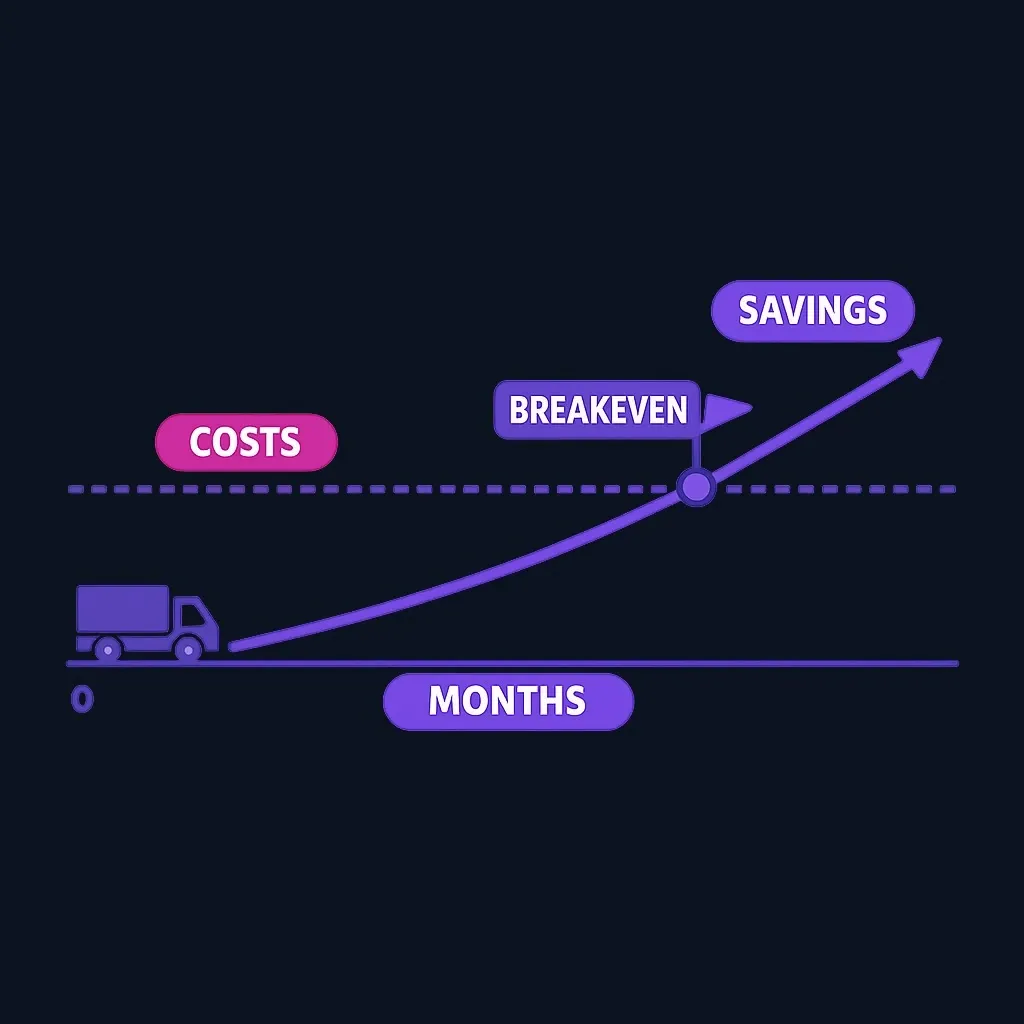
Decision tip: estimate the breakeven horizon — how long it takes for monthly savings from a refinance to offset closing costs. If you plan to sell or move before breakeven, assumption (if available) or doing nothing may be more sensible.
Tradeoffs and caveats
-
Eligibility depends on the transaction. Ordinary purchase assumptions can require credit review. Protected family transfers and confirmed successors’ servicing rights follow different rules, and a standard purchase-underwriting requirement should not be assumed to apply to every inheritance or divorce.
-
Equity transfer requires attention. Assuming the mortgage does not automatically settle equity between sellers and assuming buyers; separate buyout arrangements (cash, second financing, or escrow) are typically necessary.
An assumption can preserve favorable borrowing terms when the transaction qualifies and the cash gap is manageable. A refinance may suit an existing owner who needs different terms or an approved equity payout. For either route, compare all costs and obtain written confirmation of who remains liable after closing.
How do I know if my mortgage is assumable?
Check the mortgage note and ask the servicer to identify the applicable loan program and transfer rules in writing. FHA and VA loans have assumption provisions, but approval and release requirements still matter. A conventional loan may restrict an ordinary sale through a due-on-sale clause, while certain family transfers have legal protections.
Can I assume a mortgage with a low credit score?
For an ordinary purchase assumption, the applicable credit review can affect approval. Ask for that program’s standards and any available review or appeal process. If the property is being transferred after death or divorce, first establish the successor’s rights; those situations should not automatically be treated as an ordinary purchase application.
If the goal is relief on a loan you already owe, compare Refinance vs. loan modification.
This guide covers U.S. rules. Finelo provides financial education, not personalized financial, investment, tax, or legal advice.
Financial LiteracyU.S. GuideFinancial Education
Practice trading with Finelo
Practice in a simulator, learn with bite-sized lessons, and build confidence before risking real money.
About the author
Finelo Team
The Finelo Team creates practical investing and trading education designed to help beginners learn faster with structured challenges, simulator practice, and bite-sized lessons.
Keep reading — Related articles

Financial Literacy
USDA vs. FHA loan
Compare location and income eligibility, down payments, credit conditions, and upfront and annual program charges for a home purchase.
Finelo Team

Financial Literacy
Term life vs. accidental death insurance
Compare broad term-life protection with accident-only coverage, including exclusions, underwriting, and the family income gap.
Finelo Team
Financial Literacy
Term life insurance laddering vs. one policy
Compare several term policies ending at different times with one policy, using coverage needs, costs, and future insurability.
Finelo Team


