Last editorial review: September 28, 2026
Refinance vs. loan modification
Refinancing creates a new loan; modification changes an existing one. Compare qualification, payment relief, term, and total cost.
11 min read
Practice trading with Finelo
Practice in a simulator, learn with bite-sized lessons, and build confidence before risking real money.
Want to learn more?
Practice in a simulator, learn with bite-sized lessons, and build confidence before risking real money.
Explore FineloExplore Finelo's 28-day challenges
Turn learning into a daily habit with guided challenge paths.
Refinancing replaces your mortgage with a new loan. A modification changes the terms of the existing mortgage. Refinancing is often considered to improve pricing or restructure the loan; a modification may help when the current payment has become difficult to afford.
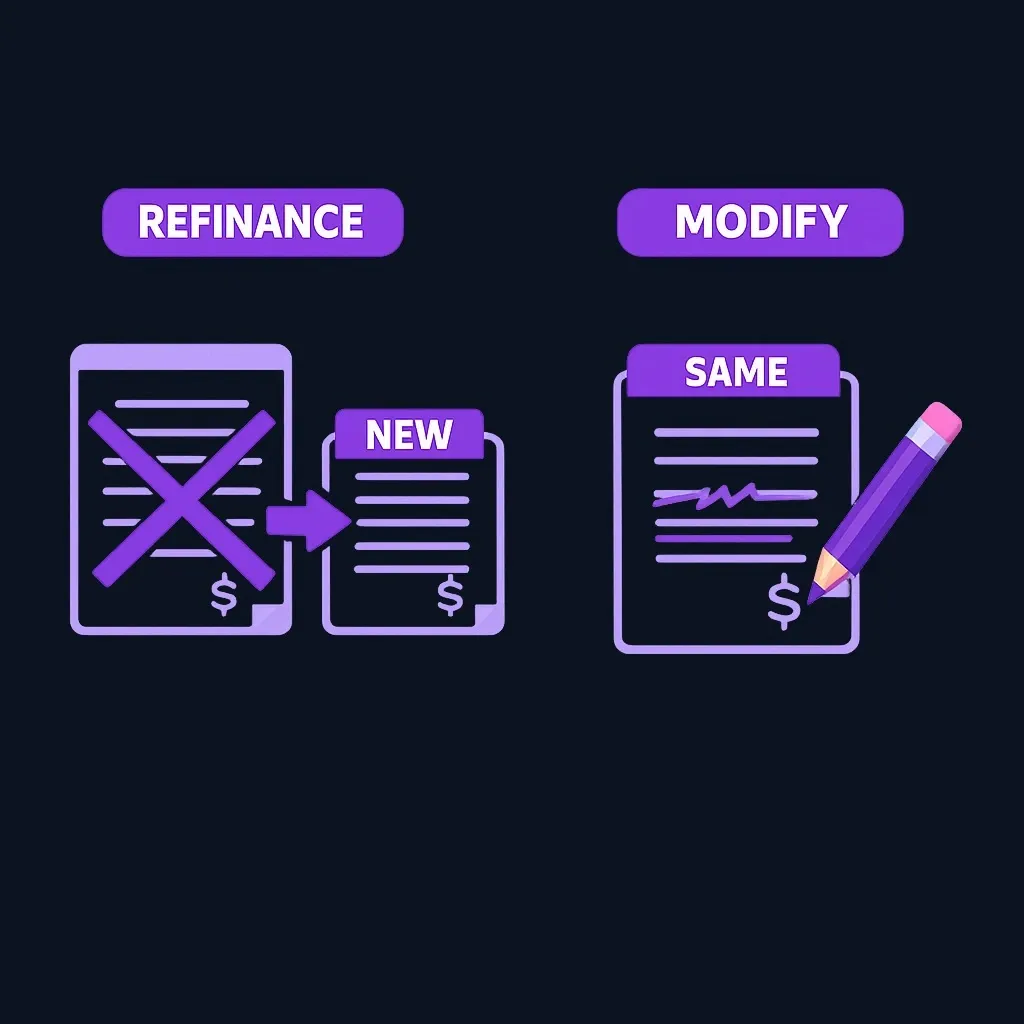
Approval is separate from usefulness. You need to qualify for the option and understand its full cost.
Compare what changes
| Feature | Refinance | Modification |
|---|---|---|
| Loan | New mortgage | Existing mortgage is changed |
| Review | New underwriting | Servicer or program hardship review |
| Costs | Closing costs and new terms | Depends on the modification; unpaid amounts may be added or deferred |
| Main concern | Fees or a longer term offset savings | Lower payment may leave more debt payable later |
The CFPB mortgage terminology guide explains the basic distinction. The detailed terms come from the lender or servicer's written offer.
Read the balance as well as the payment
A longer term can reduce monthly payments without reducing the amount you owe. A modification may capitalize arrears, defer a balance, or change interest. It does not necessarily forgive principal.
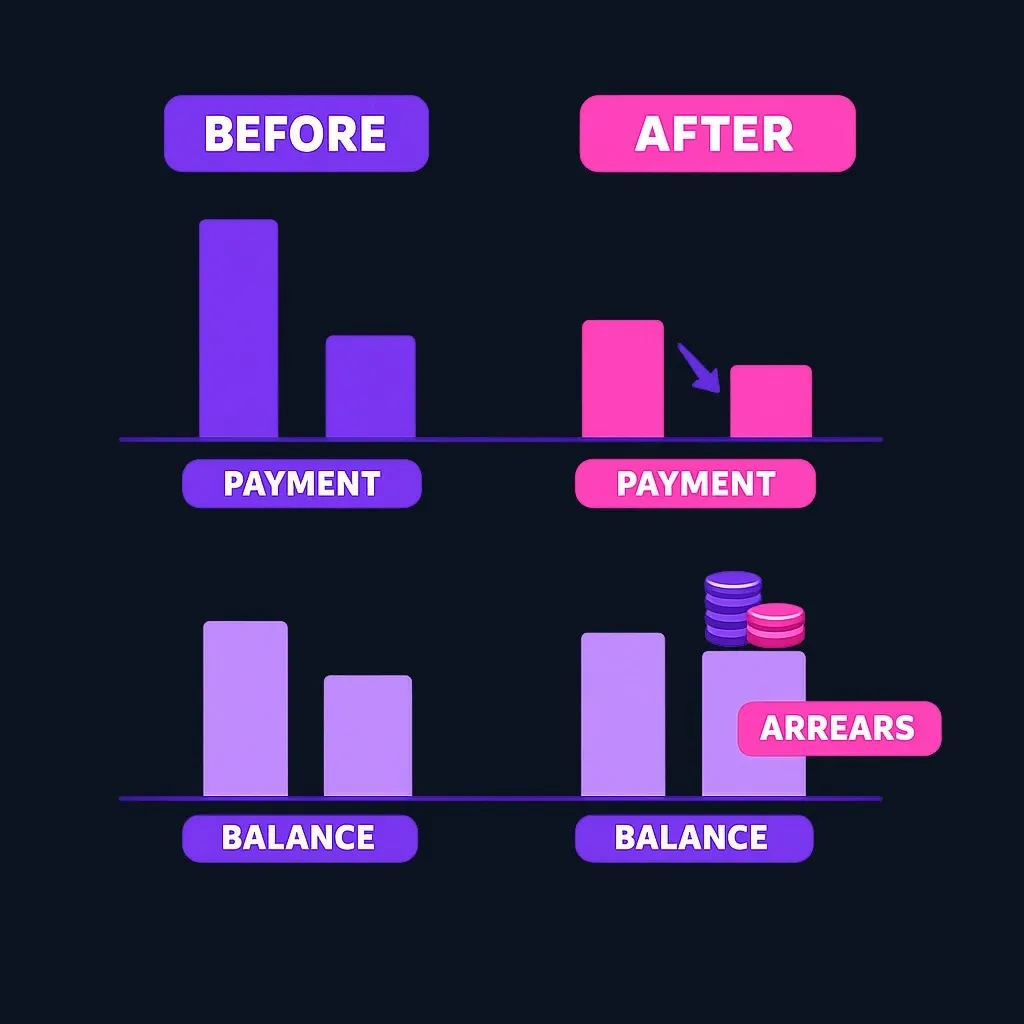
For a hypothetical homeowner facing temporary income loss, a modification may address affordability when a refinance is unavailable. Another homeowner with stable income may find a refinance worthwhile if the savings recover the costs within the expected ownership period.
Contact the servicer early
If you are struggling, ask about available loss-mitigation options before missing payments. Do not stop paying solely because someone says delinquency is required to obtain help. A submitted request does not by itself tell you that foreclosure activity or payment obligations have stopped.
Ask for the new payment, rate, term, total balance, any balloon or deferred amount, and credit-reporting treatment. If a trial plan is required, get its conditions in writing.
Compare the complete repayment path. A smaller payment helps only if the arrangement remains affordable and you understand what will still be owed later.
Establish the goal before requesting a change
A homeowner looking for a better market rate has a different problem from a homeowner who cannot make the next payment. Refinancing depends on obtaining a new loan. A modification changes an existing loan through an available program or agreement with the servicer. Neither should be treated as automatically available because the other route is difficult.
If payment trouble is developing, contact the servicer early and keep records of the conversation. Ask what documents are needed, how the review proceeds, and what you are expected to pay while it is pending. Do not deliberately miss payments based on a promise that doing so guarantees approval.
Read the proposed payment and the new balance together
A modification can lower the current payment through different mechanisms. Ask whether unpaid amounts are added to the balance, whether the term is extended, and whether any amount is deferred until sale, refinance, or maturity. Payment relief does not necessarily mean debt forgiveness.
For refinancing, identify closing costs paid now and costs financed into the new loan. A no-cash-at-closing offer may still have an economic cost through the balance or rate. Compare both transactions over the same expected time in the home rather than focusing solely on next month's payment.
Before accepting either arrangement, test the budget including taxes, insurance, utilities, and maintenance. If the new payment is affordable only under an optimistic income estimate, the underlying housing problem may remain. A sustainable outcome is more valuable than a temporary reduction that creates a larger shortfall later.
Practice trading with Finelo
Practice in a simulator, learn with bite-sized lessons, and build confidence before risking real money.
What is Refinancing?
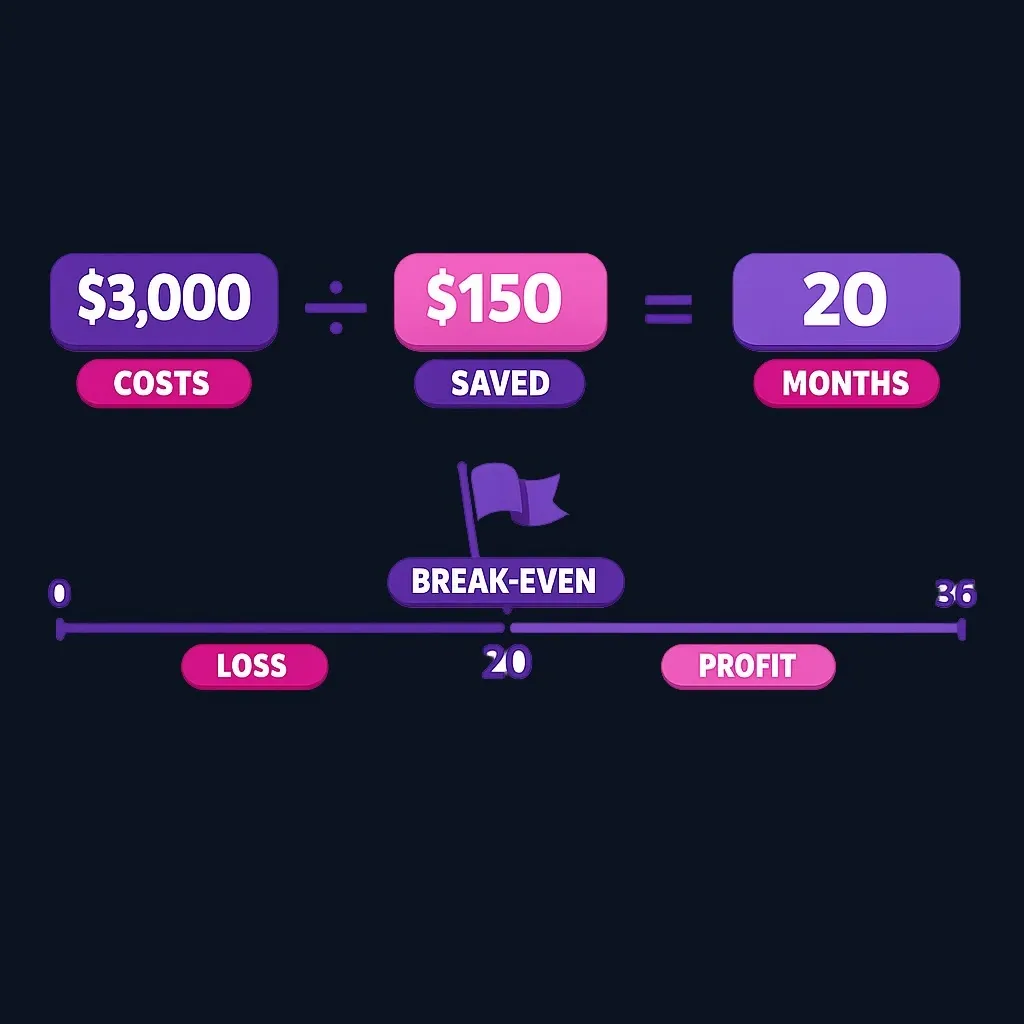
Refinancing is the process most borrowers use to exchange an existing mortgage for a new mortgage with different terms (interest rate, loan length, or lender). Use refinancing when your primary goal is to change the loan’s economics or the lender itself. Benefits commonly sought through refinancing include lowering the monthly interest cost, shortening or lengthening the remaining term, or switching loan types. A simple refinance break-even divides upfront costs by the payment reduction, but that is only a cash-flow screen. Compare the remaining balances and total costs over the same period, especially when the new term is longer. Common pros and cons to weigh (qualitative):
- Pros: Can reduce interest payments or change term; may allow consolidation or rate-type switch.
- Cons: Typically involves underwriting and upfront fees. May require credit and income qualification; not always available if payments are delinquent or borrower credit is impaired.
Note: While this section explains typical refinance goals and tradeoffs, specific eligibility rules, timelines, and fee schedules vary by lender and loan program. Verify offers and current terms with your lender or official resources before acting.
What is Loan Modification?
A loan modification is a change to the terms of your existing mortgage loan. The modification can alter interest rate, principal balance, loan length, or other terms in order to make monthly payments more affordable. Concrete example (workthrough): a lender and borrower agree to lower the interest rate on the existing loan; the monthly payment declines without replacing the mortgage. Because the loan remains the original contract, the borrower does not undergo a full refinance underwriting sequence from a new lender. Common pros and cons (qualitative):
- Pros: Can help homeowners with payment difficulties through an available loss-mitigation program; a prior refinance denial is not a universal requirement. It can happen without replacing the loan. May be an option while payments are delinquent or to avoid foreclosure.
- Cons: Availability and terms depend on the mortgage’s investor or insurer, applicable program rules, and the servicer’s review. They may not reduce payments enough for long-term affordability, and they can affect equity or loan maturity.
A modification changes the existing contract, sometimes through a standardized program rather than individually negotiated terms. Confirm whether the offer requires a trial payment plan and what must happen before any permanent modification takes effect. The CFPB’s modification guide explains the possible changes to payments, interest, and principal.
Key Differences Between Refinancing and Loan Modification
Process and approval
- Refinancing requires a new loan application. Standard programs review credit and income; some FHA streamline refinances use limited underwriting. The particular program determines the requirements.
- Loan modification is negotiated with your existing servicer and may be available when refinance is not. It changes the existing contract rather than replacing it.
Costs and timing
- Refinances commonly involve upfront fees and closing costs, which create a break-even horizon for savings versus cost. Use the break-even workthrough above to estimate whether the refinance saves money over the time you plan to keep the loan.
- Modifications may avoid traditional refinance closing costs. But lenders can add fees or capitalization of arrears depending on the agreement. Always confirm the exact terms with your servicer.
Eligibility and credit impact
- Refinancing requires qualifying for a new loan. If you currently have recent delinquencies or low credit, a refinance may be harder to obtain.
- Modifications are often created for borrowers struggling to pay. Servicers may consider a modification even when refinance is unavailable. The CFPB defines a loan modification as a change in your loan terms, which is the central legal distinction.
Long-term impacts on loan balance and equity
- Because refinancing replaces the loan, it can change amortization and future equity building.
- A loan modification can change interest or extend the term. How equity evolves depends on whether the lender capitalizes missed payments or reduces principal.
Practical caveats and example scenarios
- If you can qualify for a refinance and lower your rate enough to recover costs in your expected tenure, refinancing often makes sense.
- If you are behind on payments or can’t pass a refinance underwrite, a modification may be your viable route to stay current and avoid foreclosure.
How to compare your options
Use this checklist to evaluate which path fits your situation. For each line, mark Yes/No and weight based on priority. Checklist
- Are you current on payments? (Yes → refinancing more likely; No → modification may be needed)
- Can you qualify for a new loan (income, credit, documentation)? (Yes → refinancing possible)
- Do expected monthly savings exceed upfront refinance costs over your expected stay? (Yes → refinancing may be cost-effective)
- Is avoiding foreclosure or immediate payment relief the primary need? (Yes → a modification review may be relevant, but timing and approval are uncertain)
- Have you requested the available options from your servicer? (Your current lender may also offer refinancing; keeping the same company does not by itself favor modification.)
- Is long-term interest cost reduction the priority? (Yes → refinancing gives access to different loan markets)
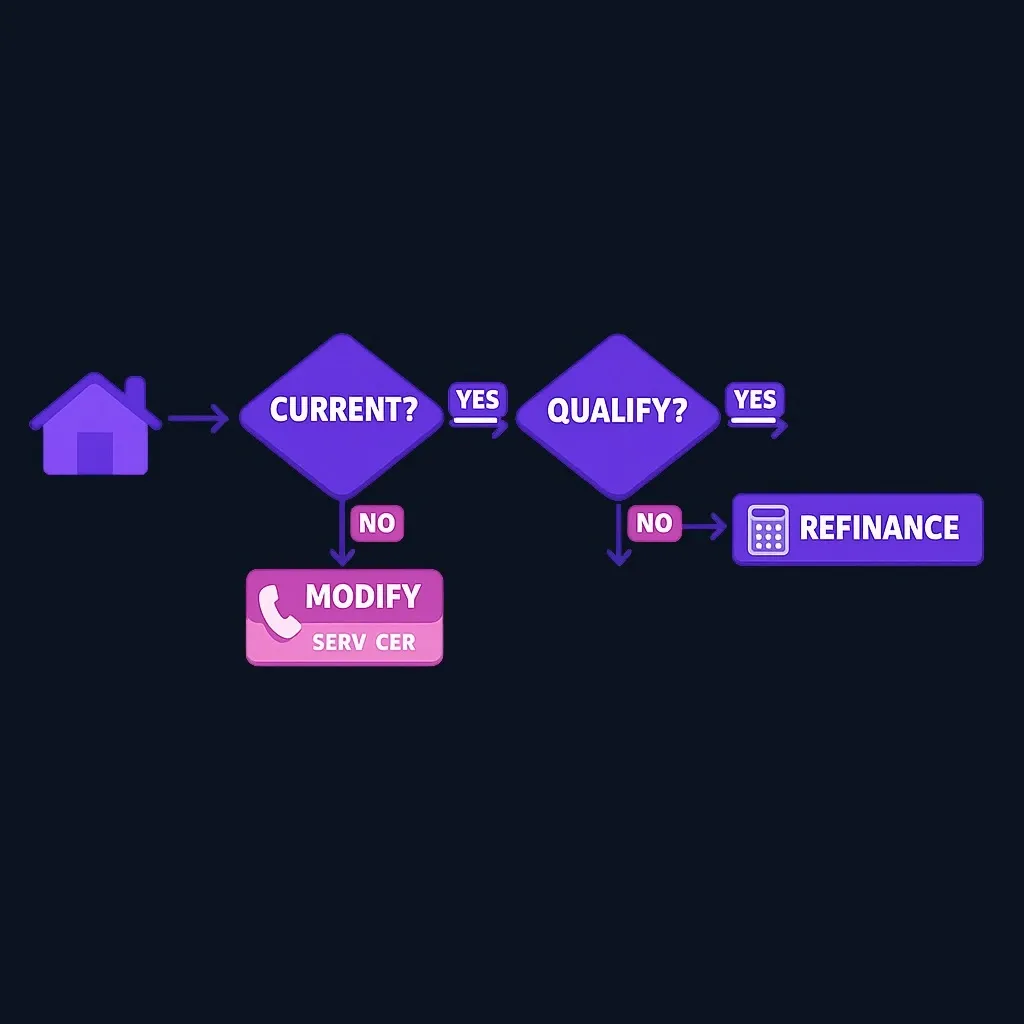
Check eligibility before comparing offers
Treat qualification and affordability as separate questions. A favorable answer on several checklist items cannot override a program requirement. First establish which options are actually available, then compare their written terms using the same household budget.
For a homeowner who is current, has steady income, and expects to keep the home for several years, collecting refinance quotes can be useful. For a homeowner who cannot meet the next payment, contacting the servicer about available loss-mitigation options is the immediate step. A refinance denial alone does not establish modification eligibility.
For each offer, record the payment, total balance, remaining term, costs paid now, costs added to the debt, and any amount due later. Keep a separate line for taxes and insurance if those are outside the quoted payment. This makes a short-term payment reduction easier to distinguish from an actual reduction in borrowing costs.
When to choose each option
Refinancing may fit when:
- You can pass a full underwrite and your expected savings (after fees) justify the cost over your intended holding period.
- Your goal is a different loan product (shorter term, lower fixed rate, or a different lender).
Request a loan-modification review when:
- Payment difficulties make the existing arrangement unsustainable, whether or not refinancing is available.
- You need to understand the servicer’s loss-mitigation options and the requirements for an affordable, lasting change. Approval, payment terms, and any trial period depend on the applicable program.
Realistic scenario examples (qualitative)
- Short stay and high refinance costs: even if rates are lower, the refinance break-even may exceed your planned time in the home. Consider keeping the current loan or negotiating a modification only if payments are a problem.
- Missed payments and foreclosure risk: modifications may be structured to bring you current or reduce monthly obligations while you recover.
Common mistakes to avoid
- Ignoring total upfront costs when calculating refinance benefits — always run a break-even check.
- Assuming a modification is permanent without written confirmation. Ask for the exact legal terms.
- Failing to verify whether capitalized arrears in a modification will increase principal and affect long-term equity.
Tradeoffs and caveats
Important limitations and risks to consider before you act.
Timing and certainty
- Refinances depend on new underwrites and may be delayed or denied. A modification is negotiated with your servicer and timelines vary.
- Neither option is guaranteed; outcomes rest on lender approval and program rules.
Costs vs relief
- Refinancing costs may be paid at closing, added to the loan, or reflected in the rate; compare the actual offer. Modifications can reduce monthly payments with fewer apparent upfront fees but may lengthen the loan or add capitalized amounts that affect equity.
Record and credit considerations
- Both actions can appear on loan records in different ways; a refinance creates a new loan record while a modification alters the existing loan. Discuss with your servicer how the change will be documented.
Verify specifics
- Always confirm exact program details, fees, and documentation requirements with your lender or servicer. A modification changes specified terms of the existing loan.
Commonly overlooked items
- How long you plan to stay in the home (short tenure favors avoiding big upfront refinance costs).
- Whether arrears are capitalized in a modification (it affects principal and long-term payments).
- Whether the modification is a trial or permanent change — get it in writing.
What is a loan modification?
A loan modification is a change to the terms of your existing mortgage loan — such as interest rate, principal, or term — negotiated with your servicer to make payments more manageable.
What is refinancing?
Refinancing generally means replacing your existing mortgage with a new loan that has different terms (rate, term, or lender). Use a break-even analysis comparing upfront costs to monthly savings to see if refinancing is worthwhile.
Will modifying my loan or refinancing affect my credit?
Both actions have implications for your loan record and may affect credit differently; refinances involve a new loan inquiry and account, while modifications change the existing loan’s terms. Confirm reporting practices with your lender or servicer before proceeding.
If you are seeking extra borrowing rather than payment relief, compare Cash-out refinance vs. home equity loan.
This guide covers U.S. rules. Finelo provides financial education, not personalized financial, investment, tax, or legal advice.
Financial LiteracyU.S. GuideFinancial Education
Practice trading with Finelo
Practice in a simulator, learn with bite-sized lessons, and build confidence before risking real money.
About the author
Finelo Team
The Finelo Team creates practical investing and trading education designed to help beginners learn faster with structured challenges, simulator practice, and bite-sized lessons.
Keep reading — Related articles

Financial Literacy
USDA vs. FHA loan
Compare location and income eligibility, down payments, credit conditions, and upfront and annual program charges for a home purchase.
Finelo Team

Financial Literacy
Term life vs. accidental death insurance
Compare broad term-life protection with accident-only coverage, including exclusions, underwriting, and the family income gap.
Finelo Team
Financial Literacy
Term life insurance laddering vs. one policy
Compare several term policies ending at different times with one policy, using coverage needs, costs, and future insurability.
Finelo Team