The first piece of evidence in the Fed's September deliberation just arrived — and it argues for patience.
PCE Report: Inflation Eased to 3.7% in June — What It Means for the Fed's September Decision
June PCE inflation eased to 3.7%, while core PCE rose 3.3%. Here's what the softer print—and higher oil prices—mean for the Fed's September decision.
4 min read
Practice trading with Finelo
Practice in a simulator, learn with bite-sized lessons, and build confidence before risking real money.
Want to learn more?
Practice in a simulator, learn with bite-sized lessons, and build confidence before risking real money.
Explore FineloExplore Finelo's 28-day challenges
Turn learning into a daily habit with guided challenge paths.
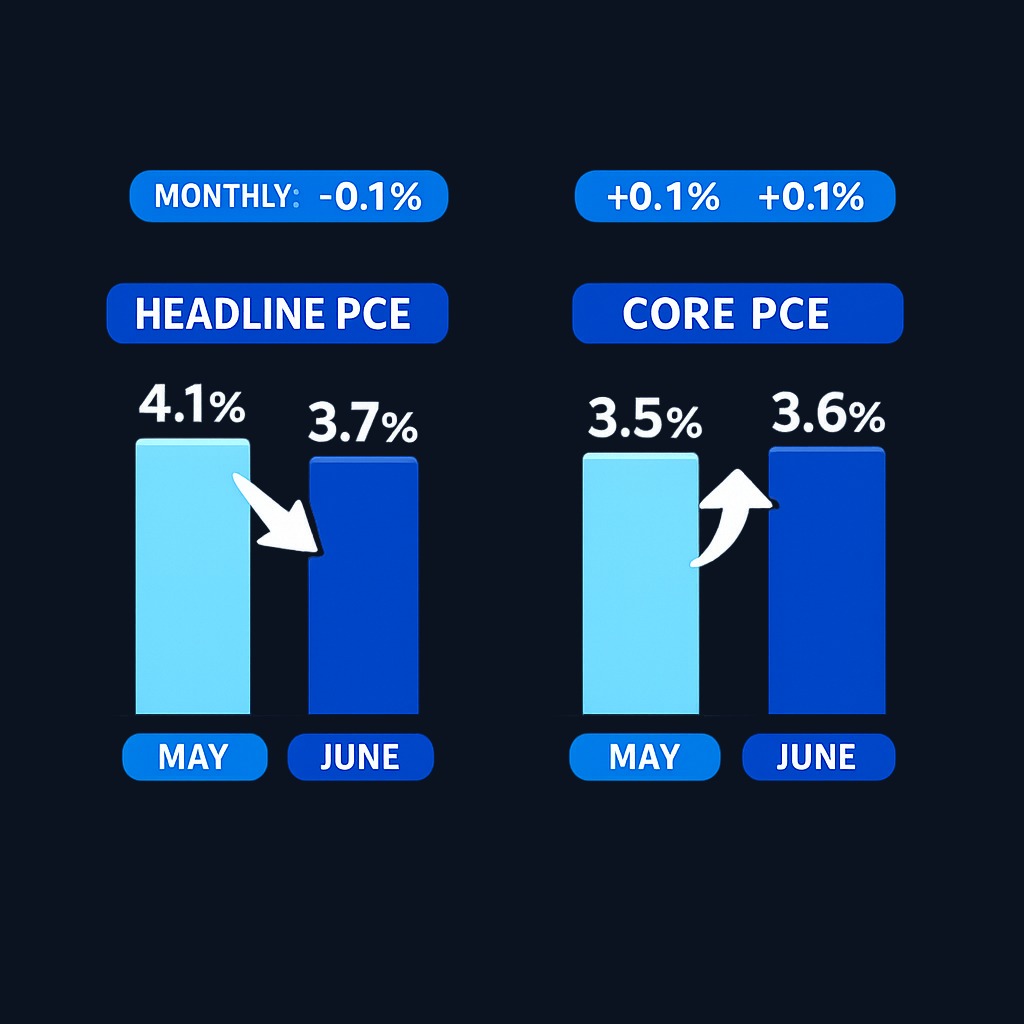
The Personal Consumption Expenditures index — the Federal Reserve's preferred inflation gauge — rose 3.7% in June from a year earlier, easing from 4.1% in May, with prices actually falling 0.1% on the month. Core PCE, which strips out food and energy, came in at 3.3% annually, with a monthly rise of just 0.1% — better than the 0.2% forecasters expected.
One day after the Fed held rates with three members voting to hike, the data landed on the doves' side of the table. But this report comes with an expiration date stamped on it — and that's the part markets are weighing.
Why this report matters more than usual
At the press conference on Wednesday, the Fed chair said the central bank now has "7–8 weeks of incoming data" before September's meeting — effectively naming reports like this one as the deciding evidence. This was the first of two PCE prints before that decision, and it showed inflation moving in the right direction: the gap to the Fed's 2% target narrowed for the first time in months.
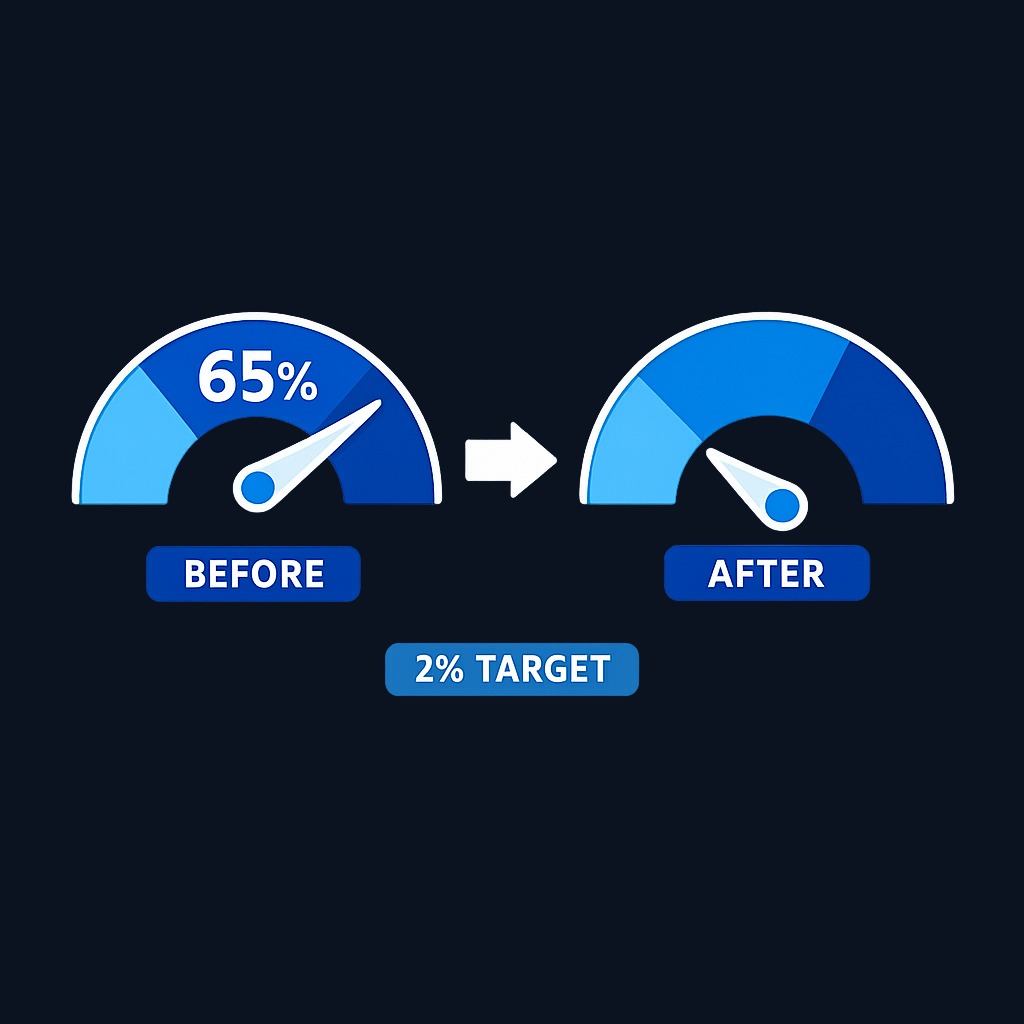
For the three dissenters who wanted a hike now, a cooling print weakens the case for urgency. Market pricing had pushed September hike odds toward 65% before the release; a soft inflation number is the kind of data that pulls those odds back.
Practice trading with Finelo
Practice in a simulator, learn with bite-sized lessons, and build confidence before risking real money.
The expiration date
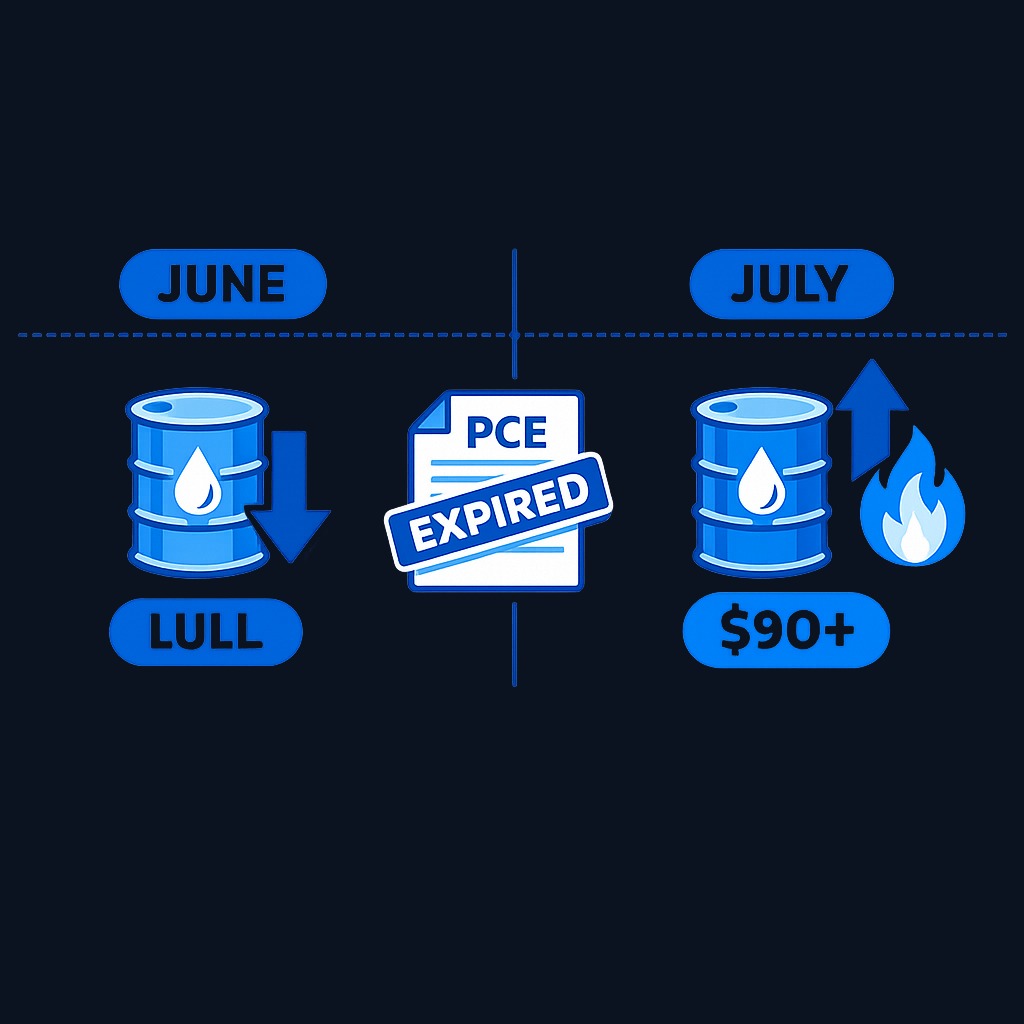
Here's the caveat that keeps this from being an all-clear: June's cooling was partly an energy story — and the energy story has since reversed. The monthly price decline owed much to oil's slide during the brief lull in the Iran conflict. That lull is over: strikes have resumed, tankers are rerouting around two chokepoints, and Brent is back above $90. July's inflation data — the second report before September — will capture that spike. In other words, this report describes a calmer world than the one we're currently in.
That's why the bond market barely celebrated: the 30-year Treasury yield hit a 19-year high of 5.24% this same morning. Long-term lenders are looking past June's data at $90 oil and heavy government borrowing — and demanding more anyway.
Why this matters to YOU
Know the Fed's actual scoreboard. Wall Street talks about CPI, but the Fed targets PCE — it covers a broader basket and adjusts as people substitute cheaper goods, which is why the two can tell different stories. When you hear "inflation is X%," ask: which index?
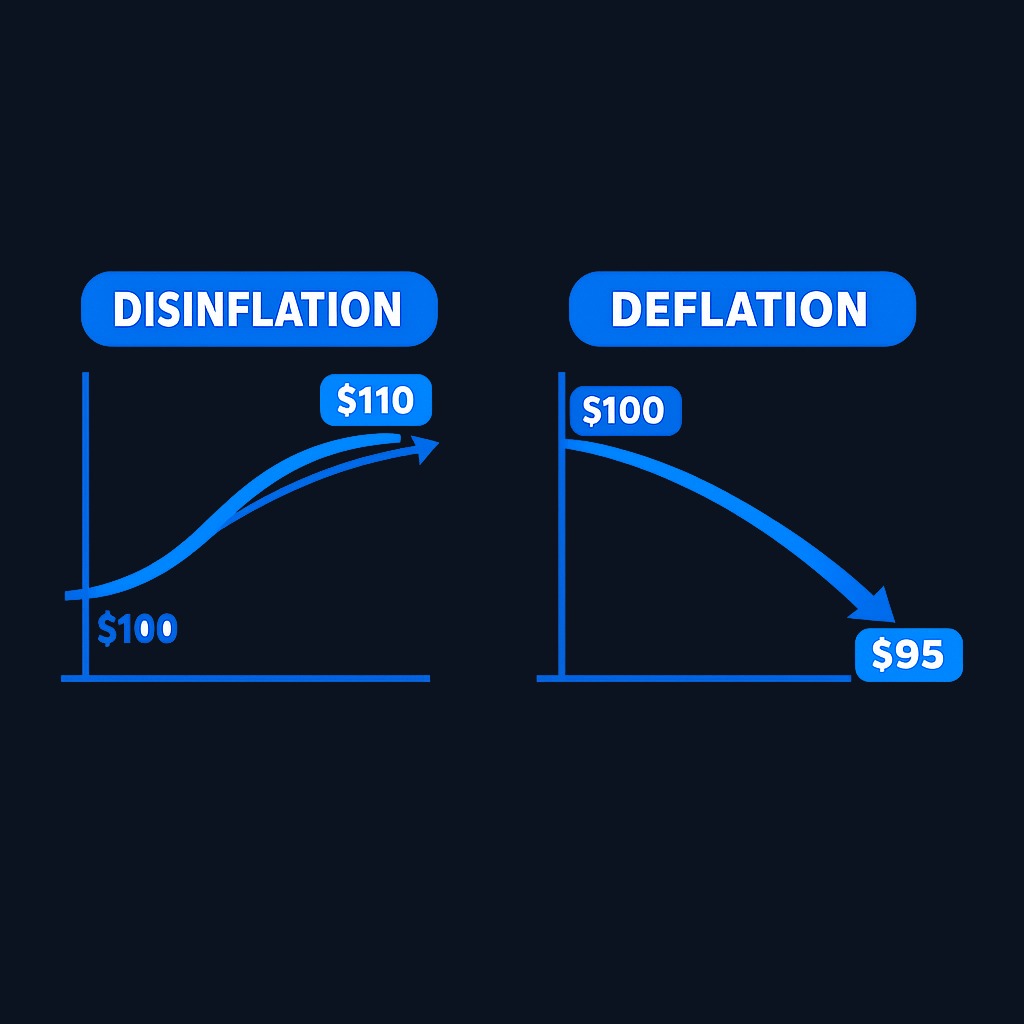
Falling inflation ≠ falling prices. A 3.7% rate means prices are still rising — just more slowly than before. The grocery bill doesn't go back down; it climbs at a gentler slope. Confusing disinflation with deflation is one of the most common mistakes in reading economic news.
September now hinges on one number. The July PCE report — released in late August, with the oil spike inside it — is shaping up as the single most consequential data point of the summer. Mark it.
The context this plugs into: Fed Rate Decision and Meta Earnings · the 30-year Treasury yield update.
Finelo does not provide investment advice. This article is for informational and educational purposes only.
Sources: Fox Business — June PCE report, Bureau of Economic Analysis — PCE price index, Reuters — pre-release expectations and market context
Frequently asked questions
What was the June 2026 PCE inflation rate?
Headline PCE inflation eased to 3.7% year over year, while core PCE rose 3.3%; the monthly headline index fell 0.1%.
Why does the Fed focus on PCE inflation?
PCE covers a broader set of spending and adjusts for substitutions consumers make, so it is the inflation measure the Federal Reserve formally targets.
What could change the inflation outlook before September?
July data will capture a renewed rise in oil prices, meaning the next PCE report may describe a more inflationary environment than June's release.
PCE inflationFederal Reserveinflationinterest ratesoil priceseconomy
Practice trading with Finelo
Practice in a simulator, learn with bite-sized lessons, and build confidence before risking real money.
About the author
Finelo Team
The Finelo Team creates practical investing and trading education designed to help beginners learn faster with structured challenges, simulator practice, and bite-sized lessons.
Keep reading — Related articles
News
U.S. Gas Prices Reach $4.46: What the Increase Means for Inflation and Household Costs
The EIA's U.S. all-grades gasoline average reached $4.455 per gallon. See what changed, why regions differ and how fuel prices affect inflation.
Finelo Team
News
China Sets a Stronger Yuan Fix at 6.7521: What It Means for USD/CNY
China set its September 18 yuan reference rate at 6.7521 per dollar. Learn how the official fixing differs from market rates and why the move matters.
Finelo Team
News
BOJ Raises Its Policy Rate to 1.25%: What the Decision Means for the Yen
The BOJ raised its overnight policy-rate target to around 1.25%. Learn why the yen can still weaken after a rate increase and what the decision says.
Finelo Team


