Last editorial review: September 28, 2026
Secured vs. unsecured personal loans
Compare collateral requirements, APR, fees, and the consequences of default before choosing a personal loan.
9 min read
Practice trading with Finelo
Practice in a simulator, learn with bite-sized lessons, and build confidence before risking real money.
Want to learn more?
Practice in a simulator, learn with bite-sized lessons, and build confidence before risking real money.
Explore FineloExplore Finelo's 28-day challenges
Turn learning into a daily habit with guided challenge paths.
A secured personal loan requires collateral, such as a vehicle or savings deposit. An unsecured loan does not pledge a specific asset at the start. That difference changes what the lender can pursue if you fail to pay, but both create a legal debt.
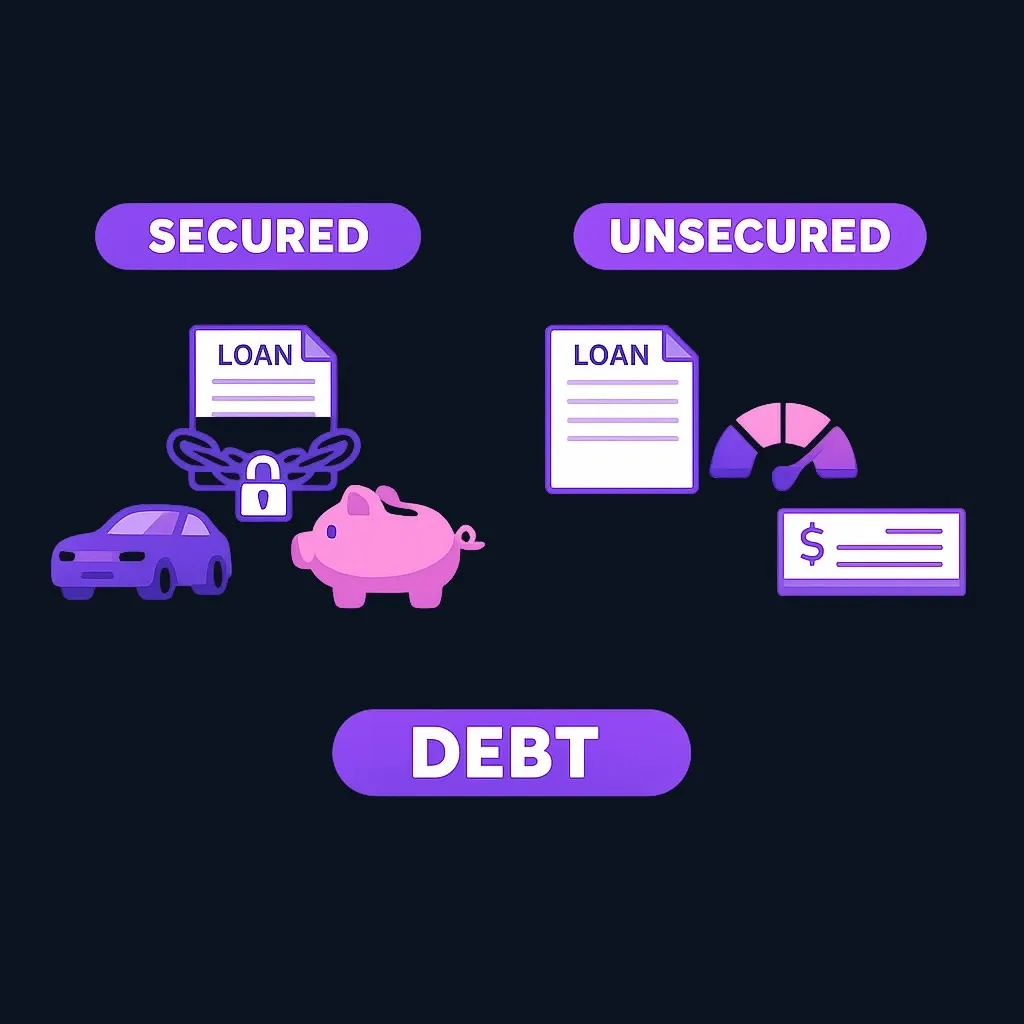
A lower rate is not enough to judge a secured offer. Include the value of the asset you are putting at risk.
Compare the obligations
| Feature | Secured loan | Unsecured loan |
|---|---|---|
| Collateral | Required under the agreement | No specific collateral pledged |
| Approval and pricing | Asset and credit profile can matter | Credit profile, income, and other underwriting matter |
| Default | Can lead to loss of collateral and other collection | Can lead to collections and legal action |
| Cost | May be lower, but not guaranteed | May be higher, depending on the offer |
The CFPB's secured and unsecured loan explanation introduces the collateral distinction.
Consider the effect of losing the asset
For a hypothetical borrower using a car to get to work, pledging that car can create a second problem if repayment fails: loss of transport and possibly income. A savings-secured loan can restrict access to money that might otherwise serve as an emergency reserve.
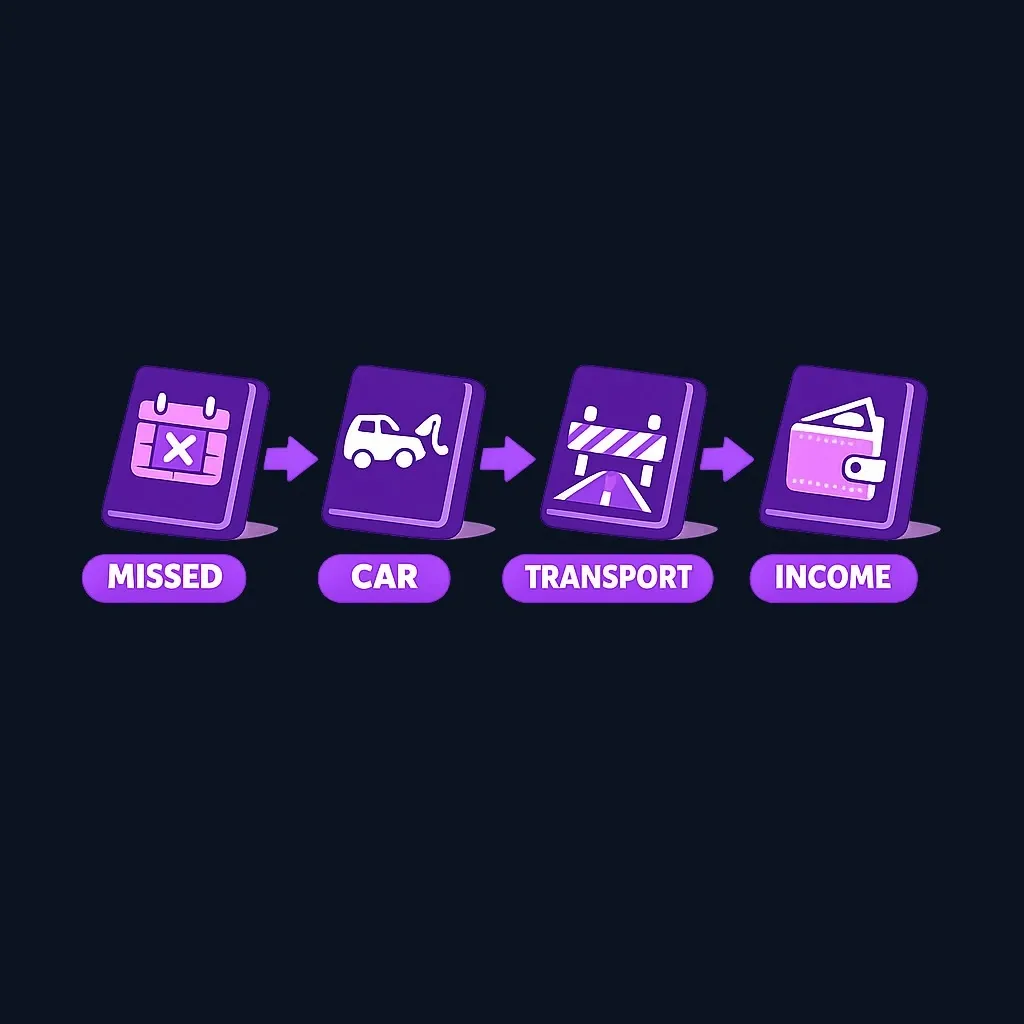
Unsecured does not mean consequence-free. Missed payments can damage credit, and a creditor may sue or use remedies allowed by law. Depending on the transaction and state law, selling collateral may also leave a remaining balance.
Compare actual offers
Use the same amount and repayment period. Check APR, fees, total payments, collateral value, insurance requirements, and early-payoff terms. Confirm when any lien or hold will be released.
Then test whether the payment remains affordable after a modest income or expense setback. Choose based on total cost and the consequences of default, rather than assuming the loan with collateral is automatically the safer deal.
Name the collateral and the consequences of losing it
A secured loan is not one uniform product. A savings-secured loan, a vehicle-secured loan, and a loan secured by other property can have different practical consequences. Identify the asset, its value to your daily life, any existing lien, and what the contract allows the lender to do after default.
If the pledged asset is needed for work or essential transport, losing it could make repayment problems worse. Compare that exposure with the dollar saving in the actual offer. A slightly lower rate may not compensate for a consequence the household cannot absorb.
Compare equal amounts and repayment periods
Use the same net cash received and loan term for the first comparison. Include origination charges and any collateral-related costs. Ask whether there are restrictions on using, selling, or withdrawing the pledged asset while the loan remains outstanding.
An unsecured offer avoids a contractual claim against a specific pledged asset, but it does not remove the obligation to pay. Late payments, collection activity, and legal remedies can still affect the borrower. Evaluate affordability with the same care for both offers.
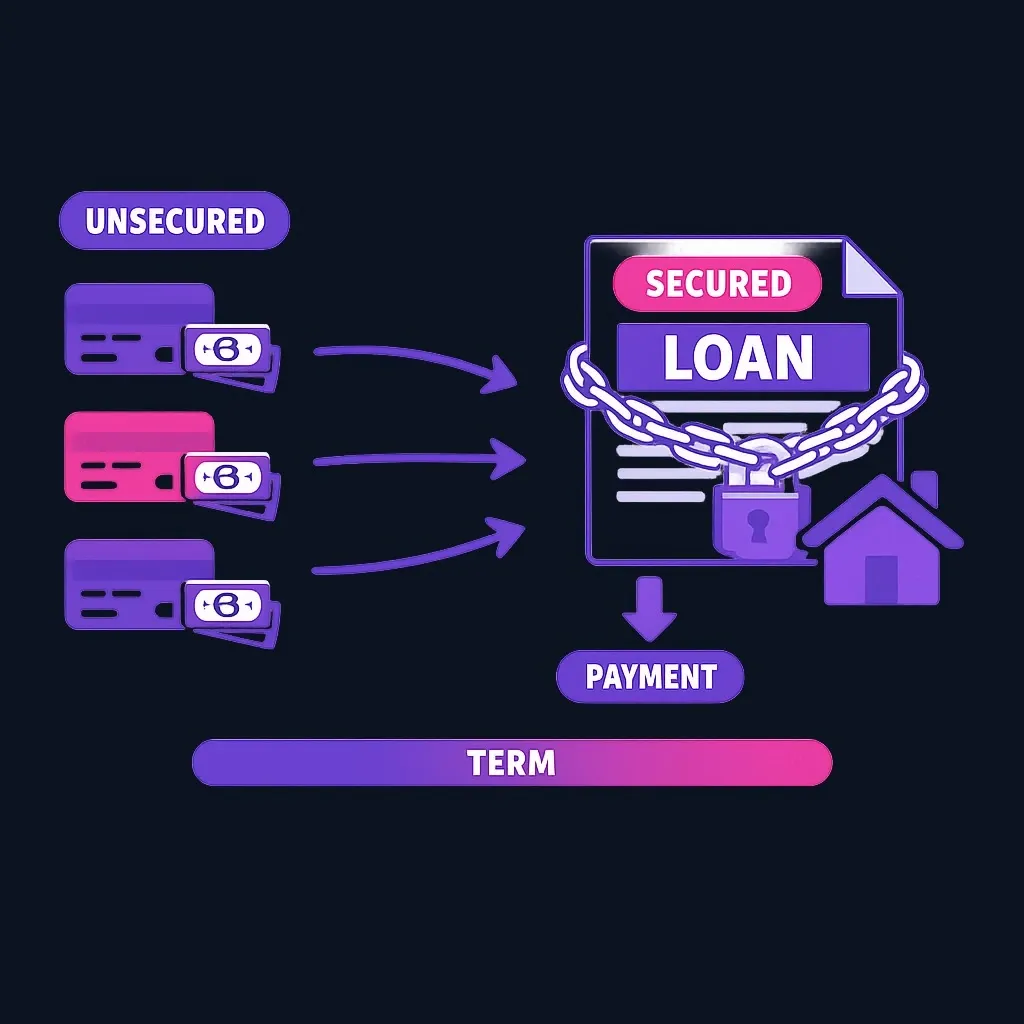
If the loan consolidates existing debt, review what changes. Turning unsecured balances into secured borrowing can lower a payment while adding collateral risk or extending repayment. Include those changes explicitly in the comparison and establish how new debt will be avoided after consolidation. Approval alone does not show that the proposed loan improves the household's position.
Practice trading with Finelo
Practice in a simulator, learn with bite-sized lessons, and build confidence before risking real money.
What Are Secured Personal Loans?
Secured personal loans require collateral — something of value you pledge to the lender as security for the debt. That collateral can be a vehicle, savings, or another asset the lender accepts; the presence of collateral is what makes the loan secured.
How they work (high level)
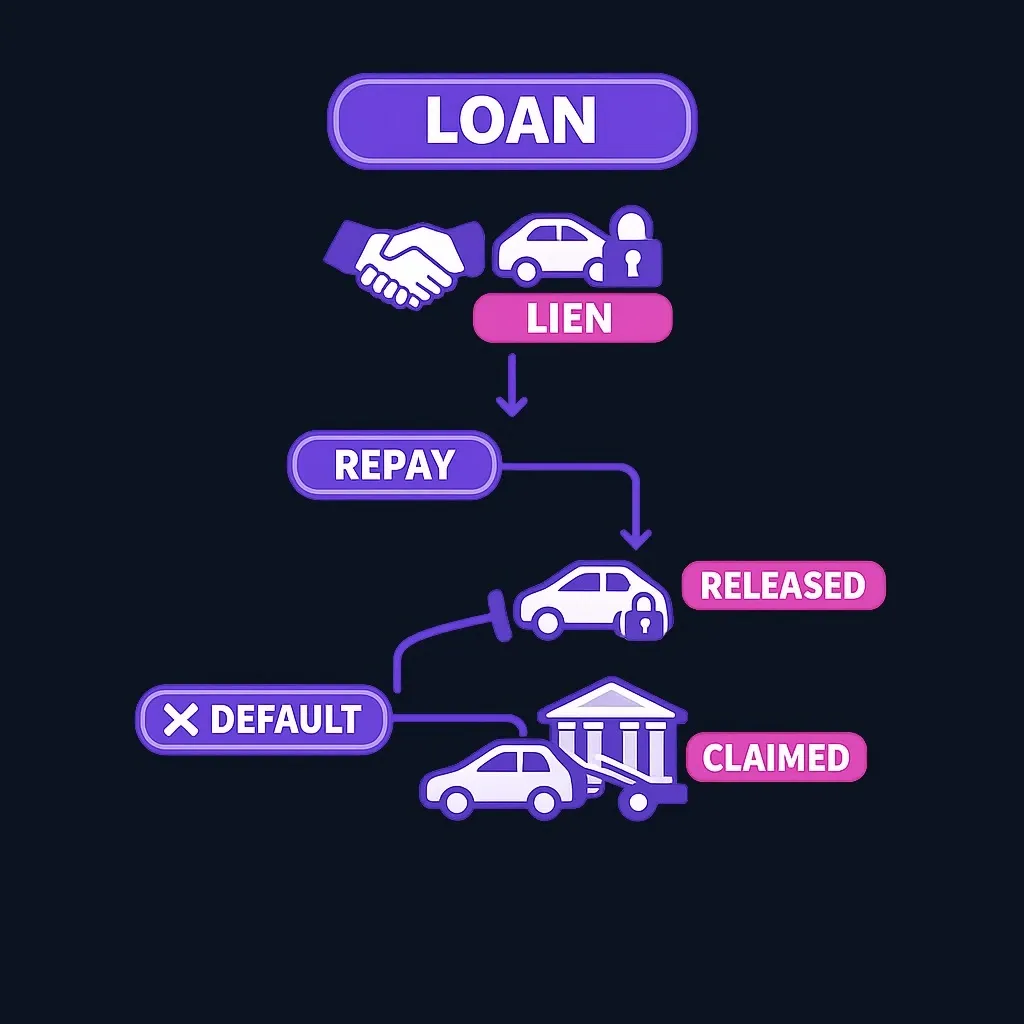
- You and the lender agree on loan amount and terms, and you grant the lender a legal interest in the named collateral.
- If you repay as agreed, the lien or pledge is removed when the loan is satisfied.
- If you fail to meet the loan terms, the lender may enforce its interest in the collateral according to contract and applicable law.
Concrete example
- Scenario: You need funds to consolidate high-interest balances. With a valuable, unencumbered asset you could offer as collateral, a secured loan can let you borrow against that asset. The lender’s security interest is what makes a loan “secured”. The CFPB guide linked above explains this distinction.
Caveat
- Putting an asset up as collateral reduces lender risk but increases your personal risk. Confirm contract terms about default and repossession before signing.
What Are Unsecured Personal Loans?
Unsecured personal loans do not require collateral; approval is based on the borrower’s credit profile, income, and other underwriting factors rather than a pledged asset, according to the CFPB’s differentiation of secured and unsecured credit types.
How they work (high level)
- Lenders make a loan decision primarily on creditworthiness and ability to pay.
- Because no asset is tied to the loan, the lender’s recourse on default typically follows different legal and collection pathways than with secured debt (review your contract and local laws).
Concrete example
- Scenario: You need a modest amount quickly and do not want to pledge a specific asset. An unsecured loan avoids collateral but places the decision on your credit standing and income documentation.
Caveat
- Unsecured loans shift default risk away from specific assets — but they do not remove consequences for nonpayment, which can include collections and credit-score impact.
How to compare your options
Checklist — questions to ask first
-
Do I have an asset I am comfortable pledging? (If yes, secured may be an option.)
-
Am I acceptable to lenders based on credit and income alone? (If yes, unsecured may be available.)
-
How large is the amount I need relative to my assets and credit capacity?
-
What are my non-financial priorities: speed of funding, protecting possessions, or minimizing contractual risk? 3-step decision flow (apply to your situation)
-
Inventory: list available assets you could pledge and their importance to daily life. If the asset is essential (a daily-driver car, primary savings), treat it as costly to lose.
-
Constraints: decide whether you can tolerate the risk to property; if not, eliminate secured options.
-
Fit: compare eligibility and affordability separately. Collateral may help qualification, but it cannot make an unaffordable payment manageable. If neither offer fits the budget, reduce or postpone the expense rather than treating a secured loan as the automatic next step.
Practical tip
- Treat this as conditional planning, not a final choice: gather lender quotes for both secured and unsecured products to compare concrete offers before committing.
When to choose each option
When to choose a secured loan
- You need a larger sum and have an asset you can pledge without crippling your daily life. Using a less-essential asset as collateral can expand lender willingness to fund larger amounts.
- You are willing to accept the legal and financial responsibilities that come with pledging property.
Example
- Someone consolidating multiple large balances who can pledge a secondary vehicle or a savings account—if willing to risk that collateral—might consider secured options.
Caveats to check before choosing
- Read the loan contract carefully to understand when a lender can claim collateral and what notice or cure periods exist.
When to choose an unsecured loan
- You prefer not to place specific property at risk, and the amount you need is modest enough that lenders may approve based on credit and income alone.
- You have solid credit and predictable income, and you value keeping assets unencumbered.
Example
- Borrowers needing a short-term, moderate amount for home repairs or medical expenses who want to avoid liens on property may find unsecured loans better fit those priorities.
Caveats to check before choosing
- Understand how missed payments affect your credit report and whether the lender uses collections or other recovery processes.
Tradeoffs and caveats
Key tradeoffs
- Risk vs. access: Pledging collateral can increase lender willingness to lend but increases your personal stake in failing to repay.
- Flexibility vs. documentation: Secured loans often require extra paperwork tied to the collateral. Unsecured applications emphasize credit checks and income proof.
Common mistakes and how to avoid them
- Mistake: Using an essential asset as collateral without fully understanding repossession conditions. Fix: Ask the lender for the default and repossession terms in writing before accepting the loan.
- Mistake: Comparing only monthly payments and ignoring the contract’s collateral clauses. Fix: Compare full contractual obligations, not just advertised payments.
- Mistake: Assuming unsecured means no consequences. Fix: Review collection, judgment, and credit-reporting language in the loan agreement.
Practical safeguards
- Ask for a full copy of the loan agreement and any security or lien documents. Get legal or financial clarification if a clause is unclear.
- Before asking for a cosigner as an alternative, recognize that the person takes on a real repayment obligation. A smaller expense, saving first, or a payment arrangement with the original provider may deserve comparison alongside new borrowing.
Legal and documentation caveat
- Laws about enforcement of secured claims vary by jurisdiction. Confirm local rules and lender procedures before pledging valuable property.
What is a secured loan?
A secured loan is one backed by collateral — an asset you pledge to the lender as security for the debt. The CFPB’s consumer education materials distinguish secured from unsecured credit by this pledge of an asset.
What is an unsecured loan?
An unsecured loan does not require collateral; lenders rely on your creditworthiness and income in underwriting instead of a pledged asset.
What happens if I default on a secured loan?
Default consequences vary by contract and law, but the essential point is that a secured loan involves a legal interest in the pledged asset. If you default, the lender may seek to enforce its interest in that collateral. Review your loan agreement and local rules to know the exact process for repossession or enforcement.
How do I decide which is right for me?
Start with a personal inventory: what assets you can spare, how much you need, and how much risk to property you can accept. Use the three-step decision flow above: inventory, constraints, fit. Collect written offers from lenders and compare contractual terms before committing.
Practical next steps
- Gather your documentation (income proof, asset titles, recent statements) and list assets you would or would not pledge.
- Request written terms from two or three lenders for both secured and unsecured options to compare contractual language.
If anything about a loan’s contract, collateral clause, or default process is unclear, ask the lender to clarify in writing or consult a qualified advisor before signing.
For the cash you actually receive from either offer, compare Personal loan with an origination fee vs. no origination fee.
This guide covers U.S. rules. Finelo provides financial education, not personalized financial, investment, tax, or legal advice.
Financial LiteracyU.S. GuideFinancial Education
Practice trading with Finelo
Practice in a simulator, learn with bite-sized lessons, and build confidence before risking real money.
About the author
Finelo Team
The Finelo Team creates practical investing and trading education designed to help beginners learn faster with structured challenges, simulator practice, and bite-sized lessons.
Keep reading — Related articles
Financial Literacy
USDA vs. FHA loan
Compare location and income eligibility, down payments, credit conditions, and upfront and annual program charges for a home purchase.
Finelo Team
Financial Literacy
Term life vs. accidental death insurance
Compare broad term-life protection with accident-only coverage, including exclusions, underwriting, and the family income gap.
Finelo Team
Financial Literacy
Term life insurance laddering vs. one policy
Compare several term policies ending at different times with one policy, using coverage needs, costs, and future insurability.
Finelo Team