Last editorial review: September 28, 2026
Should you delay Medicare Part B if you are still working?
Check current-employment coverage, employer size, coordination rules, and enrollment timing before delaying Medicare Part B.
9 min read
Practice trading with Finelo
Practice in a simulator, learn with bite-sized lessons, and build confidence before risking real money.
Want to learn more?
Practice in a simulator, learn with bite-sized lessons, and build confidence before risking real money.
Explore FineloExplore Finelo's 28-day challenges
Turn learning into a daily habit with guided challenge paths.
You may be able to delay Part B if you have qualifying group health coverage based on your or your spouse's current employment. Being employed is not enough on its own: confirm the kind of coverage and which insurer must pay first.
Do this before turning 65 or changing coverage, not after a claim is denied.
Check three things
| Question | Why it matters |
|---|---|
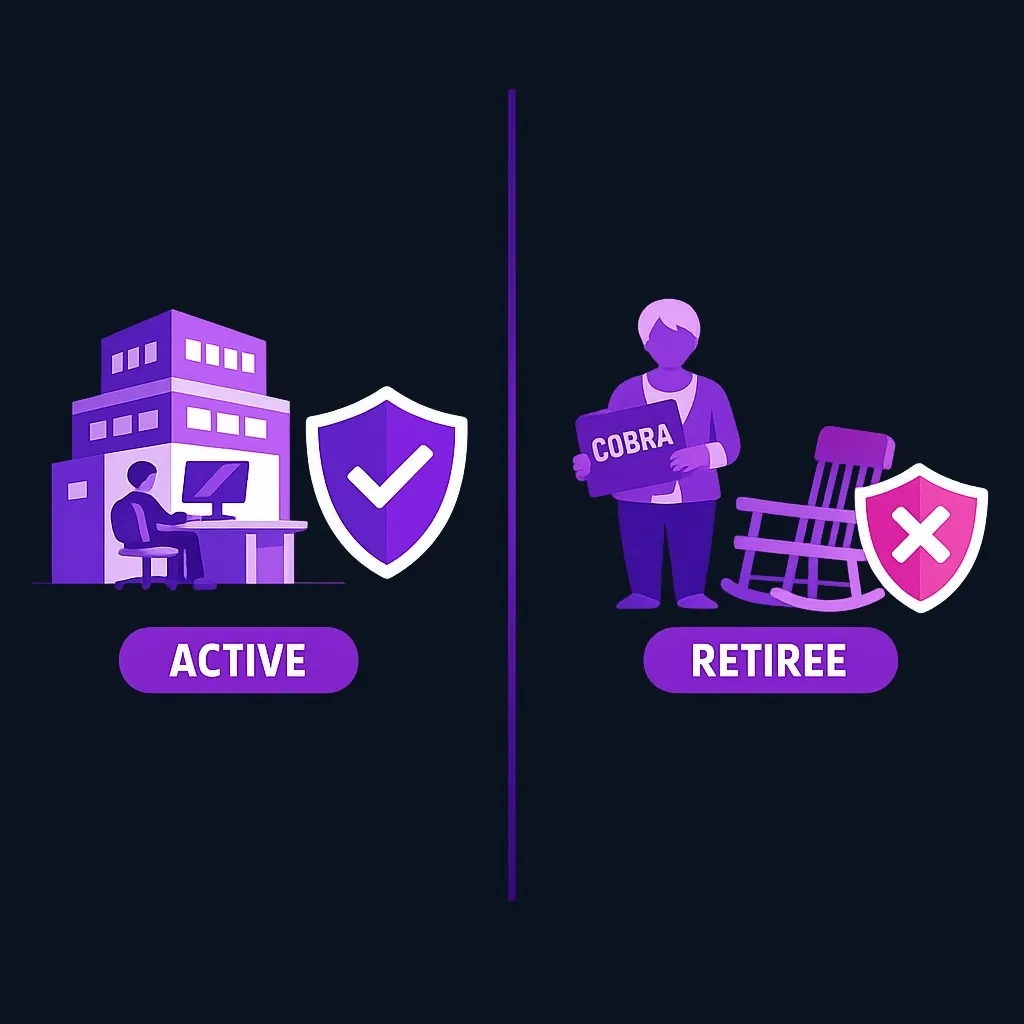
| Is coverage based on current employment? | Retiree and COBRA coverage do not generally qualify for the usual Part B employment-based enrollment protection |
| Who pays first? | Medicare commonly pays first for age-eligible people with coverage from employers with fewer than 20 employees; exceptions apply |
| When will employment or coverage end? | The enrollment deadline can begin before other insurance ends |
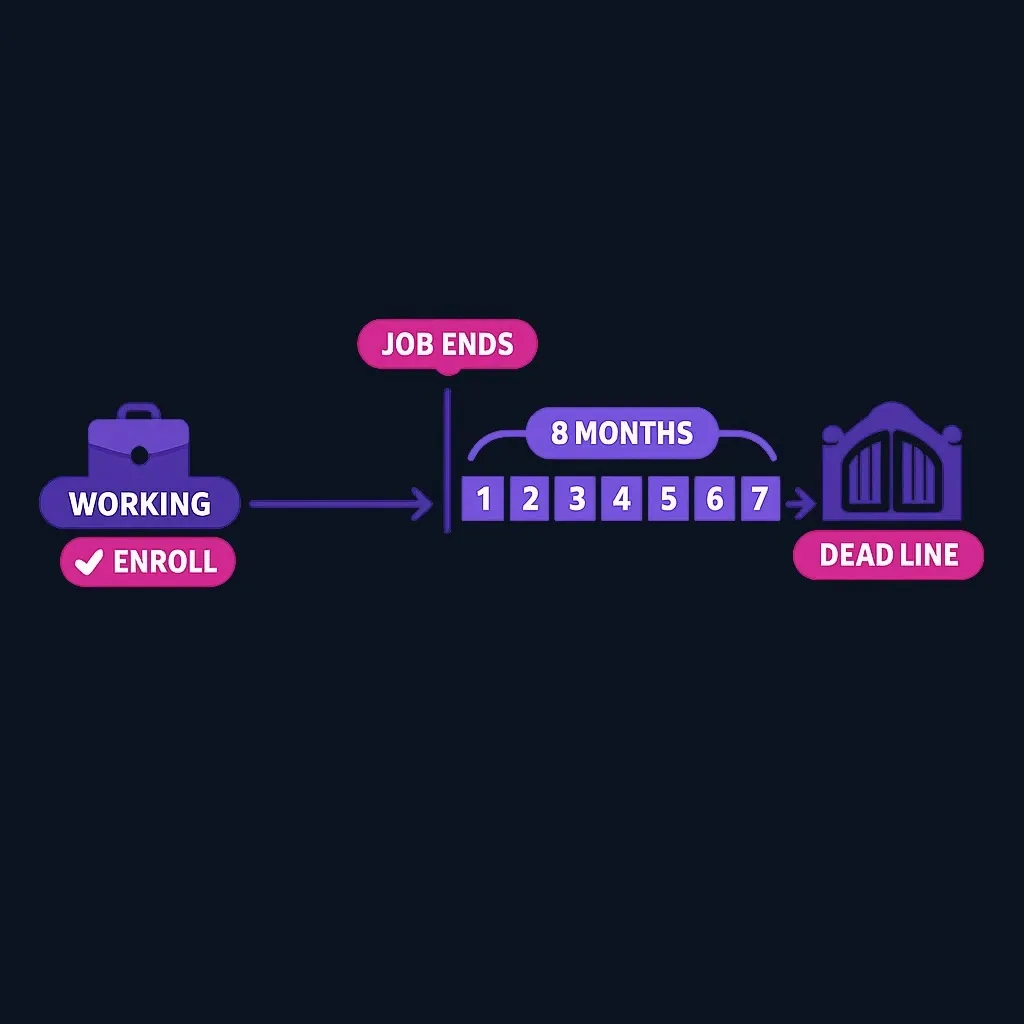
The Medicare working-past-65 guide explains the timing. For the usual qualifying employment situation, an eight-month Special Enrollment Period follows the end of employment or group coverage, whichever comes first. You can also enroll while still working with qualifying coverage.
A penalty exception does not guarantee complete coverage
If Medicare should be primary, an employer plan may not pay as expected when you have not enrolled. Ask the benefits administrator and insurer for written coordination guidance. Disability and end-stage renal disease can have different rules.
Also review Part D separately. Creditable prescription coverage uses a different test from Part B's current-employment coverage rules.
Plan the transition
Gather proof of employment and coverage dates. Ask Social Security when to apply so Part B starts when you need it; waiting until the end of an enrollment window can still leave a gap.
If you contribute to an HSA, check Medicare effective dates, including possible retroactive Part A coverage. Medicare enrollment affects HSA contribution eligibility. See IRS Publication 969.
Compare the savings from delaying Part B with the actual coverage and timing risks. Obtain an answer for your specific employer plan before relying on a general rule.
Confirm both the enrollment right and who pays first
These are related but separate questions. Coverage tied to current employment may support a Special Enrollment Period, while coordination rules determine whether the employer plan or Medicare should pay first. Ask the benefits administrator to address both points explicitly. A statement that you are “still covered” does not answer them.
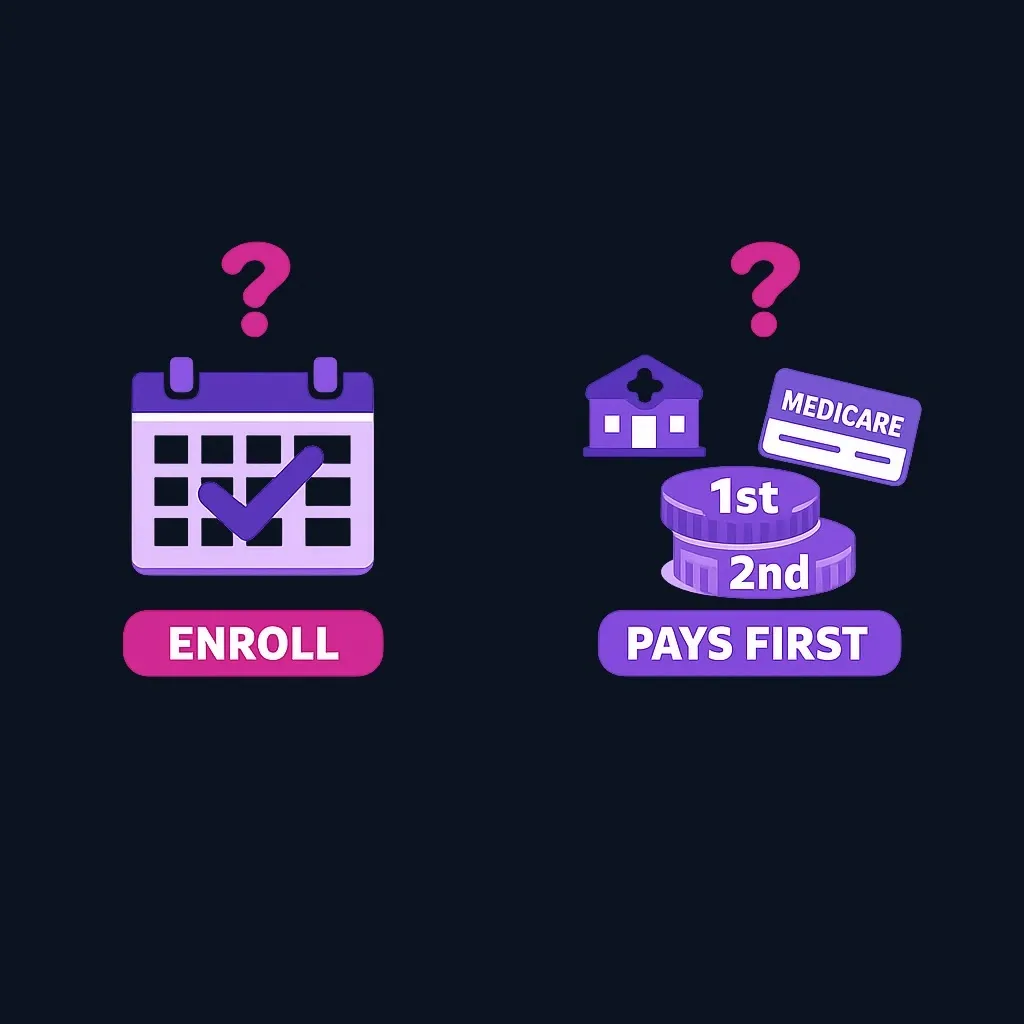
Employer size and the reason for Medicare eligibility can change the coordination rules. Do not apply an age-65 example automatically to Medicare eligibility based on disability or end-stage renal disease. Use the guidance for your situation and confirm how claims would be paid if you delayed Part B.
Compare the total cost of maintaining the arrangement
If delaying is permitted and the employer plan pays appropriately, compare premiums and expected out-of-pocket costs with the available Medicare arrangement. Include dependents who rely on the employer coverage. A decision that reduces one person's premium can increase the household's cost or leave another person needing replacement insurance.
Check HSA contributions separately. Medicare enrollment, including retroactive coverage, can affect contribution eligibility. An intention to delay Part B does not by itself establish that contributions remain permitted if another part of Medicare has begun. Coordinate the coverage dates with payroll and any personal contributions.
Prepare the transition before the job or coverage ends
Retain evidence of employment-based coverage and ask what forms will be needed when enrolling. Write down the end date and the desired Medicare start date. Work backward to allow for processing and follow-up rather than waiting until a medical bill reveals a gap.
If COBRA or retiree coverage will follow, evaluate it as a different arrangement. Do not assume it extends the current-employment enrollment protection. Confirm the Part B deadline and the coverage effective date with the responsible agencies so the transition is continuous and documented.
Practice trading with Finelo
Practice in a simulator, learn with bite-sized lessons, and build confidence before risking real money.
Who Should Consider Delaying Medicare Part B?
If you (or your spouse) are still employed and you have meaningful employer health coverage, delaying Part B can make sense. The decision often depends on three practical factors:
- Whether your employer plan provides comparable coverage for your needs (doctors, hospital access, prescriptions).
- The cost of Part B premiums versus what you pay in premiums, deductibles, and copays under your employer plan.
- Your retirement or coverage timeline — specifically when employer coverage will end.
Federal guidance notes that people still working past 65 may have different enrollment options and that employer coverage can affect whether you need to sign up for Part B immediately. The Social Security Administration also answers directly that being covered by employer insurance can change whether you must sign up for Part B at 65. Practical takeaway: delaying Part B is often appropriate when employer coverage is primary and adequate, but you must confirm timing rules so you can enroll later without penalty.
The Impact of Employer Coverage on Medicare Enrollment
Employer-sponsored health insurance usually determines whether Medicare must be your primary coverage at age 65. Two key points to check with your human resources (HR) or benefits administrator:
- Is your employer coverage considered current, active coverage based on your employment? If yes, you may be able to delay Part B without immediate penalty.
- If your employer plan will end (for example, at retirement or when you lose eligibility), you will have a defined window to enroll in Medicare without facing a late-enrollment penalty — you should learn that window before coverage ends and contact Social Security ahead of time.
Tip: Ask HR whether the employer plan is “creditable” for prescription coverage and whether the plan remains in effect while you work full-time. Confirming this in writing will speed enrollment later and help avoid surprises.
Special Enrollment Periods: What You Need to Know
If you delay Part B because of employer coverage, federal guidance provides a Special Enrollment Period (SEP) to sign up after employment or employer coverage ends. The SEP exists so you can add Part B (and Part A if needed) without waiting for a general enrollment period; Medicare’s working-past-65 guidance explains how timing differs when you are still working. Practical steps during the SEP:
- Contact Social Security before your employer coverage ends so you know the exact enrollment window and required documents.
- Gather the employment and group-coverage evidence SSA requests, including the employer-completed form when applicable. An insurance card alone may not establish coverage based on current employment; this is separate from Part D’s creditable-drug-coverage test.
Checklist: Before relying on an SEP
- Ask HR how long employer coverage will remain active after your employment ends.
- Request written confirmation of your coverage dates.
- Call Social Security early to confirm the timing and documents needed to enroll.
Potential Penalties for Delaying Enrollment
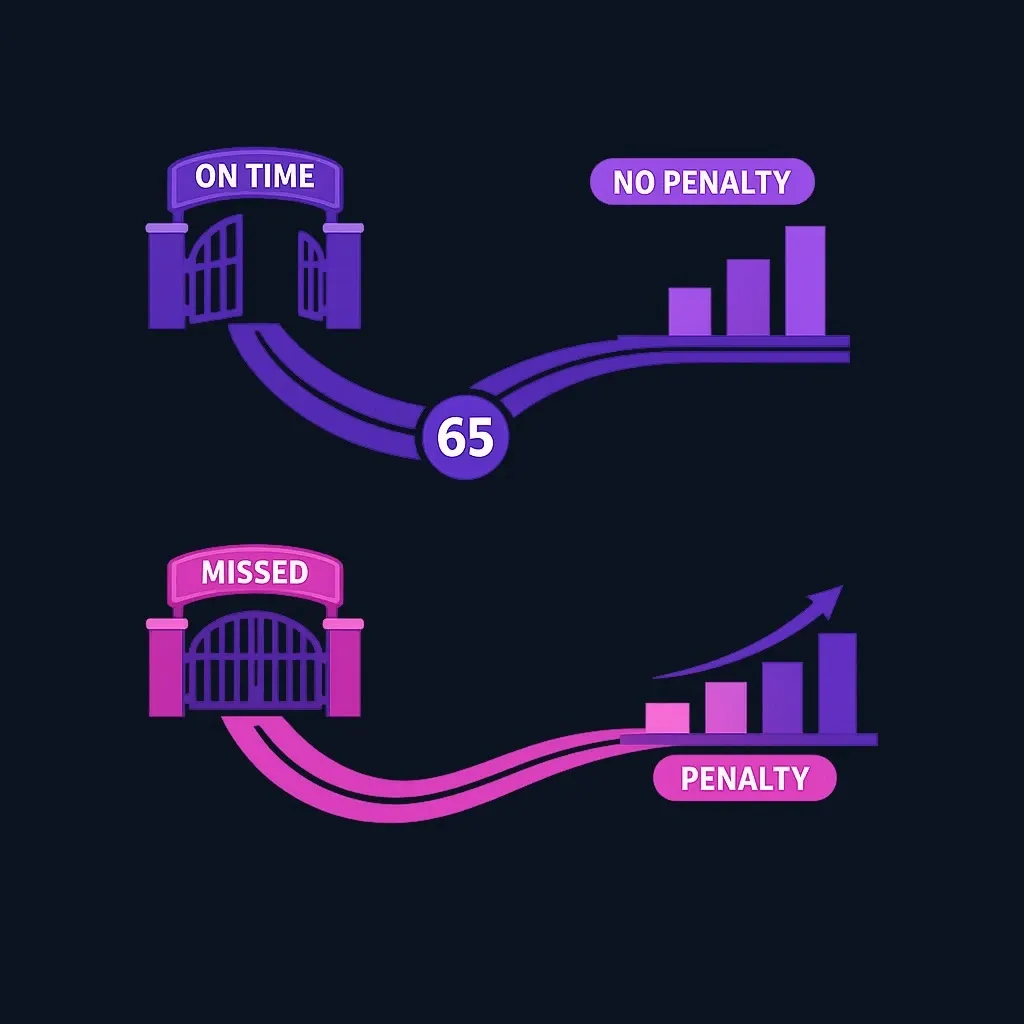
Delaying Part B without qualifying employer coverage (or missing the SEP when coverage ends) can lead to a late-enrollment penalty. Medicare guidance describes how delaying Part B may increase your future Part B premium — the penalty is assessed based on how long you went without Part B when you were eligible. For official details, review Medicare’s working-past-65 guidance. You should verify current penalty calculations and rules on the official site before making a final decision. Practical takeaway: avoid assuming you can enroll later without consequence. Confirm that your employer coverage qualifies you for the SEP and complete enrollment within the allowed timeframe to prevent permanent premium increases.
Hypothetical situations to check
Below are short, realistic examples to help you map the guidance to common situations. Each scenario assumes you check timing with Social Security and your employer. Scenario A — Continue working full-time with employer coverage:
- You have qualifying current-employment group coverage at 65 and have confirmed that the employer plan pays first without Part B. Delaying can avoid Part B premiums while that arrangement continues. Arrange enrollment before the coverage ends so the effective dates align.
Scenario B — Spouse’s employer covers you:
- If you are covered under a spouse’s active employer plan, the same SEP protections typically apply. Confirm with Social Security and HR whether that coverage counts as current employer coverage.
Scenario C — Retiring soon and losing coverage:
- If retirement is imminent, plan to contact Social Security several weeks before your employer coverage ends so you can enroll promptly during the SEP and avoid gaps.
Each scenario highlights the same action steps: confirm coverage status with HR, document coverage dates, and contact Social Security early so you can use your SEP correctly.
Transitioning from Employer Coverage to Medicare
When you decide (or are required) to move from employer coverage to Medicare, follow these steps to reduce coverage gaps:
- Notify Social Security before your employer coverage ends and ask how to apply for Part B during your SEP.
- Obtain written proof from your employer showing the last date of employer-provided coverage (this supports SEP enrollment).
- Enroll in Part B (and Part A if needed) during the SEP to prevent penalties and coordinate any prescription drug coverage transitions.
- If you need a Medicare Part D prescription plan or Medicare Advantage (Part C), confirm any additional windows for enrollment so you avoid late-enrollment rules.
A practical checklist for your HR conversation:
- Ask for an employment-provided coverage end date in writing.
- Confirm whether the employer plan counts as primary while employed.
- Request documentation that your plan’s drug coverage is “creditable” if you plan to delay Part D.
For authoritative enroll-and-timing guidance, refer to Medicare’s working-past-65 information and the Social Security FAQ about signing up while working.
Do I need to sign up for Medicare when I turn 65?
Not always. If you (or your spouse) are still working and have employer-sponsored health insurance, federal guidance explains that you may be able to delay Part B and keep employer coverage; check your situation with Social Security and your employer.
What is a Special Enrollment Period?
For qualifying job-based group coverage, you can enroll while you or your spouse are still working and covered, or during the eight months after employment or coverage ends, whichever occurs first. Medicare describes how SEPs apply to people working past 65 and why you should contact Social Security before coverage ends.
What happens if I delay enrolling in Part B?
If you delay because you have qualifying employer coverage and then enroll during the SEP, you typically avoid a late-enrollment penalty. If you delay without qualifying coverage or miss the SEP, you may face a permanent premium increase; check official guidance before delaying.
How does employer coverage affect my Medicare enrollment?
Employer coverage that’s based on current employment can allow you to delay Part B and use a Special Enrollment Period later. Confirm coverage status and enrollment timing with HR and Social Security to ensure you can enroll without penalty.
If you also have an HSA, review the Medicare timing rules in HSA: spend now or save for retirement.
This guide covers U.S. rules. Finelo provides financial education, not personalized financial, investment, tax, or legal advice.
Financial LiteracyU.S. GuideFinancial Education
Practice trading with Finelo
Practice in a simulator, learn with bite-sized lessons, and build confidence before risking real money.
About the author
Finelo Team
The Finelo Team creates practical investing and trading education designed to help beginners learn faster with structured challenges, simulator practice, and bite-sized lessons.
Keep reading — Related articles

Financial Literacy
USDA vs. FHA loan
Compare location and income eligibility, down payments, credit conditions, and upfront and annual program charges for a home purchase.
Finelo Team

Financial Literacy
Term life vs. accidental death insurance
Compare broad term-life protection with accident-only coverage, including exclusions, underwriting, and the family income gap.
Finelo Team

Financial Literacy
Term life insurance laddering vs. one policy
Compare several term policies ending at different times with one policy, using coverage needs, costs, and future insurability.
Finelo Team


