Last editorial review: September 28, 2026
Social Security overpayment: waiver vs. appeal
An appeal disputes an overpayment decision; a waiver asks not to repay it. Compare the evidence, deadlines, and collection consequences.
9 min read
Practice trading with Finelo
Practice in a simulator, learn with bite-sized lessons, and build confidence before risking real money.
Want to learn more?
Practice in a simulator, learn with bite-sized lessons, and build confidence before risking real money.
Explore FineloExplore Finelo's 28-day challenges
Turn learning into a daily habit with guided challenge paths.
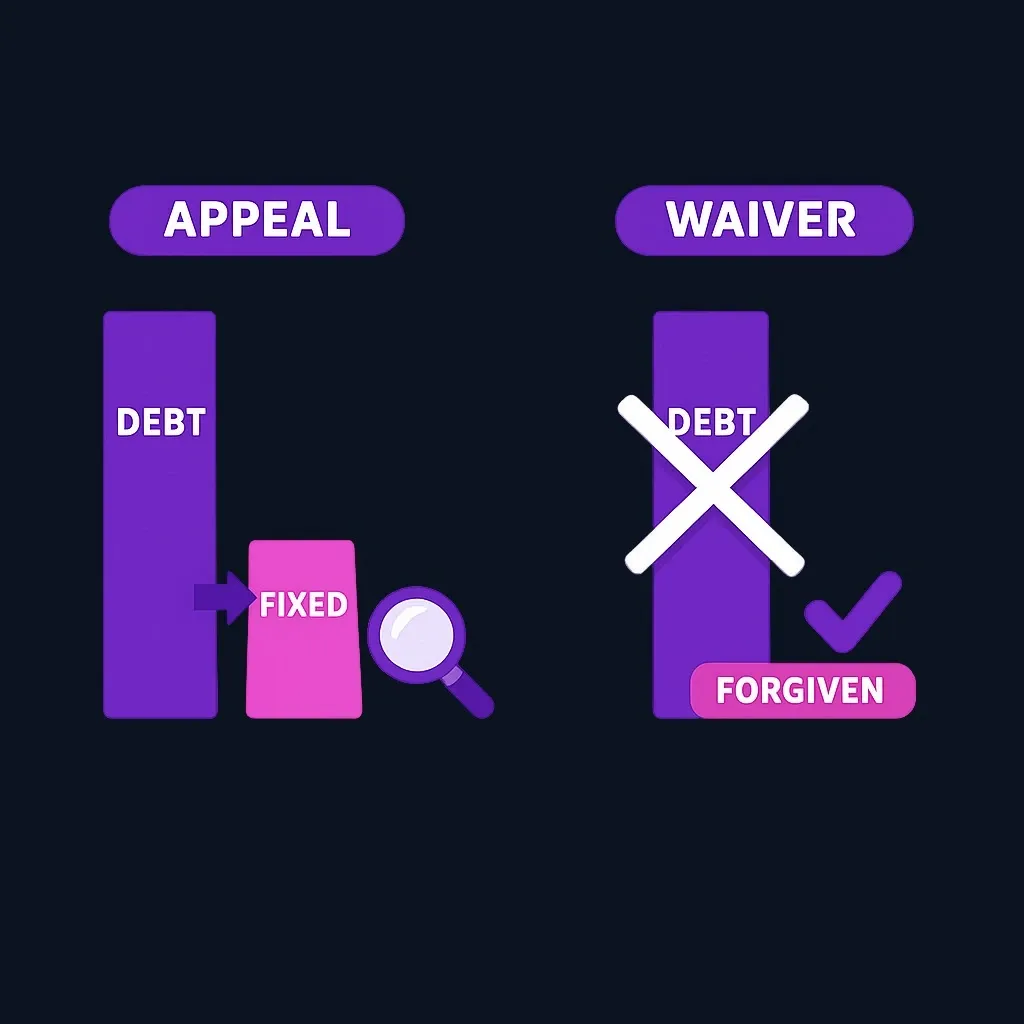
An appeal challenges whether you were overpaid or whether SSA calculated the amount correctly. A waiver asks SSA not to recover an overpayment under its waiver rules. The first step is to identify what you disagree with in the notice.
Keep the letter and note the date you received it. Different requests can have different timing consequences.
Match the request to the problem
| Situation | Request to consider |
|---|---|
| You believe there was no overpayment | Reconsideration or appeal |
| You believe the amount is wrong | Reconsideration or appeal |
| You were not at fault and meet waiver conditions | Waiver of recovery |
| You need a smaller repayment amount | Change in recovery rate |
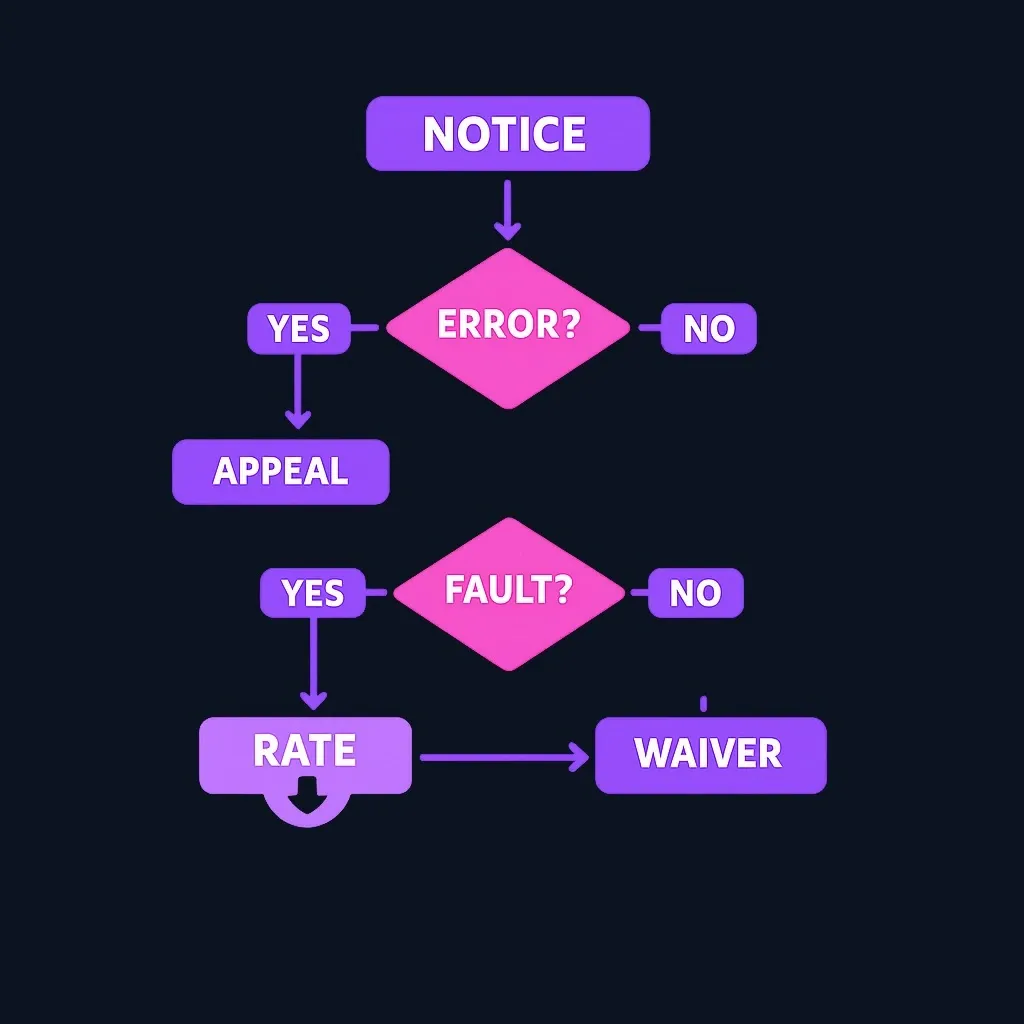
The SSA waiver-form guidance distinguishes Form SSA-632 for waiver requests from Form SSA-561 for reconsideration. Lack of fault and inability to afford repayment are important waiver grounds; SSA also considers other applicable waiver criteria.
Protect the deadlines
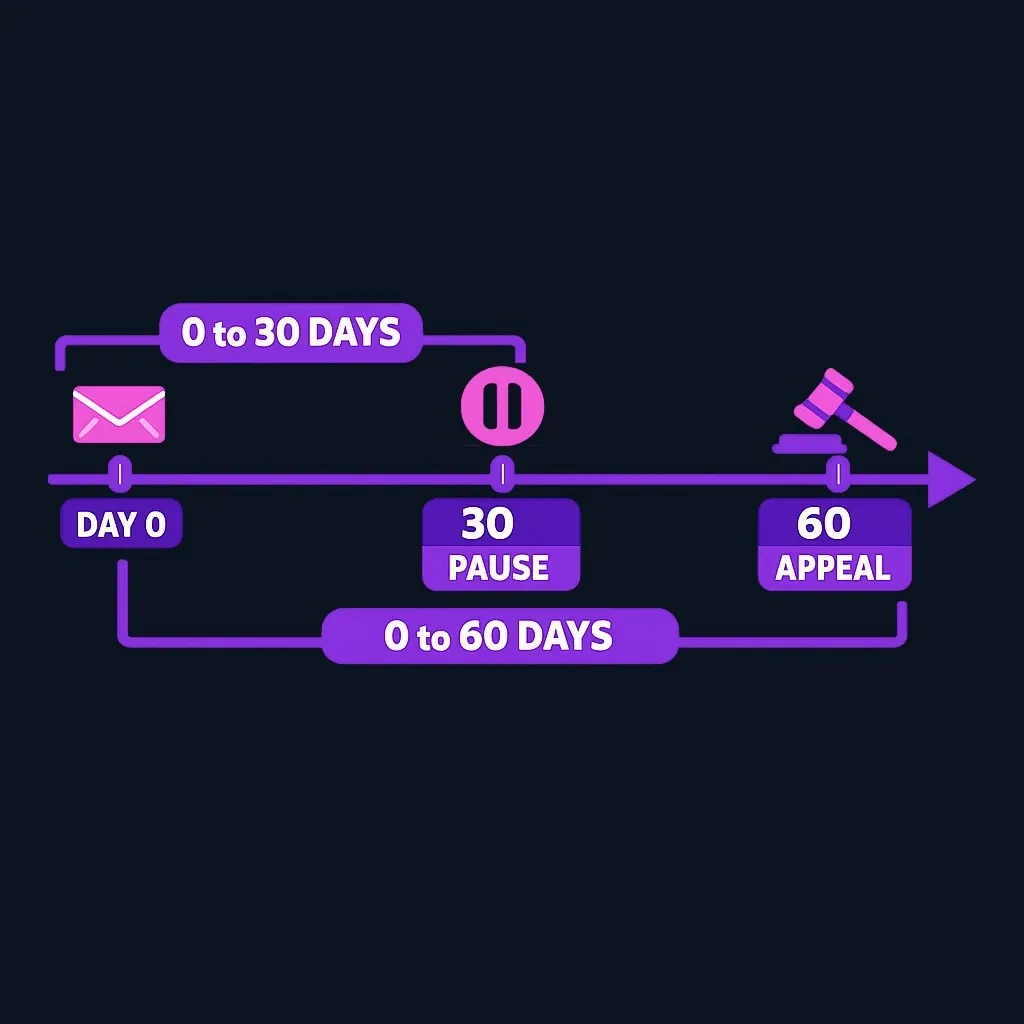
Appeal requests generally have a 60-day deadline after receipt of the notice, subject to applicable rules and good-cause extensions. Follow the notice rather than waiting until you have every document. A waiver can be requested at any time, but filing promptly matters for collection. See SSA’s pre-recovery review rules.
SSA's repayment guidance explains that requesting an appeal or waiver within 30 days can prevent collection from beginning until a decision. The appeal deadline and the timing needed to avoid immediate withholding are not the same issue.
Build the evidence around the request
For an appeal, compare SSA's figures with earnings records, payment history, and reported changes. For a waiver, document why you were not at fault and the circumstances supporting waiver. For smaller repayments, prepare income and essential-expense records.
If you both dispute the debt and believe you meet waiver criteria, ask SSA how to preserve each request. Keep submission confirmations and copies.
Do not assume contacting SSA automatically stops withholding. Confirm what has been recorded, which deadline applies, and what will happen to payments while the request is pending.
Read the notice as a set of questions to resolve
Identify the program, the months involved, the alleged reason for overpayment, the amount, and the response deadlines. Compare those items with payment records and information you previously reported. A notice can involve a factual disagreement, a calculation issue, or a correct payment history with a separate question about recovery.
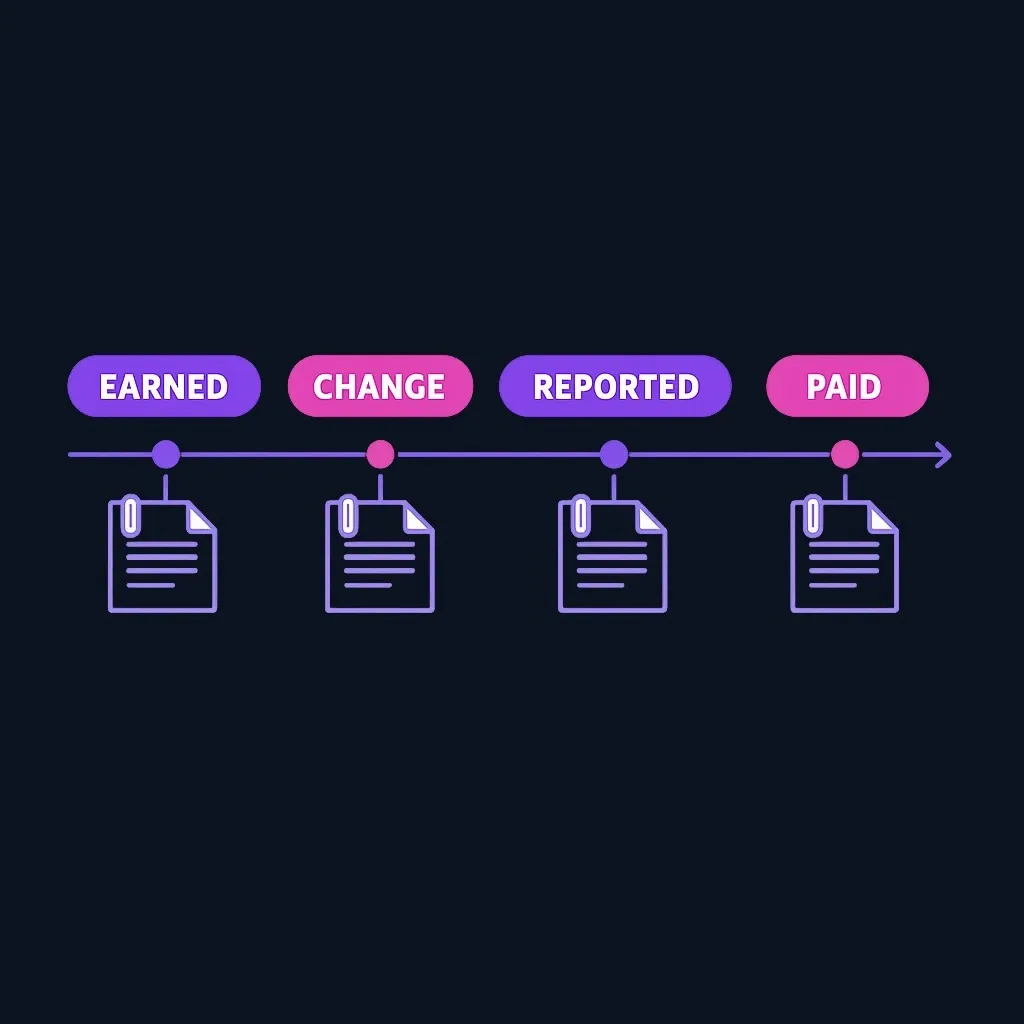
For an appeal, organize evidence around why the decision or amount is wrong. A timeline can be useful: when income was earned or received, when a change occurred, when you reported it, and what SSA paid. Keep the documents that support each date rather than sending an unexplained pile of records.
For a waiver, address fault and the applicable recovery standard. Include financial information when relevant, along with the circumstances in which the overpayment occurred. A request saying only that the debt is inconvenient does not answer the required questions.
Practice trading with Finelo
Practice in a simulator, learn with bite-sized lessons, and build confidence before risking real money.
Keep cash-flow requests distinct from the merits
If the debt is correct and waiver is not available, a different repayment rate may be relevant. That does not change the underlying amount owed. Ask SSA which request addresses the actual problem and how it affects recovery while the matter is considered.
Keep proof of submission and follow the instructions in the notice. If a deadline is near or unclear, contact SSA promptly rather than assuming a conversation about hardship also filed an appeal. Where both a dispute and waiver grounds exist, identify them separately so the records explain each request.
After a response, read the decision and any further appeal instructions. Update the household budget using the actual recovery arrangement, and continue reporting changes required for the underlying benefit. Resolving an old overpayment does not remove the need to prevent a new one.
Understanding Waivers and Appeals: Definition and Process
What is a waiver (request for waiver of recovery)?
A waiver asks SSA to stop recovery of an overpayment — in short, to forgive the debt — on the basis that you were not at fault and repaying would cause financial hardship or would be unfair for other reasons. SSA’s official waiver form is Form SSA-632 (Request for Waiver of Overpayment Recovery), which begins the waiver review process. Address both lack of fault and the applicable hardship or equity standard; difficulty repaying alone does not automatically establish waiver eligibility. What SSA looks for when reviewing a waiver (high-level):
-
Evidence you were not at fault for the overpayment; and
-
Evidence repaying would cause financial hardship or be otherwise inequitable (see SSA guidance linked above).
Complete Form SSA-632 and submit any supporting documents SSA asks for. The form and SSA’s page describe the submission process.
What is an appeal?
An appeal challenges SSA’s determination that an overpayment occurred or disputes the amount SSA says you owe. If you believe SSA’s calculation or facts are incorrect, you may ask SSA to reconsider the decision and provide supporting evidence; SSA’s overpayment guidance explains appeal rights and procedures. How to start: follow the instructions on your overpayment notice and SSA’s overpayment page for filing a formal appeal. Include any documents that demonstrate SSA’s finding is incorrect.
How to compare your options
Use these concrete factors to decide whether to request a waiver, file an appeal, or both.
- Fault vs. factual error: If you believe SSA’s facts or math are wrong, prioritize an appeal because an appeal corrects the record; if the facts are correct but repayment would cause hardship and you were not at fault, a waiver is the route SSA provides.
- Strength of evidence: Appeals should explain the factual or calculation error; waiver requests should establish lack of fault and the applicable recovery standard, which can involve hardship or equity. Financial records are relevant when inability to repay is the basis. Use the form instructions for what to submit.
- Urgency and cash flow: Hardship records may support a waiver request, but hardship alone does not establish eligibility. Explain why you were not at fault and address the applicable recovery standard.
- Administrative path and outcomes: An appeal seeks correction of the record; a successful waiver prevents collection even if SSA’s record shows an overpayment. Review SSA’s overpayment guidance for procedural details before deciding.
Practical tip: Start by reading your overpayment notice carefully and then gather documents that show either (a) the agency is wrong, or (b) you cannot reasonably repay. Use SSA’s forms and instructions as your checklist.
When to choose each option
Below are three realistic scenarios that illustrate the decision framework. These are hypothetical examples for clarity — adapt them to your documentation and facts.
- Scenario A — Documentation shows SSA miscounted earnings: If your employer records prove SSA counted wages in the wrong month and you can provide pay stubs, an appeal is likely the correct first step to remove or reduce the overpayment.
- Scenario B — Overpayment is accurate but repayment causes hardship: If SSA’s calculation is correct but repaying would leave you unable to pay rent or medical expenses, request a waiver and document monthly income, essential expenses, and why you were not at fault.
- Scenario C — Uncertain facts and hardship concerns: If you both dispute aspects of SSA’s finding and cannot afford repayment, gather both types of evidence (documents to prove the error and records showing hardship). Read SSA’s guidance to submit the appropriate forms and evidence.
Decision takeaway: choose the path that targets the core problem (error vs. hardship). If you have both a factual dispute and serious hardship, prepare evidence for both lines of argument and follow SSA’s instructions for filing the appropriate requests.
Tradeoffs and caveats
- Different remedies, different standards: A successful appeal corrects SSA’s determination; a successful waiver forgives repayment even when the agency’s bookkeeping stands. The standards SSA applies for each are distinct; use the form instructions to identify the evidence required for your request.
- Keep careful records and copies: SSA decisions depend heavily on documents. Keep originals and make dated notes of any conversations with SSA representatives. Submit copies, not originals, unless SSA specifically asks for them.
- When SSA does not respond or you need help: If you can’t resolve the issue using SSA’s forms and guidance, consider contacting your local SSA field office or seeking free legal assistance in your area. The SSA overpayment page lists how to proceed; use it to find the official contact and filing instructions.
What is the main difference between a waiver and an appeal?
A waiver asks SSA to forgive repayment because you were not at fault and repayment would be unfair or cause hardship. An appeal asks SSA to change its decision because the overpayment finding or amount is incorrect. See SSA’s overpayment guidance for each path.
What evidence do I need for a waiver or an appeal?
For a waiver, explain why you were not at fault and address the applicable recovery standard, including financial records when relevant. For an appeal, supply evidence showing why the determination or amount is wrong. Follow the notice’s forms and deadlines for each request.
Can I file a waiver and an appeal at the same time?
Procedurally, waiver requests and appeals address different issues (forgiveness vs. error correction). Review your overpayment notice and SSA’s guidance to submit the appropriate forms and evidence; your situation may require pursuing both lines in parallel depending on your facts.
What happens if my waiver or appeal is denied?
If SSA denies a waiver, SSA may proceed with recovery of the overpayment unless another relief option applies; if an appeal is denied, follow the further appeal steps described on SSA’s overpayment page. Always read the decision notice carefully for instructions and next steps.
For ordinary benefit-payment budgeting, read Should you have taxes withheld from Social Security.
This guide covers U.S. rules. Finelo provides financial education, not personalized financial, investment, tax, or legal advice.
Financial LiteracyU.S. GuideFinancial Education
Practice trading with Finelo
Practice in a simulator, learn with bite-sized lessons, and build confidence before risking real money.
About the author
Finelo Team
The Finelo Team creates practical investing and trading education designed to help beginners learn faster with structured challenges, simulator practice, and bite-sized lessons.
Keep reading — Related articles

Financial Literacy
USDA vs. FHA loan
Compare location and income eligibility, down payments, credit conditions, and upfront and annual program charges for a home purchase.
Finelo Team

Financial Literacy
Term life vs. accidental death insurance
Compare broad term-life protection with accident-only coverage, including exclusions, underwriting, and the family income gap.
Finelo Team

Financial Literacy
Term life insurance laddering vs. one policy
Compare several term policies ending at different times with one policy, using coverage needs, costs, and future insurability.
Finelo Team


